Review · HANOI
Hanoi Vegan & Vegetarian Street Food Tour
Hanoi tastes even better without meat. This three-hour walking tour takes you through the Old Quarter for vegan pho, banh mi, crispy pancakes, spring rolls, rice dishes, dessert, and coffee, with an English-speaking guide explaining how familiar Vietnamese foods are adapted for plant-based diets. I like the focus on small local eateries and the chance to discuss food preferences before the walk begins. I also like the small group limit of 10, which should make it easier to ask questions and keep up on narrow streets.
The main consideration is that the exact food stops and serving sizes are not specified. The tour costs $30 per person, a fair price if you want a guided meal and cultural context, but you should confirm what food and drinks are covered when booking. Pickup is offered from accommodations in Hanoi’s Old Quarter, and the experience is usually booked about two weeks ahead.
Key Things to Know Before You Book
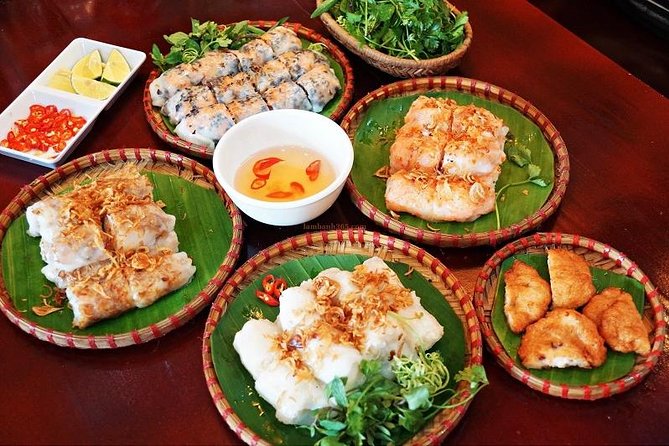
- A three-hour walking meal: You move between narrow Old Quarter streets, food stalls, food trucks, and small eateries rather than sitting in one restaurant.
- A broad vegan menu: Expect plant-based versions of pho, banh mi, bun cha, crispy pancakes, spring rolls, vermicelli, salads, rice dishes, and Che Chay dessert.
- A personal food briefing: Meet your guide about 10 minutes early to discuss ingredients you avoid and dishes you want to try.
- A small group cap: The maximum group size is 10, a useful limit in Hanoi’s tight streets and compact food shops.
- Local context with each bite: Your English-speaking guide explains Vietnamese food customs, ingredients, and the changes made to traditional recipes.
- Coffee and more: Water, coffee, and beer are listed among the inclusions, though you should clarify exactly what is covered because the general food-and-drink wording is not perfectly clear.
Starting in Hanoi’s Old Quarter
Your guide meets you at your hotel or accommodation in the Hanoi Old Quarter about 10 minutes before the tour starts. That short meeting is more useful than it sounds. You can explain allergies, dislikes, preferred spice levels, or ingredients you want to avoid before food begins appearing in front of you.
This is especially important on a vegan food tour. Vietnamese dishes often use fish sauce, meat stock, shrimp paste, or other animal products in traditional versions. Here, the guide can help you understand how each dish has been changed and steer you toward suitable choices.
The tour is built around walking. Hanoi’s Old Quarter is made for this kind of food crawl, with narrow streets and a steady mix of food sellers, small shops, and local businesses. You should wear comfortable shoes and expect the route to feel urban rather than polished. The setting is part of the appeal, but it also means uneven pavements, traffic, and busy crossings may be part of your three hours.
Because pickup is offered only around the Old Quarter, check your accommodation location before booking. The supplied information does not promise pickup from every part of Hanoi.
More Vegan and Vegetarian Street Food in Vietnam
- Vegan Street Food & Stories of Hanoi
★ 5.0 · 282 reviews - Hanoi: Vegan Street Food & Stories
★ 4.9 · 201 reviews - Hanoi Vegan Street Food & Train Street Tour
★ 4.8 · 143 reviews
Vegan Pho: A Familiar Bowl With a Different Base
Pho is one of Vietnam’s best-known dishes, but its usual broth is made with meat. A vegan version has to build flavor another way, using plant-based ingredients and careful seasoning rather than the traditional stock.
Your guide explains the ingredients and the cultural place of pho as you eat. That makes this more than a quick bowl of noodles. You get a chance to compare what makes pho recognizable, such as rice noodles, herbs, broth, and toppings, with the choices required to make it vegan.
I like this part of the tour because it gives you a useful frame for the rest of the meal. Once you understand how a classic dish is adapted, you can better appreciate the differences in vegan bun cha, banh mi, and crispy pancakes later on. The drawback is that the exact recipe and portion size are not given, so you should not book expecting a particular type of broth or topping.
Banh Mi and Bun Cha Without Meat
The route also includes vegan banh mi, one of the easiest Vietnamese foods to enjoy on the move. A banh mi usually brings together a crisp baguette, fillings, pickled vegetables, herbs, and sauce. The vegan version keeps the familiar contrast of bread, fresh produce, and savory filling while replacing meat.
Vegan bun cha is a more unusual adaptation. Traditional bun cha combines grilled meat, noodles, herbs, and a dipping sauce. The plant-based version gives you a way to understand the structure of the dish while seeing how the central protein is replaced.
These two dishes are valuable because they show different sides of Vietnamese street food. Banh mi is compact and portable. Bun cha is built around separate elements that come together at the table. Your guide explains how the dishes fit into Vietnamese food culture, which helps you recognize the role of herbs, noodles, sauces, and textures rather than treating every plate as simply another snack.
The menu is broad, but do not assume every listed item arrives as a full serving. The experience is designed as a tasting walk, so the amount of each dish may vary.
Spring Rolls, Rice Paper, and Vermicelli
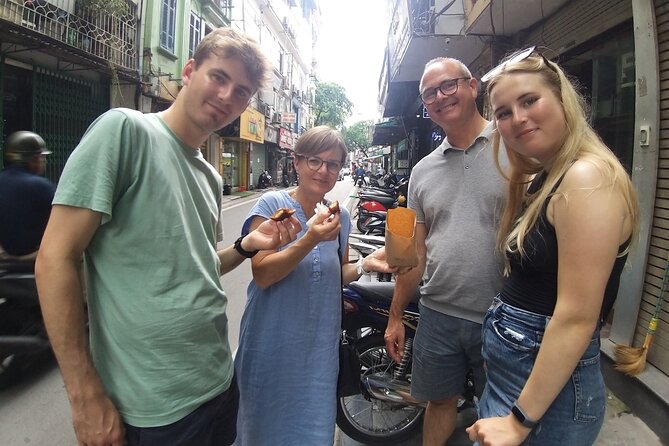
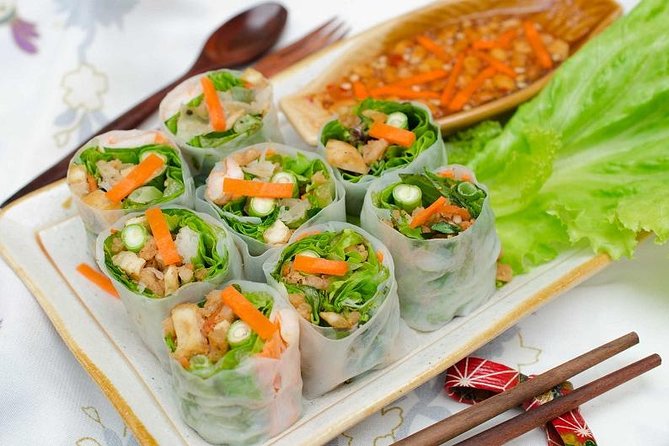
Fried spring rolls bring crunch and heat to the route. You will also try fresh rice paper rolls, which offer a softer texture and a fresher style of eating. Having both versions in one meal helps you see how Vietnamese food balances crisp, chewy, cool, and fresh elements.
Fresh rolls can be particularly useful for diners who want something lighter between heavier dishes. Fried rolls provide the opposite experience, with a crisp outer shell and a more substantial bite. The supplied details do not name the fillings or dipping sauces, so ask your guide before eating if you need to avoid particular ingredients.
Vegan vermicelli and vegan salad continue the focus on noodles, herbs, vegetables, and dressing. Vietnamese vermicelli dishes are often assembled from several parts rather than served as one dense mixture. That lets you notice the contrast between noodles, vegetables, herbs, and sauce.
I would pace myself here. The menu includes many different dishes, and it would be easy to fill up before the later stops. Since the tour lasts about three hours, you should expect a steady series of tastings rather than one large meal at the beginning.
More Vegan and Vegetarian Street Food in Hanoi:
- Hanoi Vegan Street Food Tour and Train Street
★ 5.0 · 45 reviews - Hanoi Vegan Walking Street Food Tour in Old Quarter
★ 5.0 · 6 reviews - Hanoi The Best Street Food Experience | VEGETARIAN OPTION
★ 5.0 · 3 reviews - Mexico City Vegan & Vegetarian Street Food Adventure
★ 5.0 · 176 reviews
The Vegan Crispy Pancake Stop
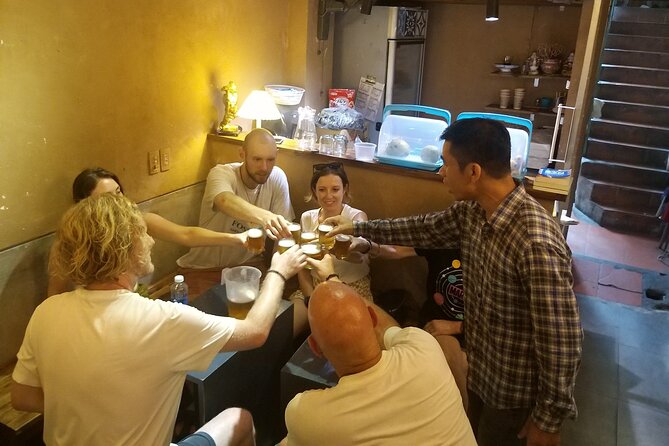
The vegan crispy pancake is another highlight for anyone interested in technique. Vietnamese crispy pancakes are known for their thin, crackling shell and savory filling. The vegan version keeps the pleasure of breaking into a crisp pancake while using plant-based ingredients.
This is the sort of dish that makes a guided tour more useful than ordering alone. Your guide can point out what you are eating, explain how the traditional recipe is adapted, and help you understand which parts of the dish create its texture.
The food is served in small local places rather than a single formal dining room. That gives the tour a more direct connection to everyday Hanoi eating, but it may not suit someone looking for a quiet, carefully paced restaurant meal. The experience is about movement, tasting, and conversation.
Che Chay and Coffee at the End
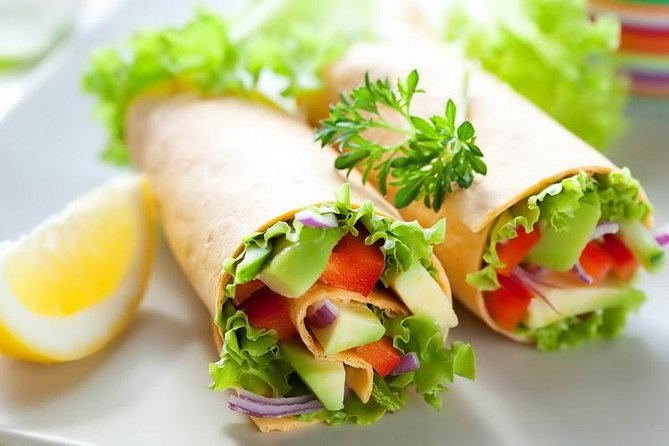
The route finishes with Che Chay, a vegan dessert, followed by coffee. Che is a broad family of Vietnamese sweet dishes, and the exact ingredients can vary. Here, the important point is that you get a sweet plant-based finish rather than ending with more savory food.
Coffee adds a distinctly Hanoi-style close to the meal. It also gives you time to settle after walking and tasting several dishes. Coffee is included among the listed drinks, along with a bottle of water and beer.
The wording about food and drinks deserves a quick note. The tour information lists vegetarian and vegan food, water, coffee, and beer as included, but also says food and drinks are not included unless specified. I would ask the provider to confirm the current inclusions before paying, especially if you are budgeting closely or want to know whether beer is offered to everyone.
What the Guide Adds to the Meal

The guide is not there only to lead you from one food stop to the next. The tour promises explanations of Vietnamese food culture, ingredients, and the process of adapting traditional dishes into vegan versions.
That cultural layer is one of the strongest reasons to choose this experience. Without guidance, you may recognize pho or banh mi but miss the details that make the food distinct: the use of herbs, the balance of textures, the role of sauces, and the difference between a traditional recipe and a plant-based interpretation.
One named guide, Patrick, was praised for being great fun and for sharing a lot about the culture and food of the region. That gives you a useful sense of the tone to expect: friendly, conversational, and not limited to a list of ingredients.
The guide can also make the meal easier for people with particular dietary needs. You discuss your preferences at the start, and the route focuses on vegan and vegetarian food. Still, if you have a serious allergy, state it clearly before the tour and ask how cross-contact is handled. No specific allergy procedures are provided.
Small Eateries Instead of Famous Dining Rooms
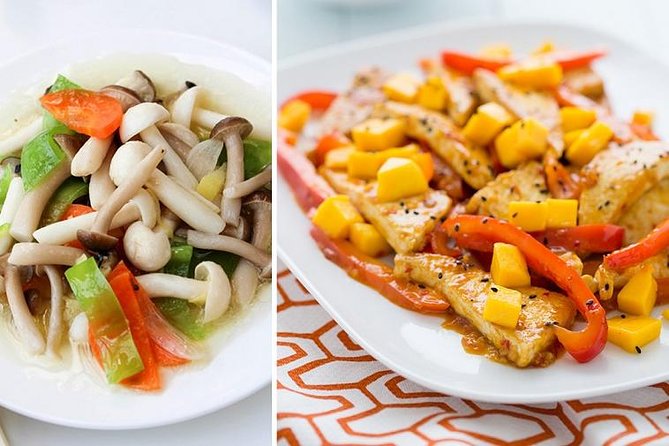
The experience takes you to lesser-known eateries, street vendors, food stalls, and food trucks. These places are described as spots known to locals and often missed by people who stay on the main tourist routes.
That can be a real advantage. Small food businesses let you see how Hanoi’s street food culture works at close range, and you get a better sense of the city than you would from a single restaurant with a long menu in English. The narrow streets also make the walk feel tied to the Old Quarter rather than separated from it.
The trade-off is comfort. Street food stops may have limited seating, changing conditions, or a faster pace. The available information does not promise air conditioning, private tables, or a fixed seating arrangement. If you want a polished dining room and a long, relaxed meal, this is probably not the right format.
Is $30 a Fair Price?
At $30 per person, the value depends on what you want from the outing. You are paying for about three hours of guided walking, a series of vegan and vegetarian tastings, cultural explanations, and a route through small food businesses. For a first day in Hanoi, that can be a practical way to get oriented while eating your way through the Old Quarter.
The price is also reasonable for diners who might otherwise spend time searching for reliable vegan food on their own. A guide can handle the language and menu questions, identify suitable dishes, and explain ingredients that may not be obvious.
Still, the value is less clear if you want large portions. This is a tasting tour, not a guaranteed three-course meal. The number of stops is not stated, and portion sizes are not provided. If you have a large appetite, plan to treat the tour as a varied introduction to Hanoi’s plant-based food rather than your only meal of the day.
The small group maximum of 10 helps justify the cost. It should be easier to hear the guide, ask questions, and move between food stops than it would be with a large coach group.
Who Will Enjoy This Hanoi Food Walk?
I would recommend this tour most strongly to:
- People who eat vegan or vegetarian diets and want local Vietnamese dishes adapted for them.
- First-time visitors who want a food-focused introduction to the Old Quarter.
- Diners who enjoy trying several small portions rather than ordering one main dish.
- Anyone interested in how traditional recipes change when meat and animal products are removed.
- Couples, friends, or small groups who prefer a social walking experience.
- Visitors who want an English-speaking guide to explain ingredients and food customs.
It may be less suitable if you dislike walking on narrow city streets, need a fixed menu in advance, or want a quiet restaurant setting. It may also be a poor fit if you need guaranteed portion sizes or precise information about every ingredient before booking.
The tour is listed as suitable for most people, but the details do not describe accessibility features. If you have mobility concerns, ask the provider about the walking route and seating before you reserve.
Booking Timing and Weather
The experience is booked about 14 days in advance on average, so reserving ahead is sensible if your Hanoi schedule is tight. Confirmation is provided at booking, and mobile tickets are available.
Free cancellation is allowed up to 24 hours before the start time for a full refund. Cancellations or changes made inside that window are not accepted for a refund. The tour also requires good weather. If poor weather cancels the experience, you can choose another date or receive a full refund.
Should You Book the Hanoi Vegan Street Food Tour?
Book it if you want a guided introduction to Hanoi’s plant-based food, especially if pho, banh mi, spring rolls, bun cha, vermicelli, crispy pancakes, dessert, and coffee all sound better than a single restaurant meal. The combination of small food stops, local context, and a maximum of 10 people gives the tour a personal feel without the cost of a private excursion.
Before booking, confirm the food and drink inclusions and explain any dietary restrictions clearly. If you are happy with tasting portions, city walking, and some uncertainty about the exact stops, this is a good-value way to eat through the Old Quarter. If you need a fixed menu, generous servings, or formal seating, choose a dedicated vegan restaurant instead.
FAQ
Where does the tour take place?
The tour takes place in Hanoi, with pickup offered from hotels or accommodations in the Hanoi Old Quarter.
How long does the experience last?
The walking food tour lasts approximately three hours.
How much does the tour cost?
The listed price is $30 per person.
How early should I book?
The tour is booked about 14 days in advance on average, so booking ahead is sensible.
What vegan foods can I expect?
The food selection can include vegan pho, vegan banh mi, fried spring rolls, vegan bun cha, fresh rice paper rolls, vegan vermicelli, vegan crispy pancakes, vegan fresh spring rolls, vegan salad, and Che Chay dessert.
Are drinks included?
A bottle of water, coffee, and beer are listed among the inclusions. The general information also says food and drinks are not included unless specified, so confirm the current drink arrangements before booking.
How many people can join the tour?
The tour has a maximum of 10 participants.
Can I cancel for a full refund?
Yes. You can cancel at least 24 hours before the experience starts for a full refund. If poor weather causes the tour to be canceled, you will be offered another date or a full refund.
Just added around Hanoi
- Hanoi Street Food Tour and MORE★ 5.0 · 18 reviews
- Walking Street Food Tour and Hidden Music★ 4.5 · 19 reviews
- Hanoi Vespa After Dark Street food + Train Street+ Live Music★ 5.0 · 18 reviews
- Street food on foot with a local-Asian Promise★ 5.0 · 19 reviews
- TASTE OF HANOI – walking street food adventure★ 5.0 · 94 reviews
- Street Food by Walking Tour for 3 hours in Hanoi, Vietnam★ 5.0 · 26 reviews
- Hanoi Train Street Food Walking Tour★ 5.0 · 6 reviews
- Street Food Tour Hanoi By Walking★ 5.0 · 3 reviews
Vegan and Vegetarian Street Food, compared.

Mexico City Vegan & Vegetarian Street Food Adventure
What we made of it →
Hanoi Vegan Street Food Tour and Train Street
What we made of it →