
Review · COLOMBIA
Cartagena: Street Food Walking Tour
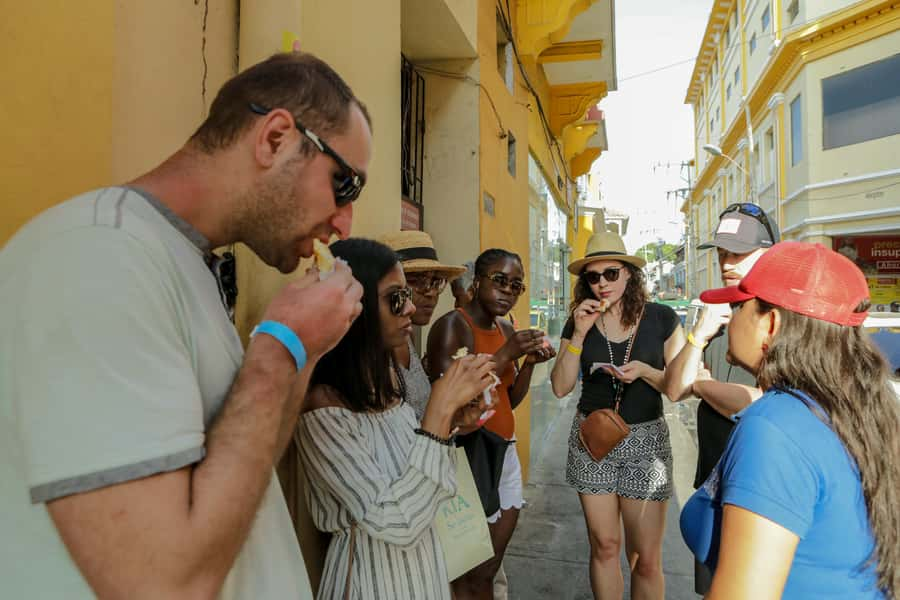
Come hungry, leave happily stuffed. This two-hour walk through Cartagena’s old city focuses on food locals actually eat, from Chinese-Colombian dishes and cheese bread to fruit, plantains, ceviche, sausages, and fried snacks. I like the clear cultural angle, especially the look at Chinese influence and Cartagena’s annual fried food festival. I also like the generous portions and the chance to visit long-running local businesses instead of simply stopping at tourist restaurants.
The main caution is dietary. This is not suitable for vegans, and it is not gluten-free or lactose-free. Vegetarians can usually be accommodated if they explain their needs in advance. The tour also needs at least three people to run, so solo visitors should choose a date that already has bookings.
Key points to know before you book
- A 90-year-old restaurant opens the food story: You will visit the city’s oldest restaurant, still run across three generations, and taste its Chinese and local influences.
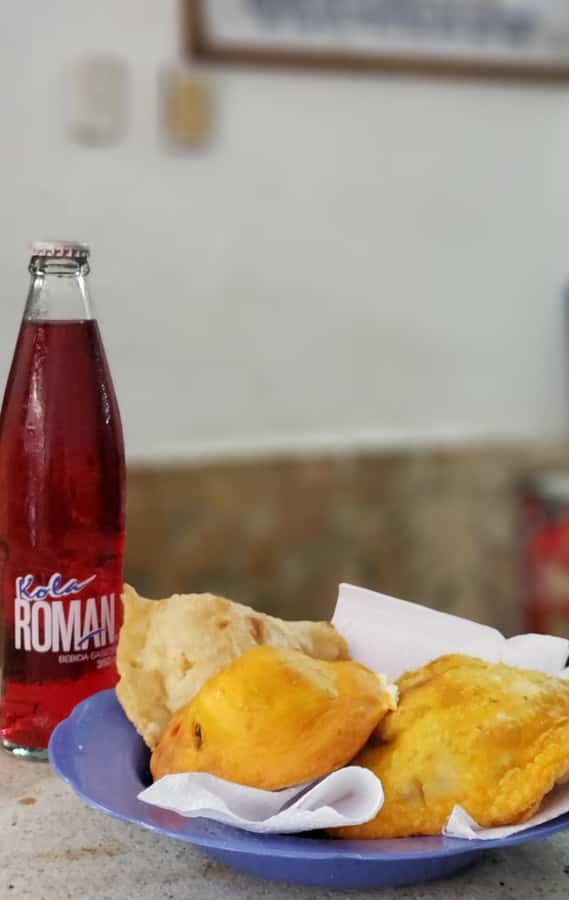
- A local soda gets more than a quick sip: You will try one of the world’s oldest sodas and learn about different ways to use it in food and drinks.
- The bakery stop is a real highlight: A bakery operating for more than 30 years serves Colombian bread and explains how salty and sweet flavors meet in local pastries.
- The tasting goes well beyond one snack: Expect plantains, fruits, fried food, cheese, sausages, and possibly ceviche-style bites.
- You get a strong local-food lesson in two hours: The guide connects dishes to Cartagena’s customs, including the yearly fried food festival held in honor of the Virgin Mary.
- The group size rule matters: At least three people are needed, and the experience does not include hotel pickup or drop-off.
Starting at Loncheria Polo Norte
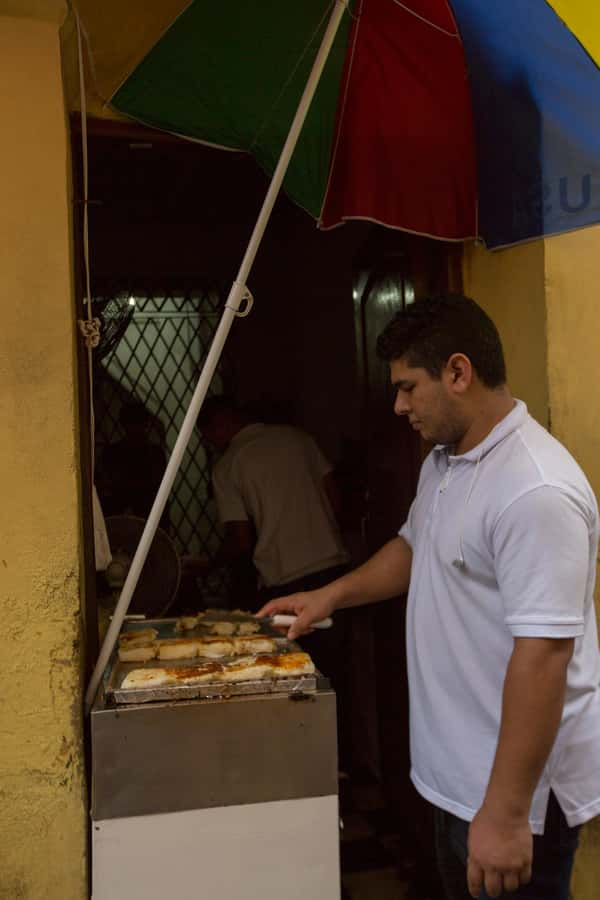
The tour begins at Loncheria Polo Norte on Velez Danies Street, across from the Movich Hotel. A Starbucks sits on the corner, which makes the meeting point easier to spot if you are finding your way through the old city.
I would arrive a few minutes early. The starting place is a bakery, not a large tour office, so look for the name rather than expecting a guide holding a huge sign. From there, the experience stays on foot and ends at La Orquidea Tienda, also known as Palo De Caucho.
The two-hour length is useful if you want a food introduction without giving up half your day. It also means the stops move at a brisk pace. You are tasting several foods and hearing short explanations, not sitting down for a long restaurant meal at each stop.
Wear comfortable shoes and light, comfortable clothing. Cartagena can make a short walk feel longer when you are full, warm, and carrying a phone or camera.
More Street Food Tours in Colombia:
- Medellin: Comuna 13 Graffiti Tour, Cable Car & Street Food
★ 4.8 · 9,046 reviews - Medellín: Comuna 13 True Story and Street Food Tour
★ 4.9 · 1,779 reviews - Cartagena: Guided Street Food Tour with Tastings
★ 4.9 · 833 reviews
The first stop: Chinese flavors in Cartagena
The opening restaurant gives the tour its strongest cultural thread. It is described as the oldest restaurant in the city, with more than 90 years of operation and three generations of the same family involved in its history.
That detail matters because the food is not presented as a random mixture. You are learning how Chinese cooking became part of local Cartagena eating habits. The combination of Chinese and Colombian flavors is the first major tasting, and it gives you a useful reminder that local food is often shaped by migration, adaptation, and family businesses.
I like this start because it moves beyond the standard list of Colombian foods. You are not only trying an empanada and moving on. You are hearing why a certain style of cooking belongs in Cartagena and how local cooks have made outside influences their own.
The exact dishes can vary, so you should not expect a fixed menu with every item guaranteed. The experience description highlights the Chinese-local combination, and the guide explains the preparation. That makes this stop most valuable for curious eaters who enjoy context along with a sample.
Tasting the old local soda
The soda tasting adds another small but unusual piece to the route. You will try a local soda described as one of the oldest sodas in the world, then learn about different preparations that use it.
Do not think of this as simply being handed a bottle and moving on. The point is to see how a familiar drink can appear in more than one form. Since the guide discusses its uses and preparations, this stop helps connect everyday refreshment with local food habits.
I appreciate stops like this because they are easy to miss when you explore alone. A visitor may order a soda without asking where it comes from or how people use it. Here, the drink becomes part of the story.
The description does not name the soda, so you should ask the guide about its history and preparation if that is especially important to you. The English and Spanish tour options make it possible to ask questions in either language.
A bakery with more than 30 years behind it
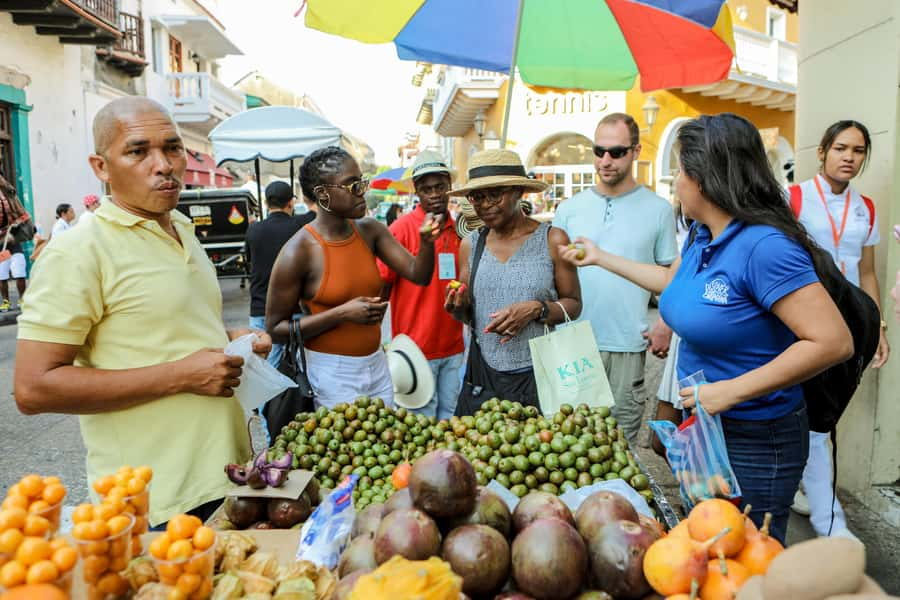
The next major stop is one of the old city’s most popular bakeries, operating for more than 30 years. Here, you will try Colombian bread and learn how local pastries pair salty and sweet flavors.
This is a good example of the tour’s practical value. Food culture is not only about famous national dishes. It also lives in the bakery counter, the afternoon snack, and the familiar combination that may seem unusual until you try it.
Cheese plays a prominent role in the experience. If you enjoy cheese, this tour is likely to suit you especially well. If you avoid dairy, the experience becomes difficult because it is not lactose-free and several tasting items may include cheese or other dairy ingredients.
The bakery visit also adds variety to the meal. After the savory opening, you get bread and pastry, with the guide explaining how contrasting flavors work together. It is a simple lesson, but one you can use later when choosing snacks elsewhere in Colombia.
Same place, a different plate:
- Medellin: Street Food and Poblado Rooftop Tour with a Local
★ 4.8 · 317 reviews - Medellin: Party Bus with DJ & Street Food Tastings
★ 4.5 · 112 reviews - The Cali Street Food Walking Tour
★ 5.0 · 81 reviews - Street Food Tour in Medellín with Tastings
★ 5.0 · 76 reviews
Plantains, fruit, and the fried food tradition
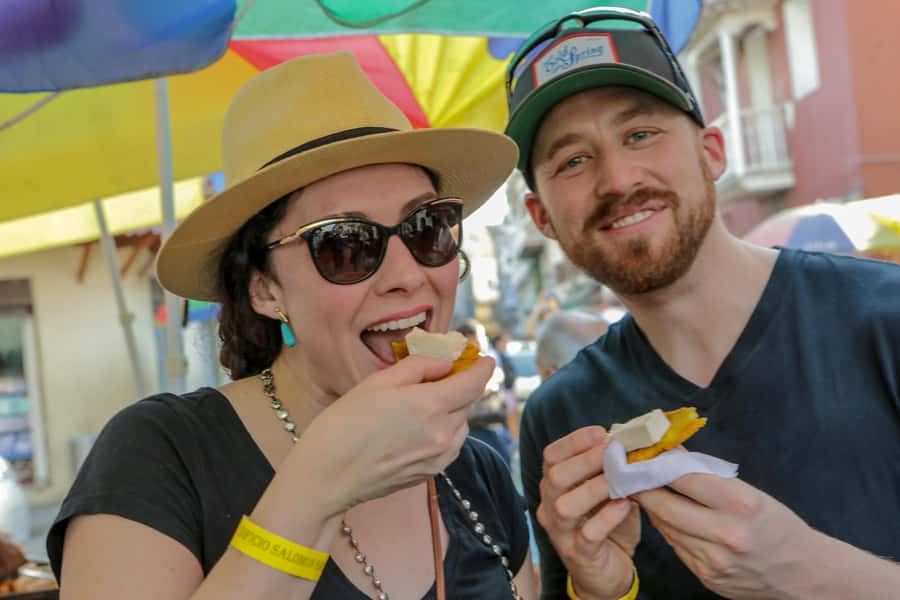
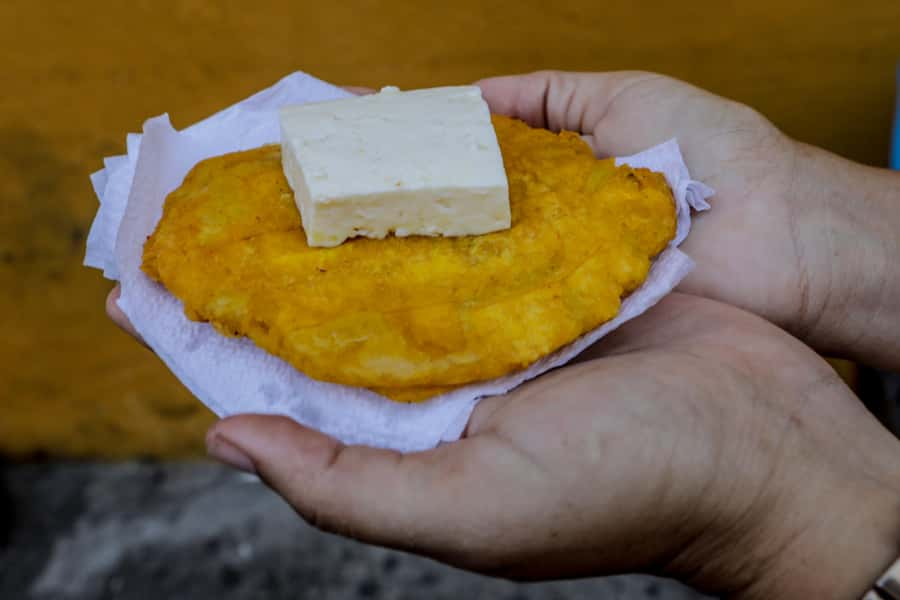
The tasting continues with plantain, fruit, and fried foods. The description calls the plantain preparation one of the best ways to eat it, though the exact style is not specified in advance.
Plantains are a smart inclusion because they appear in many Colombian meals but can taste very different depending on how they are cooked. This gives you a chance to compare textures and sweetness with the other foods on the route.
Fruit adds a fresher break between heavier samples. The exact varieties are not listed, so you should treat this part as seasonal rather than expecting a set fruit plate. The food is meant to reflect what you can find locally, not a formal restaurant menu.
The tour also explains Cartagena’s fried food festival, held each year in honor of the Virgin Mary. This cultural detail gives the fried snacks a wider setting. You are not just eating something greasy from a street stand. You are hearing how food, celebration, religion, and neighborhood tradition meet in the city.
The quantity can be substantial. One visitor described trying food ranging from empanadas and cheese bread to fruit and sausages, and leaving too full for dinner. Another account praised the generous portions at stops that included bakeries, fruit carts, a ceviche hut, and small local restaurants. I would plan a light meal before the tour and keep dinner flexible.
Ceviche, sausages, and the value of variety
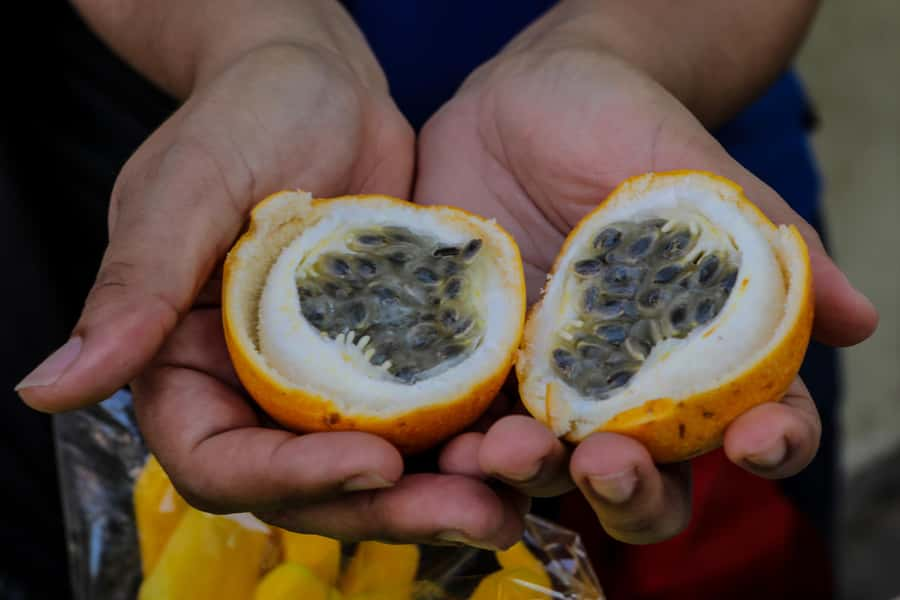
Ceviche is not listed as a guaranteed stop in the formal description, but it appeared in one particularly enthusiastic account of the route. Sausages and other street foods have also been included in the tasting experience.
That uncertainty is worth noting. The food selection may change by day, availability, and the guide’s route. You should book this for the overall range of Colombian flavors, not for one exact dish.
The variety is the tour’s biggest strength. In two hours, you may move from a family restaurant to a bakery, then to fruit and fried food. That gives you a much broader first taste of Cartagena than ordering one meal at a single restaurant.
The best part is the informal setting. Small food businesses and street stalls show you how people eat between meals, while the guide supplies the background that you would likely miss on your own. Several guides have received warm praise for being kind, attentive, and engaging, including Daniela, David Jesús, and Mariana.
The host or greeter arrangement deserves a little attention. The activity information describes a person who helps with tickets and lines and introduces the activity, while the experience itself is promoted with a live guide in English or Spanish. In practice, confirm what level of guiding will be provided when you book, especially if detailed food explanations are your main reason for going.
What the two-hour format means for you
Two hours is long enough to create a proper tasting trail, but short enough to fit around sightseeing in the old city. You could schedule it on a morning before other plans or use it as an afternoon food stop.
The quick pace has both benefits and limits. You cover more ground and try more types of food, but you will not have the long, relaxed rhythm of a multi-course meal. If you want extensive time with each vendor, this may feel hurried.
I see the format as best for a first visit to Cartagena. It helps you identify foods you can seek out later, and it gives you names, flavors, and customs to watch for during the rest of your stay.
The tour does not include hotel pickup or drop-off. You need to reach the bakery meeting point yourself and make your own way after the final stop at La Orquidea Tienda. Since both points are within the old city area, the arrangement keeps the experience focused on eating rather than transport, but you should plan your route before arriving.
Price, group size, and booking value
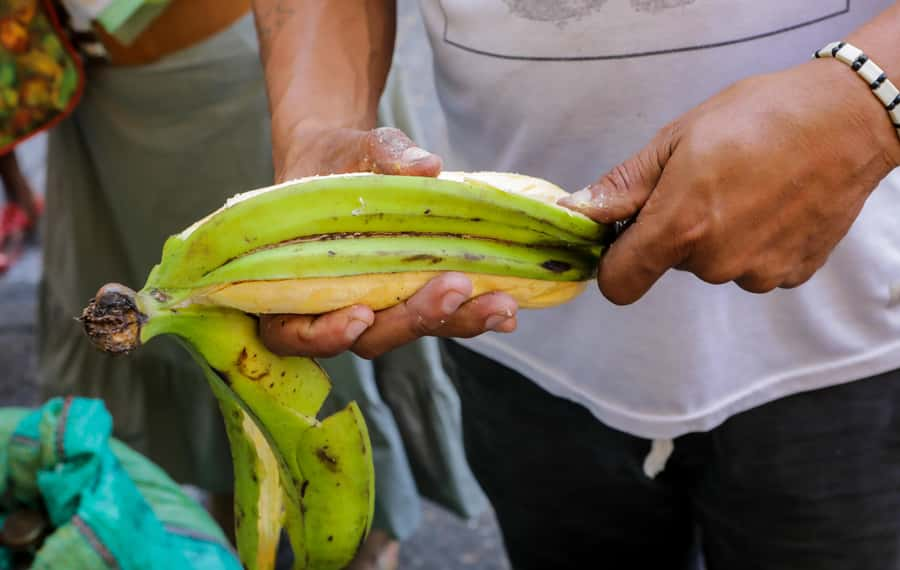
At $50 per person, this is not the cheapest way to buy street food in Cartagena. You could spend less by choosing snacks on your own. The price makes more sense when you count the guide’s time, the number of tastings, the background about local food, and the convenience of moving between several places without planning the route yourself.
The strongest value comes from the variety and the generous portions. If the tastings include items such as empanadas, cheese bread, fruit, plantains, sausages, ceviche, and bakery foods, you are getting a small meal as well as a tour. The food can be enough to replace dinner, depending on your appetite.
The minimum group size is important. At least three people are needed for the experience to operate. If you are traveling alone, choose a date where reservations are already in place rather than assuming the booking will run.
You can cancel up to 24 hours before the start for a full refund, and the reserve-now, pay-later option gives you some flexibility. Children under eight are not accepted, so families with younger children should choose another food activity.
Dietary limits you should take seriously
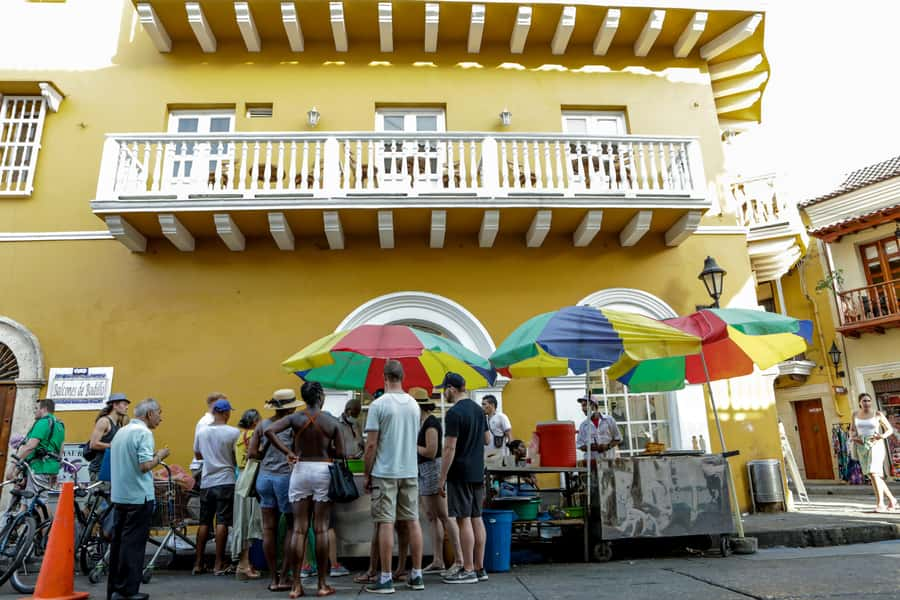
This is not a vegan tour. It is also not gluten-free or lactose-free, and the food focus includes cheese, bread, pastries, and other ingredients that can be difficult for strict diets.
Vegetarians can take part if they request suitable options in advance. Do not wait until the first stop to explain your needs. Send the information when booking so the guide can plan what you can taste.
For cheese lovers, the route has clear appeal. For people who avoid dairy, gluten, or animal products, the $50 price is harder to justify because several central tastings may be off limits.
Allergy information is not detailed in the activity description. If you have a serious allergy, ask the provider exactly what substitutions are possible before paying.
Who will enjoy this Cartagena food walk?
I would recommend it to first-time visitors who want a quick introduction to local eating habits. It also suits food-focused visitors who prefer small businesses, bakeries, food carts, and family-run restaurants over a polished dining room.
You should book it if you like tasting many things and asking why they matter. The guide’s role is especially useful when you want cultural background, not just a list of ingredients.
It is less suitable if you need a fixed menu, have strict dietary restrictions, dislike fried foods, or prefer to linger over each dish. It is also not designed for children under eight, and solo visitors must pay attention to the three-person minimum.
The consistently strongest praise has focused on the guides’ friendly manner, the interesting background information, the broad selection, and the generous amount of food. Those are exactly the reasons I would choose this tour over a simple self-guided snack hunt.
Should you book the Cartagena Street Food Walking Tour?
Book it if you want a concentrated, filling introduction to Cartagena’s everyday food. The 90-year-old restaurant, the Chinese-Colombian flavors, the old soda, the long-running bakery, the plantains, fruit, fried snacks, and possible ceviche create a good mix in only two hours.
Skip it if you are vegan, gluten-free, lactose-free, or looking for a formal culinary class. Also check that at least three people are booked if you are traveling alone.
For most omnivorous visitors who enjoy cheese, fried food, bakery treats, and local stories, the $50 cost is reasonable. Come with comfortable shoes, a light appetite, and enough room for one more snack than you think you can manage.
FAQ
Where does the tour begin?
It begins at Loncheria Polo Norte bakery on Velez Danies Street, across from the Movich Hotel. A Starbucks is located on the corner of the street.
Where does the tour finish?
The experience ends at La Orquidea Tienda, also called Palo De Caucho.
How long does the food tour last?
The walking and tasting experience lasts two hours.
What languages are available?
The tour is available with a live guide in English or Spanish.
Is the tour suitable for vegans?
No. The experience is specifically not suitable for vegans.
Can people with dietary restrictions join?
Vegetarians can usually join by request, but you need to provide your dietary requirements in advance. The experience is not gluten-free or lactose-free.
Is there a minimum group size?
Yes. At least three people are needed for the experience to run. Solo visitors should book a date that already has reservations.
Are children under eight allowed?
No. The experience is not suitable for children under eight.
Just added around Colombia
- Street Food Tour in Medellín with Tastings★ 5.0 · 76 reviews
- Street Food Tour – Live A Unique Gastronomic Experience★ 5.0 · 34 reviews
- The Cali Street Food Walking Tour★ 5.0 · 81 reviews
- Street Food Tour in Bogotá with Tastings★ 5.0 · 34 reviews
- Cali: Street Food Tour★ 4.8 · 71 reviews
- Santa Marta A Historical & Street food Experience★ 4.7 · 41 reviews
- Santa Marta Street Food Tour★ 4.4 · 2 reviews
- Medellin: tasting Street Food with Rooftops of El Poblado★ 4.4 · 61 reviews
Street Food Tours, compared.

Old Town, Creek, Museums, Souks, & Street Food Tour
What we made of it →
Ho Chi Minh City Street Food Tour & Sightseeing By Motorbike
What we made of it →
Comuna 13 Graffiti Tour, Cable Car & Street Food
What we made of it →
Old Town, Souks, Street Food, Guided Tour & Abra Ride
What we made of it →
Small Group Hanoi Street Food Tour with a Real Foodie
What we made of it →
Saigon By Night and Street Food By Motorbike | Opt: Ao Dai Riders
What we made of it →Where this tour turns up