
Review · HANOI
The 10 Tastings of Hanoi With Locals: Private Street Food Tour
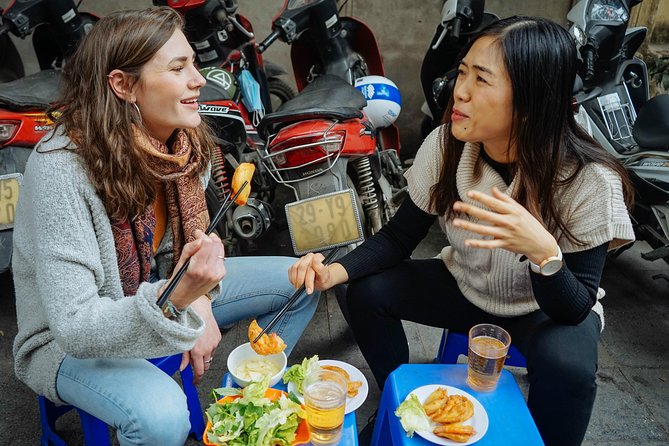
Hanoi tastes best on foot. This private three-hour tour links the Old Quarter’s small eateries, family cafés, temples, and old streets with 10 food and drink tastings chosen around your preferences. I like the personal format, and I like that a local host does more than point out dishes: you get help with what to order and where to eat later.
The strongest part is the range, from pho rolls and bun cha to bánh mì, fruit dessert, and Hanoi’s famous egg coffee. Guides such as Lien, Jessica, Há, and Annie have earned special praise for their warmth and food choices. The main drawback is the price, $78.52 per person, which is high for Hanoi, and the tour may feel food-heavy if you arrive already full.
Key points to know before you book
- Private walking route: Only your group and your local guide take part, so the pace and food choices can be adjusted.
- Ten tastings in about three hours: Portions may be manageable, but you should arrive hungry and ask for smaller shared servings if needed.
- Hanoi specialties lead the way: Expect dishes such as pho rolls, shrimp pastry, bun cha, steamed rice rolls, pho, bánh mì, fruit dessert, and egg coffee.
- Food comes with local context: Temples, French-style homes, traditional medicine shops, and Old Quarter streets fill the gaps between bites.
- Vegetarian alternatives are available: Dietary restrictions should be explained when booking and again to your guide.
- Best value on your first day: The food advice and neighborhood orientation can help shape the rest of your Hanoi visit.
Starting beside Hoan Kiem Lake
The meeting point is at 16 P. Lê Thái Tổ, near the Thang Long Water Puppet Theater in Hoàn Kiếm. That puts you in a useful part of central Hanoi, close to Hoan Kiem Lake and the Old Quarter.
You meet your host at the theater area, then set off on foot. The tour ends back at the meeting point, with no hotel pickup or drop-off included. Since the experience stays in the central Old Quarter, walking is the main form of transport.
I like this arrangement because it gets you into the streets quickly. You are not spending the first part of the evening waiting in a vehicle or crossing town. The tradeoff is that you need to reach the meeting point yourself, and the route is better suited to people comfortable walking through crowded city streets.
The first short stop is Chua Ba Da, also called Ba Da Pagoda or Ba Da Temple. It is described as one of Hanoi’s four sacred temples, with a quieter feel than the food streets around it. This gives the tour a useful pause before the eating begins.
More Street Food Tours in Hanoi:
- Small Group Hanoi Street Food Tour with a Real Foodie
★ 5.0 · 4,682 reviews - Hanoi: Street Food Tour with Train Street & Hidden Alleyways
★ 5.0 · 2,831 reviews - Hanoi: Guided Street Food Tour with Train Street Experience
★ 4.9 · 2,479 reviews
Pho rolls and shrimp pastry on Phố Lý Quốc Sư
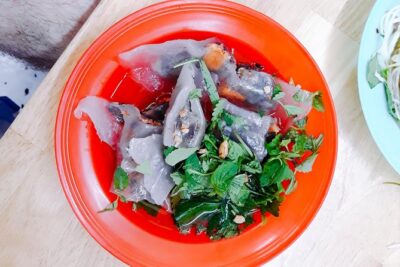
The first major food stop warms up your appetite with a Hanoi-style pho roll. Instead of soup, you get fresh rice noodles wrapped with beef and herbs. It is a neat introduction to how familiar Vietnamese ingredients can appear in a very different form.
The same section of the route includes shrimp pastry, known locally as bánh tôm. The dish adds a crisp, savory note after the softer pho roll. These early tastings help set the pattern for the evening: small stops, quick explanations, and several different textures rather than one large meal.
A private guide is useful here. You can ask how the dishes differ from versions found elsewhere in Vietnam, or tell your host which flavors suit you. If you dislike seafood, have a restriction, or simply want to save room, say so before the food arrives.
French architecture and a local meeting place
At 8 P. Chân Cầm, the tour pauses near a villa built in 1930 in the French architectural style. The point is not only to admire an old façade. Your guide explains its background and how local people use the area today.
Hanoi is more interesting when you notice these contrasts. A French-style house may sit near a narrow food street, a temple, or a shop selling everyday goods. This stop also gives your feet a short break, which matters when several tastings are packed into a three-hour route.
The architecture is brief rather than a full sightseeing visit. If you want a long historical lecture or museum time, this is not that kind of tour. Think of it as a food walk with useful city details woven through it.
Bun cha on Phố Đường Thành
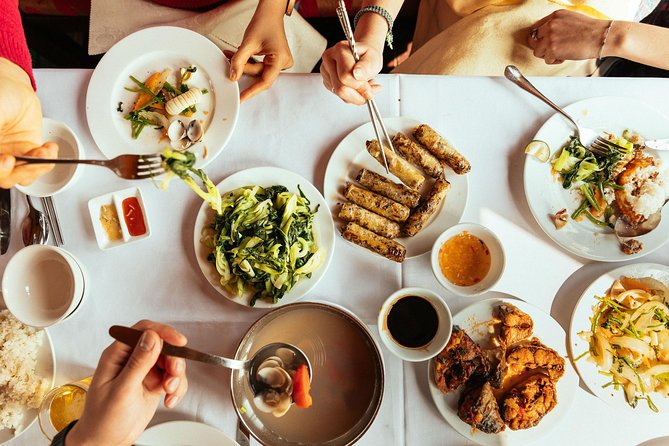
Bun cha is one of the evening’s essential tastes. The dish combines grilled pork, rice noodles, fresh pickled vegetables, and a dipping sauce. You usually bring the noodles and herbs together with the pork and sauce, adjusting the balance as you eat.
This is one of the stops where arriving hungry pays off. Bun cha can be more filling than the earlier samples, and it gives you a proper meal-like dish in the middle of the route.
I would ask your guide how locals prefer to mix the components. A good host can also help you judge how much to eat now, since several stops remain. One useful tip from the food feedback is simple: if you are not very hungry, ask the guide to order less and share the portions.
Same place, a different plate:
- [HOT] Hanoi Old Quarter Walking Street Food – Small Group Tour
★ 5.0 · 2,163 reviews - Hanoi Street Food Tour with local delicacies
★ 5.0 · 1,506 reviews - Hanoi: Small-Group Street Food Walking Tour
★ 4.8 · 1,165 reviews - Private Hanoi Street Food Walking Tour With Real Foodie
★ 5.0 · 1,042 reviews
Steamed rice rolls in a typical eatery
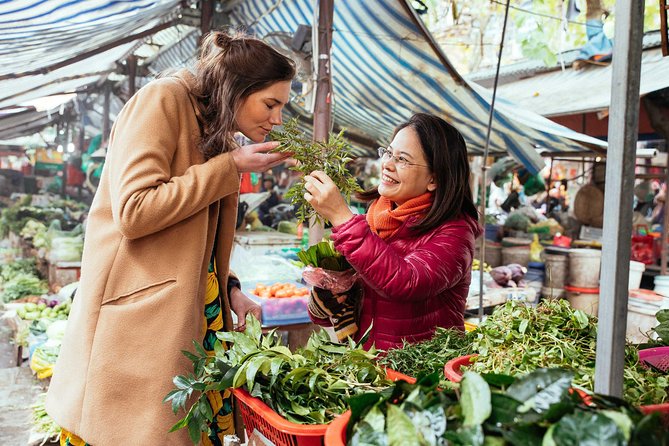
The next stop takes you into a typical Hanoian eatery for steamed rice rolls. These rolls are filled with pork, mushrooms, or both, and commonly come with fried shallots.
The appeal here is the change in setting. You are not just collecting famous dishes from a checklist. You get a look at the sort of modest restaurant where a quick local meal might be served, along with a dish that depends on soft texture and light seasoning rather than heavy sauce.
This can be a good choice for anyone who finds grilled or fried food too rich. It is also a useful stop for vegetarians if the filling can be adjusted, though you should confirm the alternative with your host in advance.
Pho on Phố Hàng Vải
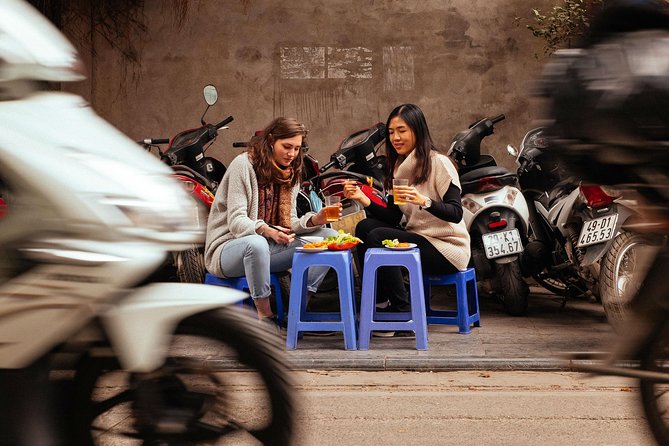
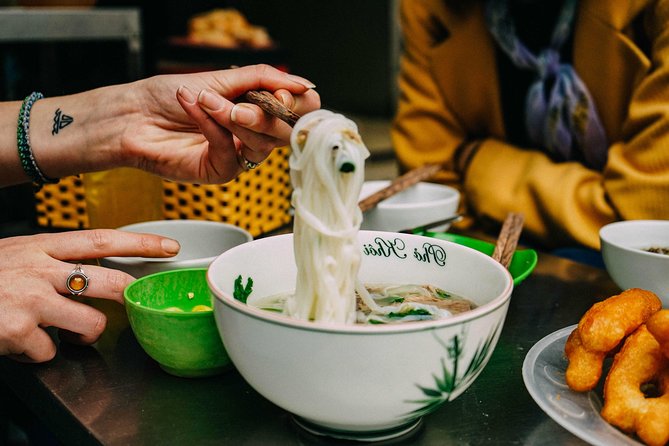
The route then reaches one of Vietnam’s best-known dishes: pho. The version described here uses a special broth with beef or chicken, spring onions, pepper, vinegar, and lime juice.
Because pho is so familiar outside Vietnam, this stop is less about trying an unknown dish and more about tasting it in its home city. Your host can explain the usual additions and help you decide how much seasoning to add.
You may find this bowl more substantial than the other samples. If the soup arrives after several tastings, pace yourself. The tour is designed around many foods, not one oversized serving, but appetite still varies from person to person.
Bánh mì and the French connection
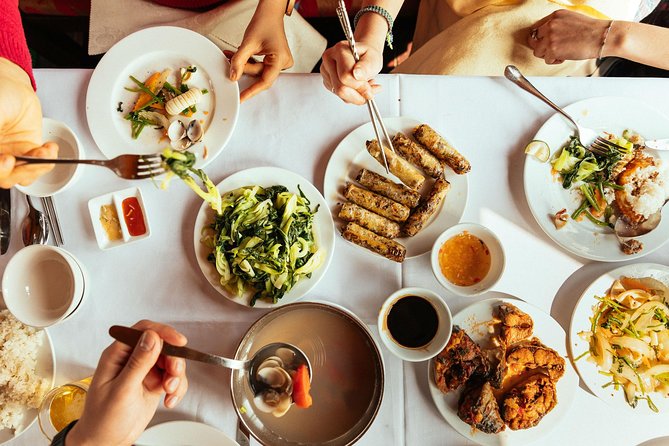
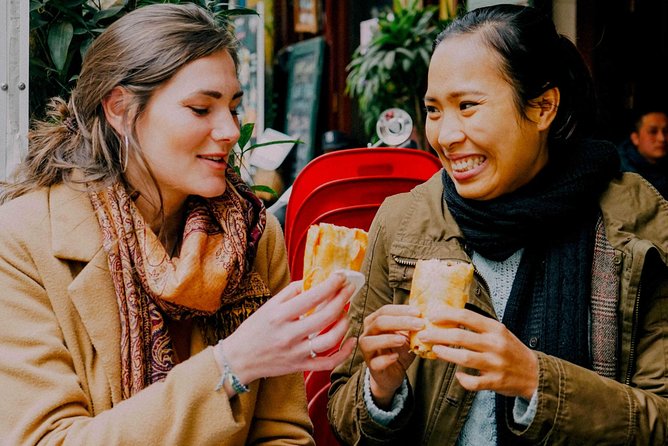
On Phố Bát Sứ, the food story shifts to bánh mì. Vietnam’s baguette tradition began during the French colonial period and became part of local cooking by the early 20th century. The result is not simply a French sandwich copied abroad. Vietnamese fillings, herbs, sauces, and seasoning give it its own character.
This is one of the most useful historical links on the route because the architecture and the food now connect. You see how outside influence became part of everyday Vietnamese life rather than remaining a foreign import.
Bánh mì can fill you up quickly, especially after bun cha and pho. I would eat slowly and save room for dessert and coffee. The private format helps because your guide can adjust the size or order fewer portions for the group.
Traditional medicine on Phố Lãn Ông
Phố Lãn Ông is known for traditional medicine and is named after a famous physician. Walking through this street adds a different side of Hanoi to the tour. The smells, shopfronts, and specialized trade give the neighborhood a purpose beyond dining.
Your guide can explain who Lãn Ông was and why the street carries his name. This is a short cultural stop, not a medical consultation, and the tour does not list medicine purchases as part of the experience.
I like this section because it breaks up the food in a meaningful way. It also reminds you that the Old Quarter is organized around long-established trades, not just cafés and souvenir shops.
Fruit dessert on Phố Tố Tịch
The sweet course arrives on Phố Tố Tịch. The dessert combines different fruits with coconut milk, condensed milk, and crushed ice. After savory dishes, the cool fruit and sweet sauce provide a welcome change.
This is the sort of dish that can be hard to identify or order on your own if you do not know what to ask for. A local host takes away that uncertainty and lets you focus on the combination of fruit, creamy ingredients, and ice.
The dessert is also easy to share. If your group has different levels of enthusiasm for very sweet food, ask for one portion to split rather than ordering several.
Egg coffee in a family-run café
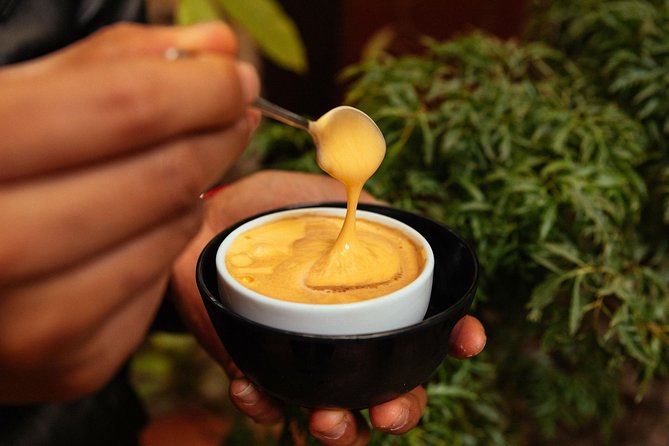
The final major tasting is egg coffee on Phố Đinh Tiên Hoàng. A family-run café serves the drink, which was invented in Hanoi in 1940 when a bartender whisked eggs into coffee as a substitute for milk.
Egg coffee is rich and dessert-like, with a creamy top over strong coffee. It is a fitting final stop because it feels specific to Hanoi and gives you a clear memory to take away from the evening.
Several guides receive strong praise for making the food stops comfortable and enjoyable. Lien is noted for handling gluten-free needs carefully, while Jessica, Há, and Annie are singled out for friendly guiding and strong food choices. One useful warning comes from the mixed feedback: the quality of the experience depends heavily on the individual host. Most comments describe warm, active guidance, but one person found the guide quiet and distracted by a phone.
That is a fair reason to speak up during the tour. Ask questions, request explanations, and tell your host what you want from the evening. A private tour gives you room to shape the experience instead of simply following along.
Temples and old houses between the bites
The route includes a French-styled house showing several architectural styles used during the colonial period. It also returns to Ba Da Pagoda, described as a small Buddhist pagoda built in 1056 with a calm atmosphere.
These short stops are important because they keep the tour from becoming a string of restaurant visits. You see religious buildings, old homes, trade streets, and food businesses within a compact area. The result is a quick introduction to how Hanoi’s Old Quarter works.
Still, keep your expectations clear. Each stop lasts about 15 minutes according to the schedule, so the architecture is viewed from the route rather than studied in depth. If your main goal is detailed history, book a dedicated walking or temple tour separately.
What $78.52 buys you
At $78.52 per person, this is not a bargain food crawl by Hanoi standards. You are paying for a private guide, planning, local interpretation, dietary flexibility, and ten tastings rather than only paying for the food itself.
The price makes more sense for a couple, family, or small group that values undivided attention. You can ask for substitutions, slow the pace, order less, and get advice about places to return to. Group discounts may improve the value for larger parties, though the exact saving is not specified.
For a solo visitor, the cost is harder to justify unless you place a high value on personal guidance. For two or more people, the private format becomes easier to defend, especially on a first night when you want to learn how to order and where to eat.
The food and drinks included are limited to the ten planned tastings. Extra food and drinks cost more, so do not assume every item you order beyond the tasting plan is covered.
Who should book this Hanoi food walk?
I would choose this tour if you want a guided introduction to Hanoi’s food culture without joining a large group. It suits first-time visitors, couples, families, and anyone who wants a local person to handle ordering and explain unfamiliar dishes.
It is also a good fit for people with dietary restrictions because vegetarian alternatives are offered, and the private format makes discussion easier. The gluten-free experience described by a guest of guide Lien suggests careful planning can be possible, but you should still explain your needs clearly before the tour begins.
You should think twice if you dislike walking, want large restaurant meals, or prefer to explore at your own pace. Ten tastings in three hours can be a lot. A private host can reduce portions, but the route remains food-focused.
Confirmation arrives at booking, mobile tickets are supported, and the tour is near public transportation. Most people can participate, but the experience involves walking through the Old Quarter and eating at several stops.
Should you book it?
Book this private Hanoi food tour if you want a friendly guide, a broad sample of local dishes, and a quick introduction to the Old Quarter. The strongest reasons are the private format, the variety of food, and the chance to get practical advice you can use for the rest of your stay.
I would schedule it early in your visit, ideally when you can arrive hungry. The $78.52 cost is worth considering against the convenience and personal attention, not just the price of the dishes. Ask for smaller portions if needed, explain dietary restrictions before setting out, and be ready to walk, taste, and ask questions.
FAQ
How long does the Hanoi food tour last?
The tour lasts approximately three hours.
Where does the tour start?
It starts at 16 P. Lê Thái Tổ, Hàng Trống, Hoàn Kiếm, Hanoi, near the Thang Long Water Puppet Theater.
Where does the tour end?
The activity ends back at the meeting point.
Is this a private tour?
Yes. Only your group and your local guide participate.
How many tastings are included?
The tour includes 10 food and drink tastings.
Are vegetarian alternatives available?
Yes. Vegetarian alternatives are offered.
Is hotel pickup included?
No. Pickup and drop-off are not included.
Can I cancel for a full refund?
Yes, if you cancel at least 24 hours before the experience start time. Cancellations within 24 hours are not refunded, and changes within that period are not accepted.
Just added around Hanoi
- Hanoi Street Food Tour and MORE★ 5.0 · 18 reviews
- Walking Street Food Tour and Hidden Music★ 4.5 · 19 reviews
- Hanoi Vespa After Dark Street food + Train Street+ Live Music★ 5.0 · 18 reviews
- Street food on foot with a local-Asian Promise★ 5.0 · 19 reviews
- TASTE OF HANOI – walking street food adventure★ 5.0 · 94 reviews
- Street Food by Walking Tour for 3 hours in Hanoi, Vietnam★ 5.0 · 26 reviews
- Street Food Tour Hanoi By Walking★ 5.0 · 3 reviews
- Street Food Tour in Hanoi★ 5.0 · 3 reviews
Street Food Tours, compared.

Old Town, Creek, Museums, Souks, & Street Food Tour
What we made of it →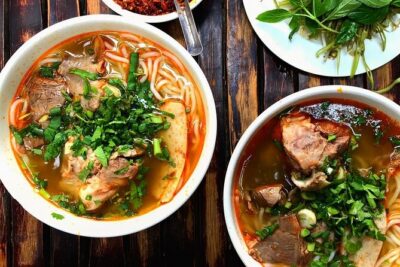
Ho Chi Minh City Street Food Tour & Sightseeing By Motorbike
What we made of it →
Comuna 13 Graffiti Tour, Cable Car & Street Food
What we made of it →
Old Town, Souks, Street Food, Guided Tour & Abra Ride
What we made of it →
Small Group Hanoi Street Food Tour with a Real Foodie
What we made of it →
Saigon By Night and Street Food By Motorbike | Opt: Ao Dai Riders
What we made of it →Where this tour turns up