
Review · MEXICO
3 Hours of Guided La Paz Street Food Tour
Food tells La Paz’s story best. This small-group walking tour links local dishes with the city’s churches, murals, market, plants, and public squares. I like the generous range of food, from a Baja fish taco to empanadas, machaca, pastry, and dessert. I also like the local focus: these are everyday food stops you might not find on your own.
The main catch is the walking. You will spend three to four hours on foot, and La Paz is not perfectly flat. Summer heat can make the route feel much harder, so bring water, wear a hat, and think carefully about the 9 a.m. start. The small group, capped at eight people, helps keep the pace personal.
Key points to know before you book
- Nine food and culture stops combine street food, a traditional market, art, history, and local plants.
- The food comes in generous portions, so arrive hungry and save room for pastry and dessert.
- The route includes Baja favorites, such as fish tacos, shredded beef burritos, empanadas, machaca, and local sweets.
- Guides such as Geovanni, Giovanni, Pablo, Juan, Juan Pablo, AJ, and Cynthia have added history, art, plant knowledge, and practical help to the walk.
- The group limit is eight, a useful size for asking questions and keeping the outing friendly.
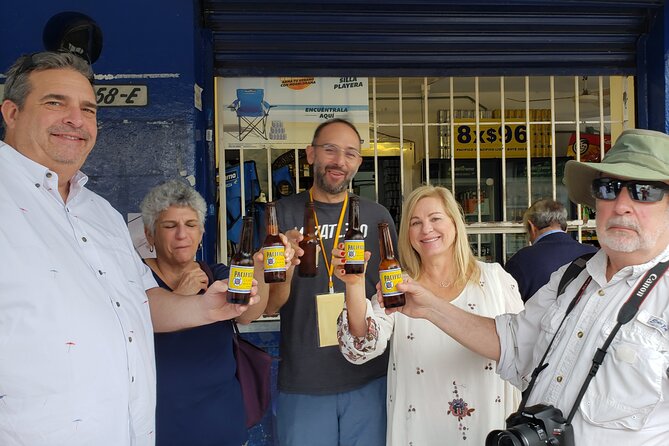
- The $82.44 price includes food, dessert, and one complimentary drink, but not transportation or an optional bicycle rental.
Why this La Paz food walk is more than a meal

This is a food tour, but food is only one part of the plan. The route uses central La Paz as its classroom, moving between landmarks and eating places while explaining how the city developed and how local ingredients fit into Baja culture.
That approach gives the morning a useful shape. You do not simply eat one dish after another. You first get some context, then see a market, then sample food connected with local habits and regional cooking. The art and plant stops add another layer, especially if you want to understand La Paz beyond its waterfront.
The tour begins at 9 a.m. at the corner of Calle 5 de Mayo and Revolución de 1910 in the Zona Comercial. It returns to that same meeting point. The total time is listed as about three to four hours, though the exact pace can depend on the group, walking conditions, and food stops.
A few more nights of eating around Mexico worth a look
- Old Delhi: 3-hour Street Food Tour
★ 4.6 · 37 reviews - Spice & Stories: 3-Hour Old Delhi Heritage Food Walk Guided Tour
★ 4.5 · 36 reviews - Street Food by Walking Tour for 3 hours in Hanoi, Vietnam
★ 5.0 · 26 reviews
Starting with La Paz history at the cathedral
The first stop is Catedral de Nuestra Señora de La Paz. You spend about 15 minutes looking at the facade and the surrounding area while the guide sets up the historical background for the rest of the morning.
This is a smart opening. You are not dropped straight into a taco stand with no idea where you are. The cathedral gives the guide a fixed point from which to discuss La Paz, the area’s past, and the wider story of California’s origins.
Admission is free. The stop is short, so do not expect a long church visit. Its purpose is orientation and context, not an extended architectural tour.
Art, murals, and the story behind the city
Next comes the Museo de Arte de Baja California Sur, also a 15-minute stop. You will see a permanent art installation behind the museum and hear about the current exhibition.
Art has been a recurring strength of this experience. Guides have included local artists, and the walk can include explanations of murals seen around town. That makes the museum stop more meaningful than a quick photo opportunity. You get a sense of how La Paz presents its identity through public art.
The museum stop may appeal especially to you if you had already hoped to visit the museum. It is not described as a full museum visit, though, so plan separate time if you want to see every gallery or exhibition in detail.
Your first bite: a Baja fish taco at El Kena
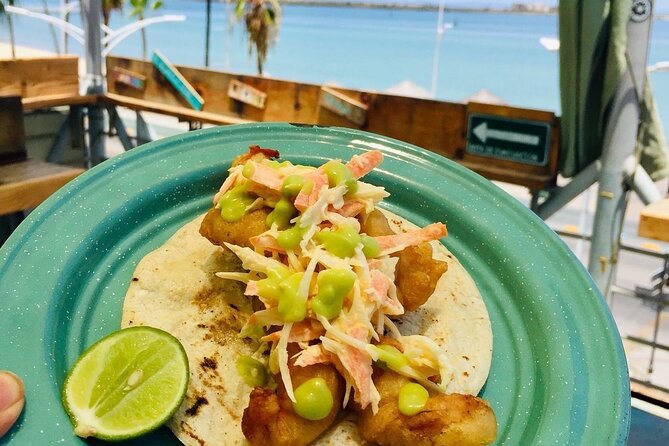
At Tacos de Aserrín El Kena, the tour pauses for about 45 minutes and includes a traditional Baja-style fish taco.
This is the point where the historical introduction turns into lunch, or at least a very substantial breakfast. The fish taco is a sensible first taste because it connects directly with Baja’s coastal food traditions and gives you a familiar starting point before the more unusual samples arrive.
You may find that the tour’s food is not limited to safe, standard menu picks. The promise is to taste food you might normally pass over, and later stops make good on that idea with machaca and other local specialties. If you are selective about seafood, tell the guide early, since several stops involve fish or seafood.
More Street Food Tours in Mexico:
- Cancun Street Food Tour with Food Stalls, Local Market and Murals
★ 5.0 · 723 reviews - Merida Street Food Walking Tour
★ 5.0 · 417 reviews - Street Food Tour with Friends
★ 5.0 · 326 reviews - Mexico City: Hidden Markets, Street Food & Salsa-Making Tour
★ 5.0 · 310 reviews
A proper market visit at Mercado Madero
Mercado Francisco I. Madero offers a 20-minute look at a traditional downtown Mexican market. The guide shows you the fish market, and you have time to browse local candy, crafts, and other goods.
This is one of the most useful stops for getting a feel for daily life. A market tells you more about local eating habits than a polished restaurant can. You can see the fish section, ask questions about ingredients, and notice the kinds of sweets and products sold to local shoppers.
Twenty minutes is enough for an introduction, but not enough for a slow, independent browse. If you spot candy or crafts you want to buy, keep the time limit in mind. The market can also help you recognize ingredients later in the tour.
Velasco Garden and the rhythm of the city
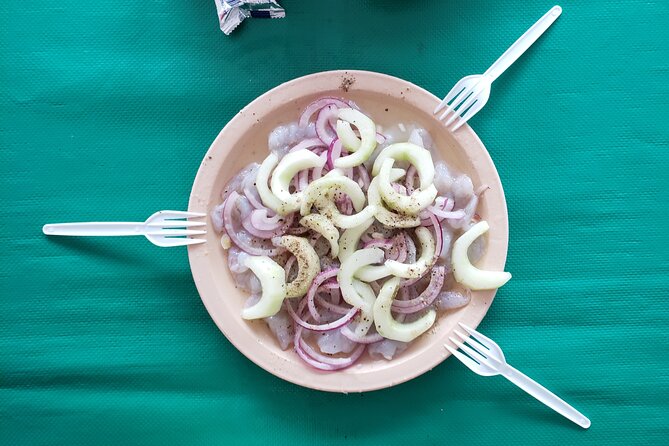
Velasco Garden is a short 10-minute stop where the guide explains the cultural importance of the plaza and its kiosk.
This pause breaks up the food and gives your feet a moment to settle. It also helps you understand how public squares function in La Paz. The stop is brief, but the garden fits the tour’s larger purpose: showing you how food, art, plants, architecture, and public life overlap in the city center.
Several people who have taken the walk appreciated the guide’s comments about local trees and plants. That is a welcome bonus if you enjoy learning about a place through more than buildings and dishes.
Empanadas and burritos at Café D’ Pasada
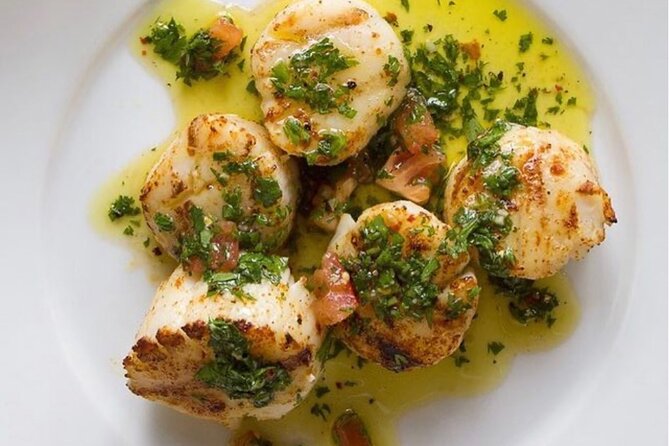
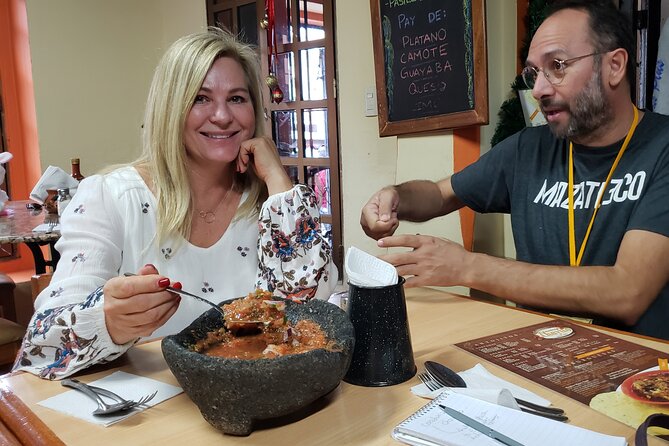
Café D’ Pasada receives a longer 45-minute stop. Here you taste empanadas and burritos, with food included in the tour price.
This is likely to be one of the heavier portions of the morning. The fish taco begins the meal, and the empanadas and burritos add more pastry, filling, and bread. The advice to arrive hungry is not a throwaway line. By the middle of the route, you may already be deciding how much room to save.
The food progression is part of the fun. You sample different textures and styles rather than eating the same kind of taco at every stop. Several dishes that guests singled out included the empanadas and burritos, so this is a stop worth approaching with an open mind.
Machaca and a ranch-style butcher shop at El Tecuan
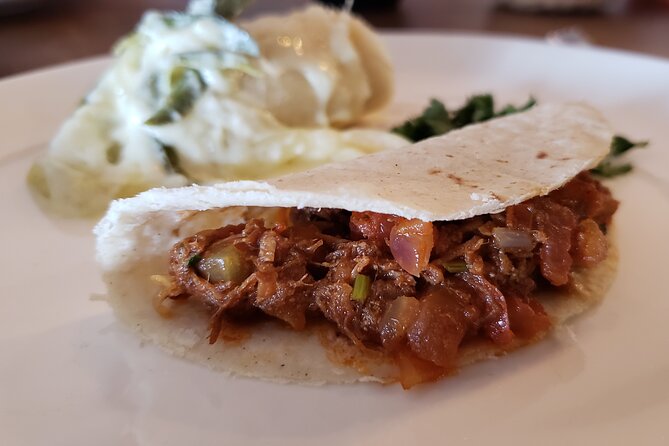
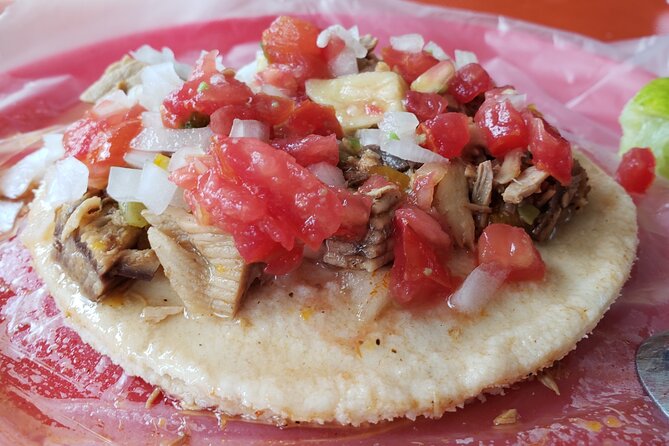
At El Tecuan, the guide offers a sample of fresh machaca and shows you a traditional ranch-style butcher shop. The stop lasts about 20 minutes.
Machaca, typically shredded dried or cooked meat, is an important northern Mexican food, and it gives the tour a clear break from seafood. The butcher shop adds context to the dish by showing part of the food chain behind it. You are not only told what machaca is, you get a look at the kind of traditional setting linked with ranch cooking.
The tour description refers to machaca as fresh, while another stop features shredded beef burritos. Expect the guide to explain the local version and preparation as you go. This is also a good place to ask questions if you want to understand the difference between the dishes you taste.
A sweet pause at Dulce Romero
Dulce Romero is a gourmet bakery where you spend about 20 minutes tasting pastry.
This stop matters because the tour does not treat dessert as an afterthought. By this stage, you have had seafood, savory fillings, and meat. The bakery gives you a change of pace and a chance to try a more polished local sweet.
Save room. The full route includes dessert, and the food portions can add up quickly. A few people especially remembered a cheese and mango dessert served in a crepe, along with churros and other pastries. The exact item may vary, but the general point is clear: do not fill up at the first two stops.
Finishing with machaca at La Casa de la Abuela
The final listed food stop is La Casa de la Abuela, where you taste traditional machaca or shredded beef burritos during another 45-minute visit.
This brings the tour back to a hearty regional dish after the lighter seafood and bakery portions. The longer stop gives you time to eat at a relaxed pace, talk with the guide, and compare the machaca here with the earlier sample at El Tecuan.
Because the route includes several filling foods, you may want to think of this as a late breakfast rather than a snack tour. It is a good fit if you like trying many dishes in one sitting. It is less ideal if you prefer tiny tasting portions or need a lot of time between meals.
The guides make the difference
The guide is central to the experience. Names attached to the tour include Geovanni, Giovanni, Pablo, Juan, Juan Pablo, AJ, and Cynthia. Several have been praised for combining food with local history, art, plants, and easy conversation.
Geovanni has been described as both a friendly food guide and a talented artist. Pablo has helped shape the tour with a measured mix of culture, history, and food. AJ has made rest breaks when the walking became tiring. Cynthia has been noted for explaining the area’s food traditions in a warm, clear way.
That variety means your exact experience can depend on who leads the group. Still, the format gives the guide plenty to work with. You can ask about murals, markets, ingredients, public art, and the city’s past instead of receiving only a list of restaurant names.
One practical benefit is that a good guide can help you order and get comfortable with foods you would otherwise skip. One person even received help finding a working ATM, a small service that can matter when you are navigating an unfamiliar city.
Walking conditions, heat, and group size
This is a walking tour, not a vehicle-based food outing. The route includes stops in central La Paz, and the walk between them can be pleasant, but it is not always effortless. La Paz has some slopes, and summer temperatures can be severe.
The 9 a.m. start helps you avoid the worst heat later in the day, but you should still wear comfortable shoes and light clothing. Carry water, use sun protection, and tell the guide if you need a pause. Rest opportunities have been built into some outings, but you should not treat the route as a flat, leisurely stroll.
The maximum group size is eight. That is small enough for direct questions and easier movement through food stops and the market. It also gives the outing a more social, personal feel than a large coach excursion.
Service animals are allowed, the meeting point is near public transportation, and most people can participate. The optional bicycle use costs MX$250 per person and is not included, while private transportation is also not included.
Is $82.44 a fair price?
At $82.44 per person, this is not a cheap breakfast. It becomes more reasonable when you count what is included: all food, dessert, and one complimentary drink, plus a three to four-hour guided walk through central La Paz.
You are paying for more than calories. The price covers access to several local food places, a market introduction, historical explanation, art stops, and a small group. If you tried to recreate the route on your own, you might spend less on food, but you would lose the guide’s connections and the background that ties the stops together.
The value is strongest at the start of a La Paz visit. You get an orientation to central streets, learn dishes to order later, and find places you might otherwise miss. It can also help cruise ship visitors or short-stay visitors make good use of a morning.
The value is weaker if you mainly want an inexpensive meal, dislike walking in heat, or prefer to choose every dish yourself. In that case, a single market visit and an independent lunch may suit you better.
Who should book this La Paz food tour?
I would recommend it to you if you want local food with a strong cultural side. It suits couples, friends, and families who enjoy walking, asking questions, and trying unfamiliar dishes.
It is especially useful for first-time visitors. The route helps you get your bearings, introduces central La Paz, and gives you practical ideas for eating after the tour. Food lovers who want Baja staples beyond the usual tourist menu should also find plenty to enjoy.
You may want to skip it if you have limited walking ability, are highly sensitive to heat, or need strict control over ingredients. The route contains several substantial tastings, and the food includes fish, seafood, meat, pastry, and dessert.
Should you book it?
Book this tour if you want to understand La Paz through its food, public art, markets, and streets, not just sit down for a meal. The strongest reasons are the small group, the wide range of dishes, and the guides’ ability to connect eating with local history and culture.
Come hungry, wear good walking shoes, start early, and keep water close. If you can handle the walking and the heat, $82.44 buys a full morning with plenty to eat and a useful introduction to the city.
FAQ
Where does the La Paz food tour start?
It starts at Calle 5 de Mayo and Revolución de 1910 in the Zona Comercial, La Paz, B.C.S.
What time does the tour begin?
The tour starts at 9:00 a.m.
Where does the tour end?
The activity ends back at the meeting point.
How long does the tour last?
The experience lasts approximately three to four hours.
How many people can join the tour?
The maximum group size is eight travelers.
What food is included?
Food tastings include a Baja-style fish taco, empanadas, burritos, machaca, shredded beef burritos, pastry, and dessert. All food and dessert are included.
Is a drink included?
Yes. One complimentary drink is included.
Is transportation included?
No. Private transportation is not included.
Is bicycle use included?
No. Bicycle use costs MX$250 per person.
Can I cancel for a refund?
You can cancel at least 24 hours before the start time for a full refund. Cancellations or changes made less than 24 hours before the start time are not accepted for a refund. If poor weather or an insufficient number of participants cancels the tour, you will be offered another date or experience, or a full refund.
Just added around Mexico
- Tour of the Oaxaca Food Market★ 4.0 · 4 reviews
- Taco Tour in Oaxaca : delicious street food by bike★ 5.0 · 3 reviews
- Oaxaca Street Food Essentials★ 5.0 · 21 reviews
- Mexico City Street Food Tour Adventure★ 5.0 · 12 reviews
- Private Half-Day Traditional Markets Street Food Tour in Mexico City★ 3.0 · 2 reviews
- Night Street Food & Bike Tour / Small Groups /All Inclusive★ 5.0 · 25 reviews
- Mexico Off the Beaten Track: Street Food & Bikes — All Inclusive★ 5.0 · 14 reviews
- Private Street Food & Mural Art Tour in Mexico City★ 3.5 · 3 reviews
Street Food Tours, compared.

Old Town, Creek, Museums, Souks, & Street Food Tour
What we made of it →
Ho Chi Minh City Street Food Tour & Sightseeing By Motorbike
What we made of it →
Comuna 13 Graffiti Tour, Cable Car & Street Food
What we made of it →
Old Town, Souks, Street Food, Guided Tour & Abra Ride
What we made of it →
Small Group Hanoi Street Food Tour with a Real Foodie
What we made of it →
Saigon By Night and Street Food By Motorbike | Opt: Ao Dai Riders
What we made of it →Where this tour turns up