Review · LUANG PRABANG
Luang Prabang Street Food Culture, Paper Handicraft Village Tour
Food tells you where a place is headed. This four-hour Luang Prabang tour links the morning market, local dishes, Lao coffee, and hands-on paper craft in one easy half-day outing. I especially like the market tasting stop and the visit to a paper workshop, where you can make your own small masterpiece. The main trade-off is that meals and drinks at the final petanque stop cost extra, and the non-refundable booking policy leaves little room for a change of plans.
The tour works well for curious eaters who want more than a standard restaurant meal. You can choose a walking format or use a bike, with quality bikes and safety equipment provided for the cycling option. Guide Ken has been praised for a relaxed, friendly manner, though one group found a tuk-tuk easier than cycling around town.
What makes this half-day outing useful
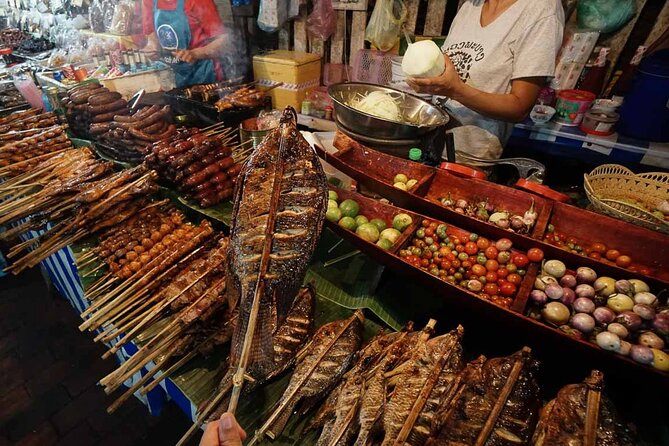
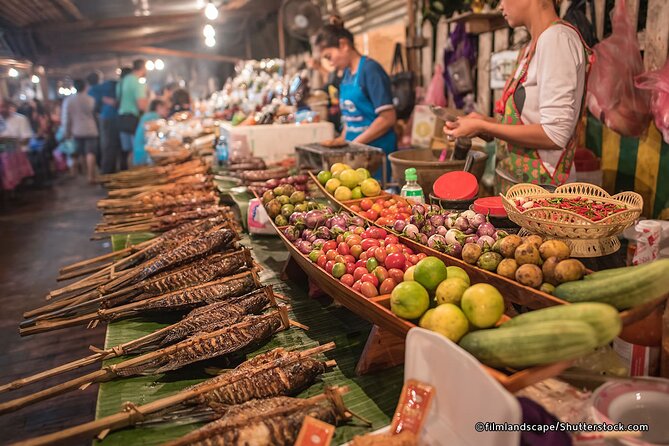
- A real morning market visit: See meat, fruit, vegetables, herbs, and spices brought in by people from the countryside around Luang Prabang.
- Food beyond the usual tourist menu: Try Neam Khao, Khao Piak Khao, local snacks, Lao coffee, and a pastry called Khanom.
- A paper craft stop with a hands-on element: You may visit a paper workshop and create your own piece rather than simply watch a demonstration.
- Two ways to get around: Choose an easy walking tour or a biking option with bikes, safety equipment, and water supplied.
- A small group format: The maximum group size is 15, which should allow time for questions and personal guidance.
- A clear half-day commitment: The experience lasts about four hours and returns to the original meeting point.
Starting opposite the fountain on Luang Prabang’s main street
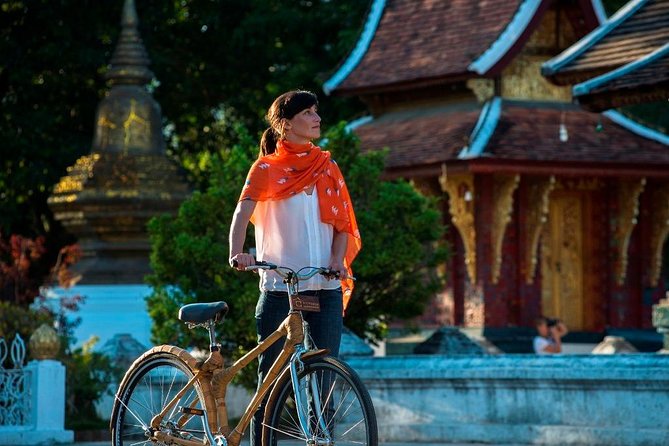
The outing begins at a meeting point and bike shop on the main street, opposite the fountain. This is a useful central location, but you should allow enough time to find the exact shop and meeting spot. The tour ends back there, so you do not need to arrange a separate ride home.
You can take the tour on foot or choose the biking option. The riding is described as easy, and safety equipment is included. Still, the walking version may be the better choice if you prefer to linger at market stalls, dislike bikes in town traffic, or want to focus on food rather than transport.
One useful detail comes from the experience itself: a group requested a tuk-tuk because it made getting around easier. That option is not listed as a standard inclusion, so you should treat it as something to ask about rather than something guaranteed. If you have mobility concerns or simply do not want to cycle, contact the provider before booking.
The group limit is 15 people. That is not a private tour, but it is small enough that you should have a fair chance to hear the guide and ask about unfamiliar ingredients. Confirmation is normally issued at booking. If you book within five days of the outing, confirmation can take up to 48 hours and remains subject to availability.
More Street Food Tours in the world:
- Dubai: Old Town, Creek, Museums, Souks, & Street Food Tour
★ 4.8 · 10,816 reviews - Ho Chi Minh City Street Food Tour & Sightseeing By Motorbike
★ 5.0 · 9,413 reviews - Medellin: Comuna 13 Graffiti Tour, Cable Car & Street Food
★ 4.8 · 9,046 reviews
Luang Prabang’s morning market: the best first stop
The market is where this tour earns its place. Instead of beginning with a polished restaurant, your guide takes you to the morning market used by local people from the surrounding countryside. The focus is on ingredients, not just finished dishes.
Expect to see different meats, fruits, vegetables, herbs, and spices. Some may be unfamiliar, and that is where the guide adds real value. You are not left to guess what an ingredient is or how it is used. The guide explains its role in Lao cooking, giving you a better sense of how local meals are built.
You also sample a few local delicacies at this stage. The exact selection can vary, so you should not expect a fixed tasting menu. That flexibility is part of the point. It lets the guide respond to what is fresh and available rather than forcing the same food at every outing.
I like this approach because it gives you context before lunch. You see the raw ingredients, hear how they are used, then taste prepared food later. For anyone interested in Lao cooking, that connection is more useful than simply being handed a plate with no explanation.
The market visit lasts about an hour. It is a brisk introduction rather than a full morning market study. You will not have unlimited time for shopping or photography, and the setting may feel crowded or unfamiliar. If you want to buy ingredients or gifts, ask the guide when it is appropriate so you do not hold up the group.
Mekong coffee and Khanom pastry
After the market, the group walks to a well-known Lao coffee shop beside the Mekong River. Here you sit down with coffee and a local pastry called Khanom.
This pause gives the morning a welcome change of pace. The market is about movement, smells, questions, and small tastings. Coffee beside the river gives you time to sit, compare notes, and let the food settle. I also like that the stop introduces a local café rather than adding another formal restaurant.
The included food and snacks cover much of the tour, and bottled water is provided. The information specifically excludes additional drinks, so you should not assume that every beverage beyond the supplied water and planned coffee is covered. If you want something extra, carry some local currency or ask your guide about payment.
The coffee stop is not meant to be a long sightseeing session. It is a short, pleasant break within the larger food route. The riverside setting adds atmosphere, but the real value is the chance to try Lao coffee and Khanom as part of the local food picture.
Neam Khao and Khao Piak Khao at a local restaurant
The walking version then continues to a local restaurant for a selection of Lao dishes. Two named examples are Neam Khao and Khao Piak Khao, and both offer a useful contrast in texture and style.
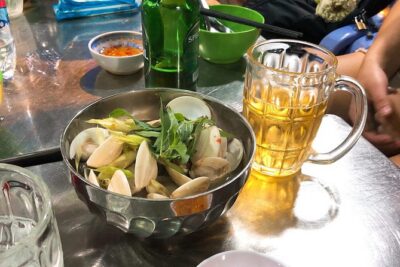
Neam Khao is described as a rice noodle crepe filled with minced meat, mushrooms, and assorted herbs. It is cut into small pieces and served with a dipping sauce made with minced nuts, lemon, chili, coriander, and sweet fish sauce. That combination gives you several flavors at once, including heat, sourness, sweetness, and fresh herbs.
Khao Piak Khao is a rice soup usually eaten in the morning. It is slowly cooked with pork and meat broth, then finished with crushed black pepper and chopped coriander. Depending on your taste, you can add an egg or fresh chili.
This is a good meal for a guided food experience because the dishes are not simply familiar versions of food you might find elsewhere in Southeast Asia. You get an explanation of how they are eaten and how to adjust the flavor. If you are sensitive to chili, nuts, pork, fish sauce, or meat, tell the guide before tasting. The menu description includes all of these ingredients or possible additions.
The food section is listed at about two hours, though the full activity is approximately four hours. That leaves room for walking, tasting, craft visits, and conversation. The pace should suit you if you prefer several small experiences instead of one large meal.
One limitation is that the tour does not provide a detailed allergy or dietary menu in the supplied information. If you need vegetarian, vegan, allergy-safe, or religiously suitable food, ask before booking rather than relying on substitutions on the day.
Same place, a different plate:
- Dubai: Old Town, Souks, Street Food, Guided Tour & Abra Ride
★ 4.9 · 7,170 reviews - Naples: Street Food Walking Tour with Local Guide
★ 4.9 · 4,976 reviews - Small Group Hanoi Street Food Tour with a Real Foodie
★ 5.0 · 4,682 reviews - Rome: Street Food Tour with Local Guide
★ 4.8 · 4,077 reviews
Paper craft, silk weaving, and making something yourself
The paper handicraft element gives this tour a useful change of focus. A visit to a paper craft workshop lets you see local production and, according to the experience details, make your own paper masterpiece. That hands-on part is especially appealing for families and anyone who likes to take home a small memory with personal meaning.
The craft stop also helps balance the food. A food walk can become a parade of tastings, while a paper workshop slows you down and shows another side of Luang Prabang’s local work. A silk weaving workshop may also be included in the route, based on the described experience, but the exact craft stops should be confirmed with the provider because the detailed schedule does not spell out their duration.
Do not expect a large museum-style exhibition or a long formal craft lesson. The available details point to visits to working places where you can see how items are made and take part in a simple activity. That is enough for a half-day tour, but it may feel brief if paper craft is your main reason for booking.
I would treat the craft visit as a strong bonus rather than the sole purpose of the outing. The food and market stops form the main structure, while the paper workshop adds variety and a chance to use your hands.
Bike, walk, or ask about a tuk-tuk
The experience is designed around easy walking and cycling. The bike option includes quality bikes, safety equipment, and drinking water, so you do not need to arrange standard cycling gear yourself.
Cycling can help you cover more ground in a short four-hour window. It may also make the route feel more like a local town outing than a standard walking tour. On the other hand, walking gives you more control at the market and may feel simpler if you are stopping often for food explanations.
The information does not provide a distance, road description, or bike model. I would not book this expecting a long countryside ride or a demanding cycling excursion. The emphasis is on food, crafts, and easy movement around Luang Prabang.
A tuk-tuk was requested by one group and made the route easier for them. Since that is not listed among the standard inclusions, you need to check availability and cost in advance. This is particularly important if you are traveling with children, carrying bags, or prefer not to cycle.
Children must be accompanied by an adult. A child rate applies only when the child shares the tour with two paying adults. Most people can take part, but the provider does not give a more detailed accessibility statement, so ask directly if you have specific needs.
Is $46.90 good value?
At $46.90 per person, this is not the cheapest way to eat in Luang Prabang. You could spend far less by visiting the market and ordering one local dish on your own. The price makes more sense if you value an organized route, food explanations, included snacks, bottled water, coffee and pastry, and access to places you might not locate by yourself.
You are also paying for the guide’s help with unfamiliar dishes. Neam Khao and Khao Piak Khao are more useful experiences when someone explains the ingredients, the sauces, and the usual time of day for eating them. The paper craft visit adds another layer that would be hard to reproduce without local contacts.
The final petanque stop is not fully covered. Meals and drinks there cost extra, as do any additional drinks during the outing. Add that to your budget before deciding if the tour fits your spending plan.
The small maximum of 15 people helps support the price. It is not a private guide, but it is more personal than a large coach excursion. Group discounts are available, which may improve the value for families or friends booking together.
The experience is non-refundable and cannot be changed for any reason. That is the biggest financial caution. If your schedule is uncertain, the price may be harder to justify because a cancellation does not produce a refund.
Who should book this Luang Prabang food tour?
I would choose this tour if you want a guided introduction to Lao food without spending a full day on a cooking class. It suits first-time visitors who want the market explained, families who like short activities with food and crafts, and couples looking for a relaxed morning with several stops.
It is also a good fit if you enjoy trying small portions and asking questions. The market, coffee shop, restaurant, paper workshop, and possible silk weaving stop give the outing variety without requiring a full day.
I would hesitate if you want a private, highly customized food tour, a long cycling route, or a guaranteed craft-focused program. I would also ask about dietary needs, tuk-tuk transport, and the final petanque stop before paying.
The five-star rating from 10 submitted reviews and a 100 percent recommendation record suggest a very strong response so far, though the sample is small. The praise centers on the friendly, relaxed guiding style, local food, market access, and craft visits. Guide Ken received particular praise, so if he is assigned to your group, expect an easygoing host who can help connect the food to daily life.
Final verdict: book it for food, craft, and local guidance
Book this experience if you want a manageable four-hour introduction to Luang Prabang’s food culture, especially one that includes a real market and a paper craft activity. The price is fair when you count the guide, tastings, water, coffee, transport equipment, and access to places you might otherwise miss.
Skip it if you prefer to explore independently or need flexible cancellation. Before booking, confirm the walking or biking format, ask about a tuk-tuk if needed, and budget for the final petanque meal and drinks. For most curious eaters, this is a pleasant and practical way to turn a morning in Luang Prabang into a series of small local discoveries.
FAQ
How long does the Luang Prabang food and craft tour last?
The experience lasts approximately four hours and ends back at the original meeting point.
Where does the tour begin and end?
It begins at the meeting point and bike shop on Luang Prabang’s main street, opposite the fountain. It ends back at the same meeting point.
Can I take the tour on foot instead of by bike?
Yes. A walking tour option is available, while the biking option includes quality bikes and safety equipment.
What food is included?
The tour includes snacks and food during the planned stops, including local market tastings, Lao coffee, Khanom pastry, Neam Khao, and Khao Piak Khao. Meals and drinks at the final petanque stop are not included.
Is the tour suitable for children?
Children can participate but must be accompanied by an adult. The child rate applies only when sharing with two paying adults.
How many people can join the tour?
The activity has a maximum group size of 15 people.
Just added around the world
- Zanzibar:Stone town Street food market walking tour,transfer★ 4.5 · 9 reviews
- Vienna Food Tour: Dishes, Wine, Street Food & Culture★ 4.7 · 12 reviews
- Verona: Street Food Tour and City Guided Sightseeing★ 4.9 · 11 reviews
- Xi’an: Gourmet & Street Food Tour★ 4.8 · 22 reviews
- Verona: City Highlights & Street Food Walking Tour★ 5.0 · 3 reviews
- Verona: Street Food and History Tour with Local Guide★ 4.7 · 6 reviews
- Xi’an Muslim Quarter Night Market Foodie Walking Tour★ 4.2 · 22 reviews
- Verona: street food walking tour near the historical center★ 5.0 · 2 reviews
Street Food Tours, compared.
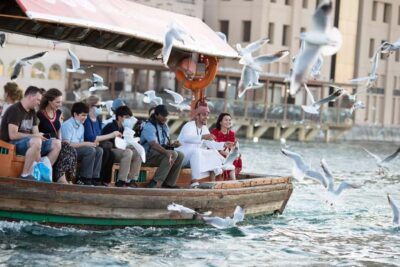
Old Town, Creek, Museums, Souks, & Street Food Tour
What we made of it →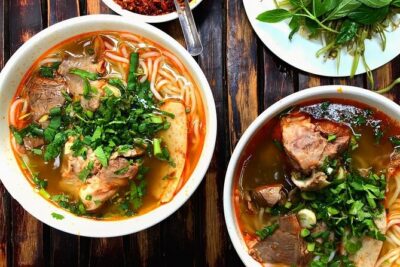
Ho Chi Minh City Street Food Tour & Sightseeing By Motorbike
What we made of it →
Comuna 13 Graffiti Tour, Cable Car & Street Food
What we made of it →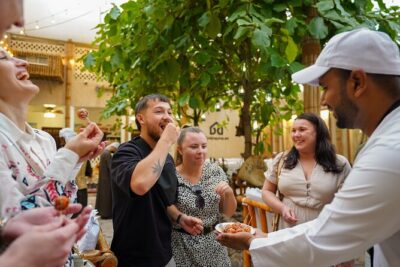
Old Town, Souks, Street Food, Guided Tour & Abra Ride
What we made of it →
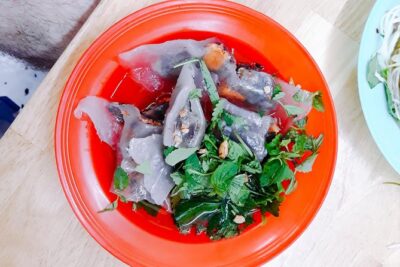
Small Group Hanoi Street Food Tour with a Real Foodie
What we made of it →