
Review · MAURITIUS
Mauritius: Port Louis Street Food City Tour
Come hungry, leave full of Port Louis. This three to four hour walking tour mixes Mauritian street food with the city’s Indian, Chinese, African, Islamic, and colonial influences. I like the way it combines tasting with place: you are not simply handed snacks, you see where local food is bought, sold, and eaten. I also like the small group size, capped at 10 people, which gives the guide room to adjust the pace and answer questions. The main consideration is that this is a walking tour through busy city streets, markets, and older neighborhoods, so it may feel tiring in hot or wet weather.
At $49.40 per person, the tour offers a useful introduction to Port Louis, especially if you are staying outside the capital and would not otherwise explore it on foot. Dourvesh receives especially strong praise for giving clear cultural background without overloading the day with facts. You should still allow time after the tour if you want to browse Chinatown or the market properly, since three to four hours passes quickly.
Key points to know before booking
- About eight food tastings introduce you to Mauritian snacks, Chinese-influenced dishes, and local lunch favorites.
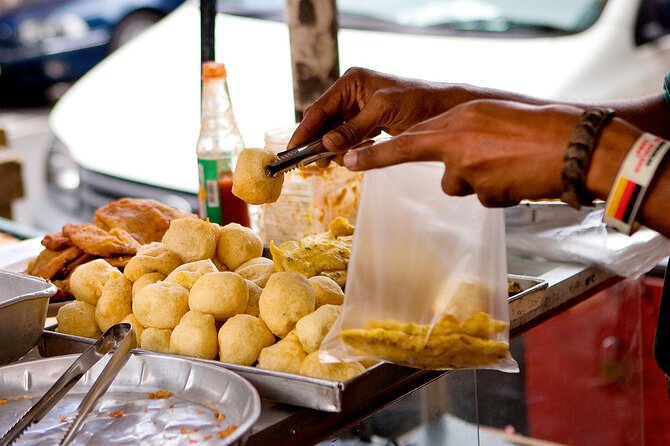
- Gato pima, fried split-pea chili bites, is one of the tour’s signature tastes and a fine introduction to Mauritius’s Indian influence.
- Aapravasi Ghat adds serious historical context, connecting Port Louis with the worldwide movement of indentured laborers.
- China Town and the Central Market show the everyday side of the city, from old family shops to fruit, spices, herbs, and prepared food.
- A maximum of 10 people keeps the walk personal and makes it easier to hear the guide in crowded areas.
- Dourvesh is singled out for his helpful pacing, strong food knowledge, and ability to shape the experience around the group’s interests.
Why this Port Louis food walk is worth your morning
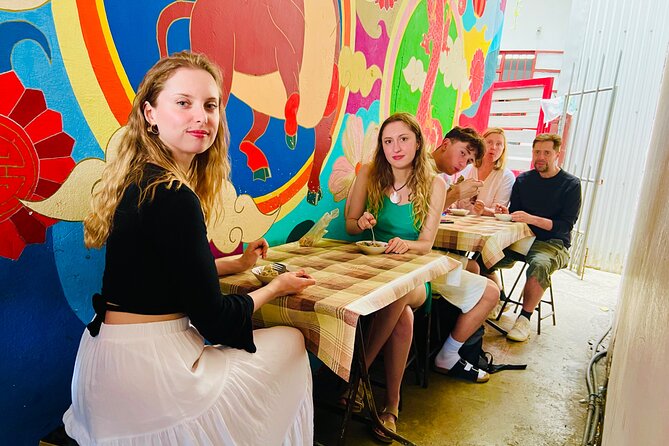
Port Louis can seem confusing at first. The waterfront is polished and easy to reach, while only a short walk away you find markets, mosques, old shops, food stalls, and narrow streets with a very different feel. This tour gives you a route through that contrast without asking you to work out the city map yourself.
You meet at IBL House near the Caudan Waterfront at 10:00 am. From there, the tour heads into central Port Louis on foot. The route links major sights with food stops, so the sightseeing never feels entirely separate from the meal.
I like this format because food gives the city a clear thread. You learn how split peas become a fried snack, how Chinese cooking became part of Mauritian life, and how the capital’s market still functions as a daily source of ingredients. The food is not just a series of samples. It helps explain the island’s mixed culture.
The included food covers snacks, lunch, and roughly eight tastings. Bottled water is also included, which matters in a warm city where you may be walking for several hours. The precise dishes can vary, but the supplied details specifically mention gato pima and Hakka-influenced treats in Chinatown.
More Street Food Tours in the world:
- Dubai: Old Town, Creek, Museums, Souks, & Street Food Tour
★ 4.8 · 10,816 reviews - Ho Chi Minh City Street Food Tour & Sightseeing By Motorbike
★ 5.0 · 9,413 reviews - Medellin: Comuna 13 Graffiti Tour, Cable Car & Street Food
★ 4.8 · 9,046 reviews
Aapravasi Ghat explains the people behind Mauritius
The first stop is Aapravasi Ghat, a small site with a very large story. In 1834, the British Government chose Mauritius for what it called a replacement for enslaved labor. From then until 1920, almost half a million indentured laborers arrived from India.
Many worked on Mauritius’s sugar plantations. Others were sent onward to Reunion Island, Australia, southern and eastern Africa, or the Caribbean. That makes Aapravasi Ghat more than a local historic site. It connects Mauritius to one of the largest migrations in modern history.
The preserved area covers about 1,640 square meters, and the tour includes about 30 minutes there. That is enough time to grasp the site’s importance without turning the food walk into a full museum visit. I consider this one of the most valuable parts of the route because it gives human context to the Indian influence you later taste in the city.
The site can also change how you see Mauritian cuisine. The island’s food traditions did not appear in isolation. They developed through movement, labor, trade, and family life across several communities. Aapravasi Ghat gives that story a firm starting point.
Jummah Mosque blends several traditions
The short stop at Jummah Mosque lasts about 10 minutes. The mosque dates from the 1850s and combines Indian, Creole, and Islamic design. It also contains the remains of Jamal Shah, a religious figure from Kutch, India, in a marble tomb beside the mosque.
This is a brief visit, but it helps you read the city’s architecture. Port Louis does not fit into one cultural category, and the mosque makes that plain. Indian forms, local Creole details, and Islamic traditions meet in one building.
Because the stop is short, you should think of it as an introduction rather than a detailed architectural tour. The guide’s explanation is likely to be more important than the amount of time spent looking around. If you want extended visits at religious sites, this tour may feel too quick. If you want a broad introduction to the city, the timing works well.
Chinatown shows Port Louis in working order
The Chinatown portion lasts about an hour, making it one of the longer stops. This is where the food focus becomes especially clear. The area contains shops that have been operating for generations, including small, dark retail spaces that preserve an older Chinese-Mauritian feel.
Not every building is old. Newer structures and businesses are part of the district too. That mix matters. Chinatown is not a museum set aside for display. It is a commercial neighborhood that changed as supermarkets reduced the need for traditional market shops.
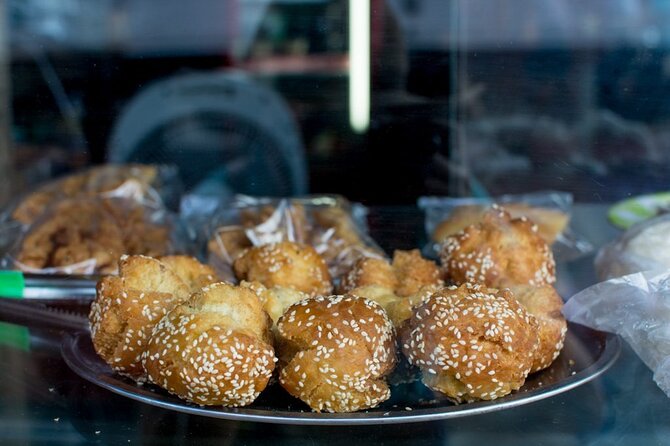
The tour includes Hakka-derived food here. Hakka Chinese cooking has become part of Mauritius’s everyday food culture, and tasting it in Chinatown gives you a stronger connection than reading a short description on a menu. You may also notice the contrast between the city’s older family businesses and its newer commercial buildings.
An hour gives the guide room to explain trade and family businesses while you sample food. It also allows some time to look around. Still, do not expect a long, independent shopping session. The group has more ground to cover, and the next stops are part of the same route.
Dourvesh is particularly well regarded for this kind of city walk. The strongest feedback describes him as informative, relaxed, and willing to adapt the tour to the group’s interests. That flexibility is useful in Chinatown, where a question about one dish can lead naturally into a discussion about migration, trade, or local habits.
Same place, a different plate:
- Dubai: Old Town, Souks, Street Food, Guided Tour & Abra Ride
★ 4.9 · 7,170 reviews - Naples: Street Food Walking Tour with Local Guide
★ 4.9 · 4,976 reviews - Small Group Hanoi Street Food Tour with a Real Foodie
★ 5.0 · 4,682 reviews - Rome: Street Food Tour with Local Guide
★ 4.8 · 4,077 reviews
The Central Market is the tour’s tastiest classroom
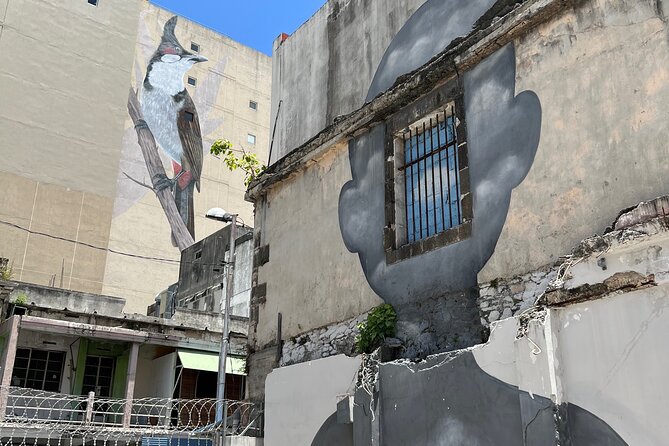
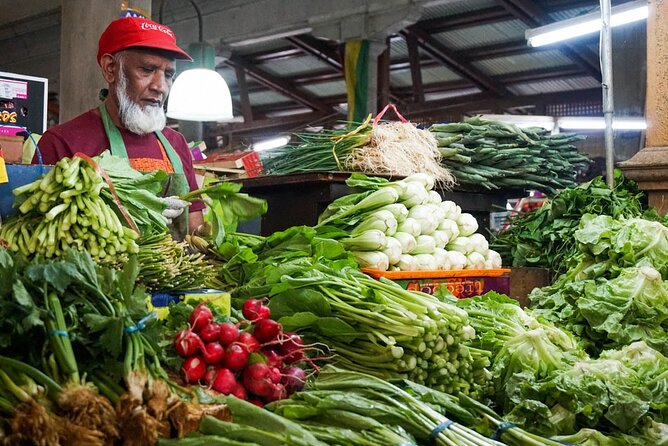
Port Louis Central Market is a lively open-air market selling fruit, herbs, spices, and other goods. The visit lasts around 30 minutes, and this is where you see the raw materials behind Mauritian cooking.
The market can be crowded and energetic, so keep your belongings close and stay aware of where the group is. The guide helps you make sense of the stalls instead of leaving you to wander through a maze of smells and colors.
One food to look for is gato pima, sometimes called chili bites. These small fried snacks are made from soaked split peas, spring onions, and green chilies. They are crisp outside, soft inside, and sharper than their modest size suggests. The chili gives them a real kick, though the exact strength can vary.
I like that this tasting uses an ordinary local snack rather than something designed only for tourists. Gato pima is connected to the Indian influence on Mauritius and is easy to understand as everyday food. It also makes a useful contrast with the Chinese-influenced dishes later in the route.
The market is not only about food. It is a working place where residents buy ingredients, herbs, and spices. You get a better sense of how home cooking begins, which is often more useful than visiting another polished restaurant.
Company Garden offers a quiet pause
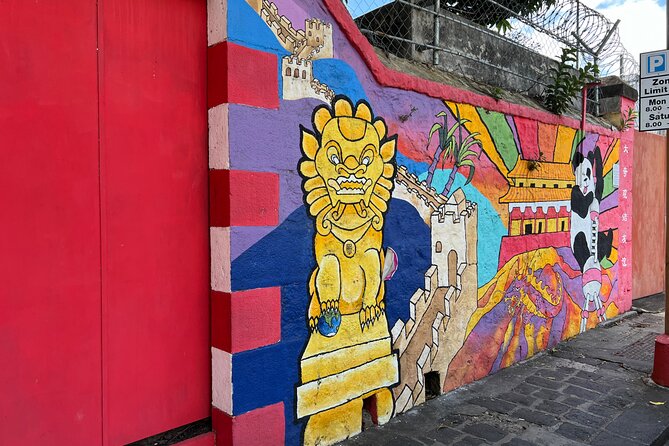
Les Jardins de la Compagnie, or Company Garden, provides a change of pace. The garden is known for its huge banyan trees, statues, fountains, and benches. The tour spends about 20 minutes here.
The banyan trees are the visual highlight. Their hanging roots give the garden an unusual shape and make this a pleasant place to pause after the market and food stops. Statues by local sculptor Prosper d’Épinay and tributes to the much-loved musician Ti Frère add a local cultural layer.
The garden began as a vegetable patch for the French East India Company during the early colonial period. That detail links the pleasant public space to Port Louis’s commercial and colonial past.
The supplied guidance notes that the garden is appealing during the day but should be avoided at night because it can attract sex workers and drug users. Since this tour visits in the late morning, that concern does not affect the scheduled experience. It is still useful advice if you plan to return after dark.
What the food means for your budget
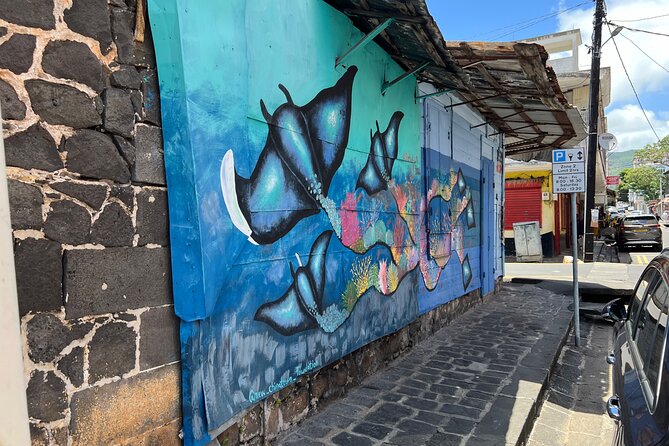
At $49.40, the price is reasonable if you want both lunch and a guided introduction to central Port Louis. You are paying for a local guide, bottled water, snacks, lunch, and several tastings, not just a short restaurant visit.
The value improves if you are visiting Mauritius for a limited time. Port Louis can be easy to skip in favor of beaches and resort areas, but this experience gives you a structured reason to spend a morning in the capital. It also removes the guesswork from choosing unfamiliar street food.
The price is less attractive if you mainly want a long, unhurried market visit or a serious architectural tour. The route has several stops, and the food tastings keep it moving. You will see a lot, but none of the individual sights receives the attention of a dedicated museum or heritage tour.
No hotel pickup or drop-off is included. You need to reach the meeting point at IBL House near Caudan Waterfront yourself, and the tour returns there at the end. That arrangement is simple if you are already in Port Louis, but you should plan your own transport from elsewhere on the island.
Group size, pace, and practical comfort
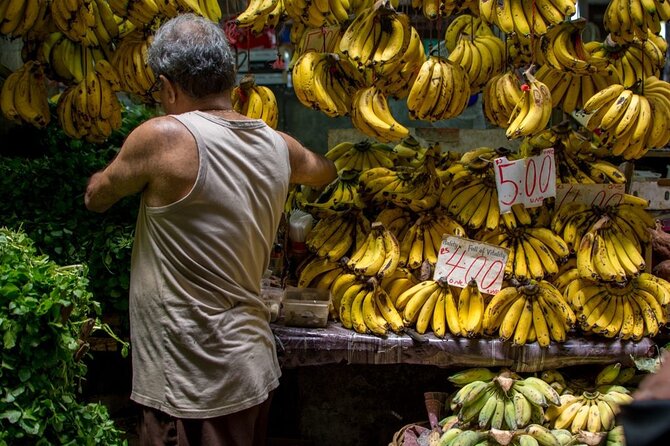
The group is limited to 10 people. That is a useful size for a food walk because the guide can explain dishes without shouting across a large crowd. It also leaves more room for questions and small adjustments.
The advertised duration is about three to four hours, while one detailed account describes a three-hour route packed from beginning to end. Plan on a full morning and early afternoon rather than treating it as a quick one-hour outing.
You should wear comfortable shoes. The experience includes city walking, market surfaces, and time spent standing at food stops. The tour is near public transportation, but hotel transport is not part of the package.
Most people can take part, according to the supplied information. Still, anyone who finds hot weather, crowded markets, or extended walking difficult should consider the pace before booking. The tour requires good weather, and poor conditions can lead to a new date or a full refund.
The mobile ticket is convenient. Confirmation arrives at booking, and free cancellation is available until 24 hours before the start time. A cancellation made less than 24 hours before the 10:00 am start is not refunded, and the tour can also be canceled if the minimum number of people is not reached.
Who will enjoy this tour most
I would recommend this experience to anyone who wants a first look at Port Louis through food and local streets. It suits couples, solo visitors, families with older children, and small groups who prefer a guide rather than planning each stop alone.
It is especially useful if you are staying at a resort and feel unsure about visiting the capital independently. The route gives you a safe daytime structure, historical context, and enough food to count as lunch.
Food lovers will appreciate the variety, but you do not need to be an expert. The tastings are a way into the culture, not a formal cooking course. The guide’s ability to adjust the tour to your interests is a plus if you want more attention on food, architecture, or history.
I would be more cautious about recommending it to anyone seeking a slow, private experience. The route covers several places in a short time, and a group walk cannot linger everywhere. People with major mobility concerns should also ask for more details before booking, since the tour includes walking through markets and city streets.
Should you book the Port Louis street food tour?
Book it if you want one efficient morning that covers food, history, and everyday city life. The mix is the main strength: Aapravasi Ghat explains migration, Jummah Mosque shows cultural overlap, Chinatown adds food and trade, the Central Market brings you close to local ingredients, and Company Garden provides a calm finish.
The strongest reason to choose this tour is the guide-led connection between those places. Dourvesh receives especially high praise for his clear explanations, relaxed manner, and ability to respond to the group. That personal touch matters more here than a long list of attractions.
Skip it if you want a private food crawl, a dedicated heritage tour, or several hours to shop at your own pace. For most people seeking a practical first taste of Port Louis, though, $49.40 is a fair price for the food, water, lunch, and local guidance.
FAQ
Where does the Port Louis street food tour start?
The tour starts at IBL House near the Caudan Waterfront in Port Louis, Mauritius.
What time does the tour begin?
The scheduled start time is 10:00 am.
How long does the experience last?
The tour lasts approximately three to four hours. A detailed description also places the route at about three hours.
Where does the tour finish?
The activity ends back at the meeting point near IBL House.
How many food tastings are included?
The tour includes about eight different dishes, along with snacks, lunch, and food tastings.
What food is specifically mentioned?
Gato pima, made with soaked split peas, spring onions, and green chilies, is specifically mentioned. The Chinatown section includes treats based on Hakka Chinese dishes.
What sights are visited?
The route includes Aapravasi Ghat, Jummah Mosque, Port Louis Chinatown, Central Market, and Les Jardins de la Compagnie.
Is hotel pickup included?
No. Hotel pickup and drop-off are not included. You need to make your own way to the meeting point.
What happens if the tour is canceled because of weather?
If poor weather causes a cancellation, you will be offered another date or a full refund. The tour may also be canceled if its minimum number of participants is not reached.
Just added around the world
- Zanzibar:Stone town Street food market walking tour,transfer★ 4.5 · 9 reviews
- Vienna Food Tour: Dishes, Wine, Street Food & Culture★ 4.7 · 12 reviews
- Verona: Street Food Tour and City Guided Sightseeing★ 4.9 · 11 reviews
- Xi’an: Gourmet & Street Food Tour★ 4.8 · 22 reviews
- Verona: City Highlights & Street Food Walking Tour★ 5.0 · 3 reviews
- Verona: Street Food and History Tour with Local Guide★ 4.7 · 6 reviews
- Xi’an Muslim Quarter Night Market Foodie Walking Tour★ 4.2 · 22 reviews
- Verona: street food walking tour near the historical center★ 5.0 · 2 reviews
Street Food Tours, compared.
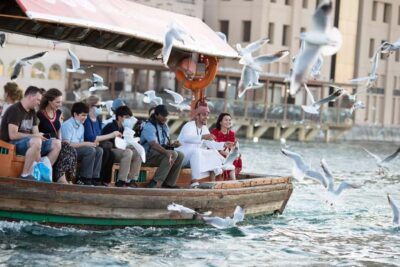
Old Town, Creek, Museums, Souks, & Street Food Tour
What we made of it →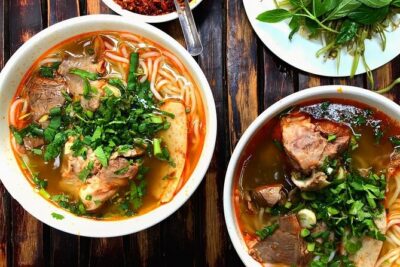
Ho Chi Minh City Street Food Tour & Sightseeing By Motorbike
What we made of it →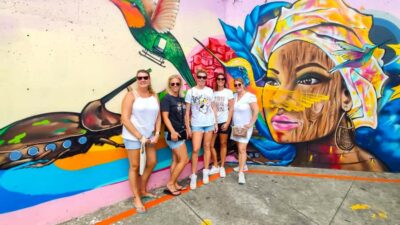
Comuna 13 Graffiti Tour, Cable Car & Street Food
What we made of it →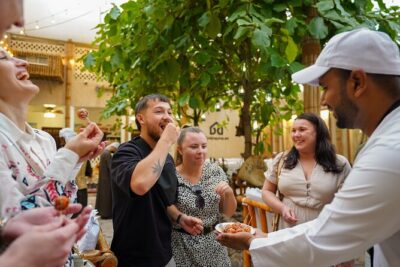
Old Town, Souks, Street Food, Guided Tour & Abra Ride
What we made of it →
Small Group Hanoi Street Food Tour with a Real Foodie
What we made of it →
Saigon By Night and Street Food By Motorbike | Opt: Ao Dai Riders
What we made of it →Where this tour turns up