
Review · MEXICO CITY
Mexico City Street Food: A Beginner’s Guide
Come hungry, leave happily stuffed. This three-hour walking tour gives you a friendly introduction to Mexico City’s street food, with stops around Cuauhtémoc and a final chocolate tasting in Juárez. I especially like the small group of no more than eight and the way the guide handles ordering, which removes much of the guesswork at busy food stands. I also like the cultural context, since you meet vendors and learn why each dish matters, not just what it contains.
The main drawback is price. At $110.28 per person, plus a separate tip for your guide, this costs far more than buying street food on your own. The tour can also feel rushed if you want long pauses at each stop, so you should think of it as a guided sampling session rather than a leisurely meal.
Five useful things to know before you go
- The food starts with Mexican staples: Expect items such as tamales, tacos, carnitas, tlacoyos, quesadillas, cemitas, and squash-flower burritos.
- You eat enough for two meals: The included food is intended to cover a large breakfast and lunch combined.
- Your guide orders for you: This is useful if your Spanish is limited or you are unsure how street-side ordering works.
- The final stop is chocolate-focused: The tour ends at Chocolatería La Rifa in Juárez, with chocolate drinks and sweets forming a memorable finish.
- The group stays intimate: A maximum of eight people makes questions and food preferences easier to manage.
- Bring curiosity and an appetite: Guides such as Clara, Nico, Toti, Adrian, Ariane, Fernando, Tonalli, and Yim have been praised for explaining food, culture, and local customs.
Starting near Reforma and entering Cuauhtémoc
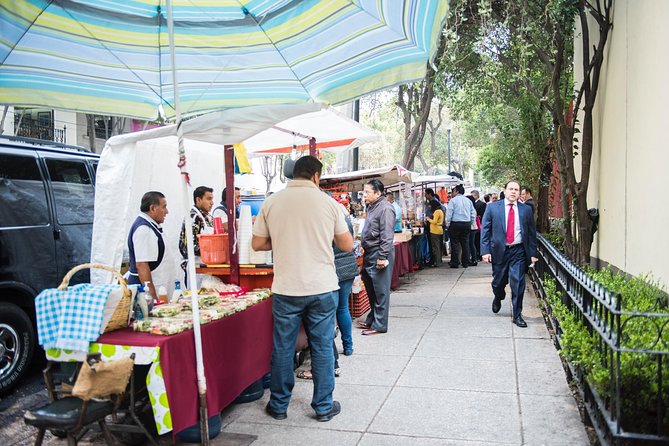
The tour begins at Avenida Paseo de la Reforma 341, in Cuauhtémoc. This is a central Mexico City location near offices, embassies, and the city’s stock exchange, so the setting tells you something about the food before you take your first bite.
Cuauhtémoc feeds office workers who need quick, filling meals. That demand supports a steady supply of outdoor stands and small food counters. You are not being led to a polished restaurant district built for sightseers. You are seeing the practical side of Mexico City dining, where people grab a meal before work, during a break, or on the way home.
I like this setup because it places street food in everyday city life. The food is not presented as an oddity. It is part of how the neighborhood functions.
The walking format also helps. Instead of sitting in one restaurant for three hours, you move between food stops and see how different vendors work. The route gives you a closer look at preparation, ingredients, serving habits, and the informal rhythm of eating outdoors.
Your guide handles the ordering. This matters more than it may sound. At a busy stand, you might not know how many portions to request, which salsa to choose, or how much food is coming next. A guide can make those decisions while explaining what you are about to eat.
More Street Food Tours in Mexico:
- Cancun Street Food Tour with Food Stalls, Local Market and Murals
★ 5.0 · 723 reviews - Merida Street Food Walking Tour
★ 5.0 · 417 reviews - Street Food Tour with Friends
★ 5.0 · 326 reviews
Your first bites: chicharrón, tortillas, and juice
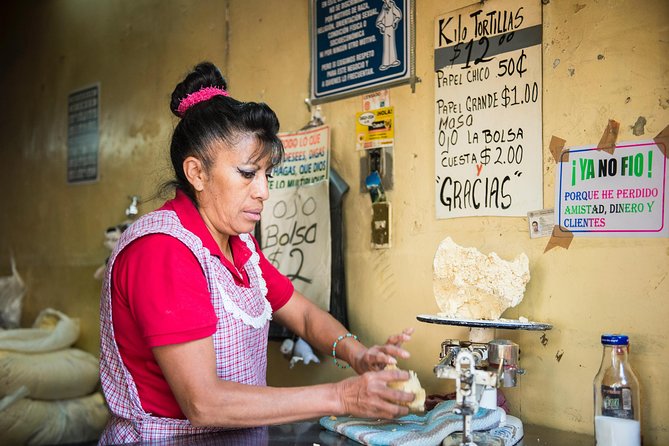
The exact order can vary, but the morning may begin with chicharrón and tortillas. These early bites help set the tone: simple ingredients, strong texture, and food meant to satisfy rather than decorate a plate.
A freshly squeezed juice is included. It gives you a light, cold break between savory dishes and adds one familiar item to a menu that may otherwise feel new. Additional personal drinks are not included, so keep that in mind if you want coffee, bottled water, or something else along the route.
The food arrives in a steady series of small tastings, but the portions add up quickly. You are not receiving tiny samples designed only for display. Several people found that the meal carried them through until dinner, and some needed to share or stop before finishing everything.
That is good news for anyone who wants a filling introduction. It can be less ideal if you prefer to eat lightly or want room for a large dinner later.
Cemitas and squash-flower burritos
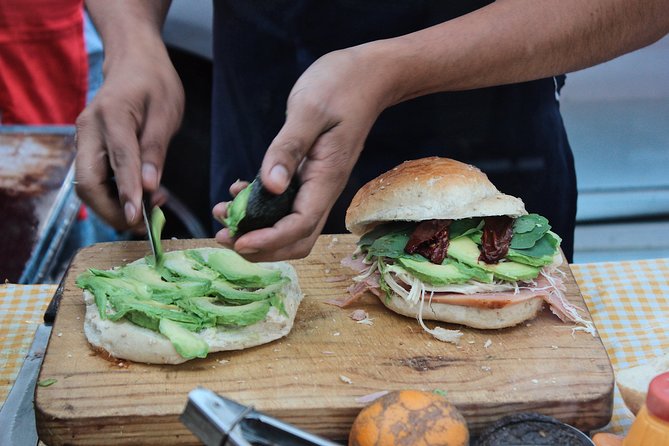
One featured dish is the cemita, a sandwich from Puebla. It combines quesillo, a stringy Oaxaca-style cheese, with avocado inside a bread roll. The sandwich gives you an easy entry point into regional Mexican food because the format is familiar, while the cheese and toppings make it distinctly Mexican.
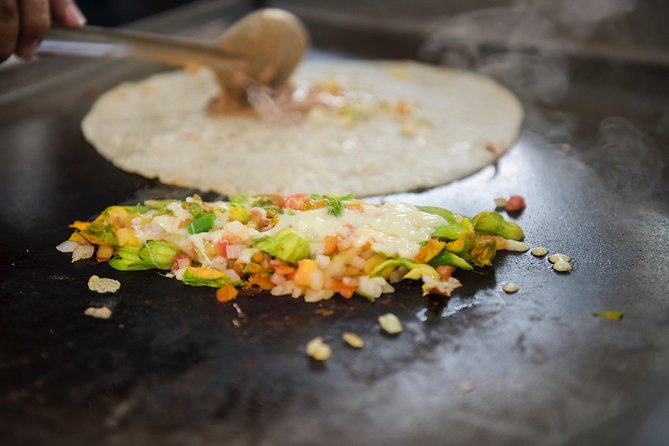
The squash-flower burrito is less familiar to many first-time visitors. It arrives hot from the grill and contains squash flowers, beans, melted cheese, and your choice of salsa. The flowers have a delicate character, but the beans and cheese give the burrito enough body to function as a proper meal.
These two dishes show how useful the tour can be for beginners. You get a recognizable sandwich, then a less expected filling, with the guide explaining the ingredients and how locals eat them.
Salsas are part of the education. You may encounter mild, bright flavors alongside much hotter options. The guide helps you judge how much to add instead of leaving you to discover the heat by surprise.
Still, do not assume every bite will become a personal favorite. One dish may appeal to you less than another, and that is normal on a tasting route. The point is to understand the range of foods and find what you want to seek out later.
Carnitas, tlacoyos, and the heat of salsa
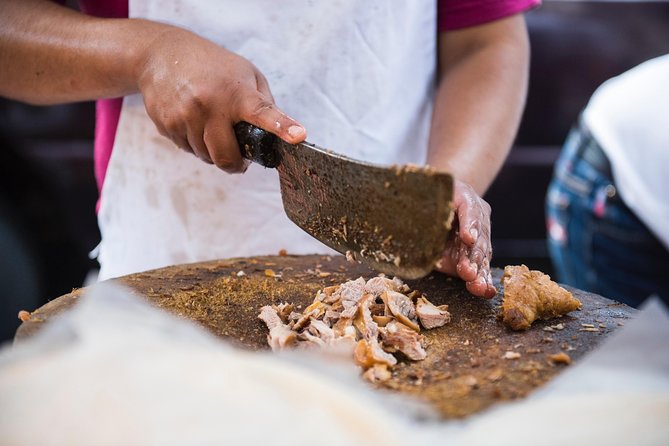
Carnitas are tender pieces of pork cooked in lard, usually finished with lime and salsa. They are rich, salty, and satisfying, so they can be one of the heavier stops. If you enjoy pork, this is likely to be one of the easiest dishes to appreciate.
The green salsa served with the carnitas has been described as exceptionally hot. Take a small amount first. You can always add more, but there is no graceful way to reverse a mouthful of chile.
Tlacoyos offer another important lesson in Mexican cooking. These oval patties are made from nixtamalized corn dough, known as masa, and topped with cactus, cheese, and salsa. The masa has a hearty corn flavor, while the cactus adds a different texture and a mild vegetal note.
This is where the guide’s role becomes especially useful. A good explanation of nixtamalization gives you a better sense of why corn is so central to Mexican food. You are not just tasting a corn patty. You are learning how a basic ingredient is prepared and turned into several different dishes.
Other possible bites include tamales, tacos, quesadillas with potatoes, pambazos, bombazas, and fermented chocolate. The precise selection may depend on the day and the vendors available. You should arrive ready for variety rather than expecting every listed item in one fixed order.
Same place, a different plate:
- Cancun Taco Tour, Local Beer and Night Market with Transportation
★ 5.0 · 816 reviews - Mexican Cooking Class with Food Market Visit in Mexico City
★ 5.0 · 506 reviews - Mexico City: Hidden Markets, Street Food & Salsa-Making Tour
★ 5.0 · 310 reviews - Mexico City Vegan & Vegetarian Street Food Adventure
★ 5.0 · 176 reviews
The stories behind the vendors
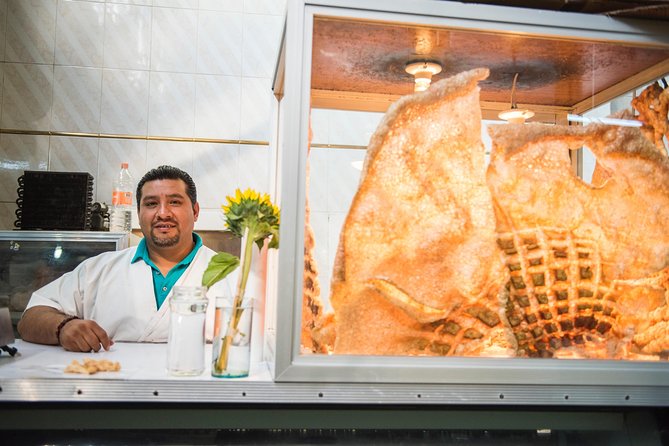
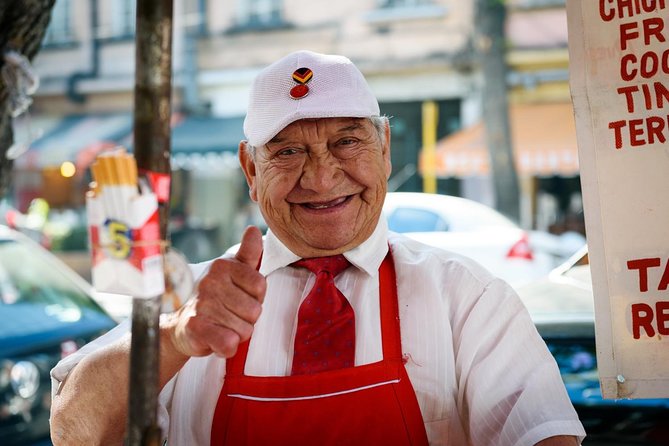
Food is only half of this tour. The other half is meeting the people who prepare it and hearing how the food fits into city life.
Your guide shares vendor stories and explains the background of Mexican dishes. That makes the walking route more meaningful than a simple list of snacks. You begin to understand why a stand attracts office workers, why a certain preparation takes time, and how dishes carry regional identity into the capital.
The strongest guides have added plenty of value here. Clara has been praised for her warmth, clear explanations, and memorable food anecdotes. Nico has explained preparation methods, local culture, neighborhood details, and Mexican history. Adrian has brought strong enthusiasm to the specialties, while Ariane has been praised for keeping the pace comfortable.
Toti has led groups through the culture and history of street food, and Fernando has received strong praise for making the food accessible. Tonalli has provided detailed explanations at multiple stops. Yim has been especially good with children while introducing them to unfamiliar dishes.
The guide assigned to your departure may differ. The important point is that the experience depends heavily on who leads it. This is not a self-guided market crawl. You are paying for food, but also for selection, translation, pacing, background, and help with unfamiliar ingredients.
How the three-hour pace feels
Three hours is enough time for a substantial meal and a useful introduction, but not enough for long conversations at every stop. The route keeps moving, and one family found it rushed. That is the clearest practical caution I would keep in mind.
If you like a brisk morning with several stops, the pace should work well. If you want to photograph every plate, watch each dish being cooked from start to finish, and ask extended questions, you may feel hurried.
The small group helps. With no more than eight people, you can ask about ingredients, heat levels, allergies, or places to eat later. Several guides have adjusted portions or choices for children and food preferences, though you should explain your needs at the start.
Most people can participate, and service animals are allowed. The route is near public transportation, but transport to the starting point and away from the ending point is not included. Plan your arrival at Reforma 341 and your onward route from the chocolate shop in advance.
Ending at Chocolatería La Rifa in Juárez
The tour finishes at Chocolatería La Rifa, at Calle Dinamarca 47, in the Juárez neighborhood. This ending gives the meal a change of pace after the savory food.
The final tasting may include a cold chocolate drink and chocolate mousse. The cold drink has been a particular highlight on warm days, and the dessert provides a polished finish after tacos, tamales, pork, masa, and salsa.
I like ending here because chocolate gives you a different way to think about Mexican ingredients. It also leaves you with something sweet after a tour that spends most of its time on salty, spicy, and filling foods.
Juárez is trendy, and the finish feels different from the outdoor stands in Cuauhtémoc. That contrast is useful. Mexico City’s food culture is not one single thing. It includes practical street meals, regional specialties, artisan sweets, and modern food businesses.
What $110.28 buys you
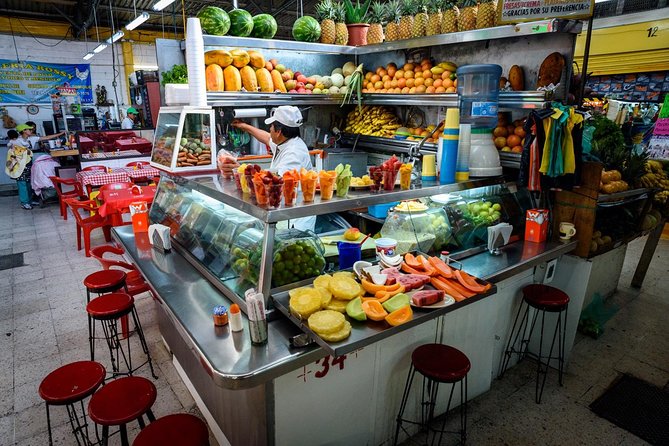
The price is the biggest question. At $110.28 per person, this is expensive for a food tour in Mexico City, especially because you also tip the guide separately. If you compare only the cost of the ingredients, the value is weak. You could buy a lot of tacos and tamales for less.
The better comparison is with what the fee includes:
- A three-hour guided walking route
- Food at several stops
- Enough food for a large breakfast and lunch combined
- One freshly squeezed juice
- Traditional Mexican candy
- Vendor tips
- Ordering assistance
- Cultural and food explanations
- A maximum group size of eight
The included vendor tips are helpful because they remove the need to handle small payments at each stop. You still need to budget for your guide’s tip and any personal drinks.
For a first morning in Mexico City, the tour can save you from spending several meals guessing where to go. You leave with names of dishes, a better idea of what to order, and recommendations that can shape the rest of your visit.
For someone already comfortable ordering street food in Spanish or familiar with Mexican regional dishes, the price is harder to justify. You may get more value by eating independently and using the money for several additional meals.
Who should book this food tour?
I would recommend it to first-time visitors who want a clear introduction without having to plan every stop. It also suits solo visitors, couples, and families who prefer a small group and want a guide to make unfamiliar food less intimidating.
Families can benefit from the flexible approach. A six-year-old and a fourteen-year-old have both been able to take part, with guides helping younger diners try new foods at their own pace. Still, the menu includes chile, rich pork, and unfamiliar textures, so picky eaters may not enjoy every stop.
It is also a good choice if food is one of your main ways of understanding a city. You get more than a checklist of dishes. You see how food serves office workers, how vendors prepare regional specialties, and how a chocolate shop can finish a day of savory street eating.
I would hesitate if you are on a tight budget, dislike eating a large amount in a short time, or want a slow culinary class. The tour does not focus on cooking lessons, and the steady number of stops may feel rushed.
The tour currently carries a 5 out of 5 rating from 197 reviews, with 99 percent of customers recommending it. That strong record fits the main strengths: generous food, engaging guides, and a useful introduction to dishes you might not order alone.
Should you book Mexico City Street Food: A Beginner’s Guide?
Book it if you want your first serious taste of Mexico City food to be easy, filling, and guided by someone who can explain what is in front of you. The best reason to go is not the quantity alone. It is the combination of vendor access, dish selection, cultural background, and practical advice for the rest of your stay.
Skip it if $110.28 feels too high for street food, or if you already know Mexican food well. You can eat more cheaply on your own, but you will give up the ordering help and the guide’s understanding of which stops are worth your time.
For most first-time visitors with room in the budget, I would book it near the beginning of the trip. You will have several days left to follow the guide’s recommendations, and you will know what to look for when you see your next taco stand.
FAQ
How long does the Mexico City street food tour last?
The tour lasts approximately three hours.
Where does the tour begin?
It begins at Avenida Paseo de la Reforma 341, Cuauhtémoc, Mexico City.
Where does the tour end?
It ends at Chocolatería La Rifa, Calle Dinamarca 47, in the Juárez neighborhood.
How many people can join the tour?
The tour has a maximum of eight participants.
Is food included in the price?
Yes. The tour includes as much food as you can eat, enough for a large breakfast and lunch combined, plus one freshly squeezed juice and traditional Mexican candy.
Are drinks included?
One freshly squeezed juice is included. Additional personal beverages are not included.
Is transportation included?
No. Transport to the starting point and from the ending point is not included. The tour is near public transportation.
Can I cancel for a full refund?
Yes. You can cancel up to 24 hours before the experience for a full refund.
Just added around Mexico
- Tour of the Oaxaca Food Market★ 4.0 · 4 reviews
- Taco Tour in Oaxaca : delicious street food by bike★ 5.0 · 3 reviews
- Oaxaca Street Food Essentials★ 5.0 · 21 reviews
- Mexico City Street Food Tour Adventure★ 5.0 · 12 reviews
- Private Half-Day Traditional Markets Street Food Tour in Mexico City★ 3.0 · 2 reviews
- Night Street Food & Bike Tour / Small Groups /All Inclusive★ 5.0 · 25 reviews
- Mexico Off the Beaten Track: Street Food & Bikes — All Inclusive★ 5.0 · 14 reviews
- Private Street Food & Mural Art Tour in Mexico City★ 3.5 · 3 reviews
Street Food Tours, compared.

Old Town, Creek, Museums, Souks, & Street Food Tour
What we made of it →
Ho Chi Minh City Street Food Tour & Sightseeing By Motorbike
What we made of it →
Comuna 13 Graffiti Tour, Cable Car & Street Food
What we made of it →
Old Town, Souks, Street Food, Guided Tour & Abra Ride
What we made of it →
Small Group Hanoi Street Food Tour with a Real Foodie
What we made of it →
Saigon By Night and Street Food By Motorbike | Opt: Ao Dai Riders
What we made of it →Where this tour turns up