
Review · DA NANG
Da Nang: Hidden Street Food By Walking Tour with Local Lady
Small alleys, big flavors.
This three-hour private walking tour gives you a close look at Da Nang through food, neighborhood life, coffee, religion, and market habits. I especially like the mix of four to five handmade local cakes at the opening stop and the chance to walk alleys too narrow for cars. The street-side iced coffee and pagoda visit add useful cultural context rather than simply piling more dishes onto the day.
The main consideration is physical: you will walk through tiny lanes and spend much of the tour on your feet. I also like that the $57 price includes all local foods, drinks, entrance fees, and a private English-speaking host, though it is more expensive than eating independently. Moon is the named host and guide, and the experience currently holds a 5 out of 5 rating from two ratings.
Key points at a glance
- Four to five handmade cakes begin the meal: You start with small local dishes that show Da Nang flavors in several bites rather than one large plate.
- Alleys are part of the food experience: The route passes through lanes where only one motorbike can fit, offering a look at ordinary neighborhood life.
- Seafood or crab noodles add a proper local meal: A later stop focuses on noodles cooked by a local host.
- Vietnamese iced coffee comes with a culture lesson: You pause at the roadside and learn how coffee fits into daily life in Vietnam.
- The pagoda visit breaks up the eating: You can worship for a good day and hear about Buddhism in Vietnam.
- A traditional market rounds out the tour: You see how residents choose ingredients before finishing with cold coconut jelly.
Why this three-hour walk feels different
Many food outings keep you on main streets, moving from one restaurant to the next. This one uses food as a reason to enter the residential corners of Da Nang. You are not only tasting dishes. You are also walking through small alleys, passing local homes, stopping at a pagoda, and looking at the ingredients people choose for their meals.
That makes the route especially useful early in your stay. You get a first sense of how the city works at street level, including how narrow lanes connect neighborhoods and how meals happen outside formal restaurants. I would not book it as a sightseeing substitute for Da Nang’s major attractions. I would book it if you want food and daily life placed side by side.
The tour lasts three hours and returns to the same meeting point at 100 Hoang Van Thu Street in central Da Nang. There is no hotel pickup or drop-off, so you need to reach the starting point yourself. Since it is a private group, the pace and conversation should feel more personal than a large food walk.
More Hidden Food Spots in Vietnam
- Hanoi: Street Food Tour with Train Street & Hidden Alleyways
★ 5.0 · 2,831 reviews - Hanoi: Guided Street Food Tour with Train Street Experience
★ 4.9 · 2,479 reviews - Hanoi: 7 Tastings Street Food Tour with Train Street
★ 4.9 · 541 reviews
Starting with small cakes and hand-made flavors
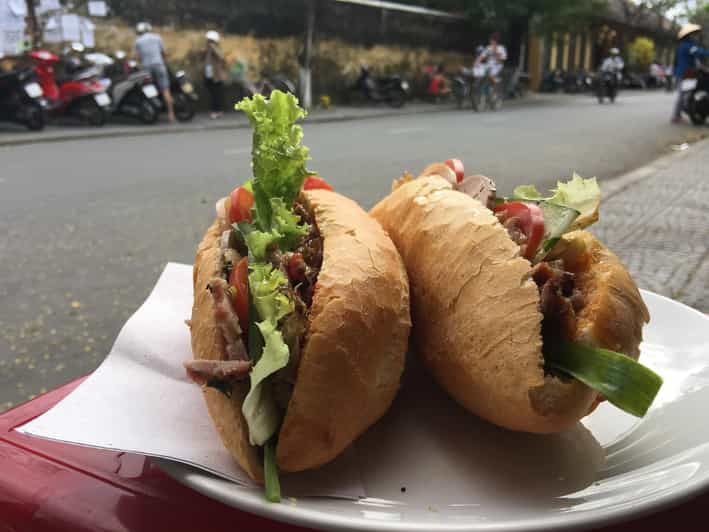
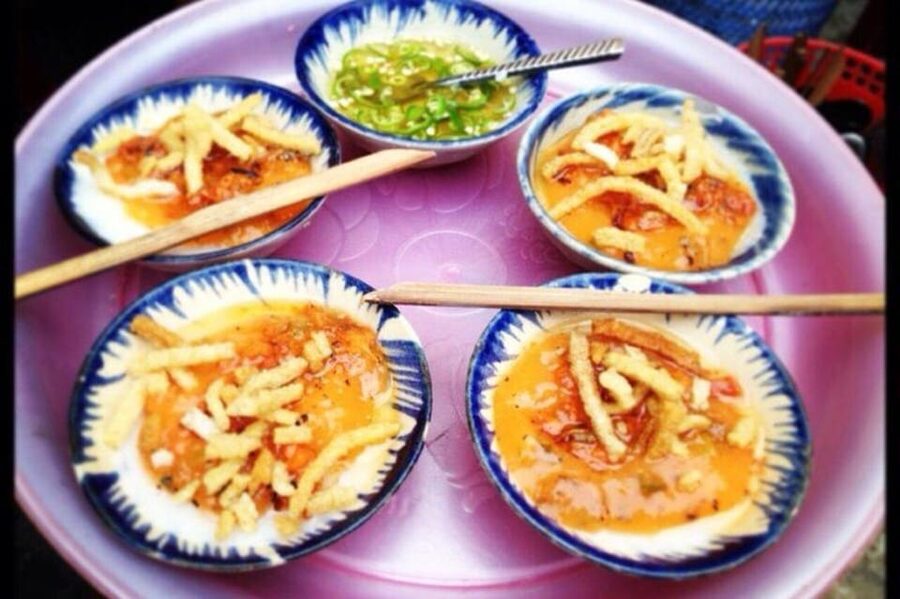
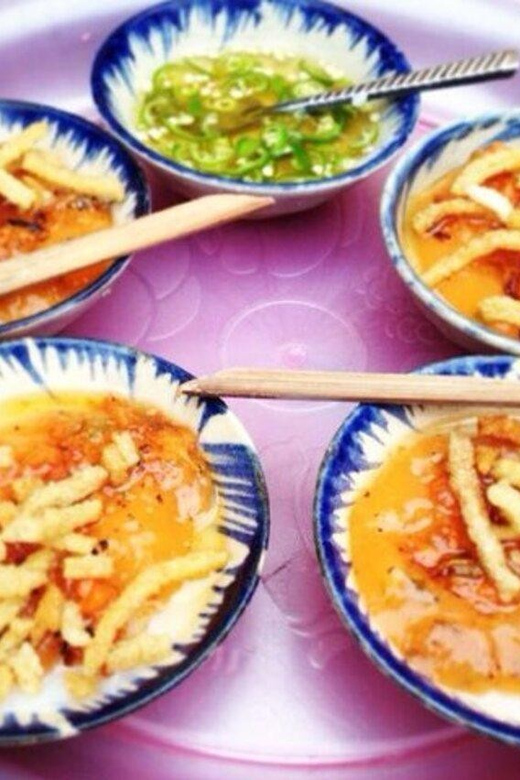
The first food stop features four or five small local cakes. These are described as handmade dishes with traditional aromas and flavors, giving you several introductions to Da Nang cooking before the larger stops begin.
Small dishes are a smart way to start a food tour. You can sample different textures and seasonings without filling up immediately. If one item is unfamiliar, you can ask Moon about it and still have room for the rest of the meal. The emphasis here is on original local flavors rather than dishes adjusted for international tastes.
I like this opening because it sets up the tour as a tasting walk, not a single meal. You will need to remain open to dishes you may not recognize, but that is also the point. The food is served as part of the neighborhood experience, not presented as a formal restaurant course.
Walking Da Nang’s one-motorbike alleys
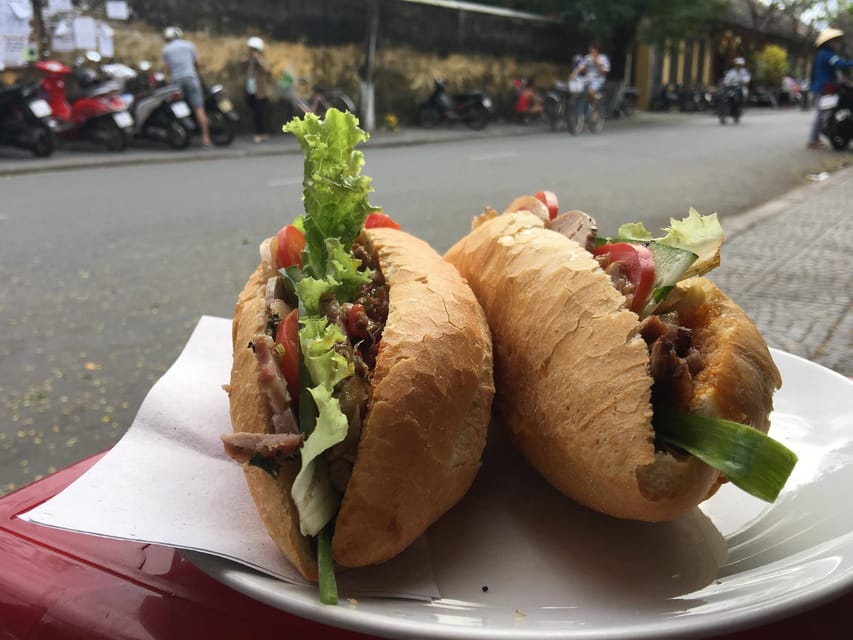
After the first tasting, the route heads through small alleys where only one motorbike can pass at a time. This is one of the most distinctive parts of the experience. Main roads show you Da Nang’s traffic and commercial face. These narrow lanes offer a quieter view of how residents move around and live close together.
You should pay attention to the route itself. The alleys are not just shortcuts between food stops. They are a way to see the scale of local homes, the tight passageways, and the everyday surroundings that large sightseeing groups usually miss. The guide explains local lifestyles as you walk, which helps turn an ordinary lane into part of the cultural lesson.
There is a practical limit. Narrow alleys and an active walking route are not suitable for wheelchair users or people with mobility impairments. Wear comfortable shoes, and leave large bags or luggage behind. The tour does not provide a vehicle transfer between stops, so comfortable movement matters more here than on a restaurant-based food tour.
Seafood or crab noodles at the second stop
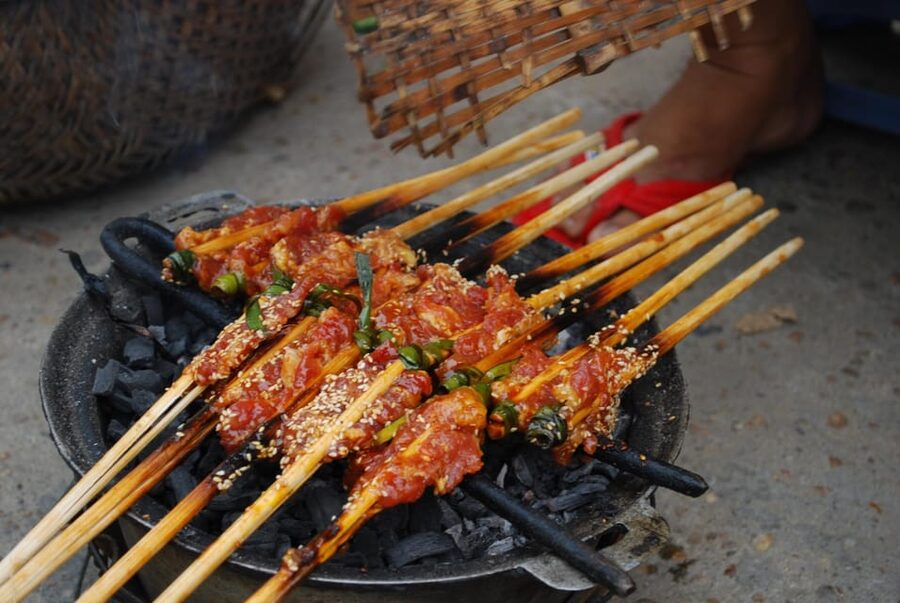
The second food stop focuses on local noodles cooked with seafood or crab. This is where the tour moves from small tasting plates to something that feels more like a proper lunch or dinner.
The exact noodle dish is not specified, so you should not book expecting one particular recipe. What is clear is that the meal is cooked by a local host and served on the street. That setting matters. You are not being taken to a polished dining room with a menu designed for outsiders. You are eating in the kind of place that forms part of the city’s regular food rhythm.
For many people, this will be the most filling stop. If you have allergies or strong food restrictions, ask about ingredients before eating. The tour includes the listed foods and drinks, but personal expenses outside the planned stops are not covered.
More Hidden Food Spots in Da Nang:
- Walking Street Food Tour in Hanoi and Train Street
★ 5.0 · 503 reviews - Mexico City: Hidden Markets, Street Food & Salsa-Making Tour
★ 5.0 · 310 reviews - Saigon’s Hidden Flavors – Private Street Food Walk with Local Students
★ 5.0 · 301 reviews - Vespa Female Ao Dai riders Night Street Food + See Train Street
★ 5.0 · 254 reviews
Vietnamese iced coffee at the roadside
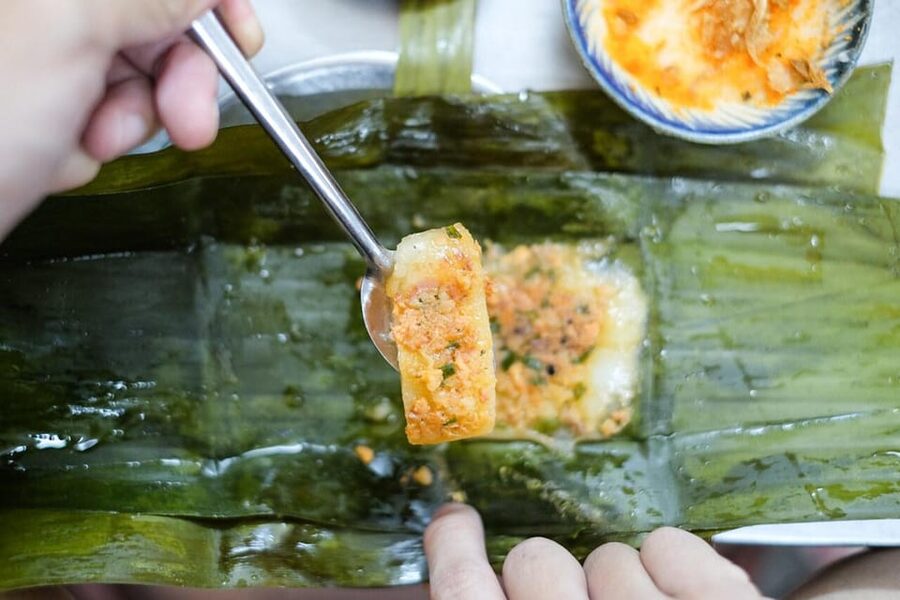
The coffee break gives the three-hour walk a needed pause. You stop at the street side for Vietnamese iced coffee and learn about coffee culture in Vietnam while sitting with local people.
This is a small part of the route, but I think it is one of the better choices. Coffee is not treated as a quick caffeine stop. It becomes a way to talk about an everyday habit and see how people use public space during a normal day. After several food stops and alley walking, the chance to sit also helps keep the pace comfortable.
The drink is included, so you do not need to budget extra for it. The tour description specifically calls it Vietnamese iced coffee, making this a poor fit only if you dislike coffee or prefer not to consume caffeinated drinks. The available information does not specify alternative drinks, so ask the host directly if that matters to you.
A pagoda visit with a quiet change of pace
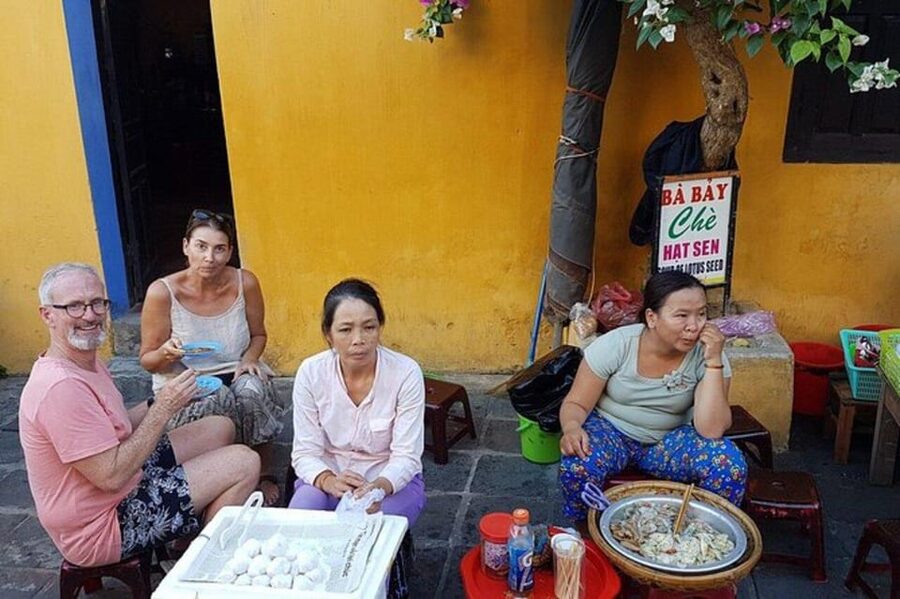
The route includes a visit to a pagoda where you can worship for a nice day in Vietnam. Moon also explains the development of Buddhism in Vietnam.
This stop adds meaning to the food walk. You are not seeing religion as a detached monument. You are learning how a place of worship fits into the country’s culture and daily customs. The stop also changes the mood after the food and coffee breaks, giving the route a few minutes of quiet attention.
Because the visit includes worship, dress and behavior should be respectful. The supplied details do not name the pagoda or give a detailed dress code, so follow your guide’s instructions once you arrive. Entrance fees are included in the tour price.
A third food stop off the main route
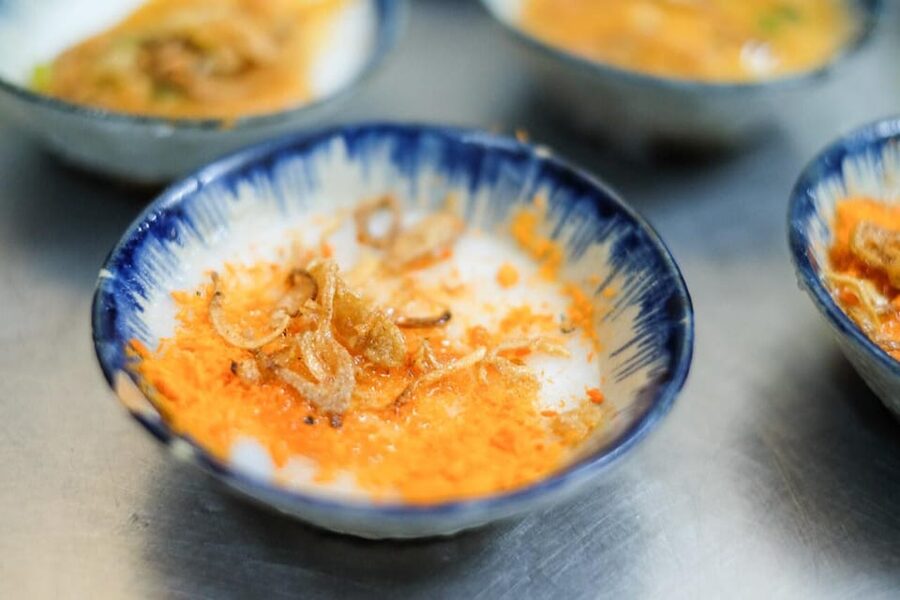
After the pagoda, you continue along a less-used route to a third stop for more local food. The description presents this as a place for authentic dishes and a substantial feast, but it does not identify the exact menu.
That lack of a fixed dish list can be either a benefit or a drawback. It leaves room for a more local meal rather than promising a standard menu. On the other hand, people with strict dietary needs may want more detail before booking. You can ask the host about the day’s food when you meet.
The important point is that the route keeps connecting food with place. You are not simply eating at three unrelated businesses. The walk through alleys and local streets explains why these stops are part of the neighborhood.
Reading the market through ingredients
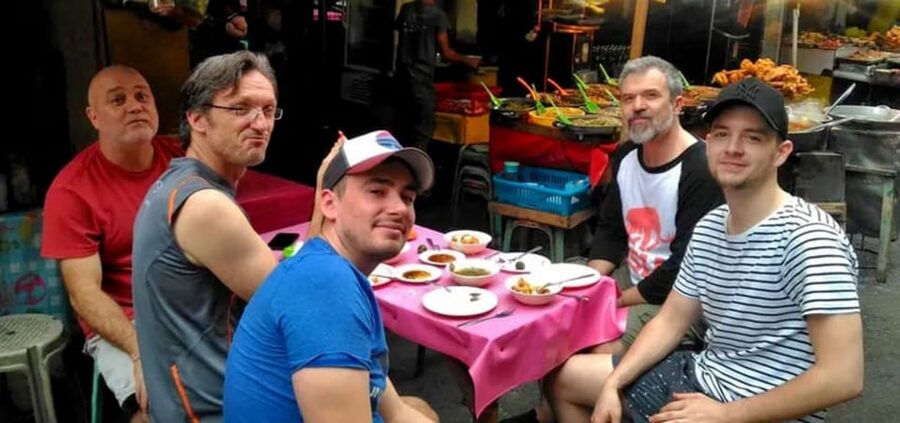
The market visit is one of the most useful parts for anyone who wants to understand Vietnamese cooking. You see how local residents choose ingredients for their meals and learn about habits at a traditional market.
A market can tell you more about food culture than a finished plate. You see the raw materials, the way shoppers make choices, and the routine of buying what will be cooked at home. The guide helps explain those habits, so you can connect the market to the dishes you have already tasted.
This is also a good place to slow down and observe. You do not need to buy anything, and personal expenses are separate from the tour. The experience includes the market visit as part of the guided route, not a shopping allowance.
Cold coconut jelly for the final stop
The tour finishes with cold coconut jelly for dessert. After several savory dishes, coffee, and a market visit, this offers a cool and simple ending.
Coconut jelly is a fitting final bite for a walking food tour. It is light compared with another full meal, and the cold texture should feel refreshing after time outdoors. As with the other stops, the exact serving details are not provided, so consider it a local dessert tasting rather than a guaranteed large portion.
At the end of the three hours, you return to the meeting point. That makes the experience easy to pair with an evening plan nearby, though you should allow a little breathing room if you have a fixed reservation afterward.
Is $57 a fair price?
At $57 per person, this is not the cheapest way to eat in Da Nang. You can certainly buy individual street dishes for much less. The price makes more sense when you count what is included: all local foods and drinks, entrance fees, a private group, and an English-speaking local host for three hours.
The private format is the main value. You are not paying only for food. You are paying for someone to lead you through narrow alleys, explain local customs, interpret market habits, and connect the dishes to the places where people live. That is harder to arrange on your own, especially if you do not speak Vietnamese.
I would consider the price reasonable for a first or second day in Da Nang, when orientation and cultural context are useful. It is less attractive if your only goal is to eat as cheaply as possible or if you already know the city’s food neighborhoods well.
Who should book this experience?
I would recommend it to curious eaters who want more than restaurant recommendations. It suits couples, families with older children, and small private groups that value conversation with a local guide. Children under four years old are free and share the service with their parents.
It is also a good fit if you enjoy walking and want to see parts of Da Nang outside the main tourist streets. The combination of food, coffee, a pagoda, and a market gives you a wider picture than a food-only route.
I would be cautious if you use a wheelchair, have limited mobility, or do not want to walk through narrow lanes. Large bags and luggage are not allowed, and there is no hotel transport. People with food allergies or strict dietary requirements should ask about the menu before reserving, since the exact dishes are not listed in advance.
Booking and timing tips
The meeting point is 100 Hoang Van Thu Street in central Da Nang, and the tour ends there. Check the available start times before booking because the exact departure time changes with availability.
Wear comfortable shoes and bring only what you need for three hours. Leave luggage and large bags at your accommodation. Since food and drinks are included, you do not need to carry money for the planned stops, though you may want funds for unrelated personal purchases at the market or elsewhere.
Cancellation is flexible up to 24 hours before the start for a full refund. You can also reserve now and pay later, which helps if your Da Nang plans are still shifting.
Should you book the Da Nang street food walk?
Book it if you want a private, food-centered introduction to local life, not just a list of dishes. The strongest parts are the handmade opening tastings, the one-motorbike alleys, the roadside coffee conversation, and the market visit. Moon is the named host, and the current 5 out of 5 score supports the sense that the guiding is a major part of the experience.
Skip it if you need wheelchair access, dislike walking, or want a fixed menu with exact dish names in advance. For everyone else, $57 buys more than lunch or dinner. It buys a guided look at how Da Nang eats, walks, worships, shops, and takes its coffee.
FAQ
How long does the Da Nang street food walking tour last?
The tour lasts three hours.
Where does the tour start?
It starts at the meeting point at 100 Hoang Van Thu Street in Da Nang city center.
Where does the tour end?
The activity ends back at the meeting point.
Is hotel pickup and drop-off included?
No. Hotel pickup and drop-off are not included.
What food is included?
All local foods and drinks served during the tour are included. The route features local cakes, seafood or crab noodles, additional local dishes, Vietnamese iced coffee, and cold coconut jelly.
Is the tour private?
Yes. It is a private group experience with a local English-speaking guide.
Is the tour suitable for children?
Children under four years old are free and share all services with their parents.
Is the tour suitable for wheelchair users?
No. The tour is not suitable for wheelchair users or people with mobility impairments.
Can I cancel for a refund?
Yes. You can cancel up to 24 hours in advance for a full refund.
Just added around Da Nang
- Walking Tour Hoi An city & Sampan Boat Ride with Colourful Lanterns,Night Market★ 4.5 · 2 reviews
- Sunset/Sunrise Lady Buddha or Marble Mountain with Foodie Tour★ 5.0 · 4 reviews
- Da Nang Street Food Private Tour With Local Students★ 5.0 · 24 reviews
- Da Nang Cycle Rickshaw Tour Private with Street Foods/Han Cruise★ 4.5 · 11 reviews
- Hoi An Walking Tour with Night market, Colourful Lanterns,Boat Ride(PrivateTour)★ 3.5 · 2 reviews
- Private Boat Ride, Night Market, and Walking Tour in Hoi An★ 5.0 · 2 reviews
- MARBLE MOUNTAIN-AM PHU Cave & HOI AN -Colourful Lantern Boat Ride★ 5.0 · 27 reviews
- My Son Holyland , Marble Moutain,Hoi An Walking Tour with Night Market,Boat Ride★ 5.0 · 3 reviews
Hidden Food Spots, compared.
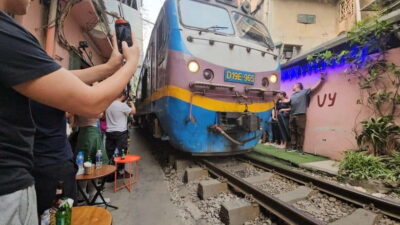
Street Food Tour with Train Street & Hidden Alleyways
What we made of it →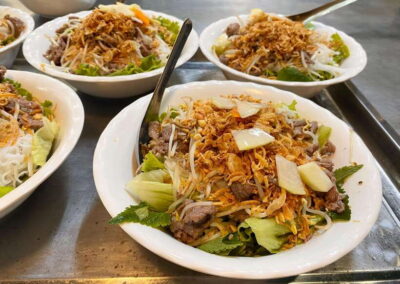
Guided Street Food Tour with Train Street Experience
What we made of it →
7 Tastings Street Food Tour with Train Street
What we made of it →
Walking Street Food Tour in Hanoi and Train Street
What we made of it →
Hidden Markets, Street Food & Salsa-Making Tour
What we made of it →
Saigon’s Hidden Flavors – Private Street Food Walk with Local Students
What we made of it →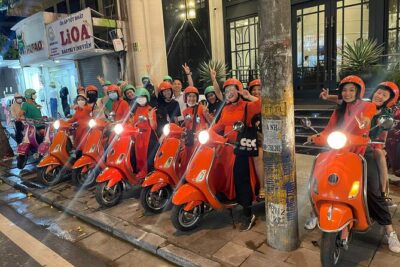
Vespa Female Ao Dai riders Night Street Food + See Train Street
What we made of it →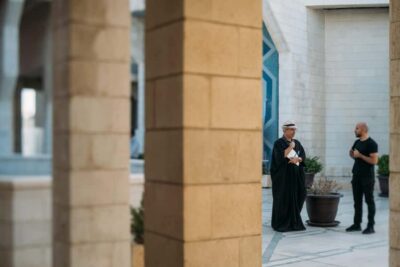
Amman Walking Tour: Hidden Gems, Culture & Street Food
What we made of it →Where this tour turns up