
Review · TANZANIA
Dar es Salaam: Tuk-Tuk Tour, Street Food & Local Lifestyle
Dar es Salaam makes you earn its secrets. This four-hour tuk-tuk ride takes you from Kariakoo Market to Swahili street food, the Mwenge Woodcarvers’ Market, and the Village Museum, giving you a useful first look at the city beyond the usual hotel district. I especially like the mix of food and culture, and I like that the small vehicle lets you see ordinary neighborhoods at street level. The main concern is reliability: one recent booking recorded a missed pickup and no prompt reply, so confirm your meeting details before setting out.
I also like the human touch promised by local guide Glory, who is praised for adjusting the day to suit personal wishes. The food stops should be simple rather than polished, with chapati, mishkaki, roasted maize, juice, spiced tea, or coconut water. That is part of the appeal. Just keep the timing in mind: the stated stop lengths add up to five hours, while the advertised experience lasts four.
Key things to know before you book
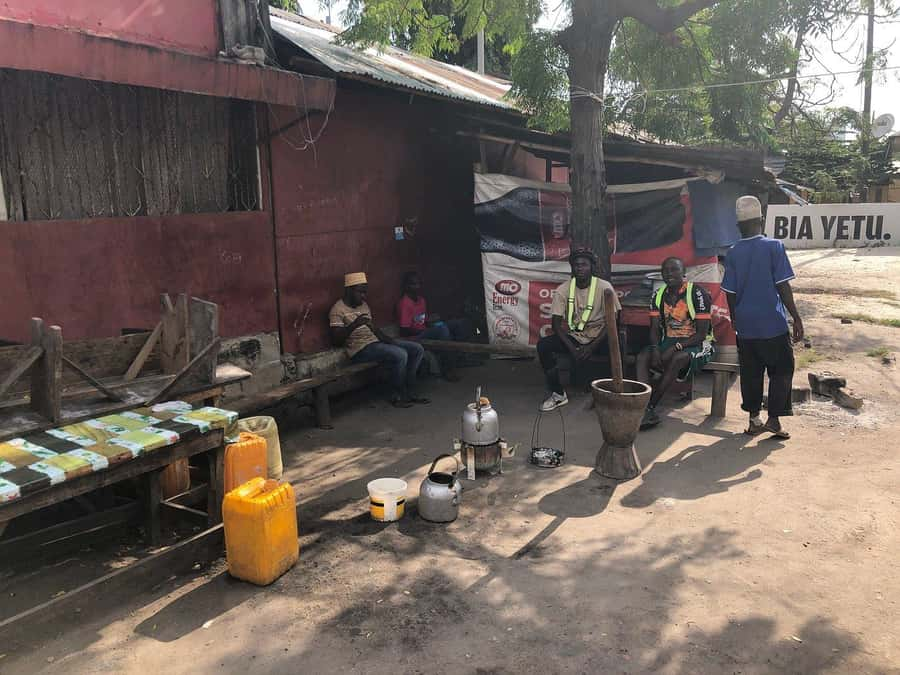
- Kariakoo gives you the clearest look at daily commerce: Expect produce, spices, household goods, shoppers, and plenty of movement.
- The tuk-tuk keeps the tour close to street level: You are not sealed inside a large coach, so the city passes by at a more personal pace.
- Street food is included: Tastings may include chapati, mishkaki, roasted maize, and fresh juice, with tea or coconut water later.
- Mwenge is both a craft stop and a shopping stop: You can watch woodcarvers at work and browse masks, furniture, and souvenirs.
- The Village Museum adds cultural context: Traditional homes from different Tanzanian communities help connect city life with rural traditions.
- Confirm the schedule and pickup: The experience is sold as four hours, but the listed stop durations total longer, and one recent booking had a pickup problem.
Why a tuk-tuk is a good way to see Dar es Salaam
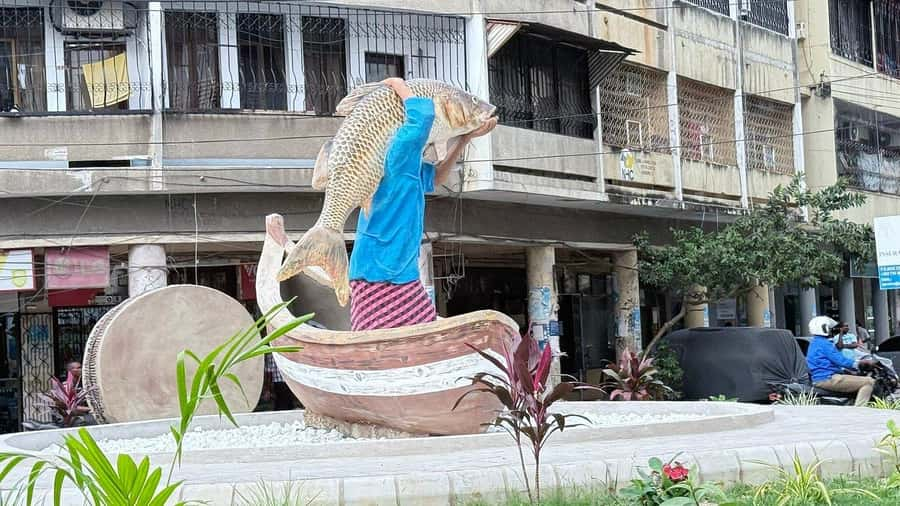
Dar es Salaam is a large city, and its character changes quickly from one neighborhood to the next. A tuk-tuk, also called a three-wheeled taxi, gives you a more open view than a standard car. You can watch shop fronts, pedestrians, roadside stalls, and local traffic as you move between stops.
I would choose this format if I wanted a short introduction to the city rather than a single museum visit. The ride itself is part of the experience. It gives you a sense of how people shop, work, and move around Dar es Salaam, even when the road traffic slows the pace.
The tour begins with a hotel meeting in central Dar es Salaam. You receive a quick briefing, then set off with a local driver-guide. Hotel transfers outside central Dar es Salaam are not included, so check your hotel’s location before booking.
The tour is offered in the morning or afternoon and runs daily. That gives you some useful flexibility, though the best departure time depends on what you want from the market and food stops. Bring cash, since personal purchases and extra meals are not included.
More Food Tours by Tuk-Tuk in the world:
- Bangkok: Michelin Guide Street Food Tour by Tuk Tuk
★ 4.4 · 1,274 reviews - Bangkok Tuk-Tuk Tour by Night with Chinatown Street Food Meal
★ 5.0 · 635 reviews - Delhi: Old Delhi Street Food Tour with Rickshaw Ride
★ 4.9 · 403 reviews
Kariakoo Market: the tour’s busiest and most local stop
Kariakoo is the first major stop, with about an hour and a half allocated for walking, sightseeing, shopping, and guided exploration. This is the place to focus on everyday Dar es Salaam rather than monuments. You can expect tropical fruit, spices, household supplies, clothing, and the constant movement of people buying what they need.
I like this stop because it gives context to the city. A market tells you more about daily life than a quick drive past a landmark. You see what is sold, how people bargain, and which foods and goods appear in ordinary homes.
Wear comfortable shoes. The visit involves walking, and a market is not the place for delicate sandals or a heavy day bag. Sunglasses, a hat, sunscreen, and water will help, especially during a morning with strong sun.
Keep your expectations practical. Kariakoo is a working market, not a staged cultural display. It may feel crowded and noisy, and the route may not always be easy for someone who needs a quiet or low-stimulation setting. The experience is wheelchair accessible, but market conditions can still vary from one area to another.
Chapati, mishkaki, and a taste of Swahili street food
A street food tasting is included, with snacks and fresh juice. The suggested foods are chapati, mishkaki, roasted maize, and other local bites. Chapati is a flatbread, while mishkaki consists of grilled meat on skewers. These foods are familiar, filling, and closely tied to the everyday rhythm of the city.
I like that the food is placed within the market visit rather than treated as a separate restaurant meal. You get to connect the ingredients, the vendors, and the finished snack. The stop should suit you if you prefer small tastings and local food stalls to a formal dining room.
The included tasting is not the same as a full lunch. Additional meals are at your own cost, and alcoholic drinks are not included. If you need a substantial meal, budget for it separately.
The end of the route includes a Swahili café stop, where you may have chai ya tangawizi, or spiced ginger tea, or fresh coconut water. This sounds like a pleasant way to slow down after the market and craft visits. If you have food allergies or dietary restrictions, tell the guide before eating. The available information does not specify vegetarian, vegan, halal, or allergy arrangements, so do not assume a particular option will be ready.
Mwenge Woodcarvers’ Market and Tanzanian craft
The Mwenge Woodcarvers’ Market receives about an hour and a half. Here, the focus changes from food and commerce to handcraft. You can watch artisans carving wooden masks, furniture, and souvenirs, then browse the finished pieces.
This is one of the stronger stops for anyone who wants to bring home something connected to Tanzania. The useful part is seeing the work in progress. A carved object means more when you have seen the tools, the raw wood, and the careful handwork behind it.
Shopping is optional, but the market naturally invites it. Decide in advance how much you want to spend, and ask about prices before committing to a purchase. Cash is specifically recommended for the tour, and it will also be useful for personal shopping.
The market may be more commercial than the Village Museum, so your experience depends partly on how much time you want to spend browsing. I would treat the stop as both a cultural visit and a chance to shop, rather than expecting a quiet art gallery.
More Street Food Tours in the world:
- Dubai: Old Town, Creek, Museums, Souks, & Street Food Tour
★ 4.8 · 10,816 reviews - Ho Chi Minh City Street Food Tour & Sightseeing By Motorbike
★ 5.0 · 9,413 reviews - Medellin: Comuna 13 Graffiti Tour, Cable Car & Street Food
★ 4.8 · 9,046 reviews - Dubai: Old Town, Souks, Street Food, Guided Tour & Abra Ride
★ 4.9 · 7,170 reviews
The Village Museum: traditional homes and rural heritage
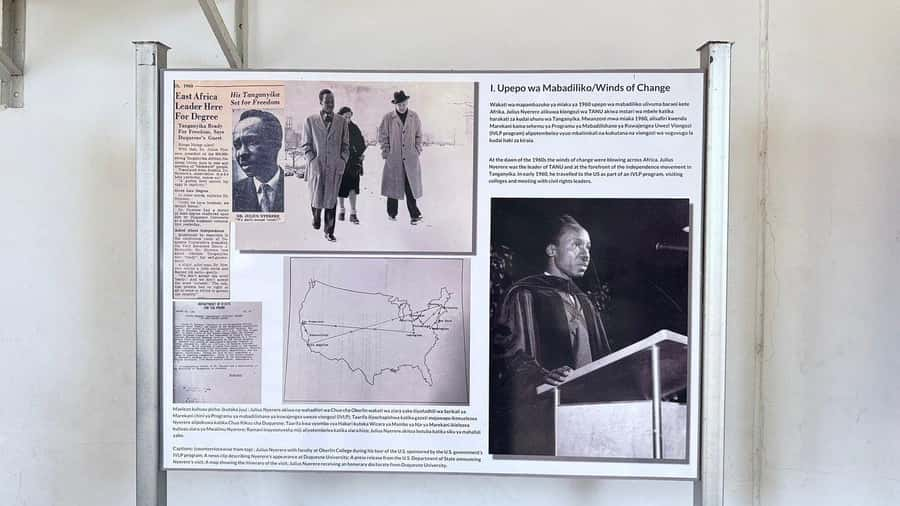
The Village Museum is intended to show traditional homes from different Tanzanian communities. You receive a guided look at huts and gain background on rural lifestyles, customs, and heritage.
This stop adds something important to the day. Kariakoo shows contemporary city life, while the Village Museum offers a visual link to older building styles and community traditions. Together, the two stops give you a broader picture of Tanzania than a food tour alone.
The supplied timing lists two hours here, although that creates a schedule problem because the overall tour is advertised as four hours. Ask the guide how the day will be paced. You may need to spend less time at one stop, or the actual timing may be longer than the headline duration.
I would especially recommend the museum if you have limited time in Dar es Salaam and want cultural context without arranging a separate excursion. It is also a useful choice for families with children aged six and older, since the huts and open-air setting can make cultural information easier to understand than a long indoor display.
What the guide can add to the day
The experience includes a professional local driver-guide, with English and French listed as the main languages. Another note refers to German operation, so if German guidance matters to you, confirm that before paying. The available information does not promise a specific guide for every departure.
One guide named in the booking feedback is Glory. The strongest praise focuses on her willingness to respond to personal wishes and needs. That matters on a city tour because you may care more about food, craft, photography, or local neighborhoods than another person does.
A good guide can also help you handle the practical parts of a market visit, such as moving through busy areas, understanding what you are seeing, and deciding how much time to spend shopping. Still, the tour has a mixed overall score of 3.3 from three ratings. One positive experience describes the day as exceeding expectations, while another records a missed pickup and no answer about whether the pickup would happen.
That is not a reason to dismiss the tour, but it is a reason to be organized. Confirm the hotel name, pickup point, departure time, and guide contact details in advance. Keep enough time before another important booking, flight, or ferry.
Price, duration, and what you receive
The listed price is $65 per group up to one person. Because the wording is unusual, check the final price carefully if you are booking for more than one person. At face value, the amount includes four hours of tuk-tuk transport, a local driver-guide, street food snacks and fresh juice, the Village Museum entrance fee, and bottled water.
The value depends on how much of the scheduled content you use. For one person, $65 can be reasonable if the pickup works, the guide is attentive, and the day includes the food, market, craft, and museum visits described. It is less attractive if you mainly want transportation or if you prefer to explore markets independently.
The tour does not include extra meals, alcoholic drinks, personal purchases, or transfers from hotels outside central Dar es Salaam. Those costs are easy to overlook, so I would keep cash available and confirm the pickup boundary before booking.
The stated duration is four hours. Yet the listed stop times are approximately 1.5 hours at Kariakoo, 1.5 hours at Mwenge, and 2 hours at the Village Museum. Since those visits alone total five hours, ask for the actual timetable. This is the most important planning issue in the description.
Who will enjoy this city tour most
I would recommend this experience to you if you want a compact introduction to Dar es Salaam and enjoy seeing food, shopping, craft, and culture in one outing. It suits first-time visitors who do not want to spend the whole day inside a vehicle or a formal museum.
It is also a good fit if you like flexible conversation with a guide. The praise for Glory suggests that a personal approach can make the day much better, especially if you have a particular interest in food or Tanzanian crafts.
Families can book for children aged six and older. Young children under six are not accepted. The tour is listed as wheelchair accessible, though the practical ease of moving through a market and entering every traditional structure may depend on conditions at the time.
I would be more cautious if you need a tightly timed schedule, dislike market crowds, or expect a polished food tour with a full meal. I would also think twice if reliable pickup communication is essential and you cannot confirm the arrangements before departure.
What to bring for a smoother day
Keep your clothing light and comfortable. Comfortable shoes matter most because Kariakoo includes walking, and the day combines outdoor stops with market paths.
Pack sunglasses, a sun hat, sunscreen, a camera, bottled water, and cash. The tour supplies bottled water, but extra water can still be useful in warm conditions. Cash helps with snacks beyond the included tasting, personal purchases at Mwenge, and any additional food.
Alcohol and drugs are not allowed. Alcoholic drinks are also excluded from the price, so plan on nonalcoholic drinks such as fresh juice, ginger tea, or coconut water.
Should you book the Dar es Salaam tuk-tuk tour?
I would book this tour if you want several sides of Dar es Salaam in a short visit: a working market, local snacks, woodcarving, traditional homes, and a tuk-tuk ride through the city. The strongest reason to choose it is the range of experiences packed into one outing, especially if you can work with a guide such as Glory who adjusts the day to your interests.
I would book only after confirming two points: the exact pickup and the real duration. One missed pickup is too serious to ignore, and the published stop times do not match the four-hour headline. If those details are settled, the tour offers a useful and fairly priced introduction to local life. If they are not, arrange a backup plan and avoid scheduling it immediately before a flight or other fixed departure.
FAQ
Where does the tour start?
Pickup is available in Dar es Salaam, with the guide meeting you at your hotel. Hotel transfers outside central Dar es Salaam are not included.
How long does the tuk-tuk experience last?
The advertised duration is four hours. The listed stop times add up to five hours, so confirm the actual schedule before departure.
What food is included?
The tour includes street food snacks and fresh juice. Suggested foods include chapati, mishkaki, roasted maize, and other local snacks.
Is the Village Museum entrance included?
Yes. The Village Museum entrance fee is included in the tour price.
Which languages are available?
English and French are listed as the main guide languages. Another note refers to German operation, so confirm German availability if you need it.
Can children join the experience?
Children aged six and older can join. The tour is not suitable for children under six.
Can I cancel the booking?
You can cancel up to 24 hours in advance for a full refund. A reserve-now, pay-later option is also listed.
Just added around the world
- Zanzibar:Stone town Street food market walking tour,transfer★ 4.5 · 9 reviews
- Vienna Food Tour: Dishes, Wine, Street Food & Culture★ 4.7 · 12 reviews
- Verona: Street Food Tour and City Guided Sightseeing★ 4.9 · 11 reviews
- Xi’an: Gourmet & Street Food Tour★ 4.8 · 22 reviews
- Verona: City Highlights & Street Food Walking Tour★ 5.0 · 3 reviews
- Verona: Street Food and History Tour with Local Guide★ 4.7 · 6 reviews
- Xi’an Muslim Quarter Night Market Foodie Walking Tour★ 4.2 · 22 reviews
- Verona: street food walking tour near the historical center★ 5.0 · 2 reviews
Food Tours by Tuk-Tuk, compared.
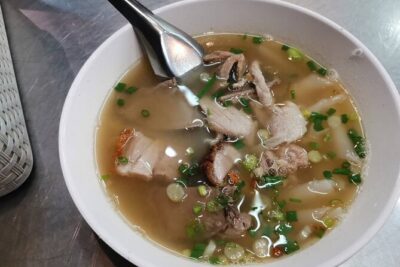
Michelin Guide Street Food Tour by Tuk Tuk
What we made of it →
Bangkok Tuk-Tuk Tour by Night with Chinatown Street Food Meal
What we made of it →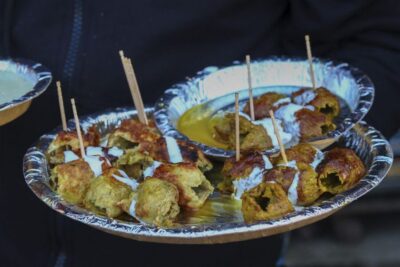
Old Delhi Street Food Tour with Rickshaw Ride
What we made of it →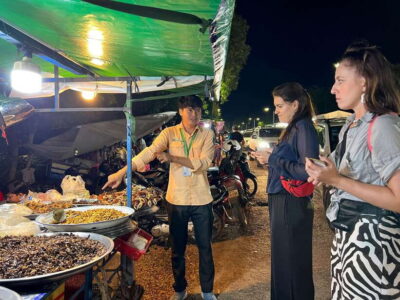

Bangkok Tuk-Tuk by Night with Chinatown Street Food Meal
What we made of it →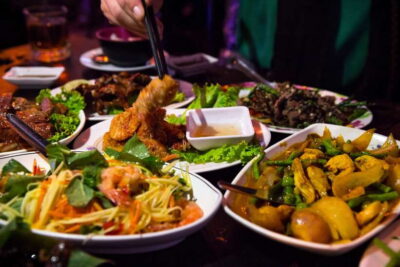
Phnom Penh’s Ultimate Street Food Tour by Tuk Tuk
What we made of it →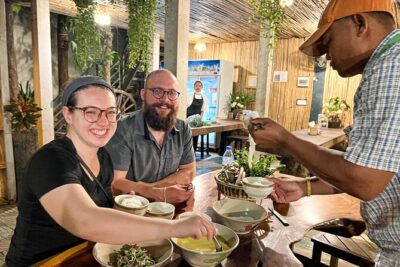

Where this tour turns up