
Review · SICILY
Authentic Sicilian Street Food: Fried Pizza Catania Cooking Class
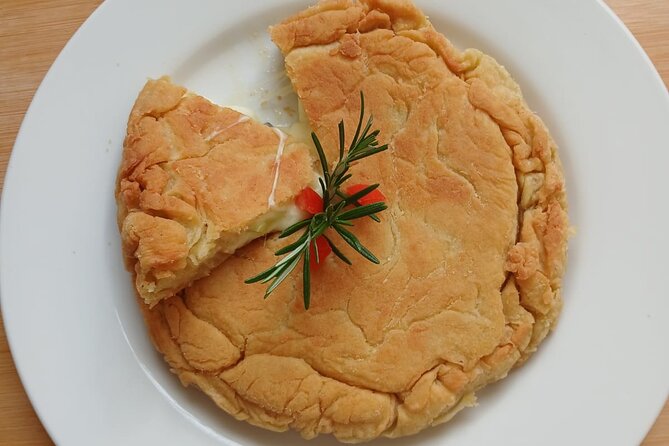
Crispy pizza, cooked in olive oil, is Sicily at its most playful. This three-hour Catania class gives you hands-on practice making pizza fritta, using organic Sicilian durum wheat flour, local fillings, and a traditional frying method. I like the small maximum of six people, which should give you room to work with help close by. I also like that you eat what you make with a glass of local wine and a Sicilian dessert. The main point to check before booking is the menu: some available comments connected with the experience describe fish-market visits and fish dishes, while the stated class focuses on fried pizza, so confirm the exact plan with Curioseety SRLS.
You meet at 10:30 a.m. on Via E. A. Pantano, 112, in Catania, and return to that same meeting point. The class costs $93.45 per person, which is fair if you value instruction, a meal, drinks, and a very small group rather than simply a quick food tasting. It is less appealing if you want a broad market tour or a full Sicilian cooking course with several dishes.
Key points to know before booking
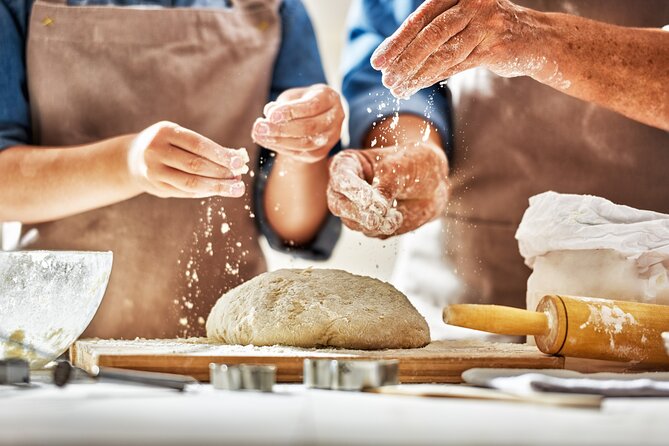
- You make two dough discs for every pizza: One forms the base and the other becomes the cover, creating the pocket that holds the filling.
- The classic filling is strongly Sicilian: Fresh primo sale Pecorino, anchovies, olives, and black pepper bring salty, sharp flavors.
- Frying is done in extra virgin olive oil: The pizzas are cooked on both sides until hot and crisp.
- Vegetarian choices are available: Seasonal fillings may include broccoli, stewed onions, or endive, but you should state your needs when booking.
- The group is capped at six people: This is useful for a practical lesson, since you should receive direct help with shaping and sealing.
- The price includes more than the lesson: You receive water, a glass of local wine or a soft drink, a two-course meal, and dessert.
What makes Catania’s fried pizza different
Most visitors arrive in Sicily expecting oven-baked pizza. This class teaches a different local idea: a filled pizza made from two thin pieces of dough and fried in oil. Think of it as a sealed, savory parcel with a crisp outside and a soft, steamy center.
The method matters. You are not simply watching someone fry a prepared snack. You divide the leavened dough into balls, roll each ball into a disc, add the filling, place the second disc on top, and seal the edge carefully. That last step keeps the cheese and other ingredients inside once the pizza reaches the hot oil.
I like this format because it gives you a skill you can repeat at home. The lesson explains a long-leavening process using organic Sicilian durum wheat flour. The dough used in class is ready to work with, so you do not spend the morning waiting for it to rise. At the same time, you learn how to prepare the dough at home, including the reason for the longer rise.
That balance is smart. A cooking class should teach enough technique to be useful without turning into a bread-making seminar. You get the practical parts, then move quickly to shaping, filling, and frying.
More Cooking Classes in Sicily:
- Sicilian Cooking Class in Taormina
★ 5.0 · 186 reviews - Street food and Cooking class in Syracuse
★ 4.5 · 11 reviews - Athens: Food Market Visit and Cooking Class with Wine
★ 4.9 · 1,087 reviews
The 10:30 a.m. arrival in Catania
The meeting point is Via E. A. Pantano, 112, 95129 Catania CT. The activity begins at 10:30 a.m. and ends back at the meeting point after about three hours.
The location is near public transportation, which helps if you are staying elsewhere in Catania. Still, I would leave extra time to find the address, especially if you are unfamiliar with the city. The supplied information does not name a nearby landmark or explain parking, so public transport or a taxi may be simpler than arriving by car.
A morning start works well for this type of class. You finish around lunchtime with a full meal, leaving the rest of the day open for Catania. You will also avoid trying to handle hot oil after a long day of sightseeing.
Confirmation is provided at booking. Since the class has a maximum of six people, check your confirmation carefully for the exact meeting instructions and any request about allergies or diet.
Learning the long-leavened dough method
The first part of the class explains the dough. The stated recipe uses excellent Sicilian organic durum wheat flour and a long-leavening process. You work with dough prepared in advance, but the instructor explains how to make it at home.
This is more useful than a vague demonstration. Dough handling can look simple until you try to stretch or roll it yourself. The class focuses on the points that affect the final result: dividing the dough evenly, forming balls, and rolling each portion into a clean disc.
The dough must be thin enough to cook properly but sturdy enough to hold a generous filling. If the base is too thick, the fried pizza may become heavy. If the discs are too thin or uneven, the filling can break through the seal. That is where a small class helps. With only six people, you should have a better chance of getting direct correction rather than waiting behind a large group.
You will not get a finished pizza by simply pressing ingredients into a single round. The two-disc method is the defining skill of the lesson, and it is also the part most likely to need guidance.
Rolling, filling, and sealing two discs
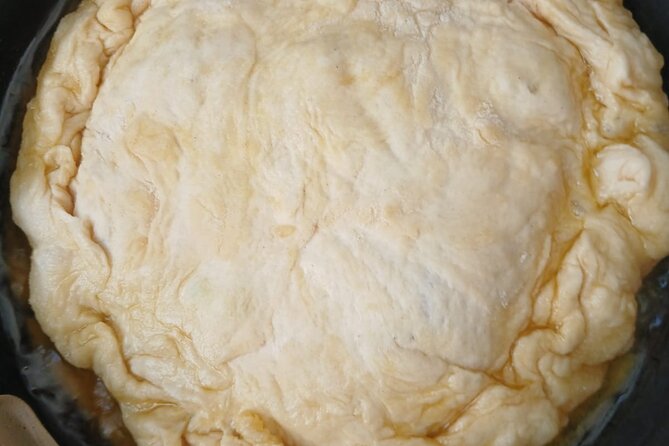
Each pizza needs a base and a cover. After you roll the first disc, you add the filling generously, then place another disc over it. The edges must be sealed completely before frying.
The classic Pantesca-style version combines fresh Pecorino, also called primo sale, anchovies, olives, and black pepper. This is a bold filling. The cheese gives the center softness, while the anchovies and olives bring plenty of salt. If you prefer mild food, ask how much anchovy will be used before you begin.
The filling choices also show how flexible the recipe can be. Seasonal vegetarian versions may include broccoli, stewed onions, or endive. A vegetarian option is always available if you request it at booking. That detail matters because the classic version contains anchovies, so a vegetarian plate is not something to leave until the last minute.
I like that the alternatives are not treated as an afterthought. Broccoli, onion, and endive each give the fried dough a different character. The exact seasonal choice is not guaranteed, so ask what will be available when you book.
The sealing step is where you turn loose ingredients into a proper fried pizza. You need to press the edges firmly so the filling stays inside. You will learn how to manage that edge before the pizza meets the oil, which is both a cooking lesson and a safety point.
More Street Food Tours in Sicily:
- Gastronomic Street Food Tour of Catania
★ 4.5 · 154 reviews - Palermo Street Food tour: art, history and ancient markets
★ 5.0 · 78 reviews - Palermo Street Food & Market Tour by Eating Europe
★ 5.0 · 72 reviews - Last minute Palermo Walking Tour and Street Food
★ 5.0 · 46 reviews
Frying the pizza in extra virgin olive oil
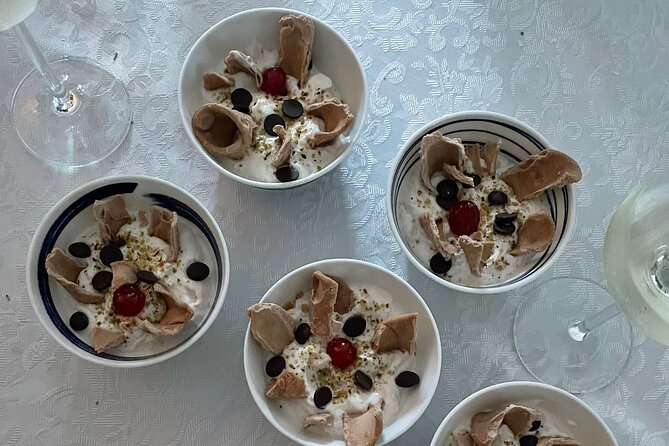
The final cooking stage uses authentic extra virgin olive oil. Each pizza is fried on both sides, producing a crisp surface and a hot filling.
Fried dough can become greasy if the oil or cooking method is poorly managed. Here, the oil is part of the stated technique, not an incidental detail. The goal is a crisp outside that holds its shape while the inside warms through.
You should expect to eat the pizza hot. That is good news for flavor, but it also means the filling may be very hot when it reaches the plate. Give it a moment before taking a large bite, especially if the center contains melted cheese.
The class format also means you are likely to eat soon after cooking. That makes the meal feel like the natural finish to the lesson rather than a separate restaurant stop.
The two-course meal, wine, and dessert
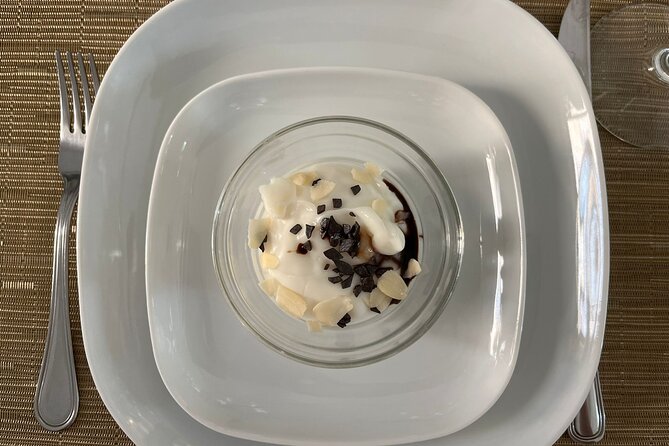
The included meal is described as two courses, with Sicilian street food as the main course and a Sicilian dessert afterward. Water and either a glass of local wine or a soft drink are included.
At $93.45, the value depends on how you count the experience. You are paying for instruction, ingredients, a meal, a drink, a dessert, and a small group. If you already planned to eat lunch in Catania, part of the cost replaces that meal. The extra value comes from learning the technique and making the food yourself.
The wine is a welcome touch because fried pizza pairs naturally with a local glass. If you do not drink alcohol, the soft drink option keeps the package straightforward. The information does not specify the wine, dessert, or exact serving size, so do not book this expecting a particular bottle or pastry.
I would view the meal as a generous sampling of one Sicilian specialty, not a full feast covering the island’s entire cuisine. You get one main preparation, a drink, and dessert. That is enough for a satisfying morning class, but it is not designed as a multi-course cooking school.
Vegetarian and allergy planning
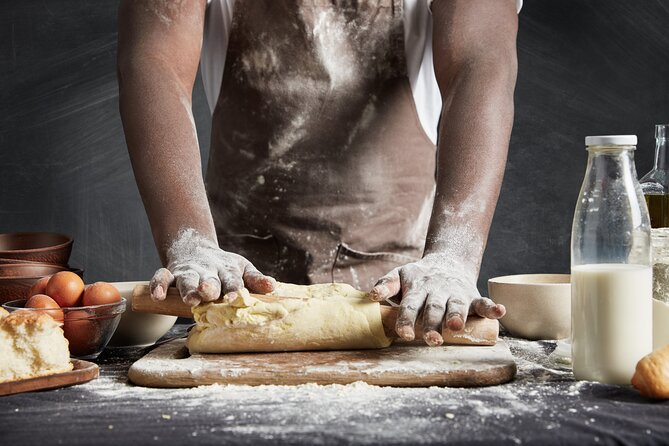
The class provides a vegetarian option, but you must specify it when booking. This is important because the classic filling includes anchovies.
You should also report allergies or other dietary needs in advance. The host can tailor the experience when given notice, but the supplied details do not promise that every allergy can be accommodated. If you have a serious allergy, ask specific questions before paying, including how ingredients are handled and whether the frying oil is shared.
The available information does not list vegan, gluten-free, dairy-free, or other guaranteed alternatives. Do not assume that removing the cheese or anchovies will create a suitable meal. Get a clear answer from the provider first.
The small group and the host experience
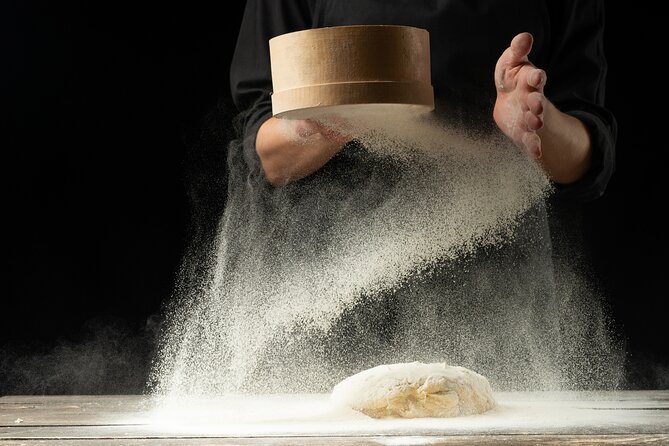
A maximum of six people is one of the strongest features here. You should have enough personal space to roll dough, fill your pizza, and work through the sealing technique without a large crowd around the counter.
A small class can also make the meal more social. You are cooking the same food at roughly the same time, then sitting down with wine or a soft drink and dessert. That creates a more personal setting than a standard food demonstration.
The available comments connected with this experience praise the hosts, especially Francesco and Anne, for sharing local food knowledge and creating relaxed meals. One account describes Francesco taking people to a favorite fish seller, walking through Bellini Gardens, and preparing several traditional fish dishes at home. Another describes Anne explaining the fish market before preparing a vegan meal.
Those details are worth treating carefully. They do not match the fried pizza plan described here. The safest advice is to confirm who will host your session and exactly what you will cook. If Francesco or Anne is involved, you may receive a warm, personal cooking experience, but the fried pizza details should remain the basis of your booking decision.
What the three hours really give you
Three hours is enough time for a hands-on lesson, but not enough for a broad tour of Catania’s food culture. The stated plan centers on the dough, shaping, filling, sealing, frying, and eating.
The cooking sequence is well suited to a half-day schedule:
- You hear how long-leavened dough is prepared at home.
- You divide the ready dough into balls.
- You roll two discs for each pizza.
- You add the classic or seasonal filling.
- You seal the two layers.
- You fry the pizza on both sides in extra virgin olive oil.
- You eat the finished food with a drink and dessert.
The class returns to the starting point, so you do not need to arrange a separate pickup or find your way to a restaurant afterward. The activity is in English, which makes the lesson accessible to English-speaking visitors.
Who should book this Catania cooking class
I would recommend this class to you if you enjoy learning by doing. It suits people who want a focused food experience, like trying local recipes, and prefer a small group over a large demonstration.
It is also a good choice if you want a practical souvenir. You leave with a method you can repeat: long-leavened dough, two discs, a sealed filling, and frying in olive oil. You may not reproduce every local ingredient at home, but the basic technique is clear.
Vegetarians can book it with advance notice. People who want fish should confirm the menu carefully, since the classic pizza contains anchovies but the separate comments connected with the experience describe fish-market cooking. Families may enjoy the activity, but the supplied information does not state a minimum age, so ask before booking for young children.
I would skip it if you dislike fried food, need a guaranteed special diet, or want a full market visit. The class is about one fried specialty, not a full survey of Sicilian cuisine.
Booking, cancellation, and practical checks
The price is $93.45 per person. A mobile ticket is provided, and the activity is offered in English. Free cancellation is available if you cancel at least 24 hours before the start time. Cancellations made less than 24 hours before the 10:30 a.m. start do not receive a refund, and late changes are not accepted.
Before confirming, I would check three items: the exact host, the menu for your date, and the handling of any allergies. Those questions matter more here because the available host descriptions include fish and vegan meals that do not match the stated fried pizza menu.
Should you book the fried pizza class?
Book this experience if you want an intimate, practical lesson built around one distinctly Sicilian dish. The small group, organic durum wheat flour, local fillings, extra virgin olive oil, wine, and dessert make the $93.45 price reasonable for a three-hour food experience.
I would be more cautious if you are booking specifically for fish, a market visit, or a particular host. Confirm those details first. If the provider confirms the advertised Pantesca fried pizza class, you should get a focused lesson and a memorable lunch, with enough technique to try the recipe again at home.
FAQ
Where does the cooking class start?
The class starts at Via E. A. Pantano, 112, 95129 Catania CT, Italy.
What time does the activity begin?
The experience starts at 10:30 a.m.
How long does the cooking class last?
The class lasts approximately three hours.
What is included in the price?
The price includes the hands-on fried pizza lesson, water, a glass of local wine or a soft drink, a two-course meal, and dessert.
Is a vegetarian option available?
Yes. A vegetarian option is available, but you should specify it when booking.
What is the cancellation policy?
You can cancel for a full refund up to 24 hours before the experience starts. Cancellations made less than 24 hours before the start time are not refunded.
Just added around Sicily
- Taormina Cultural Walk and Street Food Experience★ 5.0 · 3 reviews
- Street food and Cooking class in Syracuse★ 4.5 · 11 reviews
- Tour of Villa Palagonia and Street Food itinerary in Bagheria★ 4.5 · 9 reviews
- The Complete Street Food Walking Tour – History & Tasty Bites in Palermo★ 4.0 · 4 reviews
- TOUR PALERMO ARABA “A dip in the historical markets and Street Food”★ 5.0 · 3 reviews
- Sicilian Food tour and wine tasting in Ortigia in Syracuse★ 5.0 · 14 reviews
- Palermo Food Tour: Discover the typical Street Food with a Chef★ 5.0 · 29 reviews
- Small-group Street food tour in Messina★ 5.0 · 6 reviews
Cooking Classes, compared.
Food Market Visit and Cooking Class with Wine
What we made of it →
Mexican Cooking Class with Food Market Visit in Mexico City
What we made of it →
Food Market Shopping and Cooking Workshop in A Coruña
What we made of it →
Eat Osaka: Street Food Cooking in an Authentic Kitchen!
What we made of it →
Sicilian Street Food Hands-On Cooking Class
What we made of it →Where this tour turns up