
Review · INDIA
Udaipur: Street Food adventure l Eat Just like a local
Udaipur tastes best on foot. This 2.5-hour walk pairs vegetarian street food with old-city sights, beginning at Jagdish Temple and winding through spice and fabric markets before finishing near Delhi Gate. I like that the food is not treated as a quick snack stop. Your guide uses each dish and market street to explain local life, which gives the walk more purpose than a simple tasting tour.
I also like the small group size, limited to 10 people, and the chance to try foods you might not order on your own, including moong pakoda, fad, khammand, paid chat, Malpua, and Kachori. The main drawback is practical: this is a real walking tour through crowded streets, so it is not suitable for wheelchair users, baby strollers, electric wheelchairs, or people with food allergies.
Key Points Before You Book
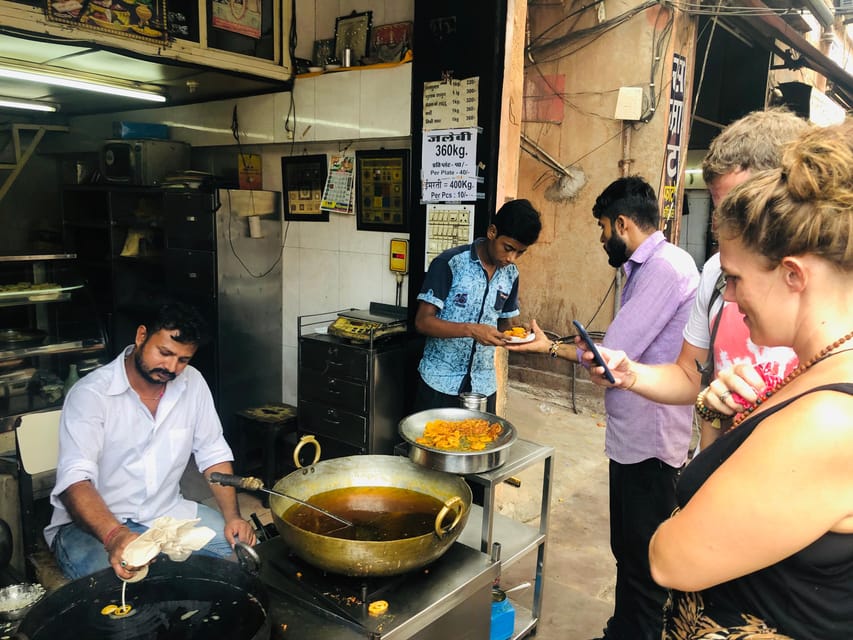
- Starts at Jagdish Temple: Meet your English-speaking guide just outside the temple near the stairs.
- A food and city walk together: You visit local markets, temples, and old streets while tasting regional snacks.
- Several vegetarian tastings: The food crawl includes moong pakoda, fad, khammand, paid chat, Malpua, and Kachori.
- Markets are part of the experience: The route passes through spice and fabric markets, offering a look at daily commerce.
- Ends near Delhi Gate: The tour does not return to the temple, so plan your next stop from the Delhi Gate area.
- Good value at $27: The price covers the guide, food tastings, and market visits, with no private transport included.
Why This Udaipur Food Walk Works
Udaipur is often sold through palace views and lake sunsets. Those sights matter, but the city makes more sense when you also see where people shop, eat, and move through the day. This tour shifts your attention from grand buildings to small food stalls, market lanes, temple surroundings, and the smells of ground spices.
I like this approach because street food gives you a direct way into local culture. A snack is not just something to eat. It can show you how ingredients are used, what people grab between errands, and how a market functions as part of neighborhood life.
The tour lasts about two and a half hours, enough time for a steady walk and several tastings without taking up an entire day. You are not being rushed from one formal attraction to another. Instead, the food and streets set the pace.
The experience is especially useful early in your Udaipur visit. You get an introduction to the old city, learn where local markets are, and pick up ideas for what to eat later. Since the route ends at Delhi Gate, you can continue exploring from there rather than retracing your steps.
More Street Food Tours in India:
- Mumbai: Street Food and Night Markets Tour
★ 4.9 · 719 reviews - Old Delhi Street Food Tour
★ 5.0 · 497 reviews - Delhi: Old Delhi Street Food Tour with Rickshaw Ride
★ 4.9 · 403 reviews
Meeting Near Jagdish Temple
Your meeting point is just outside Jagdish Temple, near the stairs. This is a useful starting place because the temple is one of the clearest landmarks in the old city. Still, the area can be busy, so arrive with enough time to find the guide without a last-minute scramble.
The tour begins with a walk from the temple toward the main local market. That change in setting is part of the experience. You move from a major religious site into streets where shopping, food, and everyday business take over.
The temple itself is used as a point of orientation rather than a full temple visit. The tour information does not promise an interior visit or a formal religious tour, so you should not book it expecting a long temple explanation. The focus quickly turns toward food and the surrounding streets.
Wear shoes made for walking. The route runs through the hustle and bustle of Udaipur’s streets, and comfortable footwear matters more here than dressing for a polished sightseeing excursion.
The First Tastes: Pakoda, Fad, and Khammand
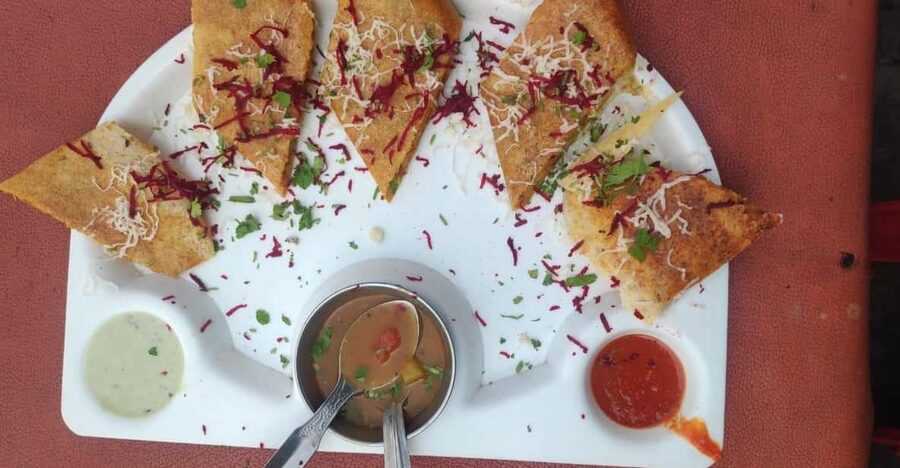
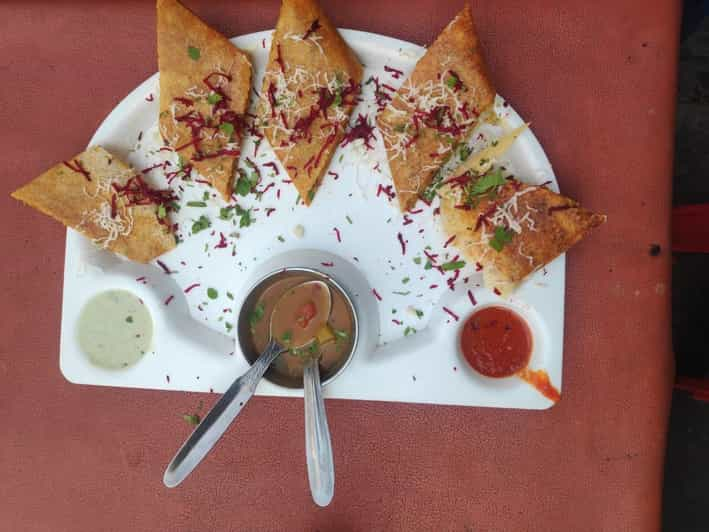
The food portion includes several local snacks, beginning with items such as moong pakoda, fad, and khammand. Each gives you a different sense of the region’s vegetarian cooking.
Moong pakoda is a fried snack made with moong, and it offers the familiar appeal of a hot, crisp bite. It is the sort of food that makes sense on a walking tour because it is easy to sample and helps you notice the difference between a market snack and a restaurant dish.
Fad and khammand add variety to the tasting. The spelling of local foods can vary, and the exact preparation may depend on the stall or shop you visit. Your guide should help explain what you are eating and how it fits into local food habits.
This is one reason I prefer a guide for a first street food experience. You do not need to guess what is on display or point randomly at a tray. The guide can direct you toward the intended stops and help connect the food with the places you pass.
The food is vegetarian-friendly, which makes the tour suitable for people who want to avoid meat. That does not make it suitable for every diet, though. The experience is specifically not recommended for people with food allergies, and you should take that warning seriously. Ingredient details and preparation conditions may not be easy to confirm at street stalls.
Walking Through Udaipur’s Main Local Market
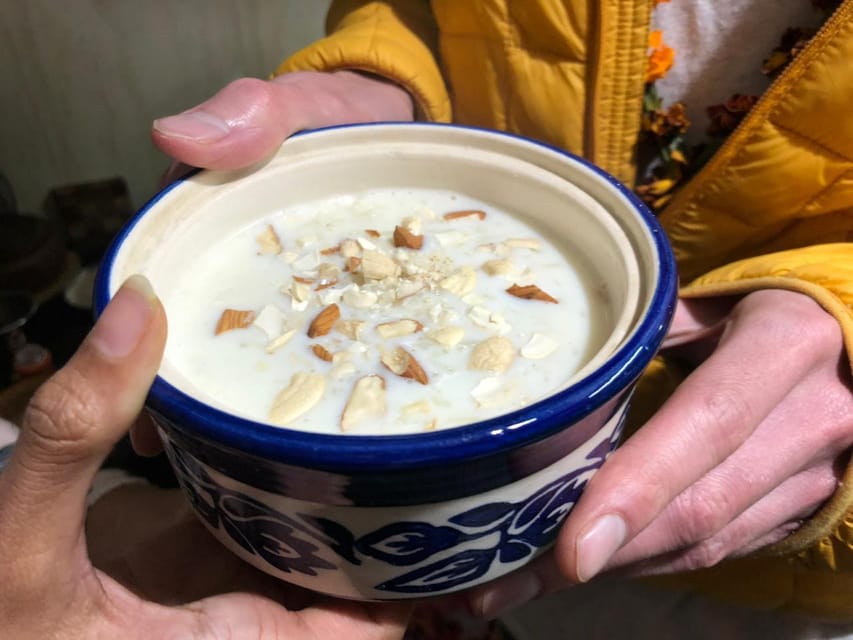
The route continues through the main local market, where the tour becomes as much about movement and observation as eating. You will pass through streets with shops, food sellers, market activity, and the daily traffic of the old city.
The strongest praise for this experience focuses on the way food and place are combined. The walk is not just a list of tastings. You also hear stories and historical details connected to the areas you cross, so the city becomes easier to understand while you eat.
That balance is the tour’s main strength. A food tour can sometimes feel detached from its surroundings, with guests stopping briefly at stalls and then moving on. Here, the streets are part of the subject. You get a look at how the old city works, not just a plate of snacks.
You should expect a lively urban walk rather than a quiet culinary class. The route takes place in public streets, and the pace can be affected by crowds. That is part of the setting, but it may be tiring if you want a calm, seated food experience.
Same place, a different plate:
- Mumbai Street Food Tour
★ 5.0 · 269 reviews - Mumbai Street Food & Night Markets
★ 5.0 · 225 reviews - Winner Mumbai Street Food Tour in the World Top 20 by Guardian
★ 5.0 · 216 reviews - Mumbai Street Food and Evening Bazaar Tour
★ 5.0 · 172 reviews
Spice Market: A Sensory Stop With Local Context
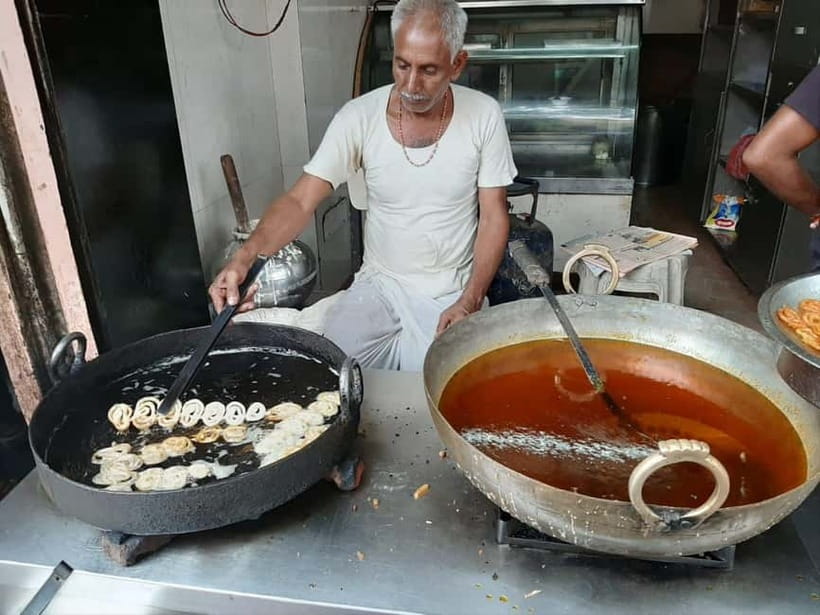
The spice market is one of the most useful stops because it shows the ingredients behind many Indian dishes. You can see how spices fit into ordinary shopping and local trade rather than encountering them only as anonymous powders on a restaurant plate.
The information provided does not specify the exact stalls or spices you will see, so it is best to think of this as a guided market visit rather than a guaranteed shopping list. Your guide’s explanations are likely to be most valuable here, especially if you are curious about how food flavors connect with regional cooking.
I like the market stop because it gives the food tastings more context. After trying snacks, seeing the market helps you think about the raw ingredients and the work behind the flavors. It also gives you a closer look at local routines that a palace visit cannot provide.
If you plan to buy spices, remember that the tour includes a market visit but does not state that shopping is part of the package. Any purchases would be your own responsibility.
Fabric Market and the Everyday Side of the City
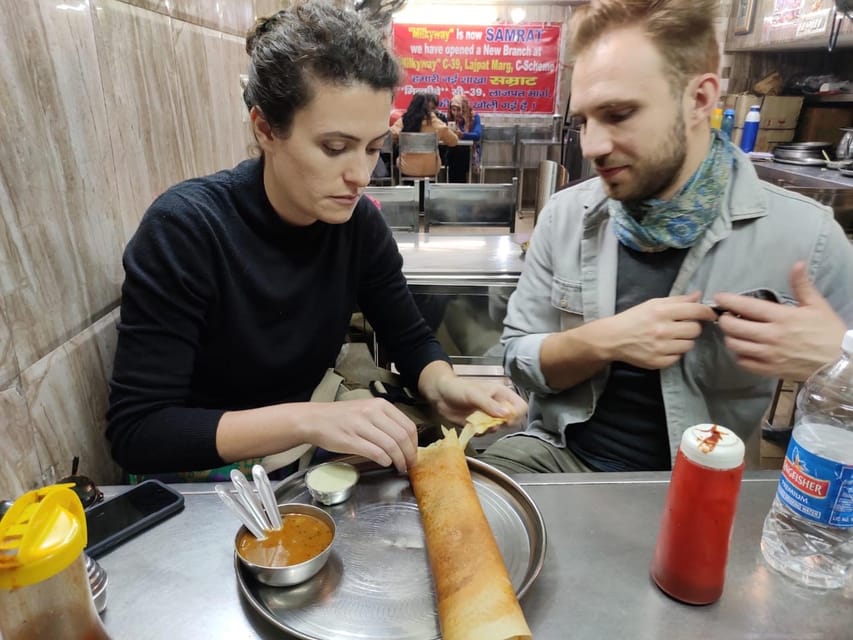
The fabric market brings another side of local commerce into the walk. It is a chance to see textiles and shopping habits alongside food stalls and spice sellers.
This stop helps keep the tour from becoming a string of tastings. You see that the old city is not a themed food district. It is a working part of Udaipur where people shop for household goods, clothing, ingredients, and snacks.
The guide’s role matters here. Without context, a market can pass by as a blur of colors and shopfronts. With explanations about what you are seeing, the walk becomes more memorable and practical.
As with the spice market, the precise route and shops are not listed. I would treat this as a passing visit through the market area, not a dedicated textile-shopping appointment. If you want time to bargain or inspect fabric carefully, plan to return on your own after the tour.
More Tastings: Paid Chat, Malpua, and Kachori
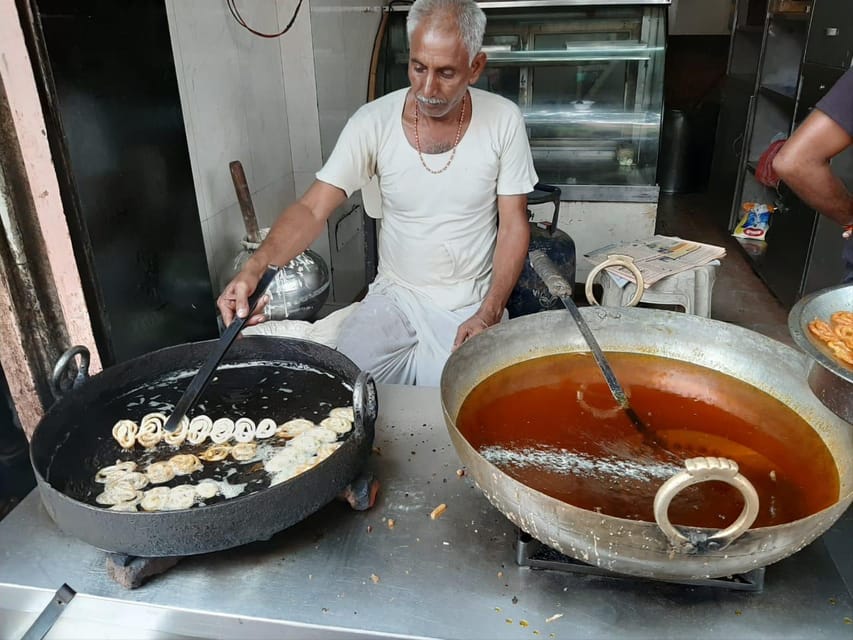
Later tastings include paid chat, Malpua, and Kachori, giving the food crawl a mix of savory and sweet flavors. This variety is important because you are not eating the same type of snack at every stop.
Paid chat offers another savory tasting, while Kachori brings a familiar fried, filled-snack style to the route. Malpua provides a sweet finish or change of pace. The exact serving size and preparation are not specified, so do not expect a full meal in the restaurant sense.
You should arrive hungry but not starved. The tour is built around multiple samples, and eating a large meal beforehand would reduce the value of the tastings. At the same time, the food stops should be viewed as a crawl rather than a guaranteed replacement for breakfast or lunch.
A particularly positive feature is the way the food appears to carry the story of the city. The best part is not simply trying six names. It is learning why these snacks appear in local markets and how they fit into ordinary eating habits.
Finishing Near Delhi Gate
The walk ends near Delhi Gate. This is worth noting when planning your day because the start and finish are in different parts of the old city.
Delhi Gate gives you a practical point from which to continue exploring, but private transportation is not included. You will need to arrange your own onward travel if you are heading somewhere farther away. The tour is designed as a walking experience, not as a package with a vehicle transfer.
The ending also means you should carry only what you need. A small bag and comfortable shoes are sensible for a route through busy streets and markets. Drones, baby strollers, and electric wheelchairs are not allowed, and the tour is not suitable for wheelchair users.
Is $27 a Fair Price?
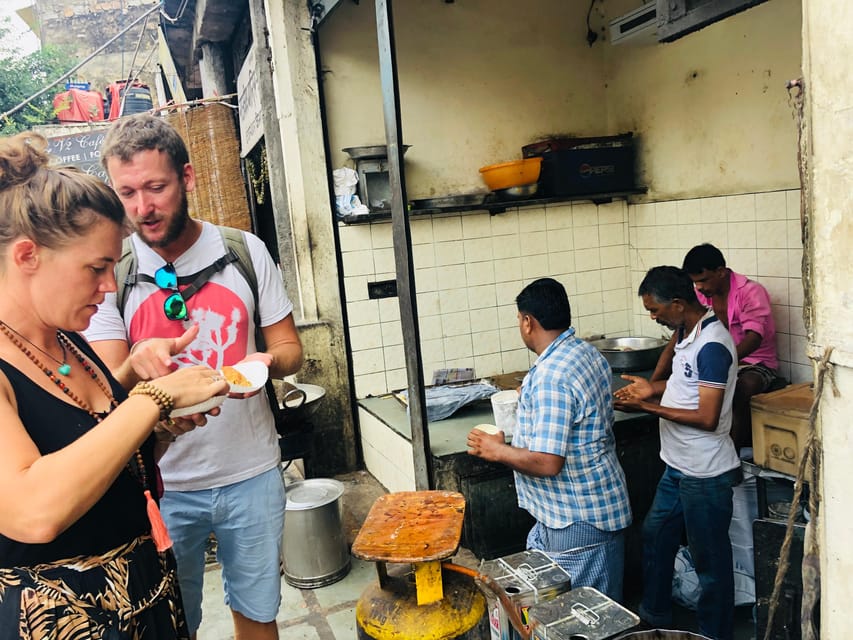
At $27 per person, this tour offers reasonable value if you want both food and orientation. The price covers the live English-speaking guide, vegetarian food tastings, the spice market visit, and the fabric market visit. You are paying for access to several tastings plus the time and local direction needed to find them.
The value is strongest for a first visit to Udaipur. Finding multiple local snack stops alone can take time, and ordering unfamiliar foods without help can be awkward. The guide removes much of that guesswork.
It is less useful if you only want a large sit-down meal or a private culinary lesson. The group can include up to 10 people, so this is small-scale rather than private. It also does not include transportation, which keeps the price down but leaves you responsible for reaching the meeting point and continuing from Delhi Gate.
The tour has a 4.6 rating based on two reviews, so the score is encouraging but the sample is small. One especially positive assessment described it as a favorite Udaipur experience because it combined street food, a two to two-and-a-half-hour city walk, spice and vegetable markets, temples, local history, and excellent food at a fair price. That description matches the tour’s strongest selling point: it gives you a broad introduction to the old city in one outing.
Who Should Book This Tour?
I would choose this experience if you enjoy walking, want vegetarian food, and prefer local markets to formal dining rooms. It suits curious first-time visitors who want an introduction to Udaipur beyond the major sights.
It is also a good fit if you like tours with a clear route but some room for discovery. The small group limit makes it easier to hear the guide than on a large coach-style excursion, while the public streets keep the experience connected to daily life.
You should think twice if you have food allergies, limited mobility, or dislike crowded streets. The tour involves walking for about 2.5 hours, and no private vehicle is provided. It is also not the right choice if you want a luxury food experience with long seated courses.
The departure date and time are flexible, but you need to message the provider to arrange them. Free cancellation is available up to 24 hours before the tour, and you can reserve now and pay later, which helps if your Udaipur plans are still shifting.
Final Verdict: A Strong First Taste of Udaipur
Book this tour if you want Udaipur explained through its food, markets, and old streets. The best feature is the combination of tasting and walking. You do not simply eat snacks, and you do not simply pass through markets. The two parts support each other.
At $27, the experience is fairly priced for a guided small-group outing with several vegetarian tastings. Just bring comfortable shoes, arrive ready for a busy urban walk, and do not book it if allergies or mobility concerns make street food and uneven city streets a problem.
FAQ
Where does the Udaipur street food tour begin?
It begins at Jagdish Temple. Meet the guide just outside the temple near the stairs.
Where does the tour finish?
The tour finishes near Delhi Gate in Udaipur. Transportation after the walk is not included.
How long does the experience last?
The walking food tour lasts about 2.5 hours.
What food can I taste?
The tastings may include moong pakoda, fad, khammand, paid chat, Malpua, and Kachori. The tour is vegetarian-friendly.
Does the tour visit local markets?
Yes. The route includes visits to the spice market and fabric market, along with a walk through the main local market.
Is the tour suitable for people with food allergies or mobility needs?
No. The experience is not suitable for people with food allergies or wheelchair users. Baby strollers and electric wheelchairs are also not allowed.
Just added around India
- Varanasi: Night Tour with Aarti Ceremony and Street Food★ 4.7 · 2 reviews
- Varanasi Street Food Crawl (2 Hours Guided Tour)★ 4.5 · 9 reviews
- Udaipur: Street Food Crawl (2 Hours Local Food Tasting Tour)★ 4.1 · 3 reviews
- Udaipur: Guided Street Food Tour with Tastings★ 4.2 · 6 reviews
- Trivandrum Street Food Crawl Guided Food Tasting Tour★ 4.5 · 6 reviews
- Ganga Arati with Street Food Tour of Banaras★ 5.0 · 7 reviews
- Varanasi Street Food Crawl (2 Hours Guided Food Tasting Tour)★ 4.5 · 69 reviews
- Trivandrum Street Food Crawl (2 Hours Guided Food Tasting Tour)★ 4.5 · 5 reviews
Street Food Tours, compared.

Old Town, Creek, Museums, Souks, & Street Food Tour
What we made of it →
Ho Chi Minh City Street Food Tour & Sightseeing By Motorbike
What we made of it →
Comuna 13 Graffiti Tour, Cable Car & Street Food
What we made of it →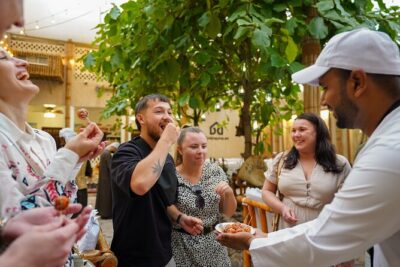
Old Town, Souks, Street Food, Guided Tour & Abra Ride
What we made of it →
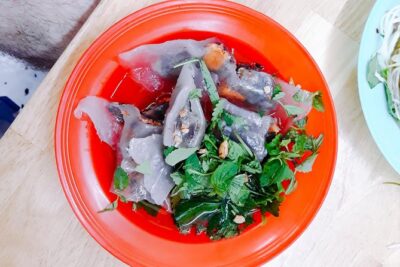
Small Group Hanoi Street Food Tour with a Real Foodie
What we made of it →
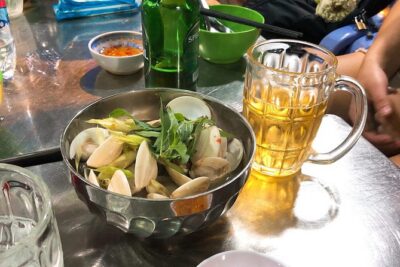
Saigon By Night and Street Food By Motorbike | Opt: Ao Dai Riders
What we made of it →Where this tour turns up