Review · SACATEPéQUEZ DEPARTMENT
Antigua Guatemala: Street Food Walking Tour with Tastings
Come hungry, leave better oriented. This three-hour walk through Antigua Guatemala links local food with Maya traditions, colonial architecture, market life, and practical restaurant advice. You taste six or seven samples, drink two local beverages, and walk between small food spots that are easy to miss on your own.
I especially like the personal feel of the tour and the way guides such as JJ, Roberto, Esteban, and Felix connect each bite to Guatemalan culture. The market visit can be a real highlight, particularly on a market day. The main drawback is that the $68 price feels high if you want only a few snacks, and the stop order, food mix, and amount of savory food can change.
Key points to know before booking
- Six or seven samples fill more than you might expect: Bring an appetite, but do not eat a large meal beforehand.
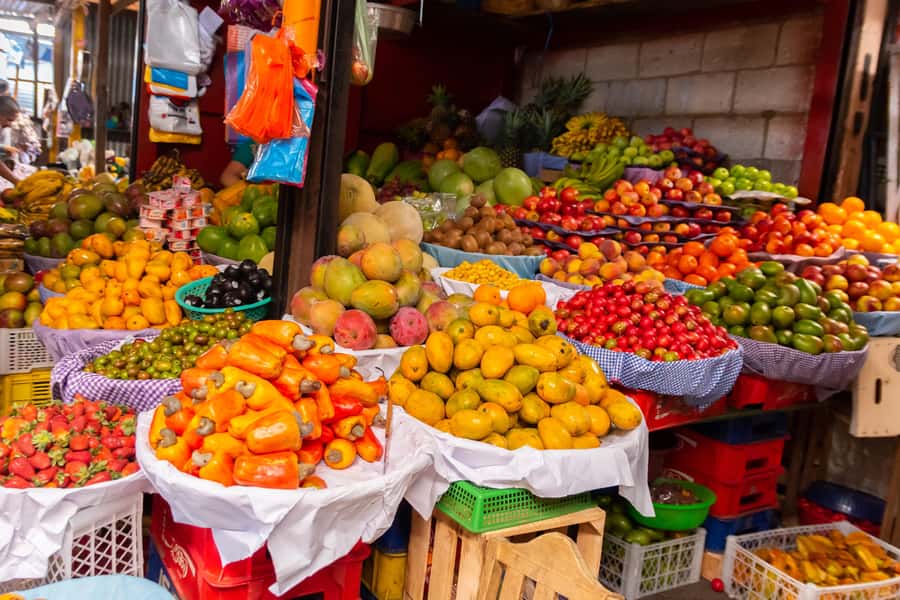
- The market is a major part of the experience: You may taste seasonal fruit, see how locals shop, and learn which vendors the guide trusts.
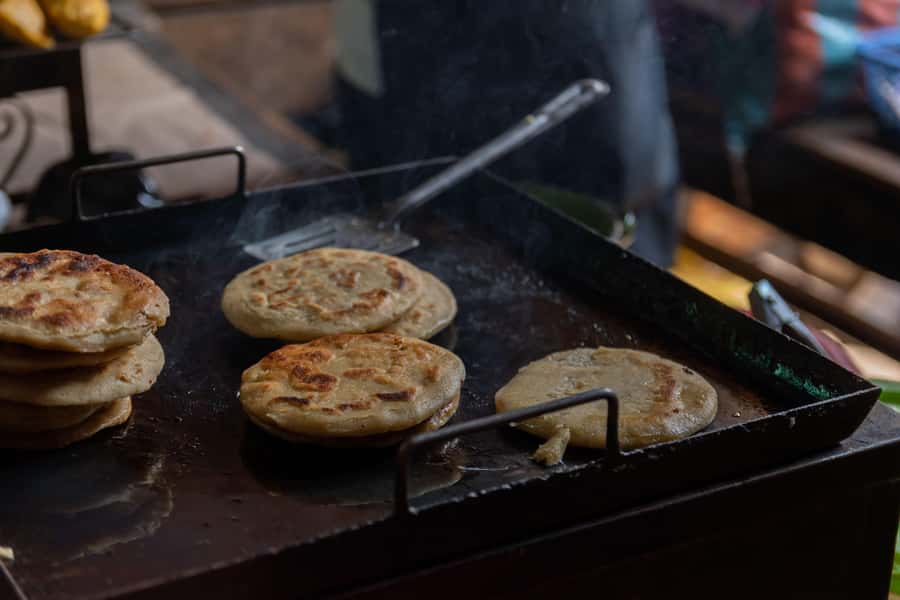
- Corn takes center stage: Traditional corn-based foods offer a direct link to Maya foodways.
- This is also a city tour: Expect stories about Antigua’s buildings, history, architecture, exports, and daily life.
- Guide quality matters: JJ, Roberto, Esteban, Felix, and Carlos have all been praised for friendly explanations and local connections.
- Wear proper shoes: Antigua’s cobblestones can be hard on your feet during three hours of walking.
Starting at Casa Mandarina and getting your bearings
The published meeting point is the Columbus Guatemala Travel office at 2a Calle Poniente 2. The tour description also places the opening at Casa Mandarina, a traditional colonial house described as cozy and welcoming. Confirm the exact starting point when you book, since the activity information lists two starting location options but gives the Columbus office as the main meeting place.
That small bit of planning matters in Antigua. The streets are laid out in a grid, but addresses and street names can be confusing if you are used to North American numbering. One person had trouble finding the office and was met near the cathedral after calling the guide. I would allow extra time and keep the company contact details handy.
From the start, the walk is meant to introduce you to Antigua through food rather than simply point out churches and ruins. You will likely hear about the city’s colonial buildings, the influence of Maya customs, and the way food connects older traditions with modern Guatemalan life.
The guides are often the strongest part of the outing. JJ is repeatedly praised for his energy, warmth, and local perspective. He was born in Antigua, which gave his explanations a personal angle. Esteban has been praised for making visitors feel at ease, while Roberto is known for combining food, architecture, and national history. Felix is described as particularly strong on art, culture, and the market.
Your guide may not be the person you hoped for by name, and guides will have different styles. Still, the repeated pattern is clear: the experience works best when you ask questions. Small details about a food, building, custom, or neighborhood can pass quickly if you stay quiet.
More Street Food Tours in the world:
- Dubai: Old Town, Creek, Museums, Souks, & Street Food Tour
★ 4.8 · 10,816 reviews - Ho Chi Minh City Street Food Tour & Sightseeing By Motorbike
★ 5.0 · 9,413 reviews - Medellin: Comuna 13 Graffiti Tour, Cable Car & Street Food
★ 4.8 · 9,046 reviews
Corn, Maya foodways, and the first tastings
The tour presents corn as a central part of Guatemala’s food culture, calling it Mayan gold. That is not just a catchy phrase. Corn-based dishes are tied to the country’s Maya roots, and tasting them gives you a more useful understanding of local culture than reading a short plaque beside a monument.
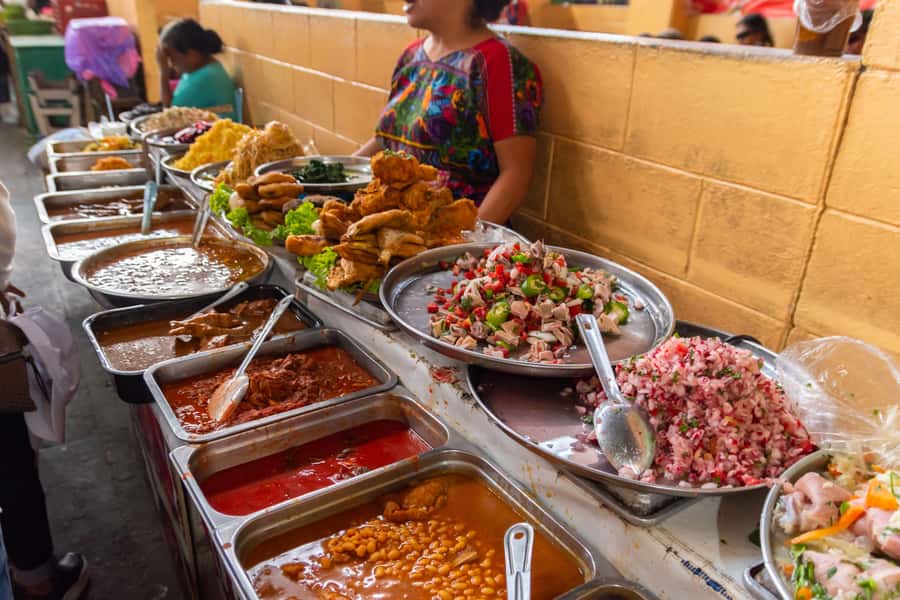
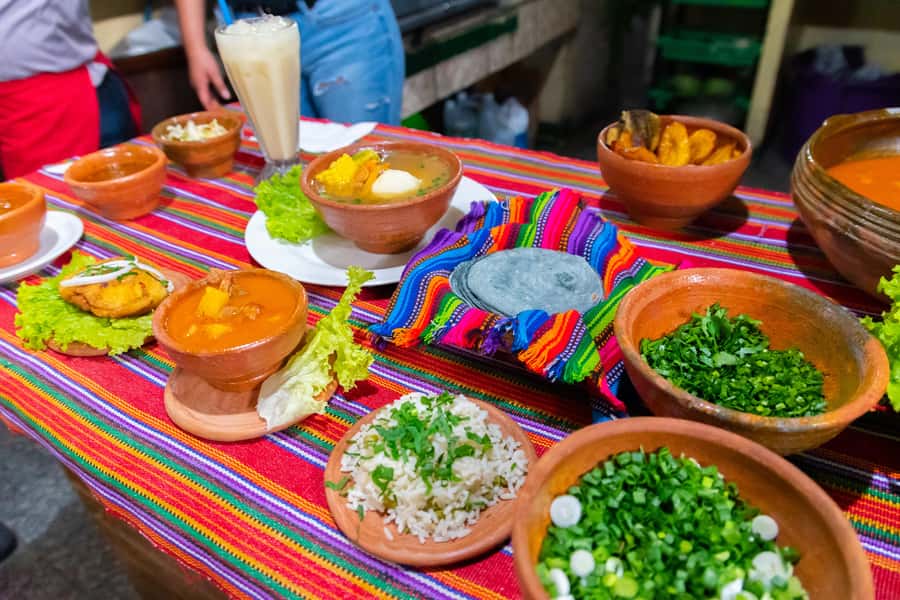
Exact dishes are not fixed in the information provided, and the order of stops can change. You can expect a selection of traditional savory and sweet foods, with the guide explaining what you are eating and how it fits into local life. That flexibility is helpful for dietary restrictions and changing market availability, but it also means you should not book expecting a precise menu.
The food is served in small portions at several stops rather than as one sit-down lunch. That format lets you compare different preparations and keep moving through Antigua. It also means the experience can feel like a series of introductions instead of a full meal.
Several people found the portions surprisingly generous. One person said the food left enough for leftovers, while another advised arriving very hungry. At the same time, a different experience leaned heavily toward sweets. My advice is simple: eat a light breakfast or early snack, then pace yourself. Six or seven samples, drinks, fruit, coffee, and candy can add up.
Antigua’s market, from fruit stalls to trusted vendors
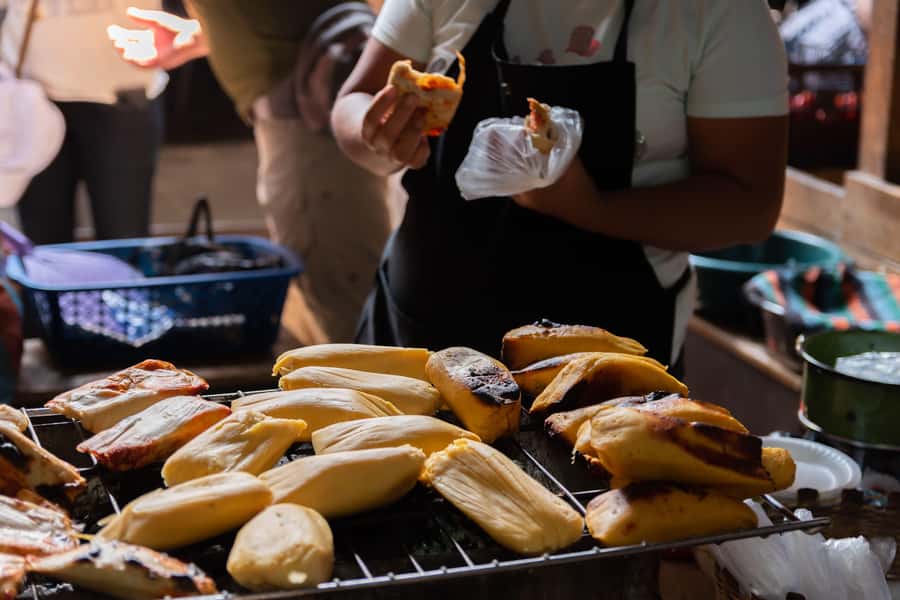
The market is where the tour earns much of its $68 price. Antigua’s market is large, and it can be difficult to understand what you are seeing without someone who knows the vendors and products. The guide helps you read the scene: what locals buy, which fruits are in season, and how certain ingredients are prepared.
The experience can be especially rewarding on a Saturday, when the large local market is open. Market access and the exact route depend on timing, so it is not a guaranteed Saturday-style visit every day. Still, a market stop is part of the planned walk, and the guide may adjust the route around availability.
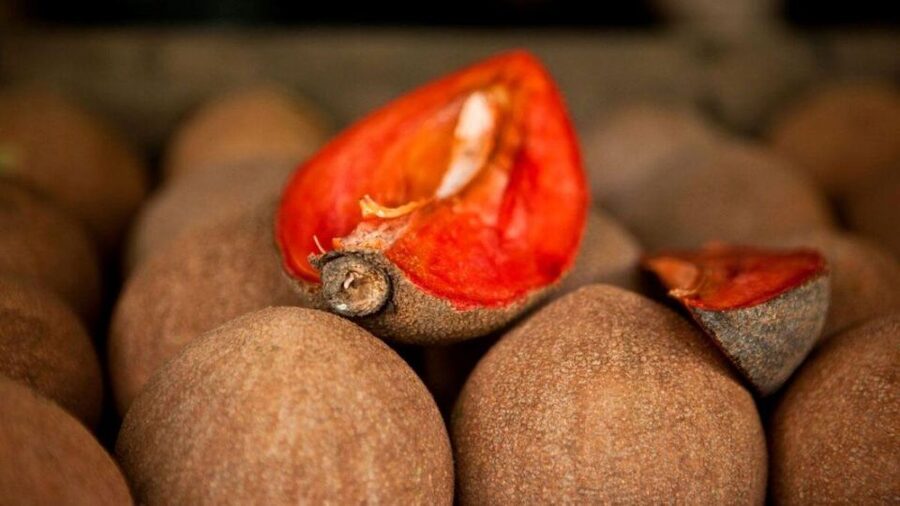
Expect exotic and seasonal fruit, including examples such as different mangoes, plums, and cacao fruit. Cacao fruit is a memorable tasting because many people know cacao mainly as the source of chocolate, not as fresh fruit. The guide may also explain how fruit is handled and prepared.
Food safety is another practical benefit. Felix was praised for having a system to disinfect fruit before serving it, allowing visitors with cautious stomachs to try more produce. That detail is useful, but you should still mention allergies, restrictions, and any concerns before the walk begins.
The market also gives you a look at shopping as an everyday activity rather than a staged attraction. You may see produce, snacks, and ingredients moving through ordinary trade. The guide’s personal relationships with vendors can make the visit feel more natural, though it also means the route may vary.
Sweets, coffee, atol, and two local drinks
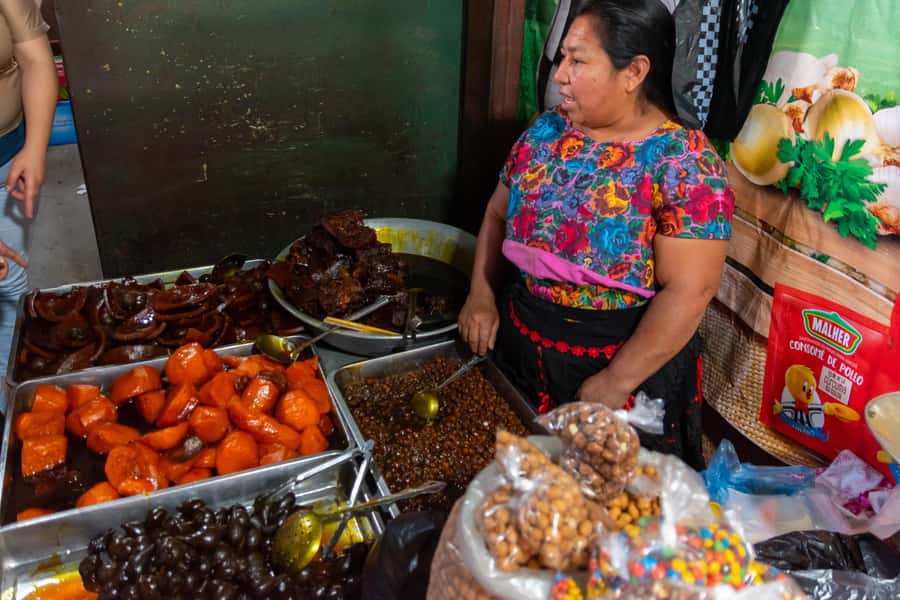
The sweet side of Guatemalan food receives plenty of attention. Expect local candies, pastries, and other Guatemalan sweets along the route. These are not filler between major stops. They show how traditional ingredients and home-style recipes appear in daily treats.
Coffee is included as one possible drink, and atol is another. Atol is a warm corn-based beverage with a long connection to Central American food traditions. It can be comforting and filling, especially during a cooler morning or rainy afternoon. The activity includes two local drinks, though the exact choices are not guaranteed.
Beer is also listed among the possible food and drink experiences. The rules prohibit alcohol and drugs as part of the activity, so the listing is not perfectly clear about how beer fits into the route. If you do not drink alcohol, tell the guide. The main point is that the tour includes local beverages, not that you must have beer.
The balance between sweet and savory may vary. One person found the food selection too sweet, while most descriptions point to a broad mix of fruit, coffee, candy, pastries, and savory bites. If you want a meal built around substantial savory dishes, this may not be enough on its own. Lunch is not included.
Same place, a different plate:
- Dubai: Old Town, Souks, Street Food, Guided Tour & Abra Ride
★ 4.9 · 7,170 reviews - Naples: Street Food Walking Tour with Local Guide
★ 4.9 · 4,976 reviews - Small Group Hanoi Street Food Tour with a Real Foodie
★ 5.0 · 4,682 reviews - Rome: Street Food Tour with Local Guide
★ 4.8 · 4,077 reviews
Walking through colonial Antigua between food stops
Antigua is part of the meal here. You walk through a UNESCO World Heritage colonial town filled with 17th-century buildings, old facades, and views toward surrounding volcanoes. The food stops break up the sightseeing, and the sightseeing gives context to the food.
This is a useful choice if you are deciding between a standard city walk and a food tour. The route covers architecture, local customs, and the city’s past while you eat. Several people felt the experience gave them a better sense of Antigua than a food-only outing would have.
Do not expect a formal architecture lecture at every corner. The information is conversational, with explanations offered while moving from one food stop to another. Roberto and Felix were especially praised for discussing buildings, art, architecture, and culture along with what was on the plate.
The cobblestones are the practical issue. They are charming in photographs and tiring underfoot. Wear comfortable walking shoes, use sunscreen, and bring sunglasses and a sun hat. A hat is listed twice among the recommended items, which tells you the sun deserves attention. Comfortable clothes and personal medication are also sensible.
Rain can change the feel of the tour. One afternoon walk took place in bad weather, and the food and personal attention still made it worthwhile, but the conditions reduced the pleasure of being outside. If the forecast looks wet, dress for it and keep your expectations flexible.
The personal touches that make this more than a snack crawl
The strongest guides do not simply name dishes and move on. They explain the food, answer questions about Guatemalan society and customs, and point out details you might otherwise miss. Esteban, for example, was praised for discussing Mayan customs, Antigua’s architecture, and the reasons the city looks the way it does.
The guides also appear to have strong ties to the town. One person noticed Esteban greeting people he knew throughout the walk. That kind of local connection can make small food shops feel less like selected photo stops and more like places with a real place in the community.
You might also receive a brief visit to a jade shop. This is not presented as the main feature, and one person appreciated that there was no sales pressure. Another outing included a ride on a chicken bus, but that should be treated as a possible extra rather than a promised part of every tour.
At the end, the guide shares suggestions for restaurants and bars. This is one reason I would schedule the tour early in your stay. You can use the advice for later meals, return to a favorite stop, and ask for recommendations based on your own tastes.
Is $68 a fair price?
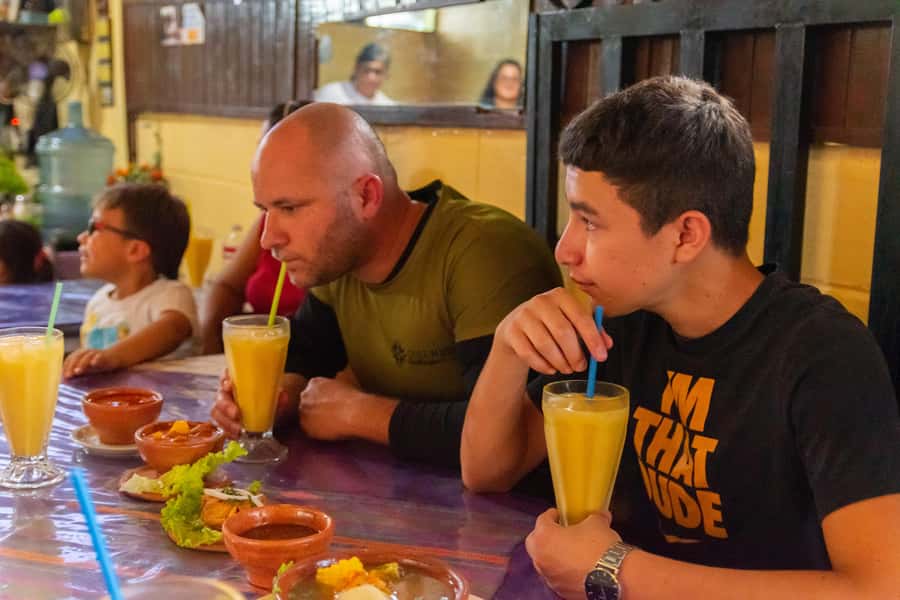
At $68 per person, this is not a bargain snack walk. You are paying for six or seven food samples, two local drinks, bottled water, a guide, taxes, and the time spent moving through the city. You also get market interpretation, cultural background, and restaurant advice.
The value improves if you want several experiences in one package. A typical visitor receives a food introduction, a partial city orientation, and a market visit without arranging separate guides. The local connections are hard to reproduce on your own, especially when choosing unfamiliar vendors or trying fruits you have never seen.
The price is less convincing if you mainly want lunch. Lunch is not included, the exact food list changes, and some of the tasting may lean sweet. One person felt the cost was high for the amount of orientation provided, especially on a rainy day.
I see this as a good value for first-time visitors who care about food and culture more than quantity. It is also useful for people who want help finding small local places. If you are already comfortable eating at markets and have limited interest in history, you may prefer to spend the money on a restaurant meal and explore independently.
Practical details for a smoother walk
The tour lasts three hours and is offered in English or Spanish. It is listed as wheelchair accessible, but Antigua’s cobblestone streets and changing food stops make it sensible to confirm the route details in advance if you have mobility concerns.
Free cancellation is available up to 24 hours before the start, and you can reserve now while paying later. Check the available starting times for your date, since the schedule is not fixed in the information provided.
Tell the company about dietary restrictions before the tour. Stop order and food choices may change based on availability and preferences, and the experience can be arranged as a private tour by contacting the provider.
Bring:
- Comfortable walking shoes
- Sunscreen and sunglasses
- A hat or sun hat
- Comfortable clothing
- Personal medication
- An appetite, but not an empty stomach after a heavy meal
Smoking is not allowed, and alcohol and drugs are prohibited under the activity rules.
Who should book this Antigua food walk?
I would book this if you want food to open the door to Guatemalan culture. It suits first-time visitors, curious eaters, couples, families with older children, and anyone who likes a guide who can explain a city while walking. It is also a smart first-day activity because the restaurant tips and city orientation can shape the rest of your stay.
You should think twice if you dislike walking on uneven streets, want a fixed menu, or need a full lunch. The tour is flexible by design, and that is both its strength and its weakness.
Should you book it?
For most food-focused visitors, yes. The best reason is not simply the number of tastings. It is the combination of corn-based traditions, market shopping, seasonal fruit, sweets, coffee, colonial streets, and a guide who can connect them.
Book early in your Antigua visit, arrive at the Columbus Guatemala Travel office with time to spare, and request a guide such as JJ, Roberto, Esteban, or Felix if that option is available. Come ready to ask questions, wear sturdy shoes, and save room for both savory food and dessert. If you want a quick meal at a low price, choose something else. If you want an informed introduction to Antigua that you can taste as you go, this is a strong choice.
FAQ
How long is the Antigua street food tour?
The tour lasts three hours.
Where does the tour meet?
The published meeting point is the Columbus Guatemala Travel office at 2a Calle Poniente 2 in Antigua Guatemala.
How many food samples are included?
Six to seven food samples are included, along with two local drinks and bottled water.
Is lunch included?
No. Lunch is not included, although the samples may be filling.
Which languages are available?
The tour is offered in English and Spanish.
Can I request dietary changes?
The order of stops and places may change according to availability, preferences, and dietary restrictions. Tell the provider about your needs before the tour.
What should I bring?
Wear comfortable shoes and clothes, and bring sunscreen, sunglasses, a hat, and any personal medication you need.
Just added around the world
- Zanzibar:Stone town Street food market walking tour,transfer★ 4.5 · 9 reviews
- Vienna Food Tour: Dishes, Wine, Street Food & Culture★ 4.7 · 12 reviews
- Verona: Street Food Tour and City Guided Sightseeing★ 4.9 · 11 reviews
- Xi’an: Gourmet & Street Food Tour★ 4.8 · 22 reviews
- Verona: City Highlights & Street Food Walking Tour★ 5.0 · 3 reviews
- Verona: Street Food and History Tour with Local Guide★ 4.7 · 6 reviews
- Xi’an Muslim Quarter Night Market Foodie Walking Tour★ 4.2 · 22 reviews
- Verona: street food walking tour near the historical center★ 5.0 · 2 reviews
Street Food Tours, compared.

Old Town, Creek, Museums, Souks, & Street Food Tour
What we made of it →
Ho Chi Minh City Street Food Tour & Sightseeing By Motorbike
What we made of it →
Comuna 13 Graffiti Tour, Cable Car & Street Food
What we made of it →
Old Town, Souks, Street Food, Guided Tour & Abra Ride
What we made of it →
Small Group Hanoi Street Food Tour with a Real Foodie
What we made of it →