Review · HONG KONG
Hong Kong: Street Food Tour with Locals – Dim Sum and Wonton
Come hungry, leave with a food map. This three-hour walk through Sheung Wan and Central combines more than 10 tastings with Hong Kong history, from the opium trade and overseas labor networks to the city’s rise as a financial center. I like the way food provides the thread through the tour, and I like that the stops focus on ordinary local places rather than glossy international restaurants. The main drawback is clear: this is not a flexible food tour for vegetarians, halal diners, or people with significant dietary restrictions.
The $51 price is fair if you value both a meal-sized tasting menu and a local introduction to Hong Kong Island. Guides such as Hody, Michael, Jasmine, Stephen, Alice, Simeone, Wind, Wing, and Isaac have been praised for mixing personal stories with practical food advice. Bring comfortable shoes, and plan to treat this as a late lunch or early dinner, not a light snack.
Five things to know before you book
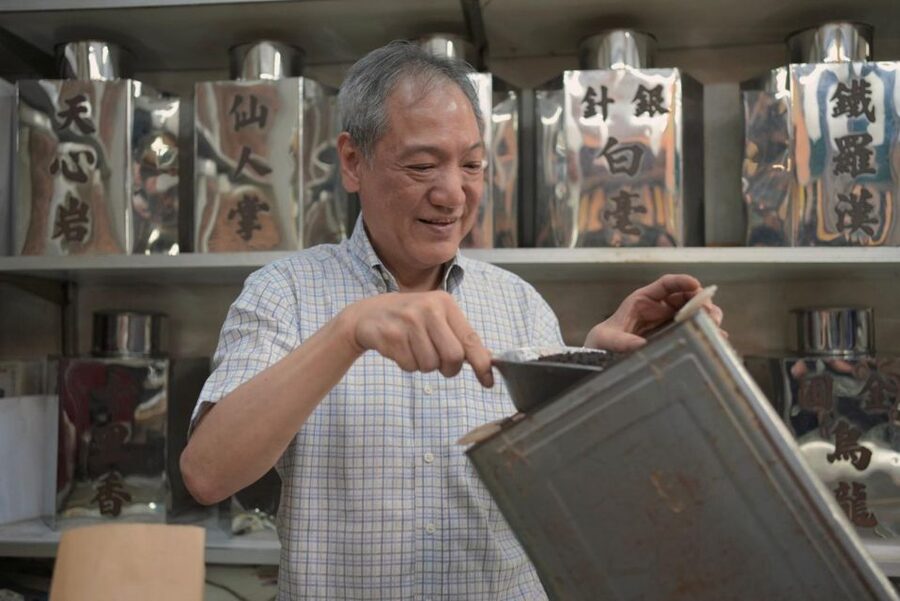
- Sheung Wan is the classroom: Wing Lok Street and nearby lanes connect dried seafood shops, Chinese medicine, old trade routes, and Hong Kong’s working past.
- You will eat a lot: Tastings can include dim sum, wonton noodles, BBQ pork, pork belly, egg tarts, egg waffles, milk tea, herbal drinks, and other local snacks.
- The food is paced across seven or eight stops: You move between street stalls, small cafés, food centers, and sit-down restaurants rather than eating one large meal.
- The local history is unusually practical: You learn why dim sum mattered to merchants, how post-war life shaped cha chaan teng culture, and how Hong Kong exported labor.
- The meeting point needs care: At Sheung Wan MTR Station, use Exit E2 from the platform area. Once you enter the concourse, Exit E is no longer available with the A to D exits.
Why the food tells Hong Kong’s story
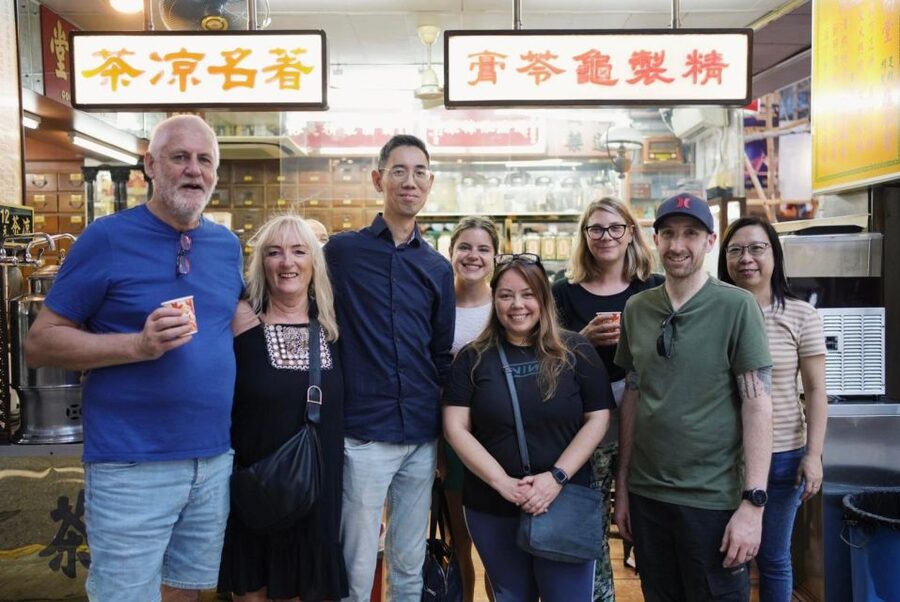
Hong Kong food can seem like a long list of dishes until someone explains why those dishes took root here. This tour gives you that missing context.
You begin in Sheung Wan, one of Old Town Central’s historic districts. The area links the harbor, former trade activity, dried seafood merchants, Chinese medicine shops, and narrow streets filled with daily business. The route uses these surroundings to explain Hong Kong’s change from a nineteenth-century opium hub to a labor-exporting port and, later, a global financial center.
That context matters because the food is not presented as a collection of exotic samples. Dim sum, noodle soup, roast meats, tea drinks, and egg tarts reflect migration, trade, poverty, family businesses, and changing tastes. You get a better feel for the city when a guide explains how a dish fits into local life.
The guides also add a personal layer. Michael has connected food stops with childhood memories, while Wind has been praised for explaining local customs and helping the group move respectfully around vendors and pedestrians. Isaac brings humor, and Jasmine is known for keeping the pace lively. The exact guide varies, but the strongest part of the experience is the human explanation between bites.
More Street Food Tours in the world:
- Dubai: Old Town, Creek, Museums, Souks, & Street Food Tour
★ 4.8 · 10,816 reviews - Ho Chi Minh City Street Food Tour & Sightseeing By Motorbike
★ 5.0 · 9,413 reviews - Medellin: Comuna 13 Graffiti Tour, Cable Car & Street Food
★ 4.8 · 9,046 reviews
Wing Lok Street and the luxury dried seafood trade
The first major stop is Wing Lok Street, a well-known center for dried seafood and other costly Chinese ingredients. This is where the tour shifts from a standard snack walk to something more distinctive.
You may see dried shark fin, bird’s nest, and cordyceps. The tour points out that some cordyceps can reach around HKD 200,000 per catty, a useful reminder that Chinese food culture includes both everyday noodles and ingredients once linked with imperial or high-status dining.
The point is not simply to admire expensive products. The guide explains how these goods moved through Hong Kong’s trading networks and why certain ingredients became associated with health, wealth, and social status. You also hear about the movement of Chinese laborers overseas, including the routes that helped build Hong Kong’s commercial importance.
This part of the walk can be visually and culturally interesting, but it is not a tasting-heavy section. If you expect food in your hand every few minutes, you may find the early history slower. I think it earns its place because it gives the later dishes a stronger setting.
Sheung Wan’s old streets and working history
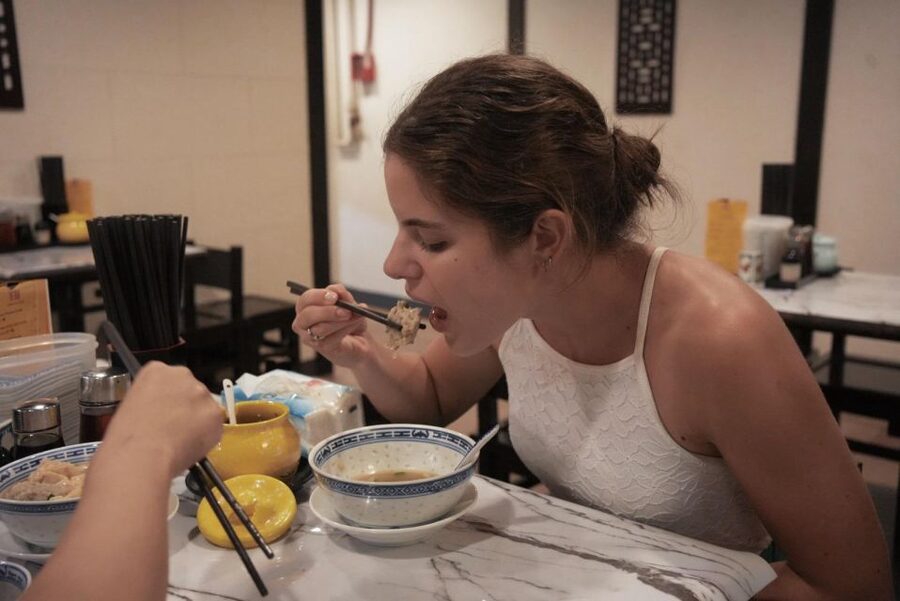
From Wing Lok Street, the route continues through Sheung Wan and toward the cultural square area. The walking is moderate, but you should still wear proper shoes. Hong Kong streets can be crowded, and the tour involves several stops rather than one fixed dining room.
The guide uses the streets to explain how Hong Kong grew through trade and labor. The story includes Chinese workers sent abroad to places such as the United States and Malaysian gold mines. That history is easy to miss if you only visit shopping districts and rooftop bars.
You also get a sense of how post-war hardship shaped local eating habits. Cha chaan tengs, or Hong Kong-style cafés, offered affordable meals and drinks at a time when many families had limited money and space. They became social meeting places as much as restaurants.
This is one of the tour’s better features for first-time visitors. You are not just told that a café is old or local. You learn why this type of café exists and what it meant to ordinary people.
Silk-stocking milk tea and cha chaan teng classics
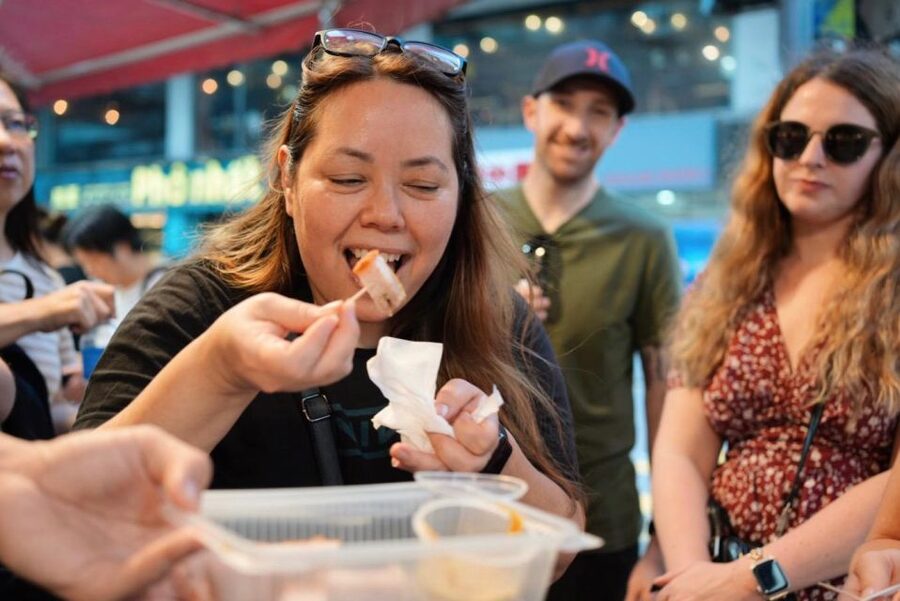
One of the most entertaining stops centers on Hong Kong-style milk tea. The tea is strained through a long cloth filter, which gives it the nickname silk-stocking tea. Despite the name, the filter is not an actual stocking.
The guide explains how the drink is prepared and why it became a cha chaan teng staple. You may also taste crispy French toast, a Hong Kong café classic with nothing particularly French about it. These stops show how local cooks adapted familiar ingredients into inexpensive, filling food with a distinct Hong Kong identity.
The tea stop is useful even if you are not a serious tea drinker. It gives you a simple way to understand the city’s café culture. You can also encounter drinks such as Mandarin duck, a mix of tea and coffee that one tasting group especially enjoyed.
The setting can be busy and the food may arrive in small portions, but that is part of the point. You are sampling the food in the kind of places where local eating culture developed, not sitting down for a carefully staged restaurant meal.
Same place, a different plate:
- Dubai: Old Town, Souks, Street Food, Guided Tour & Abra Ride
★ 4.9 · 7,170 reviews - Naples: Street Food Walking Tour with Local Guide
★ 4.9 · 4,976 reviews - Small Group Hanoi Street Food Tour with a Real Foodie
★ 5.0 · 4,682 reviews - Rome: Street Food Tour with Local Guide
★ 4.8 · 4,077 reviews
Wonton noodles and the craft behind the bowl
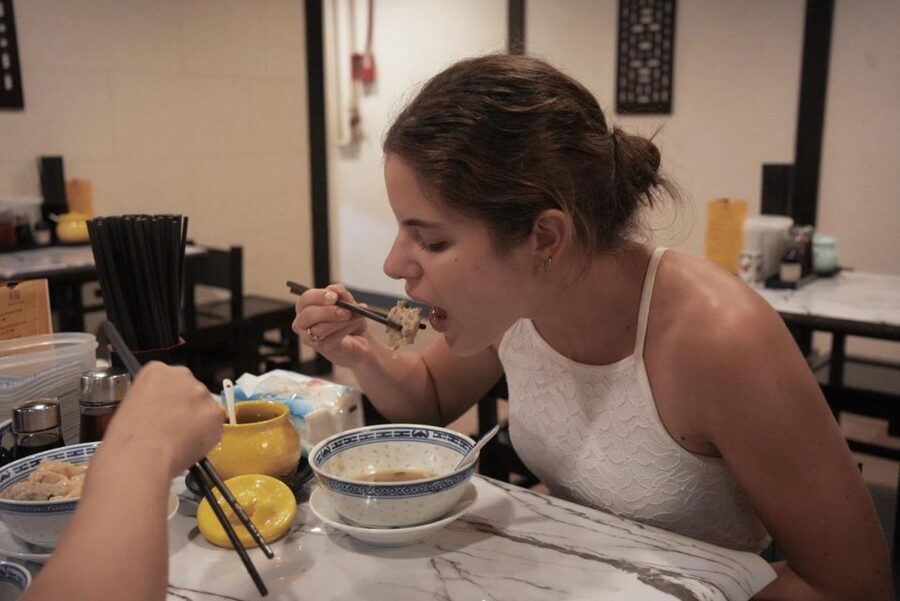
The noodle section brings the tour toward Chiu Chow-style wontons and fish broth. You may watch cooks fold shrimp-filled wontons and prepare a broth made with flounder. This gives you something that a simple tasting menu cannot: a look at technique.
Wonton noodles are easy to underestimate. The bowl may appear modest, but the texture of the wrapper, the filling, the noodles, and the broth all matter. A local guide can explain the difference between a snack eaten quickly and a dish people return to because it feels familiar.
This stop has been a highlight for several people, along with the dim sum and egg tart. Wing, one of the guides, was praised for explaining each dish clearly and offering options when appropriate. That kind of attention is helpful if you are unsure about unfamiliar flavors, although you should not expect full dietary substitutions.
The route does not promise a single fixed menu. Availability can change, so the exact wonton, noodle, or snack selection may differ on your date. That flexibility is normal for a food walk using small local businesses, but it means you should book for the overall experience rather than one specific dish.
Dim sum in a local setting
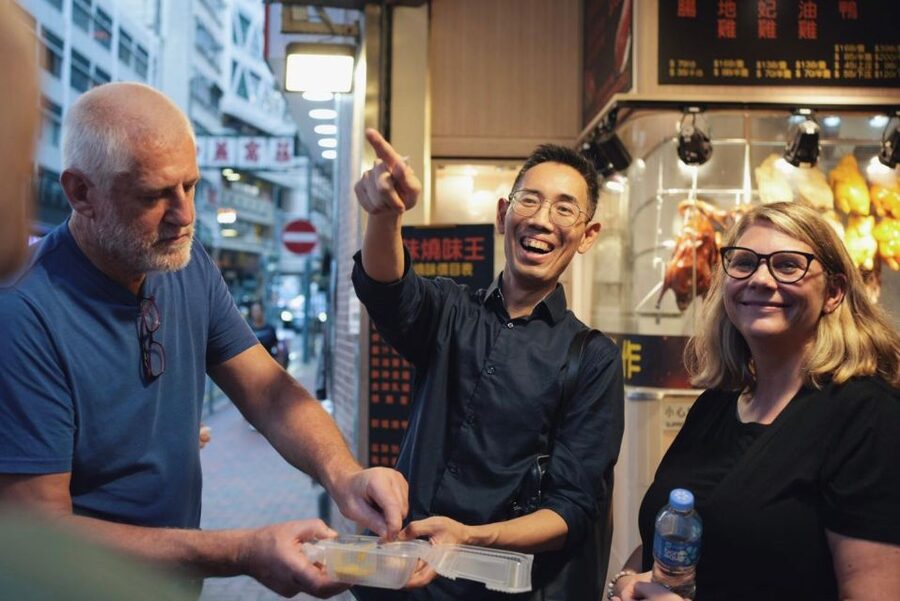
Dim sum is the centerpiece for many people. You may taste bamboo-steamed har gow, the translucent shrimp dumpling, along with other savory bites. The guide explains how dim sum moved from a high-society tradition connected with tea to an everyday meal enjoyed across Hong Kong.
The tour also brings out small details that are easy to miss. One explanation covers har gow wrappers and the use of sweet potato in the dough, a detail that surprised even a diner of Cantonese descent. That kind of information makes the tasting more than a quick photograph and a bite.
Dim sum is also a good group food. Dishes arrive in small portions, so you can try several kinds without committing to a full plate of one item. If you have never ordered dim sum before, the guide can help you understand what you are eating and how it fits into local dining customs.
The main caution is appetite. The tour advertises more than 10 bites, but many of those bites are substantial. Wonton noodles, roast meats, egg waffles, pastries, and dim sum can add up quickly. Several people finished full enough to skip dinner, while others thought the portions were well paced. I would not schedule a major evening meal immediately afterward.
Roast meats, egg tarts, and sweet Hong Kong snacks
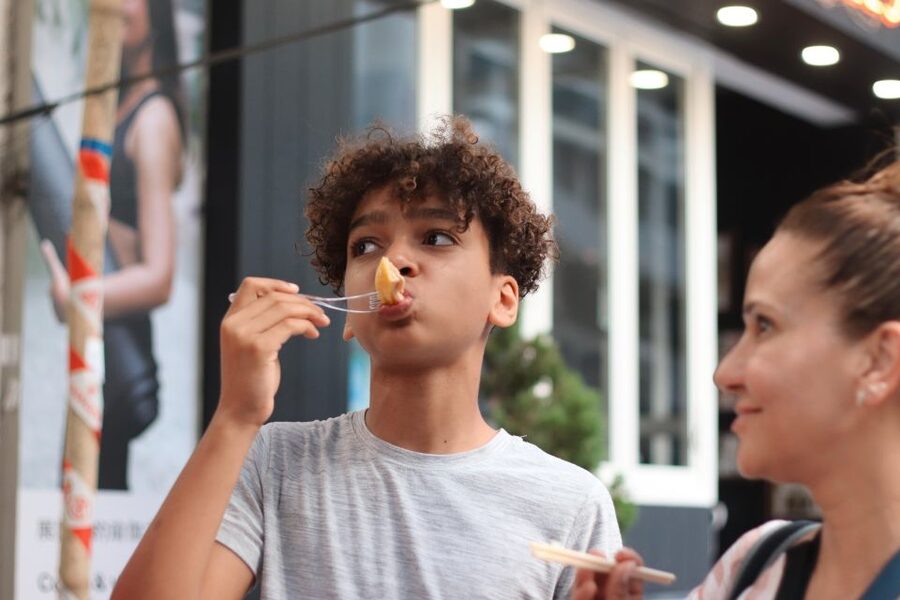
At Sun Yuen Restaurant and other food stops, the menu can include BBQ pork, roast pork, and pork belly. These meats provide a savory change from dim sum and noodles. The BBQ pork has been a favorite, and the combination of roast meats with small local cafés makes the route feel like an introduction to several parts of Hong Kong eating culture.
The sweet side includes egg tarts and egg waffles. The egg tart is a useful example of Hong Kong’s connection with outside influences. Its pastry and custard are familiar enough to appeal to cautious eaters, but the local style gives it a place in the city’s food culture.
Egg waffles are another welcome contrast. Their shape makes them fun to look at, but the appeal is the mix of crisp edges and soft centers. The tour may also include other local desserts depending on what is available.
This is where the variety pays off. You move between savory, sweet, hot, cold, crisp, soft, meaty, and herbal flavors. You do not need to love every item to come away with a clearer sense of what Hong Kong people eat during a normal day.
Herbal tea and the taste of old neighborhood life
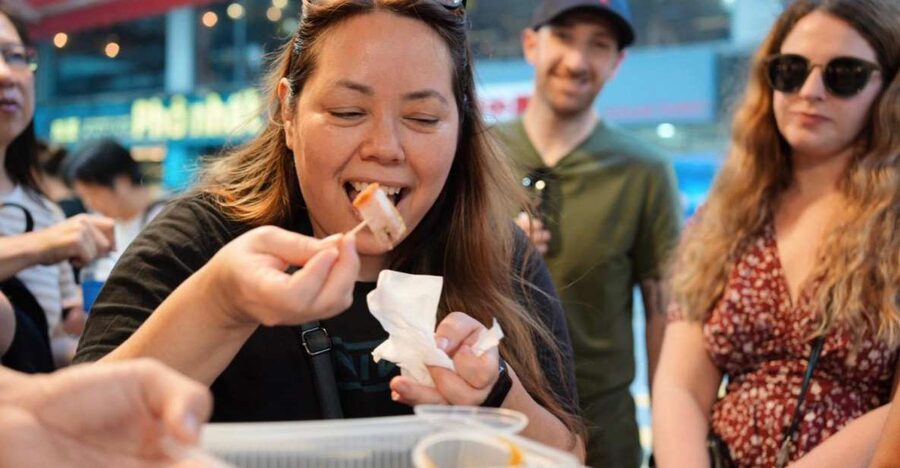
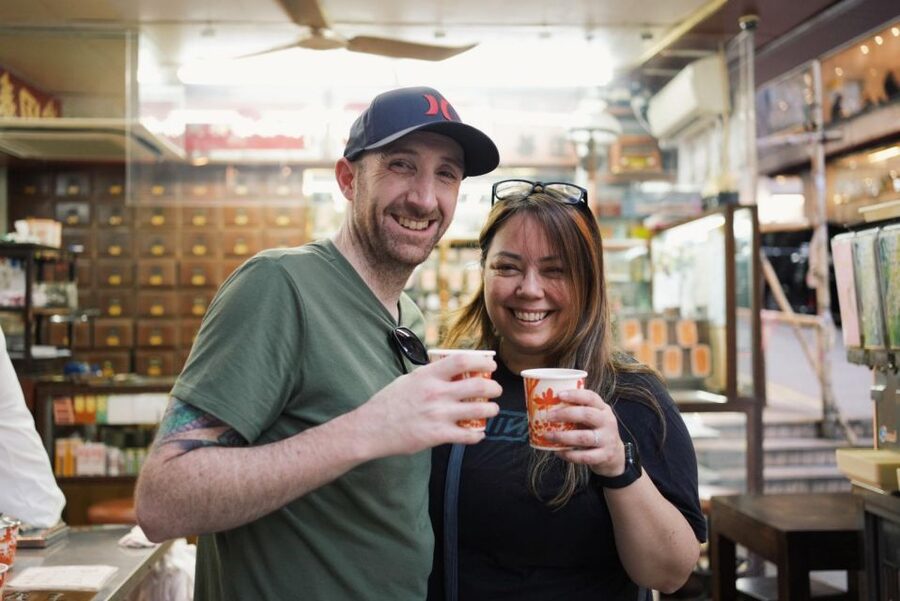
A tea stop introduces traditional herbal drinks such as Five Flowers tea or the more bitter 24 Flavors tea. These drinks may be challenging if you prefer sweet beverages, but they show another side of local food culture.
Herbal tea stalls were social places in the 1950s, and the guide explains how these drinks were part of neighborhood life. The taste can be sharp or medicinal, so this is a good moment to keep an open mind and take a small sip before deciding how much you want.
This section may be the least familiar for many people. That is also why it is valuable. Dim sum and egg tarts are easy to find on restaurant menus, but traditional herbal drinks require more explanation. The tour gives you enough context to recognize them later and decide if you want to order more.
Queen’s Road Central and the final tastings
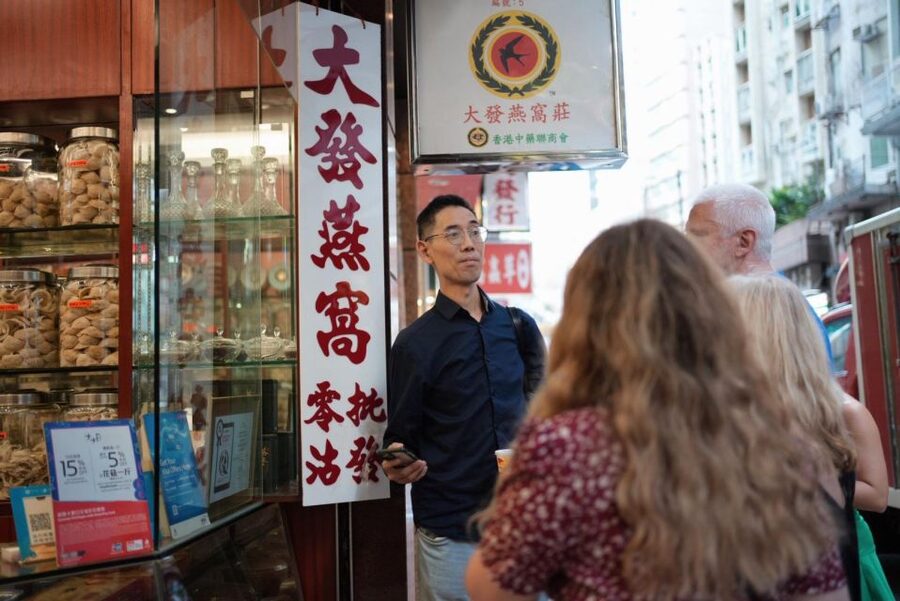
The later part of the walk reaches Queen’s Road Central, where the tour continues with food and cultural discussion. This section shows the contrast between old local businesses and the modern commercial center around them.
The route finishes at Central Market, a convenient endpoint for continuing your own sightseeing. You are not left at a remote neighborhood with a long trip back. At the same time, the tour does not include hotel pickup or drop-off, so you must make your own way to Sheung Wan and onward from Central.
The final stretch is useful for making sense of the route. You have seen luxury dried seafood, family-style food businesses, cafés, noodle shops, and modern Central. Hong Kong’s story is written in those contrasts.
Is $51 good value?
At $51 per person, this is not the cheapest way to buy individual snacks in Hong Kong. You could spend less by choosing one café and one market stall on your own.
The value comes from the range and the guidance. You get seven or eight tasting stops over three hours, more than 10 food samples, a walking tour, an English-speaking local guide, and explanations that would be hard to gather independently. The amount of food can replace a meal, and some people find they do not need dinner afterward.
I would consider it good value for a first visit, especially if you want someone else to handle ordering and explain what is on the table. It is less useful for a repeat Hong Kong visitor who already knows Sheung Wan’s food streets and prefers to eat slowly at one restaurant.
The free cancellation policy allows cancellation up to 24 hours before the start for a full refund, and you can reserve now and pay later. Weather can affect the walk. If poor weather cancels it, you are offered another date or a full refund.
Who should book this food walk?
This tour suits you best if you:
- Want a broad introduction to Hong Kong food in three hours
- Enjoy history told through ordinary streets and meals
- Prefer local cafés, food stalls, markets, and small restaurants
- Are comfortable trying meat, seafood, tea, and unfamiliar flavors
- Want help choosing food without spending time studying menus
- Are visiting Hong Kong for the first time
It is a poor fit if you are vegetarian, require halal food, or need strict control over ingredients. The tour states that it cannot accommodate dietary restrictions, and the menu can change according to availability.
Families can enjoy it if children are willing to try several foods. A 13-year-old was reported to have enjoyed the experience, but the walking and unfamiliar flavors may not suit every child. Solo visitors can also benefit because the group setting makes the food stops and city walk more social.
Practical tips for a smoother experience
Meet at Sheung Wan MTR Station Exit E2. Look for the exit while you are still on the train platform, because once you reach the concourse with Exits A through D, you cannot simply walk over to Exit E.
Wear comfortable shoes and arrive ready to eat. You may want a light breakfast or an early snack rather than a full meal beforehand. Carry water, but leave room for tea, noodles, dumplings, roast meats, and desserts.
Ask questions. Guides such as Stephen, Alice, Hody, Jasmine, Michael, and Simeone have been praised for answering questions and sharing personal memories. The tour becomes much better when you ask how a dish is eaten, when locals order it, or why it became popular.
Do not expect the exact same menu every time. The final selection depends on availability, which is part of using real local vendors rather than a fixed tourist kitchen.
Should you book the Hong Kong street food tour?
I would book it if you want a well-rounded first taste of Hong Kong and care about the story behind the food. The combination of dim sum, wontons, roast meats, egg tarts, herbal drinks, and café classics gives you plenty to sample, while Sheung Wan and Central provide a strong setting.
Skip it if you are vegetarian, need halal food, or want a quiet sit-down meal. For everyone else, $51 is a reasonable price for a filling three-hour introduction, especially when a good guide turns unfamiliar dishes into food you can recognize and order again.
FAQ
How long is the Hong Kong street food tour?
The tour lasts three hours and includes walking, food tastings, and time with an English-speaking local guide.
How much does the tour cost?
The listed price is $51 per person.
Where does the tour meet?
It meets at Sheung Wan MTR Station Exit E2. Find Exit E2 from the platform area before entering the main concourse.
Where does the tour finish?
The tour finishes at Central Market.
What food can I expect to taste?
The tastings can include dim sum, shrimp wontons, wonton noodles, BBQ pork, roast pork, pork belly, egg tarts, egg waffles, herbal teas, milk tea, and other local snacks. The final menu can change based on availability.
Is the tour suitable for vegetarians?
No. The tour is not suitable for vegetarians, and halal food will not be provided.
Is hotel transportation included?
No. Hotel pickup and drop-off are not included. You must travel to the meeting point yourself.
What should I bring?
Bring comfortable shoes because the tour involves a moderate amount of walking. Weather can affect the tour, and a canceled walk due to poor weather may be moved to another date or fully refunded.
Just added around the world
- Zanzibar:Stone town Street food market walking tour,transfer★ 4.5 · 9 reviews
- Vienna Food Tour: Dishes, Wine, Street Food & Culture★ 4.7 · 12 reviews
- Verona: Street Food Tour and City Guided Sightseeing★ 4.9 · 11 reviews
- Xi’an: Gourmet & Street Food Tour★ 4.8 · 22 reviews
- Verona: City Highlights & Street Food Walking Tour★ 5.0 · 3 reviews
- Verona: Street Food and History Tour with Local Guide★ 4.7 · 6 reviews
- Xi’an Muslim Quarter Night Market Foodie Walking Tour★ 4.2 · 22 reviews
- Verona: street food walking tour near the historical center★ 5.0 · 2 reviews
Street Food Tours, compared.
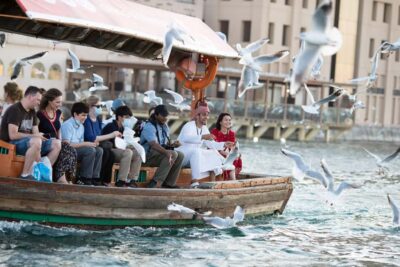
Old Town, Creek, Museums, Souks, & Street Food Tour
What we made of it →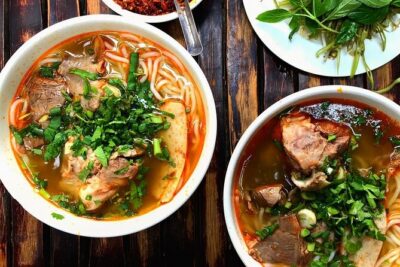
Ho Chi Minh City Street Food Tour & Sightseeing By Motorbike
What we made of it →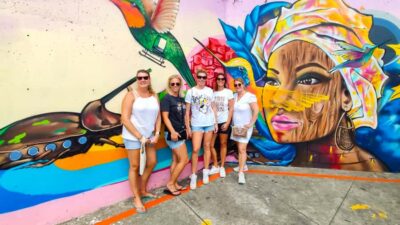
Comuna 13 Graffiti Tour, Cable Car & Street Food
What we made of it →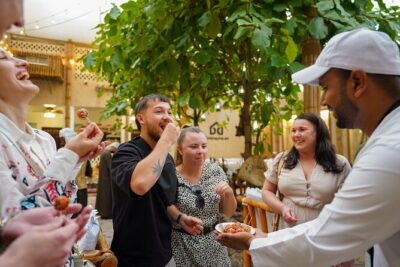
Old Town, Souks, Street Food, Guided Tour & Abra Ride
What we made of it →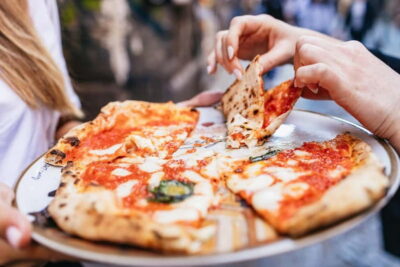
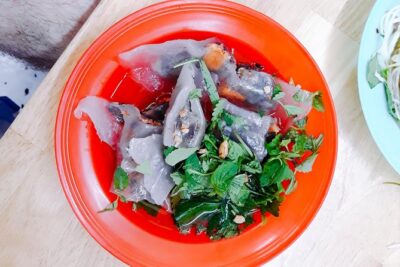
Small Group Hanoi Street Food Tour with a Real Foodie
What we made of it →