
Review · KENYA
Mombasa: Street Food Tour
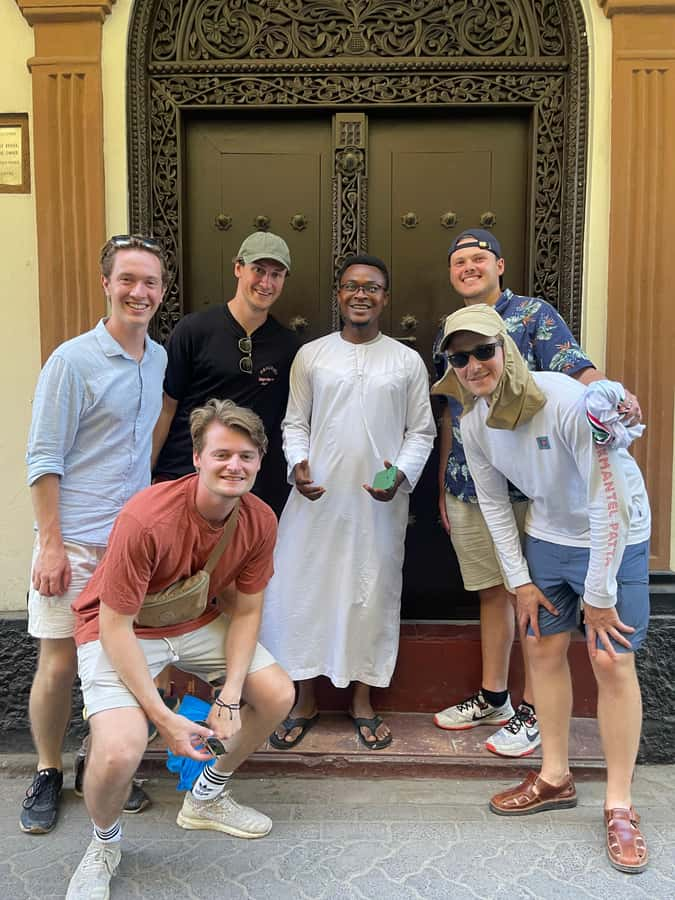
Come hungry, leave curious. This three-and-a-half-hour food walk links Mombasa’s Old Town, local vendors, tuk-tuk rides, and Mama Ngina Waterfront, giving you far more than a plate of snacks. You get a useful introduction to Swahili food, Islamic culture, local architecture, and the everyday life of Kenya’s coast.
I like the wide food range, from coconut bread and black-eyed peas to pilau, biryani, grilled meat, cassava chips, and sweet snacks. I also like the local cultural context, which helps you understand why coconut, rice, seafood, spices, and small fried foods appear so often in Mombasa cooking. The main consideration is timing: the advertised duration is 210 minutes, but the detailed route adds up to slightly more, and the breakfast slot is listed as both three hours and three and a half hours. Confirm your chosen start time before booking.
The experience has received five-star ratings from two verified bookings. One Polish visitor praised the food and guide, while a German visitor particularly valued learning about Mombasa’s Islamic diversity as well as its cuisine. Those comments point to the tour’s strongest feature: it treats food as a way into the city, not just a series of tastings.
Key points to know before you book
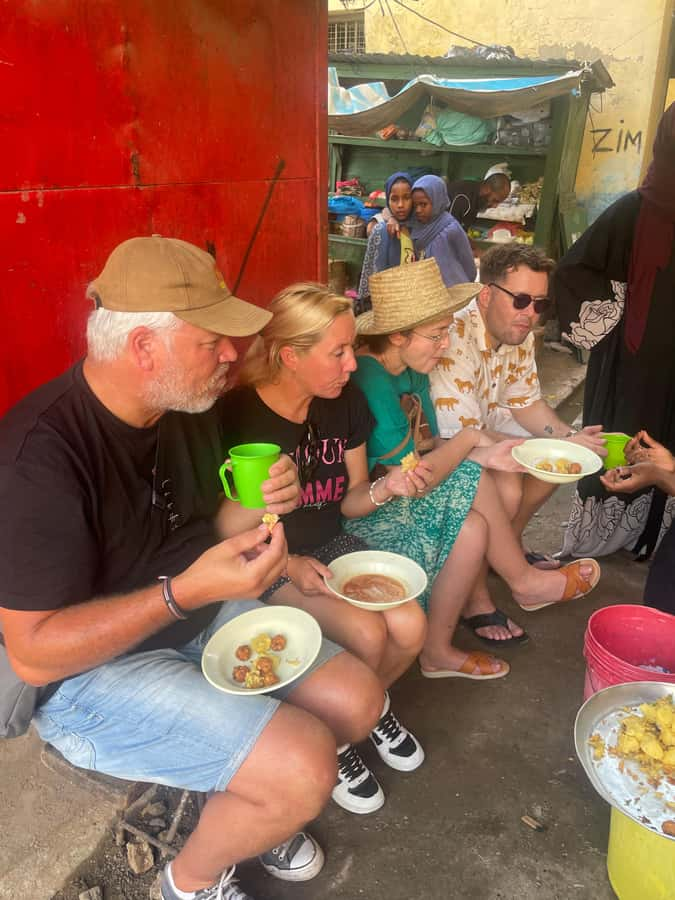
- Six local vendors are included across the chosen morning, midday, or evening food route.
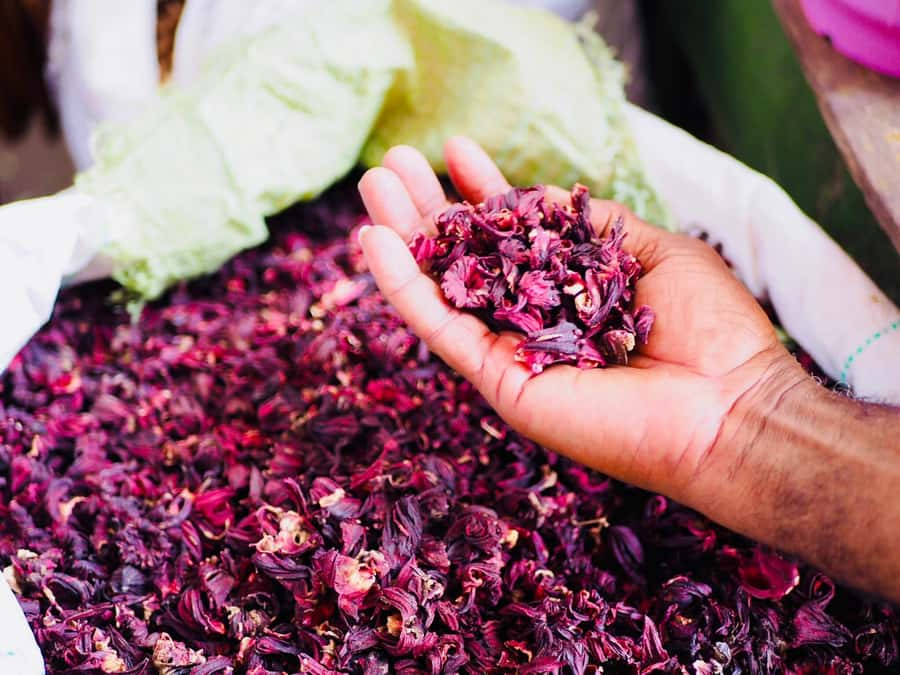
- Breakfast means Swahili classics, including mahamri, a coconut bread, and mbaazi, black-eyed peas cooked in coconut.
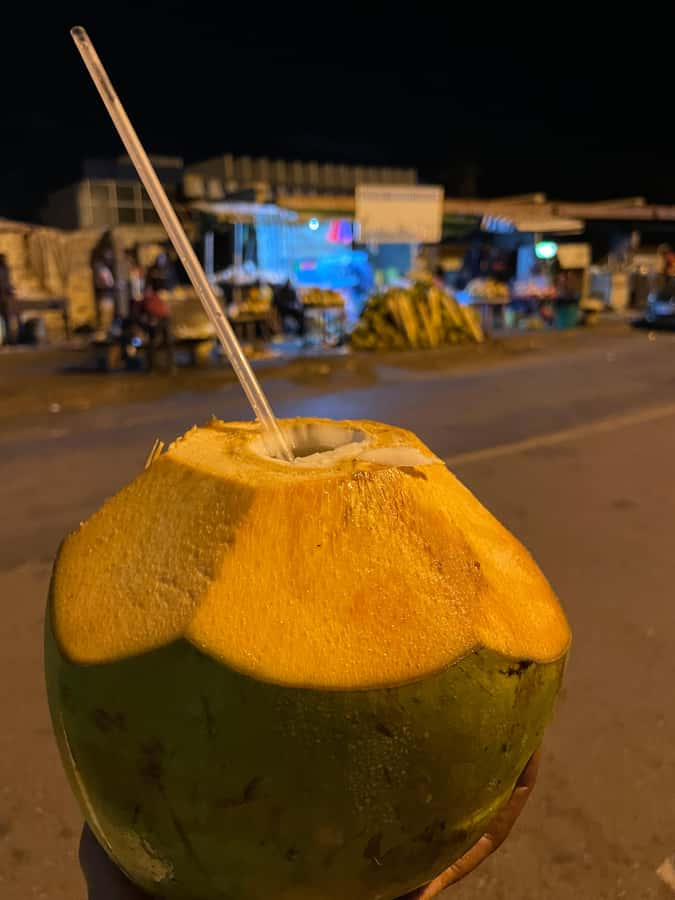
- Lunch is the largest meal slot, with rice dishes, stews, juices, coconut water, and snacks.
- The evening focuses on finger foods and grilled meat, including viazi karai, bhajia, kebabs, mishkaki, and tikka.
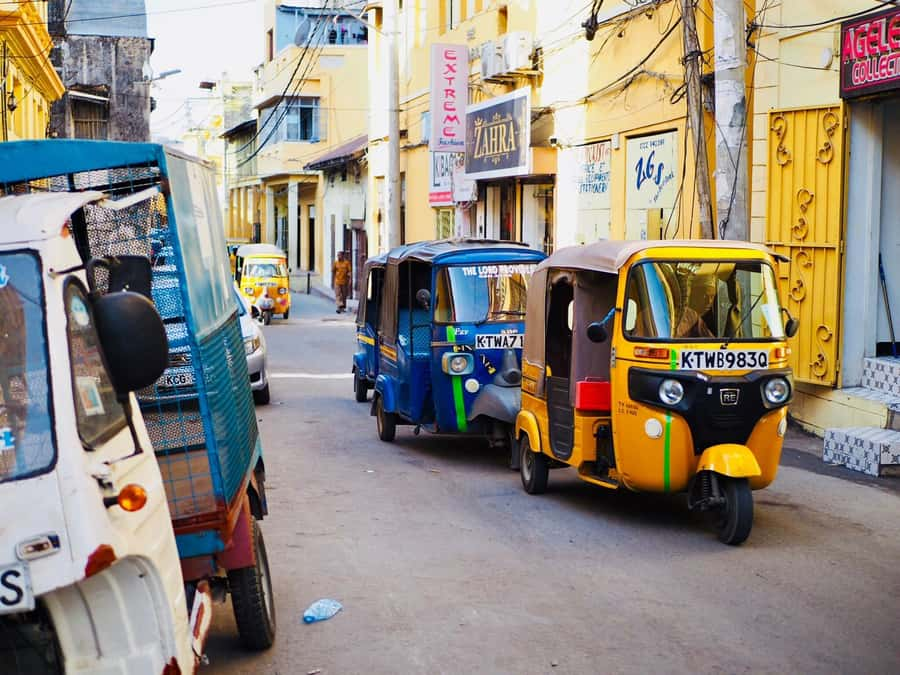
- Two tuk-tuk rides connect Old Town with Mama Ngina Waterfront and return you to the food route.
- Modest clothing is required, so avoid shorts, short skirts, and sleeveless shirts.
Starting outside Fort Jesus Museum
The meeting point is outside Fort Jesus Museum, beside the red Coca-Cola shop. That is a clear landmark, but it is still worth arriving a little early because the tour price does not include transport to the meeting point.
If you need help reaching Fort Jesus, the operator can arrange transport for an additional $10. That cost is separate from the $60 tour price, so include it when working out your total.
Beginning here makes sense. Fort Jesus places you at the edge of Mombasa’s Old Town, where narrow streets, old buildings, food stalls, and religious landmarks sit close together. The tour is not simply a restaurant crawl. From the start, you are moving through a historic urban area while your guide explains how food and culture fit together.
The guide speaks English, and the experience is led by local staff from The African Foodtrail Ltd. No guide name is provided, but the strong comments on the guiding suggest that the human side of the tour matters as much as the menu.
More Street Food Tours in the world:
- Dubai: Old Town, Creek, Museums, Souks, & Street Food Tour
★ 4.8 · 10,816 reviews - Ho Chi Minh City Street Food Tour & Sightseeing By Motorbike
★ 5.0 · 9,413 reviews - Medellin: Comuna 13 Graffiti Tour, Cable Car & Street Food
★ 4.8 · 9,046 reviews
Old Town food stops and Swahili cooking
The first Old Town section includes about 30 minutes of food tasting, followed by about an hour of walking, street food, culture, history, and architecture. This split is useful because it gives your stomach a pause while giving you time to make sense of the surroundings.
Mombasa’s Swahili cooking reflects the coast’s links with Africa, Arabia, India, and the Indian Ocean trade. The food names alone show that mix. Rice dishes, coconut sauces, spiced meats, fried snacks, tamarind drinks, and grilled foods all have a place here.
The menu changes with your time slot, so do not expect every item listed below on one visit. Your choice of start time shapes the meal more than many food tours do.
The 9:00am breakfast slot
Breakfast is the gentlest introduction to the tour. You can expect mahamri, a lightly sweet coconut bread, along with mbaazi, black-eyed peas cooked in coconut. Other Swahili breakfast foods and snacks may also appear.
This is a good choice if you want to start early and prefer small portions over a large midday meal. It also gives you the rest of the day for sightseeing after the tour ends.
The breakfast timing needs a little care. It is shown as 9:00am to 12:00pm in one part of the information, while the experience is also described as lasting three and a half hours. Ask the provider to confirm the exact end time before you plan another activity.
The 12:30pm lunch slot
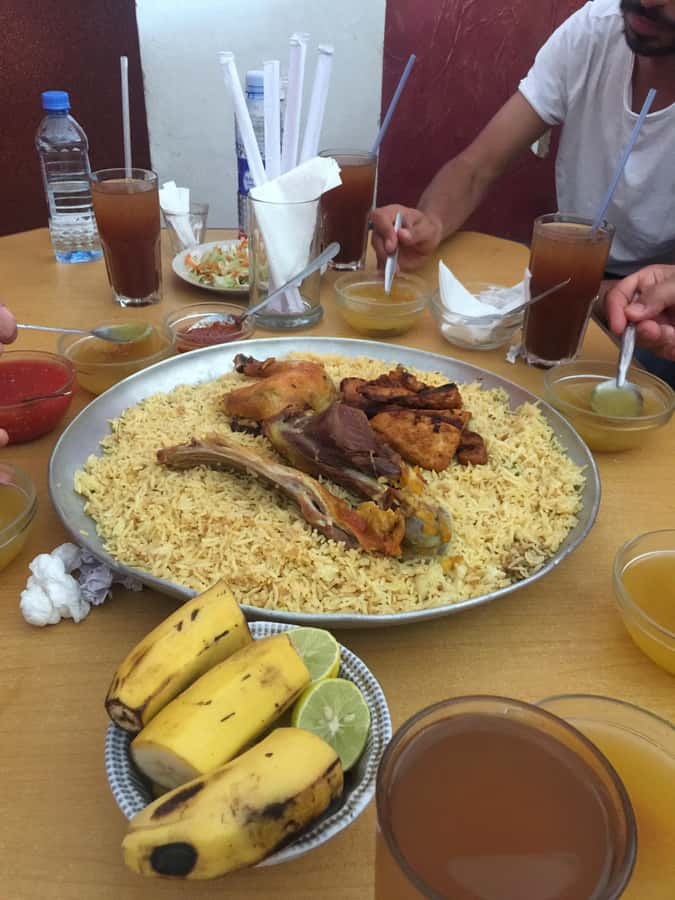
Lunch is the broadest food session. You can sample pilau, biryani, and coconut rice, along with stews made with goat meat, fish, and local vegetables. Drinks may include tamarind juice, sugarcane juice, bungo juice, and coconut water.
This is likely the best pick if you want a full picture of Swahili cooking. Rice and stew give you substantial food, while the juices and snacks show how much variety can fit into a single meal.
The snack list includes cassava chips, mitai, and katlesi. Some names may be unfamiliar, which is part of the fun, but you should tell the guide about allergies or dietary limits before eating. The available information does not promise vegetarian, vegan, halal, or allergy-specific arrangements, so do not assume a special menu.
Same place, a different plate:
- Dubai: Old Town, Souks, Street Food, Guided Tour & Abra Ride
★ 4.9 · 7,170 reviews - Naples: Street Food Walking Tour with Local Guide
★ 4.9 · 4,976 reviews - Small Group Hanoi Street Food Tour with a Real Foodie
★ 5.0 · 4,682 reviews - Rome: Street Food Tour with Local Guide
★ 4.8 · 4,077 reviews
The 4:30pm evening slot
The evening route leans toward small foods and grilled meat. You may try viazi karai, bhajia, kababu, mishkaki, tikka, and mkate wa nyama.
This is the right choice if you like to graze rather than sit down to one large meal. It also fits well with Mombasa’s evening rhythm, when fried snacks and barbecued foods make an easy supper.
Because the tour begins at 4:30pm and is listed through 8:00pm, you should plan your evening around it. The food may be filling enough for dinner, but the information does not promise a fixed number of portions. Think of it as a guided tasting route, not a formal restaurant meal.
Walking through Old Town’s streets
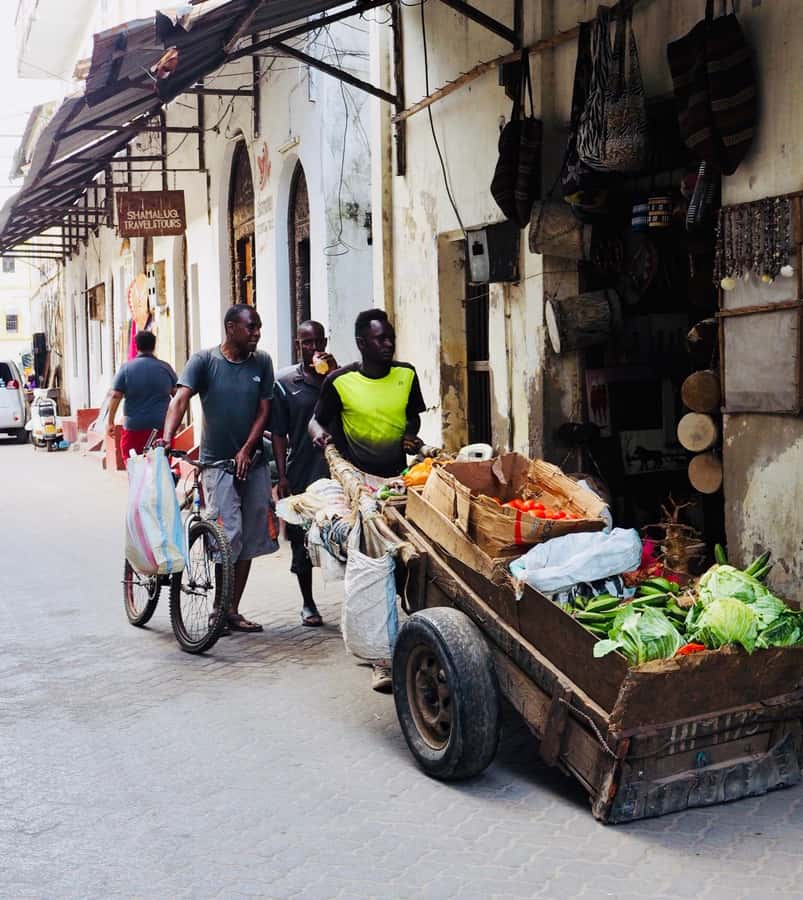
The one-hour guided Old Town section gives the food a setting. You move between stalls and vendors while learning about Mombasa’s architecture, culture, and past.
This is where the tour earns its price beyond the cost of the food itself. You could buy a plate of pilau or a bag of cassava chips on your own for less than $60, but you would not automatically know what you are eating, who prepares it, or how it fits into coastal life.
The route also helps you try foods with confidence. A local guide can explain unfamiliar names and point out the difference between a breakfast dish, a snack, and a main meal. That makes the tastings more useful than simply ordering random items from a stall.
There is a practical tradeoff. Old Town walking means you are spending time on foot between tastings, and the food is served through several vendors rather than one controlled kitchen. If you want a polished dining room, this is not that kind of experience. If you want food in the places where local people buy it, the informal setup is the point.
The first tuk-tuk ride
The itinerary includes a 20-minute tuk-tuk ride from the Old Town area. Transport during the tour is included, so you do not need to arrange this part yourself.
The ride breaks up the walking and connects the food route with Mama Ngina Waterfront. A tuk-tuk also gives you a quick view of the city at street level, although you should expect ordinary traffic rather than a private sightseeing vehicle.
The information does not specify the number of people in each tuk-tuk or whether every vehicle is private. If that matters to you, ask before booking. The same applies if you have mobility concerns, since no accessibility details are provided.
Mama Ngina Waterfront for a change of pace
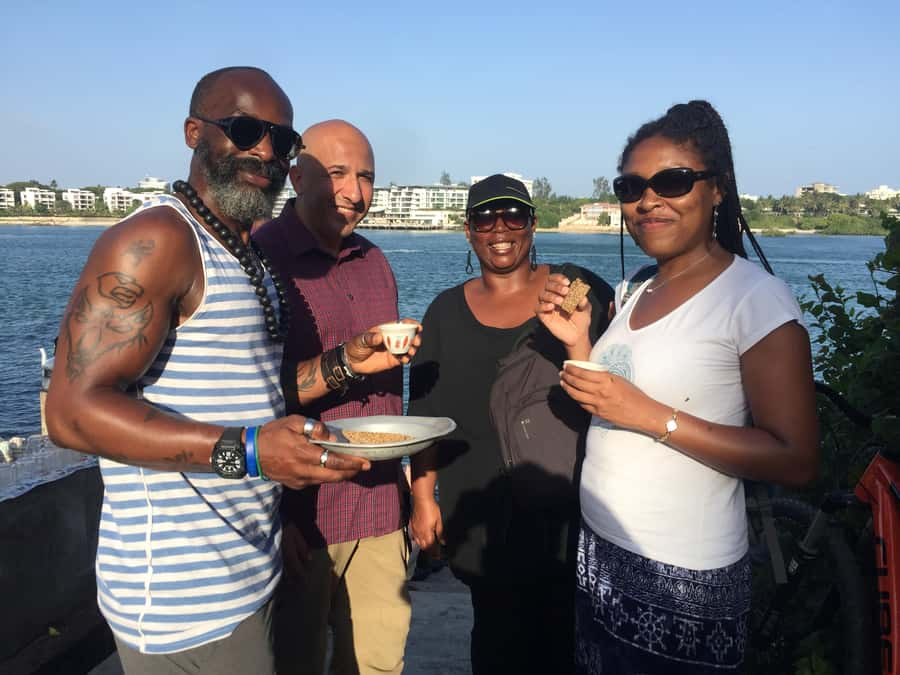
The waterfront visit lasts about 30 minutes and includes guiding rather than a dedicated food stop. This pause gives you a different view of Mombasa after the close streets of Old Town.
It is a useful middle section. You have time to digest, hear more about the city, and enjoy an open setting before returning to the food route. Since the tour covers both the old urban core and the waterfront, you get a broader sense of Mombasa than you would from a food walk that stayed inside one market.
Do not expect the waterfront stop to be a long sightseeing visit. Thirty minutes is enough for a short orientation, but not enough for a detailed tour of every feature. The food remains the main purpose of the experience.
Returning by tuk-tuk and tasting again
A second 20-minute tuk-tuk ride returns you to Old Town. The final food tasting lasts about an hour and ends on Makadara Road.
This last section is important because the tour does not finish immediately after the waterfront visit. You return to local food vendors for another round of tastings, which may suit you if you prefer a gradual meal rather than one large sitting.
The endpoint on Makadara Road is useful for planning, but it is not the same as the Fort Jesus meeting point. You should arrange your next move from there rather than assuming you will be returned to your hotel or the original start location.
The route description totals about 220 minutes when each listed segment is added together. The headline duration is 210 minutes, so the difference is small, but you should treat the schedule as approximate. Food queues, walking pace, traffic, and vendor timing can all affect the finish.
Is $60 a fair price?
At $60 per person, this is not the cheapest way to eat in Mombasa. If your only goal is to fill up, you can spend much less by buying individual street foods.
The value comes from the bundle. The price includes food, drinks, guide fees, and transport during the tour. It also covers tastings from six local vendors, cultural and architectural guiding, two tuk-tuk transfers, and the waterfront stop.
I see the price as fair for a first visit, especially if you want help choosing foods and understanding the city. The guide saves you the work of finding several stalls and gives you context that a quick snack purchase cannot provide.
The value is weaker if you already know Mombasa well, speak with local food vendors easily, and prefer to explore alone. You are also paying extra if you need the $10 transfer to Fort Jesus. That is not a major addition, but it changes the real cost to $70 per person for those who use it.
Dress, timing, and practical planning
You must avoid shorts, short skirts, and sleeveless shirts. This is especially important because the tour includes Old Town and Islamic cultural settings. Choose loose, modest clothing that will also be comfortable for walking and eating outdoors.
Bring an appetite, but do not arrive uncomfortably full. The route includes several tasting periods, and the lunch and evening options can include both substantial dishes and snacks.
The tour is offered in three slots:
- Breakfast begins at 9:00am.
- Lunch begins at 12:30pm.
- Evening begins at 4:30pm.
The information gives the lunch and evening slots as three and a half hours. The breakfast slot is listed as ending at noon, although the overall activity length is 210 minutes. Confirm the schedule for your date.
Free cancellation is available up to 24 hours before the start for a full refund. You can also reserve and pay later, which helps if your Mombasa plans may change.
Who will enjoy this food tour most?
I would recommend this experience to first-time visitors who want an easy introduction to Mombasa food without having to research every vendor. It also suits people who enjoy walking, short transport rides, local history, and trying several small portions.
The lunch slot is best for serious eaters and anyone who wants to sample the widest mix of rice, stew, drinks, and snacks. Breakfast works for early risers and lighter appetites. The evening option suits anyone who prefers fried snacks and grilled meat.
Families may appreciate the guide and the variety, but food preferences should be discussed in advance. The provider does not state that substitutions are available, and the route is built around local vendors rather than a fixed restaurant menu.
I would be more cautious about recommending it to someone seeking a quiet, private, or highly formal meal. The setting is public, the route includes walking and tuk-tuk transport, and the appeal comes from local food in everyday places.
Should you book the Mombasa Street Food Tour?
Book it if you want food plus cultural explanation, not just a list of dishes. The five-star feedback gives particular weight to the quality of the guide and the chance to learn about Mombasa’s Islamic diversity, while the menu offers a strong spread of Swahili staples.
Choose the lunch slot for the fullest food experience, the evening slot for grilled meats and finger foods, and breakfast for a lighter start. Confirm the exact timing, dress modestly, and remember that transport to Fort Jesus costs an extra $10 if you need it.
At $60, this is a paid introduction rather than a bargain meal. For a first visit to Mombasa, the combination of six vendors, Old Town, tuk-tuk rides, Mama Ngina Waterfront, drinks, and local guidance makes the cost reasonable. If you want to understand what you are eating and why it matters, I would book it.
FAQ
Where does the Mombasa Street Food Tour begin?
It begins outside Fort Jesus Museum, by the red Coca-Cola shop.
Where does the tour finish?
The tour finishes on Makadara Road in Mombasa’s Old Town area.
How long does the tour last?
The advertised duration is 210 minutes. The detailed schedule lists several segments that add up to slightly more, so confirm the exact timing for your chosen slot.
What start times are available?
The breakfast slot starts at 9:00am, the lunch slot at 12:30pm, and the evening slot at 4:30pm.
Is transport to Fort Jesus included?
No. Transport to the meeting point is not included. An additional $10 fee is available for guests who need transport to the meeting point.
Is transport during the tour included?
Yes. Food, drinks, guiding fees, and transport during the tour are included in the price.
What food is available on the breakfast slot?
Breakfast may include mahamri, a coconut bread, mbaazi, black-eyed peas cooked in coconut, and other Swahili snacks.
What food is available on the lunch and evening slots?
Lunch may include pilau, biryani, coconut rice, goat meat, fish, local vegetables, juices, coconut water, cassava chips, mitai, and katlesi. The evening slot may include viazi karai, bhajia, kababu, mishkaki, tikka, and mkate wa nyama.
What should I wear?
Shorts, short skirts, and sleeveless shirts are not allowed. Wear modest clothing suitable for walking through Mombasa’s Old Town.
Just added around the world
- Zanzibar:Stone town Street food market walking tour,transfer★ 4.5 · 9 reviews
- Vienna Food Tour: Dishes, Wine, Street Food & Culture★ 4.7 · 12 reviews
- Verona: Street Food Tour and City Guided Sightseeing★ 4.9 · 11 reviews
- Xi’an: Gourmet & Street Food Tour★ 4.8 · 22 reviews
- Verona: Street Food and History Tour with Local Guide★ 4.7 · 6 reviews
- Xi’an Muslim Quarter Night Market Foodie Walking Tour★ 4.2 · 22 reviews
- Verona: City Highlights & Street Food Walking Tour★ 5.0 · 3 reviews
- Verona: street food walking tour near the historical center★ 5.0 · 2 reviews
Street Food Tours, compared.
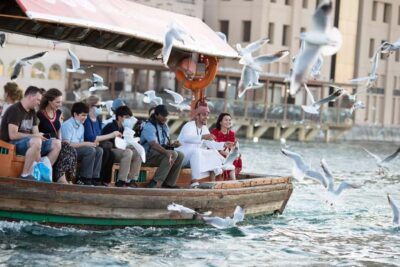
Old Town, Creek, Museums, Souks, & Street Food Tour
What we made of it →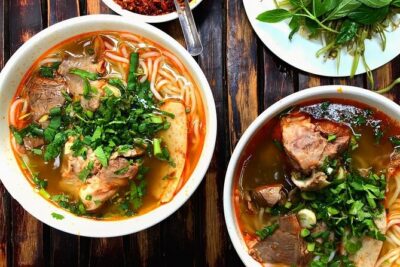
Ho Chi Minh City Street Food Tour & Sightseeing By Motorbike
What we made of it →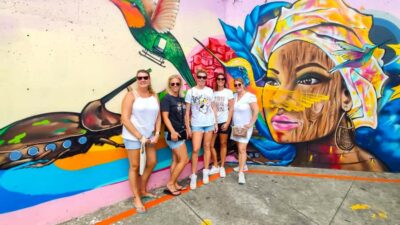
Comuna 13 Graffiti Tour, Cable Car & Street Food
What we made of it →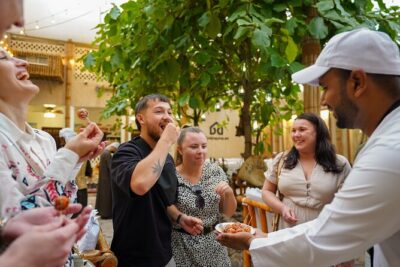
Old Town, Souks, Street Food, Guided Tour & Abra Ride
What we made of it →
Small Group Hanoi Street Food Tour with a Real Foodie
What we made of it →
Saigon By Night and Street Food By Motorbike | Opt: Ao Dai Riders
What we made of it →Where this tour turns up