
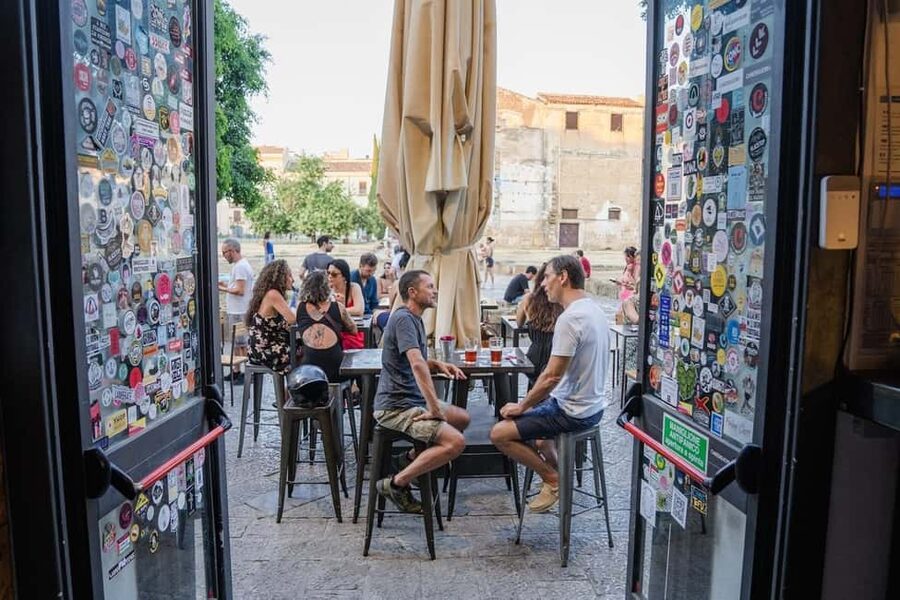
Review · PALERMO
Palermo: Mafia history and present, Street Food Walking Tour
Palermo serves its history with dinner. This three-hour walk pairs four Sicilian food stops with frank discussion of organized crime, civic courage, and daily life in Palermo. I like the small group limit of 10, which should make serious conversation easier, and I like the focus on businesses that refuse to pay pizzo, the protection money demanded by the Mafia. The main catch is that this is not a standard monument tour, so you should not book it expecting detailed art or architecture commentary.
The guide, Elena, brings legal experience from the Italian Supreme Court and a clear personal connection to Palermo. I also like that the tour ends with a look at current local scandals and social questions, not just a tidy story about the past. Still, the subject can be heavy, and the generous food stops mean you should arrive very hungry.
Key points at a glance
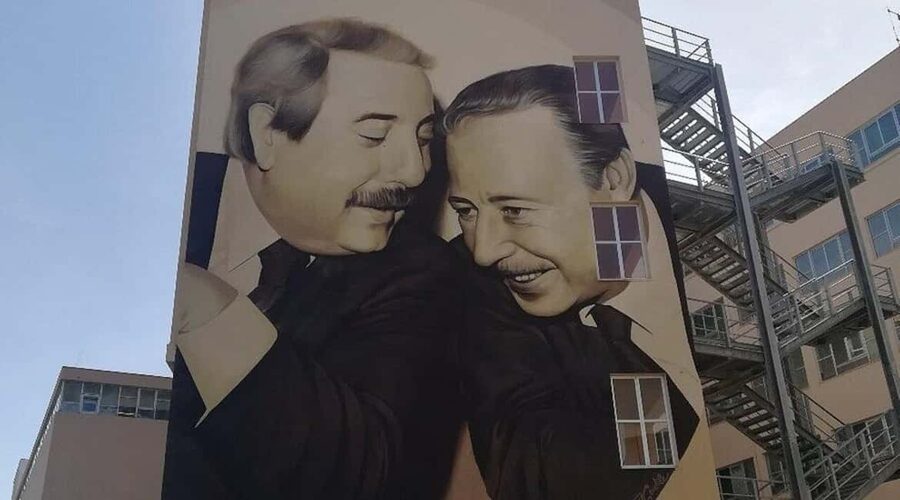
- Four substantial tasting stops: Try fried Sicilian specialties, sfincione, pani câ meusa, craft beer, and traditional desserts.
- Pizzo-free businesses: Each food stop supports an establishment that refuses Mafia protection payments.
- A law-trained guide: Elena uses her legal background and knowledge of Palermo to explain how organized crime affects ordinary choices.
- A present-day focus: The conversation moves beyond famous Mafia cases to civic behavior, consumption, and current local scandals.
- Historic-center walking route: You explore Palermo on foot in the evening, beginning and ending near the Epic Sicily base in Vucciria.
- A small, international group: With no more than 10 people and guides available in several languages, the format suits discussion rather than a lecture.
Why this Palermo tour is different
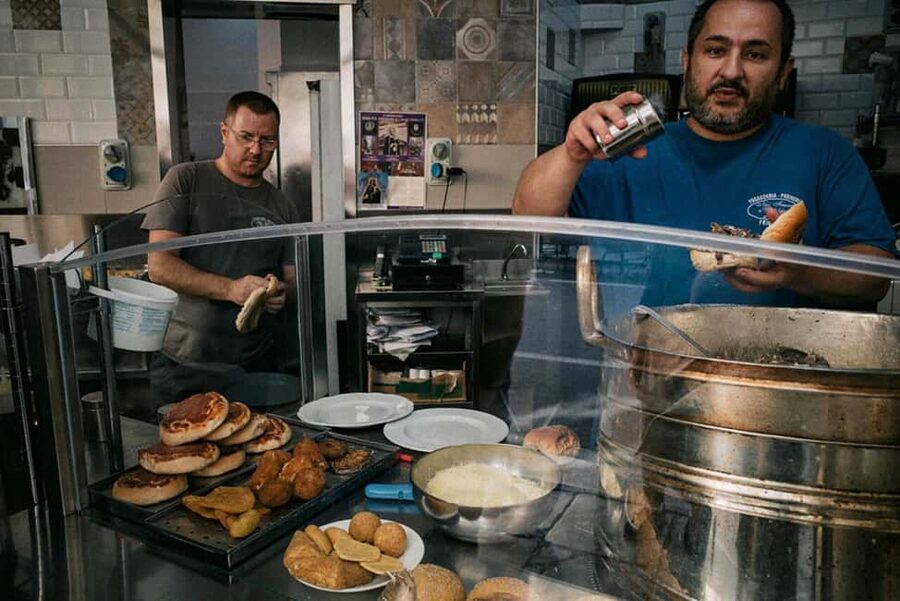
Many Mafia-themed tours lean on crime stories, movie references, and old photographs. This one takes a more useful route. It asks how organized crime still affects shops, neighborhoods, public life, and personal choices in Sicily.
That distinction matters. You are not simply walking past places connected with the Mafia while a guide recites dates. You are eating in venues that have chosen not to pay pizzo. Your meal becomes part of the subject. The food is enjoyable in its own right, but the setting gives each stop a civic meaning.
I find that approach more worthwhile than a tour that treats the Mafia as a colorful feature of Sicilian folklore. The experience presents it as a continuing social problem, while also giving space to the people and businesses that resist it.
The format is informal and conversational. With a maximum of 10 participants, you should have room to ask questions without trying to compete with a large crowd. The guide can adjust the conversation to the group, although the exact balance between food, walking, and discussion may vary.
More History Walks in Palermo:
- Palermo: Street Food and History Walking Tour
★ 4.9 · 1,486 reviews - Lecce History and Street Food Tasting Small Group Tour
★ 5.0 · 288 reviews - Lima: Historic Center Street Food, Market, and Eateries Tour
★ 4.9 · 216 reviews
Meeting Elena in Vucciria
The tour begins at the Epic Sicily base, described as an Epic home in Vucciria. It serves as an information point, locker facility, and rest stop for travelers.
Vucciria is a practical starting point for an evening walk through central Palermo. You do not need to arrange transport as part of the tour, but you do need to make your own way to the meeting point. Wear comfortable shoes. The route is on foot, and the experience is built around moving through the city rather than sitting in one place.
Elena is the guide most strongly associated with this experience. Her background in law, including work connected with the Italian Supreme Court, gives her a useful way to explain how criminal systems operate beyond the dramatic headlines. Her strength appears to be the combination of legal understanding, local feeling, and an easy conversational manner.
That personal energy matters here. Mafia history can quickly become dry or sensational. A guide who can connect the subject to everyday life makes the discussion easier to follow and more relevant.
Walking Palermo’s Mafia story
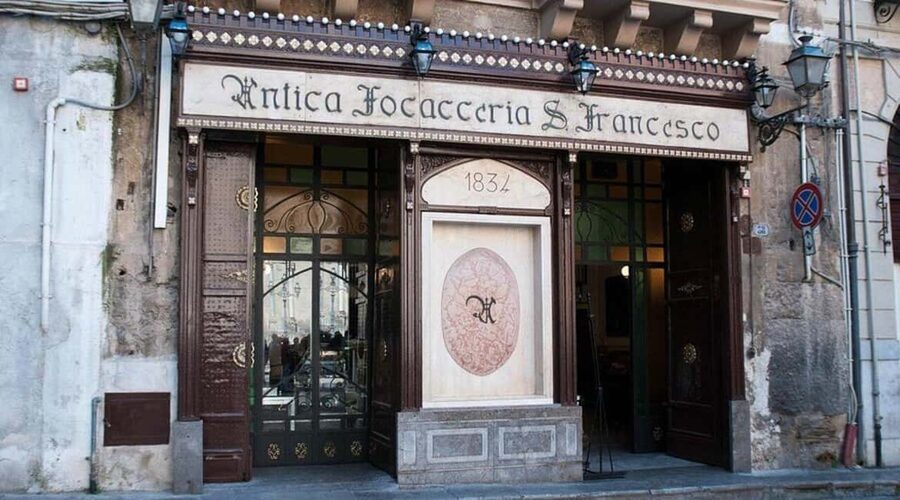
The historical section covers the Sicilian Mafia from its origins to its present form. You should expect a guided explanation of how the organization developed and how its influence reached into ordinary Sicilian life.
The tour does not treat the Mafia as an isolated criminal group. Instead, the discussion looks at the links between organized crime, business, public behavior, and political choices. You may hear about the pressures faced by shop owners, the meaning of refusing pizzo, and the courage required to speak openly.
The best part of this approach is its attention to people who said no. Their stories offer a counterweight to the usual focus on Mafia bosses. You learn not only how power was used, but also how citizens, business owners, and civic groups pushed back.
The tour is not designed as a complete course in Sicilian history. It does not promise detailed coverage of every monument, church, or palace along the way. If your main goal is Palermo’s art and architecture, pair this with a separate city-center walk.
For visitors who already know the basic Mafia story from films or popular books, the present-day angle should be the most useful part. The conversation asks what organized crime means now, and how ordinary purchases and public choices can support resistance.
Stop one: fried Sicilian street food
The food portion begins with traditional fried treats, including panelle, crocchè, and fried vegetables. These are classic Palermo street foods, and they offer an immediate introduction to the city’s everyday cooking.
Panelle are fritters made from chickpea flour. Crocchè are potato croquettes. Together with fried vegetables, they create the sort of casual food that works well during a walking tour: easy to share, strongly local, and filling without requiring a formal restaurant meal.
This stop also shows the practical value of the pizzo-free idea. You are not only hearing about civic resistance in the abstract. You are spending money at a business identified as refusing protection payments.
The portions appear generous across the full experience, so pace yourself here. It would be easy to treat the first stop as a small snack and then discover that you have several more substantial tastings ahead.
More Street Food Tours in Palermo:
- Palermo Original Street Food Walking Tour by Streaty
★ 5.0 · 2,105 reviews - Palermo Sicilian Street Food Tour: Small Group by Do Eat Better
★ 5.0 · 920 reviews - Palermo: Street Food Walking Tour with Local Guide & Tasting
★ 4.9 · 632 reviews - Palermo Walking Tour and Street Food
★ 5.0 · 617 reviews
Stop two: sfincione and pani câ meusa
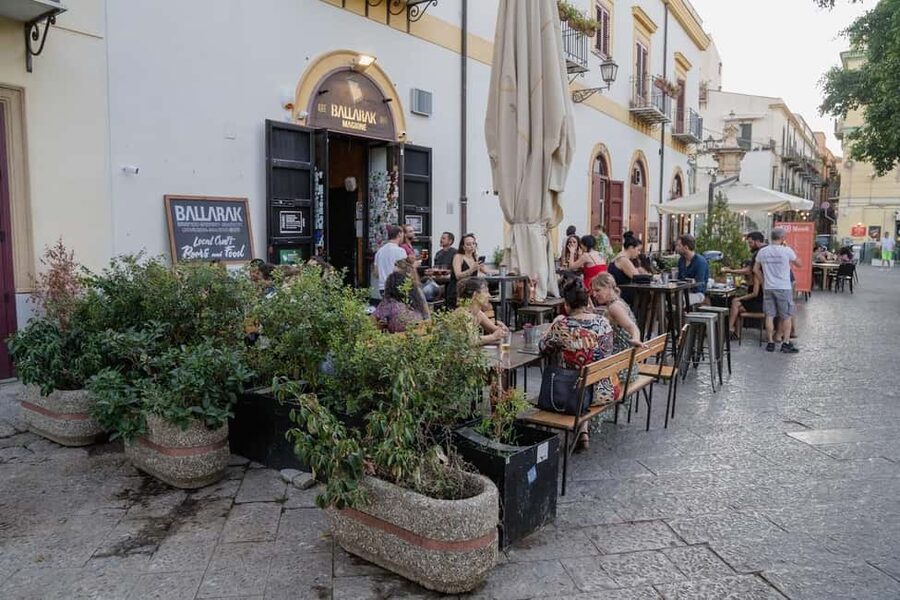
The second major tasting includes sfincione and pani câ meusa, two foods closely tied to Palermo.
Sfincione is a thick, soft Sicilian-style pizza with a breadlike base. Pani câ meusa is a traditional spleen sandwich, one of Palermo’s most distinctive street foods. The latter is not a cautious choice for picky eaters, but it is exactly the sort of local specialty that gives a food walk its purpose.
This is also where dietary needs deserve attention. Vegetarian and vegan options are available, as are choices for children, but the specific substitutions are not listed. If you have a serious restriction, clarify what you can eat before booking or at the start of the tour.
The food is not an extra side attraction. It is one of the main reasons the tour works. You get to discuss Palermo while eating foods that belong to the city’s street culture, rather than stopping at generic restaurants selected only for convenience.
Stop three: Sicilian craft beer
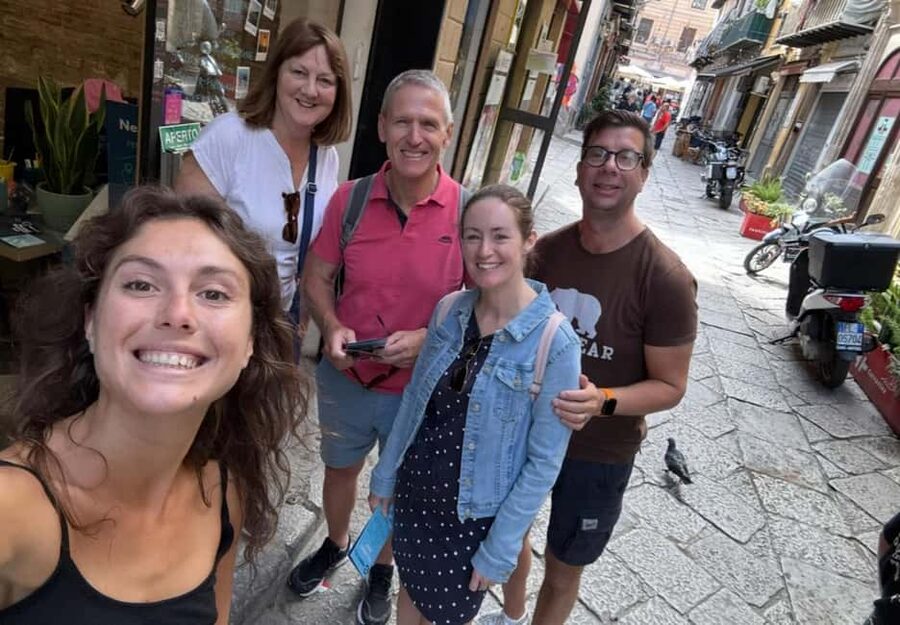
The third tasting is Sicilian craft beer. It provides a natural pause after the heavier fried foods and sandwiches.
Beer also helps keep the evening social. The format is not a formal classroom session, and a drink gives the group time to talk with the guide and one another. For people who prefer not to drink alcohol, the supplied information does not specify a nonalcoholic alternative, so ask ahead.
This stop adds value because the tour is not limited to quick bites. The four-part aperitivo is meant to feel like an evening meal spread across several places. You should plan accordingly and avoid eating before you arrive.
Stop four: Sicilian sweets
The final food stop features several typical Sicilian desserts. The precise desserts are not specified, but the emphasis is on tasting different local sweets rather than receiving one standard pastry.
This ending should suit anyone with a serious sweet tooth. It also gives the tour a lighter finish after the more difficult subject matter. The food comments connected with this experience repeatedly stress how much is served, especially the pastries and desserts, so arrive hungry but not unprepared for a full meal’s worth of tasting.
The four stops together are more substantial than the word aperitivo might suggest. In Italy, aperitivo can mean a light drink and snack, but this version includes several iconic foods, beer, and dessert. Budget your appetite as if you are replacing dinner.
What pizzo-free means here
Pizzo is the protection money extorted from businesses by organized crime. A pizzo-free establishment is one that refuses to pay it, often as part of a wider civic effort to resist Mafia control.
That label gives the food stops a clear purpose. You are not being asked to admire the Mafia as part of Palermo’s identity. You are being shown businesses and people who reject its demands.
This is one of the strongest reasons to choose the tour. Food tourism can sometimes feel disconnected from local problems. Here, your spending is linked to a social message. You eat, ask questions, and learn how consumption can support businesses that choose resistance.
The concept also prevents the tour from becoming a simple crime-history performance. The focus shifts toward civic action and daily decisions. That is more serious, and more helpful, than treating Mafia stories as entertainment.
The final conversation about Palermo today
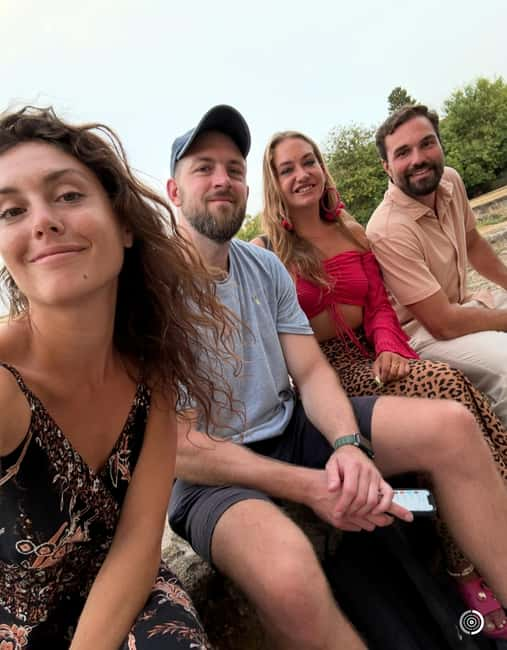
Near the end, the group reflects on how organized crime continues to affect society. The discussion includes daily and weekly scandals drawn from the local newspaper, so the conversation is intended to connect with current events rather than stop in the past.
This can be the most thought-provoking part of the evening. You may find yourself considering how people decide where to shop, which businesses to support, and how much responsibility belongs to citizens, visitors, and public institutions.
The tone is open rather than purely academic. You can ask questions about Palermo, Sicily, and wider Italian society. Elena’s legal background gives her a strong base for explaining difficult issues, but the experience is still a walking conversation, not a university lecture.
Keep your expectations realistic. The tour cannot cover every current scandal or fully explain all of Italy’s organized crime groups in three hours. Its value comes from giving you a clear framework for understanding Palermo and encouraging you to keep learning afterward.
The included PDF no mafia guide helps with that. It gives you something to read after the tour, when you have more time to sort through the names, events, and ideas introduced during the evening.
Price, group size, and overall value
At $79 per person, this is not the cheapest food walk in Palermo. The price makes more sense when you count what is included: three hours of guiding, four tasting stops, multiple foods and drinks, a small group, a legal perspective, and a subject that goes beyond standard sightseeing.
You are also paying for access to a carefully chosen theme. A basic street food tour may offer more dishes or a lower price, but it will not necessarily connect those meals to pizzo-free businesses and Palermo’s civic life.
The group limit of 10 is important. A large group would make an open conversation difficult, especially when discussing a sensitive subject. A small group also makes it easier to hear the guide while walking and to ask specific questions.
The experience offers free cancellation up to 24 hours before the start, and you can reserve now and pay later. The tour lasts three hours, with starting times depending on availability. Guides can lead the experience in English, Italian, Russian, German, Spanish, Greek, or French.
The tour is listed as wheelchair accessible, but the route is still a city walk. If you use a wheelchair or have limited mobility, confirm the exact route and food-stop access before booking.
Who should book this experience?
I would choose this tour if you want food with a purpose, not just a list of Palermo specialties. It suits curious first-time visitors who want a stronger sense of how the city works today.
It is also a good fit if you have already visited Palermo’s main monuments and want a different evening activity. The route through the historic center gives you a sense of place, while the discussion adds context that a standard sightseeing walk may skip.
Families can consider it because children’s options are available, but the Mafia subject is serious. Parents should decide if their children will be comfortable with discussions of crime, pressure, and civic resistance.
Food-focused visitors should arrive especially hungry. The combination of fried treats, sfincione, pani câ meusa, beer, and desserts can amount to a full dinner.
You might skip it if you want a quiet meal, a detailed monument tour, or a lighthearted introduction to Palermo. The conversation is central, and the subject is not softened into a tourist show.
Should you book the Mafia history and street food tour?
Book it if you want to understand Palermo through both its food and its social choices. The strongest parts are the pizzo-free businesses, Elena’s legal background, the small group, and the focus on people who resist organized crime.
Bring comfortable shoes, an open mind, and a very empty stomach. I would pair this experience with a separate art and architecture tour, then use the PDF guide to continue exploring the subject afterward.
At $79, it offers good value for a three-hour evening that combines a substantial food experience with serious local context. It is not a conventional city tour, and that is precisely why it may become one of your more memorable evenings in Palermo.
FAQ
How long does the tour last?
The experience lasts three hours.
How much does the tour cost?
The price is $79 per person.
Where does the tour meet?
The meeting point is the Epic Sicily base, an Epic home in Vucciria that serves as an information point, locker facility, and traveler rest stop.
How many people are in the group?
The group is limited to a maximum of 10 participants.
What food is included?
The tastings include traditional fried treats such as panelle, crocchè, and fried vegetables; sfincione; pani câ meusa; Sicilian craft beer; and different typical Sicilian desserts.
Are vegetarian and vegan options available?
Yes. Vegetarian, vegan, and children’s options are available.
Is this a traditional sightseeing tour?
No. The experience focuses on Mafia history, present-day social issues, civic resistance, and street food. It does not focus on detailed historical or artistic explanations of Palermo’s monuments.
What does pizzo-free mean?
Pizzo-free establishments are businesses that refuse to pay Mafia protection money.
What languages are available?
The tour is available in English, Italian, Russian, German, Spanish, Greek, and French.
Can I cancel the booking?
Yes. You can cancel up to 24 hours in advance for a full refund. You can also reserve now and pay later.
Just added around Palermo
- Palermo: street food walking tour★ 4.5 · 7 reviews
- Palermo: Street Food Tour in Ballarò and Vucciria Markets★ 5.0 · 17 reviews
- Palermo: City Walking Tour & Street Food Tasting with Drink★ 4.9 · 29 reviews
- Palermo: Street Food Tour & Sicilian Wine Tasting★ 5.0 · 2 reviews
- Palermo: Street Food Tour★ 4.5 · 2 reviews
- Palermo Sicilian Street Food Tour: Small Group with a Local★ 4.8 · 259 reviews
- Night Street Food Tour of Palermo with a Local -For real foodies!★ 5.0 · 486 reviews
- Palermo: Street Food and Local Market Tasting Tour★ 4.9 · 540 reviews
Street Food Tours, compared.
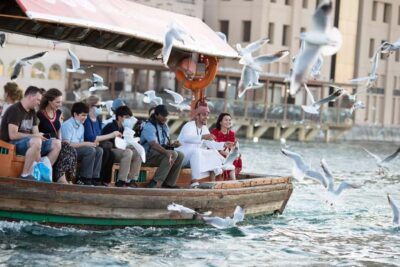
Old Town, Creek, Museums, Souks, & Street Food Tour
What we made of it →
Ho Chi Minh City Street Food Tour & Sightseeing By Motorbike
What we made of it →
Comuna 13 Graffiti Tour, Cable Car & Street Food
What we made of it →
Old Town, Souks, Street Food, Guided Tour & Abra Ride
What we made of it →
Small Group Hanoi Street Food Tour with a Real Foodie
What we made of it →
Saigon By Night and Street Food By Motorbike | Opt: Ao Dai Riders
What we made of it →Where this tour turns up