
Review · SERBIA
Belgrade: Street Food and Drinks Tour with 20+Tastings
Come hungry, leave better informed. This 3.5-hour Belgrade food tour links bakeries, food stands, markets, and tucked-away spots with the stories behind Serbian cooking. I like the wide range of tastings, from burek and cured meats to truffles, fish, honey, sweets, and rakia. I also like the small group size, capped at 10, which gives guides such as Yair and Davor room to explain dishes and answer questions.
The main consideration is simple: this is a lot of food. You may want to skip breakfast, and anyone with allergies or strong dislikes should tell the guide early. The tour can offer alternatives, but the exact food stops and dishes may vary.
Five things to know before you book
- Twenty or more tastings: Expect a serious sampling session, not a single snack stop with a short walk.
- Serbian food with Balkan connections: Dishes reflect Austrian, Turkish, Hungarian, Bulgarian, and neighboring Balkan influences.
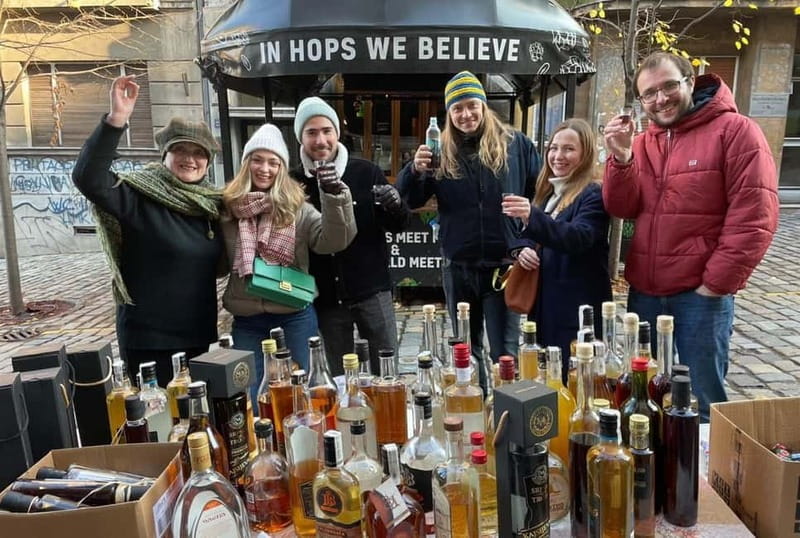
- Rakia is part of the lesson: You will taste Serbian fruit brandy as well as food.
- Small groups matter: With no more than 10 participants, it is easier to hear the guide and discuss food.
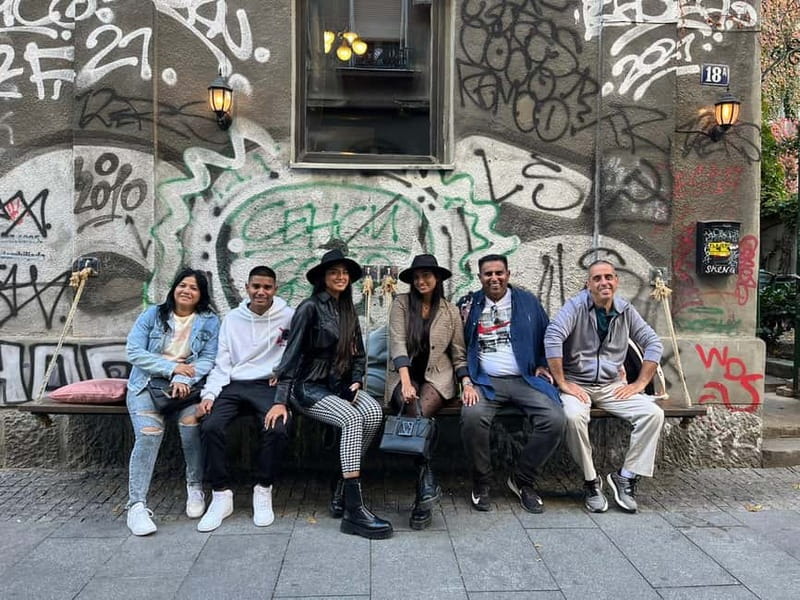
- The route reaches beyond the obvious: Food stands, bakeries, markets, traditional restaurants, and street-art areas all feature in the walk.
- You finish near Belgrade’s pedestrian zone: The ending point makes it easy to continue exploring Old Town or use the restaurant suggestions provided.
Meeting at Hotel Moskva and getting your bearings
The tour begins at the entrance of Hotel Moskva, one of Belgrade’s easiest meeting points. It is central, recognizable, and close to the city’s pedestrian area, so you do not need to solve a complicated transport puzzle before breakfast.
From there, the walk heads into central Belgrade and builds its food story through several kinds of stops. You may visit bakeries, food stands, local markets, and traditional restaurants. That variety matters. Serbian cooking is not just one famous dish served in a restaurant. It is also bakery food eaten on the go, preserved meats, dairy products, fruit spirits, market produce, and sweets shared over conversation.
The small group format is especially helpful here. A group of 10 or fewer is large enough to feel social but small enough for the guide to explain unfamiliar ingredients without shouting across a crowded room. It also gives you a better chance to ask why a dish is prepared in a certain way or where it comes from.
More Street Food and Drinks Crawls in the world:
- Hungry Osaka Street Food Tour:15 Tastings & 3 Drinks with a Local
★ 5.0 · 1,727 reviews - Florence: Street Food Tour with Wine & Local Guide
★ 4.9 · 1,443 reviews - Budapest Centre Food Tour with 10+ Tastings, Wine & Street Food
★ 5.0 · 810 reviews
Burek, pastries, and the Serbian bakery stop
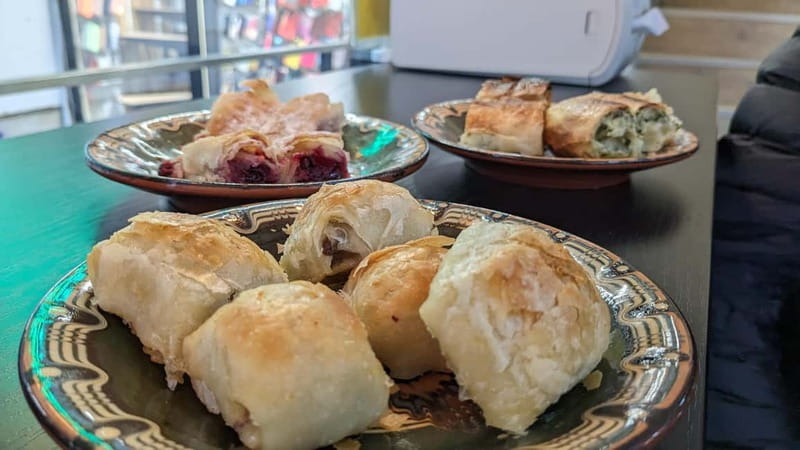
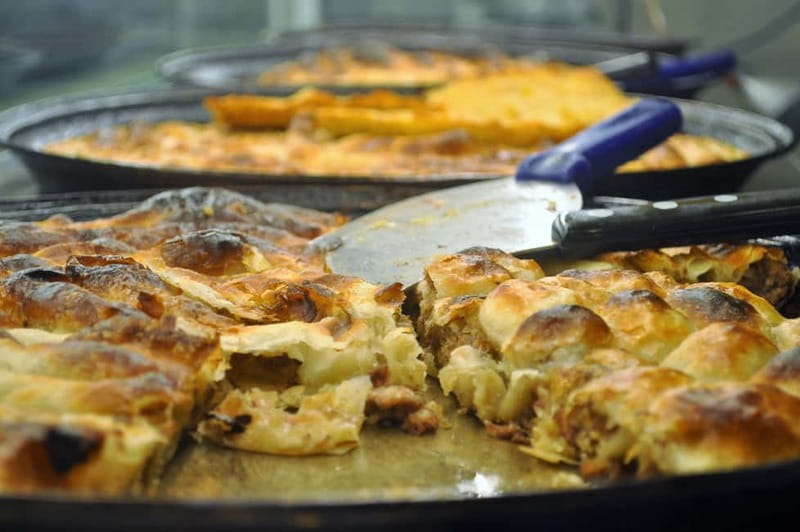
Pastries are one of the strongest openings for understanding food in Belgrade. Burek, a layered pastry often filled with meat, cheese, or other ingredients, is a practical local staple and an excellent walking-tour food. One particularly memorable version mentioned by the guide team is cherry burek, which shows how the same pastry tradition can move from savory to sweet.
You may also taste other traditional pastries during this part of the route. The point is not only to sample dough and filling. The bakery stop shows how the food of Serbia carries influences from across the region, especially from the former Ottoman and Austro-Hungarian worlds.
I would take the guide’s advice and arrive hungry. The portions may be tasting-sized, but 20 or more samples add up quickly. The tour is best approached as a long grazing session, not as a few polite bites before lunch.
A small drawback is that pastry-heavy food can feel filling early in the walk. If you are sensitive to rich or oily foods, pace yourself. You do not need to finish every item to get value from the explanation and the variety.
Cured meats, čvarci, village cheese, and kajmak
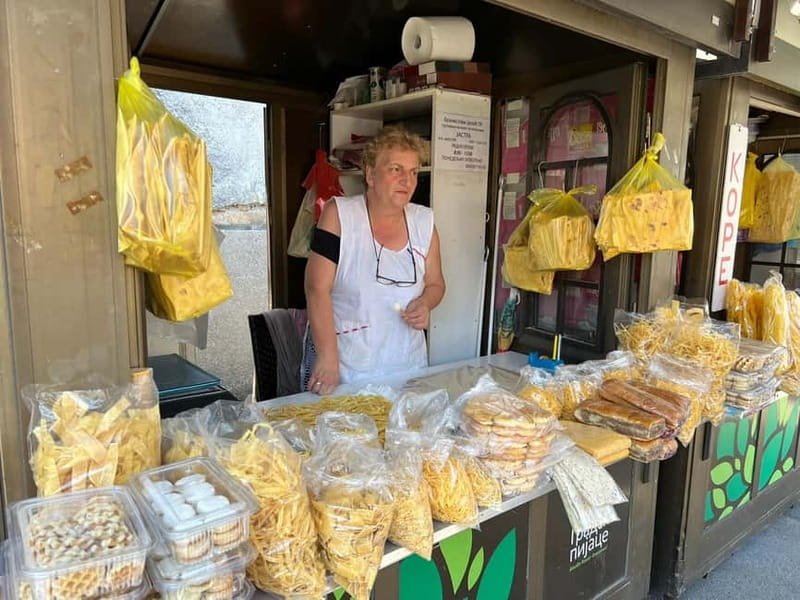
The meat and dairy tastings offer a clearer sense of the food served in Serbian homes and village markets. Expect cured meats, sausages, village cheeses, and kajmak, a thick dairy spread often paired with meat or bread. Čvarci, crisp pork rind, gives you a very different texture from the soft pastries and creamy cheese.
A food walk is useful here because the guide can explain how to taste these items together rather than treating each sample as an isolated snack. Bread, cheese, meat, and spreads form a familiar pattern throughout the Balkans, but the details differ from country to country and even from one Serbian region to another.
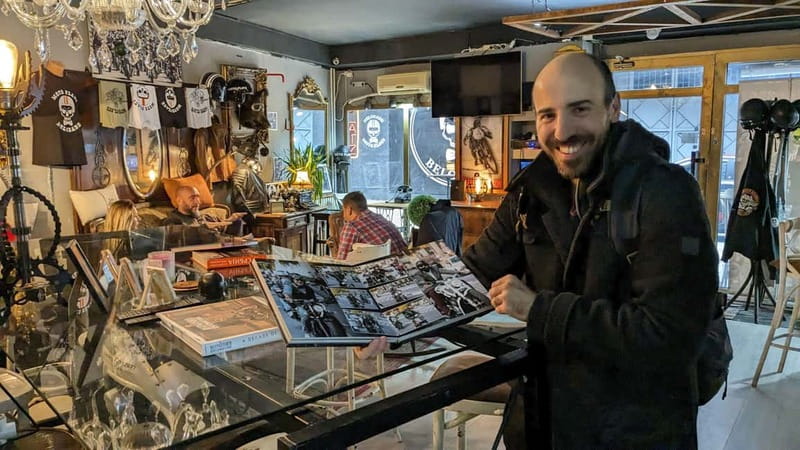
Yair is praised for explaining both the ingredients and the stories attached to them. Davor brings a stronger history angle, connecting dishes with the regions and countries that shaped Balkan food. If you enjoy learning why a dish exists, rather than simply hearing its name, these explanations add real value.
The food is also social. A shared platter of meats and cheese is not a dramatic presentation, but it reflects how people eat together. You get a better sense of Serbian hospitality from these simple combinations than from a long speech about local cuisine.
Rakia, honey, fruit, and the sweet side of Serbia
Rakia is one of the tour’s key tastings. This fruit brandy is a major part of Serbian drinking culture, and the tour gives you a chance to try it in context rather than ordering a random shot at a bar.
Rakia can be made from different fruits, and the style may vary. The supplied details do not specify every variety served, so it is best to think of this as an introduction rather than a full tasting seminar. Sip slowly. The alcohol is easy to underestimate when it arrives alongside food.
Honey products and fresh fruit broaden the route beyond heavy dishes. They also help reset your palate after cured meats, pastry, and cheese. Sweets appear later in the tasting mix, giving the tour a more complete shape than a route focused only on savory food.
If you do not drink alcohol, food remains a large part of the experience, but the supplied details do not state what nonalcoholic substitute is offered for rakia. Ask the guide before booking if that point matters to you.
More Street Food Tours in the world:
- Dubai: Old Town, Creek, Museums, Souks, & Street Food Tour
★ 4.8 · 10,816 reviews - Ho Chi Minh City Street Food Tour & Sightseeing By Motorbike
★ 5.0 · 9,413 reviews - Medellin: Comuna 13 Graffiti Tour, Cable Car & Street Food
★ 4.8 · 9,046 reviews - Dubai: Old Town, Souks, Street Food, Guided Tour & Abra Ride
★ 4.9 · 7,170 reviews
Fish, goulash, truffles, and unexpected combinations
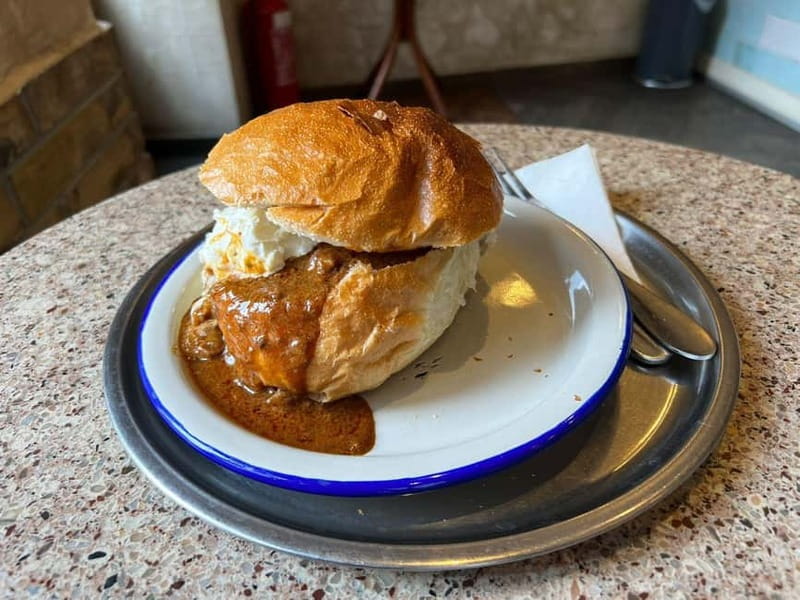
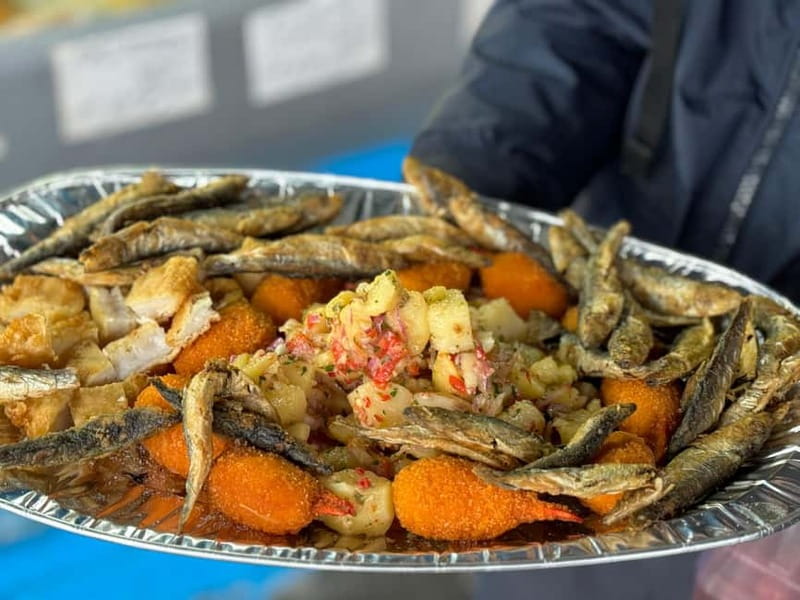
The food list moves well beyond the standard Serbian dishes many visitors already know. You may taste fish, goulash with a local twist, and a truffle spread. One described tasting included goulash with kidneys and plenty of kajmak, which gives you an idea of how adventurous the route can become.
This is where an open mind helps. A food tour is not designed around the safest possible menu. Offal, pork rind, strong dairy, cured meats, and fruit brandy may not suit every palate. At the same time, alternatives are available for allergies or dislikes, and the guide has been praised for being attentive in that area.
The truffle spread is another useful reminder that Serbian food is not frozen in the past. Traditional ingredients and newer restaurant influences can sit on the same table. The route presents Serbian cuisine as a meeting point between local customs and outside ideas, not as a single unchanging menu.
The goulash tasting also highlights the regional connections of the food. Goulash is strongly associated with Hungary, but versions appear across the Balkans and Central Europe. Tasting a local variation helps you see how dishes travel, change, and take on new meaning.
Street art and the parts of Belgrade you could miss
Food provides the reason to keep walking, but the route also shows you less obvious corners of central Belgrade. The description points to off-the-beaten-path locations decorated with street art, along with traditional restaurants, shops, and markets.
Do not expect a full sightseeing tour of every major landmark. The focus is food, and the city is used as the setting for that story. Still, this format can help you get your bearings during your first days in Belgrade. You see how the central streets connect, where people shop for food, and which parts of the Old Town feel more local than polished.
The route ends in Belgrade Old Town, close to the pedestrian zone. That is a practical finish. You can continue on foot, find a café, visit another central sight, or use the restaurant list supplied at the end of the tour.
That restaurant list is more useful than it may sound. A food tour can introduce you to dishes but leave you wondering where to eat afterward. A handpicked set of local restaurant suggestions gives you a starting point for the rest of your stay.
What the guides add to the experience
The guide is a major part of this tour’s appeal. Yair is described as warm, accommodating, and good at adding personal stories to his explanations. Davor brings a strong interest in history and uses food to explain links between Serbia and other Balkan countries.
Those are different guide strengths, but both suit the route. Food needs context, especially when several dishes have related versions across national borders. A good explanation can turn a plate of cheese, meat, and bread into a lesson about migration, trade, family cooking, and regional identity.
The tour is conducted in English. Since the group is limited to 10, you should have a reasonable chance to interact with the guide directly. If the group reaches its maximum size, the experience will still be social, but you may have less time for one-to-one questions.
The guide’s flexibility is also important for dietary needs. One participant with allergies received thoughtful attention, and alternatives were available for foods people disliked. You should still explain your restrictions clearly before tasting anything. The tour includes many ingredients, and the full menu is not fixed in the information provided.
Is $69 a fair price for 3.5 hours?
At $69 per person, this is not the cheapest way to grab a burek and a drink in Belgrade. It can be good value if you want a broad food education, enough tastings to replace a meal, and a guide who connects each stop to local culture.
The price includes the guide, food, and drinks. That matters because 20 or more samples can cost much more if you try to recreate the route through separate cafés, bakeries, markets, and restaurants. You are also paying for planning, translation, local knowledge, and the ability to ask questions as you go.
The value is strongest for a first visit. You can learn which foods appeal to you, note down restaurants for later, and see central areas while someone else handles the route. If you already know Serbian cuisine well, the tour may feel less essential, though the regional stories and unusual tastings could still make it worthwhile.
A 4.9 rating from 208 reviews also suggests a consistently strong experience, with particular praise for the guides, food quantity, variety, and willingness to accommodate allergies. Ratings are not a guarantee, but the repeated pattern is useful when judging the price.
Who should book this Belgrade food tour?
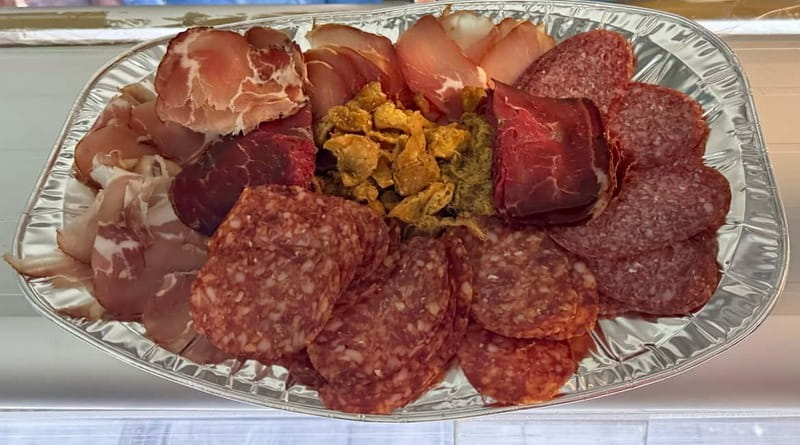
I would recommend it most strongly to first-time visitors who want an easy introduction to Serbian food. It also suits curious eaters who prefer small samples of many dishes instead of committing to one large meal.
Families can consider it too. One group brought parents and found the experience enjoyable, but the amount of walking and the strong flavors may not suit everyone. Older participants should be comfortable spending 3.5 hours moving between stops, though the exact pace is not specified.
This tour is a good match for you if:
- You enjoy trying foods you cannot easily identify at first glance.
- You want cultural and regional context with your meal.
- You like small groups and direct contact with a guide.
- You are visiting Belgrade early in your trip and want restaurant ideas.
- You can arrive hungry and keep an open mind.
It may be less suitable if you want a short, light snack walk, dislike meat or dairy, avoid alcohol, or prefer a fixed menu with exact portions listed in advance. The route contains many food styles, including ingredients that some people may find heavy or unfamiliar.
Practical details before you go
The meeting point is at the entrance of Hotel Moskva. The tour lasts 3.5 hours and runs at scheduled starting times, so check availability for the date you want.
Wear comfortable shoes. The tour moves through central streets, markets, food stands, bakeries, and Old Town areas, so walking is part of the experience. The route is in English, and the group has a maximum of 10 people.
You can cancel up to 24 hours before the tour for a full refund. There is also a reserve-now, pay-later option, which helps if your Belgrade plans are still shifting.
Most important, do not eat a large meal beforehand. With pastries, meats, cheese, čvarci, fish, goulash, fruit, honey, sweets, and rakia in the mix, this is closer to a moving Serbian feast than a quick city stroll.
Should you book it?
Book this tour if you want food, local stories, and a practical introduction to Belgrade in one outing. The strongest reasons are the range of more than 20 tastings, the small group, and guides such as Yair and Davor who bring warmth and regional context to the stops.
I would schedule it near the start of your visit. You will learn what to order later, receive restaurant suggestions, and see parts of central Belgrade that you might otherwise pass without noticing.
Skip it if you need a tightly controlled menu, do not eat meat or dairy, or want a quiet sightseeing walk with only occasional samples. For most curious eaters, though, $69 is a fair price for 3.5 hours of food, drinks, and useful local direction.
FAQ
Where does the Belgrade food tour meet?
The meeting point is at the entrance of Hotel Moskva in Belgrade.
How long does the tour last?
The tour lasts 3.5 hours.
How many tastings are included?
The experience includes more than 20 food and drink tastings.
What language is the tour conducted in?
The live tour guide speaks English.
How large is the group?
The tour is limited to 10 participants.
Is food and drink included in the price?
Yes. The guide, food, and drinks are included in the $69 per-person price.
Just added around the world
- Zanzibar:Stone town Street food market walking tour,transfer★ 4.5 · 9 reviews
- Vienna Food Tour: Dishes, Wine, Street Food & Culture★ 4.7 · 12 reviews
- Verona: Street Food Tour and City Guided Sightseeing★ 4.9 · 11 reviews
- Xi’an: Gourmet & Street Food Tour★ 4.8 · 22 reviews
- Verona: City Highlights & Street Food Walking Tour★ 5.0 · 3 reviews
- Verona: Street Food and History Tour with Local Guide★ 4.7 · 6 reviews
- Xi’an Muslim Quarter Night Market Foodie Walking Tour★ 4.2 · 22 reviews
- Verona: street food walking tour near the historical center★ 5.0 · 2 reviews
Street Food and Drinks Crawls, compared.
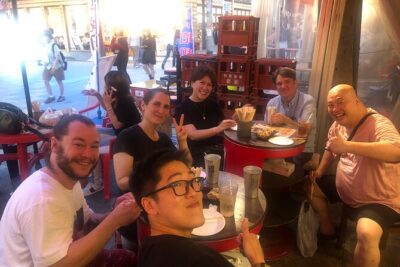
Hungry Osaka Street Food Tour:15 Tastings & 3 Drinks with a Local
What we made of it →
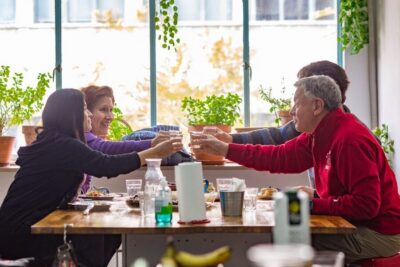
Food Market Visit and Cooking Class with Wine
What we made of it →
Cancun Taco Tour, Local Beer and Night Market with Transportation
What we made of it →Budapest Centre Food Tour with 10+ Tastings, Wine & Street Food
What we made of it →
Authentic Vienna Food Tour inc. lunch, street food, 3 drinks
What we made of it →
Hungry Osaka Street Food Tour: 15 Dishes & 3 Drinks
What we made of it →Where this tour turns up