Review · BUCHAREST-ILFOV
Bucharest Panoramic City Tour & Street Food
Bucharest changes block by block. This private tour makes that contrast easy to read, moving from Little Paris boulevards and royal-era buildings to communist avenues, local markets, and the former dictator’s neighborhood. I like the comfortable hotel pickup and the chance to cover a large city without spending the day in traffic or on foot.
I also like the mix of sightseeing and food, especially the coffee and local pastries early on, followed by mici at Obor Market. Guides such as Vlad, Petre, and Andrei have been praised for being warm, flexible, and clear. The main consideration is price: at $150 per person, this is best value for a small private group, not for a solo visitor seeking the cheapest introduction.
Key points to know before booking

- Private transport keeps the route efficient: One to three people ride in a sedan, while groups of four to eight use a spacious, air-conditioned van.
- Obor Market adds real local flavor: You can taste mici and browse fruit, salami, and cheese at Bucharest’s major indoor and outdoor market.
- The tour explains communist Bucharest: Unirii Boulevard, the Army House, Primăverii, and Ceaușescu’s private home show how power reshaped the city.
- Calea Victoriei brings back the Little Paris era: Museum houses, palaces, and the Romanian Athenaeum provide the city’s more elegant side.
- You see many headline sights in four hours: The Palace of Parliament, Triumph Arch, Village Museum, and central Bucharest all fit into one morning.
- Flexibility is a real advantage: As a private outing, the route can be adapted for special requests, within the available time.
Why this four-hour route works in Bucharest
Bucharest is a spread-out city with layers that do not always sit neatly together. A Belle Époque palace may appear beside a plain communist apartment block, while a grand boulevard built for political display leads toward a humble market full of everyday shopping.
That is why a private car tour makes sense for a first visit. You get the broad picture without losing hours crossing town. The guide can explain the changes as you move, then stop at places where you can get out, take pictures, and look more closely.
The tour normally begins around 10 a.m. with pickup at your hotel or apartment. Transportation, water, Wi-Fi, and hotel drop-off are included. You should still wear comfortable shoes and clothes, since the day includes walking and market stops rather than a purely drive-by sightseeing circuit.
The format is private, so you are not tied to the pace of a large group. For one to three people, transport is by sedan. Four to eight people travel in a comfortable, air-conditioned van. A clean, well-managed van was specifically praised after one recent departure, which matters on a morning with several stops.
More Street Food Tours in the world:
- Dubai: Old Town, Creek, Museums, Souks, & Street Food Tour
★ 4.8 · 10,816 reviews - Ho Chi Minh City Street Food Tour & Sightseeing By Motorbike
★ 5.0 · 9,413 reviews - Medellin: Comuna 13 Graffiti Tour, Cable Car & Street Food
★ 4.8 · 9,046 reviews
Coffee, pastries, and the first taste of Bucharest
The tour begins with a simple food welcome: freshly roasted gourmet coffee and local pastries. It is a small detail, but a useful one. You get an early taste of Romanian food while the guide begins placing Bucharest in context through stories, legends, and daily life.
This is not presented as a long formal breakfast, so do not treat it as your only meal for the day. The stronger food stop comes later at Obor Market. Still, the coffee gives the morning a pleasant start and avoids launching straight into a list of monuments.
The guide is an important part of this opening. Petre has been described as personable and responsive to feedback, while Vlad was praised for kindness, organization, and flexibility. Andrei has also led departures, including a 10 a.m. hotel pickup. Since guides can vary, the exact style will depend on who leads your group, but the private format gives you a better chance to ask questions than a large scheduled tour.
Calea Victoriei and Bucharest’s Little Paris side
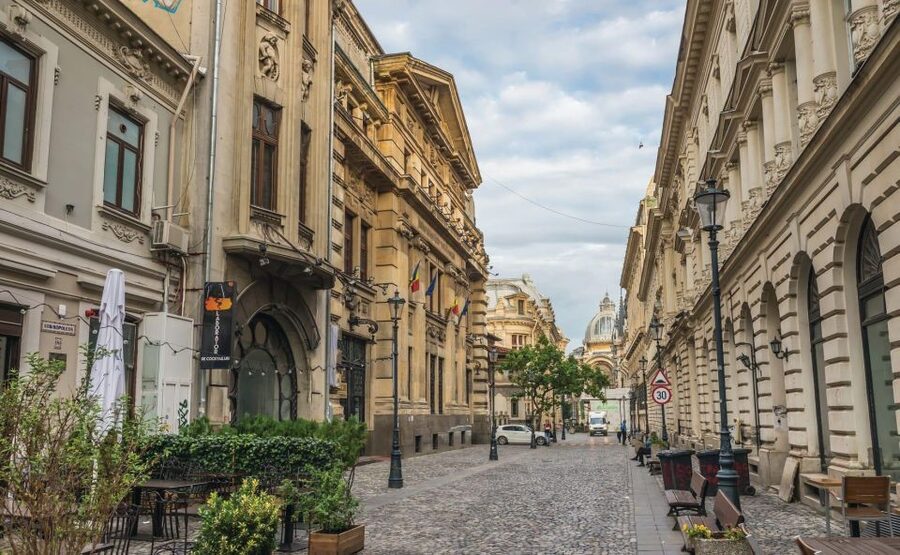
Calea Victoriei is one of the city’s most attractive streets and one of the best places to understand Bucharest before communism changed its center. Along the route, you see museum houses, palaces, and ornate buildings linked to the period when Bucharest was often called Little Paris.
The nickname refers to the city’s interwar elegance and French influence. On this tour, that idea is not left as a slogan. Your guide uses the buildings along Calea Victoriei to show you the city’s former taste for grand facades, cultural institutions, and urban display.
I like this section because it gives the day a visual anchor. Later, when you see the broad communist avenues and large apartment districts, you can compare them with the more decorative streets of central Bucharest.
The drawback is that a panoramic tour cannot offer long interior visits at every landmark. The route is designed for views, explanations, and photographs. Entrance fees are not included, so you should expect to admire several places from outside unless you arrange and pay for an entry separately.
Parliament Palace and the scale of communist power
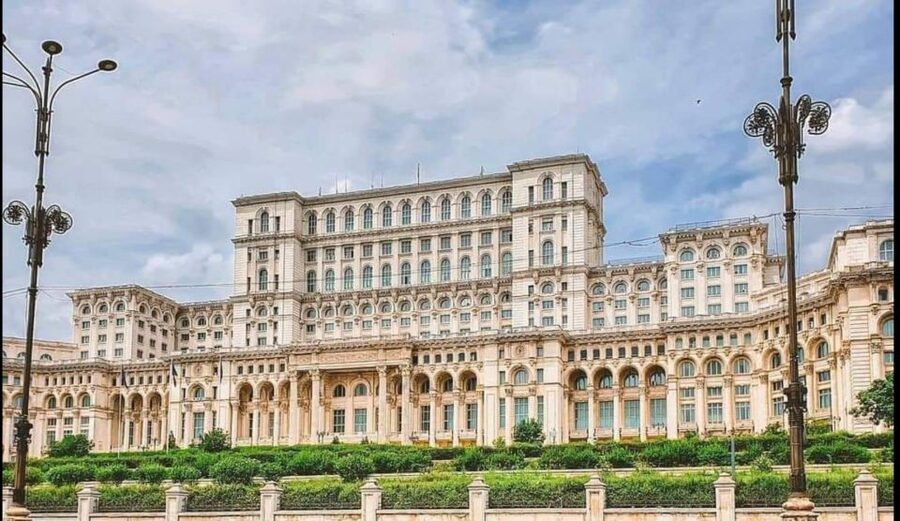
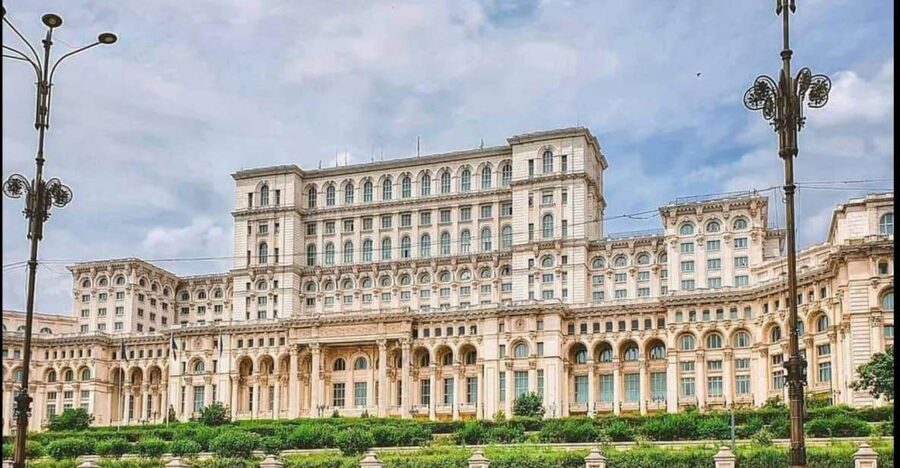
The Palace of Parliament is the tour’s largest visual statement. It is described as the second-largest administrative building in the world, and its sheer scale helps explain the ambition of Nicolae Ceaușescu’s communist government.
You will have a chance to see and photograph the building, while the guide explains its place in Bucharest’s modern story. This is one of the stops where the car is useful. The building and surrounding boulevards were created on a scale that can be tiring to cover on foot, particularly during a short morning.
The tour also includes the Army House and the CEC Palace. These buildings help prevent the communist period from becoming the only story. The CEC Palace, with its distinctive historic character, brings you back to the older city and reinforces the sharp contrast between Bucharest’s architectural periods.
Do not assume that admission to the Palace of Parliament is part of the tour. Entrances are not included. The experience described here focuses on the city route and outside views, with transportation and guiding included in the price.
Same place, a different plate:
- Dubai: Old Town, Souks, Street Food, Guided Tour & Abra Ride
★ 4.9 · 7,170 reviews - Naples: Street Food Walking Tour with Local Guide
★ 4.9 · 4,976 reviews - Small Group Hanoi Street Food Tour with a Real Foodie
★ 5.0 · 4,682 reviews - Rome: Street Food Tour with Local Guide
★ 4.8 · 4,077 reviews
Unirii Boulevard and the city built for spectacle
Unirii Boulevard is presented as Bucharest’s communist Champs-Élysées. That comparison tells you what to look for: width, symmetry, and a ceremonial scale meant to project state power.
The boulevard links naturally with the Palace of Parliament and the Army House. Together, these stops show how the old center was reshaped for parades, authority, and controlled public display. Your guide can help you read the space as more than a wide road.
Alba Iulia Square adds another piece to the route. You will see how public squares and major arteries fit into the city’s later development. This is a good part of the tour for visitors who want more than pretty buildings. The guide connects architecture with life under communism and with the way Bucharest still uses these spaces today.
The limitation is that this section can feel more observational than interactive. You are mainly looking, listening, and photographing. If you want a long walking tour focused on political history, you may find the time here brief. If you want a fast but clear introduction, the pacing works well.
Obor Market: the most down-to-earth stop
Obor is the tour’s best chance to see Bucharest in an ordinary, practical mood. It is described as the city’s largest outdoor and indoor market, and the stop shifts the focus from palaces and government buildings to food, shopping, and local routines.
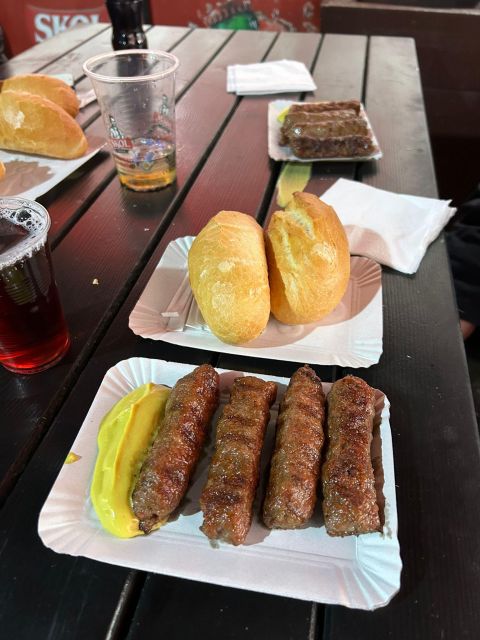
Here you taste mici, a famous Romanian meat dish, and have time to see the market’s produce and food counters. You might also find fruit, salami, and cheese to buy, making this more than a quick snack stop. One recent group especially enjoyed the chance to shop for fresh, inexpensive produce and local food.
The market is valuable because it gives you something monuments cannot: a sense of how people eat and shop. The street food is also a good counterpoint to the polished coffee and pastries earlier in the morning.
Food and drinks are not included, so bring money for your mici, coffee, or anything you want to purchase. The exact amount you spend depends on what you choose. This is worth knowing because the $150 price covers the private tour, transport, guide, water, Wi-Fi, and hotel service, but not the tasting itself.
Obor may be the most rewarding stop for visitors who want an everyday side of Bucharest. It may be less appealing if you prefer a tidy, quiet sightseeing environment. Markets can be lively and informal, and the appeal is precisely that they feel used rather than staged.
Primăverii and Ceaușescu’s private home
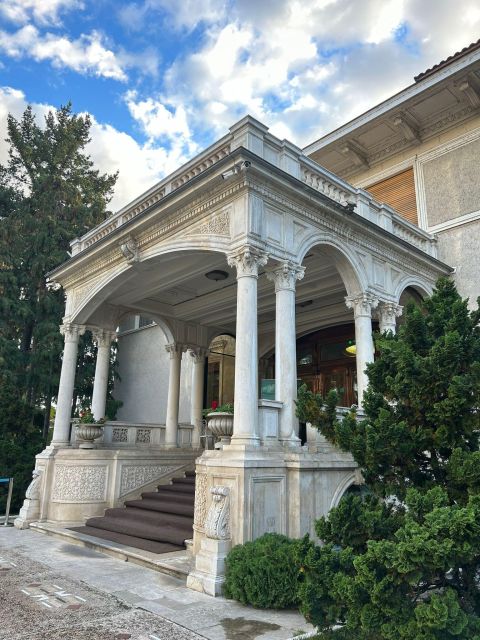
After Obor, the tour moves toward Primăverii, the neighborhood associated with Romania’s former ruling elite. This is where you see the private side of Nicolae Ceaușescu’s public power, including the house where the dictator lived.
The stop gives useful balance to the Palace of Parliament. The palace shows official ambition on a massive scale. Primăverii shows how the leader and his family lived away from the public avenues.
The itinerary includes the famous private house, but entrance fees are not included. You should confirm at booking if you specifically want an interior visit, since the standard experience may focus on seeing the area and discussing its history from outside.
This neighborhood also helps explain the social divisions of communist Bucharest. Not every part of the city was treated in the same way, and a guide can point out how privilege operated around the ruling circle. That human scale makes the political story easier to grasp.
Triumph Arch and the Village Museum
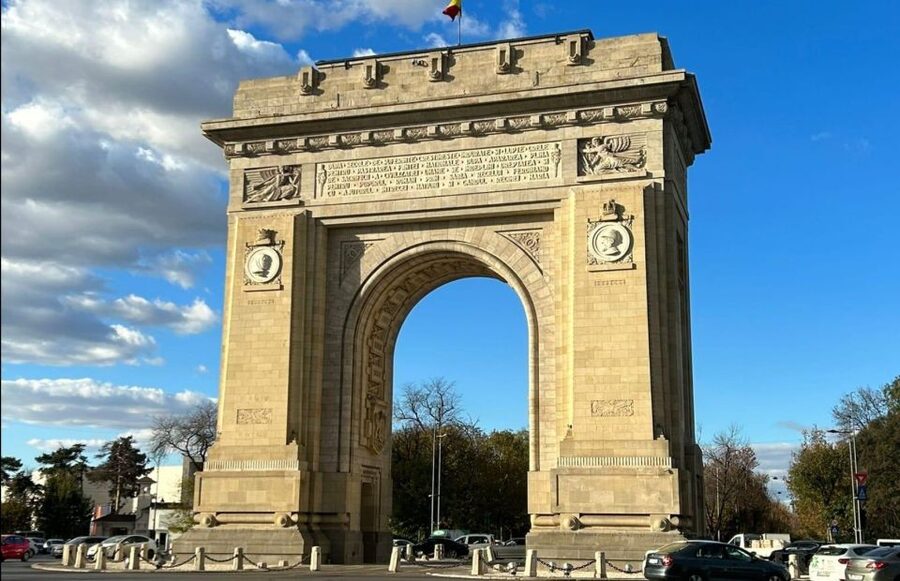
The Triumph Arch gives the tour another recognizable Bucharest photo stop. Its presence adds a national and ceremonial note after the communist avenues and political neighborhoods.
The nearby Village Museum offers a different view of Romania. Instead of urban power, it points toward traditional rural life and regional building styles. Even without a long museum visit, the contrast is useful: Bucharest is not only a capital of boulevards and government offices, but also a place connected to the country’s villages and older ways of living.
Time is the main issue here. The tour lasts about four hours, sometimes described as four to five hours, and the route contains many major stops. You may see the Village Museum as part of the panoramic circuit rather than having enough time for a slow, complete museum visit.
If you want to enter every attraction, this schedule will feel tight. If you want to identify the places you may return to later, it works very well. The private vehicle lets you make the most of a short stay, especially if Bucharest is one stop in a wider Romania trip.
The Romanian Athenaeum makes a graceful finish
The final stop is the Romanian Athenaeum, home of the Romanian Philharmonic Orchestra. It brings the tour back to culture and architecture after the heavier political subjects of Parliament, Unirii, and Primăverii.
The Athenaeum is one of the city’s key landmarks and a fitting place to end a morning focused on Bucharest’s contrasts. You have seen old palaces, communist planning, local food, elite housing, and traditional culture. The Athenaeum adds music and civic identity to that mix.
Again, entrance fees are not part of the tour. The stop is best understood as a final landmark visit and photo opportunity unless you make separate arrangements for an interior visit.
From here, you are dropped off at your hotel or another agreed location. That return service is especially handy if you are staying outside the immediate center or do not want to work out public transport after a busy morning.
What $150 per person really buys you
At $150 per person, this is not a budget city bus tour. The value comes from privacy, door-to-door transport, a live English-speaking guide, and a route that covers much more ground than a short central walking tour.
For a group of four to eight, the van spreads the cost across several people and makes the price easier to justify. A family or group of friends can see the main sights together, stop for local food, and avoid arranging separate taxis across Bucharest.
For one person, or even two people, the price is harder to defend if your main aim is simply to see Calea Victoriei and the old center. You are paying for convenience, flexibility, and private attention. That becomes more valuable if you have only one day in Bucharest, are staying outside the center, or want someone to explain the communist period as you move around town.
Food, drinks, and admission fees are extra. Plan for those costs rather than treating the listed price as an all-inclusive day out. The tour does include water and Wi-Fi, which are useful touches during a four-hour route.
Free cancellation up to 24 hours before the start and the option to reserve now and pay later add practical flexibility. The tour is not suitable for wheelchair users, so mobility needs should be considered before booking.
Who should book this Bucharest tour?
I would choose this tour if you want a fast, private introduction to Bucharest with both major sights and ordinary local life. It suits first-time visitors, families, small groups, and anyone who prefers sitting in an air-conditioned vehicle between stops.
It is also a strong choice if you are curious about the communist period. The Palace of Parliament, Unirii Boulevard, Primăverii, and Ceaușescu’s house create a clear thread through the morning.
I would look elsewhere if you want a low-cost walking tour, long museum visits, or a food tour built around many tastings. This experience includes food, but its main purpose is city sightseeing. Obor is one substantial market stop, not a full day of eating.
Should you book it?
Book it if you value private transport, a flexible English-speaking guide, and a broad route that covers Bucharest’s old elegance, communist scale, local market life, and cultural landmarks in about four hours.
The strongest reasons are the efficient itinerary, the Obor Market stop, and the chance to ask direct questions about difficult parts of Romania’s recent past. The main caution is the $150 per-person cost, plus extra payment for food and entrances. For a small group with limited time, that price can be fair. For a solo budget visitor, it may be more than you need.
FAQ
How long does the Bucharest panoramic tour last?
The experience lasts about four hours, with the full route sometimes described as four to five hours.
What time does the tour usually begin?
The tour starts around 10 a.m. Exact starting times should be checked when booking.
Is hotel pickup included?
Yes. Hotel or apartment pickup and drop-off are included.
What type of vehicle is used?
One to three people travel by sedan car. Groups of four to eight use a spacious, air-conditioned van.
Is food included in the tour price?
No. Food and drinks are not included. The route includes coffee with local pastries and a stop at Obor Market where you can buy and taste food such as mici.
Is the tour conducted in English?
Yes. The tour has a live English-speaking guide.
Can the itinerary be changed for special requests?
Yes. Because the tour is private, the route can be adapted for special requests. The tour is not suitable for wheelchair users.
Just added around the world
- Zanzibar:Stone town Street food market walking tour,transfer★ 4.5 · 9 reviews
- Vienna Food Tour: Dishes, Wine, Street Food & Culture★ 4.7 · 12 reviews
- Verona: Street Food Tour and City Guided Sightseeing★ 4.9 · 11 reviews
- Xi’an: Gourmet & Street Food Tour★ 4.8 · 22 reviews
- Verona: City Highlights & Street Food Walking Tour★ 5.0 · 3 reviews
- Verona: Street Food and History Tour with Local Guide★ 4.7 · 6 reviews
- Xi’an Muslim Quarter Night Market Foodie Walking Tour★ 4.2 · 22 reviews
- Verona: street food walking tour near the historical center★ 5.0 · 2 reviews
Street Food Tours, compared.
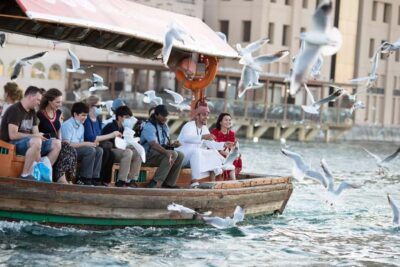
Old Town, Creek, Museums, Souks, & Street Food Tour
What we made of it →
Ho Chi Minh City Street Food Tour & Sightseeing By Motorbike
What we made of it →
Comuna 13 Graffiti Tour, Cable Car & Street Food
What we made of it →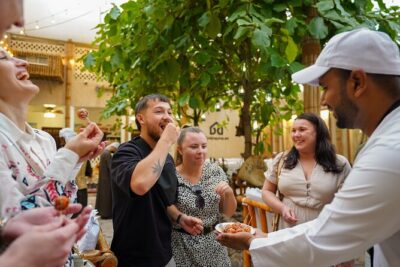
Old Town, Souks, Street Food, Guided Tour & Abra Ride
What we made of it →
Small Group Hanoi Street Food Tour with a Real Foodie
What we made of it →