Review · WESTERN CAPE
Cape Town: Local street food tour
Taste Langa one bite at a time. This three-hour Cape Town food tour pairs local dishes with stories about township life, culture, and the past. I like the focus on meeting local people, and I like that the food is part of the neighborhood rather than a polished restaurant performance. The main consideration is that some stops and dishes may depend on what is being prepared that day.
The tour costs $87 per person, which is fair if you value a personal guide and several tastings rather than just a quick snack stop. Guides such as Mzukisi, who was born and raised in Langa, and Thando have been praised for making the walking portion engaging and for helping visitors feel comfortable in the area.
Key points to know before booking
- Guga S’thebe is both the meeting point and the end point, making the route easy to follow.
- The walking and history portion lasts about 105 minutes, followed by roughly 70 minutes of food tasting.
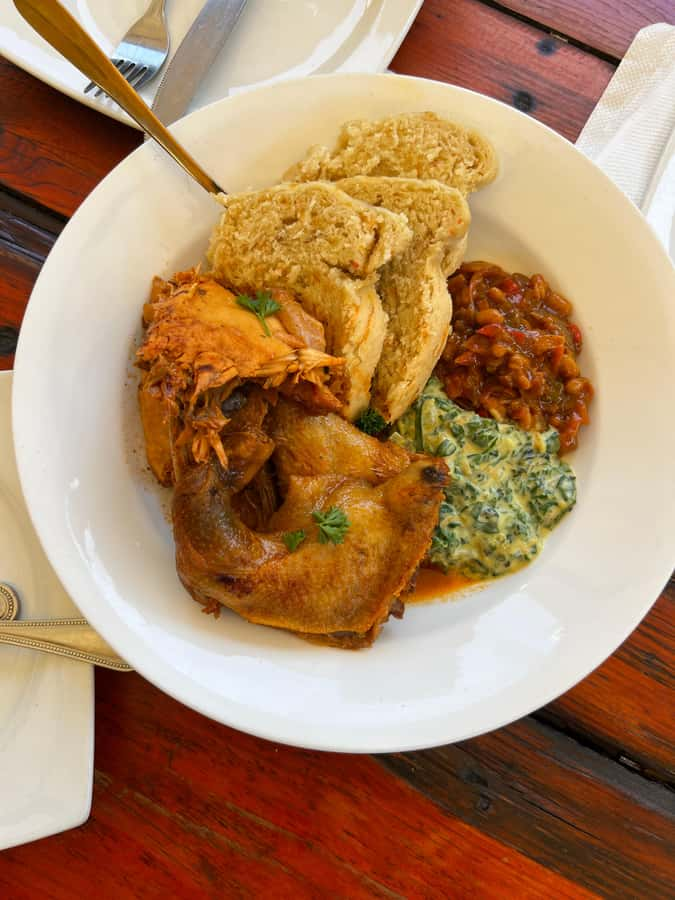
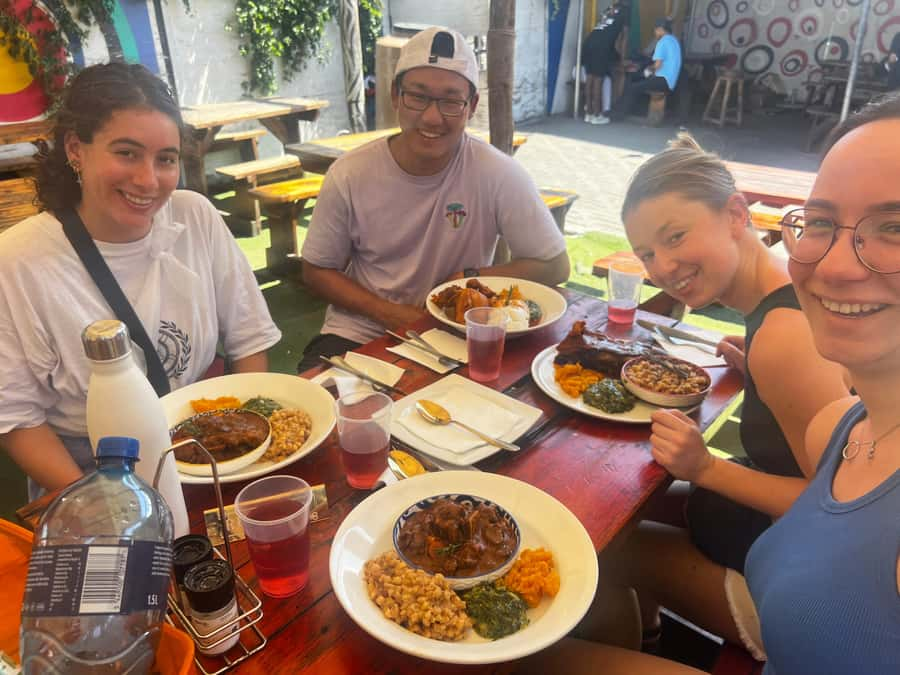
- You may taste bunny chow, boerewors rolls, vetkoek, samosas, pap with chakalaka, braai meats, biltong, and ginger beer.
- The best part is the link between food and daily life, rather than food tasting in isolation.
- English-speaking local guides provide the tour, with Thando, Mzukisi, and uThando receiving especially strong praise.
- The tour is a good fit for curious eaters, but less so if you want a formal restaurant meal or a tightly scripted sightseeing route.
Starting at Guga S’thebe in Langa
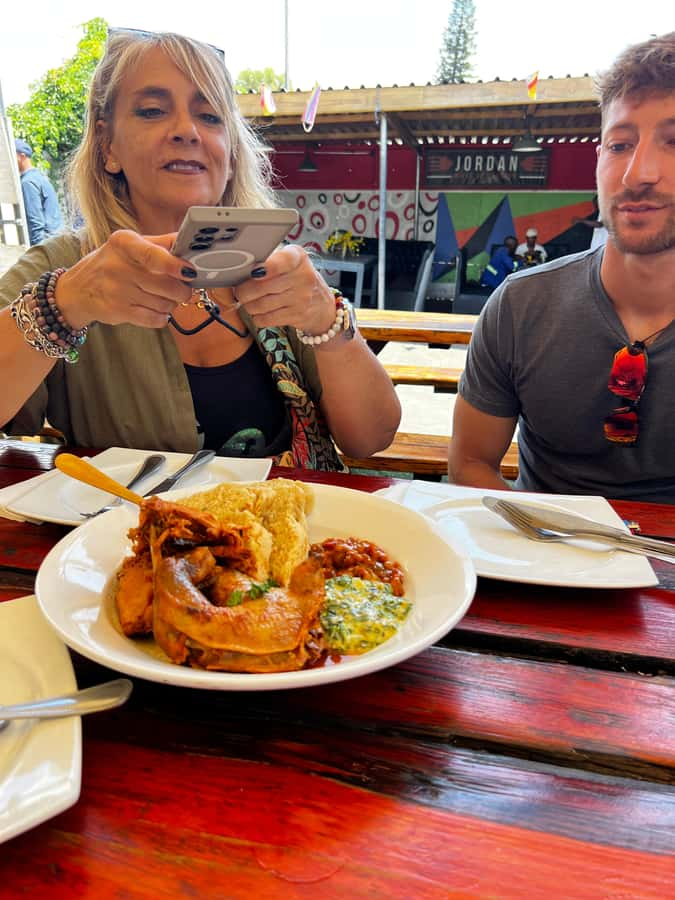
Your meeting point is Guga S’thebe Cultural Center, a useful place to begin because the tour starts and finishes there. You do not need to worry about finding several separate meeting spots during the afternoon. The route is built around Langa, so the neighborhood itself becomes the setting for the experience.
The opening portion gives you time to get oriented before the food begins. That matters in a township tour. You are not simply being led from one snack to another. The guide provides context about Langa, its people, its culture, and its past, helping you understand why the area matters to Cape Town.
I would pay close attention during this first section. The food will probably be the easy part to remember, but the guide’s explanation gives the dishes their meaning. You learn how food connects with family life, social gatherings, local customs, and the changing future of the township.
The quality of the guide is central here. Mzukisi has been described as Langa-born and raised, with a strong command of local stories and an absorbing way of explaining them. Thando has also been praised for speaking enthusiastically about the township’s culture, people, food, history, and future. Those details suggest that the strongest version of this tour depends less on a fixed script and more on the person leading you.
More Street Food Tours in the world:
- Dubai: Old Town, Creek, Museums, Souks, & Street Food Tour
★ 4.8 · 10,816 reviews - Ho Chi Minh City Street Food Tour & Sightseeing By Motorbike
★ 5.0 · 9,413 reviews - Medellin: Comuna 13 Graffiti Tour, Cable Car & Street Food
★ 4.8 · 9,046 reviews
The 105-minute walk through Langa
The guided portion lasts about 105 minutes, making it the larger part of the outing. That is a good balance for anyone who wants more than a food crawl. You have time to walk, listen, ask questions, and see how the area’s food culture fits into ordinary life.
A key strength is the chance to meet local people. The experience is designed around conversation and contact, not simply observation from a vehicle. You should come ready to listen respectfully and to let the guide explain what you are seeing. This is not a sightseeing checklist where you rush from landmark to landmark.
The tour also offers a useful way to understand South African culture through everyday food. A sausage roll, a fried dough snack, or a plate of maize porridge may sound simple, but each one points toward broader habits of cooking and sharing. The guide can help you see how Indian, African, and South African influences appear on the same food table.
The walking route may feel more personal than a standard city food tour because it takes place in a residential community. That is also the main point to consider. Conditions may be informal, and the experience is not designed to feel polished or staged. You should choose it because you want a direct connection with local life, not because you expect a conventional attraction with signs and neatly packaged displays.
Several people who took the tour felt safe while walking with their guide. That is reassuring, especially for visitors who are unfamiliar with Langa. Still, you should follow the guide’s instructions and remain aware of your surroundings, as you would on any walking tour in an unfamiliar part of a city.
Bunny chow and the South African food story
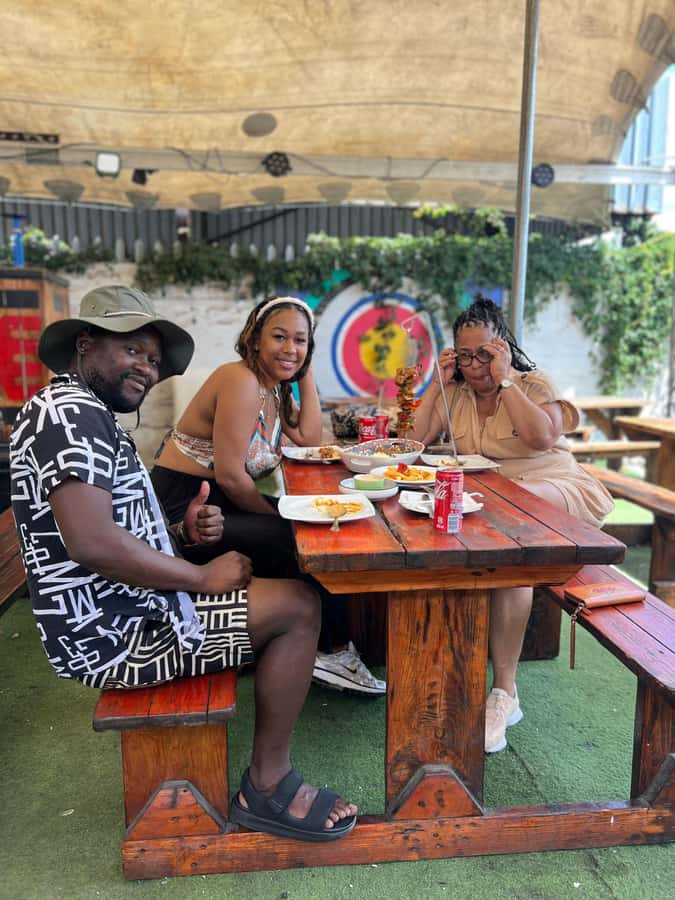
The food tasting lasts around 70 minutes. The exact order and selection may vary, but the planned range gives you a broad look at local favorites.
Bunny chow is one of the most distinctive dishes on the menu. It consists of a hollowed-out loaf filled with curry, often made with lamb, chicken, or vegetables. The dish has Indian roots and became part of South African food culture. You get more than a curry portion here: the bread acts as the bowl, making the dish practical, filling, and easy to share or eat without formal tableware.
If you enjoy spice, bunny chow may be one of the highlights. If you prefer mild food, ask the guide what version is being served before taking a large portion. The description allows for different fillings, so vegetarians may have a suitable option if a vegetable version is available that day.
Boerewors rolls offer a different taste. Boerewors is a South African sausage, grilled and served in a soft roll, often with chutney or tomato sauce. It is hearty, smoky, and straightforward. This is the kind of food that works well on a street corner because it is substantial without requiring a knife and fork.
A street braai adds the social side of South African cooking. Chicken, lamb, and beef may be grilled over open flames, creating a communal meal rather than a single plated dish. You should think of the braai as both a cooking method and a social tradition. The gathering around the fire matters almost as much as the meat.
Vetkoek, samosas, and familiar comfort food
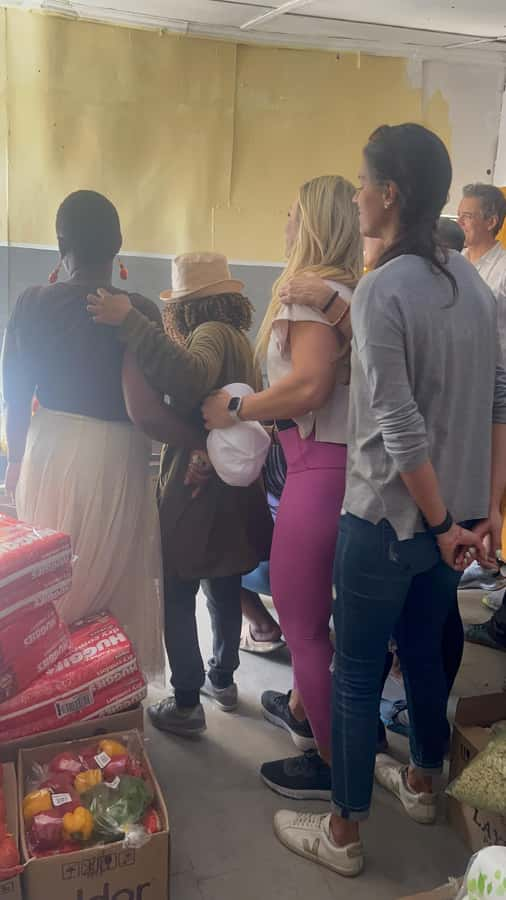
Vetkoek is a deep-fried dough ball that can be filled with minced meat or served with jam. It is rich and satisfying, so you may want to pace yourself if several dishes are offered. The contrast between savory and sweet versions makes it a useful introduction to the range of township snacks.
Samosas bring another layer of flavor. They may contain spiced potato, peas, or meat, and can be fried or baked. Their small size makes them easy to sample alongside other dishes. For many people, this will be familiar food in a new setting, but the seasoning and local preparation give it a distinct place on the tour.
Pap with chakalaka is one of the most important combinations to understand. Pap is a maize porridge, and chakalaka is a spicy vegetable relish. Together they make a filling, practical dish found in many South African homes. It may not have the novelty of bunny chow, but it gives you a clearer sense of everyday food than a more unusual snack alone.
I like that the tasting includes both headline dishes and basic staples. A good food tour should not only offer the foods most likely to photograph well. Pap and chakalaka show how flavor, affordability, and comfort work together in home cooking.
Same place, a different plate:
- Dubai: Old Town, Souks, Street Food, Guided Tour & Abra Ride
★ 4.9 · 7,170 reviews - Naples: Street Food Walking Tour with Local Guide
★ 4.9 · 4,976 reviews - Small Group Hanoi Street Food Tour with a Real Foodie
★ 5.0 · 4,682 reviews - Rome: Street Food Tour with Local Guide
★ 4.8 · 4,077 reviews
Biltong, ginger beer, and the final bites
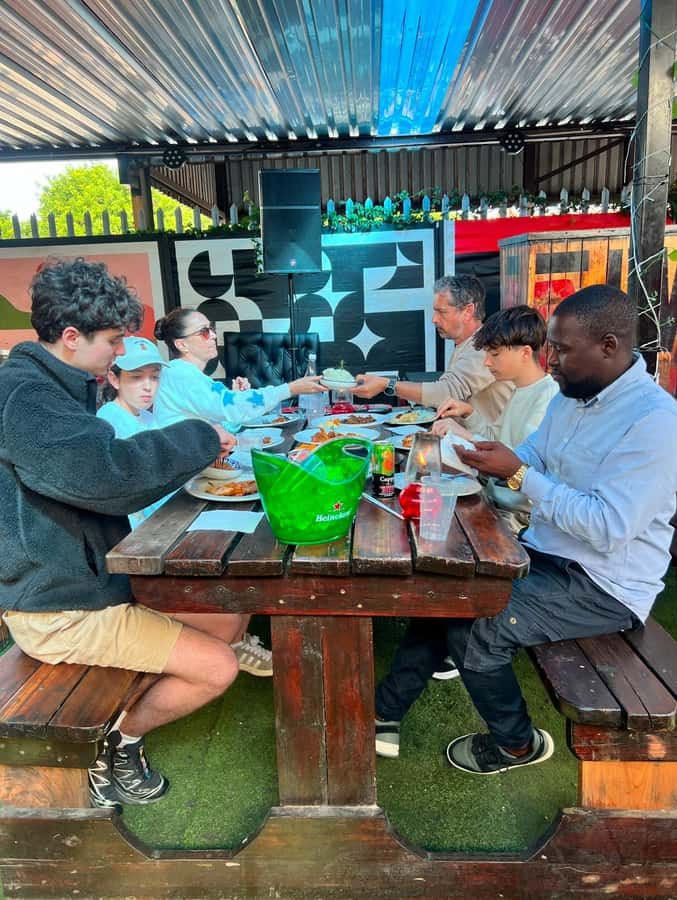
Biltong is a cured, dried meat snack and one of South Africa’s best-known foods. It comes in different flavors, including spicy and sweet versions. The texture can be firmer and chewier than many visitors expect, so it is worth trying a small piece first.
The drink option is ginger beer juice, described as sweet and refreshing. It can provide a welcome break between savory foods, especially if the dishes are spicy or heavily seasoned. The tour includes a bottle of water as well, which is a practical touch during three hours of walking and tasting.
Do not expect every item to appear in one enormous meal. The food list describes the types of dishes associated with the experience, but local tasting tours can change with availability and what vendors are preparing. That flexibility is part of the appeal, though it means you should not book with one single dish as your only reason for going.
Why the guide matters more than the menu
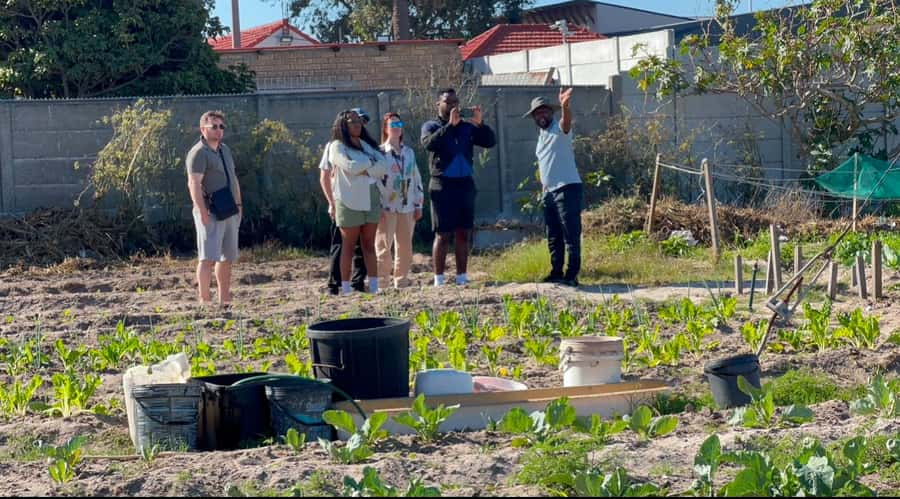
The food gives you a reason to walk through Langa, but the guide shapes the experience. A weak guide could turn the outing into a string of snacks with little context. A strong guide helps you understand why the food is served, who prepares it, and how it fits into local life.
That is where the praise for Mzukisi, Thando, and uThando matters. Mzukisi’s connection to Langa gives the walk a personal foundation. Thando has been praised for discussing not only the past but also the township’s future. uThando has been described as engaging and ambitious, with the ability to connect food tasting to different South African cultures.
These comments point to a useful quality: the tour is not only about seeing a place, but also about asking questions. I would use the walking time to ask about ingredients, family meals, street vendors, local celebrations, and how the area has changed. The more curious you are, the more value you will get from the three hours.
The language is English, so the tour works well for English-speaking visitors who want a conversation rather than a recorded explanation. The small number of published ratings is limited, but all five listed ratings are five out of five, with repeated praise for the guides, the food, the historical explanation, and the sense of safety.
Is $87 a fair price?
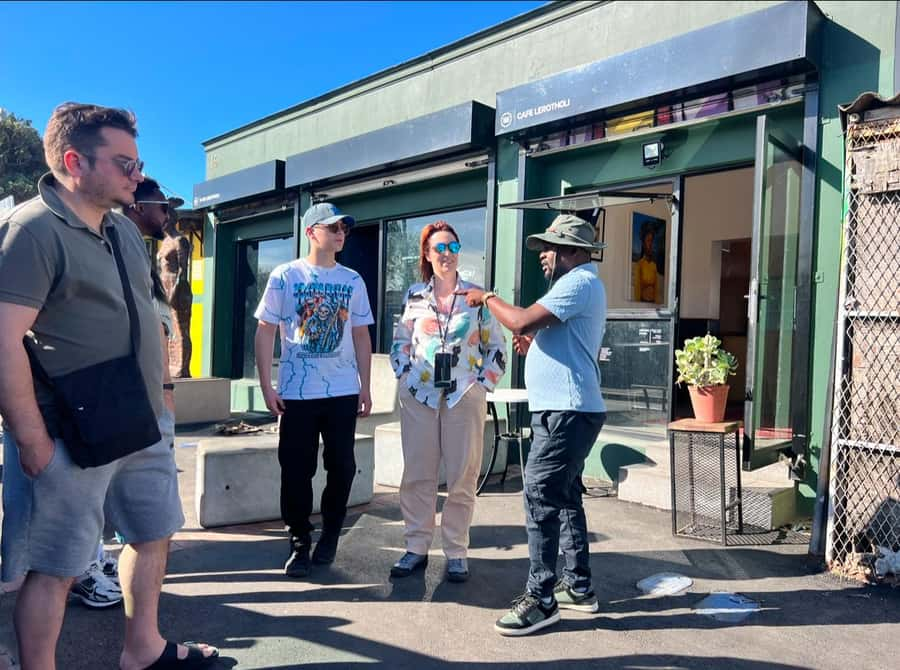
At $87 per person, this is not the cheapest way to eat in Cape Town. You could spend far less buying one or two snacks on your own. The price makes more sense when you count the guide, the history, the time spent walking through Langa, several food tastings, and the chance to meet local people.
You also receive a bottle of water and meals to taste. The value depends on what you want from a food tour. If you only want the largest possible amount of food, this may feel expensive. If you want help understanding the area and would not feel comfortable finding these food stops on your own, the price is easier to justify.
I see it as a culture tour with food, not simply a meal with a short introduction. That distinction is important. You are paying for access, explanation, and local connection as much as for the dishes themselves.
A tip for the guide is not included in the listed price, so bring a little extra if the tour serves you well. The guide’s role is unusually important here, and a tip is a practical way to recognize that work.
Who should book this Langa food tour?
This outing suits you if you want to:
- Try several South African foods in one afternoon
- Learn about Langa from a local English-speaking guide
- Meet people and hear personal stories
- Connect food with township culture and history
- Spend three hours walking rather than riding between stops
- Try informal street food instead of dining in a standard restaurant
It is especially useful early in a Cape Town visit. The food gives you an immediate introduction to local tastes, while the guide can help you place Langa within the wider city.
Families with adventurous eaters may enjoy the variety, though the supplied information does not specify age limits or child pricing. Vegetarians may find options such as vegetable bunny chow, samosas, and pap with chakalaka, but you should confirm what is available on the day.
This is less suitable if you want a luxury food experience, a guaranteed fixed menu, or a tour devoted only to Cape Town landmarks. The walking route, local setting, and informal food stops are the point.
Practical details for planning your afternoon
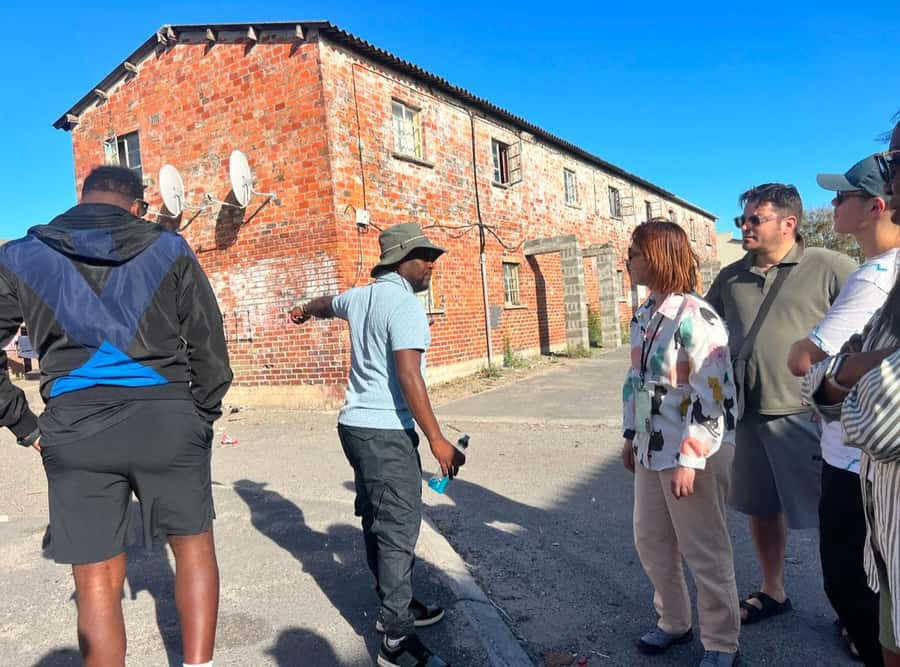
The full experience takes three hours. The schedule allows about 105 minutes for the guided walk and 70 minutes for tasting, with the tour returning to Guga S’thebe Cultural Center.
The starting time is not fixed in the supplied details, so check availability before booking. You meet at Guga S’thebe rather than being collected from a hotel, and no transport arrangement is included in the information provided.
The tour is conducted in English. You can cancel up to 24 hours before the start for a full refund, and you can reserve without paying immediately under the pay-later option. Those policies help if your Cape Town schedule is still moving around.
Should you book it?
Book this tour if you want food to open a door into Langa’s people, stories, and daily culture. The strongest reasons to go are the local guides, the chance to taste several distinctive dishes, and the personal setting.
Skip it if you want a formal sit-down meal, a guaranteed menu, or a short attraction with no walking. For curious eaters who value context as much as flavor, $87 buys a meaningful three-hour introduction to Langa, with the food doing the talking and the guide helping you understand the language.
FAQ
Where does the tour start and finish?
The tour starts and ends at Guga S’thebe Cultural Center in Langa.
How long does the experience last?
The tour lasts three hours. The guided walking portion takes about 105 minutes, followed by around 70 minutes of food tasting.
What foods can I expect to taste?
Possible foods include bunny chow, boerewors rolls, vetkoek, samosas, pap with chakalaka, braai meats, biltong, and ginger beer juice.
Is the tour offered in English?
Yes. The tour includes a live English-speaking guide.
Is food and water included?
Yes. Meals to taste and a bottle of water are included.
Can I cancel the booking?
Yes. You can cancel up to 24 hours in advance for a full refund. You can also reserve now and pay later.
Just added around the world
- Zanzibar:Stone town Street food market walking tour,transfer★ 4.5 · 9 reviews
- Vienna Food Tour: Dishes, Wine, Street Food & Culture★ 4.7 · 12 reviews
- Verona: Street Food Tour and City Guided Sightseeing★ 4.9 · 11 reviews
- Xi’an: Gourmet & Street Food Tour★ 4.8 · 22 reviews
- Verona: City Highlights & Street Food Walking Tour★ 5.0 · 3 reviews
- Verona: Street Food and History Tour with Local Guide★ 4.7 · 6 reviews
- Xi’an Muslim Quarter Night Market Foodie Walking Tour★ 4.2 · 22 reviews
- Verona: street food walking tour near the historical center★ 5.0 · 2 reviews
Street Food Tours, compared.
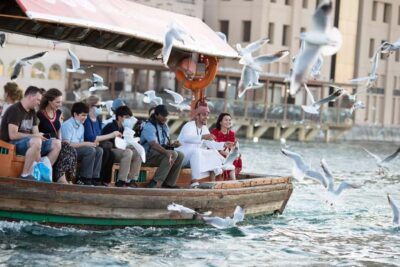
Old Town, Creek, Museums, Souks, & Street Food Tour
What we made of it →
Ho Chi Minh City Street Food Tour & Sightseeing By Motorbike
What we made of it →
Comuna 13 Graffiti Tour, Cable Car & Street Food
What we made of it →
Old Town, Souks, Street Food, Guided Tour & Abra Ride
What we made of it →
Small Group Hanoi Street Food Tour with a Real Foodie
What we made of it →