Review · QATAR
Doha: Souq Waqif, Dhow Harbour, and Street Food Walking Tour
Doha reveals itself one stop at a time. This $29 tour brings together the Museum of Islamic Art and Souq Waqif, then adds a Corniche walk, dhow harbour views, a falcon hospital visit, and tea with local snacks. I like the strong mix of art, daily life, and Qatar’s old maritime and falcon traditions.
I also like that English-speaking guides such as Hari and Zeno have earned praise for being friendly, reliable, and entertaining. The main drawback is practical: this is a walking-focused outing and is not suitable for wheelchair users, so anyone with limited mobility should choose carefully.
Key points at a glance
- Museum of Islamic Art: See historic Islamic artworks and objects from across the Islamic world.
- Dhow Harbour views: Walk the Corniche beside traditional wooden boats tied to Qatar’s maritime past.
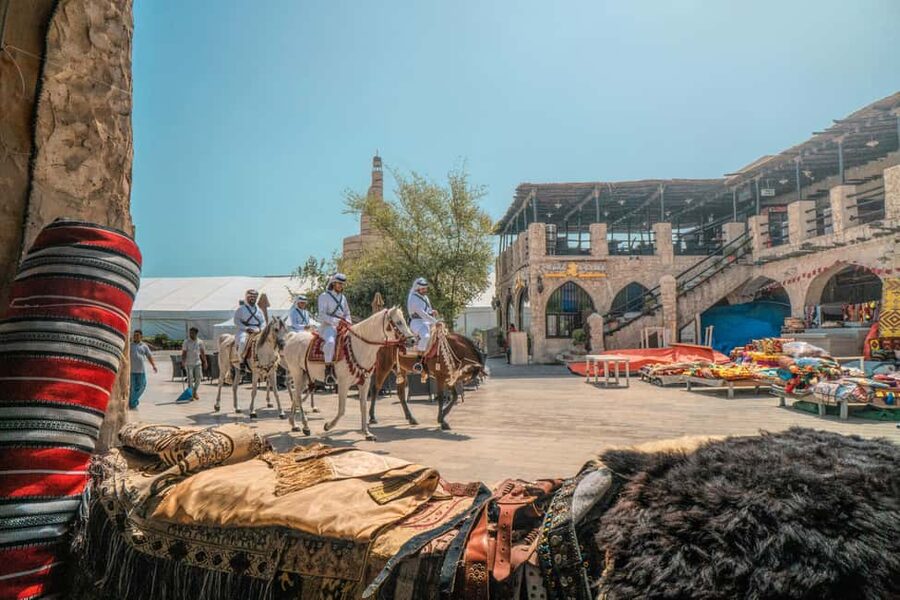
- Souq Waqif variety: Visit spice, clothing, pet, and falcon areas rather than only the market’s main lanes.
- Falcon hospital stop: Learn how Qatar cares for birds that hold a special place in local culture.
- Tea and street snacks: Finish at an outdoor café with a taste of local life.
- Good value at $29: The price includes the guided visits, food tasting, English-speaking guide, and pickup and drop-off when that option is selected.
Why this Doha tour works well
Many city tours give you a quick drive past major sights. This one is more personal in shape. You move from museum galleries to the waterfront, then into market lanes and a specialist animal facility before sitting down for tea and snacks.
That sequence matters. The Museum of Islamic Art gives you a visual introduction to the wider Islamic world. The dhow harbour connects Qatar to the sea. Souq Waqif shows how commerce, food, clothing, pets, and falconry still share the same traditional market setting.
I like this range because it helps you see Doha as more than a modern skyline. You get art, trade, religion, food, and local customs in one outing. The experience also has a relaxed feel rather than a long list of rushed photo stops.
The $29 price is reasonable for visitors who want a guided introduction to central Doha. You are paying for more than transport between attractions. The fee includes the guided sightseeing, the falcon hospital stop, local tea and street food snacks, and an English-speaking guide. Pickup and drop-off are included if you select that option.
Still, you should keep your expectations realistic. This is an introduction, not an in-depth museum seminar or a full food tour. The exact amount of time at each place is not stated, and the experience works best if you enjoy walking and moving through several different settings.
More Street Food Tours in the world:
- Dubai: Old Town, Creek, Museums, Souks, & Street Food Tour
★ 4.8 · 10,816 reviews - Ho Chi Minh City Street Food Tour & Sightseeing By Motorbike
★ 5.0 · 9,413 reviews - Medellin: Comuna 13 Graffiti Tour, Cable Car & Street Food
★ 4.8 · 9,046 reviews
Starting with Islamic art and history
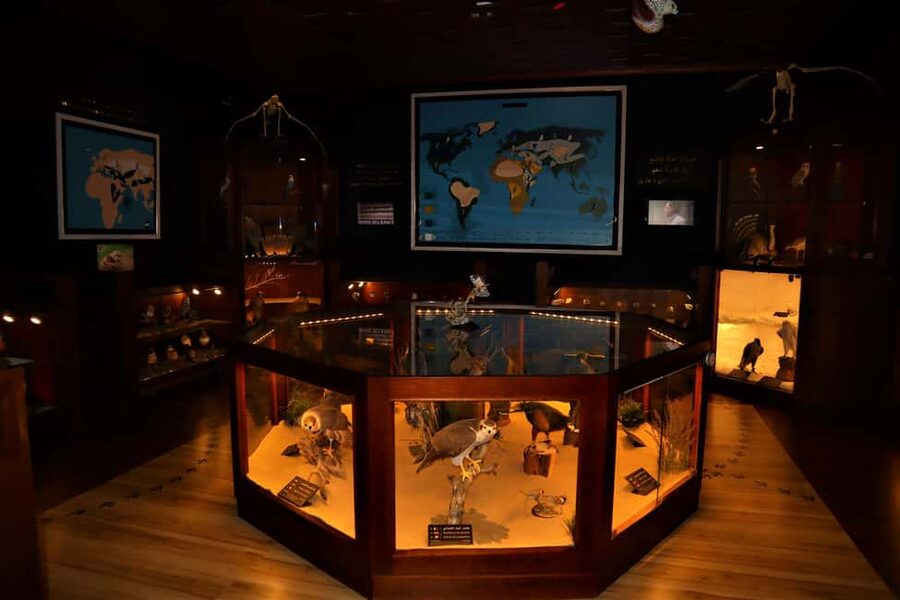
The Museum of Islamic Art is a strong first stop because it gives the rest of the tour more context. Inside, you can see rare artworks and Islamic treasures from across the Islamic world, rather than objects tied only to Qatar.
Your guide is meant to bring the displays to life with stories and explanations. That is useful in a museum where the meaning of an object may not be obvious at first glance. A guided visit can help you notice details in the art and understand how the pieces fit into a wider Islamic tradition.
I would not treat this as a substitute for a full museum visit. The tour description promises a visit and guided interpretation, but it does not state how long you remain inside or how much of the collection you cover. If this museum is a major reason for your trip, you may want separate time to return and see more at your own pace.
For a first look at Doha, though, the museum sets the tone well. It gives you an art-based beginning before the tour shifts to the city’s waterfront and market life.
Walking the Corniche beside the dhow harbour
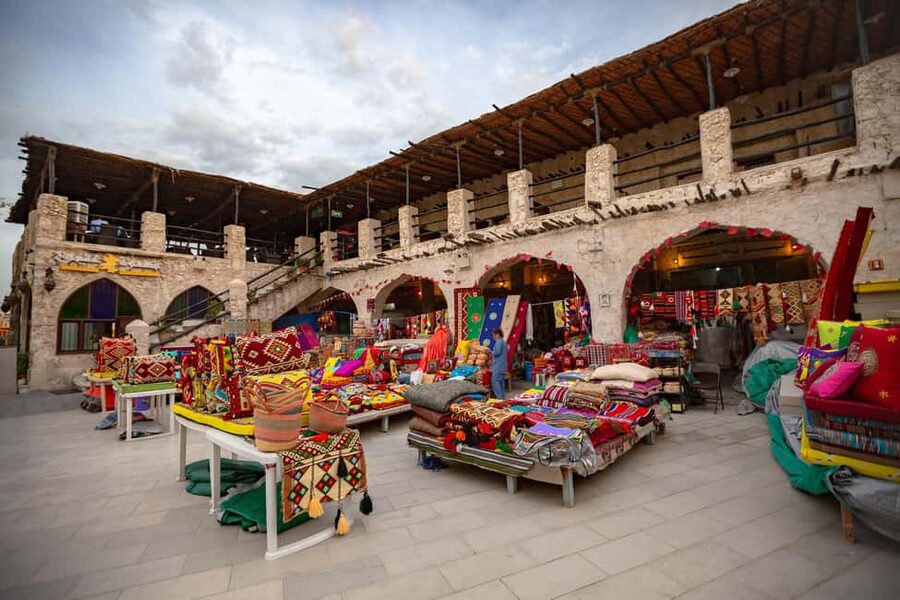
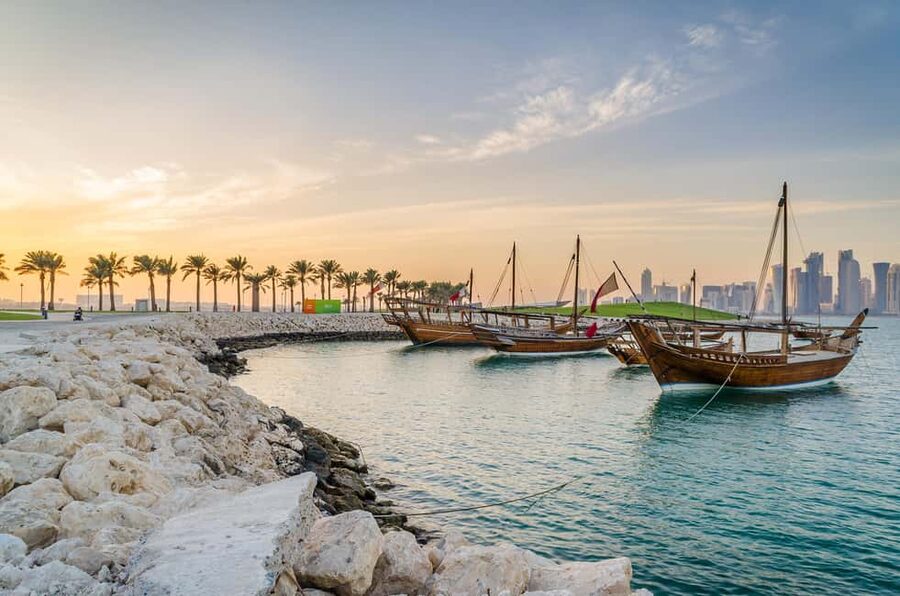
After the museum, the tour moves outdoors along the Corniche. This waterfront walk provides a change of pace and gives you views of the Dhow Harbour, where traditional wooden boats remain part of the scene.
The dhows are more than attractive waterfront decoration. They point to Qatar’s maritime past and the country’s long connection with the sea. You can use this stop to picture a different Doha, before the city’s modern development became such a major part of its image.
I like the balance here. The museum asks you to slow down and look closely, while the Corniche lets you take in open views and talk with your guide as you walk. The route also helps connect the indoor cultural visit with the market and food stops still ahead.
Wear comfortable shoes and plan for time on your feet. The tour is not wheelchair accessible, and no exact walking distance is provided. If you have trouble with extended walking, ask about the route before booking rather than assuming the vehicle will take you between every stop.
Entering Souq Waqif’s many market lanes
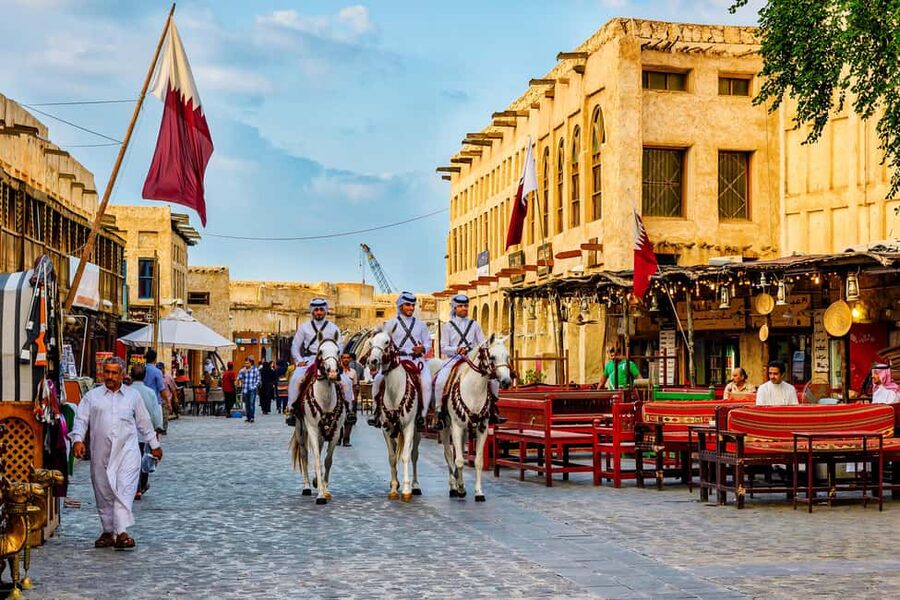
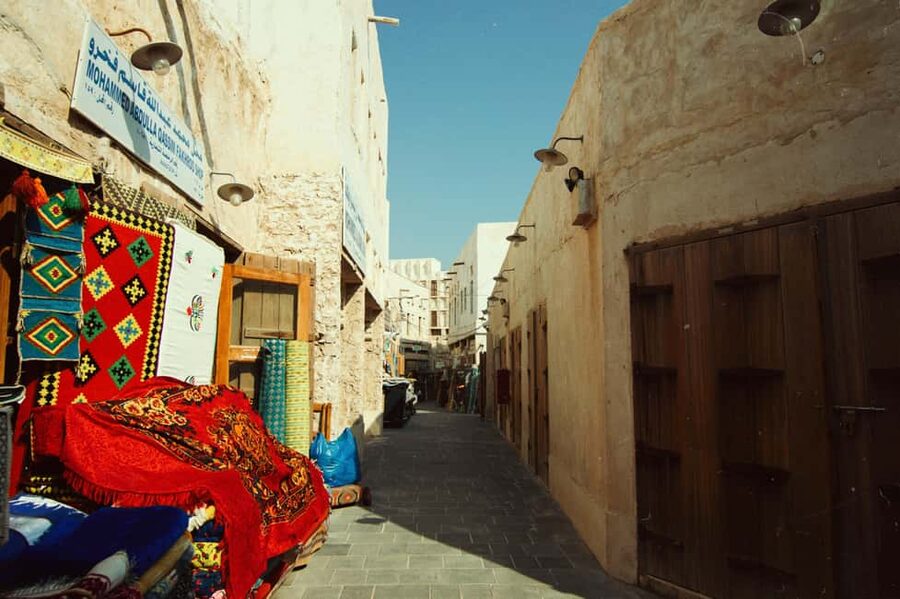
Souq Waqif is likely to be the most active part of the experience. This is not presented as a quick pass through a row of souvenir shops. The guided visit covers several distinct sections, including spice, clothing, pet, and falcon areas.
The spice market gives you the strongest sensory stop. You can expect shelves and stalls centered on local cooking ingredients, with your guide explaining what you are seeing. The clothing section adds another layer, showing the market as a place for everyday goods rather than a site built only for sightseeing.
The pet stalls offer a different view of the souq. They may not appeal to everyone, but they help show the range of trade found within the market. The falcon shops are especially important because they lead naturally into the later visit to the falcon hospital.
I appreciate the market’s variety because it prevents the tour from becoming repetitive. You are not simply walking, stopping for a photo, and moving on. Each section gives you a different subject to ask about.
Souq Waqif can also be the least predictable portion of the outing. Market lanes may feel crowded or distracting, and you may want more time in one area than the schedule allows. If you find a spice, clothing, or craft item you like, note where it is located, since a guided group may not wait for extended shopping.
Same place, a different plate:
- Dubai: Old Town, Souks, Street Food, Guided Tour & Abra Ride
★ 4.9 · 7,170 reviews - Naples: Street Food Walking Tour with Local Guide
★ 4.9 · 4,976 reviews - Small Group Hanoi Street Food Tour with a Real Foodie
★ 5.0 · 4,682 reviews - Rome: Street Food Tour with Local Guide
★ 4.8 · 4,077 reviews
Understanding Qatar’s bond with falcons
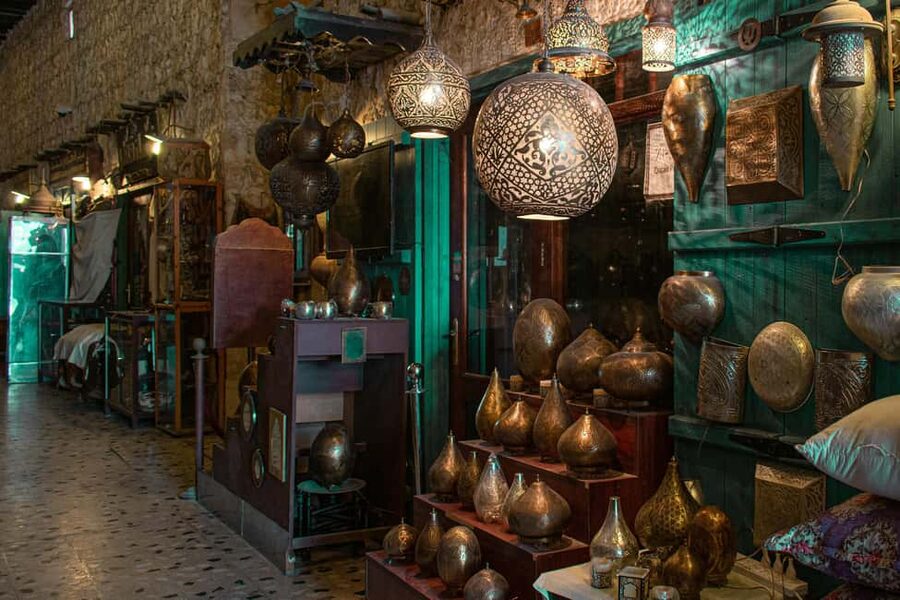
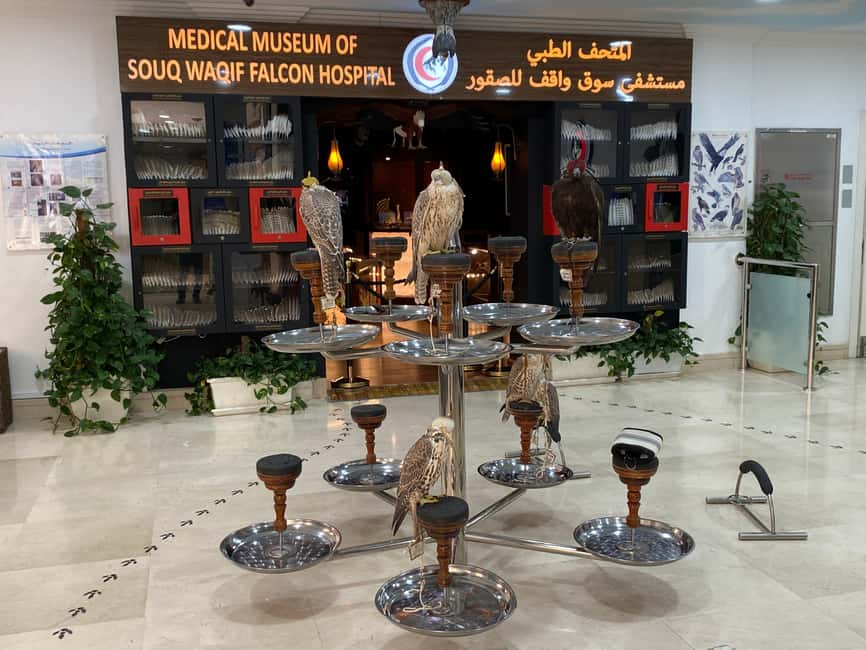
The falcon hospital is one of the tour’s most distinctive stops. You visit the facility to learn how these birds are cared for and why they have such a strong place in Qatari culture.
This is more meaningful than seeing falcons only as a market curiosity. The hospital shows the care and attention required by a tradition that remains important in Qatar. It also gives you a chance to ask practical questions about the birds and their treatment.
The description does not state whether you will see a medical procedure, handle a falcon, or meet a particular specialist. You should expect an educational stop, not a guaranteed hands-on animal encounter. That honest expectation will help you enjoy the visit for what it offers.
For me, this is the kind of stop that gives a city tour its local character. A museum can belong to any international itinerary. A falcon hospital, linked directly to Qatar’s customs and daily life, tells you something more specific about the place.
Tea, snacks, and an outdoor Doha setting
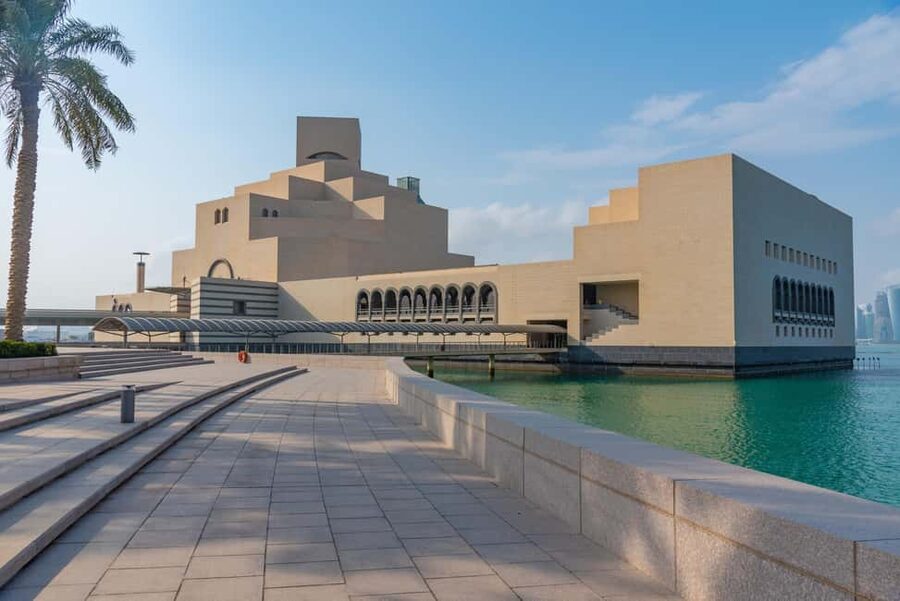
The final stop is an outdoor café, where you can enjoy local tea and traditional street food snacks. This is a small part of the tour, but it may be one of the most useful for understanding how people spend time together outside formal attractions.
The setting matters. Sitting outdoors in a genuine Doha street environment gives you room to discuss what you have seen and watch ordinary activity around you. Food also gives the guide a natural way to explain local habits and ingredients.
The information provided does not name the tea, list the snacks, or state whether alternatives are available. If you have allergies or dietary restrictions, ask before booking or at the start of the tour. Do not assume the tasting can be changed.
I like that the food stop comes at the end. You have already seen the market and learned about local customs, so the tea and snacks feel connected to the rest of the day rather than added as a random treat.
The guide can shape the whole experience
A tour with this many subjects depends heavily on the guide. You need someone who can move from Islamic art to maritime history, market customs, falcon care, and food without making the trip feel like a lecture.
The praise for Hari is especially specific. He is described as reliable, respectful, and well informed about Qatar. Zeno is also praised as a great host who made the activities fun and helped the visitor see more than would have been possible without local knowledge.
Those details matter because the tour’s value is not only in the places themselves. Souq Waqif can be visited independently, and you can walk along the Corniche without a guide. The guide earns the fee by explaining what you are seeing, keeping the route moving, and helping you notice the connections between each stop.
The experience is conducted in English. If you enjoy asking questions and learning through conversation, you will probably get more from it than someone who wants a silent sightseeing route.
What the $29 price really buys
At $29 per person, this is a low-cost way to sample several major cultural stops in Doha. The price includes access to the listed tour elements, a guide, and a tasting of tea and street food snacks. Pickup and drop-off are included when you choose that option.
The strongest value comes from the range. Paying separately for several guided visits, transport, and a food stop could cost more, though exact individual admission prices are not provided. You also avoid the work of arranging a route between the museum, harbour, souq, and falcon hospital.
The limitation is that the tour may not satisfy you if you want long, detailed time at one site. The schedule must cover several places, and the exact duration is not stated. Think of it as a well-rounded orientation to Doha, not a specialist tour of Islamic art, falconry, or Qatari cuisine.
The reserve-now, pay-later option may help if your plans are still changing. You can book without paying immediately, and cancellation is allowed up to 24 hours in advance for a full refund.
Who should book this experience
I would recommend this tour to first-time visitors who want a broad introduction to Doha without spending a full day arranging separate visits. It suits curious people who enjoy museums but also want markets, food, waterfront scenery, and a local tradition that may not appear on a standard city route.
It also works well for visitors with a short stay who want a guided look at several central cultural themes. Families and mixed-interest groups may appreciate the variety, although the walking and market setting may not suit every family member.
I would be more cautious if your main goal is extensive museum time, serious shopping, or a long food crawl. The tour touches all three areas, but none is presented as the sole focus. You should also reconsider it if you use a wheelchair, since the experience is not suitable for wheelchair users.
Should you book the Doha walking tour?
Book it if you want breadth, local context, and a friendly guide at a modest price. The combination of the Museum of Islamic Art, dhow harbour, Souq Waqif, falcon hospital, and outdoor café gives you a useful first picture of Doha.
The best reason to choose it is the link between the stops. You move from art to sea, from market trade to falcon care, then finish with tea and snacks. If you are comfortable walking and can accept that each stop may be an introduction rather than a long visit, this is a smart way to get your bearings in the city.
FAQ
How much does the tour cost?
The tour costs $29 per person.
What attractions are included?
The experience includes the Museum of Islamic Art, a walk along the Corniche and Dhow Harbour, a guided visit to Souq Waqif, a stop at the Falcon Hospital, and an outdoor café visit.
Does the tour include food and drinks?
Yes. The experience includes local tea and traditional street food snacks at an outdoor café.
Is the tour conducted in English?
Yes. An English-speaking guide is included.
Are pickup and drop-off included?
Pickup and drop-off are included if you select that option when booking.
Is the tour suitable for wheelchair users?
No. The tour is listed as not suitable for wheelchair users.
Can I reserve now and pay later?
Yes. You can reserve your place and pay nothing at the time of booking.
What is the cancellation policy?
You can cancel up to 24 hours in advance for a full refund.
Just added around the world
- Zanzibar:Stone town Street food market walking tour,transfer★ 4.5 · 9 reviews
- Vienna Food Tour: Dishes, Wine, Street Food & Culture★ 4.7 · 12 reviews
- Verona: Street Food Tour and City Guided Sightseeing★ 4.9 · 11 reviews
- Xi’an: Gourmet & Street Food Tour★ 4.8 · 22 reviews
- Verona: City Highlights & Street Food Walking Tour★ 5.0 · 3 reviews
- Verona: Street Food and History Tour with Local Guide★ 4.7 · 6 reviews
- Xi’an Muslim Quarter Night Market Foodie Walking Tour★ 4.2 · 22 reviews
- Verona: street food walking tour near the historical center★ 5.0 · 2 reviews
Street Food Tours, compared.
Old Town, Creek, Museums, Souks, & Street Food Tour
What we made of it →
Ho Chi Minh City Street Food Tour & Sightseeing By Motorbike
What we made of it →
Comuna 13 Graffiti Tour, Cable Car & Street Food
What we made of it →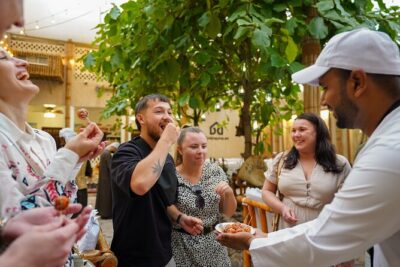
Old Town, Souks, Street Food, Guided Tour & Abra Ride
What we made of it →
Small Group Hanoi Street Food Tour with a Real Foodie
What we made of it →