
Review · INDIA
Goa Street Food Crawl: Authentic Food Tasting Experience
Panjim tastes better on foot. This two-hour food walk brings you through the streets around the Immaculate Conception Church, where Portuguese-influenced buildings, cafés, markets, and everyday eateries frame six Goan tastings. I like the way food and place are joined together here, rather than treating lunch as a separate stop on a sightseeing route.
I also like the personal touch from guides such as Shimada, who has been praised for her stories about Goan ingredients, traditions, and Portuguese influence. The private format gives you room to ask questions and request vegetarian or non-vegetarian choices. The main drawback is the pace: you need a good appetite and comfortable shoes, and two hours of moderate walking may feel short if you want to linger at every food stop.
Key points to know before you book
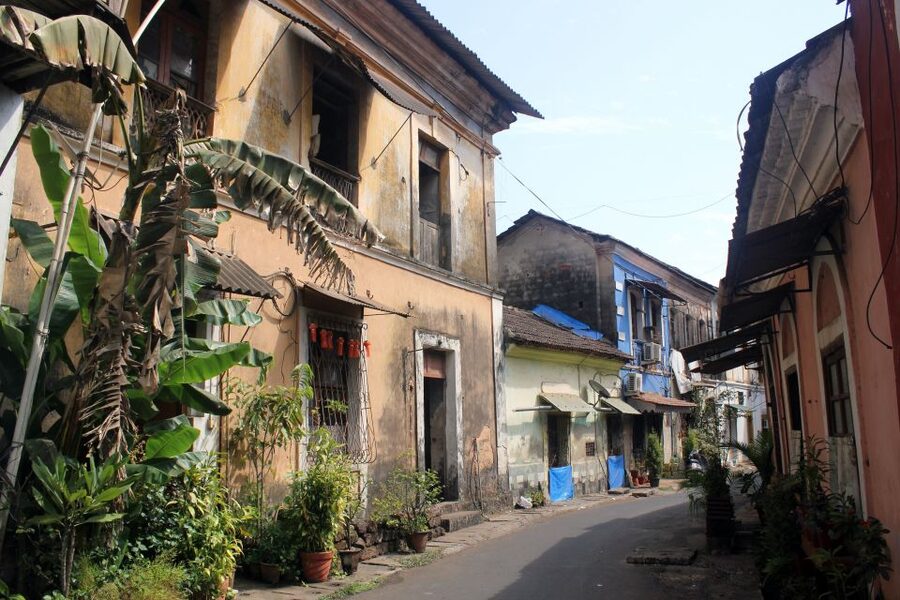
- Six Goan tastings in two hours: You will sample local specialties such as Xacuti curry, peda, cucumber mint juice, chaat, cutlets, and other regional favorites.
- A useful Panjim introduction: The route begins at the Immaculate Conception Church and finishes at Kala Academy, linking food with streets, buildings, and local life.
- Private group format: You can ask questions freely and discuss dietary preferences with your English or Hindi-speaking guide.
- Shimada is a major strength: Her food stories and explanations of Portuguese influence have been singled out as especially engaging.
- Come hungry: A substantial breakfast could make the tasting route hard work, especially with six samples in a short period.
- Simple, practical setup: Hotel transport is not included, but cancellation up to 24 hours before the tour is allowed, and you can reserve now and pay later.
Starting beneath the Immaculate Conception Church
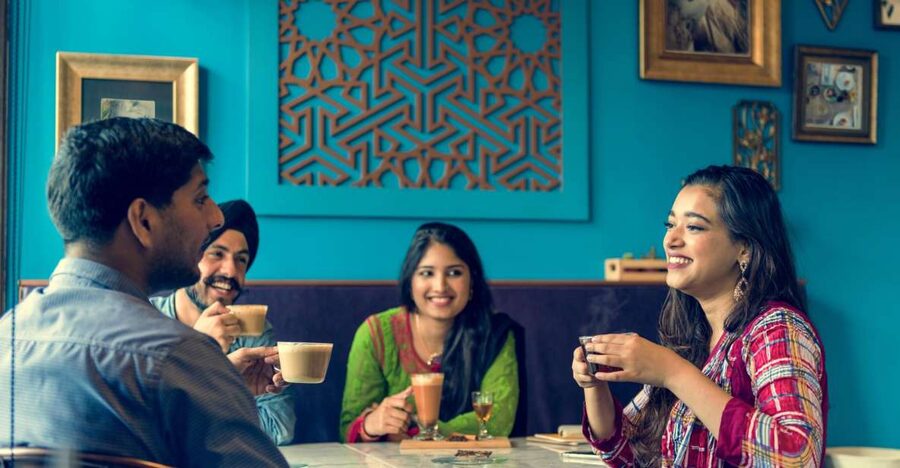
Your meeting point is the stairs of Our Lady of Immaculate Conception Church in Panjim. This is a clear landmark and gives the tour a fitting start, since the church and its steps are among the city’s most recognizable sights.
From here, you set off on foot with your guide. The route takes you through stepped streets and Portuguese-influenced lanes, passing old buildings, cafés, markets, and local businesses. I like this beginning because you are not simply driven to a restaurant and handed a plate. You get a quick sense of how Panjim is laid out before the food takes over.
The walking matters. Goan food makes more sense when you see the streets where people buy snacks, meet friends, and stop for a quick drink. The surroundings also give your guide material to explain how Goa’s Indian traditions developed alongside Portuguese influence.
You should wear comfortable shoes. The tour involves moderate walking, and the route includes streets and steps. The experience is wheelchair accessible, but anyone who finds uneven or stepped routes difficult should confirm that the planned path suits their needs before booking.
More Street Food Tours in India:
- Mumbai: Street Food and Night Markets Tour
★ 4.9 · 719 reviews - Old Delhi Street Food Tour
★ 5.0 · 497 reviews - Delhi: Old Delhi Street Food Tour with Rickshaw Ride
★ 4.9 · 403 reviews
What makes the food stops worthwhile
The tastings take place at local restaurants, cafés, bakeries, and rustic stalls used by people in the area. These are not presented as formal restaurant courses. Instead, you move from place to place, watching food being prepared and trying several small portions.
That arrangement is useful if you are new to Goan food. One dish may introduce coconut and spice, another may show the Portuguese mark on local cooking, and a sweet or drink gives your palate a break. You get variety without committing to a full plate of something unfamiliar.
The six tastings are not described as a fixed menu with every portion listed in advance. The foods named for this experience include Xacuti curry, sweet peda, cucumber mint juice, several kinds of chaat, cutlets, banana bun, dals, patties, and desserts. Your exact selection may depend on the food available and your preferences.
I would treat that flexibility as a positive, though it means you should not book with the expectation of one guaranteed dish beyond the general examples provided. The guide can help explain what you are eating and, based on the experience of previous participants, may adjust choices for vegetarian and non-vegetarian preferences.
Xacuti, chaat, cutlets, and the sweet finish

Xacuti curry is one of the more substantial examples associated with the route. It gives you a chance to discuss Goa’s use of spices, coconut, and chilies, as well as the way local cooking has absorbed outside influence while remaining distinctly Goan.
Chaat brings a different style of eating. These snack foods often combine several tastes and textures in one serving. The tour includes different types of chaat, so you may get more than one version of this popular street-food family.
Cutlets and patties add another useful contrast. They are easy to eat while walking between stops and show the snack side of local food culture. A banana bun and dal have also appeared among the selections, giving you a sense of the variety available beyond the dishes most often found on tourist menus.
For sweets, peda is specifically included among the foods you may try. It is a small, rich milk-based sweet, so it works well near the end of a tasting route. The cucumber mint juice gives the tour a cooling drink as well as a change from solid food.
You should not expect every item to suit your taste. Goan food can include strong spices, chilies, coconut, and rich textures. That is part of the point, but it also makes the guide’s explanations useful. You can ask what you are trying before taking a full portion.
Learning how Goa eats
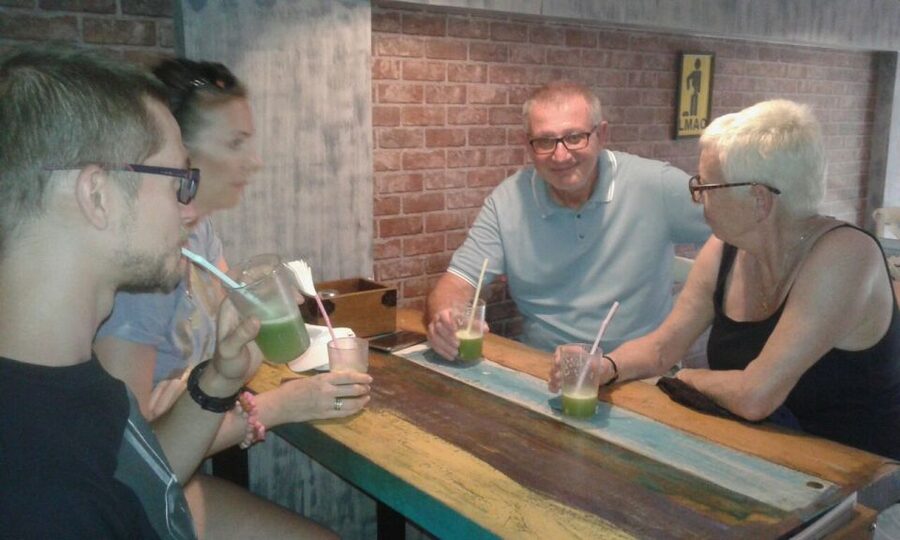
The best part of this experience is not just the amount of food. It is the explanation around it. The guide discusses how dishes are prepared and how spice, chili, and coconut choices affect the final taste.
Shimada has received especially strong praise for the depth of her conversations. Her subjects have ranged from Goan chorizo and the price of lobster to local food habits and India’s obesity problem. That range suggests a guide who can move beyond a memorized list of dishes and talk about food as part of daily life.
She also explains the Portuguese effect on Goa’s food and architecture. This is one reason I would recommend taking the tour early in your stay. You will hear ideas that can help you understand meals you order later, including why certain ingredients or cooking methods appear so often.
The tour also covers what Indians traditionally eat and includes local trivia about Panjim. You are not expected to know anything in advance. The guide’s role is to explain the food in plain terms and connect each taste to a wider part of Goan culture.
Same place, a different plate:
- Mumbai Street Food Tour
★ 5.0 · 269 reviews - Mumbai Street Food & Night Markets
★ 5.0 · 225 reviews - Winner Mumbai Street Food Tour in the World Top 20 by Guardian
★ 5.0 · 216 reviews - Mumbai Street Food and Evening Bazaar Tour
★ 5.0 · 172 reviews
The route from church to Kala Academy
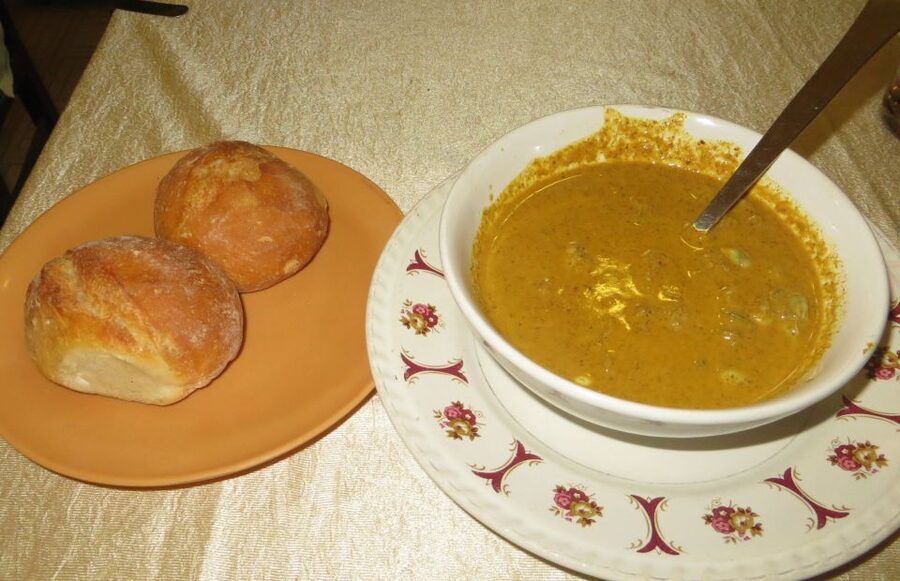
After the opening walk, the route moves through several local food stops. The first restaurant visit focuses on street food and walking. The next combines another tasting with a guided look at the neighborhood. Later stops include more food and an explanation of the setting before you finish at Kala Academy.
The sequence gives the tour a natural rhythm. You walk, stop for a taste, hear the story behind it, and continue through Panjim. Since the route uses four main local stops after the starting point, you should be prepared for a compact outing rather than a long sit-down meal.
Kala Academy provides a clear endpoint. It also means the tour is not a round trip back to the church, so think about what you plan to do afterward. Hotel pickup and drop-off are not included. You need to make your own way to the church and arrange onward transport from the finishing point.
The stated duration is two hours. That is enough time for a useful introduction, but not enough to explore every lane or spend a long time at each stall. If you enjoy asking many questions or taking photographs, the route may feel brisk.
Is $28 good value?
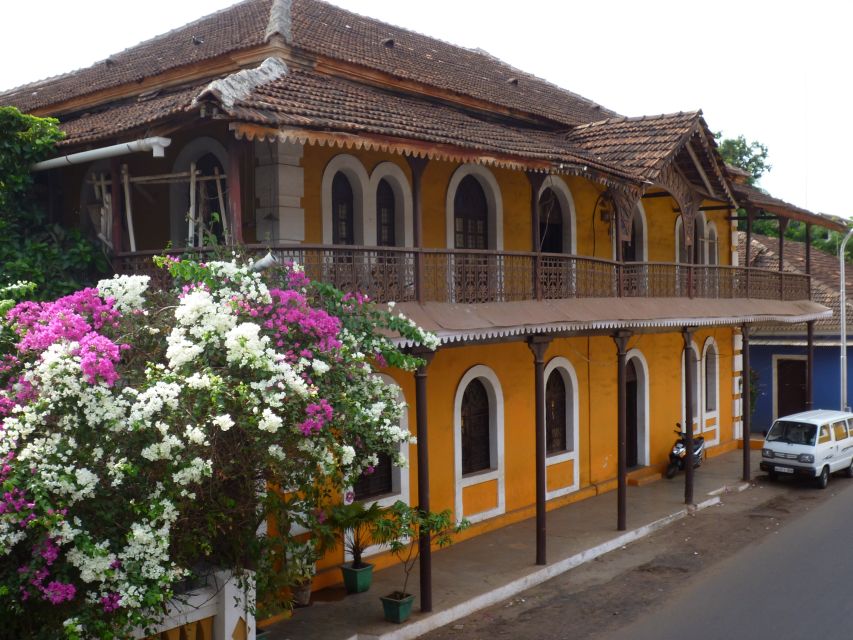
At $28 per person, the value depends on how you use the experience. You are paying for six tastings, a beverage, a private walking tour, and a guide who explains both food and local culture. If you tried six separate items on your own, you would still lack the context and the confidence to choose unfamiliar dishes.
The private group setup improves the value for couples, families, or small groups who want a conversation rather than a large organized walk. You can discuss food preferences directly with the guide, and you have more freedom to ask about preparation, ingredients, and local customs.
The tour is less suitable if you want a full meal or the lowest possible food cost. Portions are tastings, and the experience is built around variety. You are paying for access to several trusted local spots and for the guide’s time, not simply for six large servings.
I would also consider the timing of the booking. Since the route includes many samples, eat lightly beforehand. One participant specifically warned against having much breakfast. That is practical advice, not a small detail. Arrive hungry and you will get more from the food.
Who will enjoy this Panjim food walk?
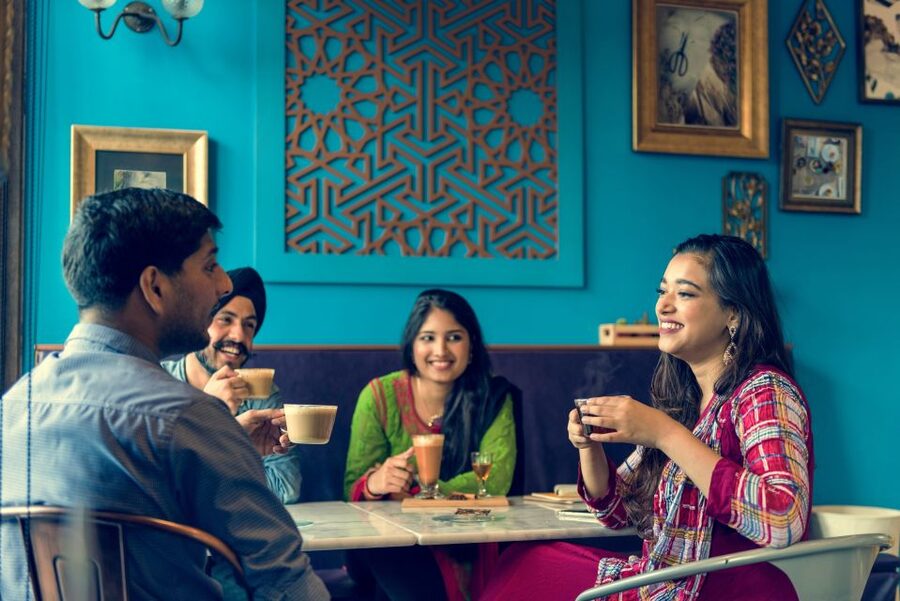
I would recommend it most strongly to first-time visitors to Goa who want an easy introduction to local cooking. The route gives you a starting point for recognizing ingredients, snack styles, and Portuguese influences during the rest of your stay.
It also suits food-focused visitors who enjoy asking questions. Shimada and the other guides are praised for being friendly, organized, and willing to explain subjects beyond the plate. If you want to understand how dishes are made and why they matter, the tour has more to offer than a standard tasting menu.
Vegetarians and non-vegetarians can both consider it, since food preferences can be discussed with the guide. Still, the experience does not provide a full advance menu, so anyone with strict dietary restrictions should ask what substitutions are possible before reserving.
Families and private groups may appreciate the two-hour length. It is long enough to feel worthwhile without taking an entire day. The moderate walking and stepped streets may be a concern for anyone with mobility limitations, even though the activity is listed as wheelchair accessible.
Weather, timing, and what to bring
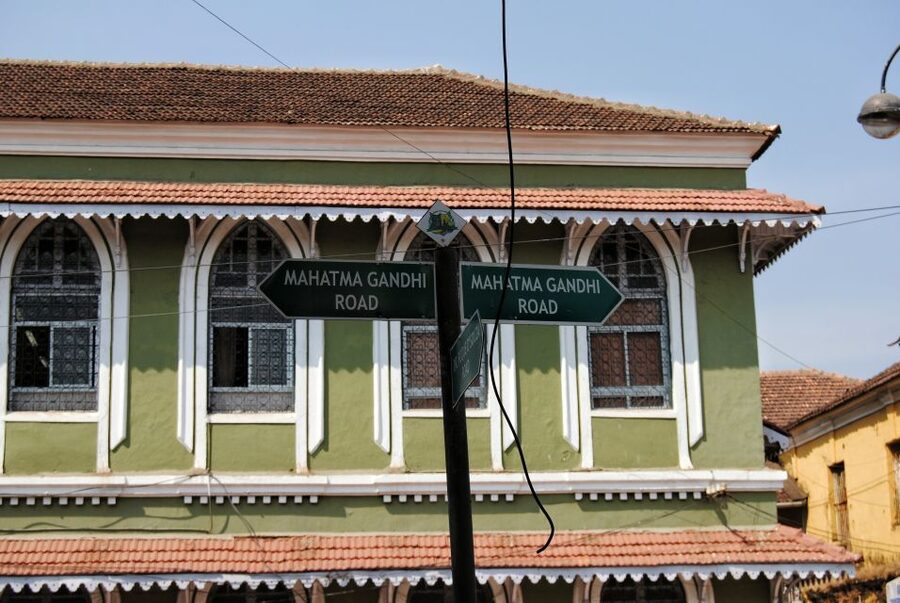
The tour operates in all weather conditions. That means you should prepare for the conditions on your chosen day rather than assuming the walk will be postponed. Comfortable shoes are specifically recommended, and they are essential for the streets and steps around Panjim.
Bring an appetite, but do not arrive after a large meal. You will want room for savory dishes, sweets, and the included beverage. A small amount of flexibility also helps, since local food availability and personal preferences can affect the exact tastings.
The guide speaks English and Hindi. If you need explanations in another language, this experience may not be the right fit. The private group format is useful for questions, but the language choices are limited to those two options.
Cancellation is flexible up to 24 hours before the tour for a full refund. You can also reserve and pay later, which helps if your Goa plans are still shifting.
My verdict: book it for context, not just quantity
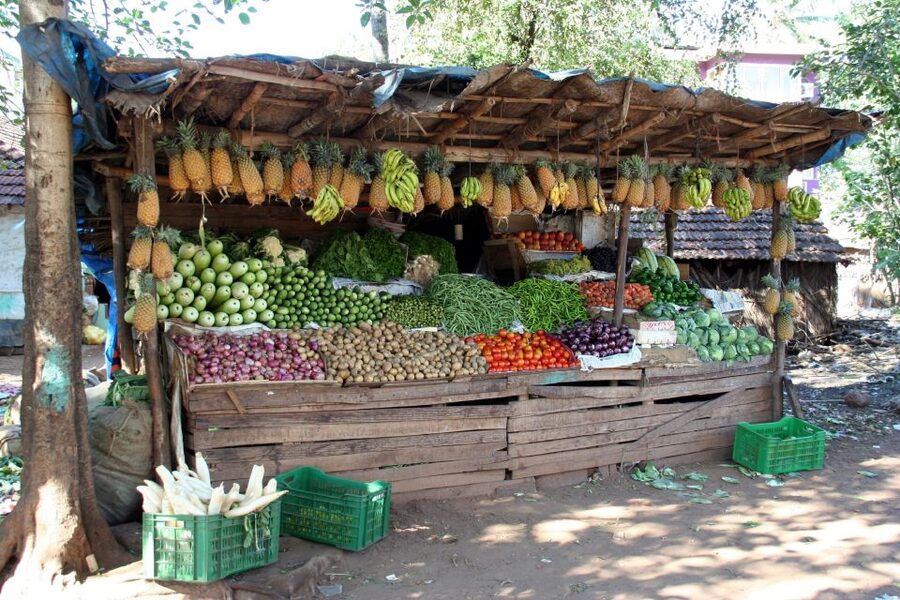
I would book this Goa food crawl if I wanted a friendly introduction to Panjim and Goan cuisine in one compact outing. The strongest reasons are the mix of local food stops, the walk through Portuguese-influenced streets, and guides such as Shimada who explain the stories behind the dishes with real enthusiasm.
I would skip it if I wanted a large meal, a fixed menu, or a slow restaurant lunch. The route is active, the tastings are compact, and the exact food selection can vary.
For most people, the best plan is to take it near the start of your Goa stay, arrive hungry, wear good shoes, and use the guide’s advice when ordering food later. At $28, it offers fair value when you care as much about understanding what you eat as tasting it.
FAQ
Where does the Goa street food crawl begin?
The tour begins at the stairs of Our Lady of Immaculate Conception Church in Panjim, Goa.
Where does the tour finish?
The experience finishes at Kala Academy.
How long does the food crawl last?
The tour lasts two hours.
How many food tastings are included?
Six food tastings are included.
Is a drink included?
Yes. A beverage is included with the experience.
Which foods might I taste?
Possible tastings include Xacuti curry, sweet peda, cucumber mint juice, chaat, cutlets, banana bun, dals, patties, and desserts. The exact selection is not specified as a fixed menu.
What languages does the guide speak?
The live guide can speak English and Hindi.
Is this a private tour?
Yes. The activity is offered as a private group experience.
Is the tour wheelchair accessible?
The activity is listed as wheelchair accessible, although moderate walking and stepped streets are part of the route.
What should I bring?
Bring comfortable shoes and arrive with an appetite. The tour operates in all weather conditions.
Just added around India
- Varanasi: Night Tour with Aarti Ceremony and Street Food★ 4.7 · 2 reviews
- Varanasi Street Food Crawl (2 Hours Guided Tour)★ 4.5 · 9 reviews
- Udaipur: Street Food Crawl (2 Hours Local Food Tasting Tour)★ 4.1 · 3 reviews
- Udaipur: Street Food adventure l Eat Just like a local★ 4.6 · 2 reviews
- Udaipur: Guided Street Food Tour with Tastings★ 4.2 · 6 reviews
- Trivandrum Street Food Crawl Guided Food Tasting Tour★ 4.5 · 6 reviews
- Ganga Arati with Street Food Tour of Banaras★ 5.0 · 7 reviews
- Varanasi Street Food Crawl (2 Hours Guided Food Tasting Tour)★ 4.5 · 69 reviews
Street Food Tours, compared.

Old Town, Creek, Museums, Souks, & Street Food Tour
What we made of it →
Ho Chi Minh City Street Food Tour & Sightseeing By Motorbike
What we made of it →
Comuna 13 Graffiti Tour, Cable Car & Street Food
What we made of it →
Old Town, Souks, Street Food, Guided Tour & Abra Ride
What we made of it →
Small Group Hanoi Street Food Tour with a Real Foodie
What we made of it →
Saigon By Night and Street Food By Motorbike | Opt: Ao Dai Riders
What we made of it →Where this tour turns up