
Review · HANOI
HANOI: MOTORBIKING TO TRAIN STREET & STREET FOOD TASTING
Hanoi gets clearer from a motorbike. This four-hour tour links major sights with Train Street and a focused food walk, giving you a quick look at the city beyond the usual Old Quarter lanes. I like the small-group format, limited to nine people, and the simple pleasure of riding behind a local guide instead of wrestling with Hanoi traffic yourself. The main drawback is that four hours is a tight window, especially if you want long visits at every stop.
I also like the food lineup: bun cha, banh cuon, banh mi, and egg coffee cover several of Hanoi’s essential flavors without asking you to commit to a full-day food tour. Guides Kien and Jack have received special praise for making riders feel safe and welcome, and for sharing insight into their hometown. Still, this is not a good fit if you have back problems, use a wheelchair, or dislike riding on a motorbike.
Key points at a glance
- Train Street by scooter: Reach one of Hanoi’s most talked-about sights with a local rider, then pause for coffee or beer near the railway.
- Four major Hanoi sights: The route passes the Ho Chi Minh Mausoleum, Temple of Literature, Long Bien Bridge, and Tran Quoc Pagoda.
- Four classic foods: Expect bun cha, banh cuon, banh mi, and Vietnamese egg coffee, with food stops subject to your location.
- Local riders, small group: English-speaking guides lead groups of no more than nine, with private tours also available.
- Good value at $48: The price covers the guide, private rider, city sightseeing, and food tastings, but not personal expenses.
- Flexible booking: You can cancel up to 24 hours before the tour for a full refund and reserve without paying immediately.
Why a Motorbike Makes Sense in Hanoi
Hanoi is easiest to understand in motion. The Old Quarter can feel packed and confusing on foot, while the city’s larger sights are spread across several districts. A motorbike lets you connect them without spending the whole morning walking or arranging separate taxis.
You ride as a passenger with a private rider, rather than driving yourself. That matters in Hanoi, where traffic can look like a moving puzzle of scooters, cars, bicycles, and pedestrians. The direct feedback from the experience is especially reassuring here: Kien and Jack made riders feel safe and welcome, while also explaining the places along the route.
The group size is capped at nine people. That is small enough for a guide to keep track of the group and answer questions, though it is not the same as having a completely private guide. If you want your own schedule, private tours are available.
The tour lasts four hours. I see that as a useful introduction, not a full study of Hanoi. You can visit several important places, sample food, and get a sense of local neighborhoods, but most stops will be short. Check the available start times before booking, since the schedule varies.
More Hidden Food Spots in Hanoi
- Hanoi: Street Food Tour with Train Street & Hidden Alleyways
★ 5.0 · 2,831 reviews - Hanoi: Guided Street Food Tour with Train Street Experience
★ 4.9 · 2,479 reviews - Hanoi: 7 Tastings Street Food Tour with Train Street
★ 4.9 · 541 reviews
Starting in Hanoi’s Old Quarter
The tour begins in Hanoi and includes the Old Quarter as both a sightseeing area and the base for the food portion. This is where you see the city at its most active, with narrow streets, old shopfronts, motorbikes, and small restaurants tucked into ordinary buildings.
At the start, your guide helps set the rhythm for the ride. The Old Quarter can be disorienting if you are seeing it for the first time, so having someone point out the route and explain what you are passing adds real value. You will also return here for the walking food tour, which keeps the day from becoming a series of disconnected photo stops.
The exact food choices can change depending on your location. That flexibility is practical, but it means you should not treat every named restaurant as guaranteed at every departure. The advertised stops include bun cha around Gia Ngu Street and banh cuon at Pho Banh Cuon 14 on Bao Khanh Street.
The Ho Chi Minh Mausoleum and Ba Dinh Square
The motorbike route passes through the Ho Chi Minh complex and Ba Dinh Square. The mausoleum is a solid gray stone building framed by gardens and broad open spaces. Its Soviet-influenced design gives it a formal, imposing look that contrasts sharply with Hanoi’s cramped side streets.
You should expect a sightseeing stop and guided explanation rather than a guaranteed interior visit. The experience description focuses on passing by, viewing, and learning about the area. If entering the mausoleum is important to you, confirm the day’s arrangements and opening conditions before booking.
Ba Dinh Square adds useful context. Its broad pathways and carefully maintained trees create a ceremonial setting, and your guide can help explain why this part of the city matters to modern Vietnamese history. It is one of the places where a local explanation makes more difference than another quick photograph.
Temple of Literature, Vietnam’s First University
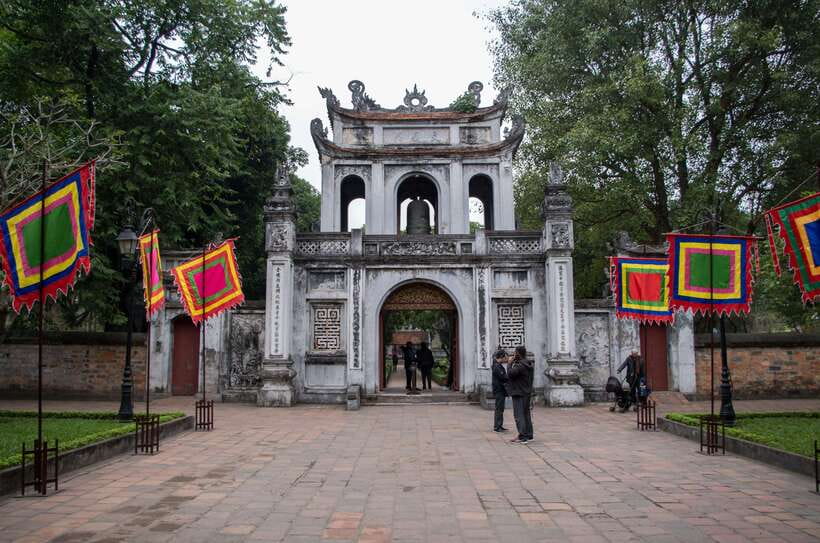
The Temple of Literature dates to 1070 and was built as a center devoted to Confucius. It later served as Vietnam’s first national university, making it one of Hanoi’s most important cultural sites.
This is likely the most rewarding stop for visitors who want more than a checklist of landmarks. Courtyards, traditional architecture, stone steles, and gardens give the site a calmer pace than the streets outside. You have time for photographs, a guided visit, and some free time, though the four-hour schedule means you should not expect an extended historical tour.
I would pay attention to how the site is arranged. The courtyards and gateways create a gradual movement inward, away from the noise of the city. Even a short visit can show you how education, Confucian thought, and royal-era traditions shaped Vietnam.
The main limitation is time. If you like to read every inscription or linger in each courtyard, you may wish for a longer stop. If you want an efficient first look at Hanoi’s past, the visit fits the tour well.
More Hidden Food Spots in Vietnam
- Walking Street Food Tour in Hanoi and Train Street
★ 5.0 · 503 reviews - Vespa Female Ao Dai riders Night Street Food + See Train Street
★ 5.0 · 254 reviews - Hanoi: 7 Tasting Street Food Walking Tour and Train Street
★ 5.0 · 226 reviews - Hanoi Street Food Adventure: Train Street & Local Delights
★ 5.0 · 208 reviews
Hanoi Train Street, Coffee, and a Word of Caution
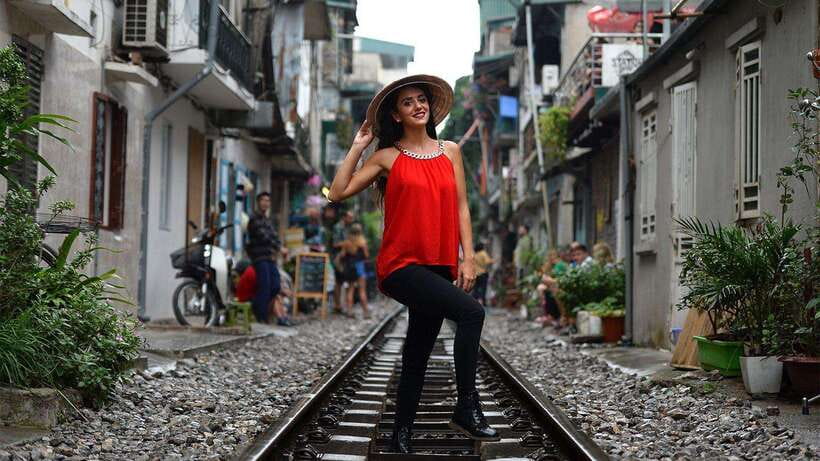
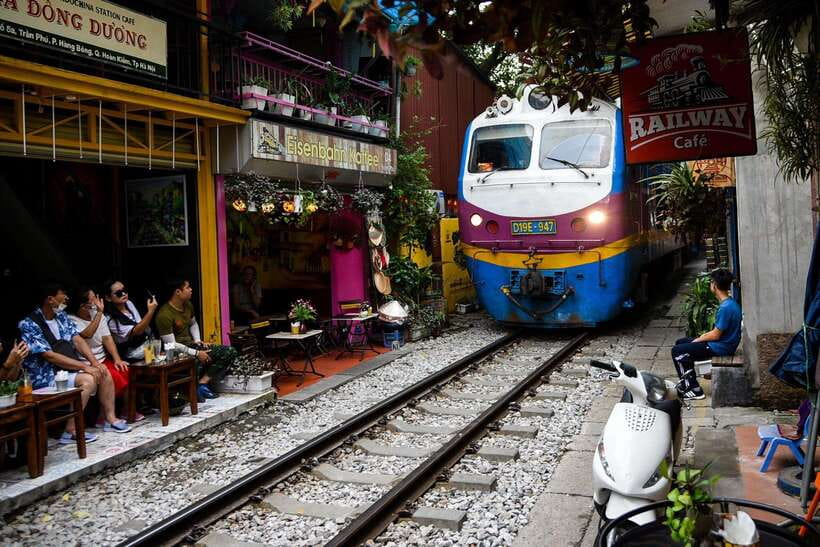
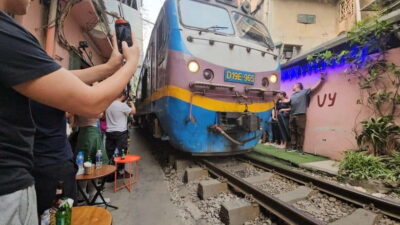
Train Street is the tour’s most unusual stop. A railway line passes through a narrow residential area, with homes and cafés close to the tracks. Your guide takes you there by scooter, and you can pause for a coffee or beer while seeing this well-known corner of Hanoi.
The appeal is easy to understand. It is not a grand monument. It is a close-up view of how urban life can fit into a very small space. You get a sense of local routines, tight streets, and the unusual relationship between homes and railway traffic.
Use common sense here and follow your guide’s instructions. The train line is an active transport route, not a stage set. The tour description promises the chance to see trains passing, but it does not guarantee a train at a precise time. If no train arrives during your visit, the setting itself still provides the main interest.
This stop can also be busier than the quieter parts of the route. You may find cafés and viewing areas crowded, and the atmosphere is less peaceful than at the Temple of Literature. I would treat Train Street as a brief, memorable stop rather than the main reason to expect a long stay.
Long Bien Bridge and the Quieter Side of Hanoi
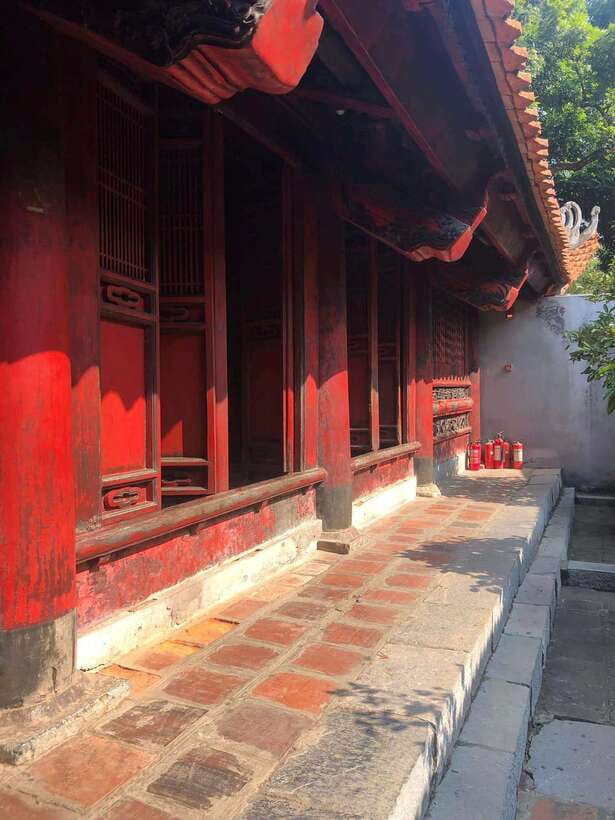
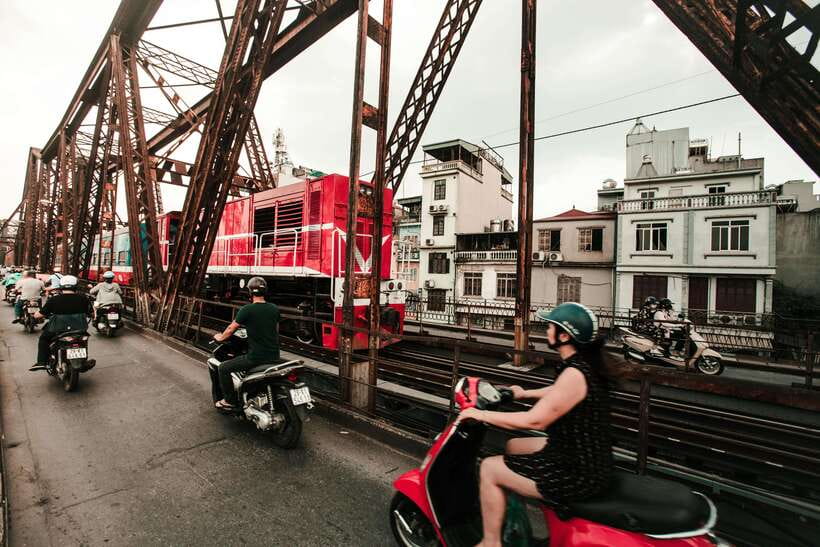
Long Bien Bridge brings a different mood. The historic bridge is an architectural landmark, but the tour also highlights the greenery and local life around it. Banana trees and open views offer a break from the tight streets of the Old Quarter.
The plan includes time to walk and take photographs. That makes this stop more than a quick pass on the motorbike. You can slow down, look across the river area, and see a less polished side of Hanoi.
Long Bien is a useful counterpoint to the formal Ho Chi Minh complex and the carefully arranged Temple of Literature. Here, the appeal comes from the structure, the surrounding plants, and the everyday activity nearby. You might find the stop especially appealing if you prefer places with a sense of ordinary local life.
Again, the four-hour limit matters. The bridge portion is a taste, not an extended exploration. You will see the area and hear its story, but you will not have time to examine every section at leisure.
Tran Quoc Pagoda and the Route Beyond the Main Stops
Tran Quoc Pagoda is included among the places covered by the tour. The detailed stop sequence gives more attention to the Old Quarter, Temple of Literature, Ho Chi Minh Mausoleum, Train Street, and Long Bien Bridge, so the amount of time at Tran Quoc Pagoda may depend on the route and departure.
That is worth keeping in mind if the pagoda is your priority. The experience is built around a moving city tour, not a long visit at each monument. You will get a broad introduction to Hanoi’s central sights, with the guide deciding how the route works within the available four hours.
The Old Quarter Food Walk
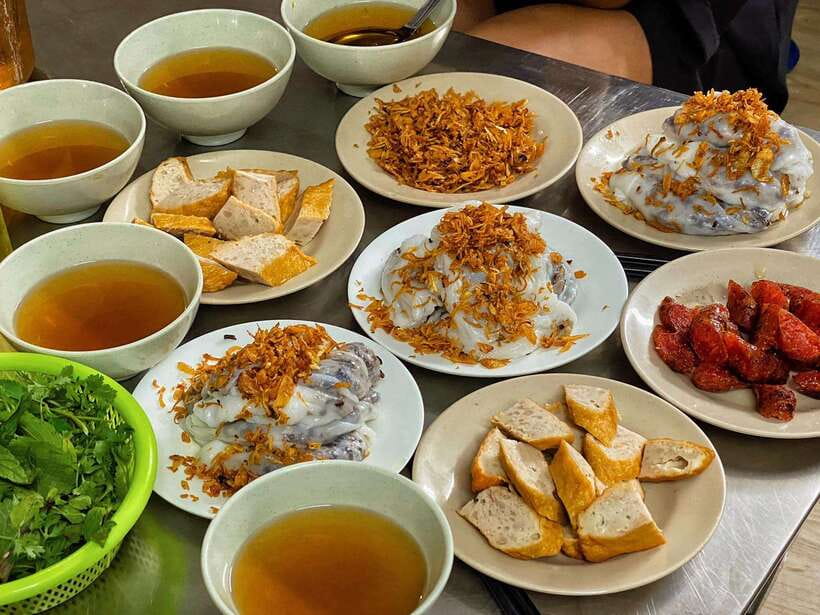
After the sightseeing, you return to the Old Quarter on foot for the food portion. This is where the tour earns much of its value. Instead of merely hearing about Vietnamese dishes, you get to taste several foods in a short period and connect them with the streets where locals eat.
Bun cha
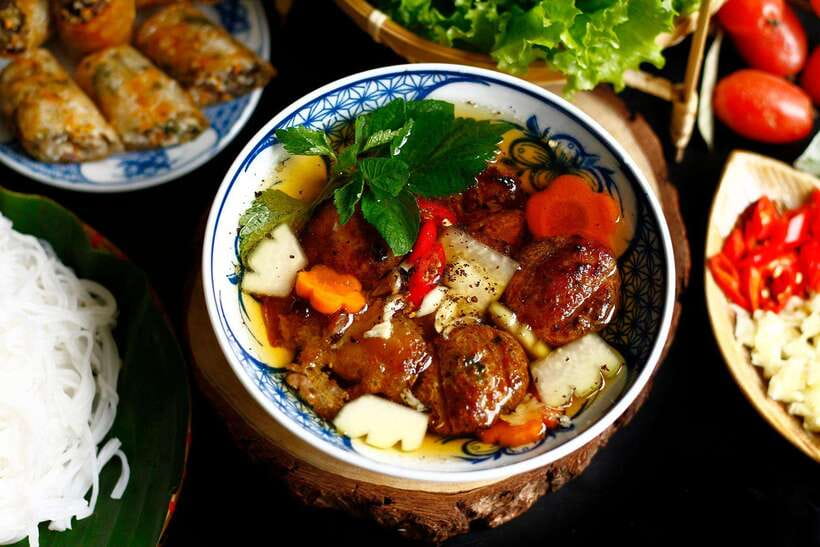
Bun cha is a Hanoi classic made with grilled pork, rice noodles, herbs, and dipping sauce. The combination is smoky, fresh, salty, and slightly sweet. The tour includes a bun cha stop around Gia Ngu Street, though the precise food option can change with your location.
This is one of the dishes I would most want included in a Hanoi food tour because it is strongly associated with the city. You also get a useful lesson in Vietnamese eating habits: herbs and fresh ingredients balance grilled meat and savory sauce rather than appearing as a separate side dish.
Banh cuon
At Pho Banh Cuon 14 on Bao Khanh Street, you may taste banh cuon, delicate steamed rice rolls often served with savory fillings and dipping sauce. It is a gentler dish than bun cha, with a soft texture and subtle flavor.
This stop adds variety. You are not simply eating four versions of noodles or bread. The food walk moves from grilled meat to steamed rice rolls, then to a sandwich and a sweet coffee.
Banh mi
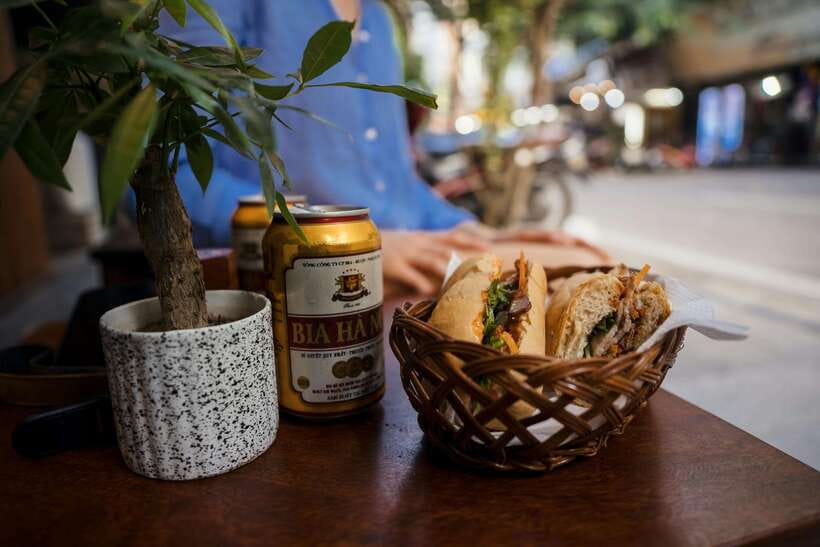
Vietnamese banh mi gives the tour a fast, portable food with plenty of contrast. The crisp bread and savory fillings make it a natural Old Quarter snack, especially between sightseeing stops.
The information provided does not specify one exact banh mi shop or filling. That is another reason to view the named dishes as the expected food style rather than a rigid menu. Your guide can direct you to an appropriate local option based on the route.
Egg coffee
Egg coffee is the sweet finish. Vietnamese coffee provides the strong base, while a creamy egg mixture gives it a dessert-like texture. It is one of Hanoi’s signature drinks and a fitting final stop after the savory dishes.
You should not expect a formal restaurant meal. This is a tasting walk through local food spots, and personal expenses are not included. The tour covers the listed tasting experience, but you should bring money if you want extra food, another drink, or souvenirs.
What $48 Really Gets You

At $48 per person, the price is fair if you value convenience and local guidance. In four hours, you get a private rider, an English-speaking guide, transportation between major sights, a walk through the Old Quarter, and tastings of several signature foods.
You are also paying to avoid the practical headaches of Hanoi traffic. A taxi-based route could cover some of the same ground, but it would not provide the same local riding experience or the food guidance in one compact outing.
The value is weaker if you only want landmark photographs. The tour does not offer long, detailed visits at every attraction, and personal expenses are separate. It makes the most sense for a first visit, a short stay, or a morning when you want a useful orientation to the city.
The small group helps protect the value. With no more than nine participants, the guide can offer a more personal experience than a large coach tour. Private tours are available if you want more control over timing or traveling companions.
Safety, Comfort, and What to Bring
The tour is not suitable for people with back problems or wheelchair users. Riding as a passenger for several hours, followed by walking in the Old Quarter, requires reasonable physical comfort.
Wear comfortable walking shoes. Bring water, a hat, sunscreen, and a camera. Hanoi can be hot and bright, and the day includes time outdoors at Ba Dinh Square, the Temple of Literature, Train Street, and Long Bien Bridge.
Smoking is not allowed during the activity. You should also dress for a mix of riding and walking rather than for a formal temple visit. The supplied guidance does not specify a dress code, so comfortable, respectful clothing is the sensible choice.
The most important safety point is to listen to your rider. The positive feedback about feeling safe on the scooters is encouraging, but traffic conditions still require attention. Stay with the group and follow directions near Train Street and on the bridge.
Who Should Book This Tour?
I would recommend it to first-time visitors who want to see several sides of Hanoi in one half-day. It suits you if you enjoy local food, are curious about city life, and prefer a guided ride to arranging transport between scattered sights.
It is also a good choice for couples, friends, and solo visitors who want company without joining a huge group. Kien and Jack have been praised for their friendly manner, local insight, and careful riding, which are exactly the qualities you want from this kind of experience.
I would choose a different format if you need a wheelchair-accessible route, have back trouble, or want to spend an hour at each monument. Food-focused visitors should also note that this is a sightseeing tour with tastings, not a dedicated full-day culinary class.
Should You Book It?
Book this tour if you want a lively introduction to Hanoi, especially if Train Street, local motorbike travel, and classic dishes are high on your list. The combination of landmarks, neighborhood riding, and bun cha, banh cuon, banh mi, and egg coffee gives you a lot in four hours.
Skip it if you need a slow pace, guaranteed long visits, or a fully accessible experience. For most first-time visitors who can comfortably ride as a passenger and walk through the Old Quarter, $48 is a sensible price for the amount of transport, guiding, sightseeing, and food included.
FAQ
How long does the Hanoi motorbike and food tour last?
The tour lasts four hours. Starting times vary, so check availability when choosing your date.
What language does the guide speak?
The live tour guide speaks English.
How many people are in the group?
The group is limited to nine participants. Private tours are also available.
Is a private rider included?
Yes. The experience includes a private rider for the motorbike portion of the tour.
Which Hanoi sights are included?
The route includes Hanoi’s Old Quarter, the Temple of Literature, the Ho Chi Minh Mausoleum, Long Bien Bridge, and Tran Quoc Pagoda. The route also passes through Ba Dinh Square.
What food can I taste?
The food portion includes bun cha, banh cuon, banh mi, and Vietnamese egg coffee. Food options may change depending on your location.
Are personal expenses included?
No. Personal expenses are not included, so bring money for anything beyond the included tastings.
Is the tour suitable for wheelchair users or people with back problems?
No. The activity is not suitable for wheelchair users or people with back problems.
Can I cancel for a full refund?
Yes. You can cancel up to 24 hours in advance for a full refund. You can also reserve now and pay later.
Just added around Hanoi
- Hanoi Street Food Tour and MORE★ 5.0 · 18 reviews
- Walking Street Food Tour and Hidden Music★ 4.5 · 19 reviews
- Hanoi Vespa After Dark Street food + Train Street+ Live Music★ 5.0 · 18 reviews
- Street food on foot with a local-Asian Promise★ 5.0 · 19 reviews
- TASTE OF HANOI – walking street food adventure★ 5.0 · 94 reviews
- Street Food by Walking Tour for 3 hours in Hanoi, Vietnam★ 5.0 · 26 reviews
- Street Food Tour Hanoi By Walking★ 5.0 · 3 reviews
- Street Food Tour in Hanoi★ 5.0 · 3 reviews
Hidden Food Spots, compared.
Street Food Tour with Train Street & Hidden Alleyways
What we made of it →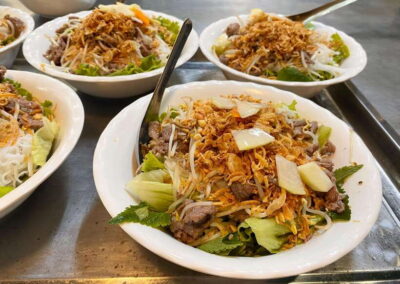
Guided Street Food Tour with Train Street Experience
What we made of it →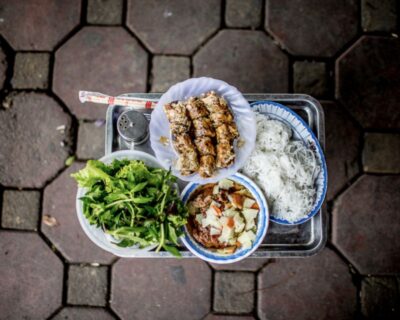
7 Tastings Street Food Tour with Train Street
What we made of it →
Walking Street Food Tour in Hanoi and Train Street
What we made of it →
Hidden Markets, Street Food & Salsa-Making Tour
What we made of it →
Saigon’s Hidden Flavors – Private Street Food Walk with Local Students
What we made of it →
Vespa Female Ao Dai riders Night Street Food + See Train Street
What we made of it →
Amman Walking Tour: Hidden Gems, Culture & Street Food
What we made of it →Where this tour turns up