
Review · KUALA LUMPUR
Kuala Lumpur: Sambal Street Food Tour with 15+ Tastings
Come hungry, leave happily stuffed. This four-hour Kuala Lumpur food walk packs in more than 15 tastings, local stories, and a look at neighborhoods many visitors miss. I especially like the small group of no more than eight people and the chance to eat at places known by locals rather than restaurants aimed at tourists.
The food range is the real draw. You may try familiar Malaysian favorites such as nasi lemak, rendang, satay, and roti canai, then move into less expected bites such as banana-leaf grilled mackerel with sambal, cendol with durian, and other market treats. The main caution is simple: this is a serious amount of food, and vegetarians, vegans, and people with severe allergies may find the limited alternatives frustrating.
Guides including Kiran, Nadia, Ian, Sam, Sean, Steve, and Jay have earned praise for their humor, care, and strong grasp of Malaysian food and culture. Kiran is especially good at adjusting the pace and spice level, while Nadia has helped people find their way back to public transport after the tour.
Key points at a glance
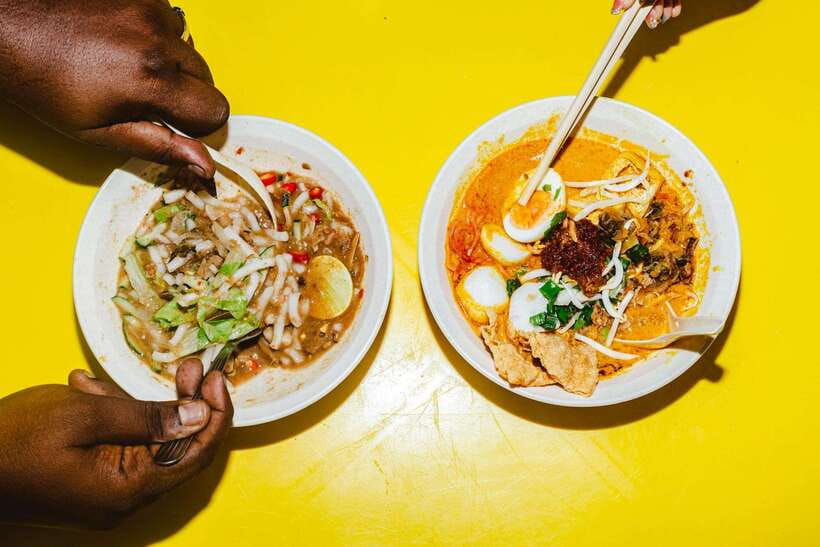
- More than 15 tastings: Expect a full meal, not a few token samples.
- Kampung Baru and Chow Kit: Walk through traditional parts of Kuala Lumpur that feel far removed from the city’s glossy towers.
- Small groups of eight: The size makes it easier to ask questions and share dishes around a table.
- A local guide makes the difference: Guides explain ingredients, customs, and the cultural background behind each dish.
- Rain or shine: Comfortable shoes, an umbrella, and rain gear are practical necessities.
- Best for adventurous eaters: The tour includes meat, seafood, spice, and durian, with only limited alternatives for strict diets.
Why this food tour works so well in Kuala Lumpur
Malaysian food can be confusing at first. Malay, Chinese, Indian, and regional influences overlap, and the same meal may include unfamiliar herbs, sambal, coconut milk, fermented ingredients, or several kinds of chili.
That is where a guide earns the fee. Instead of ordering at random and hoping for the best, you get a running explanation of what is on the table, how it is made, and why it matters. The guides also explain Malaysian history and daily life as you walk, so this is more than a meal with a few facts attached.
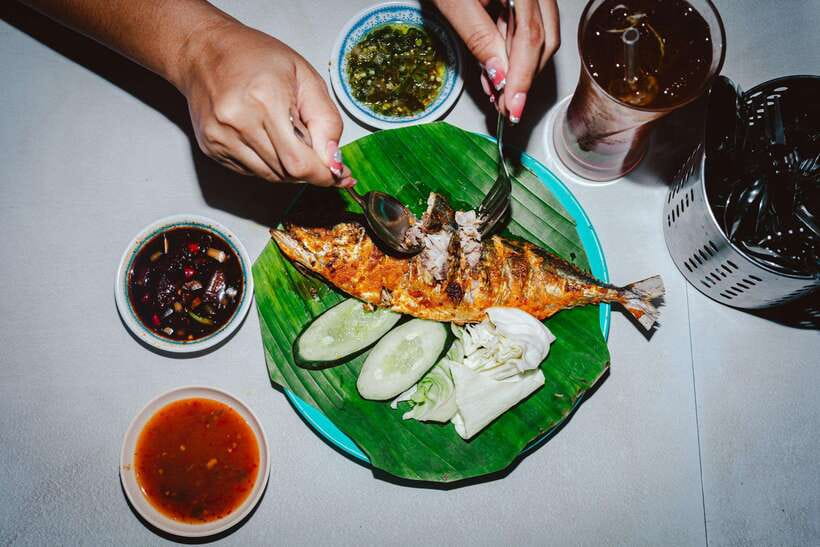
I like the balance between classic foods and less obvious choices. Nasi lemak gives you a useful introduction to one of Malaysia’s best-known dishes. Roti canai shows off the country’s Indian Muslim influence, especially when you get to see or try the hand-stretching and flipping technique. Satay brings grilled meat and peanut sauce into the picture, while grilled fish with sambal shows how much flavor can come from a hot chili paste.
The tour is also designed around sharing. Portions are plentiful, but the food is not necessarily served as 15 full restaurant meals. That matters because you can sample a broad range without needing to order every dish yourself. Even so, several people finish extremely full, so eat lightly before the start.
More Street Food Tours in Malaysia:
- The 10 Tastings of Kuala Lumpur With Locals: Private Street Food Tour
★ 5.0 · 249 reviews - Kuala Lumpur Local Street Food Private Walking Tour by Night
★ 4.5 · 224 reviews - Eat Like a Local: Kuala Lumpur Hawker Center and Street Food Tour by Night
★ 5.0 · 198 reviews
Meeting your guide near Jalan Tuanku Abdul Rahman
The meeting point is outside the entrance of the Hilton Garden Inn South, on the corner of Jalan Raja Alang and Jalan Tuanku Abdul Rahman.
You do not get hotel pickup or drop-off, so allow time to reach the starting point. The tour is on foot, and the route moves through local streets, markets, and eateries rather than following a sightseeing bus circuit.
The small group limit of eight is one of the practical strengths. You can hear the guide more easily than in a large group, ask about ingredients, and get help when a dish is unfamiliar. The small size also makes shared plates easier to manage.
One minor issue is that food stalls and restaurants can be noisy. One participant found it difficult to catch every answer when there was distance or background noise, and suggested a microphone or earpieces for a premium version. Stay close to the guide when explanations begin, especially at busy stops.
Starting with ingredients and the local market
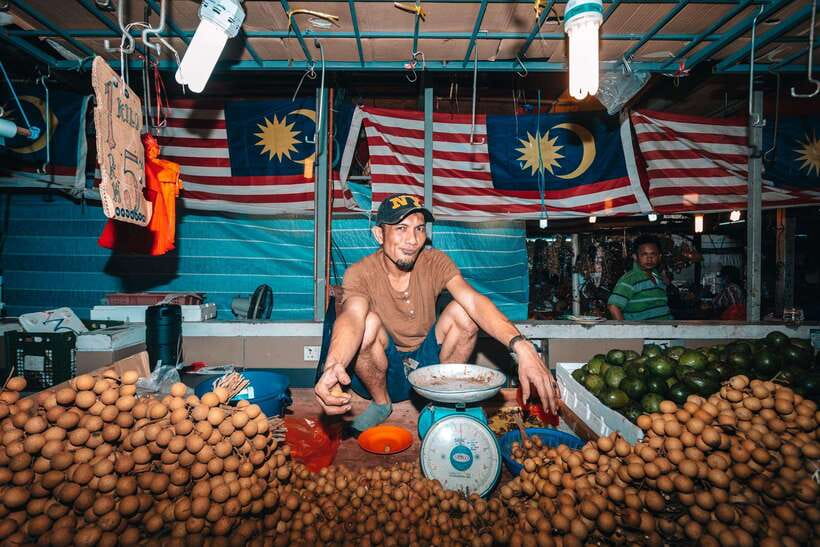
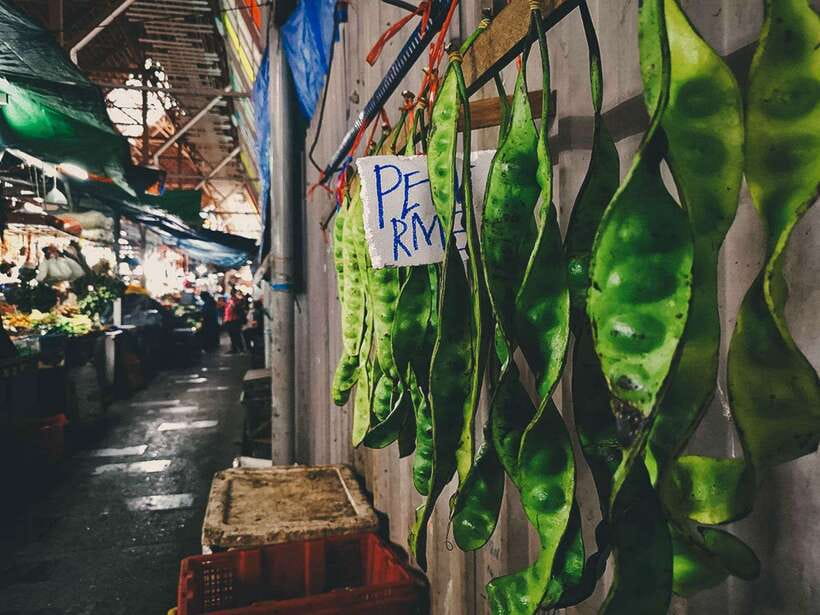
The opening market walk helps you understand Malaysian cooking before the eating really gets going. You can see the produce, spices, and other ingredients used in local dishes instead of meeting each plate as an isolated mystery.
This is a useful part of the tour because Malaysian food depends heavily on combinations. Chili, coconut, herbs, seafood, grilled meats, noodles, and rice each play a different role. Seeing the raw ingredients gives you more confidence later when you encounter unfamiliar dishes on your own.
The market also provides an easy introduction to the multicultural character of Kuala Lumpur. A guide can connect the food to Malay, Chinese, and Indian traditions without turning the tour into a formal lecture. The best guides keep this moving, adding short stories while the group walks and eats.
Nadia has been praised for explaining the history of food and the subtleties of Malaysian ingredients. Kiran is also known for sharing personal stories about Kuala Lumpur, which can make the city feel less like a collection of attractions and more like a lived-in place.
Kampung Baru and Chow Kit beyond the tourist circuit
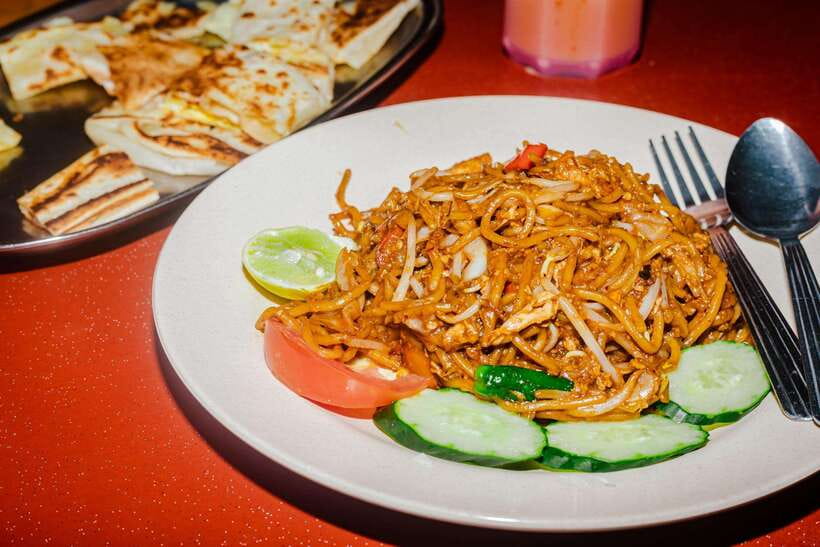
The route includes Kampung Baru and Chow Kit, two areas that offer a different view of Kuala Lumpur from the usual tower-and-shopping-mall itinerary.
Kampung Baru is one of the city’s remaining traditional neighborhoods. Its presence among Kuala Lumpur’s newer development gives the walk a strong sense of contrast. You get to see a part of the city where local food and community life remain central, rather than simply passing through a famous landmark district.
Chow Kit adds another layer, with markets and eateries that serve everyday local life. The point is not polished scenery. It is seeing where people shop, eat, and meet, then having your guide explain what you are seeing.
This is also where the walking element earns its keep. Between tastings, you have time to settle your stomach and notice the streets around you. The pace is generally relaxed, and several guides have been praised for keeping the walk comfortable without allowing long waits between dishes.
Do not expect a quiet stroll. Kuala Lumpur is hot, humid, and often wet, and the tour runs rain or shine. Bring an umbrella and rain gear, and wear shoes that can handle wet pavement.
Same place, a different plate:
- Kuala Lumpur: Local Street Food Night Tour
★ 4.5 · 162 reviews - Eat Like A Local: Penang Street Food Tour
★ 5.0 · 93 reviews - Kuala Lumpur: Nightlife Street Food Tour with 6 Tastings
★ 4.6 · 73 reviews - Authentic Malaysian Street Food Tour With 15+ Tastings Near KLCC
★ 5.0 · 68 reviews
The main tasting: nasi lemak, rendang, and satay
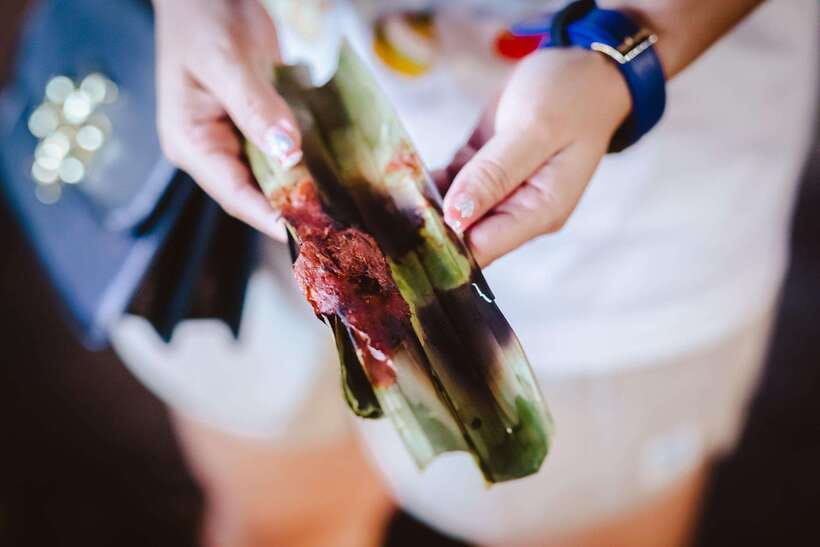
The tour includes several Malaysian staples, and these are the dishes that help you build a basic food vocabulary.
Nasi lemak is an essential taste. Fragrant coconut rice is usually paired with spicy sambal and other accompaniments, creating a dish that is far more than plain rice with side dishes. Your guide can point out how the balance of richness, heat, salt, and sweetness works.
Rendang offers a slower, deeper style of cooking. The meat is cooked with spices and coconut until the sauce becomes concentrated and intensely seasoned. This is a dish to eat slowly, especially if several other stops are still ahead.
Flame-grilled chicken skewers with peanut satay provide a more familiar entry point. The smoky meat and nutty sauce are easy to enjoy, but the guide’s explanation helps you see how satay fits into Malaysia’s wider food culture.
The portion strategy is sensible. Food is ordered in amounts that reduce waste, with more available if the group wants it. Still, do not treat the early dishes as small snacks. By the final stops, you may be glad you showed restraint.
Roti canai and the pleasure of watching food being made
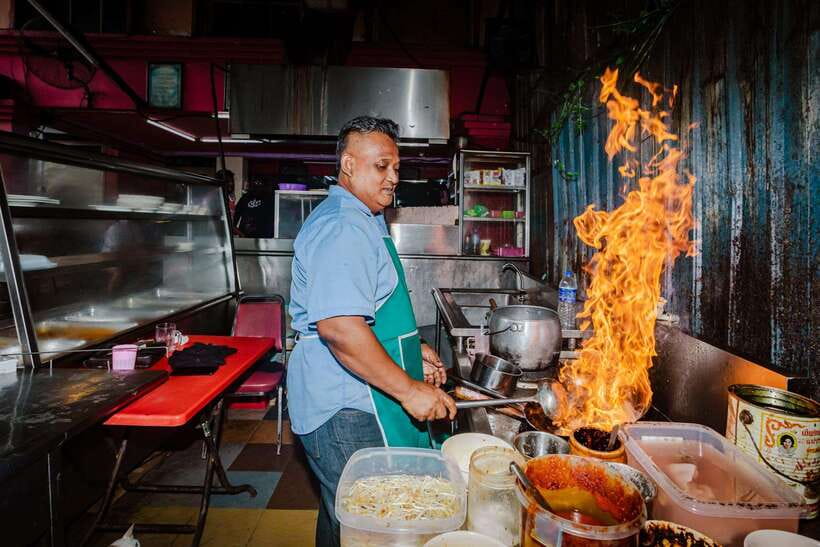
Roti canai is one of the most memorable parts of the experience because it is not only about eating. You may get a chance to try the hand-stretching or flipping technique, turning a simple flatbread into a light, layered bread with a crisp surface and soft center.
It is usually paired with curry, making it a good lesson in texture. The bread soaks up sauce while still offering a bit of chew and crispness. This is also a dish you can look for later during your stay because it is approachable, filling, and widely useful when you want a quick meal.
The hands-on element has been singled out as a favorite moment. It breaks up the steady sequence of tasting and gives you a better sense of the work behind Malaysian street food.
Grilled fish, sambal, cendol, and durian
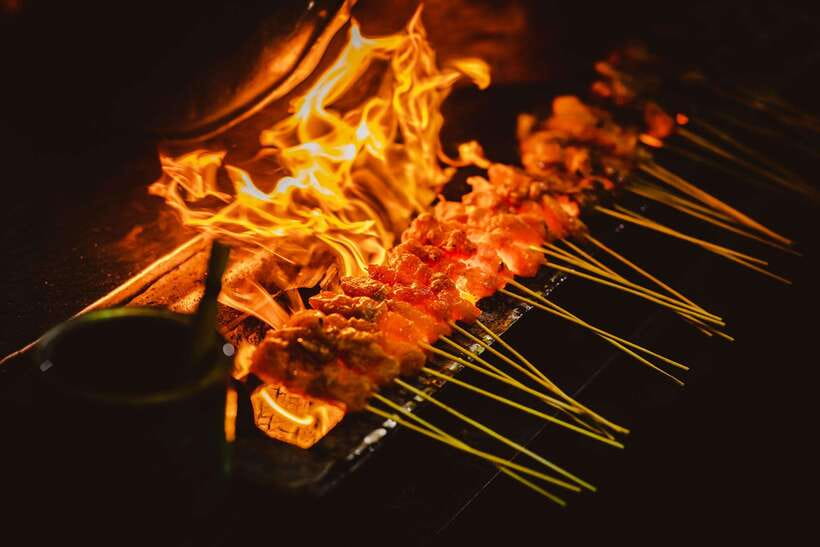
Some of the more unusual tastings are where the tour becomes most valuable. Banana-leaf grilled mackerel with sambal brings together smoky fish, aromatic leaves, and a hot chili mixture. If you are sensitive to spice, tell your guide before the first dish arrives, not after your mouth is already on fire.
Cendol provides a cooling change of pace. The dessert is sweet, cold, and refreshing, and the version here may include durian. Durian has a strong aroma and a creamy texture, so it can be a challenging first taste. You are not required to love it, but trying it with an explanation is a better introduction than buying an unknown portion on your own.
Other tastings may include curry laksa, mama mee, seasonal fruit, drinks, and mango shake. The exact selection can change, since ingredients and availability vary. That flexibility is useful because it keeps the food tied to what is fresh and available rather than forcing an identical menu every day.
How the guides shape the experience
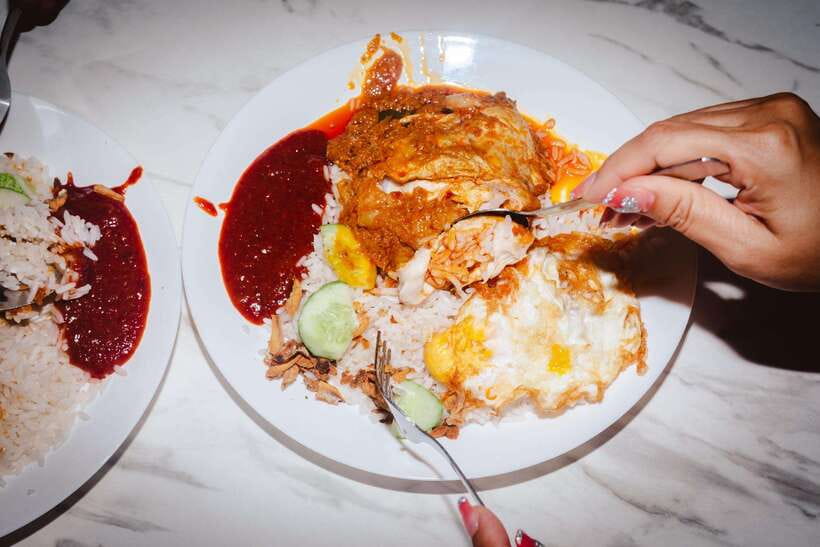
The food matters, but the guide often determines whether the evening feels rushed or relaxed.
Kiran has been praised for reading the group well, ordering more adventurous dishes for people who want them, reducing heat for those who do not, and adapting around dietary needs. Nadia is described as warm, attentive, and especially good at combining food facts with stories about Malaysia. Ian is praised for creating a friendly mood, while Steve and Sean are noted for clear explanations and careful attention to individual needs.
Those details matter because a food tour involves many small decisions. Is the sambal too hot? What is in this curry? Can I try the seafood but skip the chicken? How much more food is coming? A guide who asks these questions early can prevent a disappointing meal.
There has been at least one mix-up involving a pescatarian being given chicken, but the guide arranged a replacement and handled the dietary need properly afterward. That is a useful reminder to state your restrictions clearly when booking and again at the start.
The strongest guides also help with the journey home. Nadia has walked a participant to the LRT station, and Kiran has helped people work out their best route back. Hotel transport is not included, but this sort of practical help can be reassuring after four hours of eating and walking.
Is $53 good value?
At $53 per person, this is not a cheap way to grab dinner. You could eat some Malaysian dishes for far less by ordering one meal at a local stall.
The value comes from the range, the guide, and the organization. Recreating 15 or more tastings on your own would require knowing where to go, understanding what to order, managing portion sizes, and finding your way around two traditional areas. You would also miss much of the explanation about ingredients, history, and cultural influences.
The price makes the most sense if you want a guided introduction early in your Kuala Lumpur stay. Afterward, you will recognize dishes and ingredients, and you can order with more confidence during the rest of your trip.
It is less compelling if you are already an experienced Malaysian food eater, dislike group activities, or prefer to spend four hours ordering one dish at a time. The tour is a feast, not a casual snack crawl.
Who should book this tour?
I would recommend it to first-time visitors who want a fast, practical introduction to Malaysian food. It also suits solo visitors, since the eight-person format makes it easy to share dishes and talk with other food lovers.
It is a good choice for curious eaters who are happy with seafood, meat, chili, and unfamiliar textures. You do not need to enjoy every dish, but you should arrive willing to try.
People with mild dietary needs should contact the provider in advance. Lactose intolerance and some other diets can be supported, but this tour is not suitable for vegetarians or vegans, and severe allergies are a serious concern because there are few alternatives at the stops.
Wear comfortable shoes and bring an umbrella. Most importantly, do not eat a large meal beforehand. The tour has enough food to carry you well past dinner.
Final verdict: book it if you want context with your meal
I would book this tour if I wanted to understand Kuala Lumpur through food rather than simply collect restaurant addresses. The combination of 15 or more tastings, Kampung Baru and Chow Kit, and a guide who can explain the cultural background gives you a useful foundation for the rest of your stay.
The main drawbacks are the price, the amount of food, the walking in unpredictable weather, and limited options for strict diets. If those fit your situation, $53 buys more than dinner. It buys a guided introduction to how Kuala Lumpur eats.
FAQ
How long does the Kuala Lumpur food tour last?
The tour lasts four hours.
How many tastings are included?
More than 15 tastings are included, along with bottled water.
Where does the tour meet?
Meet outside the entrance of the Hilton Garden Inn South, on the corner of Jalan Raja Alang and Jalan Tuanku Abdul Rahman.
Is hotel pickup included?
No. Hotel pickup and drop-off are not included.
What language is the tour conducted in?
The tour is conducted in English.
How large is the group?
The group is limited to eight participants.
Is the tour suitable for vegetarians or vegans?
No. The tour is not suitable for vegetarians or vegans because there are few alternatives at the food stops.
What should I bring?
Bring comfortable shoes, an umbrella, and rain gear. The tour operates in rain or shine, so prepare for wet weather.
Just added around Malaysia
- Eat Like A Local: Penang Street Food Tour★ 5.0 · 93 reviews
- Yummy Yummy Street Food Tasting + Night City Tour(Private Guided)★ 5.0 · 8 reviews
- Kuala Lumpur’s Nightlife Secrets and Street Food★ 5.0 · 18 reviews
- Private Tour : “Lepak-Lepak” at Local Night Market & Mamak Stall★ 4.5 · 4 reviews
- 3-Hour Private Street Food Walking Tour in Kuala Lumpur★ 4.5 · 6 reviews
- Private Kuala Lumpur Night Market And Food Tour★ 5.0 · 13 reviews
- Authentic Malaysian Street Food Tour With 15+ Tastings Near KLCC★ 5.0 · 68 reviews
- Back of the Bike Street Food Experience – Real Penang!★ 5.0 · 27 reviews
Street Food Tours, compared.
Old Town, Creek, Museums, Souks, & Street Food Tour
What we made of it →
Ho Chi Minh City Street Food Tour & Sightseeing By Motorbike
What we made of it →
Comuna 13 Graffiti Tour, Cable Car & Street Food
What we made of it →
Old Town, Souks, Street Food, Guided Tour & Abra Ride
What we made of it →
Small Group Hanoi Street Food Tour with a Real Foodie
What we made of it →
Saigon By Night and Street Food By Motorbike | Opt: Ao Dai Riders
What we made of it →Where this tour turns up