
Review · LISBON DISTRICT
Lisbon: Portuguese street food cooking class with Drinks
Portuguese comfort food begins at the stove. This two-hour class gives you a useful taste of Lisbon beyond pastries and cod, with bifana, caldo verde, and peixinhos da horta prepared under a local chef’s guidance. I like the mix of cooking and food history, and I especially like that you sit down afterward to eat what you made with wine and a taste of ginja. The main limitation is that the class is not suitable for wheelchair users.
You do not need cooking experience, and the recipes are simple enough to repeat at home. That makes this more than a meal with a demonstration. Still, the class is fairly short, so you should expect a focused introduction rather than a full survey of Portuguese cuisine.
Key points to know before booking
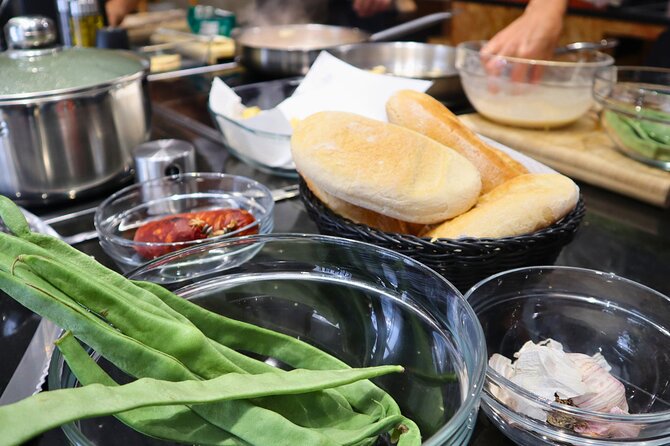
- Three useful Portuguese dishes: Prepare bifana pork sandwiches, caldo verde soup, and peixinhos da horta, the fried green-bean dish linked to tempura.
- A full meal is included: You eat the dishes you help make, along with a glass of red or white wine and a tasting of ginja.
- English instruction: The class is taught in English by chefs at Compadre Cooking School.
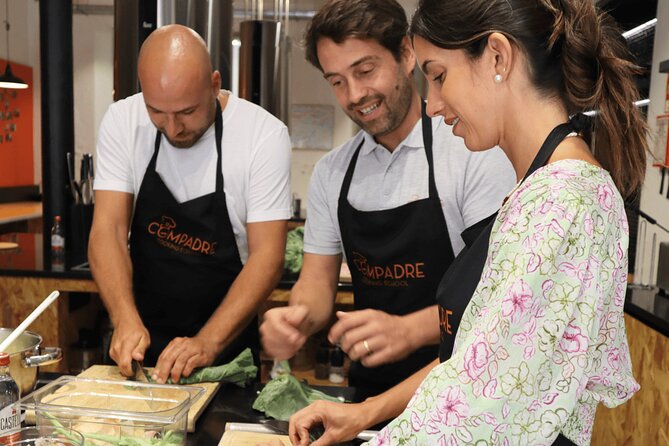
- No kitchen experience required: The recipes are designed for beginners, with participants working together at cooking stations.
- A social format: The shared meal gives you time to talk with the other cooks instead of simply watching a demonstration.
- Bring the right shoes: Comfortable clothing and shoes are important, and arriving five minutes early helps you settle in.
Why this Lisbon class feels different
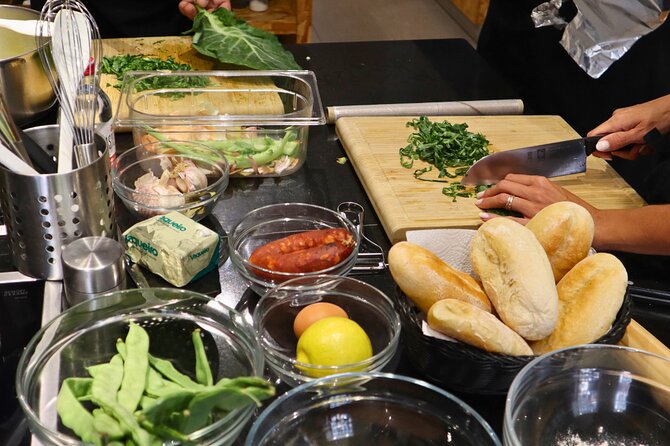
Lisbon has no shortage of food tours, pastry tastings, and cod-based meals. This class takes a more hands-on route. Instead of simply eating Portuguese food, you help prepare the everyday dishes that turn up in snack bars, homes, and local festivals.
I like the choice of recipes. Bifana is a simple pork sandwich, but it is one of Portugal’s most recognizable casual foods. Caldo verde is a comforting soup made with collard greens. Peixinhos da horta, which translates roughly as little fish from the garden, uses vegetables in a way that connects Portuguese cooking with the wider story of tempura.
That mix gives you three different lessons in one sitting. You get a sandwich, a soup, and a fried vegetable dish. The recipes are approachable, but each carries a bit of cultural background. The chef explains where the dishes came from and how they fit into daily Portuguese life.
The class lasts two hours, which works well in a city sightseeing schedule. You can fit it into an afternoon or evening without giving up a whole day. The tradeoff is that the pace needs to stay steady. You will not have time to explore every regional variation or prepare a long list of dishes.
More Street Food and Drinks Crawls in the world:
- Hungry Osaka Street Food Tour:15 Tastings & 3 Drinks with a Local
★ 5.0 · 1,727 reviews - Florence: Street Food Tour with Wine & Local Guide
★ 4.9 · 1,443 reviews - Budapest Centre Food Tour with 10+ Tastings, Wine & Street Food
★ 5.0 · 810 reviews
Arriving at Compadre Cooking School
The meeting point is the Compadre Cooking School kitchen in Lisbon District. Transportation is not included, so you need to make your own way there. Check your route before leaving, especially if you are coming from another part of the city.
Plan to arrive five minutes early. That small cushion gives you time to find the kitchen, put away your things, and get ready without rushing into the introduction.
Wear comfortable clothes and shoes suitable for cooking. The practical reason is simple: you may be standing and moving around the kitchen during the preparation. Smoking, alcohol, and drugs are not allowed during the activity.
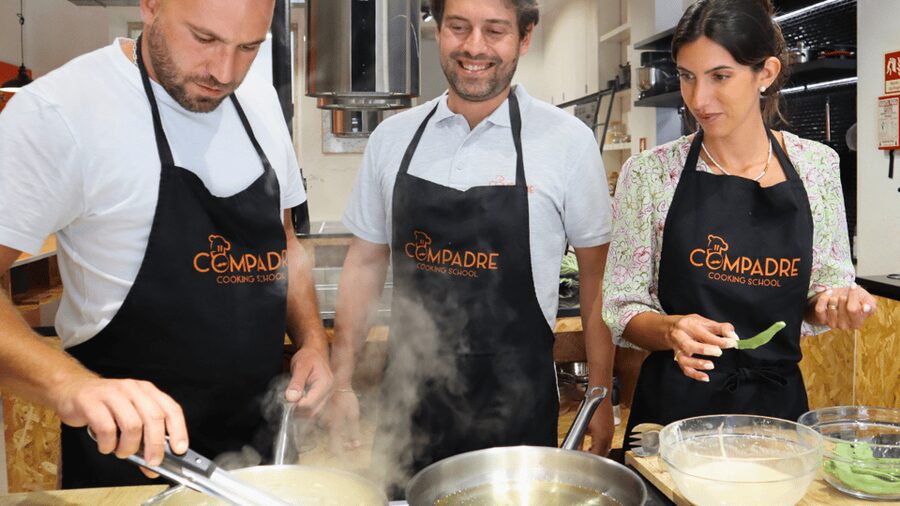
The school itself has received praise for being modern, clean, and spacious. Those details matter in a cooking class. A cramped or untidy kitchen can make a group lesson awkward, while good work surfaces let everyone take part. The class is designed around shared participation, not a single chef doing all the work in front of you.
The opening story behind Portuguese street food
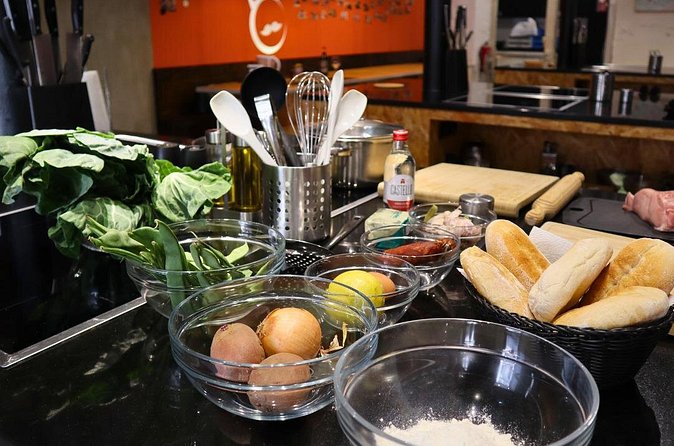
The class begins with an introduction to the food and its place in Portuguese life. This is one of the strongest parts for anyone who wants more than a recipe card.
The chef explains the origins of the dishes and the role they play in everyday eating. You learn why a pork sandwich can be more than a quick lunch, how soup can function as a staple comfort food, and how a vegetable fritter can point to a wider exchange of cooking ideas.
This context makes the cooking more meaningful. When you later prepare the bifana, you are not just seasoning pork. You are working with a dish tied to casual Portuguese eating. When you stir the caldo verde, you are handling a soup that many people associate with home-style comfort.
I also like that the class avoids limiting Portuguese food to the most familiar tourist choices. You are not focusing only on pastel de nata or codfish. Instead, the menu shows you less obvious foods that are still central to Portuguese cooking.
The English instruction is useful for international participants. Guides including Marta and Anna have been praised for clear teaching and a warm, entertaining approach. Roy has also received particular praise for explaining the background and production standards of a drink, which suggests that the beverage part is handled as more than an afterthought.
Making bifana, caldo verde, and peixinhos da horta
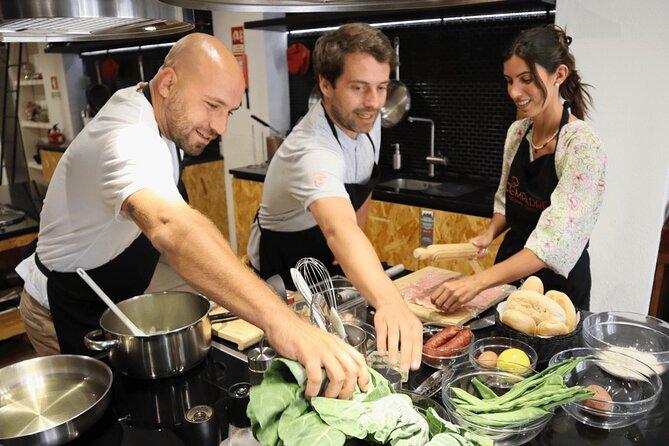
After the introduction, you roll up your sleeves and begin cooking. The chefs guide you through the recipes, and no previous experience is required.
More Cooking Classes in the world:
- Street Food Cooking Class
★ 5.0 · 125 reviews - Eat Osaka: Street Food Cooking in an Authentic Kitchen!
★ 5.0 · 87 reviews - Syracuse: Sicilian Street Food Hands-On Cooking Class
★ 4.9 · 38 reviews - Street Food Cooking Class in Taipei : Gua Bao/Lu Rou Fan/Boba Tea
★ 5.0 · 22 reviews
Bifana
Bifana is a pork sandwich with a strong place in Portuguese snack culture. It is the kind of food that shows how much flavor can come from a short ingredient list and careful preparation.
In class, you work with the pork and help prepare the sandwich components under the chef’s direction. The dish is especially useful for home cooks because it does not require advanced technique. You learn a recipe that can work as a quick lunch or casual dinner after you return home.
The class format also helps here. Rather than watching the chef make the whole dish, you take part in the steps. That gives you a better sense of how the ingredients should look and feel.
Caldo verde
Caldo verde is a traditional Portuguese soup made with collard greens. It is the dish that has drawn some of the strongest praise from participants, and I can see why. Soup is familiar enough for beginners, but the ingredients and preparation still give you a clear connection to Portugal.
You help prepare the soup as a group, then taste it as part of the shared meal. One useful point from the class experience is that the recipes are not padded with unnecessary complexity. The soup is straightforward, but it still feels like a proper dish rather than a token cooking exercise.
If you enjoy food that can be repeated at home, caldo verde may be the most useful recipe of the three. It is also a good reminder that Portuguese cooking is not only about seafood and pastries.
Peixinhos da horta
Peixinhos da horta is the most unusual dish on the menu for many people. It is made with vegetables and is often described as a dish that inspired tempura.
That connection gives the class one of its best food stories. You are not only learning how to fry vegetables. You are seeing how cooking traditions can travel and change over time.
This dish also adds a different texture to the meal. The soup is soft and warming, the bifana is hearty, and the fried vegetables bring crispness. Preparing all three keeps the class from feeling repetitive.
How much hands-on cooking should you expect?
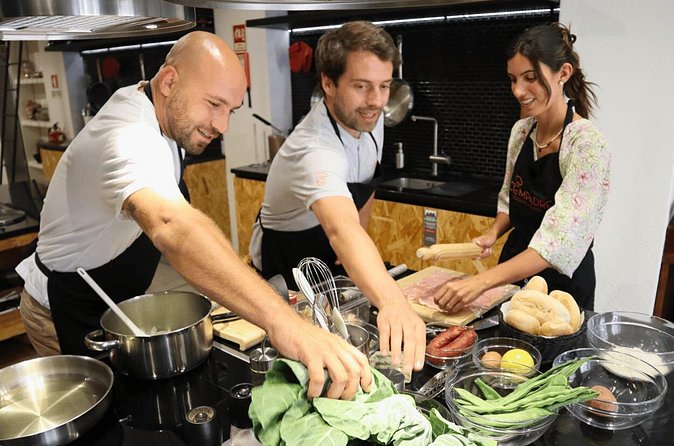
This is a working class, not a chef demonstration with a few token tasks. Participants use professional cooking stations and take part through much of the preparation.
That said, a group class always depends on how the instructor divides the work. One person may chop while another stirs or handles a different stage of the recipe. The experience is designed so everyone can contribute, but you may not personally perform every step of every dish.
One participant felt that Anna sometimes took over too much instead of teaching. That is a fair consideration for someone who wants complete control of each recipe. Most of the available feedback points to clear instruction and plenty of participation, but the format is still collaborative rather than private.
I would book this if you enjoy cooking alongside other people. If you want one-on-one coaching or a quiet lesson at your own pace, a private class would likely suit you better. That option is not offered here, so set the right expectation before booking.
The shared meal, wine, and ginja
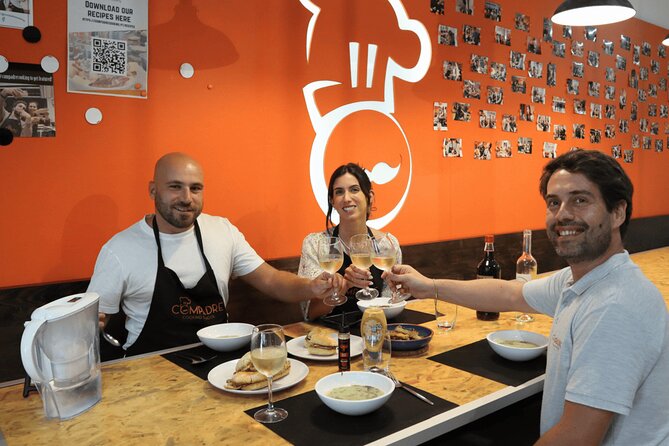
Once the cooking is finished, everyone sits down to eat the prepared dishes. This turns the class into a full meal, not just a snack-sized tasting.
The shared table is an important part of the experience. You have time to compare the dishes, talk with the other participants, and enjoy the food without rushing back into the kitchen. It also gives the class a natural social finish.
A glass of wine is included, either red or white. Additional drinks cost extra and are not part of the listed package. The meal is paired with a tasting of ginja, the traditional Portuguese cherry liqueur.
Ginja gives the class a distinctly local ending. It is a small pour, not a full drinks tour, but it rounds out the food experience. If you already enjoy ginja, you get to connect it with a meal you helped prepare. If it is new to you, this is an easy way to try it.
The drink portion has also been praised for explaining the product and its standards, rather than simply handing over a glass. That makes it more useful for curious food and drink lovers.
The value of $55 for two hours
At $55 per person, the class is not the cheapest way to eat in Lisbon. You could buy a bifana or a bowl of soup for much less. The value comes from combining instruction, ingredients, a complete meal, wine, ginja, and a social activity in a two-hour session.
I consider the price reasonable if you want an experience you can carry home. The recipes are simple enough to recreate, and you receive more than a tasting menu. You get a practical lesson in three dishes, food background, and a chance to practice the methods yourself.
The cost also includes expert chef guidance and all cooking ingredients. You do not need to shop for supplies or pay separately for the meal you prepare. Additional drinks are not included, so keep that small extra cost in mind if you want more than the provided wine.
This is particularly good value for couples, solo visitors who want a social activity, and small groups with mixed cooking ability. It is less compelling if you only want to eat or if your main goal is an advanced culinary course.
Who will enjoy this most?
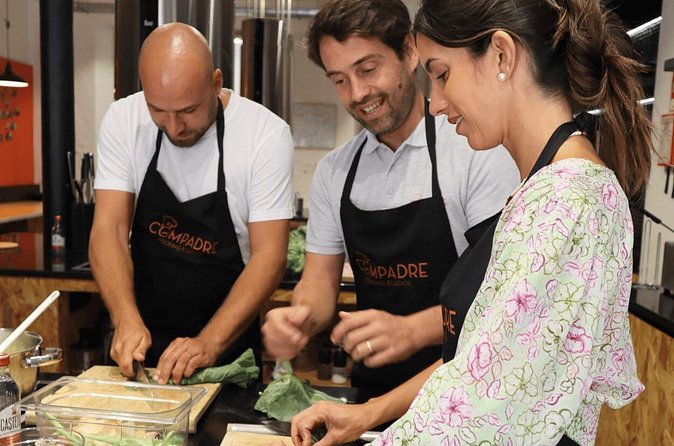
I would recommend this class to food-focused visitors who want a direct connection with Portuguese daily life. It suits beginners because the recipes are not technically demanding, and it works well for adventurous eaters who want to try something beyond the standard Lisbon menu.
It is also a good choice for people who enjoy meeting others. The meal is shared, and the class depends on group participation. The atmosphere has been described as welcoming, with a mix of international participants.
Families with older children might enjoy it, but the supplied information does not specify a minimum age, so confirm that before booking for young children. The activity is offered in English, which is helpful for visitors who do not speak Portuguese.
You should think twice if you use a wheelchair, since the activity is not suitable for wheelchair users. You should also skip it if you want a private lesson, a long culinary workshop, or a class focused on desserts and seafood.
For dietary needs, contact the provider in advance. The recipes can be adapted for specific diets, but you should not assume that changes will happen automatically on the day.
Booking, timing, and cancellation details
The class runs for two hours, with starting times based on availability. You can reserve now and pay later, which helps if your Lisbon schedule is still changing.
Free cancellation is available up to 24 hours before the class for a full refund. That gives you some flexibility, but it is still wise to check the exact booking terms attached to your selected time.
The class is taught in English. Transportation to and from the cooking school is not included, and drinks beyond the provided wine and ginja are extra.
Should you book the Compadre cooking class?
Book it if you want to cook, eat, and learn a few useful Portuguese recipes in a friendly two-hour setting. The strongest reasons are the authentic dish selection, the chance to make the food yourself, and the fact that the class ends with a proper shared meal.
I especially like that it includes caldo verde, bifana, and peixinhos da horta instead of staying with the usual tourist food list. The class also gives you a short but useful lesson in Portuguese food culture.
Skip it if you need wheelchair access, dislike group cooking, or want advanced private instruction. For most food lovers, though, $55 buys a practical and social Lisbon experience, with recipes that can keep working in your own kitchen long after the holiday ends.
FAQ
Where does the cooking class take place?
The class takes place at the Compadre Cooking School kitchen in Lisbon District, Portugal.
How long does the experience last?
The cooking class lasts two hours.
What language is the class taught in?
The instruction is in English.
What dishes will I prepare?
You will learn to prepare bifana, caldo verde, and peixinhos da horta.
What is bifana?
Bifana is a Portuguese pork sandwich and one of the country’s well-known casual foods.
What is peixinhos da horta?
Peixinhos da horta is a traditional Portuguese vegetable dish associated with the origins of tempura.
Is food included in the price?
Yes. You eat a shared meal made from the dishes prepared during the class.
Are drinks included?
The experience includes one glass of red or white wine and a tasting of ginja, a Portuguese cherry liqueur. Additional drinks are not included.
Do I need cooking experience?
No. The class is suitable for beginners and does not require previous cooking experience.
What should I bring?
Wear comfortable clothing and shoes suitable for cooking. Arrive five minutes early.
Just added around the world
- Zanzibar:Stone town Street food market walking tour,transfer★ 4.5 · 9 reviews
- Vienna Food Tour: Dishes, Wine, Street Food & Culture★ 4.7 · 12 reviews
- Verona: Street Food Tour and City Guided Sightseeing★ 4.9 · 11 reviews
- Xi’an: Gourmet & Street Food Tour★ 4.8 · 22 reviews
- Verona: City Highlights & Street Food Walking Tour★ 5.0 · 3 reviews
- Verona: Street Food and History Tour with Local Guide★ 4.7 · 6 reviews
- Xi’an Muslim Quarter Night Market Foodie Walking Tour★ 4.2 · 22 reviews
- Verona: street food walking tour near the historical center★ 5.0 · 2 reviews
Cooking Classes, compared.
Food Market Visit and Cooking Class with Wine
What we made of it →
Mexican Cooking Class with Food Market Visit in Mexico City
What we made of it →
Food Market Shopping and Cooking Workshop in A Coruña
What we made of it →
Eat Osaka: Street Food Cooking in an Authentic Kitchen!
What we made of it →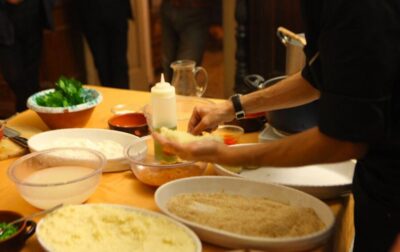
Sicilian Street Food Hands-On Cooking Class
What we made of it →Where this tour turns up