
Review · PORT LOUIS
Port Louis: Street Food & City Tour
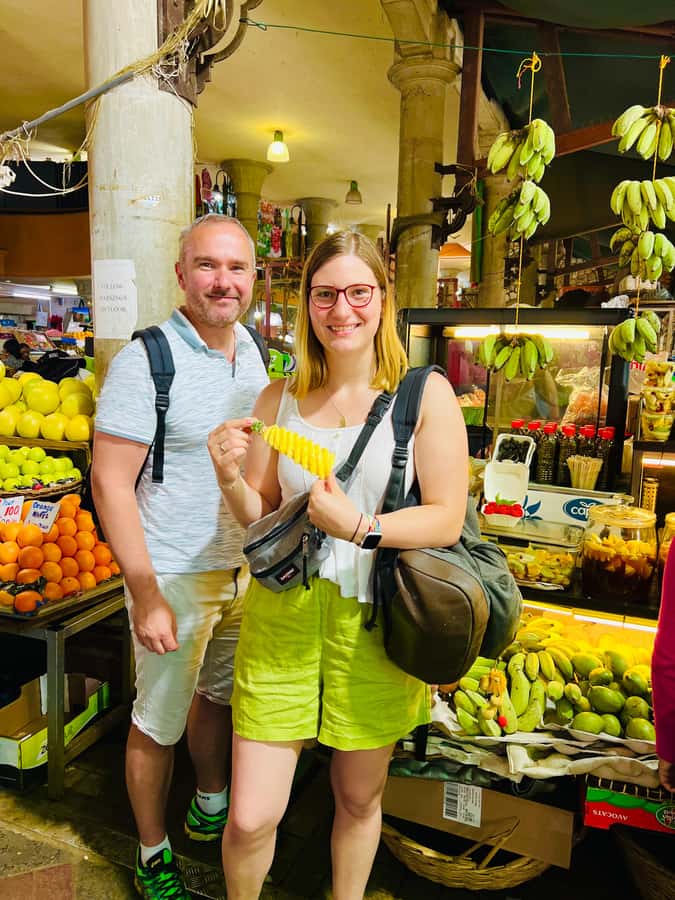
Port Louis is best tasted one snack at a time. This 210-minute walking tour mixes 6 to 8 generous food stops with a historical museum, Chinatown, Central Market, Company Garden, and old city streets. I like the way it connects Mauritian food to Indian, Chinese, African, and French influences. I also like the small group size, limited to 10 people, which makes questions and food adjustments easier. The main drawback is the amount of walking, often more than 5 kilometers, in strong sun or sudden rain.
The tour begins at Le Casino at the Caudan Waterfront, opposite Café LUX. Look for the guide in a black hat. Dourvesh is frequently praised for his friendly style, local knowledge, and ability to answer questions about history, food, plants, and daily life. Come hungry, but not so hungry that you cannot manage the first history stop before the eating begins.
Key things to know before you go
- Food replaces the usual sightseeing bus: You walk through Port Louis while tasting local snacks at places you might easily pass.
- The menu crosses cultures: Expect Indian-influenced bites, Hakka Chinese treats, Mauritian specialties, fruit, and a drink.
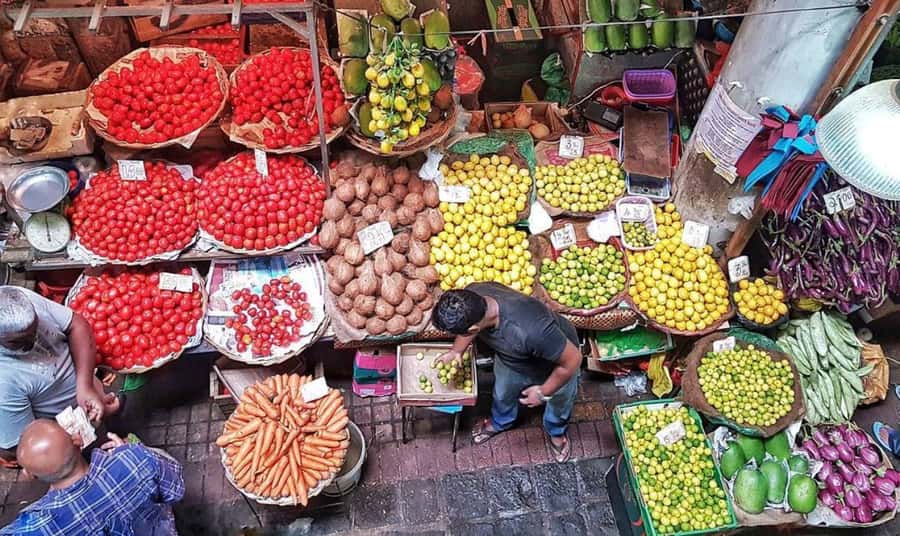
- The Central Market is a major stop: Look for gato pima, seasonal tropical fruit, and the everyday food culture of the city.
- History is part of the meal: The museum visit and old buildings help explain why Mauritius eats the way it does.
- Plan for a real walk: Comfortable shoes, sun protection, water, and rain gear are sensible.
- The food is substantial: Several people finish too full for lunch, so eat a light breakfast rather than arriving after a large meal.
Why this Port Louis tour works so well
Port Louis can feel scattered when you first arrive. The waterfront, market, Chinatown, old colonial buildings, temples, gardens, and food stalls do not always announce how they fit together. A good guide gives you that structure.
This tour uses food as the thread. You are not simply stopping for random samples. You learn how people from different parts of the world shaped Mauritius, then see those influences in the dishes sold on the street. That makes the city easier to understand than a simple list of monuments.
I especially like the balance between formal sights and ordinary places. You visit a museum and historic sites, but you also walk through back streets, look at street art, pass shops, and stop where local food is being made or served. The result feels more connected to daily Port Louis than a tour that only covers postcard sights.
The 4.9 rating from 377 reviews reflects a very consistent strength: the guide. Dourvesh is named repeatedly, although the spelling sometimes appears as Durvesh or Divesh. His relaxed manner seems to be as important as his facts. He keeps the pace comfortable, takes questions seriously, and has been praised for helping groups feel safe and included.
More Street Food Tours in the world:
- Dubai: Old Town, Creek, Museums, Souks, & Street Food Tour
★ 4.8 · 10,816 reviews - Ho Chi Minh City Street Food Tour & Sightseeing By Motorbike
★ 5.0 · 9,413 reviews - Medellin: Comuna 13 Graffiti Tour, Cable Car & Street Food
★ 4.8 · 9,046 reviews
Starting at Caudan Waterfront and the historic museum
Meet in front of Le Casino at the Caudan Waterfront, opposite Café LUX. The black hat makes the guide easier to spot, which matters in a busy waterfront area.
The first part is not a food rush. You begin with an introduction to Port Louis and a visit to a historical museum or visitor center. Several people particularly enjoyed the Aapravasi Ghat Centre, the museum connected with indentured immigration. This is an important stop because Mauritius cannot be understood through food alone.
The island’s population and cuisine were shaped by movement between continents. Indian, Chinese, African, and European influences meet in Port Louis, and the museum helps put those connections into human terms. I appreciate having this context before tasting dishes. A chili bite or noodle snack means more when you understand the communities that carried cooking traditions to Mauritius.
This opening section also gives you a chance to ask the guide what you are about to eat. The exact order can vary, and the tour is designed around food available on the day. Do not expect a fixed restaurant menu with every course described in advance.
Walking through Chinatown and the old city
From the museum, you continue on foot through Port Louis toward Chinatown. This is where the tour begins to feel like a city walk rather than a food class.
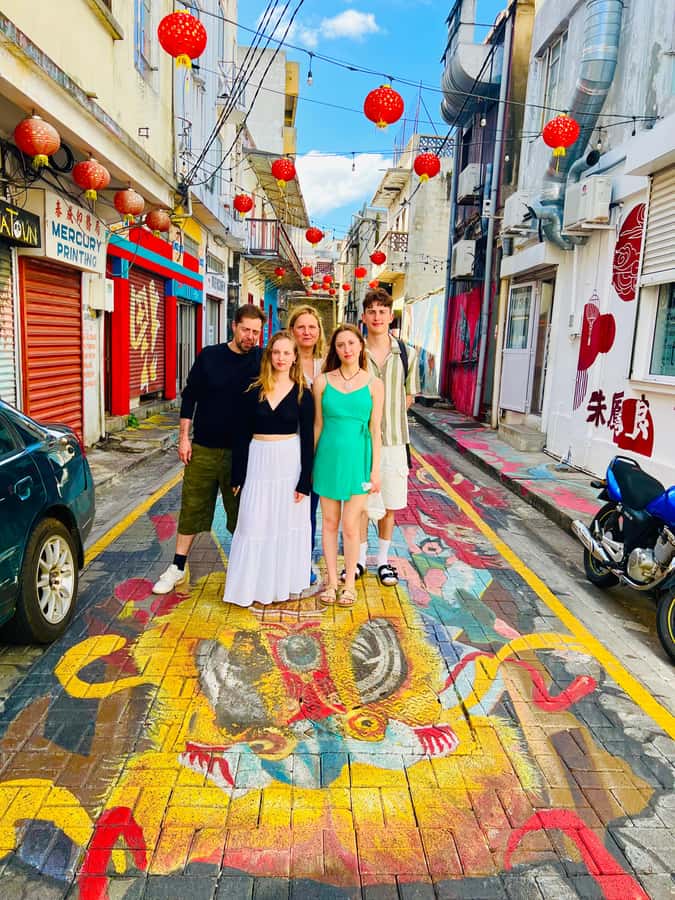
The guide points out old buildings, street art, temples, and different parts of the capital. You may pass through areas associated with Little India and the French side of the city, as well as the waterfront. The appeal is not just seeing one major landmark. It is noticing how several cultural districts sit close together.
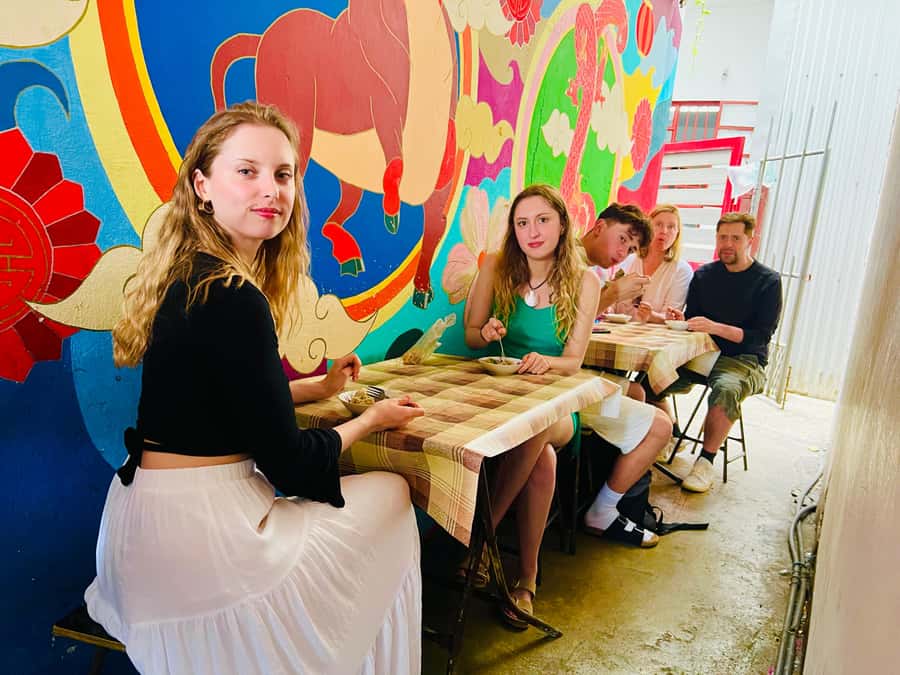
Chinatown is especially useful for understanding the Chinese influence on Mauritian food. The tour focuses on treats connected with Hakka Chinese cooking, served in simple local settings rather than polished dining rooms. One food stop in Chinatown has been singled out as a favorite, which is a good sign if you want food with a strong sense of place.
The street art adds a welcome modern note. You might expect a history-heavy walking tour to feel formal, but the murals and public art bring you back to present-day Port Louis. The route also includes small streets and places that are easy to miss if you only follow a standard sightseeing map.
There is a practical point here: Port Louis is a working city. Streets can be busy, sidewalks uneven, and the pace can vary. Stay close to the guide and wear shoes you can walk in for several hours. This is not a gentle waterfront promenade.
Central Market and the food that defines Port Louis
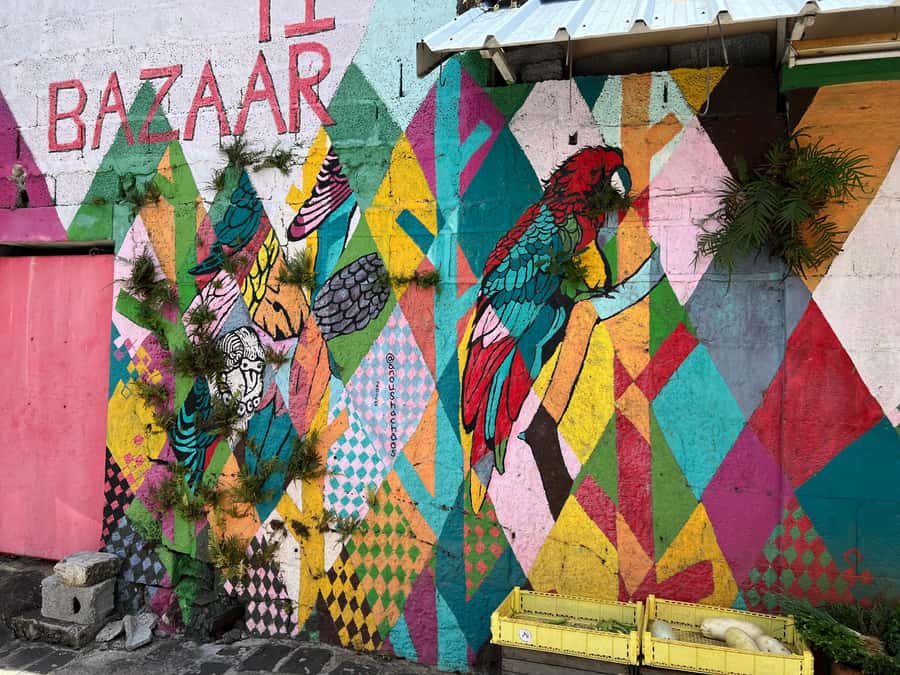
The Central Market is one of the tour’s main food stages. It is also one of the best places to see how locals shop, eat, and move through the city.
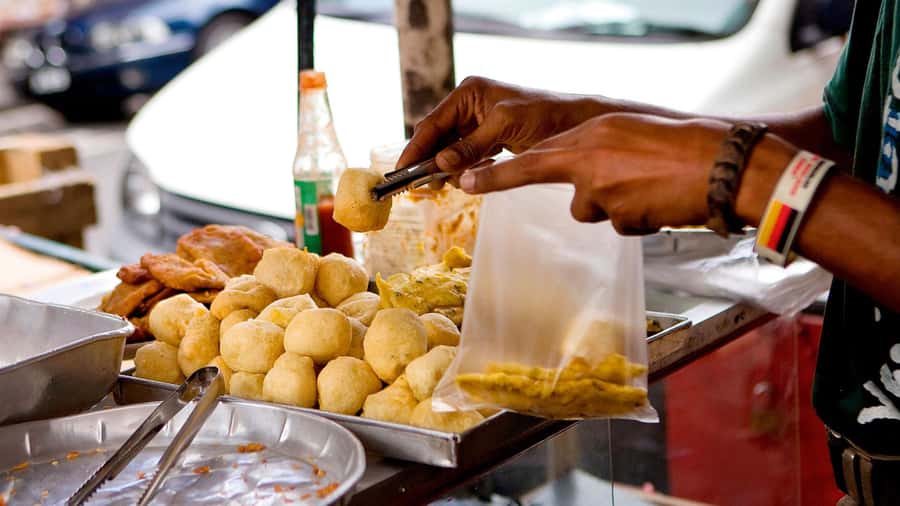
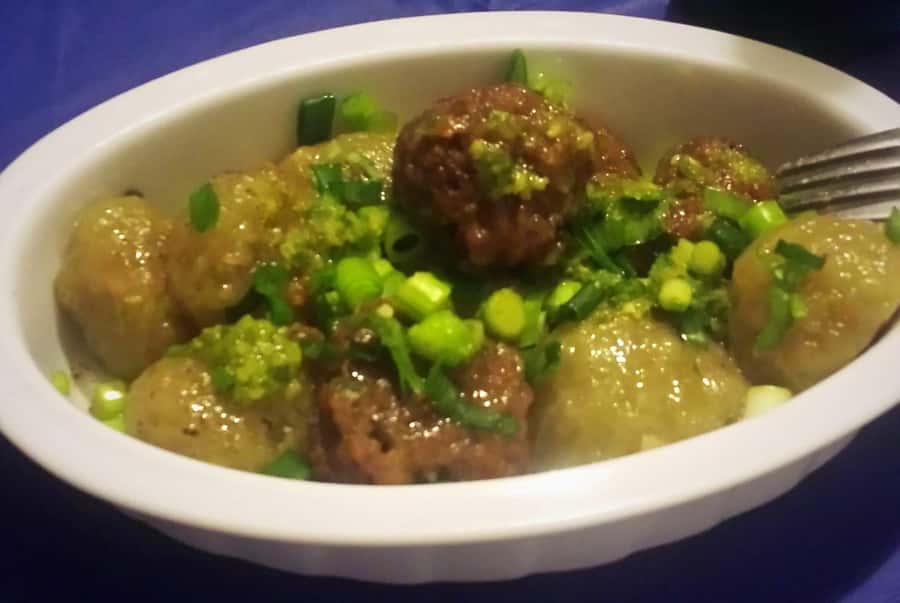
A signature tasting is gato pima, a deep-fried chili bite made from soaked split peas, spring onions, and green chilies. The outside is crisp, while the inside has a soft, pulse-based texture with a lively kick. It is small, but it has enough flavor to wake up your palate.
You may also try seasonal tropical fruit, sometimes with an optional fruit sauce. This gives the food stops a useful change of pace. After fried or savory snacks, fresh fruit helps keep the tasting from becoming one long procession of heavy bites.
The market is also a good place to ask questions about ingredients. The guide can explain what you are eating and how different cooking traditions overlap. That is far more useful than trying to identify everything from a menu after the fact.
Expect the route to include sweet and savory items, not just one type of snack. Past food tastings have included enough variety that some people tried more than the advertised 6 to 8 dishes, with sweets and drinks included along the way. The exact number and selection depend on the day, availability, and dietary needs.
Same place, a different plate:
- Dubai: Old Town, Souks, Street Food, Guided Tour & Abra Ride
★ 4.9 · 7,170 reviews - Naples: Street Food Walking Tour with Local Guide
★ 4.9 · 4,976 reviews - Small Group Hanoi Street Food Tour with a Real Foodie
★ 5.0 · 4,682 reviews - Rome: Street Food Tour with Local Guide
★ 4.8 · 4,077 reviews
Company Garden, old buildings, and a quieter change of pace
The tour is not all traffic and market noise. You also walk through a garden with impressive trees and hanging roots. This pause gives your feet a short break and changes the mood of the route.
Company Garden is useful because it shows another side of central Port Louis. You can look upward at the trees, notice the older architecture around you, and hear more about the city beyond its food stalls. The tour’s stops are not presented as isolated attractions. They are part of a walk through a capital shaped by trade, migration, religion, and changing city life.
This section may appeal to you if you like tours with variety. One moment you are tasting a hot snack at a market stall. Soon after, you are looking at historic buildings or unusual trees. The changing scenery helps the 3.5-hour route pass quickly.
Still, do not mistake the garden stop for a long rest period. You are walking between locations, and the whole outing remains active. In hot weather, carry the water provided and use sunscreen. A parasol or sun hat can be useful, especially during the warmer part of the day.
What you are likely to eat and drink
The food is the tour’s strongest reason to book. You receive all the tastings, fresh tropical fruit, a milkshake or juice, and a bottle of water.
The advertised plan is about 6 to 8 different dishes, but some groups have tasted more. One account described eight or nine dishes, while another counted more than 15 foods, sweets, and drinks. Treat those higher numbers as a possible bonus rather than a promise. The route depends on what is fresh and available.
The style of eating is casual. You sample food along the way instead of sitting down for one long meal. That lets you try more kinds of food, but it also means you should not expect a restaurant table, a formal explanation for every ingredient, or a fixed tasting sequence.
Vegetarians and vegans can be accommodated, but you should tell the provider before the tour. Most dietary needs appear to be handled thoughtfully, though one vegetarian participant received a meat-free version without a proper substitute at one stop. If food restrictions matter to you, confirm them clearly before setting out.
The portions add up. You may not need lunch afterward, particularly if you try every stop and accept extra servings. My practical advice is to eat a light breakfast two or three hours before meeting the guide. That gives you enough energy for the walking without filling up before the first snack.
How much walking and weather to expect
The listed duration is 210 minutes, though one outing ran just over four hours. Allow a little flexibility if you have a tight afternoon schedule.
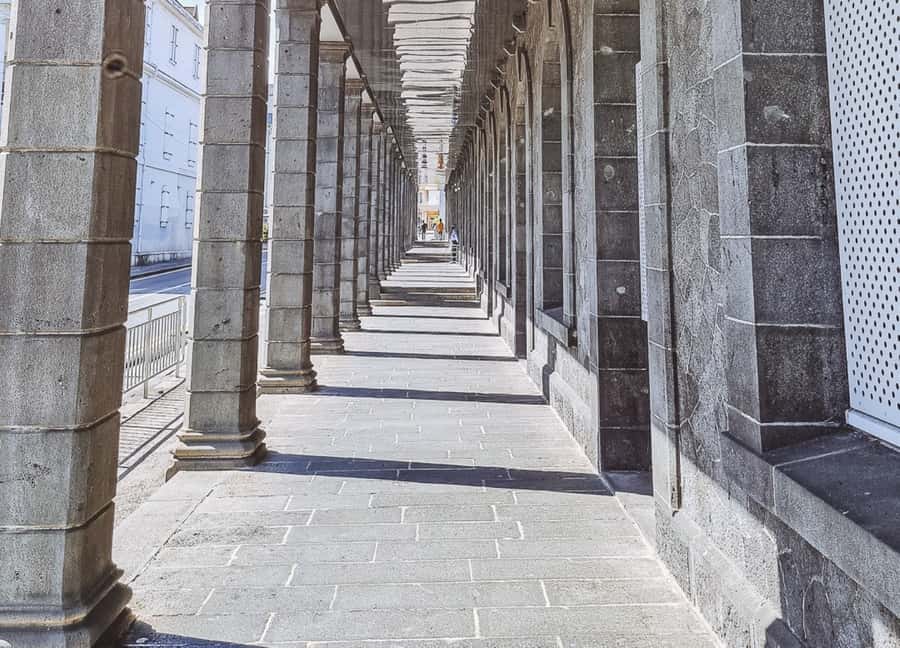
The route is a genuine walking tour. A past participant estimated more than 5 kilometers, and several people specifically praised the guide for setting a comfortable pace. You will walk through city streets, market areas, gardens, and side roads, with stops for food and sightseeing.
Port Louis can be hot. Bring comfortable clothes, sunscreen, a hat, and the water supplied. An umbrella and rain gear are also sensible because tropical rain can arrive quickly. One group experienced torrential rain, yet the guide kept the mood cheerful and continued to look after everyone.
The weather advice is not filler. A sun hat or parasol can make a real difference, and comfortable shoes matter more than stylish ones. If you have limited stamina, recent injuries, or dislike walking in heat, this may not be the right way to see the city.
Is $42 a fair price?
At $42 per person, the tour offers solid value if you plan to eat your way through Port Louis anyway. The price covers the guide, the museum and city walk, roughly 6 to 8 food tastings, tropical fruit, a milkshake or juice, and bottled water.
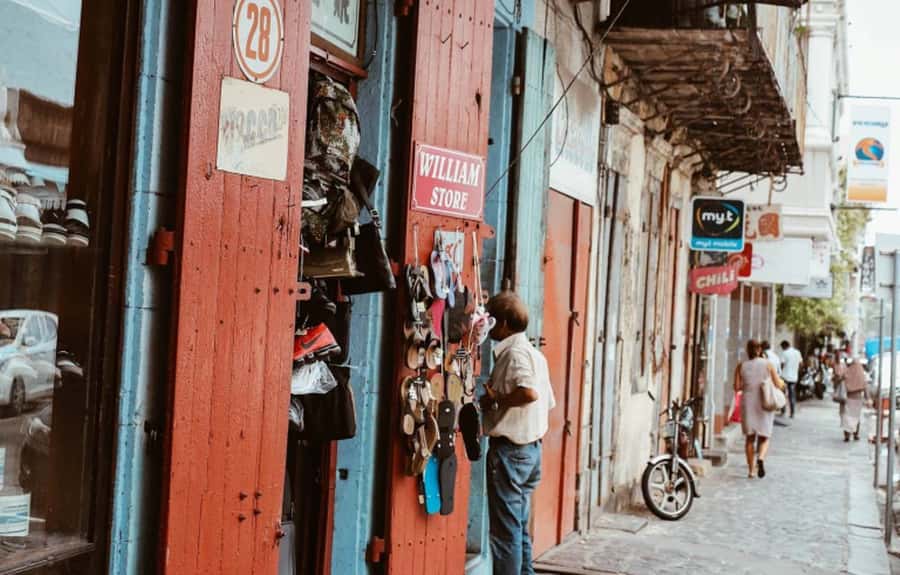
Buying the same range of snacks independently could cost less, but you would lose the route planning and the explanation linking each food to the city’s history. You would also need to find the less obvious stalls yourself, decide what to order, and manage the walk between Chinatown, the market, the waterfront, and other stops.
The value is strongest for a first visit to Port Louis. You get a useful orientation, discover places you might skip on your own, and learn which foods deserve a second try later. Several people liked doing it early in their Mauritius stay because it helped them understand the capital and notice details afterward.
It is less useful if you only want a short food sampling near the waterfront. You are paying for the walking tour, the history, and the guide’s local judgment, not only for snacks.
Who should book this experience?
I would recommend it to first-time visitors, food-focused couples, curious families with older children, and anyone who wants a practical introduction to Port Louis. It also suits people who enjoy asking questions and trying unfamiliar foods without having to work out the route themselves.
It is a good fit for vegetarians and vegans if you share your needs in advance. The guide has accommodated plant-based diners, but one isolated food stop may offer omission rather than a separate replacement.
You should think twice if you dislike long walks, hot weather, crowded city streets, or eating several small portions in succession. The route is active, and the food is plentiful. This is not a short, air-conditioned sightseeing trip.
The small group limit of 10 is a real advantage. You can hear the guide more easily, ask about ingredients, and avoid the impersonal feel of a large coach excursion. English and French are offered.
Free cancellation is available up to 24 hours before the start, with a full refund. You can also reserve now and pay later, which helps if your island plans are still changing.
Final verdict: book it if you want Port Louis with a local feel
I would book this tour if I wanted one activity that combined food, history, street art, markets, and a first look at Port Louis. The strongest feature is not any single snack. It is the way the guide connects the food to the people and cultures that shaped the island.
Dourvesh receives especially strong praise for being friendly, clear, patient, and flexible. That matters on a walking food tour, where the guide controls the pace and helps you make sense of unfamiliar dishes.
Come with a light breakfast, comfortable shoes, sun protection, and room for plenty of food. If you do that, the $42 price feels fair, the route gives you useful bearings, and you leave with a better idea of where to eat and what you are seeing in Mauritius’s capital.
FAQ
Where does the Port Louis street food tour meet?
Meet in front of Le Casino at the Caudan Waterfront, opposite Café LUX in Port Louis. The guide wears a black hat.
How long does the tour last?
The listed duration is 210 minutes, or about three and a half hours. Some outings have lasted just over four hours.
How many foods are included?
The tour includes approximately 6 to 8 food tastings. The exact number can vary, and some outings have included more dishes, sweets, and drinks.
Are drinks included?
Yes. The tour includes fresh tropical fruits, a milkshake or juice, and a bottle of water.
Does the tour include hotel pickup?
No. Hotel pickup and drop-off are not included. You meet the guide at the Caudan Waterfront.
Which languages are offered?
The live tour guide is available in English and French.
What should I bring?
Bring comfortable shoes, a sun hat, sunscreen, comfortable clothing, and water protection such as an umbrella or rain gear. A light breakfast is recommended because the tastings are plentiful.
Just added around the world
- Zanzibar:Stone town Street food market walking tour,transfer★ 4.5 · 9 reviews
- Vienna Food Tour: Dishes, Wine, Street Food & Culture★ 4.7 · 12 reviews
- Verona: Street Food Tour and City Guided Sightseeing★ 4.9 · 11 reviews
- Xi’an: Gourmet & Street Food Tour★ 4.8 · 22 reviews
- Verona: City Highlights & Street Food Walking Tour★ 5.0 · 3 reviews
- Verona: Street Food and History Tour with Local Guide★ 4.7 · 6 reviews
- Xi’an Muslim Quarter Night Market Foodie Walking Tour★ 4.2 · 22 reviews
- Verona: street food walking tour near the historical center★ 5.0 · 2 reviews
Street Food Tours, compared.
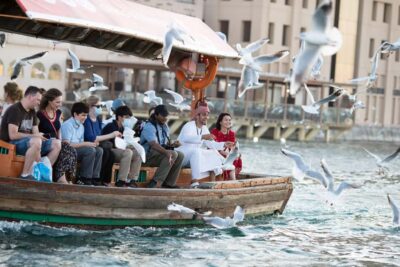
Old Town, Creek, Museums, Souks, & Street Food Tour
What we made of it →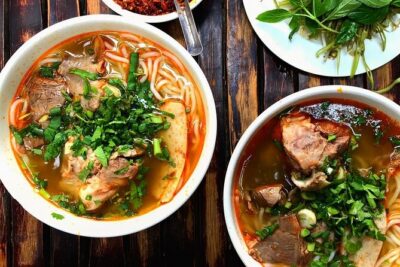
Ho Chi Minh City Street Food Tour & Sightseeing By Motorbike
What we made of it →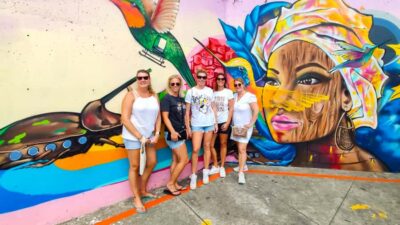
Comuna 13 Graffiti Tour, Cable Car & Street Food
What we made of it →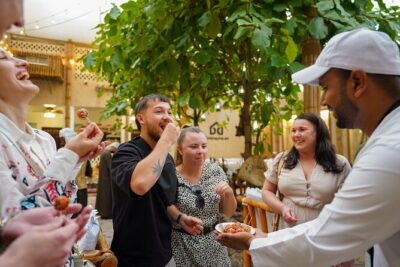
Old Town, Souks, Street Food, Guided Tour & Abra Ride
What we made of it →
Small Group Hanoi Street Food Tour with a Real Foodie
What we made of it →
Saigon By Night and Street Food By Motorbike | Opt: Ao Dai Riders
What we made of it →Where this tour turns up