
Review · HO CHI MINH CITY
Saigon at Sunset: Ultimate Street Food Experience
Saigon eats best after dark. This three-hour walk links local food stalls, a tucked-away café, a temple, and street-side drinks, giving you a lively first look at Ho Chi Minh City beyond its polished restaurants. I especially like the small group limit of 12 and the way food comes with stories about Chinese influence, local habits, and daily life. The $29 price includes a useful range of tastings, though portions may feel modest if you arrive expecting a full dinner.
The route also has a friendly social side. You share dishes with people from several countries, sit on the sort of low chairs locals use, and get practical help from guides such as Thao, Dave, Arrow, Tan, and Nancy, all praised for their warmth and local insight. The main consideration is the walking: about 2.5 kilometers, often through busy streets, so comfortable shoes and a little patience with city traffic will help.
What makes this Saigon food walk worth your evening
- Beef stew noodles open the meal: Hu Tieu Bo Kho gives you a hearty start, with tender beef, broth, and noodles.
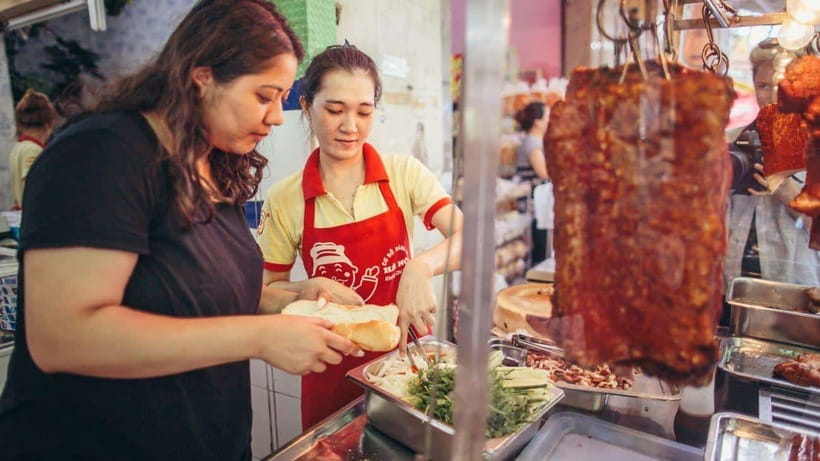
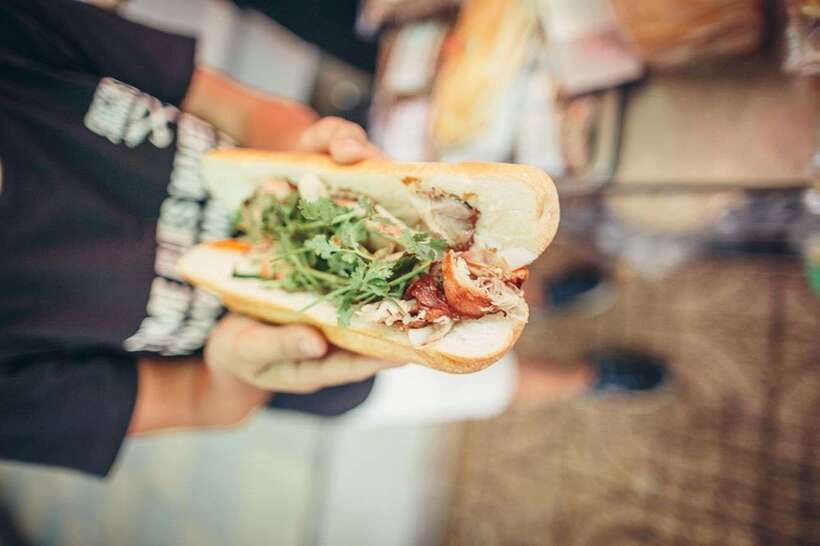
- Chinese and Vietnamese flavors meet: Cantonese-style barbecue pork or duck helps explain how migration shaped Saigon cooking.
- A temple and café break up the eating: Thien Hau Temple and a local-style coffee stop add culture and rhythm to the route.
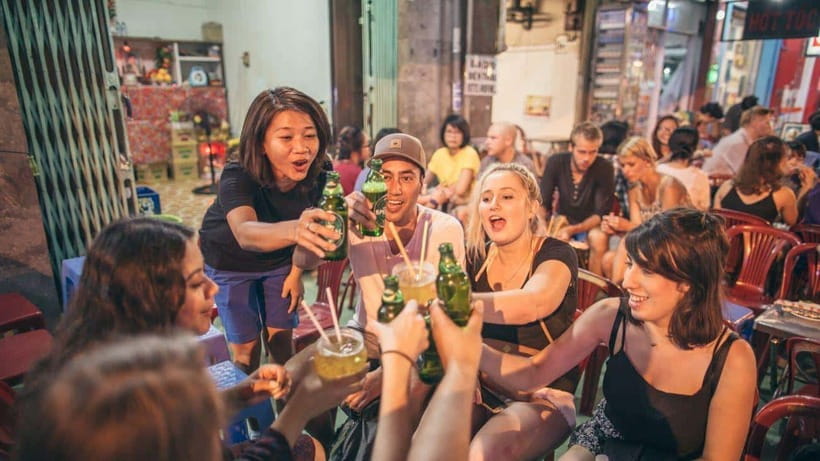
- Street beer feels properly local: Peanuts and rice crackers join the evening as the city shifts into night mode.
- A small group keeps the guide close: With up to 12 people, you can ask questions without shouting across a crowd.
- The sweet finish is simple and satisfying: Vietnamese caramel flan provides a smooth ending after several savory stops.
Starting at the Fine Arts Museum in District 1
The meeting point is the Ho Chi Minh City Museum of Fine Arts at 97A Pho Duc Chinh Street in District 1. That is a central, recognizable place, and the short introduction around the museum gives the tour a little context before the food begins.
You should not expect a full museum visit. The scheduled museum portion lasts about 10 minutes, so think of it as an orientation stop rather than an art tour. The real point is to gather, meet the guide, and begin moving toward the food streets.
This start works well if you are staying in central Ho Chi Minh City. It also makes the tour a useful first-evening activity because the guide can help you understand the city layout, local eating habits, and where to continue after the tour.
More Dining Experiences in Ho Chi Minh City:
- Ho Chi Minh: Street Food Experience in Saigon by Walking
★ 5.0 · 6 reviews - Naples: Street Food Experience With 6 Stops
★ 4.7 · 392 reviews - Siem Reap: Street Food Experience by Tuk-Tuk
★ 4.9 · 310 reviews
Beef stew noodles and Cantonese barbecue
The first substantial tasting centers on Hu Tieu Bo Kho, beef stew with noodles. It is a good opening dish because it is familiar enough to settle you into the meal, yet different from the better-known bowl of pho. The beef stew brings a deeper, warmer flavor, while the noodles make it feel like a proper meal rather than a quick nibble.
The tour also includes xa xiu, Cantonese-style barbecued pork or duck. This is one of the most useful food lessons of the evening. Saigon cooking did not develop in isolation, and Chinese communities have influenced its noodles, roasted meats, dumplings, sauces, and cooking methods.
You may also encounter duck or other shared dishes along the way, depending on the evening’s food arrangements. That flexibility is normal on a street food walk, but it means the exact serving can vary. One booking party felt that three people shared too little duck, beef with eggs, and dumplings for the price. If you have a large appetite, plan to buy an extra snack or a drink.
Thien Hau Temple and the Chinese Saigon connection
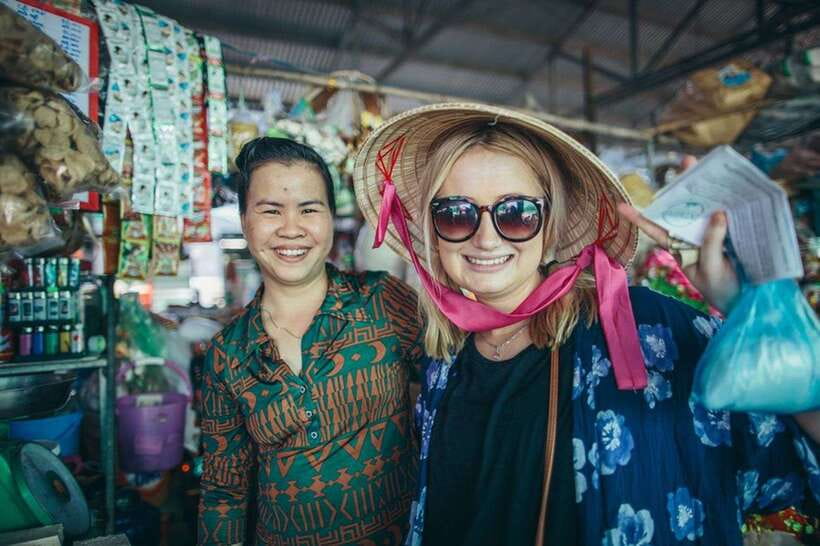
The stop at Thien Hau Temple is more than a pause between plates. The temple, dedicated to the sea goddess Thien Hau, reflects the long presence of Chinese communities in the city, especially in the area traditionally known as Cho Lon.
The guide uses the temple to connect place and food. The same Chinese influence you taste in barbecue pork and noodles appears in the neighborhoods, religious buildings, markets, and family kitchens around you. That connection gives the meal more meaning than a simple list of dishes.
The scheduled temple visit lasts around 30 minutes, including sightseeing and explanation. You will want to dress and behave respectfully in this religious setting. The tour is not a formal religious lesson, but it gives you a useful window into how different cultural traditions have shaped Ho Chi Minh City.
Saigon coffee at a café locals use
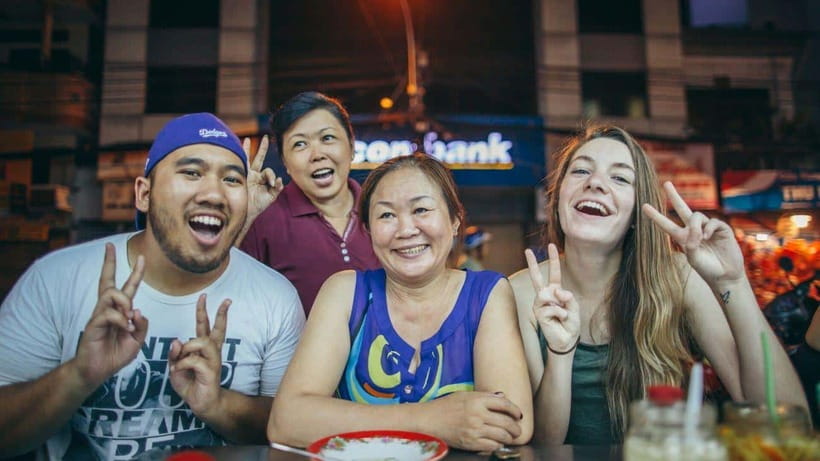
A coffee or tea stop provides welcome relief from the steady eating. The café is described as a local favorite tucked away from the obvious tourist route, and earlier tour groups enjoyed the chance to try Saigon-style coffee in a setting they would not have found alone.
Vietnamese coffee is usually strong and sweet, often served with condensed milk or ice. The stop may also include tea or another drink, so tell your guide what you prefer. One past group especially enjoyed an iced espresso and the relaxed café setting.
This pause matters because a good food walk needs breathing room. You are not simply rushing from one plate to the next. You get time to talk with the guide, compare flavors with your group, and watch ordinary city life pass by.
More Street Food Tours in Ho Chi Minh City:
- Ho Chi Minh City Street Food Tour & Sightseeing By Motorbike
★ 5.0 · 9,413 reviews - Saigon By Night and Street Food By Motorbike | Opt: Ao Dai Riders
★ 5.0 · 4,066 reviews - Private Street Food Tour by Motorbike/Car with Local Students
★ 5.0 · 3,950 reviews - Saigon: Street Food Tasting & Sightseeing Tour by Motorbike
★ 4.9 · 3,578 reviews
Grilled beef, street beer, and low plastic stools
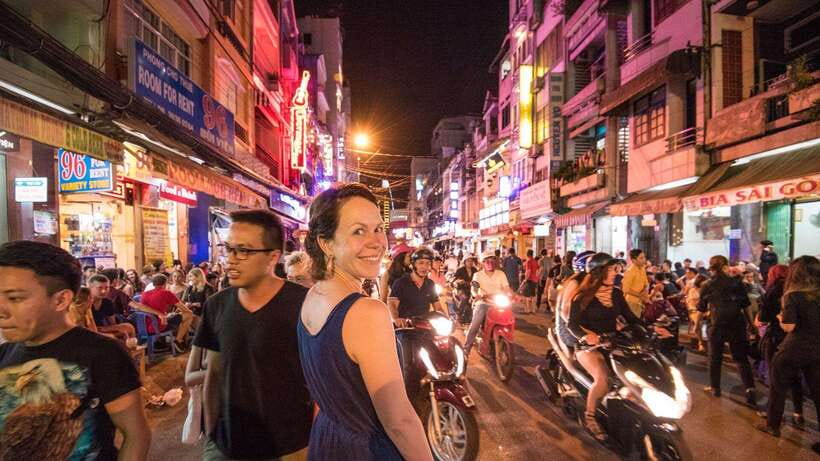
The next savory highlight is bo cuon mo chai, grilled beef meatballs packed with flavor. The included food list also names bo la lot, minced beef wrapped in betel leaves and grilled. Both dishes show how Vietnamese street food turns small portions of seasoned meat into something smoky, fragrant, and easy to share.
The cooking is part of the appeal. You are eating food designed for quick service, small tables, and regular local trade. It is not dressed up for a hotel dining room. That can mean uneven seating, tight spaces, and a little street noise, but those details are part of the setting you came to see.
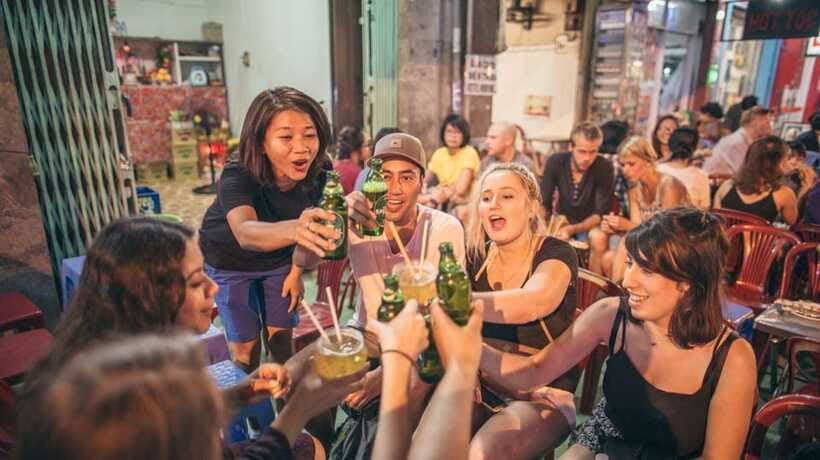
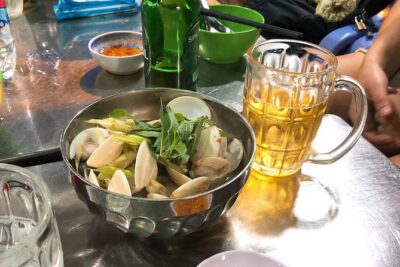
As night falls, the group stops for street beer with peanuts or rice crackers. You can choose a beer or soft drink, making this easy for non-drinkers as well. The drink stop is less about tasting a rare beverage and more about joining a familiar evening habit: sitting outside, snacking, and watching the city shift into its nighttime routine.
The route also includes Pham Ngu Lao Street, one of the best-known visitor areas in District 1. This part of the walk gives you a contrast between the main tourist strip and the smaller food stops tucked along the way. It is useful, but it may feel less local than the quieter alleys and neighborhood stalls.
Flan is the right ending
The last food stop is Vietnamese caramel flan, a silky custard topped with caramel. After beef, noodles, grilled meat, roasted meat, salty snacks, and coffee, this cool, soft dessert gives the meal a clean finish.
Flan is a fine example of how outside influence became part of local cooking. Its French connection is familiar, but Vietnamese cooks made it their own, often serving it as a street dessert or café treat. You do not need a sweet tooth to appreciate the change of pace.
The final dessert is included, as is the beer or soft drink at the earlier stop. Additional food and drinks are not included, so keep some Vietnamese dong handy if you want to add anything.
What the 210-minute schedule feels like
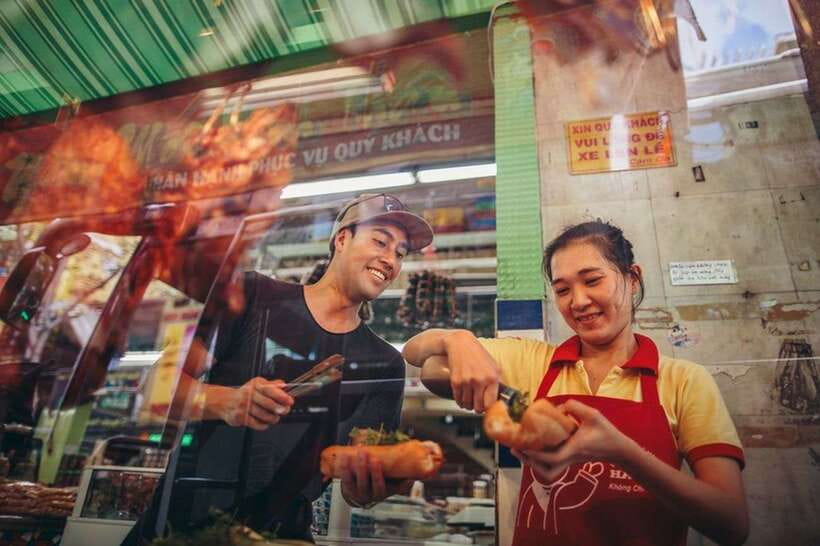
The experience lasts three and a half hours, or 210 minutes. That is enough time for several food stops, a temple visit, a café break, and steady walking without turning the evening into a frantic eating contest.
The route covers roughly 2.5 kilometers. That is not a major physical challenge, but the city environment can make it feel more demanding than the distance suggests. You will cross streets, walk through busy areas, and spend time standing or sitting on small stools.
Allow for the rhythm of Vietnamese streets. Food may be served in stages, sidewalks may be crowded, and traffic can slow the group. A guide who gives safety instructions is valuable here, and past groups repeatedly praised guides for helping them move around the city with confidence.
The finish is around De Tham Street in District 1, with two drop-off points listed there. From that area, you can continue eating, return to your hotel, or explore the nightlife on foot.
How good is the $29 value?
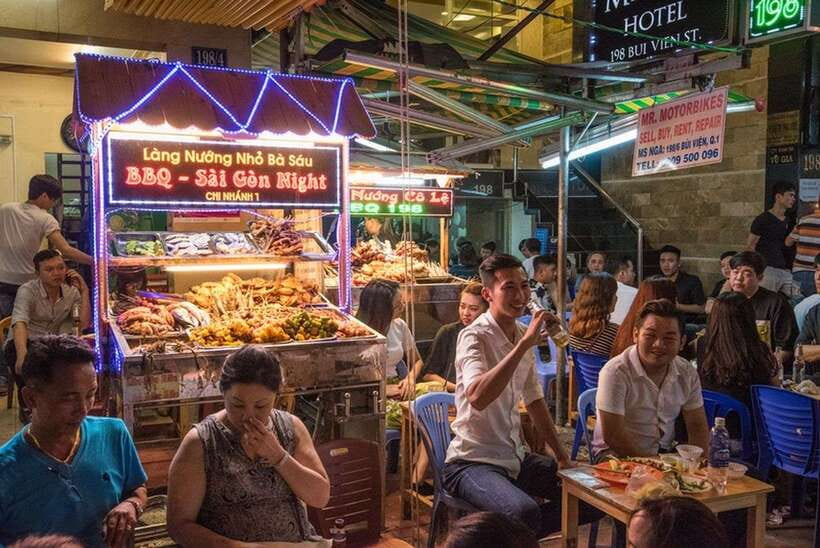
At $29 per person, this is a sensible price for an English-guided evening if you value interpretation as much as food. You are paying for the guide, several tastings, coffee or tea, beer or a soft drink, peanuts or rice crackers, and a structured route through parts of the city you might otherwise pass without understanding.
The strongest value is the guidance. You could order some of these dishes independently for less money, but you would need to know where to go, how to order, how much to buy, and what you are eating. You would also miss the explanations about Chinese influence, local customs, and the places along the route.
Still, do not treat the tour as an unlimited dinner. One four-star experience found the shared portions light for three people, even though the food was tasty and the guide was excellent. The supplied tastings should leave most people satisfied, but very hungry diners may want a second meal later.
The price looks particularly fair for a first night in Saigon. You get a map in your head, a list of dishes to seek out later, and practical advice about taxis and further eating. Several guides also helped people decide where to go after the walk.
The guides make the difference
The guide quality is the clearest strength of this experience. Names praised across different departures include Thao, Dave, Arrow, Tan, Nancy, David, Fu, Sea, and Nhi. That range suggests the company uses a team rather than one permanent guide, so your exact personality match will depend on the date.
The best guides do more than name each dish. They explain how it fits into local life, answer questions, keep conversation moving, and notice practical needs such as water, wipes, dietary concerns, and street safety.
Dave received especially warm praise for combining food knowledge with stories about ordinary life. Fu was repeatedly valued for answering questions and speaking with each person in the group. Arrow was described as kind and promising, while Nancy was praised for her insight and effort.
You should still send dietary information at least 24 hours ahead. Vegetarian and gluten-free requests can be accommodated, but choices are limited. Other dietary requirements cannot be handled, so this is not the right booking for a highly restricted diet.
Group size, private tours, and the social side
The standard tour allows no more than 12 people. That is a useful ceiling for a walking food tour because the group can still fit around small tables and hear the guide without too much trouble.
Past departures ranged from very small groups to nearly full ones. A group of four was described as ideal, while another group of seven found the size comfortable. A full group of 11 still worked because the guide provided safety instructions and kept everyone involved.
If you prefer more control, a private group is available. That can make sense for families, couples, or friends with different eating speeds. It may also help if you want to ask many questions or need the guide to pay close attention to dietary limits, though the food restrictions remain the same.
The social setup is part of the appeal. You share dishes and conversation with people from different countries, which makes the evening feel less like a food lecture and more like a meal with temporary friends.
Who should book this evening walk?
I would recommend it to first-time visitors who want help getting comfortable with Saigon food. It is also a good fit for curious eaters who might not approach a crowded stall or unfamiliar menu alone.
Families with older children can enjoy it, but children under six are not suitable for the tour. The walking, traffic, small stools, and several food stops may be tiring for very young children even beyond that age.
It suits people who want culture alongside dinner. The temple, café, neighborhood streets, and guide’s stories give the food a wider setting. It is less suited to anyone seeking a formal cooking class, a sit-down restaurant meal, or a fixed tasting menu with generous individual portions.
Book it early in your stay if you can. The practical tips may help you plan the rest of your time, and you can return to favorite dishes later. Free cancellation up to 24 hours ahead and reserve-now-pay-later terms also make it easier to fit into a changing schedule.
Should you book Saigon at Sunset?
Yes, if you want a friendly introduction to Saigon street food and local city life for a fair price. The strongest reasons are the guides, the small-group format, the mix of food and culture, and the chance to find places you would likely miss on your own.
Go with realistic expectations. This is a walking route with shared samples, not an all-you-can-eat feast. Arrive ready to try unfamiliar dishes, wear comfortable shoes, and tell the operator about vegetarian or gluten-free needs at least a day ahead.
If that sounds like your kind of evening, this tour offers a useful first taste of Ho Chi Minh City: a bowl of stew, a strong coffee, a smoky grilled bite, a cold drink, and a little more confidence for the rest of your trip.
FAQ
How long does the Saigon at Sunset food tour last?
The tour lasts three hours and 30 minutes, or 210 minutes.
Where does the tour begin?
It begins at the Ho Chi Minh City Museum of Fine Arts, 97A Pho Duc Chinh Street, District 1.
Where does the tour finish?
The tour has two drop-off locations on or near De Tham Street in District 1.
How far do you walk?
You walk approximately 2.5 kilometers, or 1.5 miles, during the experience.
What food is included?
Included tastings can include Hu Tieu Bo Kho, Cantonese-style barbecue pork or duck, bo la lot or grilled beef, and traditional Vietnamese caramel flan.
Are drinks included?
Coffee or tea is included. You also receive beer or a soft drink with peanuts or rice crackers.
Can vegetarian or gluten-free diets be accommodated?
Vegetarian and gluten-free diets can be accommodated with limited options. You must provide this information at least 24 hours before the tour.
Are children allowed?
Children under six years old are not suitable for this tour.
Is a private tour available?
Yes. A private group option is available, and the standard small group has a maximum of 12 people.
Just added around Ho Chi Minh City
- Vespa Saigon By Night Street Food Tour★ 5.0 · 22 reviews
- Saigon: City Unseen Highlights 2h Tour | Opt: Ao Dai Riders★ 5.0 · 69 reviews
- Private Street Food Tour by Scooter in Ho Chi Minh City★ 5.0 · 24 reviews
- Ho Chi Minh City Sightseeing & Street Food Tasting Experience★ 5.0 · 40 reviews
- Small-group Street Food Lover by Motorbike (04 hours)★ 5.0 · 86 reviews
- Ho Chi Minh City’s most delicious street food tour by motorbike★ 5.0 · 39 reviews
- HCM City Local Street Food by scooter/ Aodai Rider Saigon tour★ 5.0 · 39 reviews
- The Unique Ao Dai Street Food Tour By Scooter★ 5.0 · 11 reviews
Street Food Tours, compared.
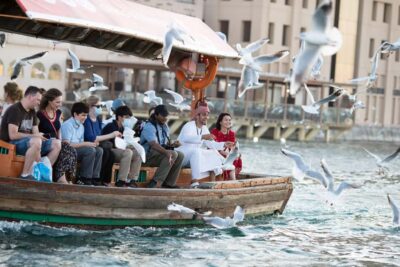
Old Town, Creek, Museums, Souks, & Street Food Tour
What we made of it →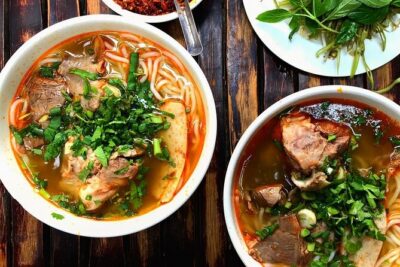
Ho Chi Minh City Street Food Tour & Sightseeing By Motorbike
What we made of it →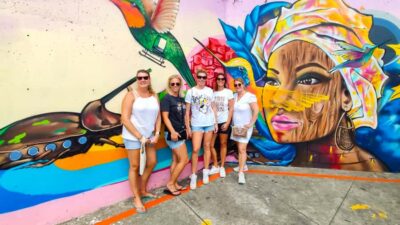
Comuna 13 Graffiti Tour, Cable Car & Street Food
What we made of it →
Old Town, Souks, Street Food, Guided Tour & Abra Ride
What we made of it →
Small Group Hanoi Street Food Tour with a Real Foodie
What we made of it →
Saigon By Night and Street Food By Motorbike | Opt: Ao Dai Riders
What we made of it →Where this tour turns up