Review · DAKAR
Senegalese Street Food Tour in Dakar
Come hungry, leave curious. Relish Africa’s two-hour walking food tour through Ngor Village gives you a compact, tasty introduction to Senegalese cooking, with stops for fish thieboudienne, fataya, yassa, grilled meat, local drinks, and dessert. I like the mix of small food stops and neighborhood walking, and I like that the guide, Pape, has earned praise for being friendly, prompt, and willing to go the extra mile. The main drawback is that the cultural explanation may feel light if you want detailed background on fishing, food sourcing, and Senegal’s wider economy.
At $115 per person, this is not a cheap lunch. You are paying for more than the food, though: a guide, a five-course route, bottled water, coffee or tea, and a look at everyday Ngor. The short two-hour format works well on a first day in Dakar, but serious food fans may wish the tour lasted longer.
Five useful things to know before you book
- Ngor Village is the setting: The route includes lively streets and the beach area, not only restaurant interiors.
- The food changes: Offerings can vary, so the exact sequence is not fixed.
- Pape is a major part of the experience: His friendly service and personal attention received the strongest praise.
- The menu covers several Senegalese favorites: Expect thieboudienne, dibiterie, fataya, yassa, local beverages, and more.
- The group is capped at 12 people: That keeps the walk fairly manageable, though the tour may still feel more social than private.
- It begins and ends at the same place: Meet at Bouchon lyonnais, Paul et Nicole, near the Ngor ferry embarkation point, at 1:00 pm.
Starting in Ngor at 1:00 pm
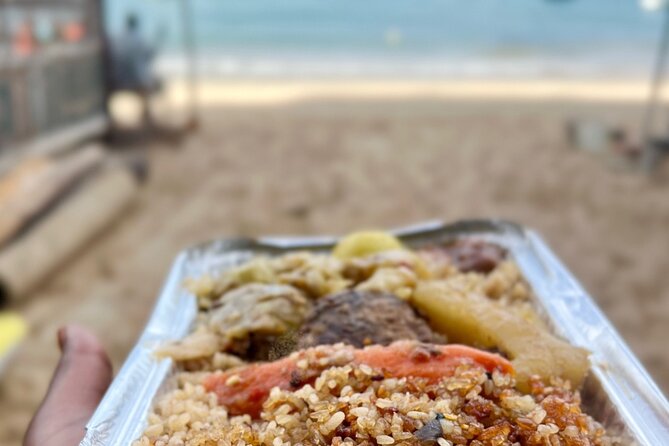
Your afternoon begins at Bouchon lyonnais, Paul et Nicole, at Embarcadère Ngor in Dakar. The meeting point is near public transportation and close to the Ngor waterfront, which puts you in a useful part of the neighborhood from the start.
Ngor is a good choice for a food walk because the route can connect daily street life, small restaurants, the beach, and local food stalls. You are not simply seated for one long meal. You move through the area, eating in stages and seeing how food fits into the rhythm of the neighborhood.
The tour lasts about two hours and returns to the meeting point. That makes it easy to add to a busy Dakar day. You could use it as a first-afternoon orientation, then continue on your own afterward. The 1:00 pm start also places the main meal in the middle of the day, when lunch is the natural focus.
The group limit is 12 people. That is small enough for a guide to keep the group together and answer questions, but it is not the same as a private walk. If you want quiet, long conversations at every stop, ask about the group size when booking.
More Street Food Tours in the world:
- Dubai: Old Town, Creek, Museums, Souks, & Street Food Tour
★ 4.8 · 10,816 reviews - Ho Chi Minh City Street Food Tour & Sightseeing By Motorbike
★ 5.0 · 9,413 reviews - Medellin: Comuna 13 Graffiti Tour, Cable Car & Street Food
★ 4.8 · 9,046 reviews
Five courses, but not a fixed script
The tour is described as a five-course street food route, with the menu changing according to what is available. That flexibility can work in your favor. Street food is tied to the day, the vendor, and the food on hand, so a changing menu feels more natural than a rigid restaurant tasting.
It also means you should not book this expecting every item to appear in an exact order. The advertised sample includes dibiterie, fataya, yassa, local beverages, and thieboudienne, plus other dishes. The description also mentions bissap-based drinks, baobab juice, fried meat pies, and a sweet final treat.
I like this format for someone who wants a broad first look at Senegalese food. You get several tastes rather than one oversized plate. The tradeoff is predictability. If you have your heart set on one particular dish, confirm what is likely to be served before you go.
The food is the main attraction, but the guide’s role matters just as much. Pape received especially warm praise for making the outing feel personal, helping with food choices, and offering extra assistance beyond the basic route. That kind of attention can make a short tour feel more useful, especially if you are new to Dakar.
Thieboudienne at the center of the meal
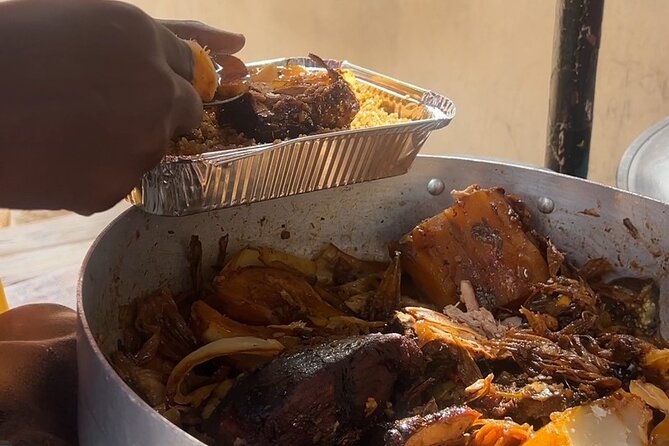
Fish thieboudienne is Senegal’s national dish and one of the most important stops on this route. It is a sensible centerpiece for a food tour because it gives you a direct introduction to one of the country’s best-known meals.
Here, the dish is served at a small local food stop rather than presented as a formal restaurant course. That setting is part of the point. You are tasting a dish in the kind of everyday place where local food remains part of normal life, not just a special event for visitors.
This is also where stronger cultural storytelling would add real value. If you are eating fish in a coastal neighborhood such as Ngor, you may want to ask about fishing, the local seafood trade, and how fish reaches Dakar’s kitchens. One piece of feedback about the tour specifically wished for more information on food sources and Senegal’s fishing economy.
That is a fair consideration. The tour does introduce local dishes, but the depth of explanation may depend on the guide and on how actively you ask questions. I would prepare a few of your own: What makes this version different? Is the recipe common at home? Where does the fish come from? Those questions can turn a good food stop into a more meaningful one.
Fataya, yassa, and the savory stops
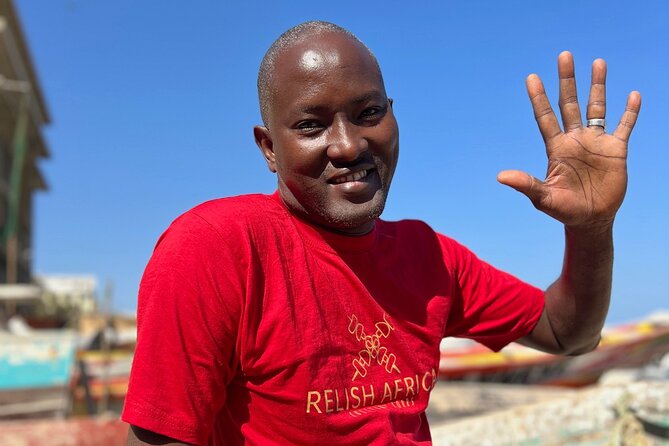
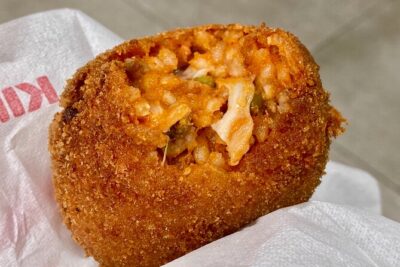
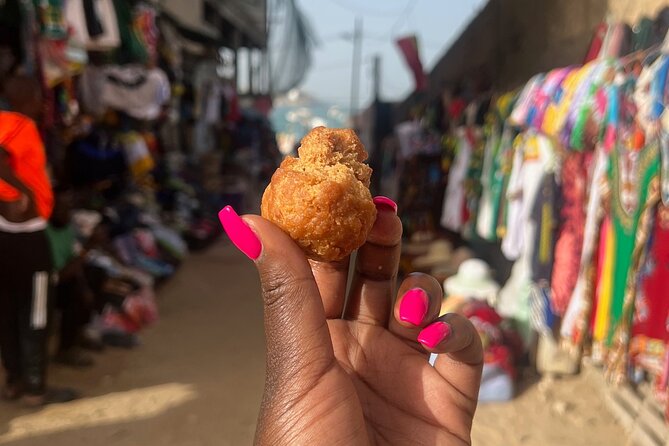
Fataya brings a different texture and format to the meal. These savory fried pastries or meat pies are well suited to a walking route because they are easy to sample between stops. The tour description also points to fried meat pies, so you may find more than one small, hand-held bite along the way.
Yassa adds another important Senegalese flavor profile. Including it alongside thieboudienne gives you a better sense of the range of the local table rather than making the whole tour about one national dish.
The route also visits a traditional dibiterie. This is a grill-focused food stop, and the smell of meat cooking is likely to announce it before you see it. Dibiterie food gives the tour a hearty change of pace after fish and pastries.
I appreciate that the menu is not built only around polished presentation. A dibiterie is connected to ordinary eating habits and neighborhood life. You are getting food in places with a practical purpose, where the cooking is central and the surroundings are part of the experience.
Still, this is a street food walk, not a culinary class. You should expect useful introductions rather than a full lesson in recipes, preparation methods, or food history. If you want details, ask as you go. Pape’s strong personal reviews suggest that he is attentive and willing to help, even if the amount of formal explanation varies.
Same place, a different plate:
- Dubai: Old Town, Souks, Street Food, Guided Tour & Abra Ride
★ 4.9 · 7,170 reviews - Naples: Street Food Walking Tour with Local Guide
★ 4.9 · 4,976 reviews - Small Group Hanoi Street Food Tour with a Real Foodie
★ 5.0 · 4,682 reviews - Rome: Street Food Tour with Local Guide
★ 4.8 · 4,077 reviews
Bissap and baobab juice
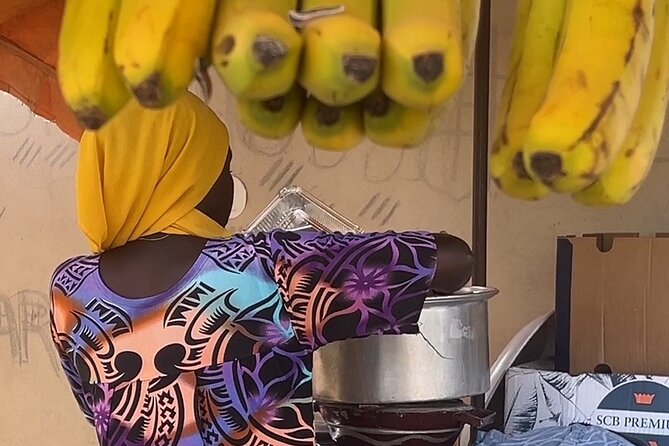
The drinks help make the route feel distinctly Senegalese. You may try bissap-infused cocktails and freshly squeezed baobab juice, along with other local beverages. Bissap is associated with hibiscus, while baobab gives you a drink linked to a plant strongly connected with West Africa.
These are not filler drinks added to a lunch package. They help you notice how refreshment fits into the meal. After salty pastries or grilled meat, a fruit-based or floral drink changes the pace and keeps the tasting from feeling heavy.
Bottled water is included, as are coffee and tea. Alcoholic drinks are not included, so do not assume that a cocktail mentioned in the food description is an alcoholic serving. Ask the guide what each drink contains if that matters to you.
The drinks are also a good opening for questions. Ask how bissap is prepared, when baobab juice is served, and which beverages are common in homes compared with street stalls. Even a short answer can give you more context than simply tasting the drink and moving on.
Ngor streets, beach views, and a sweet ending
The walking part takes place through Ngor Village and includes the beach. This keeps the outing from becoming a series of indoor food stops. You get movement, changing surroundings, and a chance to see the neighborhood between bites.
The beach setting adds a useful sense of place, especially because seafood and coastal life are relevant to Senegalese food. The tour does not promise a long sightseeing walk, however. Two hours passes quickly once you include five courses, so think of the beach portion as part of the food route rather than a separate Ngor sightseeing tour.
The final stop is a sweet delicacy enjoyed by both older and younger people. The exact dessert is not specified, and that is another reason the menu should be treated as flexible. Ending with something sweet gives the meal a clear finish and keeps the route from ending abruptly after the grilled meat.
Because the food changes, the final treat may be one of the pleasant surprises of the afternoon. You will need to be comfortable with a little uncertainty. That is a reasonable trade for a tour built around local availability rather than a locked menu.
What the $115 price really buys
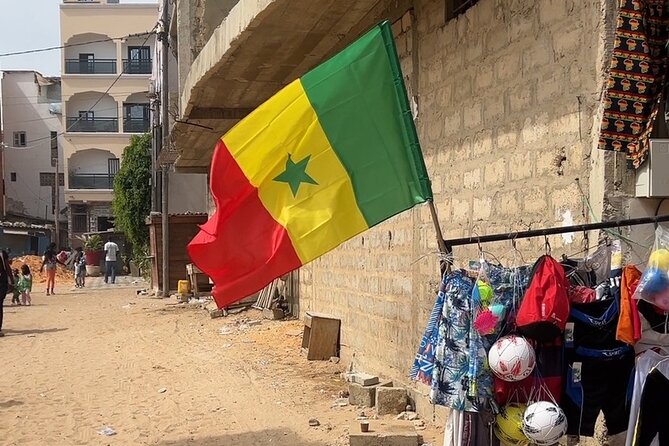
At $115 per person, the cost is high if you compare it with the price of buying a few street snacks on your own. It becomes easier to justify when you count the five-course meal, bottled water, coffee or tea, local drinks, a guide, and the time saved finding suitable stops.
The value also depends on how much help you want. If you already know Dakar, speak with local residents, and feel comfortable choosing food stalls on your own, you may find the price hard to defend. You can probably eat more cheaply without a guide.
For a first visit, the calculation is different. You are paying for a planned route through Ngor, a chance to sample several dishes in one afternoon, and a local person who can help you navigate the choices. Pape’s willingness to escort one guest to additional places was a particularly strong sign of personal service, though you should not assume every extra favor is part of the standard package.
I would see this as a convenient introduction rather than a budget meal. It suits someone who values ease, a small group, and a guided first taste of Senegalese cooking. It is less suitable for someone focused only on getting the lowest possible food cost.
Who will enjoy this Dakar food walk?
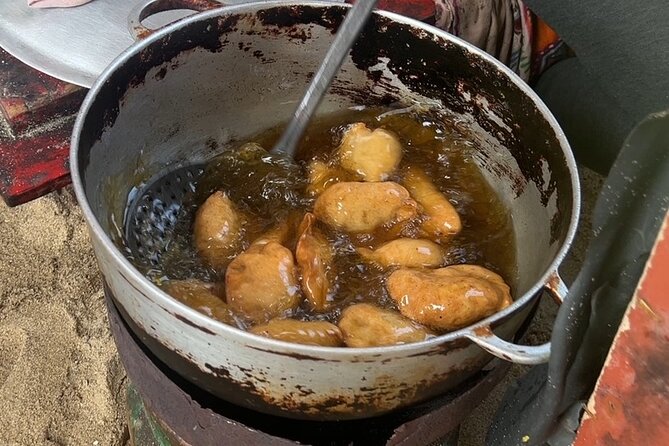
I would recommend the tour most strongly to first-time visitors who want an easy introduction to Dakar’s food. One guest used the outing on the first day in the city, and that is a smart use of the tour. You can learn what you like, ask questions about unfamiliar dishes, and then return to those flavors later in the trip.
It also suits solo visitors. A small group and a friendly guide can make the first hours in a new city less daunting. Pape’s reputation for personal attention is especially useful here.
Food-focused couples and small groups should enjoy the variety. You get fish, meat, pastries, rice-based food, drinks, and a sweet course within two hours. Families may also appreciate the range, though the provider says most people can participate rather than giving a detailed child-specific policy.
I would hesitate if your main aim is a long cultural lecture. The route offers contact with local food and neighborhood life, but the available information suggests the cultural background can be brief. You can improve that part by asking direct questions about ingredients, vendors, fishing, and the connection between each dish and daily life.
The walk is also not designed as a full Dakar city tour. It begins and ends in Ngor, so choose it for food and local atmosphere, not for a broad survey of the capital.
Practical details for a smoother afternoon
The start time is 1:00 pm, and the activity ends back at the meeting point after roughly two hours. Give yourself enough time to reach Bouchon lyonnais, Paul et Nicole, at Embarcadère Ngor, Dakar 99000.
Your confirmation arrives at booking. The tour is available with a mobile ticket, which is convenient if you do not want to carry printed paperwork.
Most people can participate, and service animals are allowed. The route is near public transportation, but no detailed information is provided about walking distance, stairs, seating, or access at individual food stops. If you have mobility needs or food restrictions, contact Relish Africa before booking and ask for a clear answer.
Free cancellation is available up to 24 hours before the 1:00 pm start for a full refund. Changes or cancellations inside that 24-hour window are not accepted for a refund. The tour also needs a minimum number of participants, so a cancellation by the provider can result in another date, another activity, or a full refund.
Should you book the Ngor street food tour?
Book it if you want a guided, compact introduction to Senegalese food and prefer tasting several dishes to choosing one restaurant meal. The route’s best features are its variety, its Ngor setting, and the personal service associated with Pape.
Before booking, set your expectations correctly. You are not buying a cheap lunch, a full cooking course, or a detailed seminar on Senegalese food culture. You are buying a two-hour food walk with a flexible menu and a guide who can help you get oriented.
I would book it early in a Dakar visit, especially if you want help choosing what to eat for the rest of your stay. If you already know Ngor and are comfortable eating independently, spend the $115 elsewhere. For a first taste of thieboudienne, dibiterie, fataya, local drinks, and neighborhood food life, this is a useful and personable introduction.
FAQ
Where does the Senegalese Street Food Tour in Dakar begin?
It begins at Bouchon lyonnais, Paul et Nicole, at Embarcadère Ngor, Dakar 99000, Senegal.
What time does the tour start?
The tour starts at 1:00 pm.
How long does the food tour last?
The tour lasts approximately two hours.
Where does the tour end?
The tour ends back at the meeting point in Ngor.
What food is included?
The sample menu includes dibiterie, fataya, yassa, local beverages, thieboudienne, and other foods. The exact offerings can vary.
Are drinks included?
Bottled water, coffee, and tea are included. Alcoholic beverages are not included.
How many people can join the tour?
The tour has a maximum group size of 12 people.
Can I cancel for a full refund?
Yes. You can cancel at least 24 hours before the start time for a full refund. Changes or cancellations made less than 24 hours before the start time are not accepted for a refund.
Just added around the world
- Zanzibar:Stone town Street food market walking tour,transfer★ 4.5 · 9 reviews
- Vienna Food Tour: Dishes, Wine, Street Food & Culture★ 4.7 · 12 reviews
- Verona: Street Food Tour and City Guided Sightseeing★ 4.9 · 11 reviews
- Xi’an: Gourmet & Street Food Tour★ 4.8 · 22 reviews
- Verona: City Highlights & Street Food Walking Tour★ 5.0 · 3 reviews
- Verona: Street Food and History Tour with Local Guide★ 4.7 · 6 reviews
- Xi’an Muslim Quarter Night Market Foodie Walking Tour★ 4.2 · 22 reviews
- Verona: street food walking tour near the historical center★ 5.0 · 2 reviews
Street Food Tours, compared.
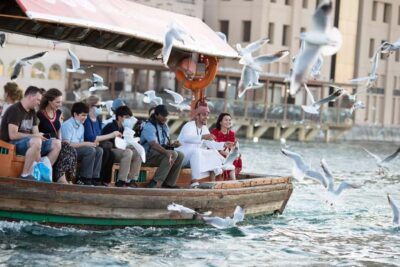
Old Town, Creek, Museums, Souks, & Street Food Tour
What we made of it →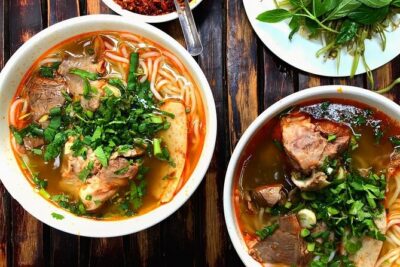
Ho Chi Minh City Street Food Tour & Sightseeing By Motorbike
What we made of it →
Comuna 13 Graffiti Tour, Cable Car & Street Food
What we made of it →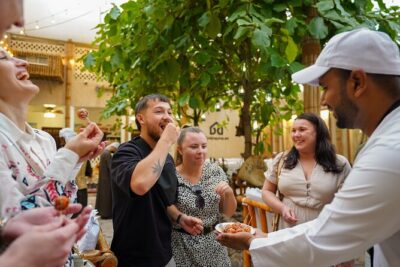
Old Town, Souks, Street Food, Guided Tour & Abra Ride
What we made of it →
Small Group Hanoi Street Food Tour with a Real Foodie
What we made of it →