
Review · INDIA
Shimla Street Food Crawl (2 Hours Guided Food Tasting Tour)
Shimla tastes best on foot. This two-hour walk pairs old food shops and small cafés with dishes you could easily miss alone, from fruit chaat and gol gappe to Siddu and Nepalese dumplings. I especially like the unusual Honey Masala Idli, served with honey, and the final tea or coffee stop overlooking Shimla. You also get a friendly English and Hindi-speaking guide, with food, conversation, and local suggestions included.
The main caution is pace and consistency. One outing finished in about an hour and a half, with several servings arriving quickly and some dishes shared between two people. The walk can also involve steep, narrow, winding roads, so this suits you best if you are comfortable walking uphill and prefer a tasting crawl over a leisurely sit-down meal.
Key points at a glance
- Starts at the Indira Gandhi Statue: The meeting point puts you near Shimla’s central streets before the food stops begin.
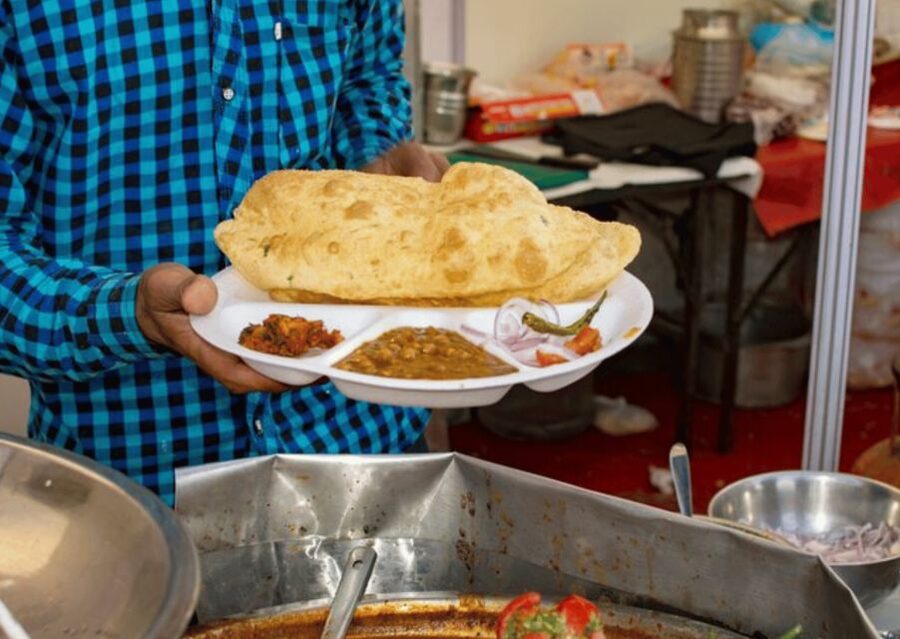
- Local dishes go beyond standard Indian snacks: Try Siddu, kurkeys, Nepalese dumplings, gol gappe, fruit chaat, chole bhature, and the unusual Honey Masala Idli.
- The food comes with stories: Guides such as Dev and Sunil have explained local ingredients, Himachali influences, and daily life around food.
- A vegetable market may be part of the route: Dev added this stop during one outing, giving the walk a useful look at everyday produce.
- Ends at Scandal Point: The final tea or coffee comes with wide views of Shimla, a pleasant finish after the food tasting.
- Good value for curious eaters: At $27 per person, the price covers the guide, tastings, a beverage, and local advice, but not hotel transfers or bottled water.
Starting at the Indira Gandhi Statue
The tour begins at the Indira Gandhi Statue and continues through Shimla on foot. That matters because the food experience is tied to the town’s lanes, slopes, and old commercial corners rather than confined to one restaurant.
You should arrive ready to walk in comfortable clothes. Bring your own water bottle, since water is not included, and keep your hands free for navigating narrow or bending roads. Hotel pickup and drop-off are not part of the experience, so you need to make your own way to the meeting point and arrange your return from Scandal Point.
The guide is meant to do more than point out the next snack. The strongest outings have come from guides who could explain how Himachali food connects with outside influences and local society. Dev, for example, added useful context about regional cuisine and took the group through a vegetable market. Sunil was praised for explaining dishes clearly and adjusting the food choices for different tastes.
That flexibility is important on a food walk. Shimla’s food culture includes local Himachali dishes, Tibetan food, South Indian items, Indian street snacks, and foods shaped by wider influences. A good guide helps you see those connections instead of treating each stop as an unrelated bite.
A few more nights of eating around India worth a look
- Varanasi Street Food Crawl (2 Hours Guided Food Tasting Tour)
★ 4.5 · 69 reviews - Chennai: 2 Hour Street Food Walking Tour
★ 3.9 · 19 reviews - Delhi: Street Food Crawl (2 Hours Guided Food Tasting Tour)
★ 3.5 · 18 reviews
Old food shops and Shimla’s snack culture
The first part of the walk takes you through lanes associated with some of the city’s oldest food shops. These are the kind of places you might pass without noticing if you were moving from one major sight to another.
The point is not simply to collect samples. It is to see how small food joints have kept certain dishes in circulation for generations. The experience presents Shimla as a food town where local habits survive in modest cafés and snack counters.
Expect a broad tasting list. Depending on the route and the day, you may encounter hot dogs, spring rolls, café slush, fruit chaat, chole bhature, and gol gappe. This is a wide mix, and that is part of the fun. You are not being offered one narrow definition of Himachali cuisine. Instead, you get a picture of what people can eat in Shimla now, including dishes that did not begin in the region but have become part of its food life.
Fruit chaat offers a lighter, sharper contrast to heavier fried or saucy dishes. Gol gappe bring the familiar combination of crisp shells and strong flavors. Chole bhature is more filling, while hot dogs and spring rolls show how café and fast-food habits have joined the city’s older snack traditions.
You should expect the food to arrive in tasting portions rather than as a full meal at every stop. Still, seven servings over a short period can feel like a lot, especially when several arrive at the same place. If you are sharing, tell the guide early how much you want to eat. That can help keep the pace comfortable.
Honey Masala Idli and the tour’s stranger combinations
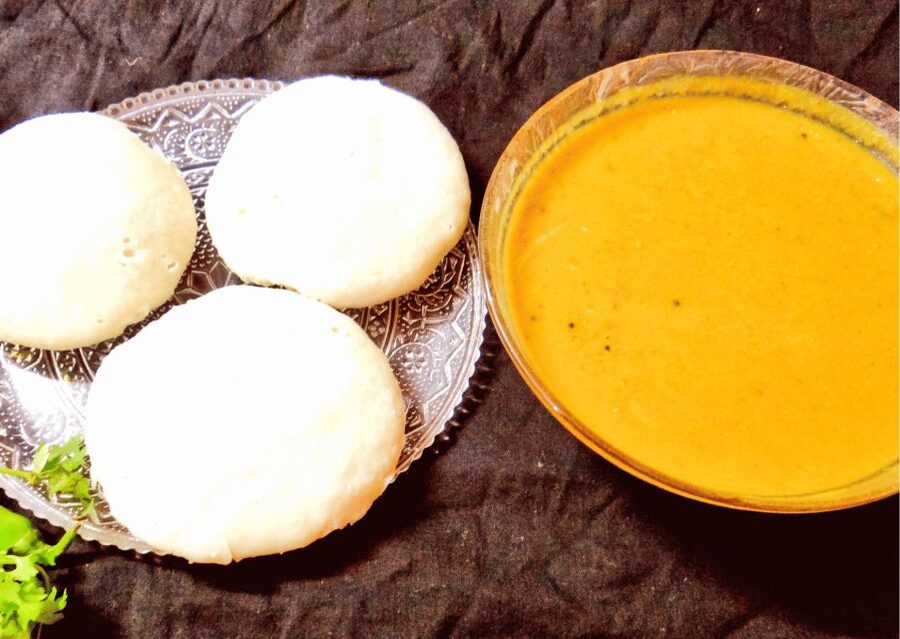
The Honey Masala Idli is one of the most unusual items on the route. It combines a South Indian staple with a sweet honey finish and a wider Asian influence. The result is not the sort of dish most people would think to order while exploring Shimla independently.
This stop shows why a guided walk can be useful. You may recognize idli, but the preparation and serving style give it a different role. Rather than simply ticking off familiar Indian foods, you get a combination that reflects Shimla’s habit of adopting and reshaping outside dishes.
The tour also includes kurkeys, described as a traditional Tibetan dish. Along with Nepalese dumplings and Siddu, this gives the food crawl a stronger regional character. These are the dishes I would pay most attention to because they help separate the experience from a generic Indian snack tour.
Siddu received particular praise as a favorite local dish. It is worth asking the guide how it is eaten and when it is usually served. The exact explanation can vary by guide, but this is the moment to ask about Himachali food rather than rushing to the next plate.
That said, the tour may not provide a long cultural explanation at every stop. One outing felt light on detail about when particular foods are eaten, how Himachali cooking differs from food elsewhere in India, and the role of street snacks in local life. If those questions matter to you, ask them directly. A curious conversation may bring out much more from the guide.
Watching food being prepared
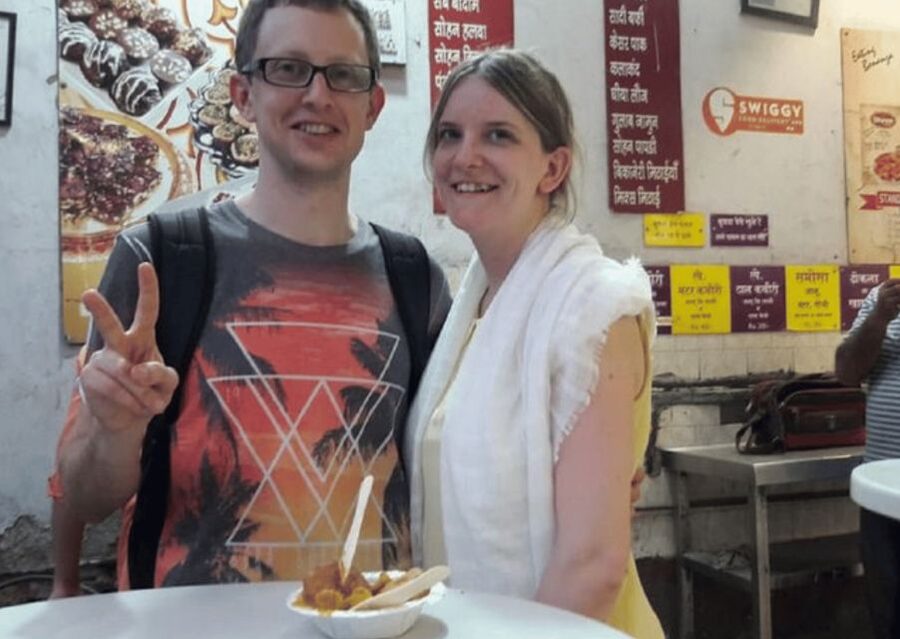
Part of the experience is seeing how some of the delicacies are prepared. This adds useful context because street food is not just a finished plate. The method, sauces, fillings, and serving style all help explain why a dish tastes the way it does.
The route includes foods that did not originate in Shimla but have been served there for many years. Watching them being made helps you understand how a city builds its own food identity. A spring roll or hot dog may not be traditionally Himachali, yet it can still belong to the town’s everyday eating culture.
The strongest guide-led moments come when preparation is linked to place. Sunil was particularly good at adapting the experience to different tastes, which is helpful if one person prefers sweet dishes and another leans toward savory food. Dev brought social context into the outing, connecting food with wider life in Himachal Pradesh.
Do not expect a cooking class. You will see preparation, but the main purpose is tasting and walking. The value is in getting a glimpse behind the counter, then trying the result while the guide explains what you are eating.
More Street Food Tours in India:
- Mumbai: Street Food and Night Markets Tour
★ 4.9 · 719 reviews - Old Delhi Street Food Tour
★ 5.0 · 497 reviews - Delhi: Old Delhi Street Food Tour with Rickshaw Ride
★ 4.9 · 403 reviews - Mumbai Street Food Tour
★ 5.0 · 269 reviews
The vegetable market detour
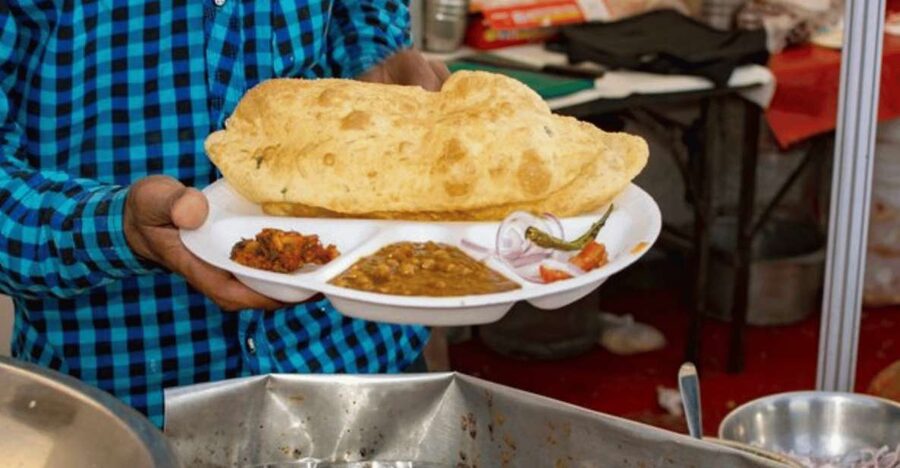
A vegetable market visit may be included along the route. It is a useful addition because it shifts the focus from prepared snacks to the ingredients that feed the city.
A market stop also breaks up the tasting. That matters because the food can come quickly, and a short walk among produce stalls gives you time to reset before the next serving. It gives the guide another opening to discuss local eating habits, seasonal produce, or the connection between markets and small food shops.
This is one reason I would not judge the tour only by the number of dishes. A market walk, a conversation about regional cuisine, and a look at preparation can be as valuable as another plate of food. The route works best when the guide gives you that broader picture.
The experience is still shaped by the individual guide. Dev and Sunil both received strong praise for their warmth and ability to explain or adapt the outing. At the same time, one guide seemed less confident with the content. That contrast tells you to keep expectations sensible: the quality of the conversation may depend on who leads your particular walk.
Steep lanes, narrow roads, and the two-hour pace
Shimla is not a flat food-walk city. The route includes steep roads and narrow, winding sections. Sunil helped one couple manage those conditions, but you should still wear practical clothes and shoes suited to walking.
The physical effort is part of the setting, yet it can also affect how much you enjoy the food. Eating several servings while climbing or turning through tight lanes may feel rushed. If you want time to photograph, ask questions, and sit with each dish, two hours can feel short.
The advertised duration is two hours, but one outing ended after about ninety minutes. That difference is worth considering if you are booking around another activity. The route may take close to the stated time, but you should not assume every departure will fill the full two hours.
I would plan this early in your Shimla stay. You can use the guide’s recommendations for later meals, cafés, or snacks, and you will learn which local foods you want to seek out again. It also leaves room to adjust your own eating plans if the tastings prove plentiful.
Ending with tea, coffee, and views at Scandal Point
The route finishes at Scandal Point, with tea or coffee and views over Shimla. This is a smart ending because the beverage gives you a pause after the walking and food.
The view is part of the experience, not just a final drink. Shimla’s setting is one reason the city’s cafés have such appeal, and enjoying a cup while looking out over the town gives the crawl a calm finish. After the sharper flavors, sauces, fried snacks, and sweet items, tea or coffee helps bring the outing back to a slower pace.
Do not expect the final stop to replace a full meal. The tasting is designed to introduce you to many foods, not provide one large lunch or dinner. If you have a large appetite, plan another meal later. If you prefer sampling many things, the portions may be enough.
Is $27 per person good value?
At $27 per person, the tour is reasonably priced if you value guidance, local context, and variety. The fee includes an English and Hindi-speaking guide, food tastings, a beverage, conversation, stories, and local recommendations. You are paying for access and interpretation as much as for the food itself.
The value is strongest for first-time visitors who would struggle to identify the older food shops or know what to order. A guide can also help you manage the steep streets and explain dishes that are unfamiliar. The vegetable market addition, when included, improves the overall experience by giving the walk more range.
The value is weaker if you judge it only by quantity. Some servings may be shared, and several items can arrive close together. You may also finish before the full two hours. If you want a long meal with generous individual portions, spend the money at a restaurant instead.
Food allergies, dietary restrictions, and strong dislikes are not addressed in the available details, so you should raise those concerns with the guide before tasting. The tour does adapt to different tastes, as Sunil did for one couple, but you should not assume every dish will suit you.
Cancellation is flexible enough for uncertain plans: you can cancel up to 24 hours before the activity for a full refund, and you can reserve now and pay later. That is useful if your Shimla schedule may change.
Who should book this Shimla food walk?
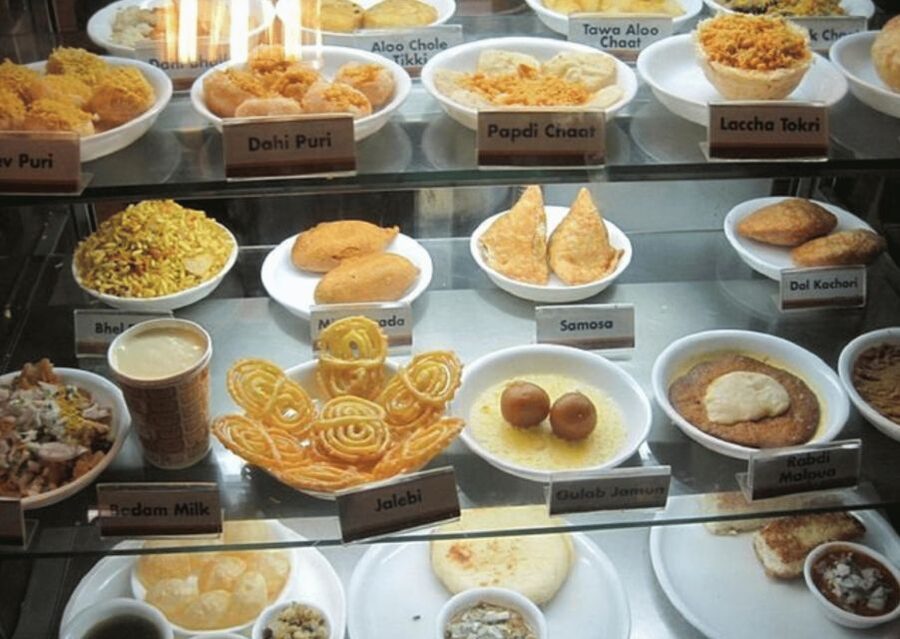
I would choose this tour if you like small food stops, unusual combinations, and walking through working parts of a hill town. It is especially suitable for first-time visitors, curious eaters, and anyone who wants local recommendations before planning the rest of a Shimla stay.
It also suits couples or small groups with different tastes, provided you tell the guide what you prefer. The food ranges from sweet to savory and from familiar snacks to less common regional dishes.
I would think twice if you need a fixed two-hour schedule, want every serving to be a full individual portion, or dislike steep walking. You may also prefer another option if your main goal is a detailed food lecture. The best experience here comes from asking questions and treating the guide as your link to the city’s food culture.
FAQ
Where does the Shimla food crawl start?
It starts at the Indira Gandhi Statue in Shimla.
Where does the tour finish?
The walk finishes at Scandal Point.
How long does the activity last?
The stated duration is two hours, though one outing finished in about one and a half hours.
What languages does the guide speak?
The live guide can speak English and Hindi.
Is food included in the price?
Yes. Food tastings and one beverage are included.
Is hotel pickup or bottled water included?
No. Hotel pickup and drop-off are not included, and you need to bring your own water bottle.
My call: book it for variety, not volume
Book this crawl if you want a guided introduction to Shimla’s snack culture, especially Siddu, kurkeys, Nepalese dumplings, and the Honey Masala Idli. The best parts are the personal stories, the chance to visit older food corners, and the final drink with a view.
Skip it if you want a carefully timed two-hour meal with large portions and extensive explanations at every stop. For everyone else, $27 is a fair price for a lively first taste of Shimla, provided you arrive ready for hills, small servings, and a guide-led conversation.
Just added around India
- Varanasi: Night Tour with Aarti Ceremony and Street Food★ 4.7 · 2 reviews
- Varanasi Street Food Crawl (2 Hours Guided Tour)★ 4.5 · 9 reviews
- Udaipur: Street Food Crawl (2 Hours Local Food Tasting Tour)★ 4.1 · 3 reviews
- Udaipur: Street Food adventure l Eat Just like a local★ 4.6 · 2 reviews
- Udaipur: Guided Street Food Tour with Tastings★ 4.2 · 6 reviews
- Trivandrum Street Food Crawl Guided Food Tasting Tour★ 4.5 · 6 reviews
- Ganga Arati with Street Food Tour of Banaras★ 5.0 · 7 reviews
- Varanasi Street Food Crawl (2 Hours Guided Food Tasting Tour)★ 4.5 · 69 reviews
Street Food Tours, compared.
Old Town, Creek, Museums, Souks, & Street Food Tour
What we made of it →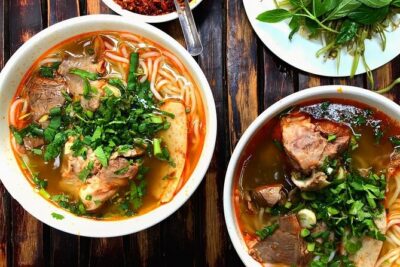
Ho Chi Minh City Street Food Tour & Sightseeing By Motorbike
What we made of it →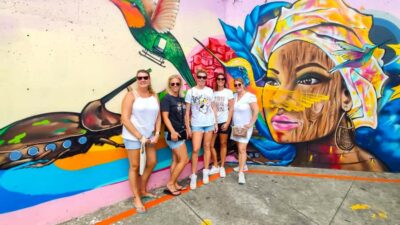
Comuna 13 Graffiti Tour, Cable Car & Street Food
What we made of it →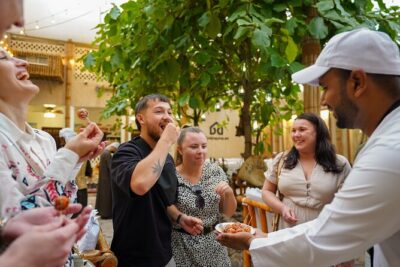
Old Town, Souks, Street Food, Guided Tour & Abra Ride
What we made of it →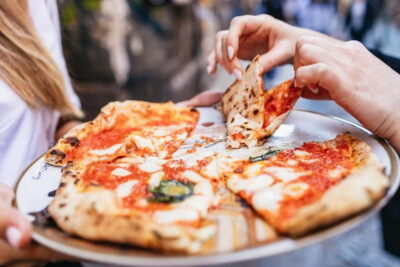
Small Group Hanoi Street Food Tour with a Real Foodie
What we made of it →
Saigon By Night and Street Food By Motorbike | Opt: Ao Dai Riders
What we made of it →Where this tour turns up