Review · TIMIș COUNTY
Timișoara: Street Food Tour with Local Guide
Timișoara tastes best one stop at a time. I like how this small-group food tour connects the city’s Hungarian, Serbian, Turkish, and Romanian influences through actual bites, not just dates and names. I also like the mix of grand Victory Square, the Fabric neighborhood, and a working farmer’s market, which gives you more than a standard old-town walk.
The main consideration is that this is a walking and public-transport outing, with limited vegetarian choices and no accommodation for food allergies. Still, with only up to nine people, a guide such as Andrei can keep the pace personal. His friendly communication, clear meeting instructions, attention to food preferences, and strong knowledge of Timișoara’s buildings and past were especially praised.
Five things to know before you book
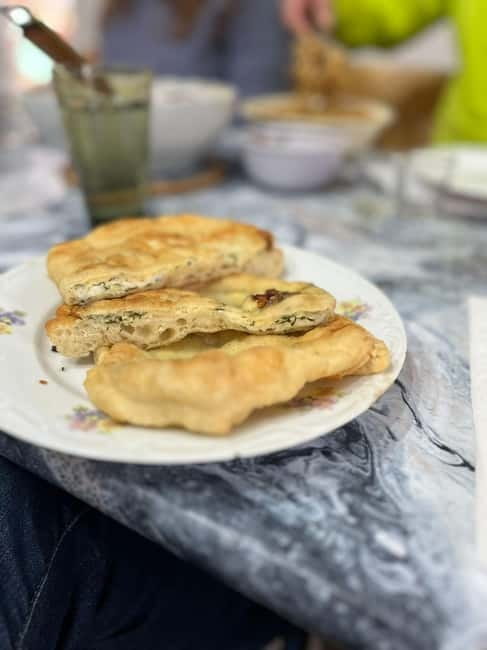
- Langoș opens the tour: Try the Hungarian-style fried dough with either sweet or savory toppings.
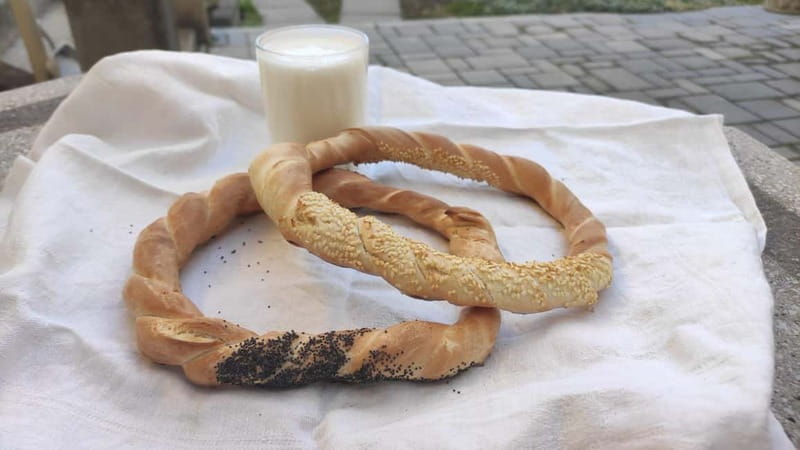
- Covrig and Sana make a local breakfast pairing: The Romanian pretzel comes with seasonings such as poppy seed, sesame, salt, or cheese, alongside a fermented milk drink.
- Fabric adds a different side of town: You leave the center by public transport and taste locally made pastry products in a historic neighborhood.
- The farmer’s market is central to the experience: Fresh produce, homemade foods, and artisanal goods show everyday food culture better than a polished restaurant can.
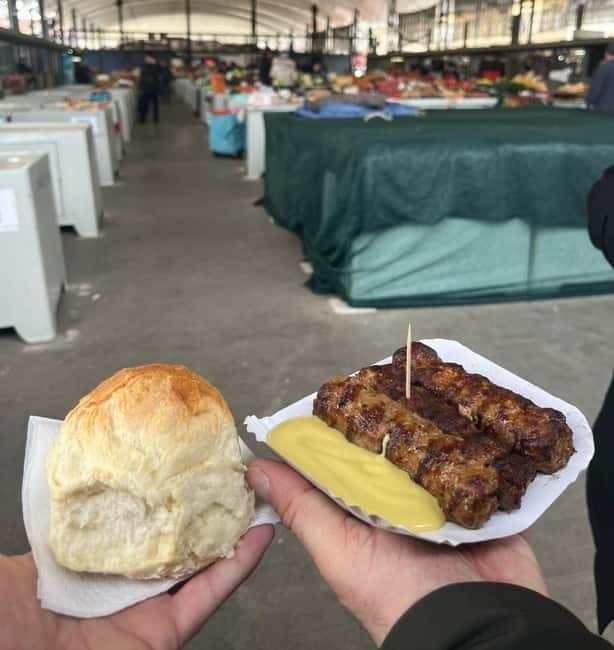
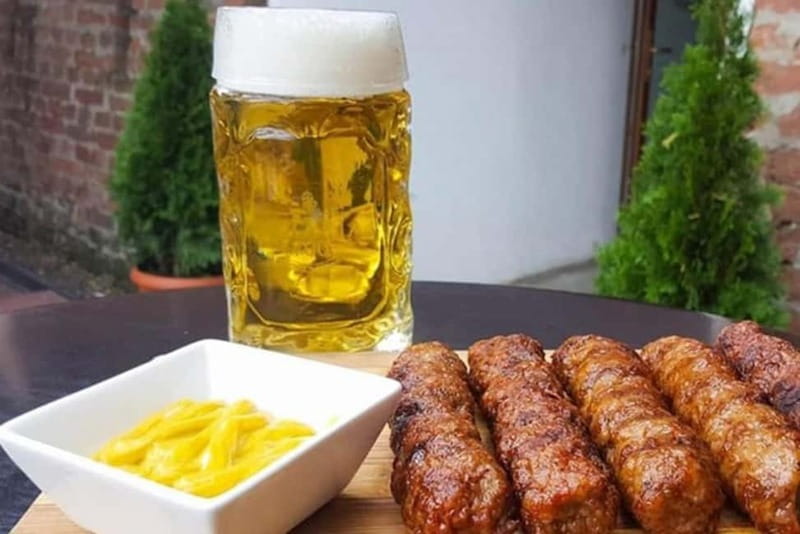
- Mici come with the local ritual: The grilled meat rolls are served with mustard and bread, plus one included pint of local beer.
- Dessert closes the loop: You learn how Timișoara’s sweet traditions changed over the past century and try a local favorite.
Why this Timișoara food tour works
Timișoara is a borderland city in the best sense. Its food reflects the people who have lived and traded here, with Romanian staples sharing the table with Hungarian, Serbian, and Turkish influences. This tour makes that cultural mix easy to understand because each stop gives you something concrete to taste.
At $69 per person, the price is not bargain-basement street food. But you are paying for a 2.5-hour guided route, several tastings, public-transport tickets, and a pint of local beer. You also get help ordering and context for foods that can seem simple if you encounter them alone.
I see the strongest value in the range of stops. You are not spending the whole tour at one food counter. You move from a central square to older streets, then to Fabric and a major market, before returning toward the center for dessert. That variety gives you a useful first look at Timișoara’s food habits.
The group is limited to nine people, which matters here. Street-food stops and market stalls work better with a compact group than with a large crowd. An English or Romanian-speaking guide can also respond to questions about ingredients, local customs, and the city’s architecture without turning the outing into a lecture.
More Street Food Tours in the world:
- Dubai: Old Town, Creek, Museums, Souks, & Street Food Tour
★ 4.8 · 10,816 reviews - Ho Chi Minh City Street Food Tour & Sightseeing By Motorbike
★ 5.0 · 9,413 reviews - Medellin: Comuna 13 Graffiti Tour, Cable Car & Street Food
★ 4.8 · 9,046 reviews
Meeting the guide at Victory Square
The meeting point is outside the Opera House in Piața Victoriei, or Victory Square. This is a smart place to begin because it puts you among some of Timișoara’s most recognizable buildings before any food appears.
Your first task is simply to get oriented. The square provides an attractive introduction to the city, and the guide can connect the surrounding architecture to the wider story of Timișoara. The tour is not only about eating quickly and moving on. The food is used as a way to explain how different communities shaped local habits.
Communication before the tour can make a real difference. Andrei was praised for sending clear information about the meeting point and time, along with directions for getting there. If you are arriving in Timișoara for the first time, that kind of practical message saves you from beginning the afternoon in a mild panic outside the wrong building.
Wear shoes you can walk in for several hours. You should also bring water, a hat, and sunscreen. The tour runs in changing weather, so a light rain layer is sensible even though the supplied information does not specify a particular weather policy.
Langoș: the first proper taste
Langoș is one of the tour’s most appealing early stops. This Hungarian classic is made from deep-fried dough and can be topped in sweet or salty ways. It is crisp on the outside, filling, and easy to understand as street food: inexpensive ingredients turned into something warm and satisfying.
The value here is cultural as much as culinary. Langoș is strongly associated with Hungary, yet it is very familiar to people in Timișoara. That makes it a neat example of how food crosses borders and becomes part of local life.
Pay attention to the topping choice. Sweet and savory versions can feel like two different snacks, so this is one place where telling the guide your preferences helps. You may want to pace yourself, since the fried dough can be more substantial than its size suggests.
I like this opening because it gives you a clear flavor and texture right away. The drawback is also clear: if fried foods sit heavily with you, the tour begins with a rich item. The guide can account for food preferences, but the experience is still built around tasting local specialties rather than choosing a light meal.
Covrig and Sana, a simple Romanian pairing
As you continue through the old town, you try covrig, the Romanian pretzel often eaten on the go. It may come with poppy seeds, sesame seeds, salt, or cheese. Beside it is Sana, a fermented milk drink that has been popular in Romania for generations.
This is one of the most useful stops for understanding ordinary local eating. Covrig is not a grand dish. It is the kind of quick breakfast or snack that fits into a workday, a school morning, or a walk across town. Sana adds a cool, tangy dairy note and makes the pairing more distinctive than a plain pretzel.
The simplicity is the point. Food tours sometimes focus so much on famous dishes that they miss what people actually grab when they need something quick. Here, you get a modest combination with a long place in local food culture.
If you are not used to fermented milk drinks, the flavor may be unfamiliar. The tour description identifies vegetarian options as limited, and dairy-based tastings may not suit everyone. Ask the guide about ingredients before tasting if you have dietary concerns.
Same place, a different plate:
- Dubai: Old Town, Souks, Street Food, Guided Tour & Abra Ride
★ 4.9 · 7,170 reviews - Naples: Street Food Walking Tour with Local Guide
★ 4.9 · 4,976 reviews - Small Group Hanoi Street Food Tour with a Real Foodie
★ 5.0 · 4,682 reviews - Rome: Street Food Tour with Local Guide
★ 4.8 · 4,077 reviews
Fabric by public transport
The route then leaves the central area and uses public transportation to reach Fabric, one of Timișoara’s historic neighborhoods. Your transport tickets are included, so you do not need to sort out a separate fare during the tour.
This change of setting improves the experience. The center gives you major sights and old-town atmosphere, while Fabric shows another part of the city. The trip also breaks up the walking and lets you see how the food route connects different areas rather than staying inside a small sightseeing zone.
In Fabric, you taste locally produced pastry products before heading to Timișoara’s largest farmer’s market. The pastry stop is useful because it keeps the food focus going while showing a local production side, not only food sold from a temporary street stall.
The public-transport leg does mean the tour is not a completely private, door-to-door experience. You need to be ready to board, walk, and keep up with the group. That is manageable for most people who are comfortable on their feet, but it is one reason the tour is not suitable for wheelchair users.
The farmer’s market and everyday food culture
The market is probably the most revealing part of the route. You can look at fresh produce, artisanal goods, and homemade delicacies in a setting designed for local buying rather than sightseeing.
A market gives you information that a restaurant menu cannot. You see what is sold fresh, how food is presented, and which products belong to the area’s daily rhythm. The guide can explain what you are looking at and help you sample items without the guesswork that often comes with unfamiliar stalls.
The market also gives the tour a less polished feel. That is a positive if you want ordinary food culture, but it means conditions may be busy, weather-dependent, or less predictable than a sit-down meal. Do not expect every product to be available in the same form at every visit.
Since the tour includes tastings rather than a guaranteed full lunch, plan your expectations carefully. I would treat it as a substantial sampling session, not as the only meal you will need that day. The additional food and drinks you buy are not included.
Mici, mustard, bread, and local beer
Near the market, street-food vendors serve mici, also called mititei. These small grilled meat rolls are made from minced meat, typically beef and pork, with garlic and seasoning. They come with mustard and fresh bread.
This is the most unmistakably Romanian stop on the route. Mici are casual food, often eaten outdoors, and the combination is direct: smoky grilled meat, sharp mustard, and bread to make it easy to eat. The included pint of local beer completes the pairing.
Having beer included is more than a small perk. It matches the way mici are commonly enjoyed and gives you a chance to pause with the group. One of the strongest details from the guide feedback was the pleasure of talking over a beer, not just rushing from one tasting to the next.
If you do not drink alcohol, check the arrangements with the provider before booking, since the included item is specifically one pint of local beer. The tour rules also prohibit alcohol and drugs outside the permitted tasting context, smoking, and littering.
Mici may not suit every diet. They contain meat, and the tour notes that vegetarian options may be limited. People with food allergies should not book this experience, since it is explicitly considered unsuitable for them.
Dessert and Timișoara’s sweet tooth
The final tasting returns toward the city center and turns to dessert. You learn about favorite sweets in Timișoara and try a local choice while hearing how dessert traditions developed over the past century.
This ending gives the route a useful change of pace. After fried dough, pretzel, pastry, market foods, and grilled meat, a sweet stop helps you think about how family recipes, city customs, and outside influences can show up in desserts as well.
The exact sweet is not specified, so you should not book this expecting a particular cake or pastry. The strength is the explanation and the chance to try something local, not a promised signature dish.
I also like the order. Dessert comes after the savory foods, when you have enough context to see how it fits into the city’s wider food culture. It keeps the last stop from feeling like a random sugar break.
The guide can make or break the experience
The guide is important on a tour like this because several tastings are simple foods. Without explanation, a pretzel or grilled meat roll can seem like just a snack. With a good guide, you understand why it belongs in Timișoara and how different communities influenced it.
Andrei received especially strong praise for being friendly, organized, and attentive to food wishes. His communication before the meeting was clear, and his explanations covered both the market and the city’s historic buildings. His background in Romanian history added value for anyone who wants more than a list of ingredients.
The available languages are English and Romanian. If you choose English, the guide’s ability to link food with architecture and history should make the walking sections more rewarding. The tour is small enough for questions, though the exact balance between food talk and city history can depend on the guide and the group.
Who should book this experience?
I would recommend it to first-time visitors who want an easy introduction to Timișoara’s food culture. It is also a good fit if you like learning why a dish matters, rather than simply photographing it and moving on.
The tour suits people who enjoy:
- Small groups instead of large coach outings
- A mix of walking, public transport, markets, and food counters
- Casual local specialties rather than formal restaurant dishes
- Historical and architectural background alongside tastings
- Trying unfamiliar foods with a guide to explain them
I would be more cautious if you need strict allergy control, follow a vegetarian diet, dislike fried foods, or want a fully accessible route. The tour is not suitable for wheelchair users, and the available information warns that vegetarian choices may be limited.
At $69, I think the price is fair if you value guidance and variety. It is less attractive if you only want to buy a langoș or mici for yourself, since individual snacks will cost far less. The included public transport and beer help, but the real value is the route and interpretation.
Should you book the Timișoara street food tour?
Book it if you want to understand Timișoara through everyday food, not just its central monuments. The combination of Victory Square, the old town, Fabric, the farmer’s market, mici, local beer, and dessert gives you a broad first taste in 2.5 hours.
Skip it if you need a highly controlled menu, wheelchair access, or a vegetarian-focused outing. For everyone else, the small group, clear pre-tour communication, and guide-led context make this a practical way to get oriented and find foods you may want to seek out again on your own.
Free cancellation is available up to 24 hours before the tour, and you can reserve now and pay later. Check the starting time when booking, since availability changes.
FAQ
Where does the Timișoara street food tour meet?
The meeting point is outside the Opera House in Piața Victoriei, also called Victory Square.
How long does the tour last?
The tour lasts 2.5 hours.
What languages does the guide speak?
The tour is available in English and Romanian.
How large is the group?
It is a small-group tour limited to nine participants.
Is public transportation included?
Yes. Public-transport tickets used during the tour are included.
Is a drink included?
Yes. The tour includes one pint of local beer. Additional food and drinks are not included.
Can people with food allergies or wheelchair users join?
No. The tour is not suitable for people with food allergies or wheelchair users. Vegetarian choices may also be limited.
Just added around the world
- Zanzibar:Stone town Street food market walking tour,transfer★ 4.5 · 9 reviews
- Vienna Food Tour: Dishes, Wine, Street Food & Culture★ 4.7 · 12 reviews
- Verona: Street Food Tour and City Guided Sightseeing★ 4.9 · 11 reviews
- Xi’an: Gourmet & Street Food Tour★ 4.8 · 22 reviews
- Verona: City Highlights & Street Food Walking Tour★ 5.0 · 3 reviews
- Verona: Street Food and History Tour with Local Guide★ 4.7 · 6 reviews
- Xi’an Muslim Quarter Night Market Foodie Walking Tour★ 4.2 · 22 reviews
- Verona: street food walking tour near the historical center★ 5.0 · 2 reviews
Street Food Tours, compared.

Old Town, Creek, Museums, Souks, & Street Food Tour
What we made of it →
Ho Chi Minh City Street Food Tour & Sightseeing By Motorbike
What we made of it →
Comuna 13 Graffiti Tour, Cable Car & Street Food
What we made of it →
Old Town, Souks, Street Food, Guided Tour & Abra Ride
What we made of it →
Small Group Hanoi Street Food Tour with a Real Foodie
What we made of it →