Review · JAIPUR
Pink City Street Food and Local Market Tour
Follow Jaipur by smell and color. This evening tour moves through the old city’s food stalls, flower sellers, craft workers, and traditional bazaars, giving you a much closer look at daily life than a monument-only outing. I especially like the chance to taste street food, chai, lassi, and sweets while seeing local makers at work. The opportunity to shape parts of the experience around your interests is another strong point.
The main consideration is that this is a group walk through busy, winding market lanes, with some longer stretches covered by rickshaw. You should also note that monument entrance fees are not included, so this experience is best for food, shopping, and neighborhood life rather than major sightseeing inside palaces or forts.
Key points to know before booking
- Starts at 5 PM: The evening timing suits Jaipur’s market life and avoids the middle of the afternoon.
- Three to four hours: You get time for several bazaars, food stops, craft visits, and conversations without committing to a full day.
- Old-city markets: The route may include bridal, flower, incense, spice, fruit, vegetable, and other traditional bazaars.
- Local makers at work: You may see bangle makers, sweet makers, turban makers, statue sculptors, and clay potters.
- Rickshaw included for longer distances: This saves your feet when the route stretches beyond walking range.
- Small maximum group: The tour accepts up to 15 people, though it is still a group experience rather than a private walk.
- Low price: At $10 per person, the tour offers strong value if food tastings and neighborhood access are your priorities.
Starting at 5 PM in Chandi Ki Taksal
The tour begins at 5 PM at 110 Hawa Mahal Road, in Chandi Ki Taksal, J.D.A. Market, Sirahdeori Bazar. This puts you near the old city’s market core, a useful starting point for an evening spent among working bazaars rather than only Jaipur’s grand monuments.
The timing matters. Jaipur’s markets are part of the experience, and an evening start gives you a chance to see the city as people shop, work, eat, and head home. You are not simply looking at a historic street after it has closed for the day. You are entering an active part of local life.
The exact order of stops can vary, especially since the guide may adapt parts of the walk to your interests. One traveler described choosing the parts that mattered most to them, with guide Jai making sure those interests were included. That flexibility is useful if you care more about textiles and food than, say, sculpture or religious items.
You should arrive ready to walk. The route goes through meandering lanes and market areas, and rickshaws cover the longer distances. The combination gives you both close-up street access and a practical way to avoid walking every part of the old city.
More Night Market Food Tours in India
- Mumbai: Street Food and Night Markets Tour
★ 4.9 · 719 reviews - Mumbai Street Food & Night Markets
★ 5.0 · 225 reviews - Old Delhi Street Food and Spice Market Tour
★ 5.0 · 81 reviews
Walking through Jaipur’s traditional bazaars
The tour’s main strength is the range of markets packed into a few hours. Instead of visiting one polished shopping street, you move through different trading areas with their own goods and rhythms.
A bridal market can reveal the decorative side of Jaipur, with fabrics and clothing connected to weddings and formal occasions. The tour information does not promise a fixed shop or a particular item, so think of this as a chance to see the market area rather than a guaranteed shopping list.
The flower market offers a different mood. Flowers are sold for ceremonies, offerings, decoration, and daily use. The colors and scents make this one of the more rewarding places for anyone who enjoys street photography or simple details of local commerce.
The incense and spice market brings another layer of smell. You may notice how quickly the atmosphere changes from flowers to dry spices, incense, and other goods. A guide adds value here by explaining what you are seeing and how these products fit into local routines.
The fruit and vegetable markets are less decorative but just as important. They show the practical side of Jaipur’s food system, where produce is sorted, displayed, bought, and carried home. I like that the route includes these working markets rather than treating Jaipur as a series of monuments and souvenir shops.
Expect narrow lanes and a lot happening at once. This is not a quiet promenade. You may need to pause for vehicles, shoppers, or people carrying goods. Stay close to the guide and keep your belongings secure, especially when the group moves through crowded stretches.
Meeting the people who make Jaipur’s goods
The tour also visits local workplaces and homes, where you may see traditional crafts being made. The listed examples include bangle makers, sweetmeat makers, turban makers, statue sculptors, and clay potters.
This part gives the walk more purpose than simply browsing finished products. When you see a craftsperson working, you can better understand the time, handwork, and skill behind something you might otherwise treat as a simple purchase.
The bangle maker and turban maker are particularly relevant to Jaipur’s clothing and ceremonial traditions. A sweet maker connects the market to the food tasting later in the tour, while a sculptor or potter shows the handmade side of the city’s decorative arts.
The route also offers interaction with local residents at their homes and workplaces. That access can make the walk feel personal, but you should behave respectfully. Ask before taking photographs, listen when the guide explains a custom, and remember that these are working environments, not staged museum displays.
The description also refers to caste divisions in India as you pass through parts of the old city. This can be an important subject, but it deserves a thoughtful explanation rather than a quick label. If the topic comes up, listen carefully and ask respectful questions. The value is in understanding how community, work, and neighborhood identity have shaped the old city.
Street food, chai, lassi, and Jaipur sweets
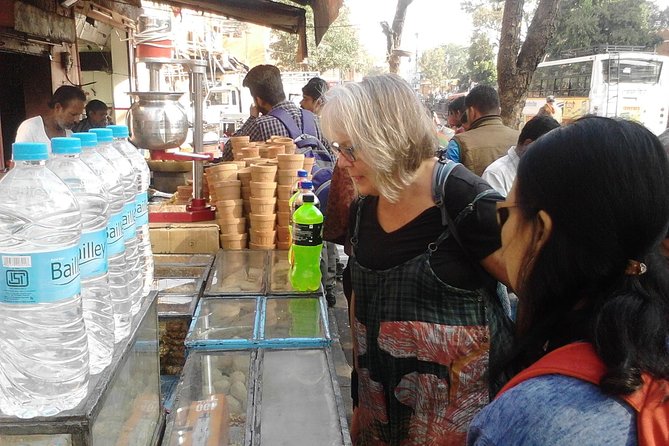
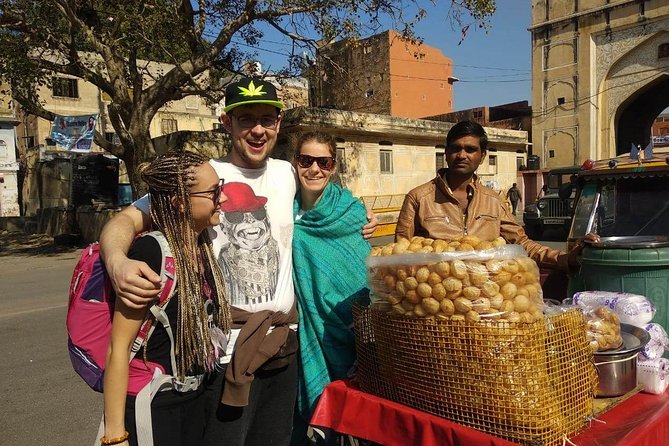
Food is a major reason to choose this tour. During the walk, you can taste street foods, chai, lassi, and sweets associated with Jaipur.
I like this format because food is not separated from the market experience. You see ingredients, shops, and working neighborhoods, then get the chance to taste some of what the city produces and serves. That connection makes the food more meaningful than a single restaurant meal.
The experience includes tea or coffee, specifically tea at Chandi Ki Taksal. The information does not provide a complete tasting menu, so you should not book expecting a fixed sequence of named dishes. The guide will lead you to local food options, but the exact items may depend on the route and the day.
If you are careful with unfamiliar food, tell the guide at the start. The supplied details do not state that the tour can meet every dietary restriction, so you should ask directly before booking if you have allergies or strict food requirements.
The same caution applies to spice. Jaipur food can include strong seasoning, and street food may not suit every stomach. A sensible approach is to try small portions first, drink water, and avoid eating more simply because something looks appealing. There is plenty to see, so you do not need to turn the walk into a personal eating contest.
For many people, the food stops will be the highlight. For others, the craft visits or markets may matter more. The tour works best when you treat the tastings as part of a broader neighborhood walk, not as a full food tour with a guaranteed menu.
Same place, a different plate:
- Old Delhi Street Food Tour
★ 5.0 · 497 reviews - Delhi: Old Delhi Street Food Tour with Rickshaw Ride
★ 4.9 · 403 reviews - Mumbai Street Food Tour
★ 5.0 · 269 reviews - Winner Mumbai Street Food Tour in the World Top 20 by Guardian
★ 5.0 · 216 reviews
Shopping for textiles, clothing, and handmade goods
Shopping appears to be one of the strongest parts of the experience. Past participants bought handmade clothes, shirts, tablecloths, kurtas, and other textile goods in bright colors. One useful piece of advice is to arrive with room in your luggage, since the shopping possibilities may tempt you to buy more than expected.
That does not mean you need to shop. You can join for the atmosphere, crafts, and food without making large purchases. Still, if you are interested in textiles, having Jai or another guide help you compare goods may make the process easier.
The guide has also been praised for tailoring the experience to personal interests and helping people choose items that suit them. That can be valuable in a market where you may not know the difference between hand-made and mass-produced goods, or where several similar items vary in quality and price.
Use normal shopping judgment. Ask the price before agreeing to buy, check the fabric and stitching, and make sure you understand what you are purchasing. The information provided does not promise fixed prices, return policies, shipping, or authentication of every handmade item.
A tour designed around shopping may not suit you if you prefer to browse without conversation or sales attention. On the other hand, it can be a good match if you want help finding clothing, household textiles, or colorful local goods and would rather not search the old city alone.
Why the rickshaw rides matter
The rickshaw sections are a practical feature, not just a novelty. Jaipur’s old city is easy to explore in pieces, but several hours of walking on market streets can become tiring. Using a rickshaw for longer distances lets you save energy for the places where walking is most rewarding.
You still get the close view of the lanes and stalls. The ride simply links separate market areas without asking you to cover every connecting street on foot.
Because this is a group tour, the pace may not always match your own. Some people will want to stop for photographs, while others will be focused on food or shopping. A maximum of 15 participants keeps the group from becoming huge, but you should not expect the freedom of a private guide.
The tour ends back at the original meeting point. That is convenient if you want to continue exploring the old city afterward or return to your accommodation from a known location.
What the $10 price really buys
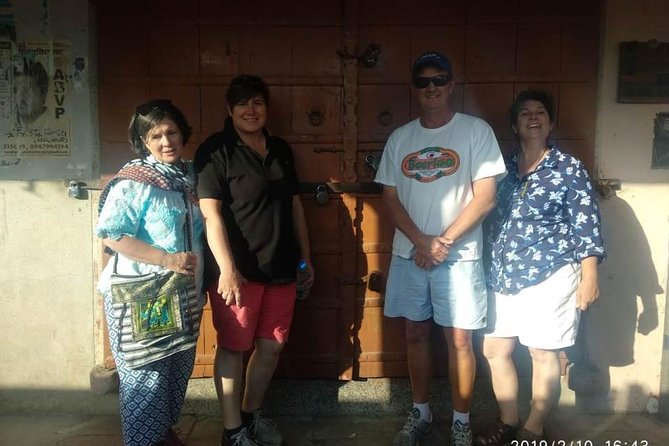
At $10 per person, this is an inexpensive way to gain structure, local orientation, and access to several parts of Jaipur that can be confusing to connect on your own. The value is not in luxury transport or a long list of included admissions. It comes from the guide, the route, the tastings, and the time saved figuring out where to go.
The price is especially good if you are interested in markets and street food. A self-guided outing might cost less in theory, but you could spend time getting lost, missing the craft workers, or finding only the most obvious shopping streets.
You should budget separately for purchases, any food that is not included, and monument admissions. The included information only specifies coffee or tea, and it clearly excludes entry fees for monuments.
Group discounts are available, which may improve the value if you are traveling with several people. A mobile ticket is also offered, making it easy to keep the booking on your phone.
The cancellation terms are practical: you can cancel up to 24 hours before the experience for a full refund. Confirmation is sent at booking, and the meeting point is near public transportation.
Who will enjoy this Jaipur evening walk?
I would recommend this tour most strongly to people who want to see Jaipur through its markets and working neighborhoods. It is a good fit if you enjoy trying local food, looking at handmade goods, and asking questions about daily life.
It also suits first-time visitors who want help getting their bearings in the old city. The guide handles the route while you focus on what is around you. That is easier than trying to navigate every lane while also deciding what is worth stopping for.
The experience may appeal to shoppers who want textiles, clothing, or handmade household goods. Guide Jai has been praised for helping people find items suited to their preferences, and the tour can apparently be adjusted toward specific interests.
You may want a different experience if your main aim is to enter monuments. No monument admission is included, and the emphasis is on markets, food, crafts, and local interaction.
It may also be less suitable if you need a completely private schedule, have strict dietary requirements, or dislike busy walking routes. The group can include up to 15 people, and the exact food and market sequence is not fixed in the information provided.
Final verdict: book it for markets, food, and local craft
I would book the Pink City Street Food and Local Market Tour if I wanted an affordable introduction to Jaipur beyond the headline sights. The strongest features are the mix of flower, spice, produce, bridal, and craft markets; the chance to see makers at work; and the guide’s apparent willingness to adjust the walk to personal interests.
At $10, it offers very good value for a three to four-hour evening experience. Just keep your expectations clear. This is not a monument tour, not a private shopping concierge, and not a fixed-menu food crawl.
Bring comfortable shoes, a phone with room for photos, and space in your luggage if you hope to shop. If you want Jaipur’s everyday color, food, and craft traditions in one manageable outing, this is a sensible choice.
FAQ
How long does the Pink City Street Food and Local Market Tour last?
The tour lasts approximately three to four hours.
What time does the tour begin?
It begins at 5 PM.
Where does the tour start?
The meeting point is 110, Hawa Mahal Road, Chandi Ki Taksal, J.D.A. Market, Sirahdeori Bazar, Jaipur, Rajasthan 302002, India.
Where does the tour end?
The activity ends back at the meeting point.
Is transportation included during the tour?
Rickshaw rides are used to cover longer distances during the tour.
What markets might the tour visit?
The route may include bridal, flower, incense, spice, vegetable, fruit, and other traditional bazaars.
What food and drinks are included?
The experience includes coffee or tea, with tea specified at Chandi Ki Taksal. The walk also includes opportunities to taste street food, chai, lassi, and sweets.
Are monument entrance fees included?
No. Monument entrance fees are not included.
How large is the group?
The tour has a maximum of 15 participants.
Just added around India
- Varanasi: Night Tour with Aarti Ceremony and Street Food★ 4.7 · 2 reviews
- Varanasi Street Food Crawl (2 Hours Guided Tour)★ 4.5 · 9 reviews
- Udaipur: Street Food Crawl (2 Hours Local Food Tasting Tour)★ 4.1 · 3 reviews
- Udaipur: Street Food adventure l Eat Just like a local★ 4.6 · 2 reviews
- Udaipur: Guided Street Food Tour with Tastings★ 4.2 · 6 reviews
- Trivandrum Street Food Crawl Guided Food Tasting Tour★ 4.5 · 6 reviews
- Ganga Arati with Street Food Tour of Banaras★ 5.0 · 7 reviews
- Varanasi Street Food Crawl (2 Hours Guided Food Tasting Tour)★ 4.5 · 69 reviews
Night Market Food Tours, compared.
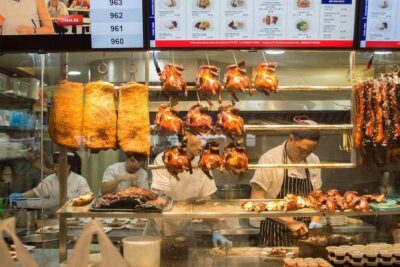
Small Group: Michelin and Local Hawker Food Tour with 9 tastings
What we made of it →
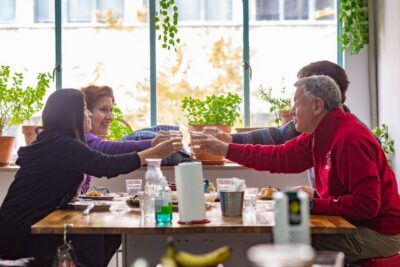
Food Market Visit and Cooking Class with Wine
What we made of it →
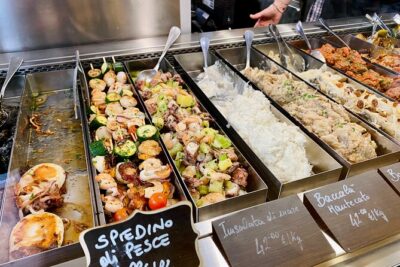
Venice Street Food Tour with Local Guide with Local Food Market Visit
What we made of it →
Cancun Taco Tour, Local Beer and Night Market with Transportation
What we made of it →
Tsukiji Fish Market Food and Culture Walking Tour
What we made of it →