
Review · TOKYO
Tokyo: Tsukiji Fish Market Food and Culture Walking Tour
Come hungry, leave with a better map of Tokyo. This three-hour Tsukiji tour pairs high-grade Wagyu skewers with sushi or a seafood bowl, seasonal fruit, fish cakes, and Japanese omelet, while an English-speaking guide helps you make sense of the market’s crowded lanes. I like the small groups of two to eight people, and I like that the food comes with useful lessons about Japanese cooking, shrine manners, and the market’s past. The main catch is that the tour is not suitable for vegetarians, vegans, wheelchair users, or people with limited mobility.
The best guides add real value here. Shun, Nazu, Miki, Luna, Robert, and Yoshiko have all been praised for making the market easy to approach, while Chi Haru, also called Sunny, was especially praised for explaining the fish preparation at the final meal. Plan carefully around market closures, though. On Wednesdays, Sundays, public holidays, and other closed days, some stalls are shut and several scheduled tastings may not be available.
Tsukiji Market in five useful points
- Meet at Tsukiji Honganji Temple: The tour begins at the temple’s main gate, a clear landmark beside the market.
- Eat your way through the outer market: Expect Wagyu beef, fish cakes, Japanese omelet, fruit, and either sushi or a seafood bowl.
- Small groups matter: With only two to eight people, it is easier to hear the guide and ask questions in tight lanes.
- The final meal includes a fish demonstration: Depending on the day, a chef prepares sushi or a seafood bowl after showing how the fish is handled.
- Market days affect the experience: Wednesdays, Sundays, and other closure days mean fewer open shops and fewer included tastings.
- Three hours of walking: Comfortable shoes and a willingness to stand, squeeze past crowds, and eat on the move are essential.
Starting at Tsukiji Honganji Temple
Your meeting point is the main gate of Tsukiji Honganji Temple, officially listed as 浄土真宗本願寺派 築地本願寺. This is more than a practical place to gather. Several guides use the temple and surrounding area to explain local customs, the development of Tsukiji, and proper shrine or temple manners before the food stops begin.
One particularly useful detail from the tour experience is the cleansing ritual. A guide may explain how to use the water at a Japanese religious site, giving you a small but helpful lesson before entering the market. This opening also gives the group time to meet one another before stepping into the tighter market lanes.
I like this starting point because it frames Tsukiji as more than a place to buy breakfast. The market is tied to the neighborhood around it, and the temple provides a calm counterpoint to the noise and movement outside. Do not expect a long temple visit, but do expect a little cultural context before the eating starts.
The meeting point is easy to identify, but Tokyo’s train stations can still slow you down. One person who missed the start because of a train mix-up was able to join later, but you should not rely on that. Arrive early, especially for an early morning departure.
More Night Market Food Tours in Tokyo:
- Tokyo: Private Tsukiji Fish Market Tour with 3 Food Stops
★ 5.0 · 9 reviews - Ueno Park and Ameyoko Street Food Market Half Day Walking Tour
★ 5.0 · 3 reviews - Tokyo Fish Market Food Tour: Street Food & Friendly Guide
★ 3.0 · 2 reviews
The first 30 minutes: getting oriented in the outer market
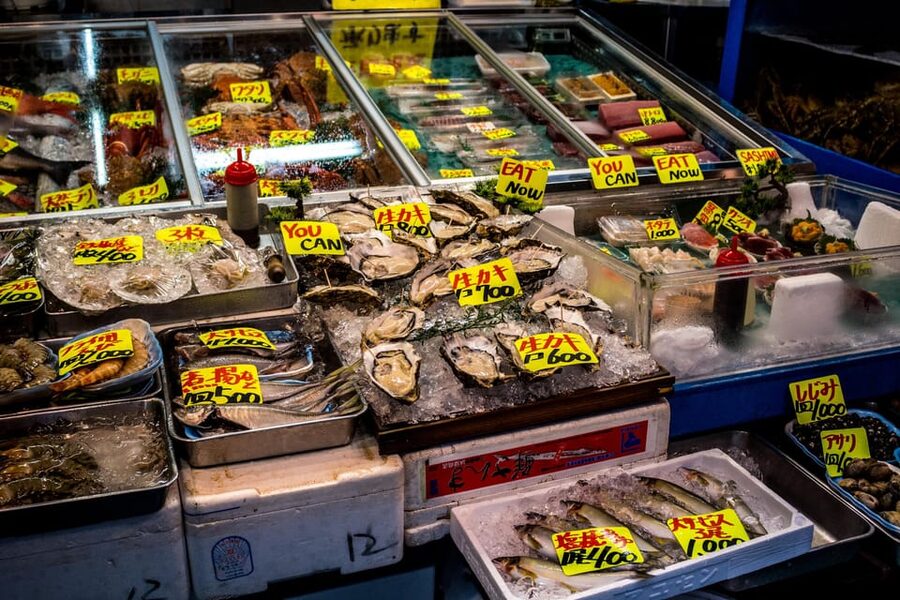
The first part of the walk takes you through Tsukiji’s outer market. This is the public-facing area, packed with food shops, small counters, specialist sellers, and stalls offering ingredients used in Japanese homes and professional kitchens.
Your guide helps you understand what you are looking at. Fish, shellfish, prepared foods, sweets, tea, fruit, and other ingredients appear in close quarters. Without help, it is easy to walk past something excellent simply because you do not know what it is, how it is served, or whether it is meant to be eaten immediately.
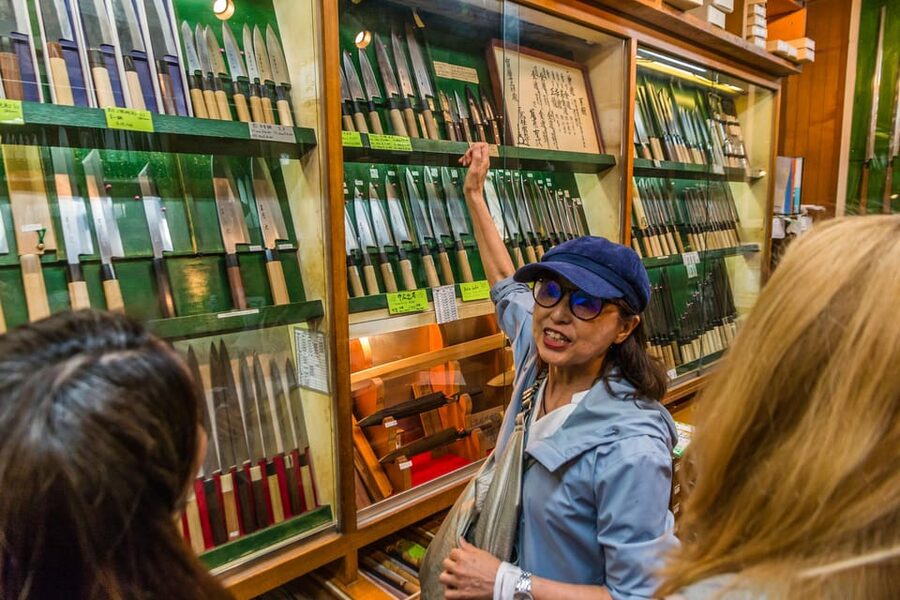
The outer market is also where the tour earns its keep for first-time visitors. You are not just shown a list of shops. You get guidance on how local food sellers operate, why chefs come here, and what makes certain ingredients desirable. Guides have also helped people choose tea to take home, pointed out stalls they would likely have missed, and suggested places to return to after the tour.
This is not a quiet market stroll. It can be crowded, aromatic, and difficult to navigate. Rain makes the lanes harder, since umbrellas, shoppers, and narrow walkways all compete for space. One guest found it difficult to hear during heavy rain and crowding, so stay close to the guide and ask for a repeat if needed.
Wagyu, tamagoyaki, fish cakes, and fruit
The tastings are spread across the walk rather than served as one large meal at the end. That pacing works well. You get time to look around between bites, and the food becomes a reason to stop and understand the stall in front of you.
The Wagyu skewer is the star for many people. It is described as high-grade beef, and several guests singled it out as the best bite of the tour. One person liked it enough to return after the tour for another. If you enjoy beef, this is likely to be the tasting you remember most.
Japanese omelet, often called tamagoyaki, gives you a different lesson in texture and technique. It is sweet, soft, and unlike the savory egg dishes many visitors expect. Fried fish cake adds another local snack, while seasonal fruit shows the care given to appearance, freshness, and timing in Japanese food shops.
The exact selection can vary. On market closure days, the omelet, fish cake, and fruit may not be available because the relevant shops are closed. That is an important limitation, especially if these smaller tastings are a major reason you are booking.
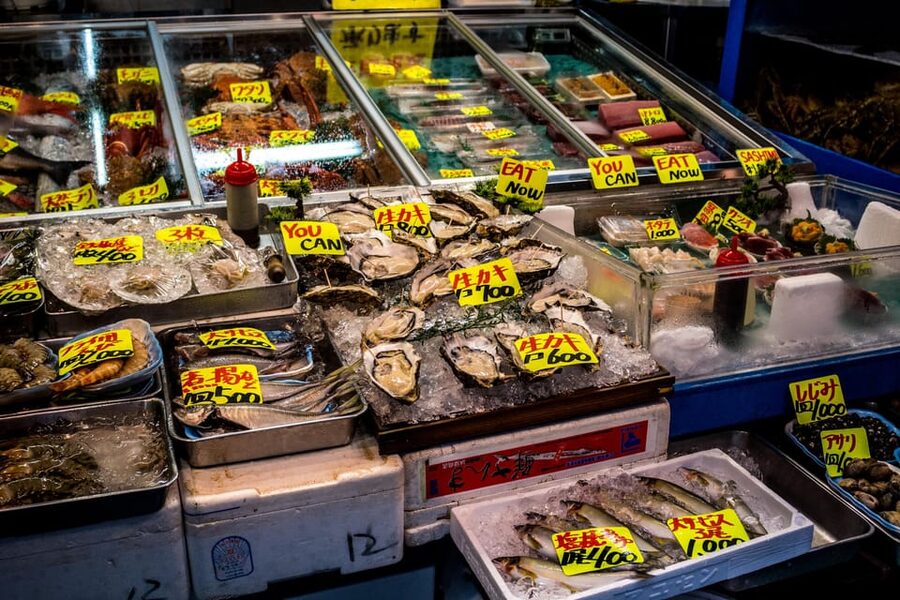
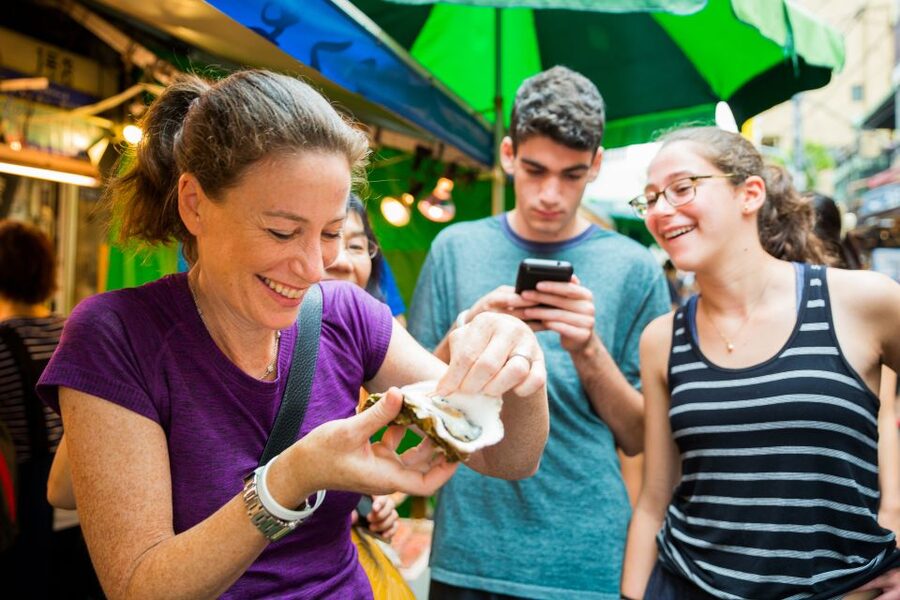
You may also have the chance to buy extra items along the way. The included food is not designed to stop you from spending more. Instead, it gives you a guided introduction, then leaves you free to purchase an oyster, strawberries, tea, or another item that catches your eye.
The fish market lesson and final seafood meal
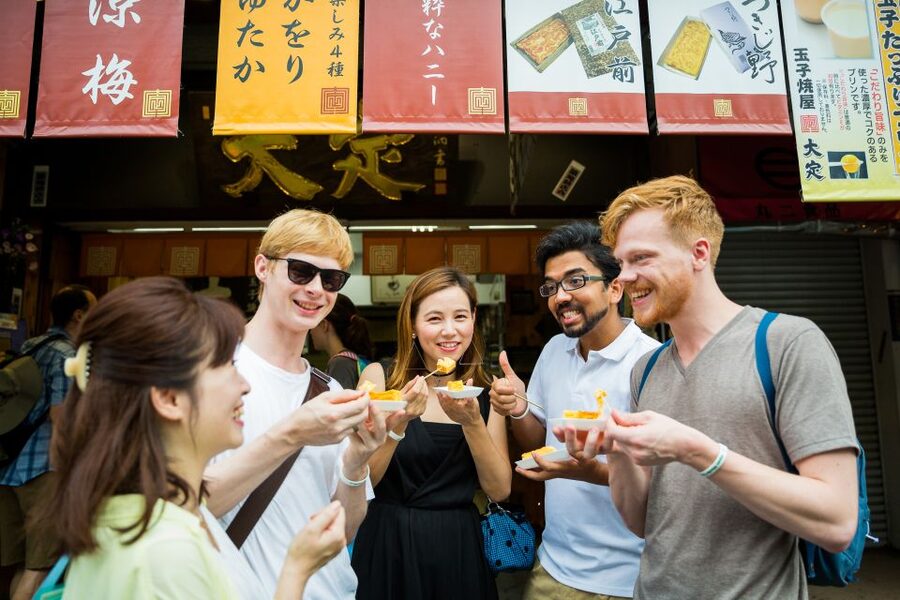
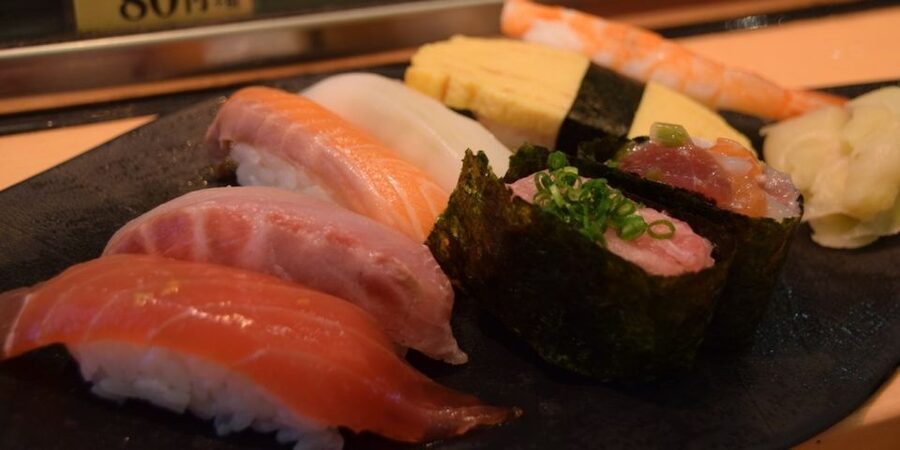
The final stop is the most organized eating moment. You finish with either sushi or a seafood bowl, depending on the day and time. The difference matters if you have your heart set on one format, so treat the listed meal as a choice made by the operation rather than a fixed promise.
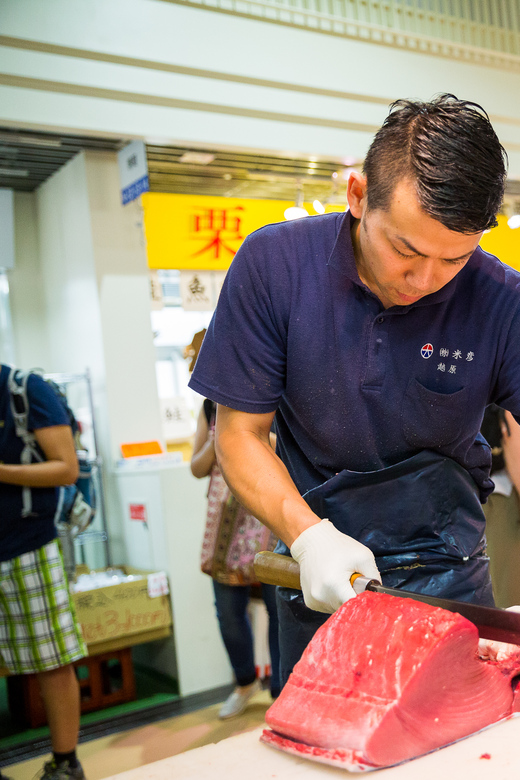
The seafood bowl can include a demonstration by a sushi chef, with the fish cut and prepared before the meal. This gives you a better sense of the work behind a simple-looking bowl. Chi Haru, also known as Sunny, received special praise for taking the group through this part and making the preparation easy to follow.
For many people, the bowl or sushi is the point when the scattered tastings come together. You have sampled snacks in the market, learned what makes ingredients appealing, and then sat down to eat fresh fish in a more formal setting. It is a satisfying finish, and the portions are substantial enough that you should not plan a large lunch immediately afterward.
There is a practical qualification. If the restaurant closes suddenly or cannot provide the planned meal, an alternative is offered. That is fair, but it means you should book this as a market food tour, not as a guarantee of one exact seafood dish.
Same place, a different plate:
- Tsukiji Fish Market: Street Food & Culture Walking Tour
★ 5.0 · 669 reviews - Tsukiji Fish Market: Street Food & Culture Walking Tour
★ 4.8 · 259 reviews - Tokyo: Togoshi Ginza Street Food Tour
★ 5.0 · 34 reviews - Tokyo Street Food Tour – 7 Japanese Foods
★ 5.0 · 16 reviews
What the small group changes
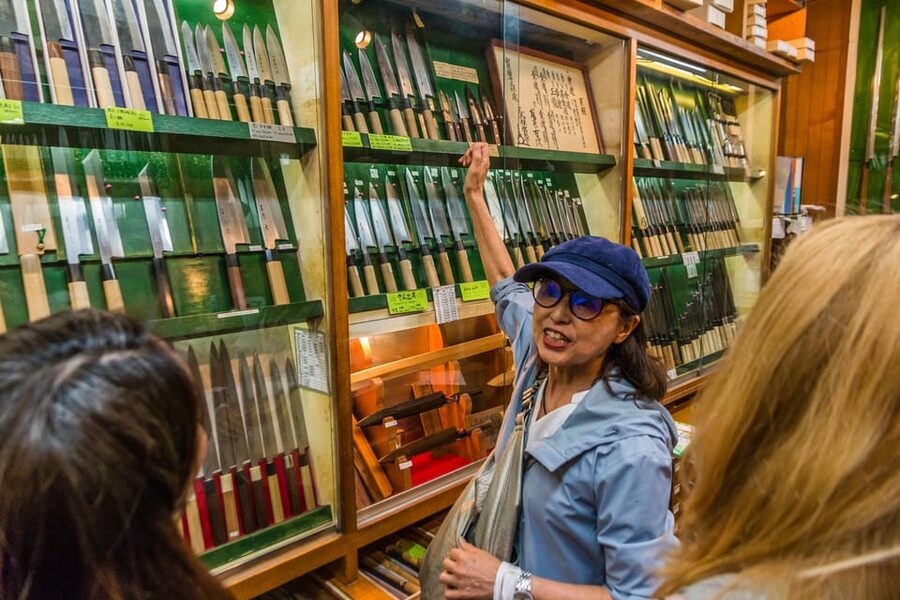
The group size is limited to two to eight people. That is a strong feature in Tsukiji, where a large party would block lanes and make conversation hard.
A small group lets the guide stop when someone has a question or wants to inspect a stall. Guides have waited for slower walkers, helped people order unfamiliar foods, and adjusted attention to the interests of the group. Robert was praised for being patient with a mother who walked slowly, and other guides have been described as warm, funny, and easy to approach.
You still need to stay aware of the crowd. A small group does not create extra space around you. It simply makes it easier to keep track of the guide and hear the explanation. The group can also split briefly around a shop entrance, so keep your eyes open and do not wander off while looking at a display.
The language offered is English. The guide’s skill matters here because much of the value comes from explanation, not just pointing at food. Shun, Nazu, Miki, Luna, Robert, Keiko, Yuki, and Yoshiko were all praised for combining food guidance with cultural information. Taiki was appreciated for allowing extra time to buy or try things beyond the set tastings.
The history is useful, but the food leads
This tour gives you more than a snack route, but it is still primarily a food experience. You learn about the relationship between Tokyo’s top chefs and the market, the difference between the former wholesale area and the outer market, and how the district has changed.
Several guides explain the market’s inner and outer sections. One guest toured the wholesale fish area before moving outside, while the listed route focuses mainly on the outer market. Access and timing can vary, so you should not assume a full behind-the-scenes wholesale visit every time.
The historical detail also depends on your guide. Some guides give a strong account of the area and market, while one person wanted more detail about the district’s past. If your main interest is Japanese history rather than food, tell the guide at the start and ask questions as you go.
I see that as a fair balance. The market itself is the subject, and the food keeps the walk lively. You get enough background to understand the place, but this is not a long museum lecture with occasional snacks.
Is $96 a fair price?
At $96 per person, this is not a cheap breakfast. You are paying for the guide, the small group, several tastings, and the final sushi or seafood bowl, as well as the convenience of moving through a difficult market with someone who knows where to go.
The value is strongest for a first visit to Tokyo. If you do not speak Japanese, have little experience with Japanese market etiquette, or feel unsure about ordering from busy stalls, a guide removes much of the guesswork. You also get a broad sampling in three hours, rather than paying separately for every experiment and possibly choosing poorly.
The value is weaker if you are an experienced Tokyo eater who enjoys wandering alone. You may spend less by choosing a few stalls yourself, though you will not get the same explanation or help selecting food.
The food quality is generally praised, especially the Wagyu and final seafood dish. One person felt the middle tastings were less special and objected to being charged separately for sake or beer. Alcohol is not listed among the included items, so budget for any drinks you order beyond the tour menu.
Timing, weather, and what to wear
You should wear comfortable shoes. The walk lasts three hours, includes a moderate amount of walking, and involves standing in market lanes and at food stops. Comfortable clothing helps too, especially if you are visiting during a warm or rainy part of the year.
Morning timing can be useful because the market is an active place early in the day, but early departures may also meet heavy crowds. One Saturday at 8:30 a.m. was described as crowded, with a suggestion to choose midweek when possible.
Rain does not automatically ruin the tour. Several people still enjoyed the food and explanations in wet weather. But umbrellas make it harder to hear, and wet ground plus crowded lanes can slow the group. Bring a camera if you like, but keep it ready to put away when a stall is tight or the guide is explaining something.
Market closures deserve serious attention. The fish market’s wholesale area is closed on Wednesdays, Sundays, and other designated closure days. Public holidays can also affect the outer market. On those dates, the tour may still operate, but the omelet, fish cake, and fruit stops may be unavailable, and the overall market will feel quieter.
Who should book this Tsukiji tour?
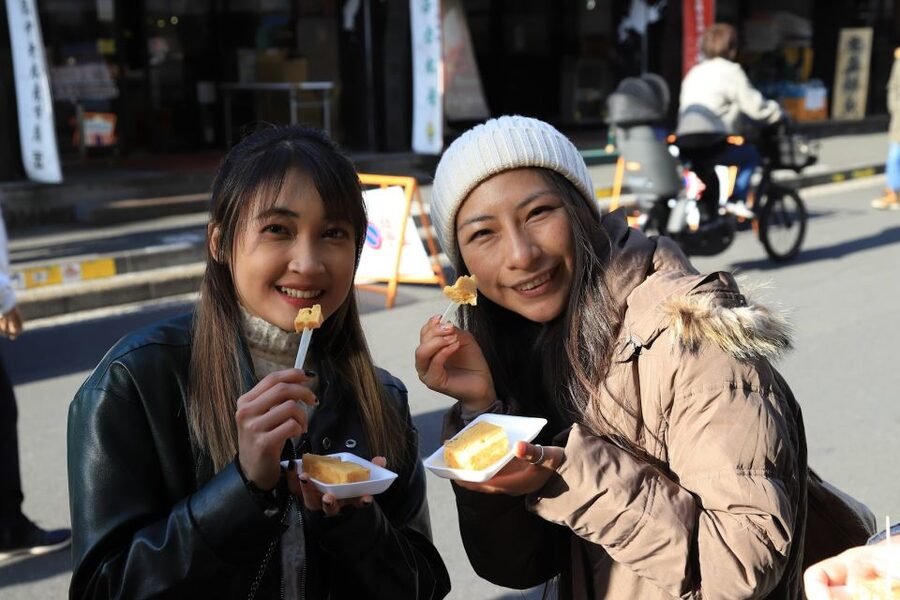
I would recommend it to first-time Tokyo visitors who want a guided introduction to Japanese food culture. It suits curious eaters who want to try unfamiliar items without guessing, and it works well for couples, friends, and small families comfortable with walking and shared tastings.
It is also a good first or second morning in Tokyo. You receive restaurant ideas, shopping tips, and a better sense of what you are seeing. Save time after the tour if you want to return to a stall or buy something you noticed during the walk.
I would not choose it if you need vegetarian, vegan, halal, or gluten-free food. Those requests cannot be accommodated. It is also a poor fit for wheelchair users or people with mobility impairments because the market involves crowded lanes and a moderate amount of walking.
The minimum drinking age is 20, but alcohol is not part of the included menu. You should also avoid booking if your priority is a guaranteed visit to every part of the wholesale market. The route and open shops can change with the day.
Should you book it?
Book this tour if you want a guided, food-heavy introduction to Tsukiji and value the help of a local guide more than the freedom of wandering alone. The Wagyu skewer, seasonal foods, and final fish bowl or sushi give you plenty to eat, while the small group makes a crowded market easier to handle.
Skip it if you have strict dietary needs, limited mobility, or a strong preference for choosing every dish yourself. For everyone else, $96 is reasonable when you count the tastings, the final seafood meal, and the time saved finding the best stalls. Just choose an open market day, wear good shoes, and leave room for a second visit after the tour.
FAQ
Where does the Tsukiji food tour start?
The tour starts at the main gate of Tsukiji Honganji Temple, listed as 浄土真宗本願寺派 築地本願寺.
How long does the Tsukiji Market tour last?
The tour lasts three hours. It includes an initial market visit of about 30 minutes, followed by roughly two and a half hours of guided walking and food tasting.
What food is included?
The included menu features high-grade Wagyu beef skewers, Japanese omelet, seasonal fruit, fried fish cake, and either a fresh seafood bowl or sushi, depending on the day and time.
Is this tour suitable for vegetarians or vegans?
No. Vegetarian, vegan, halal, and gluten-free requests cannot be accommodated. The tour is also not suitable for wheelchair users or people with mobility impairments.
Does the market open every day?
No. The fish market wholesale area is closed on Wednesdays, Sundays, and other market closure days. On those days, the omelet, fish cake, and fruit tastings may not be available because the shops are closed.
What should I bring?
Bring comfortable shoes, comfortable clothing, and a camera. The tour includes a moderate amount of walking in crowded market areas.
Just added around Tokyo
- Tsukiji Fish Market Street Food & Culture Walking Tour★ 5.0 · 8 reviews
- Tokyo Fish Market Food Tour: Street Food & Friendly Guide★ 3.0 · 2 reviews
- Ueno Park and Ameyoko Street Food Market Half Day Walking Tour★ 5.0 · 3 reviews
- Tokyo:Enjoy street food & Japanese food culture at Tsukiji Market★ 5.0 · 6 reviews
- Tokyo Street Food Tour – 7 Japanese Foods★ 5.0 · 16 reviews
- Tsukiji Fish Market: Street Food Tour with Tasting★ 5.0 · 4 reviews
- Matsushima Bay, Islands and Seafood Market day tour from Tokyo★ 5.0 · 2 reviews
- Tokyo: Private Tsukiji Fish Market Tour with 3 Food Stops★ 5.0 · 9 reviews
Night Market Food Tours, compared.
Small Group: Michelin and Local Hawker Food Tour with 9 tastings
What we made of it →
Food Market Visit and Cooking Class with Wine
What we made of it →
Venice Street Food Tour with Local Guide with Local Food Market Visit
What we made of it →
Cancun Taco Tour, Local Beer and Night Market with Transportation
What we made of it →
Cancun Street Food Tour with Food Stalls, Local Market and Murals
What we made of it →
Where this tour turns up