
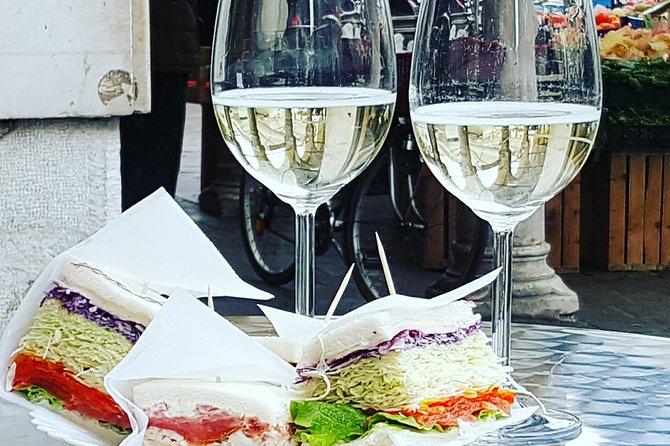
Review · ITALY
Street Food Walk in Padova
Come hungry, leave happily stuffed. This two-hour food walk through Padua links the city’s grand squares with its covered market halls and small food shops, turning a morning stroll into a light lunch. I like the small group of up to eight and the way the tastings focus on ordinary local foods rather than fancy restaurant dishes.
I also like the mix of food and place. You taste cheese, cured meat, bread, fruit, gelato, and coffee while moving through Padua’s central squares and passing the University of Padua. The main drawback is the price: at $142.02 per person, it is costly for a two-hour walk, so the value depends on how much you appreciate a guide who explains local food and builds the tastings around your preferences.
Rachel, the guide, receives especially strong praise for her friendly manner and skill at assembling a market-fresh lunch. The walking itself is not demanding, but you should still arrive ready to eat several small portions in fairly quick succession.
Key points at a glance
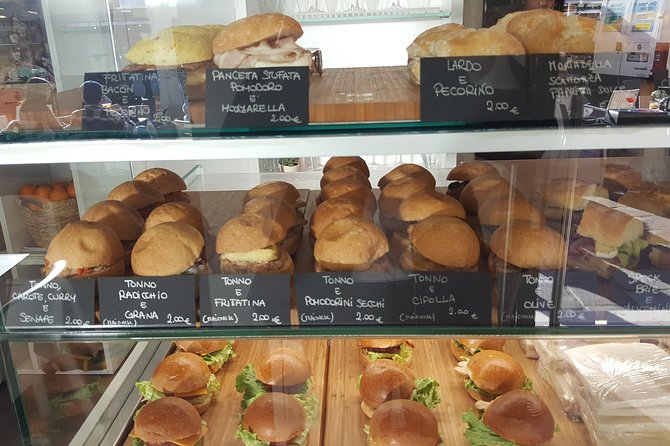
- A market lunch in miniature: Cheese, salami, prosciutto, bread, olives, fruit, gelato, espresso, and a drink make this more than a quick nibble.
- Only eight people maximum: The small group should make it easier to ask questions and adjust the food choices to your tastes.
- Padua’s central squares provide the setting: Palazzo della Ragione, Piazza delle Erbe, Piazza della Frutta, and Piazza dei Signori all form part of the route.
- Rachel brings food knowledge and warmth: Her guidance covers local origins, pairings, and the best market stalls.
- The route is short and central: The walk lasts about two hours and ends where it begins at Piazza delle Erbe.
- The price requires a close look: It can make sense as a combined guided walk and substantial lunch, but less so if you only want a few samples.
Why this Padua food walk works
Padua is easy to underestimate. Many people pass through on the way to Venice, yet its central squares make an excellent setting for a food walk. They are close together, active during the day, and tied to daily shopping, civic life, and university life.
This experience uses food to connect those parts of the city. You are not simply handed a plate of samples in one room. You move between market areas, covered food halls, and small shops around the squares. That gives you a better sense of where Padua’s everyday food culture lives.
The two-hour length is another plus. It is long enough for a proper introduction, but short enough to fit before an afternoon visit or onward travel. Since the start time is 10:30 a.m., the food can serve as an early lunch rather than a pre-lunch snack.
I would not expect a full sit-down meal. Still, the menu is broad enough that you may finish with little need for lunch afterward. The cheese, cured meat, bread, fruit, gelato, and coffee cover a lot of ground.
More Street Food Tours in Italy:
- Naples: Street Food Walking Tour with Local Guide
★ 4.9 · 4,976 reviews - Rome: Street Food Tour with Local Guide
★ 4.8 · 4,077 reviews - Rome: Trastevere & Campo de Fiori Street Food Walking Tour
★ 4.9 · 2,768 reviews
Starting at Piazza delle Erbe
The meeting point is the fountain at Piazza delle Erbe, specifically Piazza delle Erbe 21. This is a useful place to begin because the tour starts in the middle of Padua’s food-and-market district rather than at a remote transport stop.
Arrive with enough time to find the fountain and settle in. The activity starts at 10:30 a.m., and the booking information says confirmation is sent within 48 hours, subject to availability. You will want that confirmation before planning the rest of your morning around the walk.
The square gives you an immediate sense of the tour’s character. This is not a bus ride to a distant farm or a cooking lesson in a private kitchen. It is a city walk centered on the places where food is bought, displayed, and eaten.
The group limit of eight matters here. Small food shops and market counters are easier to handle with a compact group. You should also have a better chance to ask Rachel about an ingredient, a pairing, or the reason a particular stall was chosen.
Palazzo della Ragione and Padua’s food center
The first listed stop is Palazzo della Ragione, one of the city’s major landmarks. Its presence gives the walk a strong visual opening, but the food angle is just as important. The building is closely tied to the central market area, so it helps place Padua’s food trade within the city itself.
This is where the walk begins to blend sightseeing with eating. You are likely to hear explanations about local products and their origins while standing in one of Padua’s most important public spaces. That kind of setting gives the food more meaning than tasting the same items without context.
The practical benefit is that you do not need to choose between a city tour and a food tour. You receive some of both, though the emphasis remains on eating. If your main goal is a detailed architectural tour of the palazzo, this is not the right format. The building serves as part of the food route rather than the sole subject.
Piazza delle Erbe and the covered market halls
Piazza delle Erbe is central to the experience, both as the starting point and as part of the food route. The covered halls and surrounding shops provide the setting for many of the tastings.
The local cheese selection is a good example of the tour’s range. You may taste fresh Asiago, Ubriaco, Parmigiano Reggiano, and Grana Padano. These are not interchangeable cubes of cheese. They differ in age, texture, strength, and style, giving you a useful side-by-side introduction to northern Italian cheese.
The cured meats add another layer. Local prosciutto and salami are included, along with bakery products such as focaccia and bread. Together, these items form the core of a light Italian lunch. I like this combination because it is simple, recognizable, and tied to the market rather than designed solely for tourists.
You should pay attention to your appetite here. More food follows, and the portions may be small, but several tastings add up quickly. The food walk is not ideal for someone who wants only a morning coffee and one bite.
Same place, a different plate:
- Venice: Street Food Tour with a Local Guide and Tastings
★ 4.8 · 2,613 reviews - Authentic Naples Street Food Tour With Local Expert Guide
★ 5.0 · 2,402 reviews - Rome Street Food Tour with Local Guide
★ 5.0 · 2,361 reviews - Palermo Original Street Food Walking Tour by Streaty
★ 5.0 · 2,105 reviews
Piazza della Frutta and seasonal market produce
Piazza della Frutta brings fresh produce into the picture. Seasonal fruit from the market stands is included, along with fresh olives. These are modest items, but they keep the tasting from becoming a parade of cheese and meat.
Seasonality matters. The exact fruit selection can change, so you should think of this as a chance to taste what looks good in the market at that time rather than a fixed fruit menu. That flexibility is part of the appeal of a market-based experience.
Fresh olives also help show how a food walk can be educational without turning into a lecture. You can compare their place alongside bread, cured meat, and cheese, and get a clearer idea of how an Italian snack or light meal comes together.
This stop may appeal most to people who like food in its everyday form. If you are looking for rare ingredients or elaborate dishes, the selections may seem plain. I see that simplicity as a strength, especially when the guide explains why these products belong together.
Piazza dei Signori and a local drink
The route continues to Piazza dei Signori, another of Padua’s central public spaces. By this stage, the walk has moved from the market’s basic ingredients toward the pleasure of putting them together.
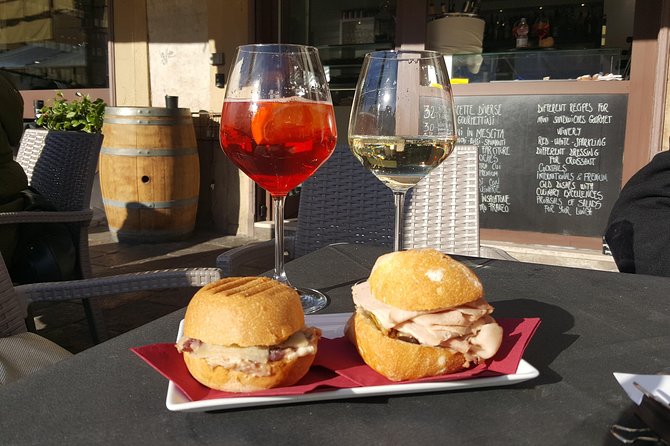
A drink is included: either sparkling Prosecco, Spritz, or a soft drink. The exact option may depend on the circumstances and your preference. Prosecco gives the tasting a light, festive touch, while a Spritz fits naturally with northern Italian aperitivo culture. A soft drink makes the experience workable for anyone avoiding alcohol.
This is one area where the price may feel more reasonable. You are not paying only for a few slices of cheese. The experience combines several tastings, a drink, a guide, and a walking route through important central locations.
Still, I would keep expectations in check. The drink is one part of the food walk, not a dedicated wine or cocktail tasting. If you want a detailed examination of Prosecco or Spritz, you will need a more specialized experience.
Torre dell’Orologio and the city’s visual rhythm
The Torre dell’Orologio adds another landmark to the route. A clock tower might seem unrelated to food, but it helps break up the tasting and gives the walk a clear sense of movement through Padua.
This is one reason I prefer a food walk that covers several squares. You get short changes of scene between bites, rather than spending two hours in one market aisle. The city itself becomes part of the meal.
The route is not described as strenuous, and the distance is limited enough that the experience should suit most people. One of the strongest practical points is that it is not a long-distance walking tour. Even so, you are on your feet for about two hours, so comfortable shoes remain sensible.
The clock tower stop also helps you remember where you are. Food tours can sometimes blur into a series of anonymous stalls. Here, the named squares and landmarks give the route a clear shape.
The University of Padua and the final tastes
The University of Padua is the final listed stop. Its inclusion gives the experience a different tone from the market squares. Padua is not only a place of food stalls and historic buildings. It is also a university city, and that student presence helps explain the steady daily life around the center.
The walk then finishes back at the original meeting point. That is useful if you have a lunch reservation, a museum plan, or a train to catch later. You are not left across town trying to find your way back.
The final food portion includes artisanal and organic gelato in seasonal flavors, followed by a typical espresso. Gelato works well as the sweet finish because the flavors can change with the season, and the espresso gives you the classic Italian close to a meal.
Do not confuse this with a dessert-only tasting. Gelato arrives after the savory items, drink, fruit, and bread, so you may already feel full. The order is sensible, but it makes the arrival of the gelato something to pace yourself toward.
What you will actually eat
The menu is broad, but it is built from approachable foods. Here is the practical breakdown:
- Fresh Asiago, Ubriaco, Parmigiano Reggiano, and Grana Padano
- Local prosciutto and salami
- Focaccia and other bakery products
- Fresh olives
- Seasonal fruit from market stands
- Prosecco, Spritz, or a soft drink
- Artisanal and organic gelato
- Espresso coffee
The selection feels more like a market lunch than a formal tasting menu. That is good news if you want to understand what people actually buy and eat. It may be less satisfying if you are seeking hot food or a signature cooked dish.
The guide can tailor the experience to your likes, which is especially useful with such a varied menu. If you have a strong preference for cheese, cured meat, sweets, or drinks, mention it early. The information available does not promise that every dietary need can be handled, so you should ask before booking if you have allergies or strict restrictions.
Is $142.02 a fair price?
At $142.02 per person, this is not a bargain food stroll. You should judge it as a combined experience: a small-group city walk, a guide, a drink, and enough food to function as a light lunch.
The value improves if you are new to Padua and want help making sense of the market. Rachel is praised for explaining local food, origins, and pairings, then assembling a meal from the best market stalls. That kind of guidance can save you from ordering blindly, especially if you do not speak Italian or know the local specialties.
The value is weaker if you already know Padua’s market well or mainly want cheap samples. You can likely spend less by buying bread, cheese, and fruit on your own, though you would lose the route, explanations, and personal selection of the guide.
I would also consider the group size. With no more than eight people, the cost buys a more personal format than a large coach-style tour. If Rachel adjusts the tastings to your preferences, that can make the difference between a pleasant food walk and a generic one.
Who should book this experience?
I would recommend it to you if you:
- Want a light lunch built around local foods
- Like markets more than formal restaurants
- Prefer a short tour with a small group
- Enjoy learning how ingredients pair together
- Are visiting Padua for the first time
- Want a central activity that ends where it began
It is also a good fit for couples, friends, and small family groups who want food and sightseeing in one outing. The tour is offered in English, and most people can participate.
I would hesitate if you need a fully specified menu, want a long culinary workshop, or are looking for a bargain. The exact fruit, gelato flavors, and market choices can change, and the experience is centered on tasting rather than cooking.
Service animals are allowed, and the meeting point is near public transportation. The activity requires a minimum number of participants. If that minimum is not met and the tour is canceled, you are offered another date or experience, or a full refund.
Should you book the Padua street food walk?
Book it if you want Padua explained through its markets, squares, and everyday foods. The strongest reasons are the small group, Rachel’s personal approach, and the amount of food included in a compact two-hour route.
The price is the key question. For a simple snack tour, it is high. For a guided market lunch with cheese, cured meat, bread, fruit, gelato, espresso, and a drink, it becomes easier to justify.
My practical advice is to schedule it as your main midday meal, not as an appetizer before lunch. Arrive hungry, mention your preferences at the start, and leave room for the gelato. If that sounds like your kind of morning in Padua, this is a useful and enjoyable way to get oriented.
FAQ
Where does the street food walk begin?
It begins at the fountain in Piazza delle Erbe, at Piazza delle Erbe 21, 35122 Padova PD, Italy.
What time does the experience start?
The walk starts at 10:30 a.m.
How long does the tour last?
It lasts approximately two hours.
Where does the tour finish?
The activity ends back at the meeting point in Piazza delle Erbe.
What food and drinks are included?
The tastings include local cheeses, prosciutto, salami, focaccia and bread, fresh olives, seasonal fruit, gelato, and espresso. You also receive Prosecco, Spritz, or a soft drink.
How many people can join the tour?
The maximum group size is eight people.
Can I cancel for a full refund?
Yes. You can cancel at least 24 hours before the experience start time for a full refund. Cancellations or changes made less than 24 hours in advance are not refunded or accepted.
Just added around Italy
- Verona: Street Food Tour and City Guided Sightseeing★ 4.9 · 11 reviews
- Verona: Street Food and History Tour with Local Guide★ 4.7 · 6 reviews
- Verona: City Highlights & Street Food Walking Tour★ 5.0 · 3 reviews
- Verona: street food walking tour near the historical center★ 5.0 · 2 reviews
- Venice: Rialto Area Street Food Tour and Sightseeing★ 4.6 · 8 reviews
- Venice: Cicchetti Street Food and Sightseeing Walking Tour★ 4.9 · 57 reviews
- Catania: Underground and Street Food Walking Tour★ 4.7 · 56 reviews
- Turin: Aperitivo & Street Food Tour Delights with a Local★ 4.9 · 46 reviews
Street Food Tours, compared.
Old Town, Creek, Museums, Souks, & Street Food Tour
What we made of it →
Ho Chi Minh City Street Food Tour & Sightseeing By Motorbike
What we made of it →
Comuna 13 Graffiti Tour, Cable Car & Street Food
What we made of it →
Old Town, Souks, Street Food, Guided Tour & Abra Ride
What we made of it →
Small Group Hanoi Street Food Tour with a Real Foodie
What we made of it →
Saigon By Night and Street Food By Motorbike | Opt: Ao Dai Riders
What we made of it →Where this tour turns up