
Review · ROME
Rome: Trastevere & Campo de Fiori Street Food Walking Tour
Come hungry, leave better oriented. This 2.5-hour Rome street food tour links Trastevere and Campo de’ Fiori with Roman classics such as pizza, suppli, porchetta, sandwiches, maritozzo, and gelato. I especially like the mix of food and neighborhood history, plus the chance to hear local tips you can use for the rest of your stay.
The tour is limited to 14 people, which helps keep the stops personal and makes it easier to ask questions. I also like that guides such as Daniele, an archaeologist and Rome local, use humor and stories to explain why the food matters. The main caution is dietary: the experience is not suitable for vegans or people with gluten intolerance.
Quick take: the five things worth knowing
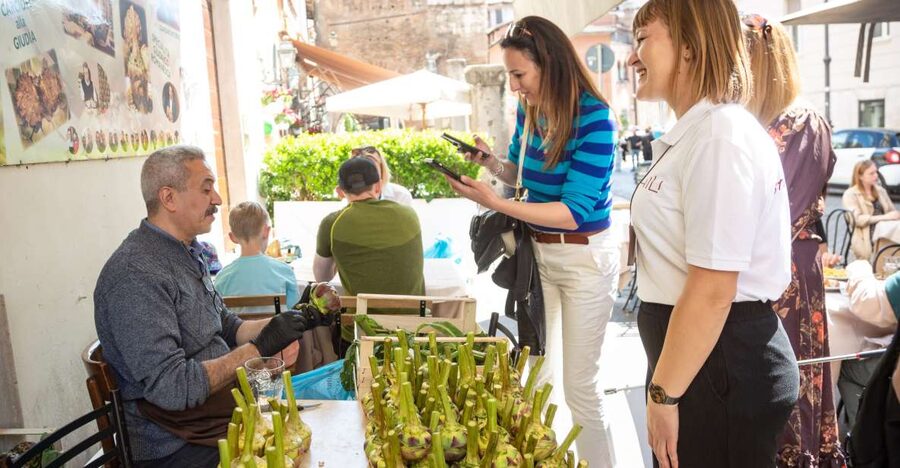
- Roman food comes in generous portions: This is more than a few tiny samples. Several people found the food filling enough to replace a light meal.
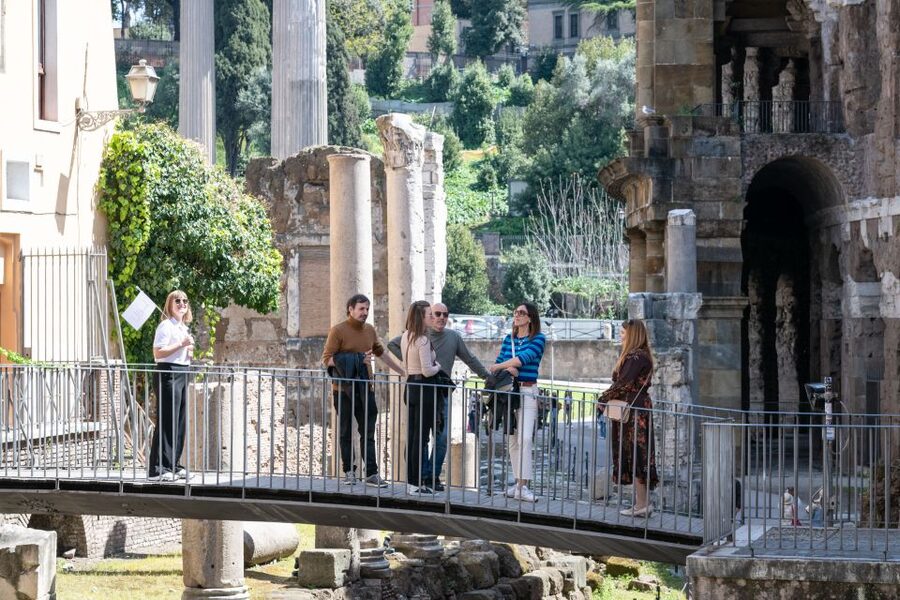
- The route crosses Rome’s most atmospheric neighborhoods: You walk from Piazza San Simeone through Campo de’ Fiori and across Ponte Sisto into Trastevere.
- Guides make or break food tours, and this team gets high marks: Daniele, Alessandra, Leonardo, Fiammetta, Caterina, Simone, and others are praised for humor, warmth, and local insight.
- The tour works best early in your Rome visit: Guides share restaurant suggestions and practical advice for the rest of your trip.
- Dietary limits matter: Vegetarian options are available with advance notice, but the tour is not suitable for vegans or people who cannot eat gluten.
- At $51, the value is strong if you eat most of the tastings: Food, a licensed guide, and a well-planned walking route are included. Drinks are extra.
Starting beside the fountain in Piazza San Simeone
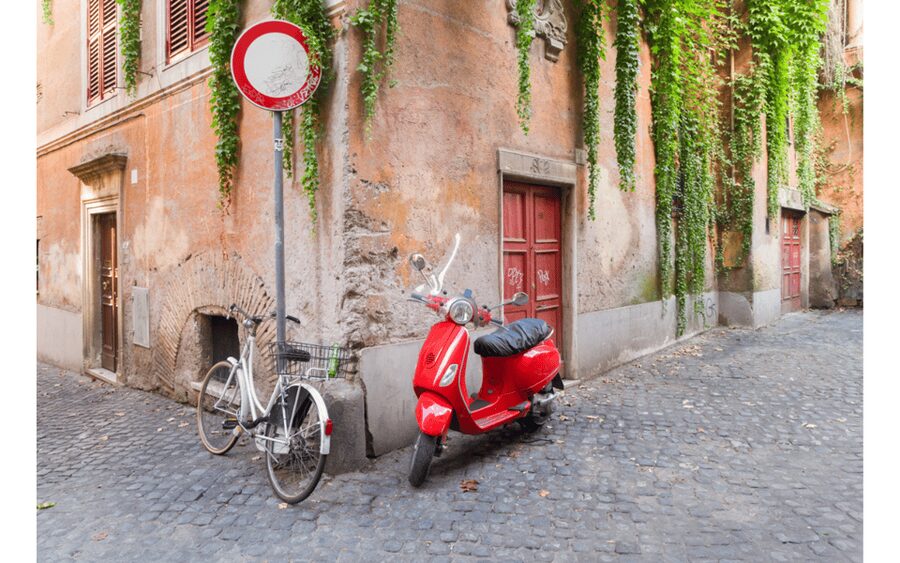
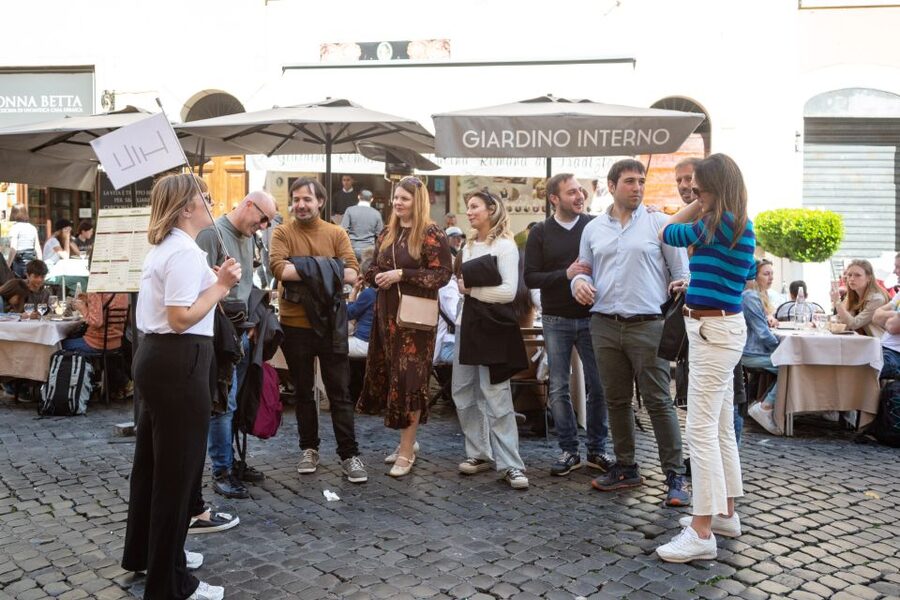
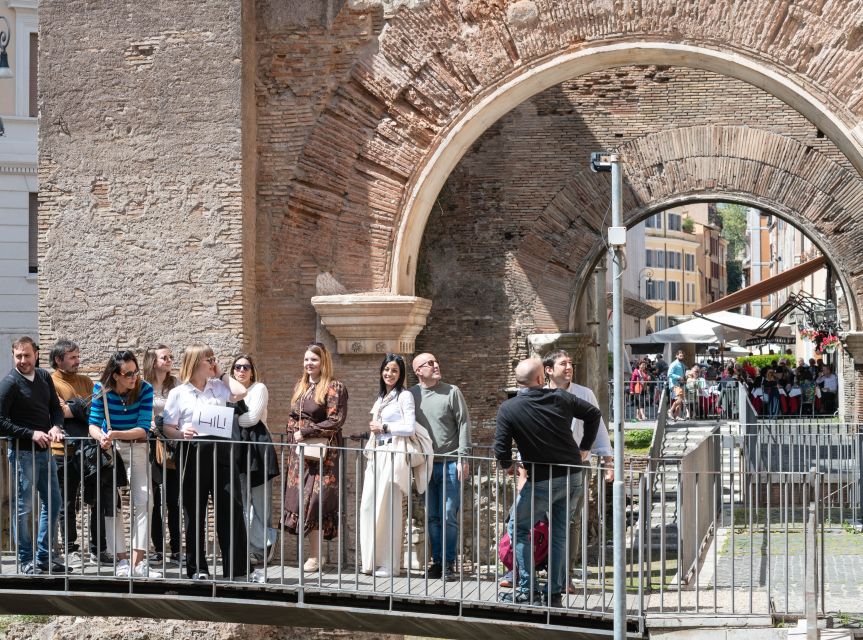
The meeting point is the fountain in the middle of Piazza San Simeone. This small square gives you a calmer start than a major monument plaza, but you should still arrive with the exact location saved on your phone. Your guide will meet you there before leading the group toward the first sights and tastings.
The tour is conducted in English or Portuguese. Private and small-group options are available, while the standard format is capped at 14 people. That size is important. You are not being marched through Rome in a huge crowd, and you have a fair chance to speak with the guide and hear the explanations at each stop.
The walking is broken into short sections. The longest listed walk is about 10 minutes, followed by food, a sight, or a neighborhood stop. You will be on your feet for the full 2.5 hours, so comfortable shoes are sensible.
More Street Food Tours in Rome:
- Rome: Street Food Tour with Local Guide
★ 4.8 · 4,077 reviews - Rome Street Food Tour with Local Guide
★ 5.0 · 2,361 reviews - Rome: Trastevere Street Food Walking Tour with Local Expert
★ 4.8 · 1,784 reviews
A taste of Roman history near Santa Maria in Trastevere
The route includes a look at the history around Santa Maria in Trastevere, one of Rome’s ancient Byzantine-style churches. The church gives the food tour some needed context. Trastevere is not only a restaurant district. It is one of Rome’s oldest areas, with a strong local identity and streets that still feel tied to neighborhood life.
The experience does not appear to be a full interior church tour. Instead, the guide uses the area and its buildings to explain Rome as you walk. That is a good balance for a food-focused outing. You get a sense of place without spending most of the afternoon standing in one church.
The itinerary also passes the Chiostro del Bramante for about three minutes. This is a quick exterior glimpse rather than a museum visit. If you want to see the cloister’s exhibitions or interiors, plan a separate visit.
Pizza, suppli, and the first local food stops
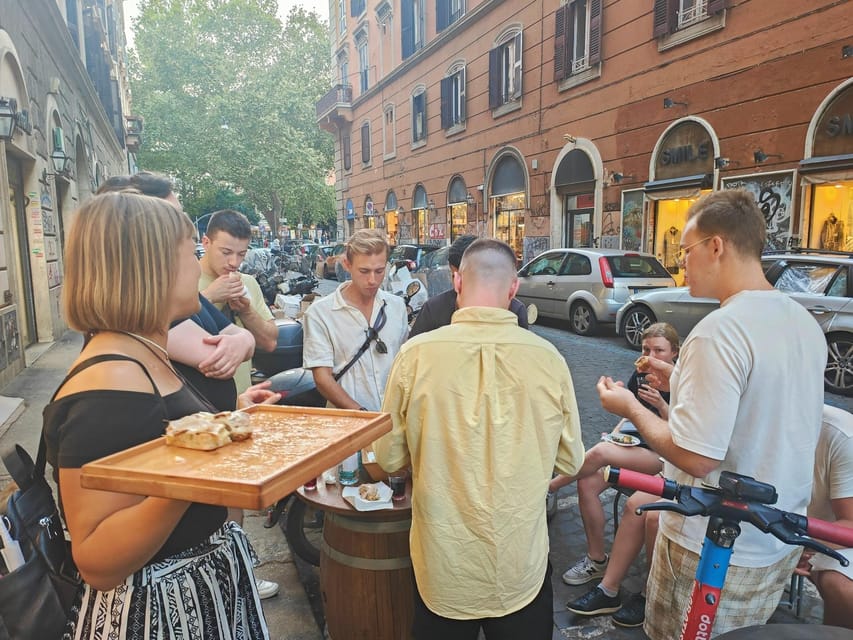
The first food stops focus on familiar Roman street food, but the guide explains what separates local versions from generic Italian snacks. Pizza is expected to be Roman-style and crunchy, with one bakery described as operating since 1870. That detail gives the tasting a direct link to Rome’s long baking tradition.
Suppli are another central stop. These fried rice balls are a Roman staple, usually crisp outside and soft inside. The tour takes you to one of the city’s oldest market areas to learn more about where this kind of food fits into everyday Roman eating.
The route includes a local restaurant stop of about 15 minutes, a second food stop, and then a longer walk toward Campo de’ Fiori. The exact dishes can change with the season and local holidays, so you should not treat the advertised menu as fixed. The core theme remains Roman food, but the particular fillings, pastries, or seasonal items may vary.
The food is one of the strongest parts of the experience because the portions are not merely symbolic. People describe receiving more food than expected, with fresh items waiting at several stops. That makes the $51 price easier to justify, especially if you would otherwise pay separately for lunch or dinner.
Campo de’ Fiori: market sights and useful food advice
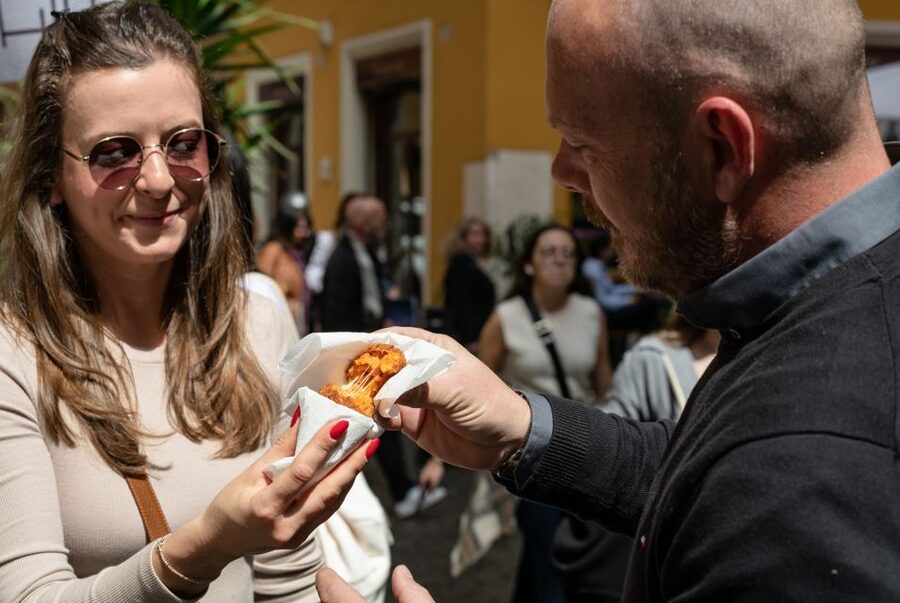
Campo de’ Fiori is the route’s most obvious market stop. You have about 25 minutes to see the outdoor market and hear how to choose suitable places for fresh Roman food. This is not just a pass through a famous square. The guide uses the market to connect ingredients, vendors, and local eating habits.
The square itself has a different feel from Trastevere. It is more open, more exposed, and more directly tied to Rome’s central sightseeing circuit. That contrast makes the route more interesting. You see how quickly Rome shifts from a neighborhood setting to a major visitor stop, then back again.
One practical benefit is the chance to ask the guide where to eat later. Several guides are praised for recommending restaurants and bars that participants returned to during the same trip. If you book this tour near the beginning of your stay, you can make better use of those suggestions instead of waiting until your final night.
Keep in mind that a market visit does not mean you will have time to shop for a full picnic or browse every stall. The focus is on the food tour and the guide’s explanations. If you want a slow market morning, this stop may feel brief.
Same place, a different plate:
- Roman Food Tour with Visit to the Trionfale Food Market
★ 5.0 · 471 reviews - Trastevere & Campo de’ Fiori Street Food Tour, Eat Like a Local
★ 5.0 · 207 reviews - Hidden Rome: Small Group E-Bike Tour with Street Food Stops
★ 5.0 · 169 reviews - Hidden Rome: Small Group E-Bike Tour with Street Food Stops
★ 4.9 · 144 reviews
Piazza Farnese, Ponte Sisto, and the walk across the Tiber
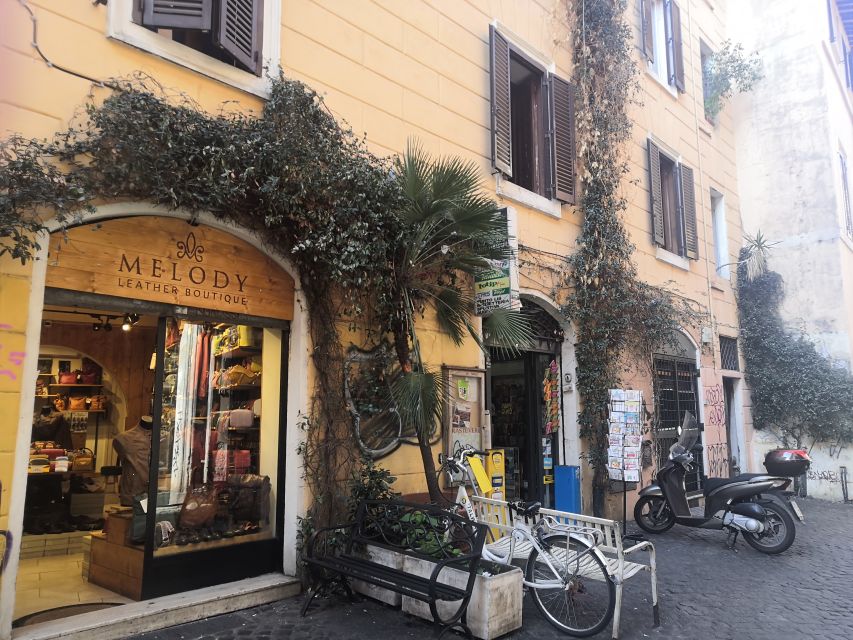
After Campo de’ Fiori, the group passes Piazza Farnese. The stop is listed as about five minutes, so expect a quick look rather than a long historical lecture or dedicated sightseeing session.
The route then heads toward Ponte Sisto, with about 10 minutes of walking and scenic views along the way. This crossing is one of the pleasant changes of pace in the tour. You are no longer simply moving from restaurant to restaurant. The walk lets you see Rome’s streets, bridges, and river setting between tastings.
Ponte Sisto leads you toward Trastevere and Piazza Trilussa. The itinerary allows about five minutes at the piazza before another short walk. These pauses help break up the eating and give you a clearer sense of how the two neighborhoods connect.
This is also where the tour earns its name as a walking tour rather than a restaurant crawl. You cover a meaningful section of central Rome, but without long transfers or transport. If you prefer a seated meal with minimal walking, this is not the right format. If you like food paired with streets and local stories, the route makes good sense.
Porchetta, sandwiches, and the flavors of Trastevere
Back in Trastevere, another local restaurant stop lasts about 15 minutes. The food may include a traditional Roman sandwich, porchetta, mortadella, or other regional bites. One particularly praised tasting was mortadella, while another menu description included porchetta and maritozzo.
These foods show a different side of Roman eating. Pizza and suppli are easy to recognize as quick snacks. A sandwich filled with roasted meat or other local ingredients feels more like an everyday meal. The guide explains the traditions behind the dishes, which helps you understand why a simple snack can carry so much local pride.
Trastevere is described as Rome’s beating heart, though the real strength of the area is its mix of residential streets, old churches, restaurants, wine shops, and popular meeting places. The tour does not promise that every stop is a secret address. Instead, it gives you a practical introduction to the neighborhood and points out places you may want to return to.
Several guides receive especially strong praise for their personal style. Daniele is repeatedly described as funny, warm, and deeply connected to Rome. His background in archaeology adds historical detail, and he sometimes uses images and videos on a tablet to make the stories easier to follow. Alessandra is praised for making everyone feel included, while Leonardo is noted for remembering names and helping families with children enjoy the tastings.
Those details matter because a food tour depends heavily on the person leading it. The food may be good, but a guide who explains the culture, answers questions, and keeps the group moving turns a set of samples into a fuller Rome experience.
Gelato at Gelateria Regusto
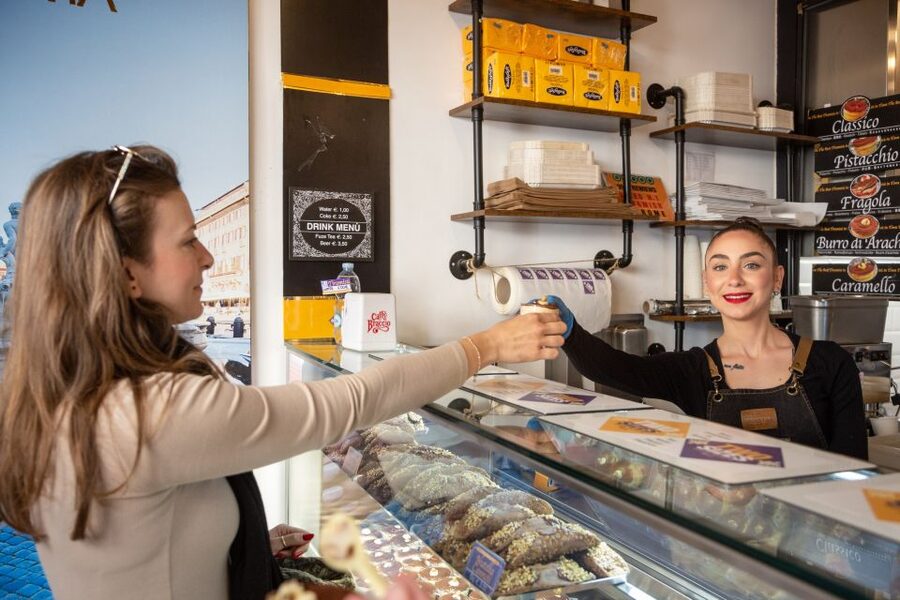
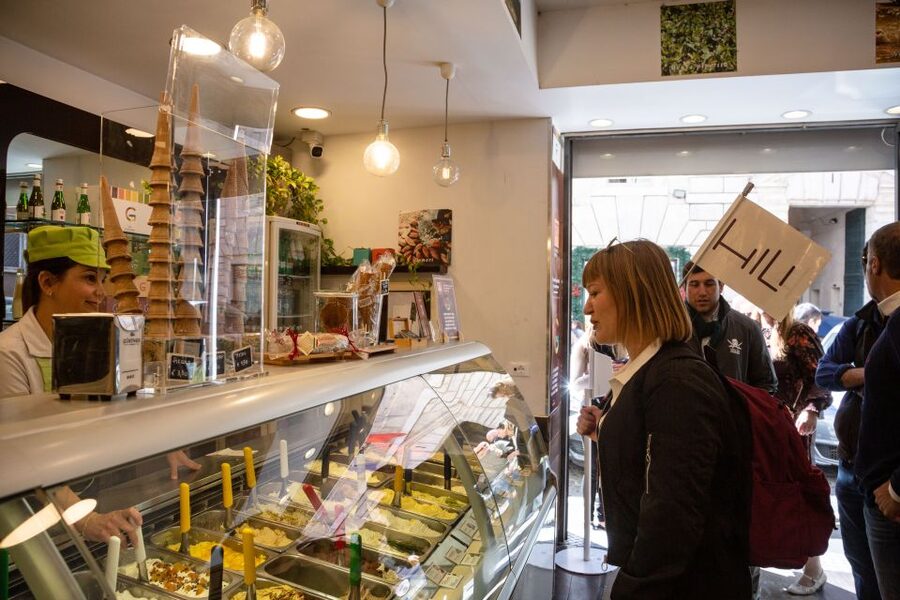
The final tasting is artisanal gelato at Gelateria Regusto. It is a sensible ending, both because gelato is one of Rome’s most popular treats and because a sweet finish gives the route a clear final note.
The stop lasts about 15 minutes. You can expect the guide to explain the local gelato tradition and point you toward a good place for a later dessert. The tour then takes another 10 minutes on foot before ending at Piazza di San Giovanni della Malva.
The finish is useful for planning. Piazza di San Giovanni della Malva is in Trastevere, surrounded by places to eat and drink. You are not dropped beside a transport hub with no idea where to go next. You can continue exploring Trastevere, use one of the guide’s restaurant suggestions, or simply call it a night after a very full tasting session.
What the $51 price really gets you
At $51 per person, the tour is not the cheapest way to eat in Rome. You can buy pizza, suppli, and gelato independently for less. But that comparison leaves out the guide, the route planning, the historical context, and the number of tastings.
The strongest value comes if you arrive hungry and try most of the food. The tastings may include pizza, suppli, a sandwich, porchetta, mortadella, maritozzo, gelato, and possibly wine or another drink. The precise mix changes, but the overall amount is described as generous.
Drinks are not included as a general rule. Some food and wine may appear during the route, but you should not assume every beverage is covered. Plan to pay separately for drinks and bring a little extra money if you want something beyond the included food.
The tour also includes a licensed guide, which adds value for first-time visitors. Guides offer restaurant advice, explain food customs, and help you understand where you are. I would call the price fair rather than cheap, especially for a small group and a meal-sized amount of food.
Who should book this Rome food tour?
I would recommend it to first-time visitors who want a quick orientation to Trastevere and Campo de’ Fiori. It is also a good choice for people who enjoy trying several dishes but do not want to spend hours reading menus or guessing which places are worthwhile.
Families can benefit from the relaxed pace and variety. One guide was praised for working well with young children, and another helped accommodate a fussy eater. Still, children need to manage a 2.5-hour walking route and several food stops.
This experience suits curious eaters more than strict food planners. The itinerary and tastings can change with the season, holidays, and local availability. If you need a fixed menu, exact portion sizes, or guaranteed dishes, you may find the format too flexible.
Vegetarians should contact the provider in advance. The activity states that vegetarian and other dietary options can be supported, but it specifically excludes vegans and people with gluten intolerance. Allergies and restrictions must be shared when booking.
Practical details before you go
Book this near the start of your Rome stay if you want to use the restaurant advice. Multiple guides have offered suggestions for places to eat and sights to see, and participants have returned to those addresses later in the trip.
Arrive hungry, but not so hungry that you feel unwell while walking. The food can be substantial, and the tastings arrive across the route rather than all at once.
Wear comfortable shoes. The walking sections are not extreme, but you will cover central Rome on foot, cross Ponte Sisto, and move through busy city streets.
The tour has a 4.9 rating from 2,768 reviews, with repeated praise for the guides, the quantity of food, the local character of the stops, and the balance of history and eating. The names change by departure, but Daniele, Alessandra, Leonardo, Fiammetta, Caterina, Simone, and others are all described as warm, funny, and well prepared.
Free cancellation is available up to 24 hours before the start time, and you can reserve now and pay later. Those policies are useful if your Rome plans are still shifting.
Should you book it?
Book this tour if you want a filling introduction to Roman food with neighborhood history, especially during your first days in Rome. The small group, generous tastings, and strong guides make it more useful than a simple list of snack stops.
Skip it if you are vegan, gluten intolerant, uncomfortable with walking, or looking for a formal sit-down meal. For most other visitors, $51 is a reasonable price for food, guidance, local tips, and a well-paced route through two of Rome’s most appealing areas.
FAQ
How long does the Trastevere and Campo de’ Fiori food tour last?
The tour lasts 2.5 hours.
Where does the tour start?
The guide meets you at the fountain in the middle of Piazza San Simeone.
Where does the tour finish?
The tour finishes at Piazza di San Giovanni della Malva in Trastevere.
Which languages are available?
The live guide is available in English and Portuguese.
What food is included?
Food can include Roman pizza, suppli, traditional sandwiches, porchetta, mortadella, maritozzo, gelato, and other regional items. Tastings can change because of seasonal availability and local holidays.
Are drinks included?
Drinks are not generally included. Any drinks you choose beyond the included food are your responsibility.
Can people with dietary restrictions join?
Vegetarian and some other dietary options are available if you notify the provider when booking. The tour is not suitable for vegans or people with gluten intolerance, and you should report any allergies in advance.
Just added around Rome
- Testaccio Street Food Tour Eat Like a Local★ 3.5 · 2 reviews
- Vegan Street Food Tour in Rome★ 5.0 · 6 reviews
- Tasty Trastevere Street Food Tour in Rome from Tiberine Island to Ponte Sisto★ 5.0 · 25 reviews
- Tasty Rome Street Food Tour around Campo de’ Fiori Market & Jewish Ghetto★ 5.0 · 2 reviews
- Vatican Street Food Tour and Wine Experience with Local Guide★ 5.0 · 7 reviews
- Gems of Rome: Small group E-bike tour with street food stops★ 5.0 · 36 reviews
- Rome Trastevere Street Food Tour: Eat and Drink Like a Local★ 5.0 · 35 reviews
- Campo de’ Fiori & Jewish Ghetto Rome Street Food & Walking Tour★ 5.0 · 5 reviews
Street Food Tours, compared.
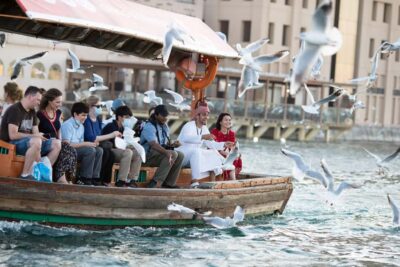
Old Town, Creek, Museums, Souks, & Street Food Tour
What we made of it →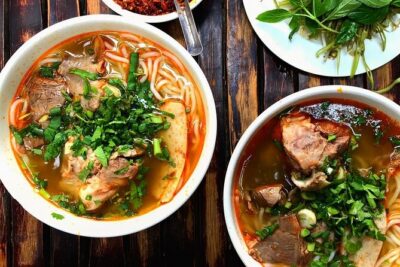
Ho Chi Minh City Street Food Tour & Sightseeing By Motorbike
What we made of it →
Comuna 13 Graffiti Tour, Cable Car & Street Food
What we made of it →
Old Town, Souks, Street Food, Guided Tour & Abra Ride
What we made of it →
Small Group Hanoi Street Food Tour with a Real Foodie
What we made of it →
Saigon By Night and Street Food By Motorbike | Opt: Ao Dai Riders
What we made of it →Where this tour turns up