
Review · ITALY
1 Hour Tour: Market and Street Food – the best of Parma
Parma tastes best on foot. This one-hour walk links old market squares, food traditions, and small tastings with guide Giulia Muratori, making it an easy way to understand why Parma is famous for more than opera and elegant streets. I like the compact route and the way it joins local history to food you can actually taste.
I also like the focus on Parmigiano Reggiano, Parma ham, fresh pasta, Lambrusco, and gelato, rather than a general city tour with a token snack. The main consideration is the short one-hour format. You will get a sharp introduction, not a long meal or a slow market morning, and the Wednesday schedule from 8:30 a.m. to noon may not suit every itinerary.
Key points to know before booking
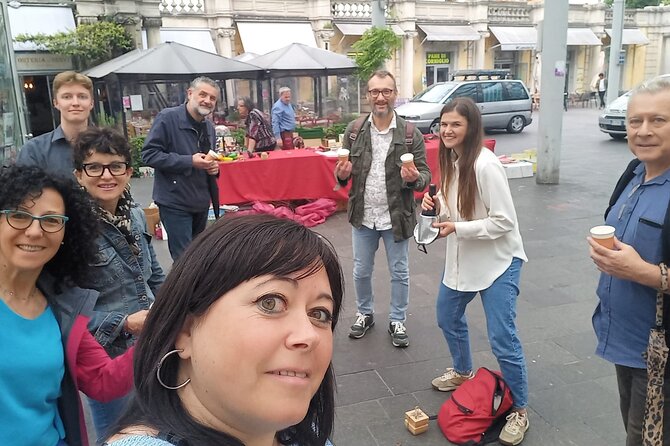
- A six-stop route through central Parma: The walk begins at Piazza Giuseppe Garibaldi and ends on Strada Giuseppe Garibaldi, covering several historic squares and an old alley.
- Food and history share equal billing: You learn about Parma’s grain measures, market traditions, Dante, and gluttony while sampling regional specialties.
- Fresh pasta is part of the market story: Piazza Ghiaia includes live pasta making, giving you a look at a skill closely tied to Emilia-Romagna cuisine.
- The tasting list is distinctly local: Expect a focus on Parmigiano Reggiano, Parma ham, bread, pizza, tomato specialties, gelato, and Lambrusco.
- A small group keeps the walk manageable: The maximum is 20 people, useful in narrow streets and around food stalls.
- The schedule needs attention: The experience is offered on Wednesdays between 8:30 a.m. and noon, with a meeting point in Piazza Giuseppe Garibaldi.
Why this short Parma food walk works
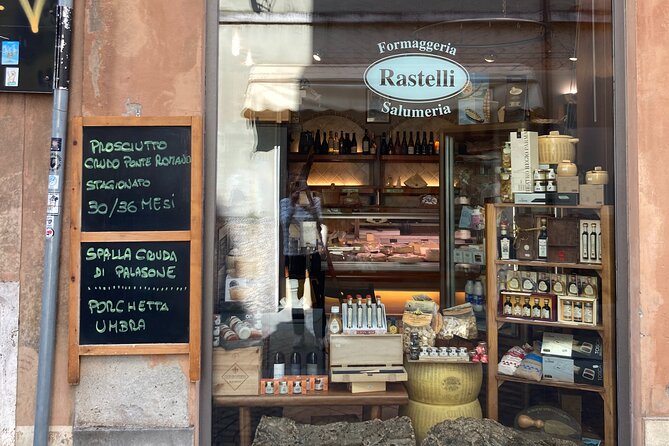
Parma is an ideal city for a food walk because its best-known products are not museum pieces. They are part of daily life, sold in shops, prepared in kitchens, and tied to the city’s old market spaces. This tour uses that connection well.
I see the experience as a guided introduction rather than a full food crawl. In roughly one hour, Giulia takes you through six stops, explains the local setting, and brings in several tastes. That pace suits you if you have only a morning in Parma or want some orientation before choosing where to eat later.
The two strongest features are the balance and the scale. You are not spending the whole hour listening to dates and architectural terms, and you are not simply moving from one sample to the next without context. The walk explains why Parma’s food traditions matter, then gives you something edible to connect with the story.
The route also stays in the historic center. Since the start and finish are close to the central streets, you can fit it around other sightseeing without arranging a separate transfer. You should still wear comfortable shoes, since the experience moves between several squares and an alley on foot.
A few more nights of eating around Italy worth a look
- Nairobi: 1 Hour Gastronomic and Street Food tour of Nairobi
★ 5.0 · 6 reviews
Starting with grain measures in Piazza Garibaldi
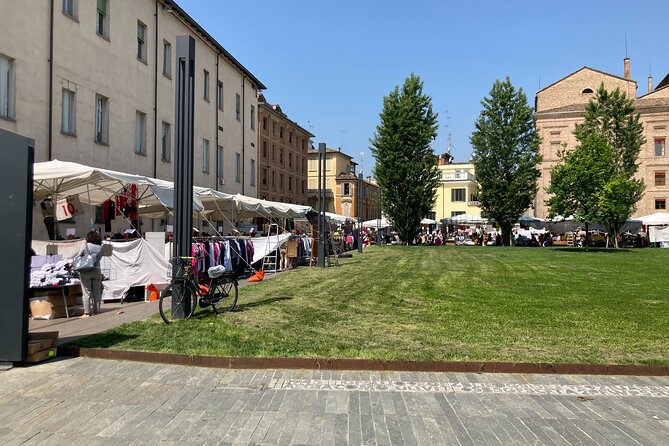
The first stop is Piazza Giuseppe Garibaldi, where the tour introduces an old Parma measure for grain and food. It is a brief five-minute opening, but the subject is useful because it puts the city’s food culture into an economic setting.
A measure is more than an old object or local curiosity. It points to the way food was bought, sold, and controlled before modern packaging and supermarket shelves. Starting here gives the rest of the tour a practical frame: Parma’s food identity grew from trade, markets, farming, and standards, not only from famous restaurant dishes.
This is also the meeting point, so you will want to arrive ready to walk. The address is Piazza Giuseppe Garibaldi, 43121 Parma PR, Italy. Because the visit begins in a public square, it is a simple place to find, though you should allow enough time to locate Giulia before the scheduled start.
The first stop is short by design. If you want a detailed lesson on Parma’s medieval administration or the exact history of local weights and measures, you will find this introduction limited. Its value is that it gets the story moving quickly.
Piazza San Bartolomeo and Parma’s early food stalls
The second stop, Piazza San Bartolomeo, lasts about 10 minutes. Here, Giulia introduces the first stalls, traditional tomato, and what is described as the city’s most historical pizza shop.
This is where the tour begins to feel more directly connected to everyday eating. Tomato and pizza offer a familiar entry point, but the local angle matters. You are not simply being told that Parma has good food. You are being shown how simple ingredients and old shops fit into the city’s food identity.
I like this stop because it gives you a chance to compare reputation with tradition. A famous food name can become vague when repeated too often. A stop tied to a particular square and historical shop makes the subject more concrete.
The 10-minute timing means you should expect explanation and perhaps tasting, not a full pizza meal. The exact tasting amount is not specified, so do not book this expecting lunch. Think of it as a guided sampling woven into a walking tour.
Piazza Ghiaia, fresh pasta, and the old market heart
Piazza Ghiaia receives the longest stop, around 15 minutes. That makes sense. This square is presented as the old heart of Parma’s stalls, with market history, live pasta making, and a look at Parma’s bread.
For me, the live pasta making is one of the most useful parts of the route. Pasta is easy to consume as a finished dish and easy to treat as a symbol. Seeing it made brings the tradition down to handwork, technique, and repetition. Even a short demonstration can help you notice the care behind a plate of fresh pasta later in the day.
The market setting adds another layer. You get a sense of how food was displayed and sold in a public place, rather than hearing only about products in isolation. Bread matters here too. It gives the stop a wider range than a tour built only around luxury ingredients.
Piazza Ghiaia may also be the busiest part of the walk in terms of sights and information. You will want to listen closely, since 15 minutes is not long for pasta, bread, and market history. If the idea of a market visit appeals to you, this is likely the central stop of the experience.
More Street Food Tours in Italy:
- Naples: Street Food Walking Tour with Local Guide
★ 4.9 · 4,976 reviews - Rome: Street Food Tour with Local Guide
★ 4.8 · 4,077 reviews - Rome: Trastevere & Campo de Fiori Street Food Walking Tour
★ 4.9 · 2,768 reviews - Venice: Street Food Tour with a Local Guide and Tastings
★ 4.8 · 2,613 reviews
Piazzale della Pace and the Parmigiano Reggiano focus
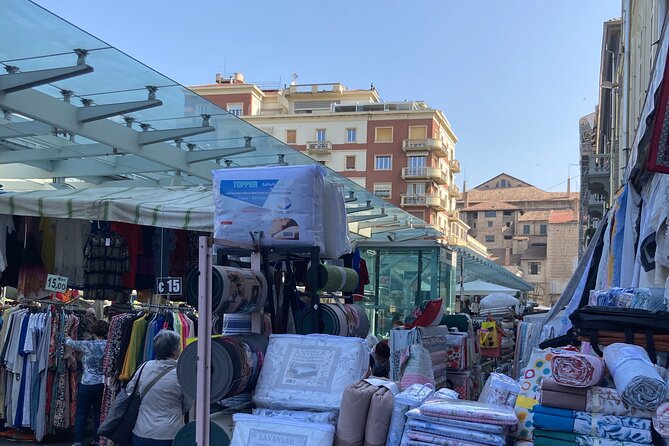
The fourth stop takes about 15 minutes in Piazzale della Pace. The focus shifts to the last stalls and Parmigiano Reggiano, one of the products most closely associated with the Parma area.
This is an important distinction for you as a food-minded visitor. Parmigiano Reggiano is not just generic hard cheese with a famous name. The protected name connects the product to a defined regional tradition. The tour’s value comes from placing the cheese inside Parma’s market culture rather than presenting it as a souvenir to photograph.
The tasting is especially useful here because cheese is better understood when you can try it while hearing how it fits the region. You may already know the flavor from restaurants or shops at home. A local tasting gives you a direct reference point for future purchases.
Piazzale della Pace also breaks up the denser market stops with a larger public space. That may make the walk feel less cramped, particularly if the group reaches 20 people. Still, the group maximum is worth noting. Twenty is manageable, but it is not an intimate private walk. Your experience may depend on how close you stay to Giulia around stalls and demonstrations.
Piazza della Steccata, gelato, Dante, and gluttony
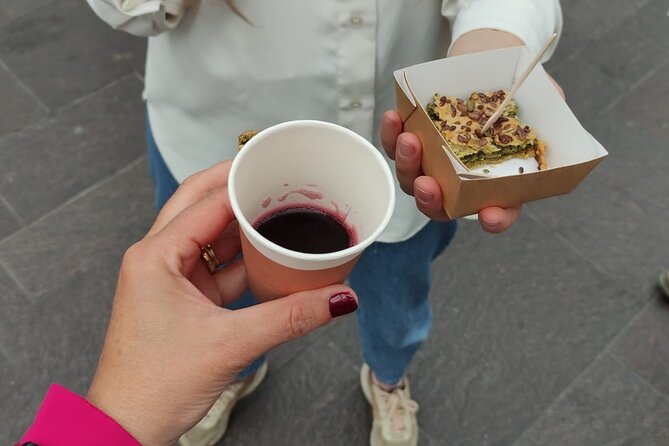
The fifth stop lasts about five minutes at Piazza della Steccata. The subjects are ice cream, Dante, and the sin of gluttony.
It is a clever short stop because it ties a familiar pleasure to a literary and religious idea. Gelato is not treated as a random sweet finish. It becomes part of a conversation about appetite and the old moral language surrounding excess.
Five minutes is enough for a quick explanation and taste, but not for a long gelato break. If gelato is one of your main reasons for booking, keep your expectations in check. You may want to return later for a larger serving on your own.
This stop also adds variety. The tour is not locked into market economics or premium food products. It moves into culture and literature, then returns to eating. That mix helps the hour feel like a Parma introduction instead of a list of samples.
Via Copelli and the final taste of Parma ham
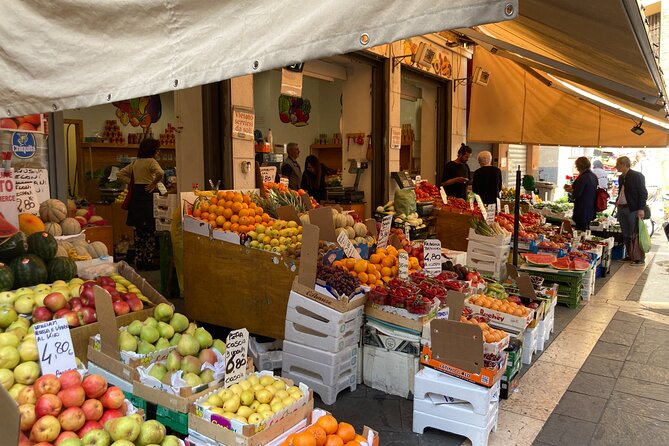
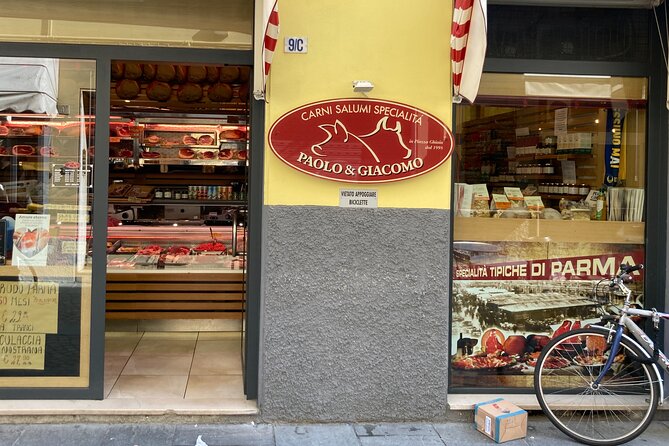
The last stop is Via Copelli, an ancient alley with typical gastronomy and a focus on Parma ham. The visit lasts about 10 minutes and ends with some of the region’s best-known food.
Finishing with ham is logical. Parma ham gives the tour a strong final product, and the old alley setting keeps the ending tied to the city rather than turning it into a generic tasting room. You get one more look at how food, streets, and local identity fit together.
The experience also includes Lambrusco, according to the tasting details. That matters because the drink adds a local pairing to the food. It gives you another regional flavor to remember, though the information does not specify the amount served or whether alcohol-free alternatives are available.
The tour ends at Str. Giuseppe Garibaldi, 7b, 43121 Parma PR, Italy. This is useful for planning because you finish in the central area rather than far outside town. The ending is a short walk from the start, making it easy to continue sightseeing or find a meal afterward.
What the one-hour length means for value
The price is $48.37 per person. That is not a bargain if you judge the experience only by the number of minutes. One hour is brief, and the tour does not promise a full breakfast, lunch, or large portions.
The value improves if you treat it as a guided food orientation. You are paying for a route through central Parma, Giulia’s explanations, several tastings, and a clear introduction to products you may otherwise encounter without context. Parmigiano Reggiano and Parma ham can be expensive on their own, and the food is paired with local stories rather than handed over without explanation.
I would find the price easier to justify at the start of a Parma visit. You can use the tour to decide which products deserve a later purchase and which market areas you want to revisit. It is less compelling if you already know Parma’s food scene well or want a long sit-down tasting.
The average booking lead time of 29 days suggests you should not leave it until the last minute if the Wednesday morning fits your plans. Confirmation is normally sent at booking, though bookings made within two days of the experience can take up to 48 hours to confirm, subject to availability.
Who will enjoy this Parma experience most
I would recommend the walk to you if you want a quick, guided introduction to Parma’s food traditions and prefer local context to a formal cooking class. It is also a good fit if you enjoy small portions, short stops, and walking through historic streets.
It suits first-time visitors especially well. You can learn the difference between seeing a regional product and understanding why it matters. Families and mixed-age groups may also appreciate the changing subjects, since the route includes markets, pasta, cheese, ham, gelato, and a literary reference.
The tour is offered in English, and most people can participate. Service animals are allowed, and the route is near public transportation. The maximum group size is 20, so you should expect a shared experience rather than one-to-one attention.
I would hesitate if you need a long meal, want a private tour, or have only one particular food in mind. The route covers many subjects, which means no single tasting receives a great deal of time. You should also check the Wednesday morning schedule before building the rest of your Parma plans.
Booking, timing, and cancellation details
The stated operating period runs from July 15, 2023, through February 18, 2027, with Wednesday hours from 8:30 a.m. to noon. The exact start time should be clear when you reserve, since the experience is not presented as an all-day activity.
The mobile ticket is convenient for a walking tour. You can keep the confirmation on your phone and meet at Piazza Giuseppe Garibaldi. Free cancellation is available up to 24 hours before the start time for a full refund. Cancellations or changes made less than 24 hours before the start are not accepted for a refund.
I would allow a little extra time before the meeting point, especially if you are arriving by public transportation or carrying luggage. The first stop begins promptly with a short explanation, so arriving late could mean missing the useful introduction to Parma’s old food measures.
Should you book this one-hour food tour?
Book it if you want a brisk, well-focused taste of Parma with history and food in the same hour. Giulia’s approach, as described through the experience, combines regional traditions, city history, tastings, and a friendly tone. The strongest moments are likely to be the live pasta making, Parmigiano Reggiano, and the final Parma ham stop, with Lambrusco adding a local drink to the route.
Skip it if you want a full meal, a long market visit, or a highly private experience. At $48.37, the tour makes the most sense as an orientation and tasting sampler. For a first visit, that is a useful role: you leave with a better idea of what Parma produces, where its food culture appears in the city, and what you may want to seek out next.
FAQ
How long does the Parma food tour last?
The tour lasts approximately one hour.
Where does the tour begin?
It begins at Piazza Giuseppe Garibaldi, 43121 Parma PR, Italy.
Where does the tour end?
It ends at Str. Giuseppe Garibaldi, 7b, 43121 Parma PR, Italy.
What language is the tour offered in?
The tour is offered in English.
What foods and drinks are included in the experience?
The route focuses on traditional tomato and pizza, fresh pasta, bread, Parmigiano Reggiano, gelato, Parma ham, and Lambrusco.
How many people can join the tour?
The maximum group size is 20 people.
Can I cancel for a full refund?
Yes. You can cancel at least 24 hours before the experience begins for a full refund. Cancellations or changes made less than 24 hours before the start time are not accepted for a refund.
Just added around Italy
- Verona: Street Food Tour and City Guided Sightseeing★ 4.9 · 11 reviews
- Verona: City Highlights & Street Food Walking Tour★ 5.0 · 3 reviews
- Verona: Street Food and History Tour with Local Guide★ 4.7 · 6 reviews
- Verona: street food walking tour near the historical center★ 5.0 · 2 reviews
- Venice: Rialto Area Street Food Tour and Sightseeing★ 4.6 · 8 reviews
- Venice: Cicchetti Street Food and Sightseeing Walking Tour★ 4.9 · 57 reviews
- Catania: Underground and Street Food Walking Tour★ 4.7 · 56 reviews
- Turin: Aperitivo & Street Food Tour Delights with a Local★ 4.9 · 46 reviews
Street Food Tours, compared.
Old Town, Creek, Museums, Souks, & Street Food Tour
What we made of it →
Ho Chi Minh City Street Food Tour & Sightseeing By Motorbike
What we made of it →
Comuna 13 Graffiti Tour, Cable Car & Street Food
What we made of it →
Old Town, Souks, Street Food, Guided Tour & Abra Ride
What we made of it →
Small Group Hanoi Street Food Tour with a Real Foodie
What we made of it →
Saigon By Night and Street Food By Motorbike | Opt: Ao Dai Riders
What we made of it →Where this tour turns up