
Review · KENYA
Mombasa:Street food Experience
Come hungry, then let Mombasa feed your curiosity. This short Old Town walk links local food stalls, everyday life, and Swahili culture in one easy outing. I like the variety of food, from beef skewers and seafood to cassava crisps, and I like that the guide explains how each dish is prepared rather than simply handing you a plate.
The price is $37 per person, with all food and drinks included, which makes the experience good value if you sample most of the offered dishes. The main caution is the guide experience: Joan and Nicole have been praised for friendly, informative hosting, but one guest found the guide’s replies dismissive and uncomfortable. Your enjoyment may depend heavily on who leads your group.
Key points at a glance
- Old Town tasting walk: The route uses short walks between street food stops rather than transport.
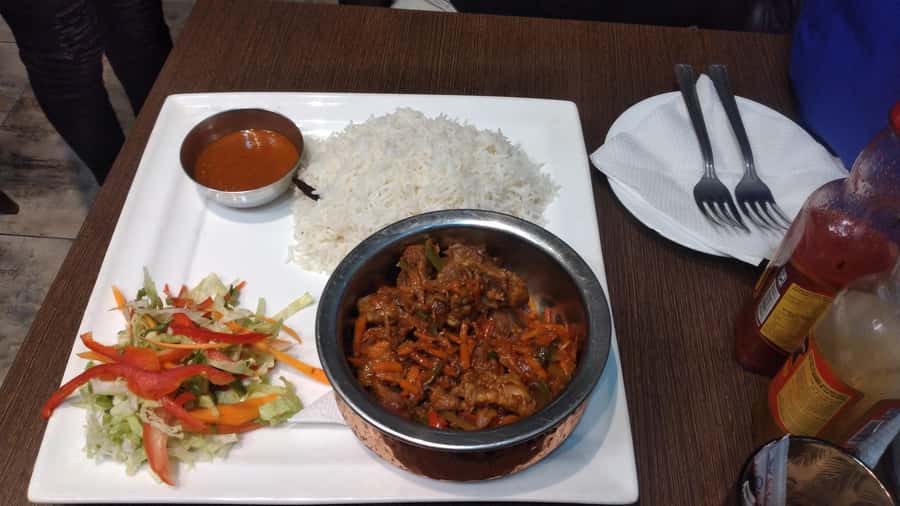
- Seven types of food and drink: Expect possible samples of mshikaki, sugarcane juice, Swahili coffee, tea, potatoes, seafood, and cassava chips.
- Food with explanation: You learn how dishes are prepared and hear about local life, not just what is on the plate.
- Flexible dietary choices: Vegetarian, vegan, and pescatarian options are available when arranged in advance.
- English and Swahili guiding: The experience can be conducted in either language.
- Come with an empty stomach: The food is included, and the portions can add up quickly.
Why this Mombasa food walk works
Mombasa is easiest to understand through its food. This experience gives you a practical introduction to Swahili cooking while you walk through Old Town, moving from one eating place to another.
The route is short-distance and on foot. That matters because you are not shut inside a restaurant for two and a half hours. You get to see where people buy snacks, how food is prepared in public, and how eating fits into daily life.
The focus is not on polished dining. Most stops are on the street, so you should expect a casual setting, local vendors, and food served in the way people commonly eat it. That is the point, but it also means this is not the right choice if you want a formal meal, a quiet table, or a carefully paced restaurant tasting.
The experience lasts 150 minutes, or two and a half hours. The detailed schedule also describes the main walking and food section as taking three hours, so I would keep your plans flexible around the advertised duration. The route begins at Treasury Square Roundabout and finishes in Mombasa, with no drop-off included.
More Dining Experiences in the world:
- Naples: Street Food Experience With 6 Stops
★ 4.7 · 392 reviews - Siem Reap: Street Food Experience by Tuk-Tuk
★ 4.9 · 310 reviews - Saigon at Sunset: Ultimate Street Food Experience
★ 4.7 · 153 reviews
Starting at Treasury Square Roundabout
Your meeting point is Treasury Square Roundabout. From there, the guide gives a short safety briefing before the food walk begins.
The opening briefing is listed as about five minutes. This is useful on a street-based tour because you will be walking between public places rather than following a private dining route. Listen for practical guidance before setting off, especially if you are unfamiliar with Old Town.
The first part of the walk is also your introduction to the area. You will learn about local people, culture, food, and daily routines as you move through the streets. The supplied details do not name every stop or provide a fixed map, so the exact order of tastings may vary.
That flexible format can work in your favor. Street food is not always served according to a neat timetable, and the guide can shape the route around what is available. The tradeoff is that you should not expect a detailed stop-by-stop schedule before arrival.
Mshikaki brings the first serious bite
Mshikaki is grilled beef or chicken served on skewers. It is one of the most familiar street foods on the list, and it gives you a good starting point for understanding the difference between a snack and a full tasting portion.
If you like grilled meat, this should be one of the easiest samples to enjoy. You can also use it as a chance to ask how the meat is seasoned and prepared. The guide specifically explains preparation methods, so this is more useful than simply learning the English name of the dish.
The listing does not specify the exact cut of meat, seasoning, or cooking setup. Do not expect a fixed recipe to be guaranteed. Instead, treat the stop as an introduction to a local preparation that you may want to recreate later.
Sugarcane juice adds a fresh, local pause
Juice ya miwa is fresh sugarcane juice. It gives the tasting a different rhythm after grilled food, and it is a good example of how a simple local ingredient becomes a popular street drink.
You will see the food and drinks as part of ordinary trade and daily life, rather than as items created only for tourists. The experience is strongest when you pay attention to that setting: where the drink is made, how it is served, and how the guide connects it to local habits.
The description does not say whether ice, extra flavoring, or other additions are used. If you have a concern about ingredients, ask before drinking. Allergy information should be shared in advance so the host can plan suitable samples.
More Street Food Tours in the world:
- Dubai: Old Town, Creek, Museums, Souks, & Street Food Tour
★ 4.8 · 10,816 reviews - Ho Chi Minh City Street Food Tour & Sightseeing By Motorbike
★ 5.0 · 9,413 reviews - Medellin: Comuna 13 Graffiti Tour, Cable Car & Street Food
★ 4.8 · 9,046 reviews - Dubai: Old Town, Souks, Street Food, Guided Tour & Abra Ride
★ 4.9 · 7,170 reviews
Swahili coffee and tea slow the pace
Kahawa, described here as Swahili sweet coffee, and chai, or Swahili tea, add two warm drinks to the route. They give you a chance to pause while the guide talks about food traditions and local life.
The coffee is specifically described as sweet, so do not expect a plain black cup. The tea is also presented as a Swahili preparation, not simply a generic café drink. If you usually avoid sugar, ask what is already added before tasting.
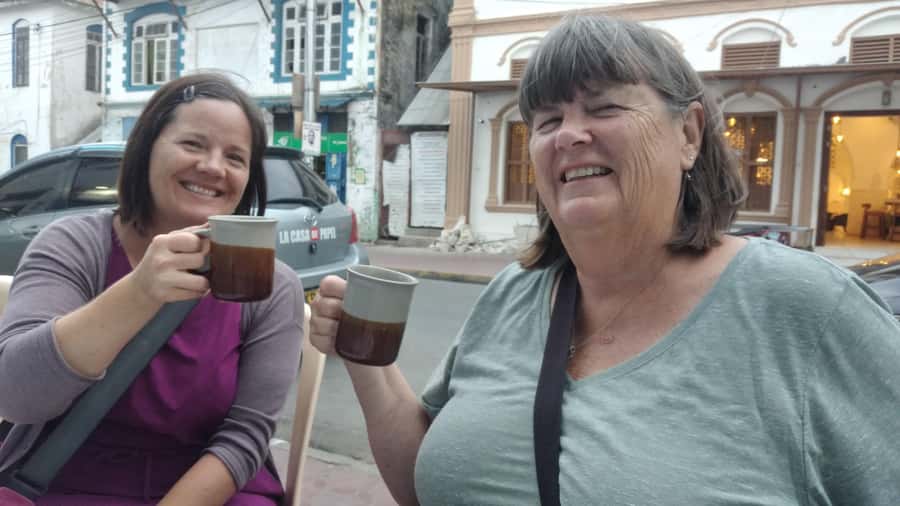
These stops may be especially useful for visitors who want cultural context. Food becomes a doorway into conversation, and the guide can explain more than the ingredients alone. Several guests have praised the hosts for discussing local people, culture, and the city’s past in an easy, conversational way.
Joan has been singled out for relaxed hosting, useful commentary while walking, and a friendly manner. Nicole has also been praised for making the outing feel like eating with a friend while discussing cultural topics. Those names are worth noting when you book or meet your guide, though the assigned host may vary.
Potatoes arrive in two popular forms
Viazi karai and bhajia are potato-based samples on the menu. The food description groups them with potatoes, so you may encounter one or both preparations depending on availability and the host’s plan.
This is a good point in the tasting for comparing textures and seasoning. The tour is not simply a hunt for unusual food. It also shows how familiar ingredients can appear in different local forms.
Because the experience is designed around several samples, you do not need to decide in advance that every dish will suit you. Tell the guide what you prefer, and use the tasting to try small amounts rather than filling up on the first stop.
Seafood gives the coast a clear voice
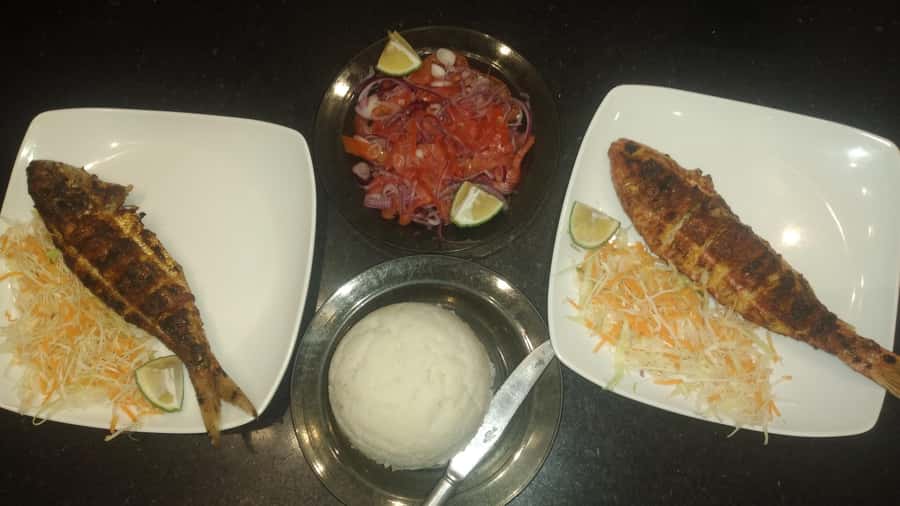
The seafood choices may include octopus, prawns, or fish. This is one of the most important parts of the route for anyone who wants to understand coastal cooking.
The exact seafood is not guaranteed, so you should treat this as a rotating option. If one item is unavailable, another may be offered. The information provided does not specify the cooking style, sauce, or source of the seafood, so ask the guide if those details matter to you.
Pescatarians are welcome, and vegetarian and vegan options are also available. You should still tell the host about your diet before the tour rather than waiting until you are standing at a food stall. That gives the guide time to plan the best selection.
Anyone with allergies should do the same. The host specifically asks for advance notice, which suggests that the food route can be adjusted. Still, a street food tasting may involve shared cooking spaces, so explain your needs clearly and ask about each sample.
Cassava chips finish the tasting with crunch
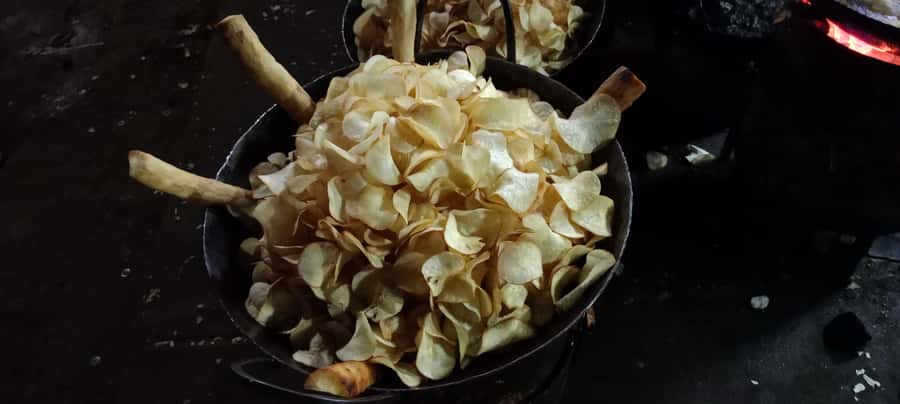
Kachiri is listed as cassava chips or crisps. This is a useful final snack because it is lighter in style than a full plate of seafood or meat, while still showing another common coastal ingredient.
Cassava has a different character from potato, and the crisp form makes it easy to sample as you walk. The guide can also explain how it is prepared, which is one of the stronger features of this experience.
By this point, you may already be full. The warning to avoid eating a large meal before arrival is not throwaway advice. With meat, drinks, potatoes, seafood, and cassava all possible, the tasting can add up to a substantial amount of food.
The value of $37 depends on your appetite
At $37 per person, the cost covers all listed food and drinks. That is important because you are not paying an entry fee and then buying each snack separately. If you try most of the samples, the price compares well with paying for several individual street purchases plus a private guide.
The value is also in the explanation. You are paying for a guided route through Old Town, practical food information, and conversation about local culture. If you only want one snack and a quick walk, the price may feel high. If you want a broad tasting with a host, it is easier to justify.
The experience also saves you from guessing what to order. That can be useful if you are new to Mombasa or unsure how to approach street stalls. You can follow the guide’s choices, ask questions, and use the tour as a first step before returning to buy more food on your own.
There is no transport to the finish point. Since the walk begins and ends in Mombasa and the distances are described as short, this is manageable if you are already staying or sightseeing in the area. Plan your next activity with enough time for the tour to run slightly longer than expected.
A friendly guide matters here
Food tours rely on conversation, so the guide’s manner is not a small detail. Joan received strong praise for selecting a satisfying range of food, explaining culture, and creating a relaxed atmosphere. Nicole was also praised for making the outing feel informal and personal.
The overall rating is 4.7 from 14 reviews, with several five-star comments highlighting food choices, cultural information, and the hosts’ easy manner. One German-speaking guest described being full after Joan’s selection, while other comments praised the insight into local life and the city’s history.
There is one clear warning. One person felt uncomfortable after being teased about looking serious and felt that questions were laughed off. That experience does not match the more common praise, but it is still useful information. If you value patient answers and a formal guide style, keep this possible inconsistency in mind.
The tour is offered in English and Swahili. If you need one of those languages, confirm it when arranging your place.
Who should book this Old Town tasting?
I would recommend this experience to you if you:
- Want to taste several local foods in one outing
- Enjoy walking between casual street stalls
- Prefer cultural conversation over a restaurant-only meal
- Are happy to try meat, seafood, drinks, and fried snacks
- Want a guide to explain preparation and local customs
- Can arrive hungry and remain flexible about the exact food selection
It may not suit you if you need a fixed menu, a seated meal, or complete control over the cooking environment. It is also less suitable if you do not enjoy eating while walking or prefer a quiet, polished setting.
Families and cautious eaters should discuss food preferences early. Vegetarian, vegan, and pescatarian options are available, but advance notice is important. Anyone with allergies should provide full details before arrival.
Free cancellation is available up to 24 hours before the experience for a full refund. You can also reserve and pay later, which helps if your Mombasa plans are still shifting.
Should you book the Mombasa Street Food Experience?
Book it if you want a short, filling introduction to Swahili food that also gives you a look at local life in Old Town. The strongest reasons are the broad food selection, included drinks, short walking distances, and guides such as Joan and Nicole, who have been praised for warm conversation and useful cultural detail.
Skip it if you want a precise menu, a formal dining environment, or guaranteed consistency in guiding style. For most curious eaters, though, $37 is a fair price for seven possible food and drink categories, a local host, and two and a half hours of tasting and walking. Arrive hungry, share your dietary needs early, and leave room for the seafood and cassava chips.
FAQ
Where does the Mombasa Street Food Experience start?
It starts at Treasury Square Roundabout in Mombasa.
How long does the experience last?
The advertised duration is 150 minutes, or two and a half hours. The detailed schedule describes the main walk and food section as three hours, so allow some flexibility.
Where does the experience finish?
It finishes in Mombasa. Drop-off is not included.
What foods may be included?
Possible samples include beef or chicken mshikaki skewers, fresh sugarcane juice, Swahili sweet coffee, Swahili tea, viazi karai or bhajia, seafood such as octopus, prawns, or fish, and cassava chips or crisps.
Are food and drinks included in the price?
Yes. All food and drinks are included in the $37 per-person price.
Is this a walking tour?
Yes. You walk between several street food areas in Old Town. The distances are described as short.
Are vegetarian or vegan choices available?
Yes. Vegetarian, vegan, and pescatarian options are available.
Should I mention allergies before the experience?
Yes. You should provide allergy information in advance so the host can plan suitable samples.
What languages can the guide speak?
The live guide can conduct the experience in English or Swahili.
Can I cancel for a refund?
Yes. You can cancel up to 24 hours in advance for a full refund. You can also reserve now and pay later.
Just added around the world
- Zanzibar:Stone town Street food market walking tour,transfer★ 4.5 · 9 reviews
- Vienna Food Tour: Dishes, Wine, Street Food & Culture★ 4.7 · 12 reviews
- Verona: Street Food Tour and City Guided Sightseeing★ 4.9 · 11 reviews
- Xi’an: Gourmet & Street Food Tour★ 4.8 · 22 reviews
- Verona: City Highlights & Street Food Walking Tour★ 5.0 · 3 reviews
- Verona: Street Food and History Tour with Local Guide★ 4.7 · 6 reviews
- Xi’an Muslim Quarter Night Market Foodie Walking Tour★ 4.2 · 22 reviews
- Verona: street food walking tour near the historical center★ 5.0 · 2 reviews
Street Food Tours, compared.

Old Town, Creek, Museums, Souks, & Street Food Tour
What we made of it →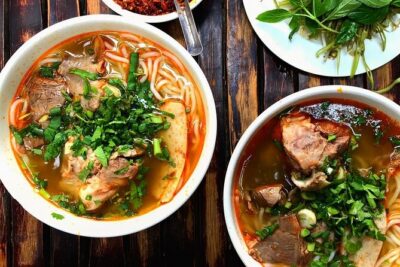
Ho Chi Minh City Street Food Tour & Sightseeing By Motorbike
What we made of it →
Comuna 13 Graffiti Tour, Cable Car & Street Food
What we made of it →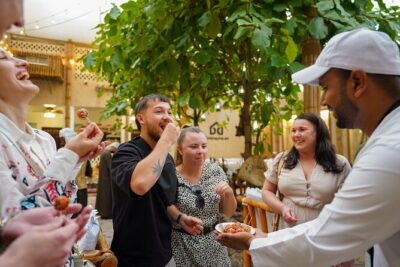
Old Town, Souks, Street Food, Guided Tour & Abra Ride
What we made of it →
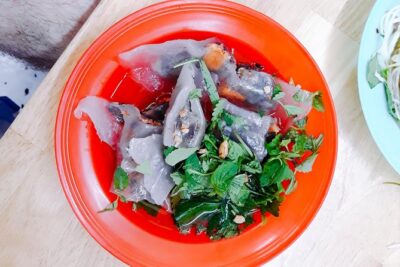
Small Group Hanoi Street Food Tour with a Real Foodie
What we made of it →
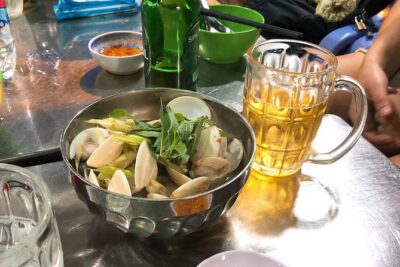
Saigon By Night and Street Food By Motorbike | Opt: Ao Dai Riders
What we made of it →Where this tour turns up