
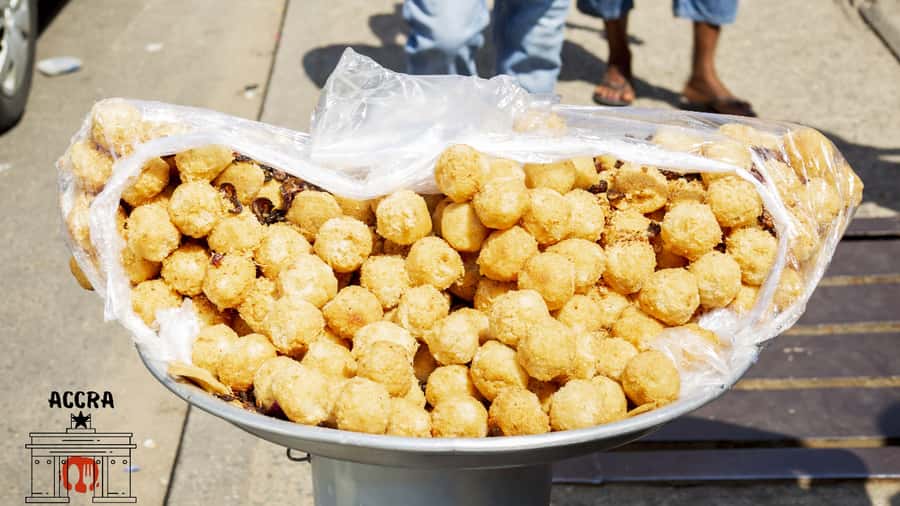
Review · GHANA CENTRAL REGION
Accra Street Food Tour: Makola Market Tour With Full Lunch
The market starts with a bite. This three-hour Accra food walk pairs at least eight local snacks and drinks with a full Ghanaian lunch, giving you a useful first taste of everyday food in central Accra. I like the small group size, limited to eight people, and the fact that your guide handles the route through Makola Market while explaining unfamiliar dishes at lunch. The main concern is guide consistency: some outings have offered careful help, while others moved too fast with little explanation.
I also like that food and drinks are included from start to finish, with water provided and photos taken on your own device. Come hungry, wear serious walking shoes, and keep your expectations practical. The market portion can be excellent when the guide slows down, but it may feel rushed if you get a fast-moving guide such as Steven, whose tour was reported to finish in about two hours instead of three.
Key points to know before you go

- Eight or more tasting stops: Expect standard portions of local snacks and drinks before lunch, with the option to eat less.
- Makola Market on foot: The tour takes you through the market rather than giving you a drive-by view, so comfortable shoes matter.
- A full local lunch follows: Your guide explains unfamiliar dishes at the restaurant, giving the tasting walk a proper meal at the end.
- Small groups help: With no more than eight participants, it should be easier to ask questions and keep together.
- Guide quality matters: The strongest experiences have included patient, friendly guidance, while weaker ones lacked market and food explanations.
- Budget $74 per person: The price covers tastings, drinks, a guided walk, water, photos, and lunch, but not hotel transport.
What this Accra food tour is really about
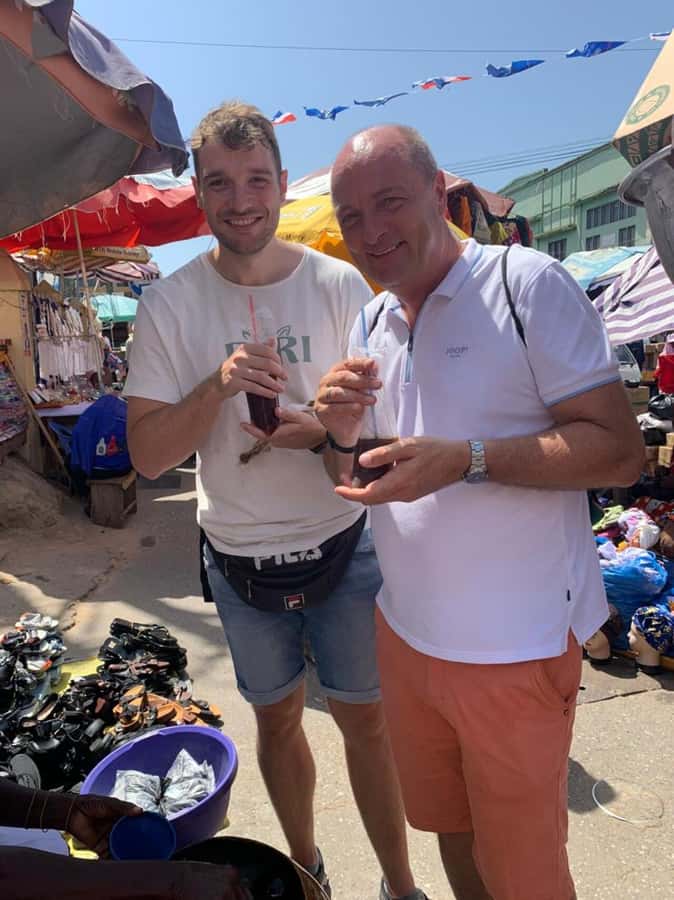
This is not a polished restaurant crawl. It is a guided walk into Makola Market, followed by a sit-down local meal. That difference matters.
You are tasting food in the setting where people shop and eat, then getting a chance to ask what you have just tried. The experience is built around discovery rather than a long lecture. You may learn how a snack is eaten, what a drink is used for, or how an unfamiliar lunch dish fits into local eating habits.
The advertised duration is three hours. About one hour is set aside for market tasting, and up to two hours for lunch. That gives you enough time for a generous meal, though the actual pace depends heavily on your guide. One outing reportedly lasted only two hours, so I would keep the rest of your schedule flexible but would also expect the full three hours you paid for.
The group limit of eight is a real plus. A large food group can turn a market stop into a traffic jam, with half the people unable to hear. A small group should make it easier to stay close, ask questions, and tell the guide if you need a short pause.
More Night Market Food Tours in the world:
- Small Group: Michelin and Local Hawker Food Tour with 9 tastings
★ 5.0 · 1,890 reviews - Seoul Street Food Market Tour
★ 5.0 · 1,226 reviews - Seoul: Night Market Food Tour with Local Guide
★ 4.9 · 943 reviews
Meeting the guide at Ghana School of Law
The tour begins at the entrance gate of Ghana School of Law. You must check in with the guide there. Look for the yellow shirt carrying the Accra Food Tour logo.
There is no hotel pickup or drop-off, so plan your own way to the starting point. The experience is on foot, and transportation through the market means guided movement rather than a vehicle transfer. Bring comfortable shoes and sunscreen. If rain is forecast, an umbrella is sensible because there are short walks between food stops, and the tour operates in wet weather as well as dry.
This is not the place for new dress shoes. You will spend a good deal of time walking and standing, and Makola is the central part of the experience. Casual clothing and shoes you can comfortably wear for several hours are the right choice.
Makola Market: one hour of food, movement, and choice
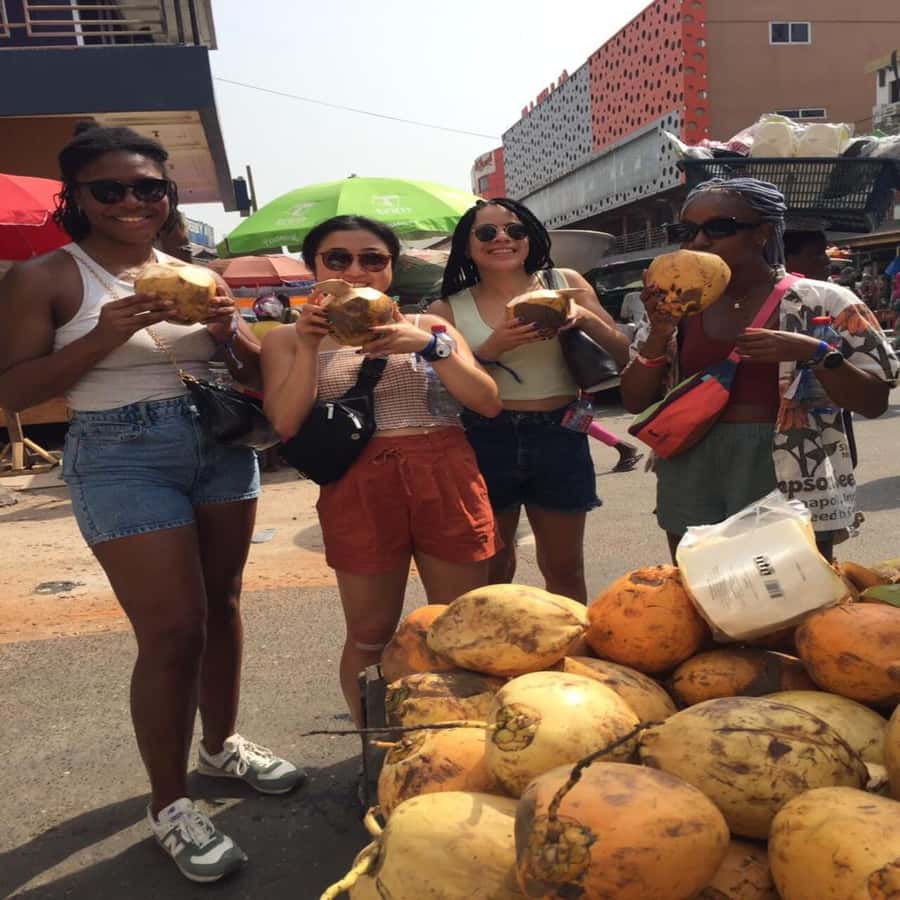
The first main section takes you into Makola Market for roughly an hour of sampling. You will stop at at least eight places for snacks and drinks. The exact mix can vary, but the structure is clear: small tastes first, full meal later.
Standard portions are provided. You are free to eat less, which is useful because eight samples can add up quickly, especially in hot weather or early in the day. The best strategy is to arrive with a light or no breakfast, but do not treat the tour as a speed-eating contest. Taste, ask questions, and save room for lunch.
This market walk is valuable because the food is connected to daily shopping and local routines. You are not simply receiving a plate designed for visitors. Your guide can show you how the items are eaten locally and help you handle foods or drinks you have not encountered before.
That is also where guide quality becomes important. A strong guide can turn each stop into a quick lesson: what the item is, how people eat it, and why it belongs in the market. A weaker guide may simply point, hand over a sample, and hurry to the next stop. Two people specifically found the food pleasant but wanted more information about the market and the things they tasted.
The pace deserves attention. One outing was described as almost a run through the market, followed by a hurried walk to the restaurant. If you want time for photos or questions, say so early. The guide is also expected to keep the group together and get you through a busy public market, so some forward movement is normal.
The eight-plus tastings: how to pace yourself
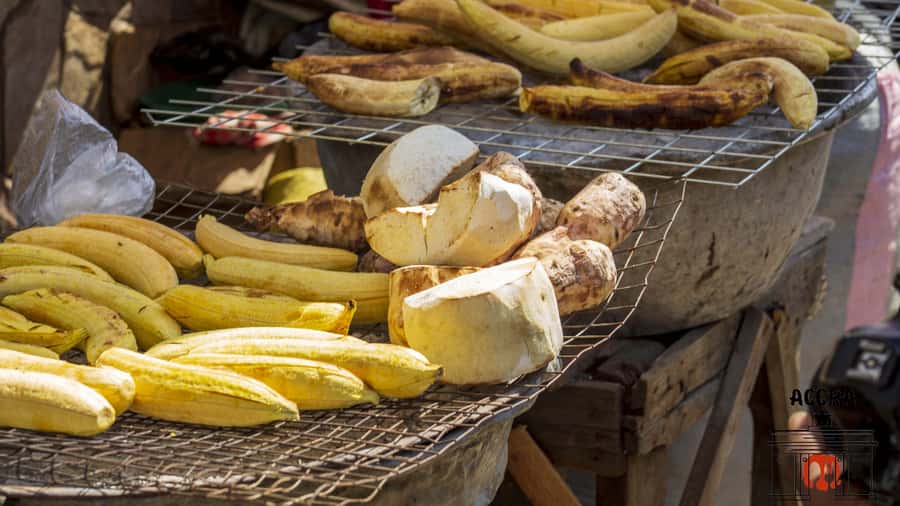
The tasting section can be the strongest part of the tour if you approach it with a little discipline. You will have many chances to try something new, and water is provided. Take small bites when possible and do not feel obliged to finish every standard portion.
I like the way this format lets you compare foods instead of committing to one unfamiliar dish at a restaurant. If you dislike one taste, another stop is close by. If something appeals to you, you can ask the guide how it is normally eaten or served.
Drink samples are included too. That broadens the experience beyond snacks and gives you a better sense of what people choose alongside food. The tour is designed to explain local eating habits, not just provide a list of ingredients.
Food preferences may be handled with some flexibility, but the supplied details do not promise a particular dietary menu. One positive experience included a guide who waited during traffic and adjusted to food choices. Still, you should communicate any needs before or at the beginning of the tour rather than assume every stop can be changed.
A few more nights of eating around the world worth a look
- Authentic Vienna Food Tour inc. lunch, street food, 3 drinks
★ 5.0 · 749 reviews - Nairobi Food Tour – Street Food Experience Lunch
★ 4.5 · 9 reviews - Bangkok: 2-hour Eat with Me CHOB Street Food Lunch Tasting
★ 5.0 · 2 reviews - An exclusive experience: food market, private chef and lunch!
★ 5.0 · 36 reviews
Lunch at a local restaurant for up to two hours
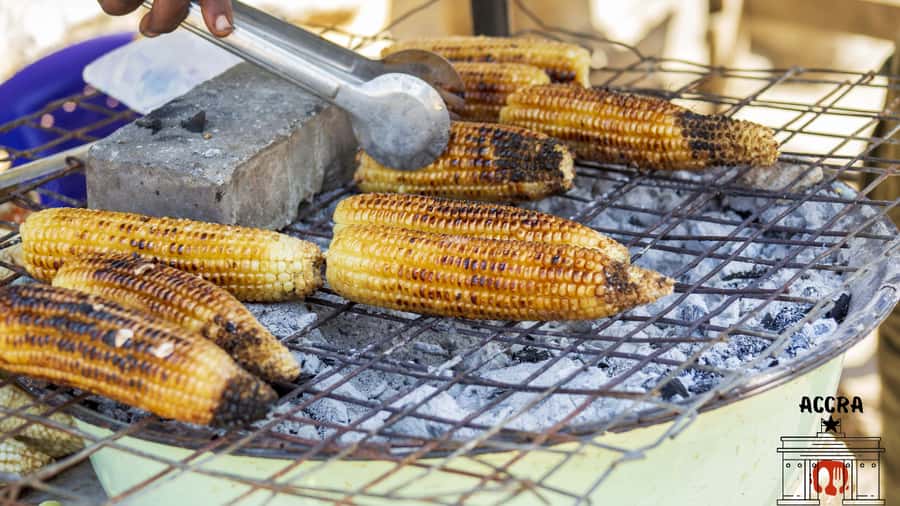
After the market, you walk to a local restaurant for a full lunch. This is not an afterthought. Up to two hours are set aside here, and all unfamiliar dishes are explained by the guide.
That makes lunch a good counterpoint to the market samples. The first hour gives you quick tastes in motion. The restaurant gives you time to sit, eat properly, and ask about what arrives on the table. You should leave well fed, provided you have not filled up during the earlier stops.
The restaurant meal will not suit every palate. One participant found the lunch disappointing, while also noting that this was a personal preference. That is worth taking seriously. Local food tours are not designed to remove every unfamiliar flavor or texture. The value is partly in trying the food with context, but you should not book this expecting a carefully tailored restaurant menu.
If you have food choices you need respected, raise them clearly with the guide. The experience includes a full lunch, but the information does not specify vegetarian, allergy-safe, or other special menus. The guide may be able to help, but that should be confirmed rather than assumed.
The lunch stop also affects the total value. At $74 per person, you are paying for much more than a restaurant plate. You receive multiple market samples, drinks, water, a guided route, a full meal, and photos taken on your personal device. For someone who wants an organized introduction to Ghanaian food without arranging each stop alone, that package can make sense.
If you mainly want a cheap lunch, it is not good value. The price pays for access, guidance, structure, and the chance to taste widely in a short period.
Finishing at Mayford Locals & Cocktail
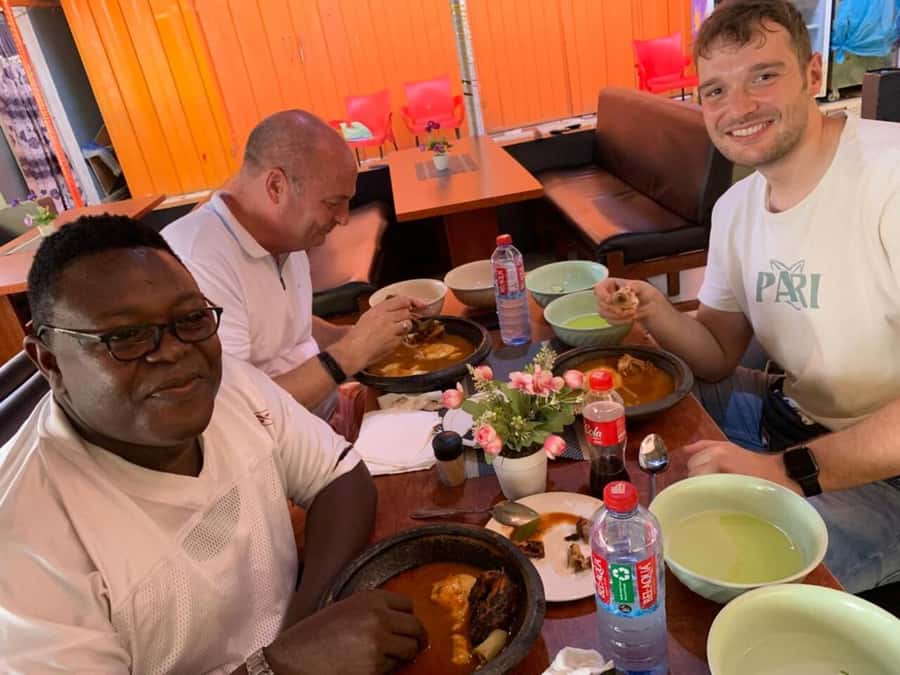
The tour ends at Mayford Locals & Cocktail after lunch. This gives you a clear endpoint rather than sending you back to the starting gate.
No extra drink or activity at the finish is promised in the supplied details, so treat the location as the end point, not an additional included stop. If you are meeting someone afterward, allow a little flexibility because the walk and lunch may not run at exactly the same speed each day.
The ending is practical for anyone who wants to continue exploring Accra independently. You will have eaten, received a basic introduction to local flavors, and finished in a named location that you can use for your next plan.
Guide quality can make or break the walk
The most important variable here is not the number of samples. It is the person leading you.
Several outings had friendly, safe, patient guidance. One guide took time to wait during traffic, helped with food choices, and showed the group around at a comfortable pace. Another guide, Stephen Ofori, was praised for making the food and culture easy to understand. Those are the qualities you want: clear explanations, care at crossings and crowded areas, and enough time to ask questions.
The weaker experience involved Steven, who was said to rush through Makola and offer little explanation. Another person also found the market and food information too thin. This does not mean every tour will be rushed, but it does mean you should speak up if you need context. Ask what you are tasting, how it is eaten, and what makes the market important to local shoppers.
The small group should help. With up to eight people, the guide can respond more easily than on a large group tour. Still, group size does not guarantee a detailed tour. Your questions can shape how much you learn.
Who will enjoy this food walk most?
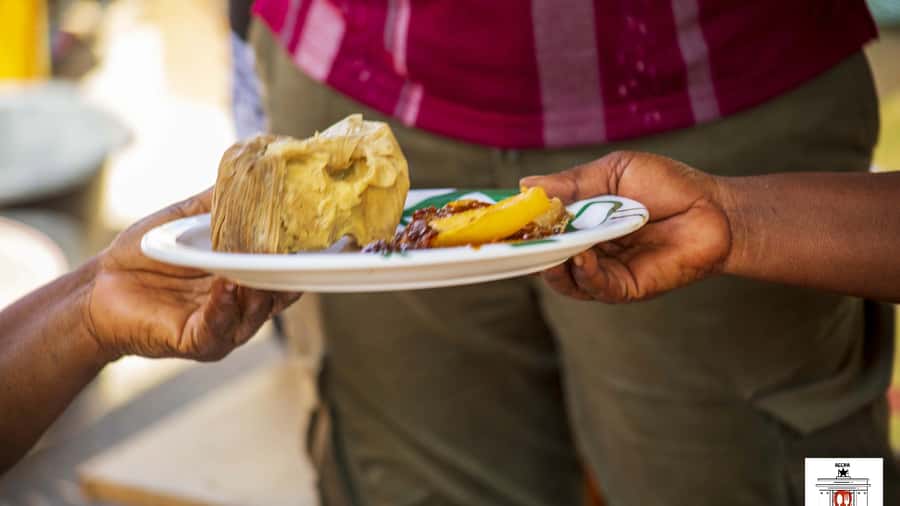
I would recommend this experience to you if you want a first, organized introduction to Ghanaian food and prefer tasting several things over ordering one cautious meal. It suits curious eaters who are happy to walk, share space in a market, and accept that not every flavor will become a favorite.
It also works well for people who want help navigating Makola Market. The guide leads you through the market, keeps the group together, and handles the sequence of food stops. That removes some of the uncertainty of trying to arrange the same experience alone.
You may want a different activity if you have limited mobility, are pregnant, or find several hours of walking and standing difficult. The experience is specifically not suitable for pregnant women or people with mobility impairments. It is also a poor fit if you want a slow, academic market tour with guaranteed detailed commentary at every stop.
Solo visitors and couples may find the small group comfortable. Families should consider the walking, standard tasting portions, and unfamiliar foods before booking. The supplied information does not state a minimum age or child pricing, so check those details before paying.
Practical value at $74 per person
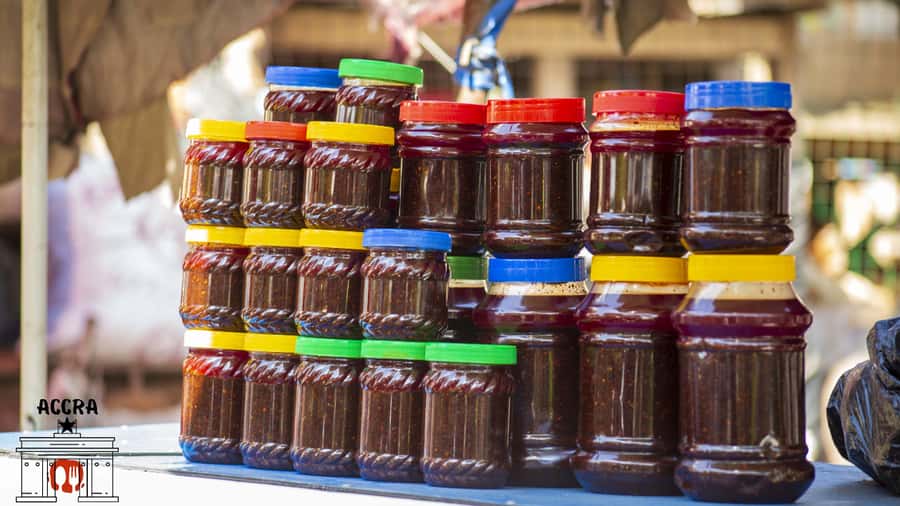
The $74 price is reasonable if you use everything included. You get at least eight samples, drinks, water, a guide, photos on your own device, and a full lunch. The three-hour format also saves you from spending time finding stops, judging what is safe to try, or guessing what has just been served.
The value falls if the experience is shortened or the guide provides little explanation. A two-hour outing with a rushed market walk does not deliver the full promise of the schedule. I would book with the expectation of a food-focused introduction, then make a point of asking questions so you get more than a series of handouts.
Cancellation information needs a careful look. The booking details say you can cancel up to 24 hours in advance for a full refund, while another note says the tour is non-refundable. Because those statements conflict, confirm the exact terms at checkout before you commit. A reserve-now, pay-later option is also shown, which can help keep your plans flexible.
Should you book the Makola Market food tour?
Book it if you want many small tastes, a proper local lunch, and an escorted walk through one of Accra’s best-known market areas. The strongest reasons are the range of food, the small group limit, and the chance to have unfamiliar dishes explained at the table.
I would skip it if you need guaranteed dietary arrangements, have difficulty walking, or want a guide who delivers a detailed history lesson at every stop. If you do book, arrive hungry, wear comfortable shoes, bring sunscreen, and ask questions from the first tasting. The food is the main attraction, but the quality of the explanation will decide whether this feels like a useful introduction or simply a fast meal crawl.
FAQ
Where does the Accra Street Food Tour begin?
The tour begins at the entrance gate of Ghana School of Law. You must check in with the guide when you arrive.
How long does the tour last?
The planned duration is three hours. About one hour is for food tasting at Makola Market, followed by up to two hours for lunch at a local restaurant.
How many foods and drinks will I try?
You will visit at least eight places for snack and drink samples. Standard portions are provided, and you can choose to eat less.
Is lunch included?
Yes. A full lunch at a local restaurant is included, and the guide explains unfamiliar dishes.
Is hotel pickup included?
No. Hotel pickup and drop-off are not included. You are responsible for reaching the starting point and arranging your return.
What should I bring?
Bring comfortable walking shoes and sunscreen. An umbrella may help if rain is forecast, since the tour operates rain or shine.
Is the tour suitable for people with mobility impairments or pregnant women?
No. The experience is listed as unsuitable for pregnant women and people with mobility impairments.
Just added around the world
- Zanzibar:Stone town Street food market walking tour,transfer★ 4.5 · 9 reviews
- Vienna Food Tour: Dishes, Wine, Street Food & Culture★ 4.7 · 12 reviews
- Verona: Street Food Tour and City Guided Sightseeing★ 4.9 · 11 reviews
- Xi’an: Gourmet & Street Food Tour★ 4.8 · 22 reviews
- Verona: City Highlights & Street Food Walking Tour★ 5.0 · 3 reviews
- Verona: Street Food and History Tour with Local Guide★ 4.7 · 6 reviews
- Xi’an Muslim Quarter Night Market Foodie Walking Tour★ 4.2 · 22 reviews
- Verona: street food walking tour near the historical center★ 5.0 · 2 reviews
Night Market Food Tours, compared.
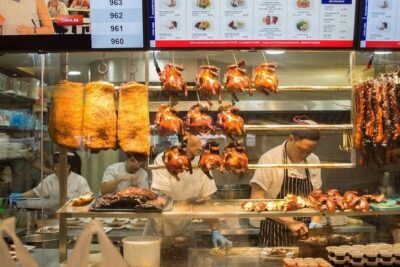
Small Group: Michelin and Local Hawker Food Tour with 9 tastings
What we made of it →
Food Market Visit and Cooking Class with Wine
What we made of it →
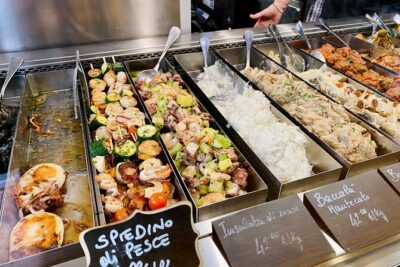
Venice Street Food Tour with Local Guide with Local Food Market Visit
What we made of it →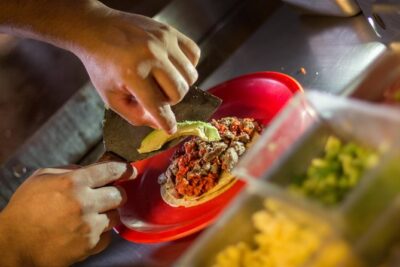
Cancun Taco Tour, Local Beer and Night Market with Transportation
What we made of it →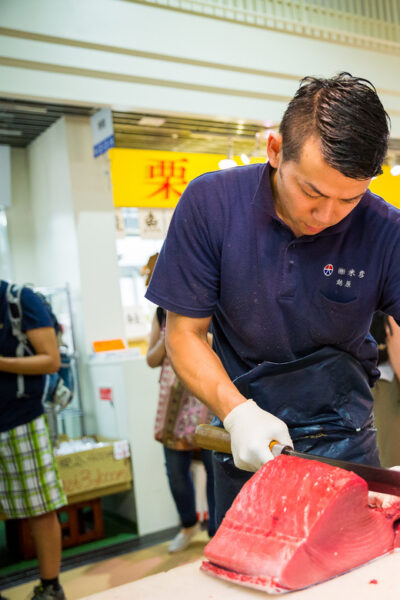
Tsukiji Fish Market Food and Culture Walking Tour
What we made of it →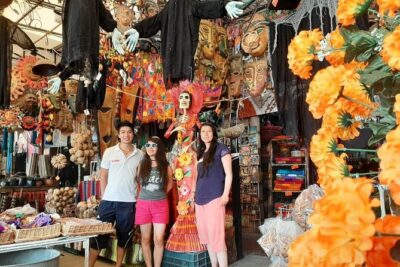
Cancun Street Food Tour with Food Stalls, Local Market and Murals
What we made of it →Where this tour turns up