
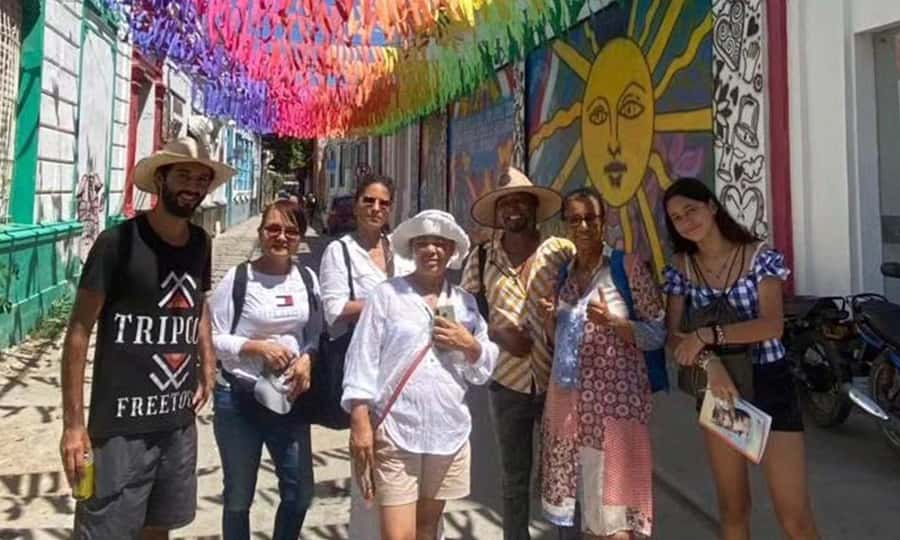
Review · COLOMBIA
Santa Marta A Historical & Street food Experience
Santa Marta’s old center rewards a slow walk. This two-hour outing brings together Tairona culture, colonial buildings, city legends, and small tastes of Colombian food, all with a guide trained in history, journalism, or anthropology. I especially like the museum visit and the way the route connects Santa Marta’s past with its modern restaurants, pubs, and nightlife around Parque de los Novios. I also like that guides such as Sergio have been praised for being warm, helpful, and willing to answer practical questions about the city. The main concern is timing: the route contains enough stops for much longer than two hours, yet some people have found the experience rushed or shorter than expected.
At $56 per person, this is not a cheap orientation walk. The price makes more sense if you receive the full museum visit, several food samples, and a careful explanation of the city’s buildings and Indigenous heritage. It makes less sense if a stop is skipped or the ceviche tasting is unavailable without a replacement. Plan this as a cultural introduction, not as a full meal or a relaxed half-day tour.
Key points to know before booking
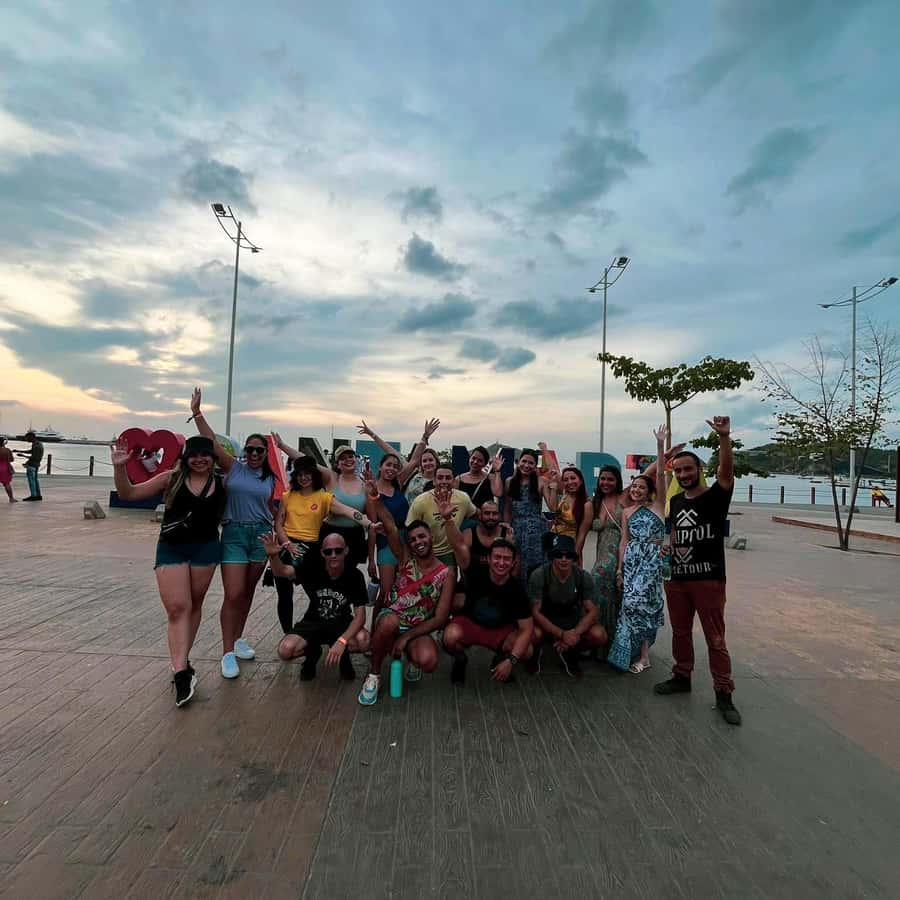
- Tairona Gold Museum: The Casa de la Aduana gives you a useful first look at the Indigenous culture of the Sierra Nevada and the objects connected with the Tairona people.
- A walk through Santa Marta’s historic core: Bolívar Park, the cathedral, Camellón Rodrigo de Bastidas, San Francisco Church, and San Miguel Cemetery each add a different piece to the city’s story.
- Food tasting is part of the appeal: The experience is designed to include a local drink, fruit juice, lulo, ceviche, and an empanada, but the exact tasting lineup may vary.
- Sergio has earned strong praise: His friendly explanations, local suggestions, and willingness to help beyond the scheduled walk have been especially appreciated.
- Two hours may not tell the whole story: The listed stops can easily take longer, and one booking lasted close to four hours while others felt too brief.
- Late afternoon can be more comfortable: A 4:30 p.m. start was praised because the streets were cooler, though you should check the available departure times.
Starting at the Casa de la Aduana
The meeting point is the Museo del Oro Tairona, housed in the Casa de la Aduana. This is a fitting place to begin because it links Santa Marta’s colonial trading past with the Indigenous societies of the Sierra Nevada.
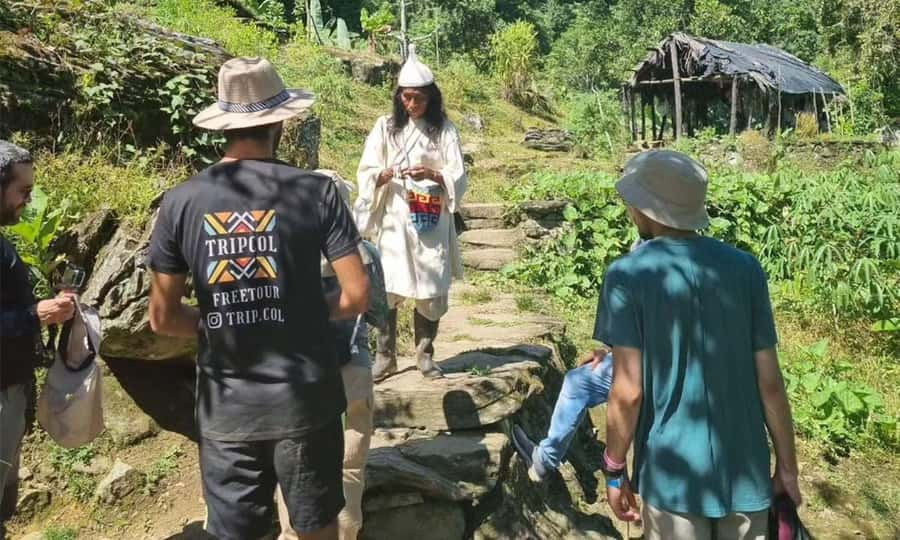
The route gives the museum both an initial guided visit and a longer museum stop, listed as about 15 minutes and 30 minutes. In practical terms, you should expect the guide to use the museum as the foundation for the rest of the walk. The Tairona were not simply a name on a display label. Their traditions, objects, and relationship with the mountains help explain why local culture still reaches well beyond the colonial buildings in the center.
The museum portion is one of the strongest reasons to book this experience. A guide can connect the exhibits to the streets outside, rather than leaving you to study objects without context. That said, the museum visit needs to happen as promised. One person found that the museum tour and other listed stops were not fully provided, so it is worth confirming at the start how much time the guide plans to spend inside.
More Dining Experiences in Colombia:
- Naples: Street Food Experience With 6 Stops
★ 4.7 · 392 reviews - Siem Reap: Street Food Experience by Tuk-Tuk
★ 4.9 · 310 reviews - Saigon at Sunset: Ultimate Street Food Experience
★ 4.7 · 153 reviews
Bolívar Park and Santa Marta’s public face
From the museum, the route moves to Simón Bolívar Park. The guide explains the connection between the square, Bolívar, and Santa Marta. This is not just a quick photo stop. It is a chance to see how the city presents its political and civic identity.
The park also helps you get your bearings. Santa Marta’s center is compact enough to explore on foot, and this section gives you a sense of how the main plazas connect with the cathedral, waterfront, shops, and restaurant streets.
The route then reaches Parque Camellón Rodrigo de Bastidas. Here, the schedule allows time for a visit, guided explanation, and photographs. The stop is useful because it shifts the mood from formal city square to open public promenade. You get scenic views along the way and a chance to see how the historic center meets the waterfront.
Do not expect a long pause at every site. If you enjoy taking photographs, ask the guide early how much time you will have. A rushed schedule can make the walk feel like a checklist, especially if the group wants both explanations and pictures.
Santa Marta Cathedral and colonial details
The Cathedral Basilica of Santa Marta is one of the route’s key architectural stops. The visit focuses on its colonial design and the stories or messages connected with its interior decoration. The supplied schedule allows about 20 minutes, including scenic views on the way.
I like this part of the tour because architecture becomes easier to understand when someone explains what you are looking at. Rather than simply admiring an old façade, you can consider how religious buildings shaped the city’s public life and how Santa Marta developed around them.
The cathedral stop also shows the value of having a guide with a background in history or anthropology. The experience is meant to cover both material heritage, such as buildings and streets, and immaterial heritage, such as legends, traditions, and local memory. That broader approach gives the walk more substance than a basic photo tour.
Still, the exact depth depends on the guide and the pace. A 20-minute stop is enough for a focused explanation, but not for an extensive architectural study. If this is your main reason for booking, ask questions and stay close to the guide.
Parque de los Novios, food, and evening life
Parque de los Novios is scheduled as the longest stop, at about 45 minutes. That makes sense. The park is presented as one of the social and cultural centers of the city, with stories about romance, local legends, restaurants, pubs, and clubs nearby.
This is where the historical walk connects with present-day Santa Marta. You can hear about how the area functions after the museum and monuments close, and you can get ideas for where to return later. One guide, Sergio, was praised for offering suggestions about what else to see and do in the area. That kind of practical help can be valuable if Santa Marta is your base for several days.
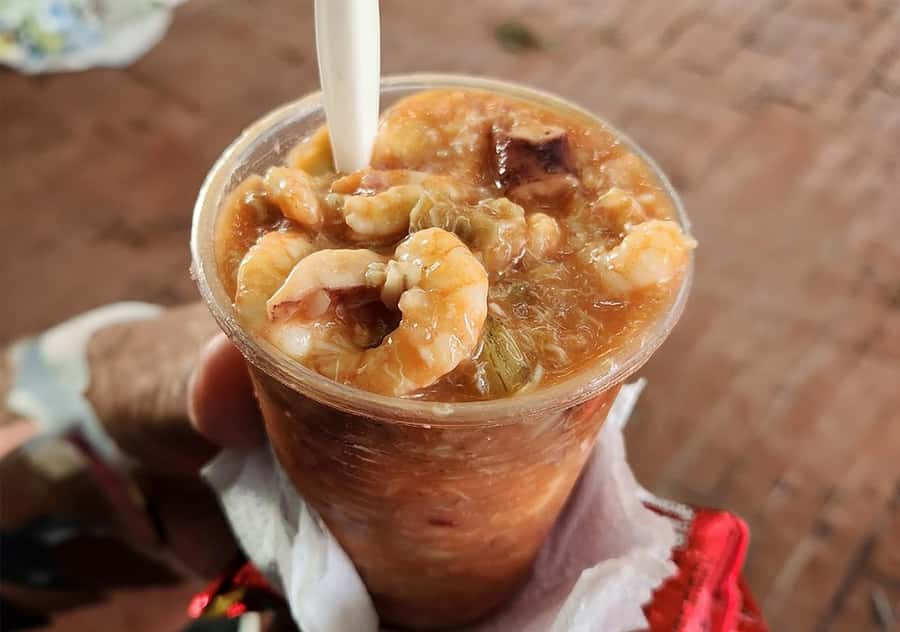
The food side of the tour is intended to fit naturally into this section of the route. You may sample Colombian-style ceviche, an empanada, lulo, and juice made with fruits such as guanábana, maracuyá, or zapote. A local drink is specifically included, while the broader description presents the other tastings as part of the experience.
There is an important distinction here. This is a tasting experience, not a full dinner. Portions are likely meant to introduce flavors rather than replace a meal, and the listed inclusions do not spell out every food sample with the same certainty as the local drink.
The ceviche stop also needs a little flexibility. One person arrived when the selected place was closed and did not receive a replacement tasting. If ceviche is a major reason you are booking, ask the guide what is available that day. A good substitute would preserve the value of the experience, but you should not assume one is guaranteed.
More History Walks in Colombia:
- Palermo: Street Food and History Walking Tour
★ 4.9 · 1,486 reviews - Lecce History and Street Food Tasting Small Group Tour
★ 5.0 · 288 reviews - Lima: Historic Center Street Food, Market, and Eateries Tour
★ 4.9 · 216 reviews - Dubai Old Town, Culture, History, Street food and Souks Tour
★ 5.0 · 170 reviews
Lulo, exotic fruit, and Colombian street food
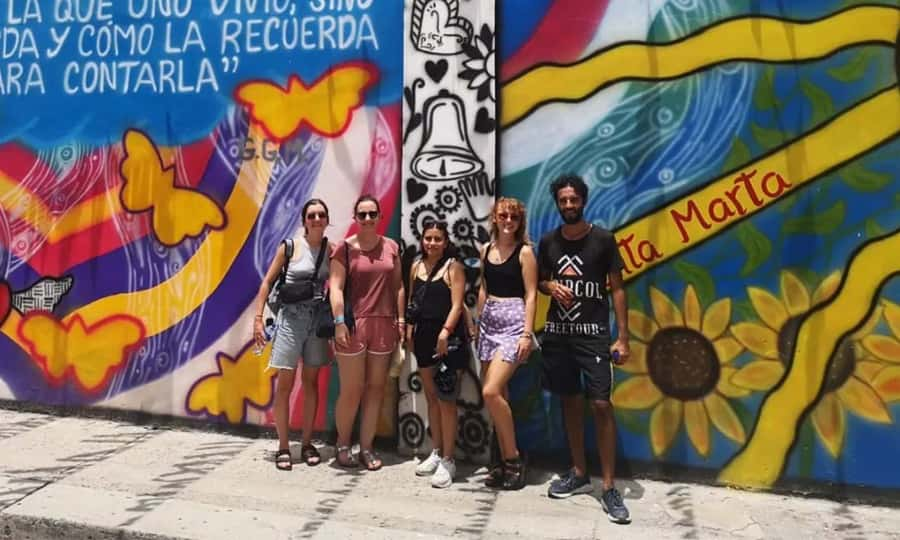
The fruit tasting is one of the more distinctive parts of this outing. Lulo has a tart, unusual flavor and is used in juices and other drinks. The experience may present it in more than one preparation, including juice or an artisanal infusion.
You may also taste juice made from guanábana, maracuyá, or zapote. These fruits give you a quick introduction to Colombian food culture without requiring a long restaurant meal. I like this because the tasting is tied to explanation. You are not simply handed a sweet drink; the guide is meant to discuss the place these ingredients hold in local cooking.
The final food stop is an empanada. This is a useful street food choice because it is familiar, portable, and associated with everyday Colombian eating. The filling may reflect local flavors, but the supplied information does not specify one exact recipe, so do not book expecting a particular type.
Food stops can also affect the schedule. Eating, waiting for preparation, and explaining each item takes time. If the walk really is limited to two hours, the guide may have to shorten the historical commentary. If the guide gives the food and museum their full attention, the tour may run longer.
San Francisco Church and San Miguel Cemetery
I appreciate that the route does not stop with the most obvious landmarks. Iglesia San Francisco receives about 15 minutes for a visit, guided explanation, and photographs. It adds another religious and architectural layer to the center, allowing you to compare it with the cathedral.
San Miguel Cemetery is scheduled for about 20 minutes. The stop includes a visit, photographs, and an explanation. Cemeteries can reveal a city’s customs, family history, and ideas about public memory in a way that monuments often do not. Here, it also gives the walk a quieter change of pace after the restaurants and social activity around Parque de los Novios.
The drawback is again the clock. The museum, parks, cathedral, church, cemetery, food samples, and transfers cannot all receive equal attention in a strict two-hour window. If the route feels hurried, these later stops could become brief looks rather than meaningful visits.
The tour ends with a drop-off near Parque de los Novios or back at the Tairona Gold Museum. That is convenient if you want to continue eating or exploring in the center. It also returns you close to the starting point, which helps you reconnect with the city on your own.
What the guide adds
The guide is the main variable in this experience. The company uses English and Spanish guides with backgrounds in history, journalism, and anthropology. That range suggests a focus on explanation rather than simple directions.
Sergio receives particularly warm praise for making the history easy to follow, answering basic questions, and suggesting other activities. His personal approach was also useful when a visitor needed help with a hostel problem. That sort of care is not guaranteed with every guide, but it shows the experience can become more than a fixed script.
The best guides will help you connect the Tairona people, colonial trade, religious buildings, waterfront spaces, and current nightlife. They will also adjust the pace when the group asks questions. If you want a quiet walk with little conversation, this may feel too guided. If you like asking why a place matters, the format should suit you.
Is $56 a fair price?
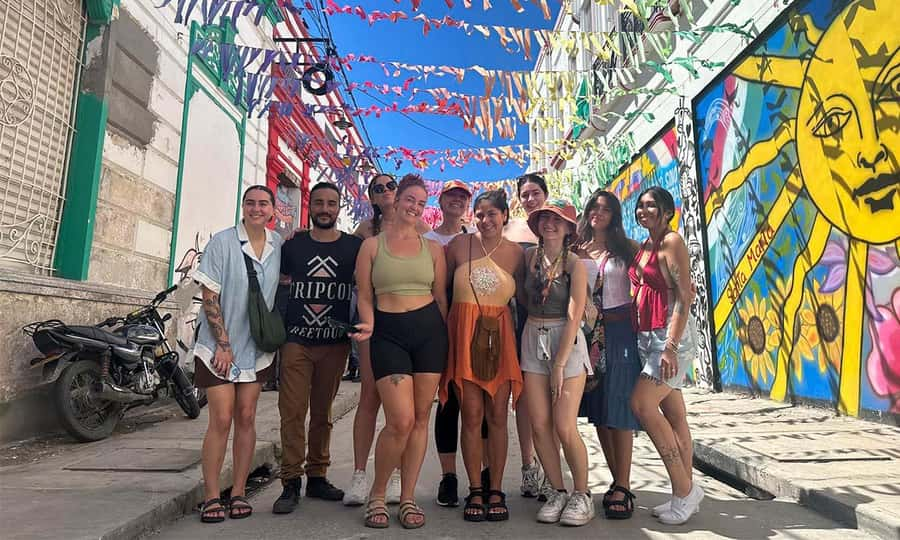
At $56, the value depends on delivery. You are paying for a private-feeling cultural introduction, a professional guide, museum guidance, a local drink, and several planned tastings and visits. You are not paying only for a two-hour stroll.
The price is reasonable if you receive a full museum explanation, the major historic stops, and the promised food. It is harder to justify if the outing is much shorter, the guide rushes through the sites, or one food stop disappears without a replacement.
The mixed timing reports are important. One person found the experience close to four hours and enjoyed the extra time, while others felt it was too concise and hurried. That may reflect the guide, the group, food preparation, or how the two-hour duration is being interpreted.
I would treat the advertised duration as an estimate rather than a guarantee. Keep some flexibility before your next appointment, especially if you want to ask questions or enjoy each tasting slowly.
Who should book this experience?
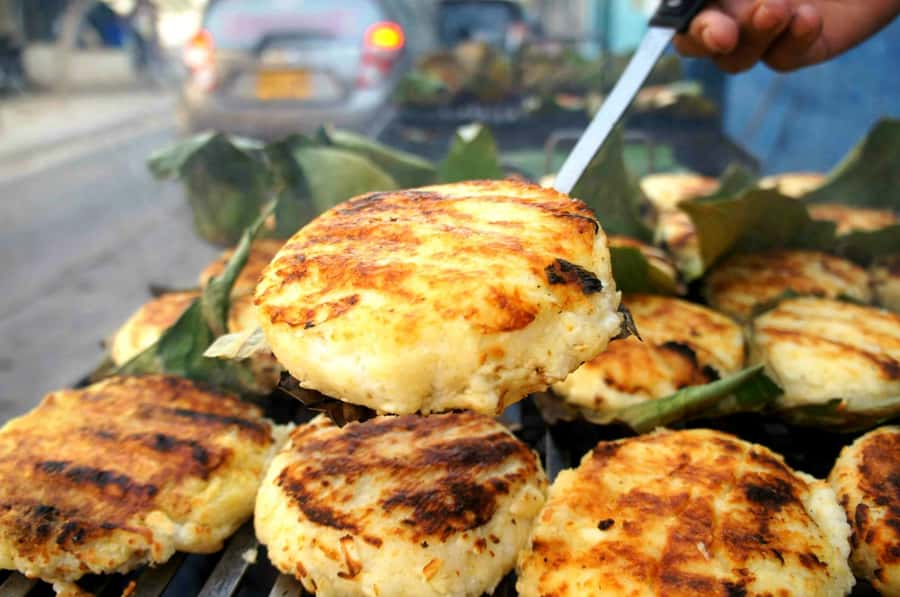
This tour suits you if you are visiting Santa Marta for the first time and want several subjects covered at once. It works particularly well for people interested in Indigenous culture, colonial architecture, local food, and a practical introduction to the central restaurant district.
It is also a good fit if you prefer learning through conversation. The experience is not just a list of dates. You can ask about Santa Marta, the Sierra Nevada, the city center, food, and places to visit afterward.
You may want another option if you need a precise two-hour schedule, dislike walking between several stops, or expect a substantial meal. You should also be cautious if the food tastings are the main attraction, since the exact availability may change and the included section specifically confirms only a local drink.
A late afternoon departure may help with the heat. One 4:30 p.m. outing was praised for being cooler, and that timing may also place you near Parque de los Novios as the evening begins. Check the available start times before booking.
Should you book the Santa Marta historical and street food experience?
I would book it if you want a broad first look at Santa Marta and value a guide who can explain the city rather than simply point at buildings. The Tairona Gold Museum, cathedral, public squares, cemetery, food tastings, and restaurant district create a useful introduction in one outing.
I would not book it blindly at $56. Confirm the expected duration, ask which tastings are operating that day, and make sure the museum visit is included. If the guide is Sergio, the experience may benefit from his personal style and practical local advice, but the quality of the walk still depends on the day’s timing.
Book this for context, flavor, and orientation. Choose something else if you want a slow museum visit, a guaranteed ceviche meal, or a tightly controlled two-hour schedule.
FAQ
Where does the tour start?
The tour starts at the Museo del Oro Tairona, located in the Casa de la Aduana.
Where does the tour end?
The listed drop-off points are Parque de los Novios and the Museo del Oro Tairona, Casa de la Aduana.
How long is the experience?
The advertised duration is two hours. The listed stops can take longer, and one experience lasted close to four hours.
What languages are available?
The tour is offered in English and Spanish.
Is a guide included?
Yes. A professional live guide is included.
Is the Tairona Gold Museum visit guided?
Yes. Guided time inside the museum is included.
What food and drinks are included?
A local drink is included. The experience is also described as featuring fruit juice, lulo, ceviche, and an empanada, though the exact tasting lineup may vary.
Is the tour suitable for learning about Indigenous culture?
Yes. The museum and guide explain the Tairona people and the Indigenous cultures connected with the Sierra Nevada.
Can you cancel for a full refund?
Yes. Cancellation up to 24 hours in advance is stated to qualify for a full refund.
Just added around Colombia
- Street Food Tour in Medellín with Tastings★ 5.0 · 76 reviews
- Street Food Tour – Live A Unique Gastronomic Experience★ 5.0 · 34 reviews
- The Cali Street Food Walking Tour★ 5.0 · 81 reviews
- Street Food Tour in Bogotá with Tastings★ 5.0 · 34 reviews
- Cali: Street Food Tour★ 4.8 · 71 reviews
- Santa Marta Street Food Tour★ 4.4 · 2 reviews
- Medellin: tasting Street Food with Rooftops of El Poblado★ 4.4 · 61 reviews
- Medellín: Street Food Tour with Local Tastings★ 4.9 · 14 reviews
Street Food Tours, compared.
Old Town, Creek, Museums, Souks, & Street Food Tour
What we made of it →
Ho Chi Minh City Street Food Tour & Sightseeing By Motorbike
What we made of it →
Comuna 13 Graffiti Tour, Cable Car & Street Food
What we made of it →
Old Town, Souks, Street Food, Guided Tour & Abra Ride
What we made of it →
Small Group Hanoi Street Food Tour with a Real Foodie
What we made of it →
Saigon By Night and Street Food By Motorbike | Opt: Ao Dai Riders
What we made of it →Where this tour turns up