
Review · SOFIA PROVINCE
Sofia: Flea and Food Markets Tour
Markets tell Sofia’s story. This one-day tour ties four local markets to four periods of Bulgarian history, while giving you four food stops along the way. I like the mix of street food and city history, and I like that the route includes places you might not choose on your own. The main consideration is the walking: you cover about 3 kilometers, and the tour is not suitable for wheelchair users or people with mobility impairments.
The guides are a major part of the appeal. Theodora, Nesi, Ivo, Daniella, and Dany have all been praised for their friendly manner and clear explanations. I also like the practical timing of taking this early in a Sofia visit, since the route helps you get your bearings fast. Just confirm the start time carefully, as one participant found the tour began later than expected and ended up affecting evening plans.
Key points at a glance
- Four markets, four historical periods: Connect Sofia’s Flea Market, Central Market Hall, Hali Market, and Women’s Market with the postcommunist era, Communism, the Kingdom period, and Ottoman influence.
- Four local food stops: The tasting portion is included in the $50 price, with traditional dishes and drinks served along the route.
- A useful first-day orientation: Walk past Alexander Nevsky Cathedral, Saint Sofia Church, The Largo, Roman ruins, Banya Bashi Mosque, Sofia Synagogue, and Lion Bridge.
- Friendly English-speaking guides: Guides such as Ivo, Daniella, Dany, Theodora, and Nesi are praised for combining history with easy conversation.
- A gentle but substantial walk: Expect about 3 kilometers with stops, so comfortable shoes matter.
- Good for curious eaters and bargain hunters: You can sample Bulgarian food, look for antiques, and gain context for Sofia’s changing neighborhoods.
Why Sofia’s markets make a smart introduction
Sofia is not a city you understand from its grand buildings alone. Its markets show how daily life changed as empires, kingdoms, communist rule, and the postcommunist years shaped the capital.
That is the central idea behind this tour. You are not simply walking from one food counter to another. You are using markets as a guide to Bulgarian society. A flea market can reveal one side of modern Sofia, while a traditional food hall connects you to older habits of shopping and eating.
I like this approach because it gives the tour a clear purpose. The food helps you remember the history, and the history gives meaning to the food. You are less likely to see a market as just a place to buy something and more likely to notice how each one fits into the city.
The tour also works well as a first activity in Sofia. It passes many major sights without treating them as isolated photo stops. You hear about the city while moving through it, which can help you understand where the main center is and how the different parts connect.
More Night Market Food Tours in the world:
- Small Group: Michelin and Local Hawker Food Tour with 9 tastings
★ 5.0 · 1,890 reviews - Seoul Street Food Market Tour
★ 5.0 · 1,226 reviews - Seoul: Night Market Food Tour with Local Guide
★ 4.9 · 943 reviews
Starting at Crystal Park with a local guide
The meeting point is the Stefan Stambolov Monument in Crystal Park. The sculpture depicts a split head, making it an unusual landmark and an easy detail to look for when you arrive. Plan to be there 10 minutes before the scheduled start.
The tour is conducted in English with a live local guide. The guide is not just there to point out the next market. You can expect explanations about Sofia, Bulgaria, local traditions, food, and the historical forces that shaped the places along the route.
The strongest part of the experience appears to be the personal quality of the guiding. Ivo has been praised for being friendly and well informed, while Daniella is noted for answering questions, making people laugh, and looking after the group. Theodora has also been singled out for her kindness and easy conversation. Those details matter on a walking tour because a warm guide can make a long afternoon feel relaxed rather than scheduled.
Group size may vary. One couple had the tour run just for them, and another small group found that having only a few people allowed plenty of time for questions. You should not assume you will have a private tour, but a small group is possible.
The Flea Market and Sofia’s postcommunist side
The Flea Market is the place to start if you enjoy browsing. You might find souvenirs, old objects, and antiques, though the exact selection will change from day to day. That uncertainty is part of the charm, but it also means you should not book the tour expecting a guaranteed purchase.
The market is connected with Sofia’s postcommunist period. That gives the stop more weight than a simple shopping visit. You can look at the goods while learning how the city changed after the end of communist rule and how informal selling became part of modern urban life.
This is also a good place to ask your guide what is worth buying and what is merely decorative. If you like objects with a sense of place, you may find something more interesting than a standard souvenir. If shopping is not your priority, the historical explanation still gives the stop a purpose.
Keep your expectations practical. The tour lets you peruse the markets, but it is not described as a dedicated antiques-shopping expedition. You will have time to look, yet the group must continue to the next stop.
Central Market Hall and the years of Communism
Central Market Hall is one of the main food markets on the route. It represents the communist period in the tour’s historical framework, giving you a chance to consider how food shopping worked during that era and how public market spaces fit into city life.
This stop should appeal to you if you want something more structured than an open-air market. It offers a setting where food, architecture, and history come together. Your guide can explain the market’s place in Sofia and help connect what you see with the country’s twentieth-century past.
The food portions are included in the tour, but the exact dishes are not specified in advance. That is useful to know if you have strict dietary needs or want to plan every meal precisely. The experience is designed as a broad introduction to Bulgarian cuisine rather than a fixed restaurant menu.
Several people found the food tasty and plentiful. One participant specifically advised arriving hungry, since the combined servings can leave you full. I would treat the tour as a substantial meal rather than a light snack walk.
Same place, a different plate:
- Dubai: Old Town, Creek, Museums, Souks, & Street Food Tour
★ 4.8 · 10,816 reviews - Ho Chi Minh City Street Food Tour & Sightseeing By Motorbike
★ 5.0 · 9,413 reviews - Medellin: Comuna 13 Graffiti Tour, Cable Car & Street Food
★ 4.8 · 9,046 reviews - Dubai: Old Town, Souks, Street Food, Guided Tour & Abra Ride
★ 4.9 · 7,170 reviews
Hali Market and the Kingdom period
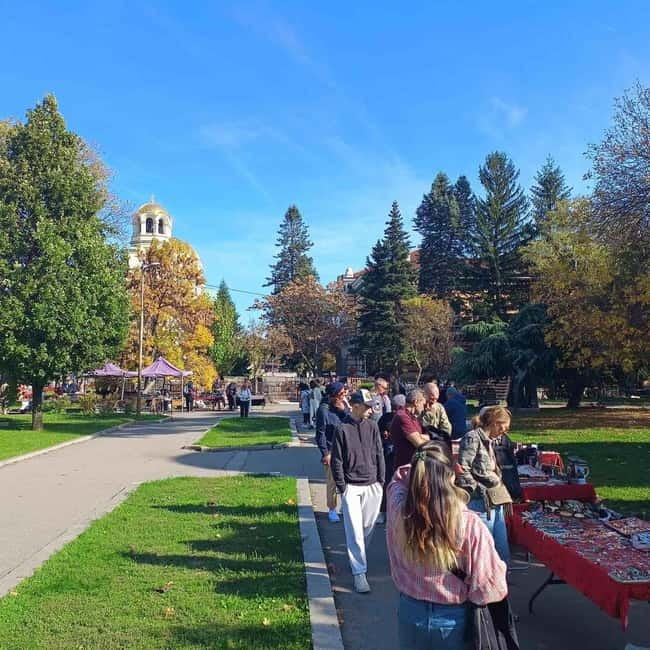
Hali Market represents Bulgaria’s Kingdom period. The historical framing helps you see Sofia as more than a modern capital with scattered old buildings. It places the market within the period before communist rule and shows how the city’s public life changed over time.
This is where the tour’s structure becomes especially useful. Instead of receiving a long history lecture in front of a monument, you hear about a period while standing in a place tied to everyday commerce. That makes the information easier to connect with.
The food stop here, or at another point along the route, is part of the four included tastings. You should expect local dishes and drinks, but the supplied details do not name each item. The guide explains the food as you go, including its cultural background and place in Bulgarian life.
I like the fact that the tour does not treat traditional cuisine as a list of unusual dishes. The food is presented alongside language, custom, and history. That gives you a better chance of recognizing what you eat later in your trip.
Women’s Market and Ottoman influence
The Women’s Market adds another side of Sofia. It is linked with the period of Ottoman presence in Bulgaria, and the guide uses the market to explain how Ottoman influence helped shape the country and its food culture.
This is an important part of the tour because Bulgarian history did not develop in a straight line. Ottoman influence remains part of the country’s cultural story, and food is one of the clearest ways to understand that connection. You do not need a long background in Balkan history to follow the explanation.
The market also offers a chance to observe ordinary shopping life. You may see local produce, food sellers, and people going about their daily routines, although the exact atmosphere and stalls will vary. It is best approached as a working market rather than a polished attraction.
If you enjoy photographing people or stalls, be respectful and ask before taking close-up pictures. The tour is meant to connect you with local life, not turn the market into a stage.
Four food stops and what $50 really covers
The price is $50 per person. That is not bargain-basement pricing for a walk in Sofia, but it becomes more reasonable once you count the four food stops, the guide, and the historical sightseeing between markets.
You are paying for interpretation as much as for food. A person who simply wants a cheap meal can spend less elsewhere. But if you want to understand what you are eating, find local places you might otherwise miss, and cover several central sights with a guide, the price offers fair value.
The tastings are traditional Bulgarian dishes, with local drinks included along the way. A soft drink is specifically included at the last food stop. The other drink details are not set out, so you should not assume alcoholic drinks are part of the package.
The portions can add up. One group of younger adults was still full after the tour, and another participant described the food as tasty and plentiful. I would avoid scheduling a large dinner immediately afterward, especially if your tour begins in the afternoon.
The four stops also spread the eating across the day. You are not sitting in one restaurant for hours. Instead, you taste, walk, listen, and then eat again. That rhythm suits you if you like variety, though anyone wanting a long, relaxed meal may prefer a restaurant-based food tour.
Sofia’s landmarks between the markets
The route passes a strong collection of central sights. You hear about Alexander Nevsky Cathedral, Saint Sofia Church, The Largo, Roman ruins, Banya Bashi Mosque, Sofia Synagogue, Lion Bridge, and other important landmarks.
The value here is not simply the number of sights. The guide provides a thread between them. You can see how Sofia contains Roman, religious, Ottoman, royal, communist, and postcommunist layers within a relatively compact central area.
Alexander Nevsky Cathedral and Saint Sofia Church give the route a major religious and historical focus. The Largo and Roman ruins show the city’s older foundations and later political development. Banya Bashi Mosque and Sofia Synagogue add to the picture of Sofia as a city shaped by different communities and periods.
Lion Bridge helps extend the route beyond the most photographed center. It also gives the walking a clear sense of movement instead of keeping you in one small square.
Do not expect a full interior tour of every landmark. The experience is primarily a market and food walk, with sightseeing and historical explanations along the way. If you want detailed visits inside the cathedral, mosque, synagogue, or churches, arrange separate time.
Walking, weather, and the practical details
The tour covers about 3 kilometers, or 2 miles, with stops. That is manageable for many people, but it is not a completely effortless food tasting. You will be on your feet, moving between markets and sights, so wear comfortable shoes and clothes.
The tour is not suitable for wheelchair users or people with mobility impairments. The market route and walking requirements make that a firm planning point, not a minor footnote.
Weather can affect the mood, but it does not necessarily ruin the experience. One outing continued in rainy conditions and was still enjoyed. Still, bring suitable clothing if rain is possible, since this is an outdoor walking tour with market visits rather than an indoor food class.
Starting times vary, so check the available time before booking. One participant had a tour begin much later than expected, which pushed the finish into evening plans. Arrive 10 minutes early, and leave some flexibility afterward.
The tour is offered in English. Free cancellation is available up to 24 hours in advance for a full refund, and you can reserve now and pay later. Those options are useful if your Sofia schedule is still shifting.
The guide can shape the whole afternoon
The guide quality is the most praised part of this experience. That does not mean every outing will feel identical, but the named guides provide a clear sense of what to hope for.
Theodora is described as kind, friendly, and fun to talk with. Nesi is praised for sharing history beyond the food itself. Ivo is noted for his friendly manner and for keeping a couple engaged even in rainy weather. Daniella receives repeated praise for her explanations, humor, and care for the group. Dany is remembered as a terrific guide for a first-day introduction to Sofia.
Those qualities matter because the tour covers several subjects at once. A guide who can explain Ottoman influence, market traditions, Bulgarian food, and city landmarks without making the walk feel like a lecture is a real asset.
You may also receive practical help beyond the stated itinerary. One guide assisted with parking tickets and helped arrange a taxi back to a car. That is not a promised service, but it shows how a good local guide can make the day easier.
Who should book this Sofia market walk?
I would recommend it most strongly to first-time visitors who want an orientation with food attached. The route gives you a working sense of central Sofia and introduces local dishes before you spend the rest of your trip choosing meals on your own.
It also suits you if you enjoy history but do not want a formal museum tour. The markets give the explanations a daily-life setting, and the walking keeps the pace varied.
Food-focused visitors should enjoy the four tastings, especially if you arrive hungry. Shoppers and collectors may appreciate the Flea Market and the chance to look for antiques, though the selection cannot be guaranteed.
You may want to skip it if you need a fully accessible route, dislike walking, or require a fixed food menu. It may also be a poor fit if your Sofia schedule is tight in the evening and you cannot allow for a possible delay in the start or finish.
Should you book the Flea and Food Markets Tour?
Book it if you want an easy first look at Sofia that combines food, markets, and history. The strongest value comes from the combination: four tastings, a 3-kilometer city walk, several major landmarks, and a guide who can explain why each market matters.
At $50, I would not choose it solely for the amount of food. I would choose it for the context, the local stops, and the chance to ask questions while moving through the city. Wear good shoes, arrive hungry, and keep the rest of your day flexible.
If that sounds like your kind of introduction, this is a sensible way to begin your Sofia visit.
FAQ
How much does the Sofia Flea and Food Markets Tour cost?
The tour costs $50 per person.
How long does the tour last?
It is listed as a one-day activity. Check the available starting times when booking, since the exact start time can vary.
How much walking is involved?
The tour includes about 3 kilometers, or 2 miles, of walking with stops.
Which markets are included?
The route includes Sofia’s Flea Market, Central Market Hall, Hali Market, and Women’s Market.
How many food stops are included?
Four food stops with local dishes are included. A soft drink is included at the final food stop.
What language is the tour offered in?
The live tour is offered in English.
Where does the tour meet?
Meet at the Stefan Stambolov Monument, a split-head sculpture in Crystal Park. You should arrive 10 minutes before the activity begins.
Just added around the world
- Zanzibar:Stone town Street food market walking tour,transfer★ 4.5 · 9 reviews
- Vienna Food Tour: Dishes, Wine, Street Food & Culture★ 4.7 · 12 reviews
- Verona: Street Food Tour and City Guided Sightseeing★ 4.9 · 11 reviews
- Xi’an: Gourmet & Street Food Tour★ 4.8 · 22 reviews
- Verona: City Highlights & Street Food Walking Tour★ 5.0 · 3 reviews
- Verona: Street Food and History Tour with Local Guide★ 4.7 · 6 reviews
- Xi’an Muslim Quarter Night Market Foodie Walking Tour★ 4.2 · 22 reviews
- Verona: street food walking tour near the historical center★ 5.0 · 2 reviews
Night Market Food Tours, compared.
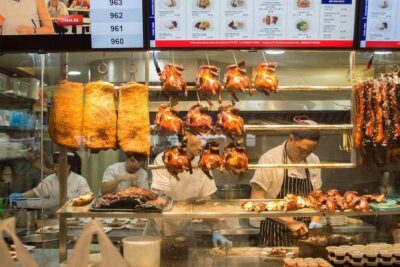
Small Group: Michelin and Local Hawker Food Tour with 9 tastings
What we made of it →
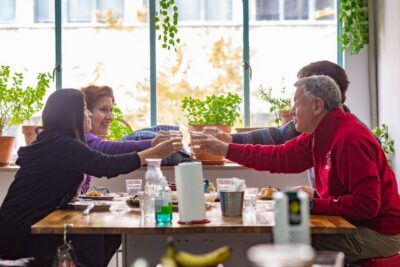
Food Market Visit and Cooking Class with Wine
What we made of it →
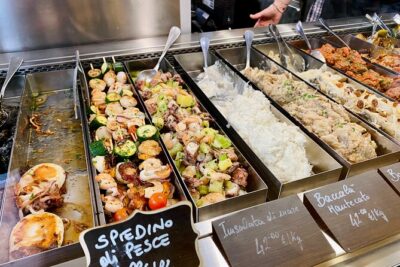
Venice Street Food Tour with Local Guide with Local Food Market Visit
What we made of it →
Cancun Taco Tour, Local Beer and Night Market with Transportation
What we made of it →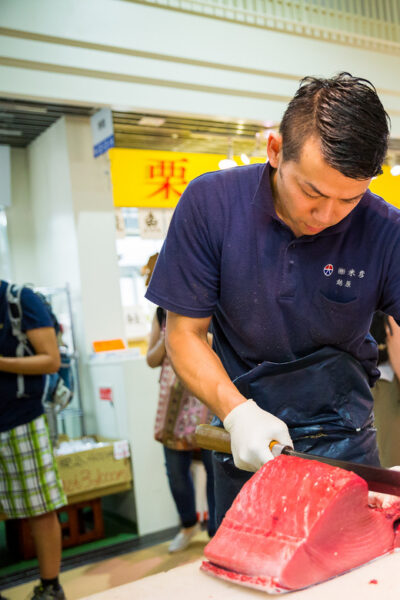
Tsukiji Fish Market Food and Culture Walking Tour
What we made of it →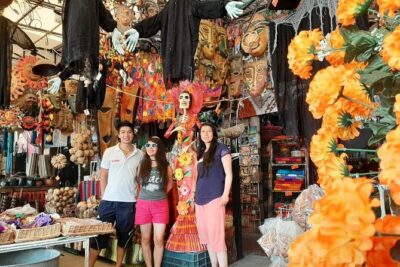
Cancun Street Food Tour with Food Stalls, Local Market and Murals
What we made of it →Where this tour turns up