
Review · TANZANIA
Arusha: Traditional Tanzania Cooking class& Food Market Tour
Food gets you closer to a place fast. This Arusha experience combines a walk through the central food market with a home-style cooking lesson, giving you two things I especially like: direct contact with local vendors and a chance to prepare the food yourself. The $45 price also includes hotel pickup, ingredients, the cooking class, and the meal.
I also like the personal feel. Guides such as Liroy and Israel explain the products and town, while chef Neema has been praised for her warm, patient approach. The main consideration is that the cooking can run long, and drinks are not included. Cleanliness may also feel more basic than you are used to, especially when meat is being prepared.
Key points at a glance
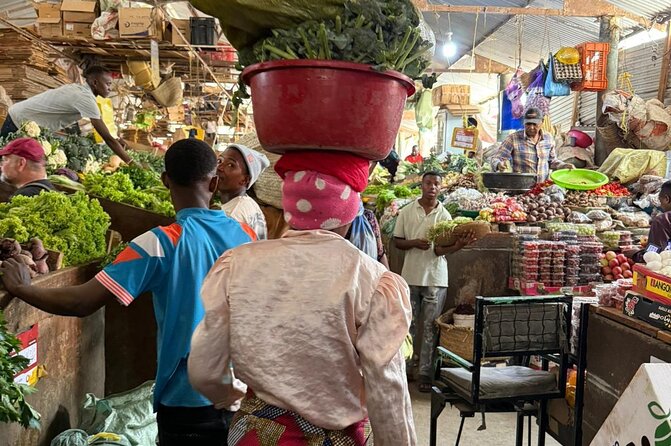
- Central market first: Spend about 30 to 50 minutes seeing dry goods, meat, fruit, vegetables, and everyday food shopping in Arusha.
- You help choose the menu: The food may include plantain banana, chapati, ugali, vegetables, and optional stewed or barbecued meat.
- Cooking takes place in a local setting: Some sessions are held in a small local house, using charcoal and propane stoves.
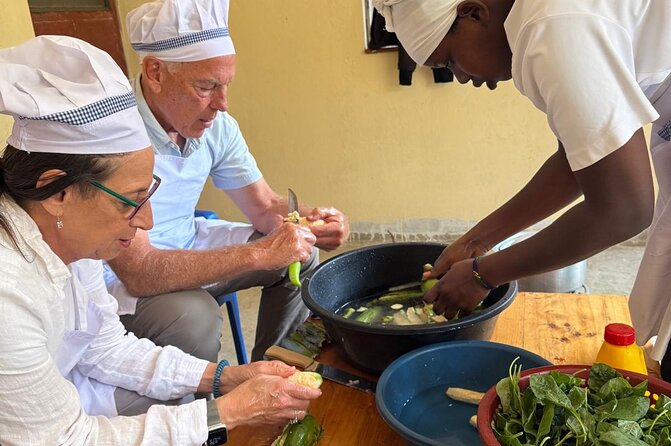
- You cook, not just watch: The chef demonstrates each step, then lets you take over the work.
- A useful five-hour outing: Pickup, market visit, cooking, eating, and return transport are included.
- Bring water and sensible clothes: Drinks cost extra, and comfortable shoes, long pants, and practical clothing are recommended.
Why this Arusha food tour is worth your time
Arusha is best known as a gateway to northern Tanzania’s parks and Mount Kilimanjaro. That makes it easy to treat the city as a place to sleep between bigger adventures. This tour gives you a reason to slow down and pay attention to daily life in town.
The experience is not built around a polished cooking school or a restaurant kitchen. You begin at a local central food market, then move into a more personal cooking setting with a local chef. That change matters. You first see how ingredients are sold, then learn how they are turned into a meal.
At $45 per person, the value is good if you want more than a market walk. You are paying for transport from a hotel near central Arusha, a guided market visit, all cooking ingredients, instruction, and a meal. Drinks are extra, and accommodation is not part of the price, but those exclusions are easy to understand.
I would not choose this for a quick two-hour activity. The full plan takes about five hours, and the cooking portion can last from one to three hours. That makes it a substantial half-day outing, not a short stop between safari plans.
More Night Market Food Tours in the world:
- Small Group: Michelin and Local Hawker Food Tour with 9 tastings
★ 5.0 · 1,890 reviews - Seoul Street Food Market Tour
★ 5.0 · 1,226 reviews - Seoul: Night Market Food Tour with Local Guide
★ 4.9 · 943 reviews
Starting with pickup near central Arusha
Pickup is offered from hotels in Arusha town, with the stated meeting area near the city center. This is useful if you do not want to arrange a taxi to a market or cooking venue yourself. The return to your hotel is also included.
The exact pace may depend on the day. One account describes traveling by tuk-tuk to the market, while the general plan simply confirms hotel pickup and drop-off. You may therefore use a small local vehicle for part of the outing, but you should confirm the pickup details when you book.
Plan to wear clothes that can handle food preparation and market dust. Comfortable shoes are important, and long pants are specifically recommended. You will be walking, standing, handling ingredients, and possibly working near charcoal or gas cooking equipment.
Seeing Arusha through its food market
The market portion lasts around 30 to 50 minutes. That is enough time to get a useful look at the food trade without turning the morning into a long shopping expedition.
You can expect to see dry foods, meat, fruit, vegetables, and other ingredients used in Tanzanian kitchens. The point is not simply to take pictures. Your guide explains what products are, how they are sold, and how they fit into local meals.
Liroy has been praised for explaining the market and the town in clear detail. He also answers questions as you walk, which helps turn a quick pass through the stalls into a better lesson in everyday life. Israel has also worked as part of the guiding team.
A market can be a busy place, so pay attention when people are carrying heavy loads. One guide was particularly alert around workers moving through the walkways and helped keep a visitor out of the way. That small detail tells you something useful about the setting: this is a working market, not a display arranged for sightseeing.
You are allowed to take photos, but use good judgment. Ask before photographing a person, especially at close range. Your guide can help with local etiquette and may point out suitable subjects.
Some outings include a second, smaller market stop to buy cooking ingredients. This is a practical addition because you see the difference between exploring a major food market and shopping for the exact items you will soon prepare.
Choosing dishes and shopping for ingredients
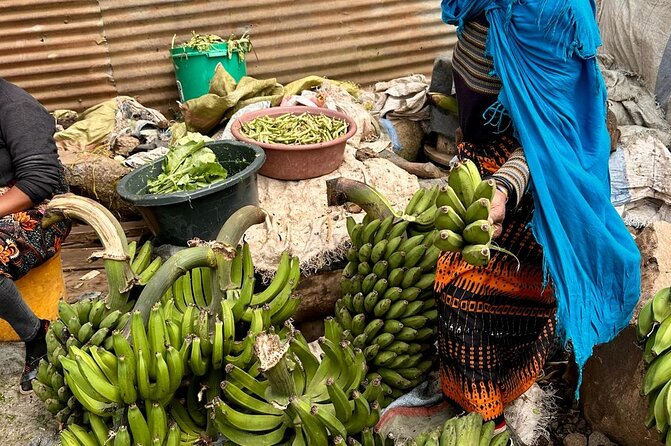
The menu centers on common Tanzanian foods rather than difficult restaurant recipes. The cooking may include plantain banana, chapati, ugali, and vegetables. If you eat meat, there may also be a stewed or barbecued dish.
The menu can be discussed while shopping. One cooking session allowed the group to choose three dishes from four local options. That kind of choice is helpful because you can focus on foods that interest you, rather than spending the whole class on a fixed menu.
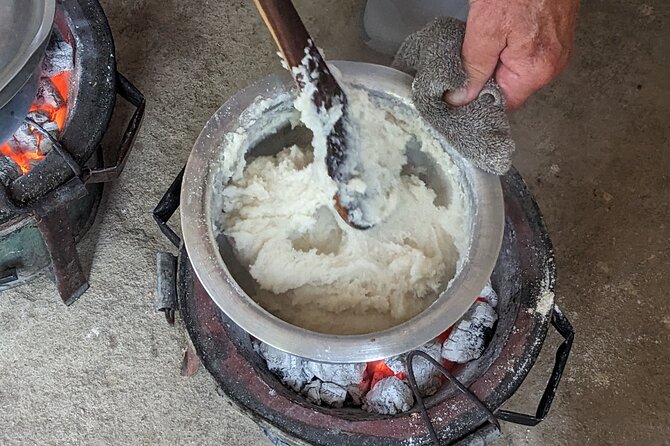
Chapati is a useful dish to learn because it involves hands-on preparation and shows how a simple staple becomes part of a meal. Ugali offers a different lesson in texture and technique. Plantain and vegetables bring sweetness and savory flavors to the plate, while meat gives you an optional extra if that suits your diet.
The exact menu is not guaranteed in the supplied information, so ask what will be prepared on your date. You should also mention dietary needs before the class begins. The listed options give you a clear idea of the food, but they do not promise vegetarian, vegan, or allergy-specific substitutions.
More Cooking Classes in the world:
- Street Food Cooking Class
★ 5.0 · 125 reviews - Eat Osaka: Street Food Cooking in an Authentic Kitchen!
★ 5.0 · 87 reviews - Syracuse: Sicilian Street Food Hands-On Cooking Class
★ 4.9 · 38 reviews - Lisbon: Portuguese street food cooking class with Drinks
★ 4.9 · 37 reviews
Cooking in a local home setting
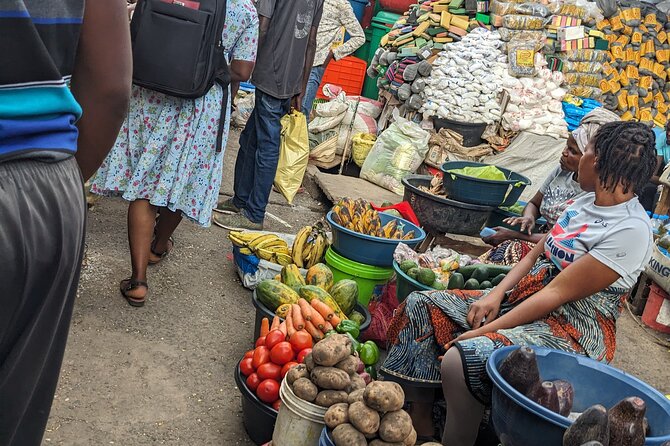
The class lasts between one and three hours. That is a wide range, but it reflects the difference between a small, quick session and a more relaxed meal prepared from several dishes.
Some sessions take place in a small local house with a washroom. Cooking has been done on both charcoal and propane stoves. This is part of the appeal, but it also means the setting is practical rather than purpose-built for international cooking classes.
Chef Neema has been praised for being friendly, patient, and well prepared. Her method is hands-on: she demonstrates a task, then lets you finish it while she moves to another part of the meal. You are not simply watching someone cook while standing in the corner.
That approach makes the class useful after you return home. You learn the order of preparation, not just the names of dishes. The experience also includes recipes and cooking skills to take home, so you can try making the food again.
The cooking may feel slower than a restaurant demonstration. Several dishes take time, and the group may be working around limited cooking space. One account found the class longer than expected but still considered the finished meal worth the wait. If you have an airport transfer, safari departure, or other fixed plan, leave a generous gap after the advertised five hours.
Eating what you prepared
After cooking, everyone sits down to eat the finished dishes. This shared meal is the natural payoff of the class. You have seen the ingredients at the market, handled them in the kitchen, and can now judge the results yourself.
The food is intended to be approachable and traditional rather than styled for a fine-dining menu. That is good news if you want practical dishes you might actually cook at home. It also gives you a better sense of how staples such as ugali, chapati, plantain, and vegetables work together.
If there is extra food, you may be able to pack some and take it back to your hotel. This is not guaranteed, since it depends on how much remains. Still, it is a useful possibility after a generous meal.
Drinks are not included. Water is available in at least some situations, but you should not count on a complimentary drink. Bring money for water or another beverage, especially if you are spending several hours walking and cooking.
Hygiene and comfort: what to know before booking
The most important practical caution concerns kitchen standards. The setting may not meet the level of cleanliness you expect in a United States or European cooking school. Soap and water may be available, but handwashing and cleaning of cutting boards may feel less thorough than you prefer.
This does not mean you should automatically reject the class. The food is fully cooked, and the experience takes place in a real local setting rather than a commercial demonstration kitchen. Still, you should be comfortable with a basic kitchen and take sensible precautions.
Wash your hands carefully when possible, especially after handling raw meat and before eating. If you have serious food allergies or a sensitive stomach, discuss your needs before booking. You can also choose the vegetable-focused dishes if that better suits you.
The tour is not designed for weapons or sharp objects, which are not allowed. Bring only what you need for the outing, and keep your belongings manageable in the market.
How the guides shape the experience
The guide makes a big difference here because the market portion depends on conversation. Liroy has been praised for being attentive, cheerful, and willing to explain both food and town life. Israel has also been part of the team, helping with the market and cooking experience.
The strongest part of the guiding is the willingness to answer questions. You can ask about products, vendors, cooking methods, or ordinary life in Arusha rather than receiving only a memorized speech.
The cooking teacher adds another personal layer. Neema has been described as warm, funny, and easy to work with. In some sessions, the guide and chef also take photos while you cook, which is useful if you want a record of the experience without constantly stopping to handle your own camera.
The atmosphere seems friendly rather than formal. That will suit you if you like meeting local people and learning through conversation. It may not suit you if you want a silent, highly structured class with exact timing and professional kitchen equipment.
Who will enjoy this five-hour experience
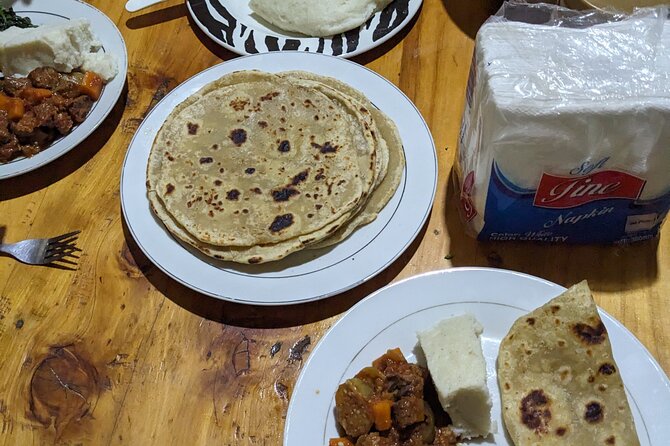
I would recommend this tour to people who want a local activity before or after a safari. It gives you a practical look at Arusha and fills a half-day without requiring a full-day excursion outside town.
It is especially good for:
- People who enjoy cooking with guidance rather than watching a demonstration
- Visitors curious about everyday Tanzanian food
- Couples, friends, and small groups who like a shared meal
- First-time visitors who want a market introduction with local explanations
- Anyone who wants recipes and skills to use at home
It may be less suitable if you have limited time, dislike basic cooking facilities, or need firm timing. The class can last up to three hours, and the full outing is advertised at five hours. You should also think twice if you are uncomfortable with raw meat preparation or simple sanitation standards.
The activity is conducted in English. The guides and chef are there to help, but you should still ask questions clearly if you need a recipe step repeated.
Booking, timing, and cancellation tips
The advertised duration is five hours, and starting times depend on availability. One itinerary description also shows a 12-hour activity label, which does not match the stated five-hour duration. I would confirm the actual pickup and return times before booking, especially if you have other plans that day.
Pickup and drop-off are included for hotels in Arusha town. Ingredients, the market visit, cooking instruction, and the prepared meal are included. Drinks and accommodation are not.
You can cancel up to 24 hours in advance for a full refund. A reserve-now, pay-later option is also offered, which helps if your safari schedule is still changing.
FAQ
How long does the Arusha cooking experience last?
The advertised duration is five hours. The market visit takes about 30 to 50 minutes, while the cooking class lasts between one and three hours.
What food will I cook?
The listed dishes include plantain banana, chapati, ugali, and vegetables. Meat may also be available as a stewed or barbecued dish.
Is hotel pickup included?
Yes. Pickup and drop-off are included for hotels in Arusha town, particularly near the city center.
Are drinks included?
No. Drinks are not included in the activity price, so bring money for water or another beverage.
What should I wear and bring?
Wear comfortable clothes, long pants, and comfortable shoes. Weapons and sharp objects are not allowed.
Can I cancel the booking?
Yes. You can cancel up to 24 hours before the experience for a full refund. A reserve-now, pay-later option is also available.
Should you book the Arusha cooking class?
Book it if you want a personal, food-centered look at Arusha and are happy with a simple local setting. The combination of market shopping, menu choice, hands-on cooking, and a shared meal gives you more substance than a standard restaurant lunch.
I especially like the chance to work with local guides and chef Neema, then take recipes home and repeat the dishes later. The price is fair for a five-hour outing with transport, ingredients, instruction, and food.
Skip it if you need strict timing, polished kitchen facilities, or included drinks. For everyone else, this is a warm and practical way to spend a half-day in Arusha, with the market and the meal giving you plenty to remember after the plates are cleared.
Just added around the world
- Zanzibar:Stone town Street food market walking tour,transfer★ 4.5 · 9 reviews
- Vienna Food Tour: Dishes, Wine, Street Food & Culture★ 4.7 · 12 reviews
- Verona: Street Food Tour and City Guided Sightseeing★ 4.9 · 11 reviews
- Xi’an: Gourmet & Street Food Tour★ 4.8 · 22 reviews
- Verona: City Highlights & Street Food Walking Tour★ 5.0 · 3 reviews
- Verona: Street Food and History Tour with Local Guide★ 4.7 · 6 reviews
- Xi’an Muslim Quarter Night Market Foodie Walking Tour★ 4.2 · 22 reviews
- Verona: street food walking tour near the historical center★ 5.0 · 2 reviews
Cooking Classes, compared.
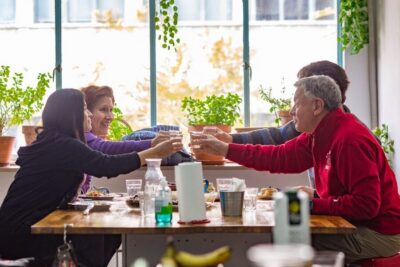
Food Market Visit and Cooking Class with Wine
What we made of it →
Mexican Cooking Class with Food Market Visit in Mexico City
What we made of it →
Food Market Shopping and Cooking Workshop in A Coruña
What we made of it →
Eat Osaka: Street Food Cooking in an Authentic Kitchen!
What we made of it →
Sicilian Street Food Hands-On Cooking Class
What we made of it →Where this tour turns up