
Review · TANZANIA
Arusha: Traditional Tanzania Cooking Class & Food Market Tour
Come hungry, leave with a better feel for Arusha. This four-hour experience links two things I like about travel: shopping for ingredients in a real local market and learning how those ingredients become lunch or dinner. I also like that the $42 price includes hotel pickup near Arusha’s city center, market shopping, the cooking lesson, and the meal you prepare.
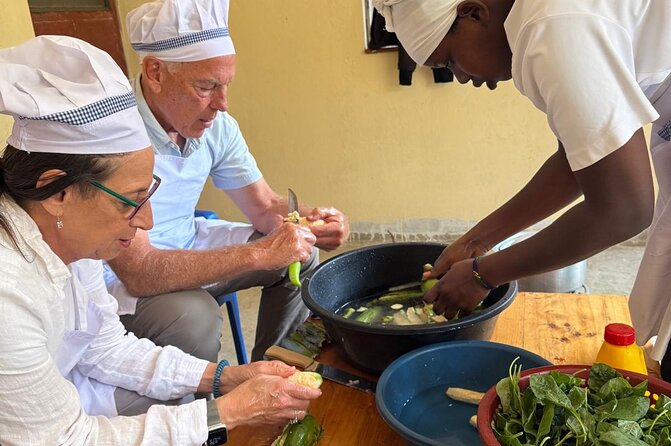
The main consideration is comfort. The cooking space is deliberately basic, with local cooking equipment rather than a polished school kitchen. You may work with charcoal burners, a gas burner, low tables, tubs, and simple utensils. That makes the experience feel closer to daily life, but it may disappoint you if you expect a modern kitchen or restaurant-style class.
Key points to know before booking
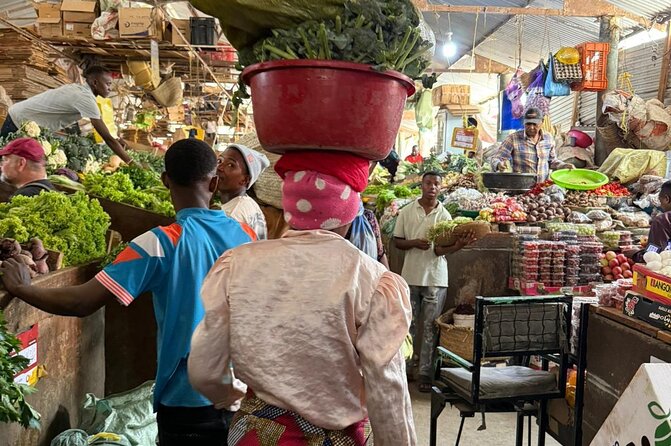
- The market comes first: You spend roughly 30 to 45 minutes at Arusha’s central food market, learning about local produce, meat, and cooking customs.
- You help choose the food: After seeing the available ingredients and dishes, you select two local foods for the cooking lesson.
- The class takes place in Sanawari: You travel from the market to the cooking location using ordinary local transport.
- The meal is included: You eat what you prepare for lunch or dinner, and takeaway food may be available.
- The setting is truly local: Expect a working kitchen with basic tools, charcoal burners, a gas burner, and low cooking surfaces.
- The guides add real value: Guides named Israel, James, Jack, Lameck, Bariki, Magret, and Fen have been praised for their warmth, enthusiasm, and explanations of Tanzanian food.
Why this Arusha food experience works
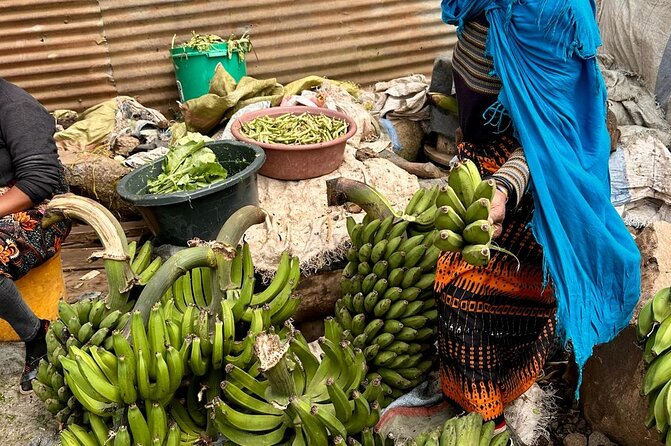
Many cooking classes begin with neatly measured ingredients waiting on a counter. This one begins where food actually enters daily life: the market. That change matters. You see produce before it is cleaned and prepared, learn how locals use it, and watch your guide explain the difference between familiar ingredients and less familiar ones.
I like the order of the day. First, you see the food. Then, you choose it. Finally, you cook and eat it. It gives the meal a clear story instead of turning the class into a simple recipe demonstration.
The experience is also a useful choice if you have limited time in Arusha. Four hours is long enough for a proper market visit and a cooking session, but short enough to fit around a safari departure, hotel stay, or other city plans. Pickup and drop-off near central Arusha make the timing easier, although you should confirm the exact pickup point when you book.
The activity is not aimed at people who want a formal culinary course. You are not promised professional knives, modern worktops, or a chef’s school setup. You are being shown how food is prepared in a local setting. That difference is the heart of the experience, but it is also the main point to consider.
More Night Market Food Tours in the world:
- Small Group: Michelin and Local Hawker Food Tour with 9 tastings
★ 5.0 · 1,890 reviews - Seoul Street Food Market Tour
★ 5.0 · 1,226 reviews - Seoul: Night Market Food Tour with Local Guide
★ 4.9 · 943 reviews
Arusha Central Market: begin with what is fresh
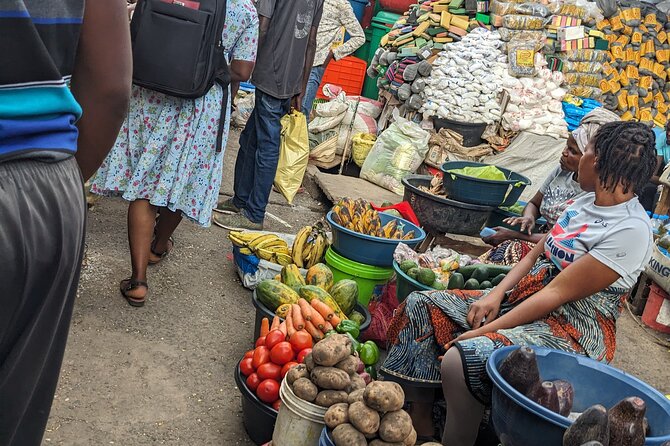
Your guide collects you from your hotel near the city center and takes you to the central food market. The market visit lasts about 30 minutes according to the planned schedule, though some experiences have run closer to 45 minutes.
That is enough time to get a strong sense of the place without turning the morning or afternoon into a long shopping trip. Your guide leads you through the market and explains the foods sold there, how they are used, and which ingredients will work best for the class.
The market is important because the food is not presented as an abstract cultural display. It is the everyday supply system for local households. You see fresh ingredients, local meat, and products largely sourced from Tanzania, along with a smaller amount brought in from outside the country.
The sights and smells are part of the lesson. You might find yourself comparing produce you recognize with foods you have never cooked before. The guide can explain how local dishes use them and help you understand what you are seeing rather than simply walking you past the stalls.
The people in the market are described as friendly and welcoming, but remember that this is a working market first. Be polite when taking photographs, follow your guide’s lead, and avoid blocking sellers or shoppers. A small amount of patience goes a long way in a place where buying food is part of normal life.
This is also where the human side of the experience begins. Guides such as Israel, James, and Jack have been praised for their friendly manner and enthusiasm. Lameck has also received praise for a warm welcome and polite service, while Magret has been singled out for holding the group’s attention during the market and cooking portions.
Choosing two Tanzanian dishes for the lesson
After the market visit, your guide explains the available local foods and cooking options. You then select two dishes from the choices offered that day.
That flexibility is a good feature. It gives you some control over the meal and lets you focus on foods that interest you. It also reflects the market itself, since ingredients and options can vary rather than following a rigid menu every day.
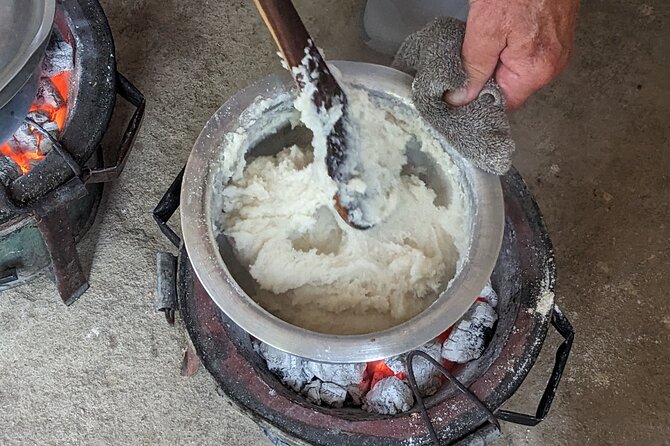
Some of the food named in the experience feedback includes ugali and ndizi. Ugali is a familiar staple in Tanzania and other parts of East Africa, while ndizi refers to a banana-based dish. The class may include these or other local choices, but the exact pair is selected on the day.
Do not expect a printed list of every possible dish in advance. The menu depends on what is available and what you choose after the market visit. If you have dietary restrictions or strong dislikes, tell the operator when booking and confirm what can be prepared.
This part of the experience works best if you stay open-minded. You are not simply selecting between two restaurant entrées. You are deciding which local foods you want to understand through preparation and eating.
From the market to Sanawari by local transport
After the market, you travel to Sanawari, the area where the cooking lesson takes place. The journey uses ordinary local transport, the kind people commonly use to move around and shop.
That detail adds cultural value, since the transfer is part of the experience rather than a private tourist bubble. It also means you should expect local transport to be more basic than a dedicated tour vehicle. If you need a high level of comfort or have mobility concerns, ask about the transport arrangement before booking.
The Sanawari portion is planned for about 1 hour and 30 minutes. The timing can feel compact once you include preparation, cooking, explanations, eating, and cleanup, so the class is best viewed as a hands-on introduction rather than a full professional course.
Your guide brings you to meet the local chef, who leads the cooking session. The emphasis is on how Tanzanian food is prepared in a normal local setting. You get to handle the ingredients and take part in the work, rather than simply watching someone cook for you.
More Cooking Classes in the world:
- Street Food Cooking Class
★ 5.0 · 125 reviews - Eat Osaka: Street Food Cooking in an Authentic Kitchen!
★ 5.0 · 87 reviews - Syracuse: Sicilian Street Food Hands-On Cooking Class
★ 4.9 · 38 reviews - Lisbon: Portuguese street food cooking class with Drinks
★ 4.9 · 37 reviews
A local kitchen, not a polished cooking school
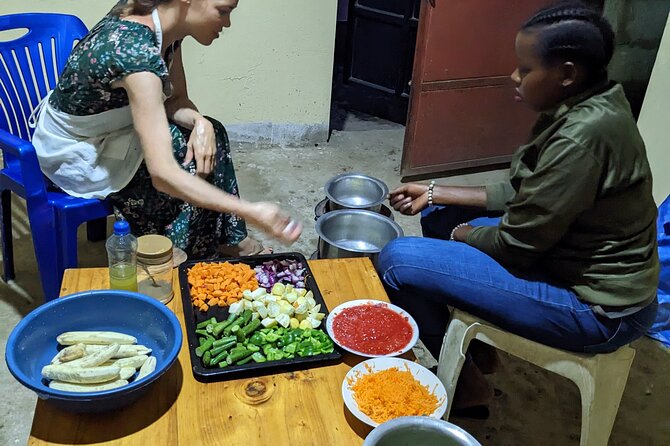
This is the part where expectations matter most. The cooking area may include a low table, two charcoal burners, a gas burner, large tubs, and basic cooking tools. You should not expect the kind of kitchen you might find in a European cooking studio.
For me, that is a strength if you want to understand daily food preparation. Charcoal cooking and low working surfaces show you more about local methods than a modern demonstration kitchen would. You see how meals are made with ordinary equipment and gain a better sense of the work involved.
It can also be physically less convenient. You may spend time standing, bending, or working at a lower height than you are used to. Washing facilities and equipment will be simple. If you prefer a clean, highly organized class with individual workstations and extensive utensils, this may not be the right match.
The class is reported to be interactive and fun, with the guides helping explain both the food and the wider culture. Israel and Fen have been praised for their friendly approach and understanding of Tanzanian cuisine. A good guide makes a large difference here, since the kitchen itself is intentionally modest.
The cooking lesson is also a chance to ask practical questions. You can learn not only what goes into a dish, but how the ingredients fit into local meals and household routines. That is the sort of information you are unlikely to get from a standard restaurant meal.
Eat what you cook, then consider takeaway
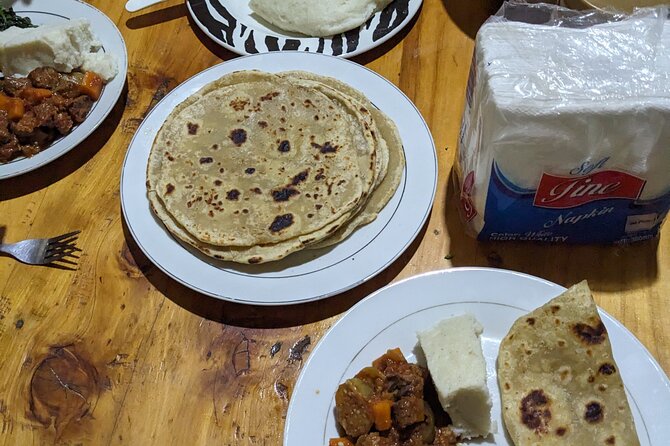
Once the food is ready, you sit down and eat the meal you helped prepare. The included meal may serve as lunch or dinner, depending on the time of your booking.
This is one of the best parts of the format. You taste the result with a clear understanding of how it was made. If you helped prepare ugali or ndizi, for example, you are likely to remember the texture, method, and ingredients more clearly than if you had simply ordered the dish.
The meal is included for the people taking part in the class. Drinks are not included, so budget separately for water, soda, or beer. You can buy drinks along the way.
Takeaway food may also be available after the meal. The information does not promise a specific quantity or packaging arrangement, so treat this as an option rather than a guaranteed extra. If you would like to take food with you, ask the guide during the class.
What the $42 price really includes
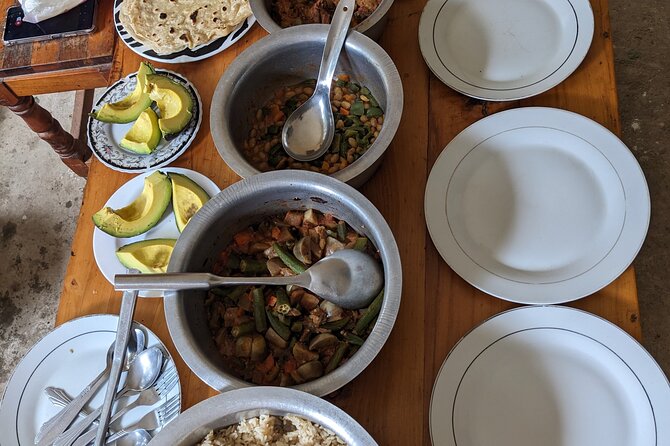
At $42 per person, this experience offers good value if you use all of its parts. The price covers hotel pickup and drop-off near central Arusha, a guided market visit, the ingredients bought at the market, local transport, the cooking lesson, and the meal afterward.
If you paid separately for a private market guide, transport, ingredients, and a meal, the total could easily approach the same amount. Here, those pieces are joined into one compact activity.
The price is especially fair for a first introduction to Tanzanian food. You get more than a recipe. You see where the ingredients are bought, learn how local dishes are selected, cook with a local chef, and eat the result.
The value is less clear if you want a long, technical cooking course. The lesson is about cultural understanding and participation, not advanced culinary training. It also does not include drinks or spices from the market, so bring a little extra cash if you want those items.
The experience is typically booked about 23 days ahead. That suggests you should reserve before your Arusha visit, especially if your schedule is tied to a safari or fixed hotel dates. The maximum group size is listed as 200 people, though the actual feel of the class may depend on the booking date and group size.
Who should book this experience
I would recommend this tour to you if you enjoy learning through food, prefer local settings to polished tourist venues, and want a manageable half-day activity in Arusha.
It suits:
- First-time visitors who want context for Tanzanian food
- Couples, families, and small groups who enjoy hands-on activities
- Food lovers who want to shop before cooking
- People with an afternoon or morning free before or after other Arusha plans
- Anyone curious about ugali, ndizi, and other local dishes
You may want to skip it if you need a modern kitchen, have difficulty using low work surfaces, or want a highly technical chef-led course. It is also not ideal if you dislike markets, ordinary public transport, or uncertain dish choices.
The tour is suitable for most people, and confirmation is provided when you book. Still, tell the operator about dietary needs and physical limitations ahead of time so you can understand what is possible.
Booking, weather, and cancellation details
Pickup and drop-off are offered at hotels near Arusha’s city center. If your hotel is outside that area, confirm the arrangement rather than assuming transport is included.
You can cancel for a full refund up to 24 hours before the start time. Changes made less than 24 hours ahead are not accepted, and payment is not refunded for late cancellations. The experience requires good weather. If poor weather causes cancellation, you are offered another date or a full refund.
Should you book the Arusha cooking class?
Book it if you want to connect Arusha’s market life with the food on your plate. The best features are the market-first format, the freedom to select two dishes, the local transport, and the chance to cook in a real working kitchen.
Go in expecting simple equipment, not a polished studio. If you accept that tradeoff, the $42 price buys a useful, friendly introduction to Tanzanian food and everyday culture. The consistently high rating, 5 out of 5 from 34 ratings, fits the experience’s strongest points: warm guides, a well-received market visit, and a meal you help create yourself.
FAQ
How long does the Arusha cooking class and market tour last?
The experience lasts approximately four hours.
Does the tour include hotel pickup?
Yes. Pickup and drop-off are included for hotels near Arusha’s city center.
Where does the market visit take place?
The tour visits Arusha’s central food market.
How long is the food market visit?
The planned market visit lasts about 30 minutes, though some descriptions place it closer to 45 minutes.
Where is the cooking lesson held?
The cooking lesson takes place in Sanawari, after the market visit.
How many dishes do I cook?
You select two local foods from the options explained by your guide on the day.
Is the meal included?
Yes. You eat the food prepared during the class for lunch or dinner.
Are drinks included in the price?
No. Water, soda, and beer are not included, but you can buy drinks along the way.
Can I cancel for a full refund?
Yes. You must cancel at least 24 hours before the experience start time for a full refund.
Just added around the world
- Zanzibar:Stone town Street food market walking tour,transfer★ 4.5 · 9 reviews
- Vienna Food Tour: Dishes, Wine, Street Food & Culture★ 4.7 · 12 reviews
- Verona: Street Food Tour and City Guided Sightseeing★ 4.9 · 11 reviews
- Xi’an: Gourmet & Street Food Tour★ 4.8 · 22 reviews
- Verona: City Highlights & Street Food Walking Tour★ 5.0 · 3 reviews
- Verona: Street Food and History Tour with Local Guide★ 4.7 · 6 reviews
- Xi’an Muslim Quarter Night Market Foodie Walking Tour★ 4.2 · 22 reviews
- Verona: street food walking tour near the historical center★ 5.0 · 2 reviews
Cooking Classes, compared.
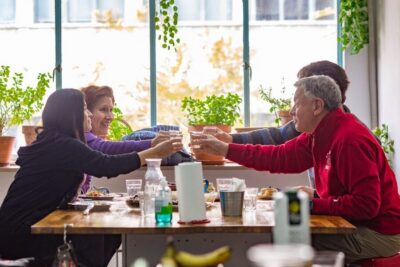
Food Market Visit and Cooking Class with Wine
What we made of it →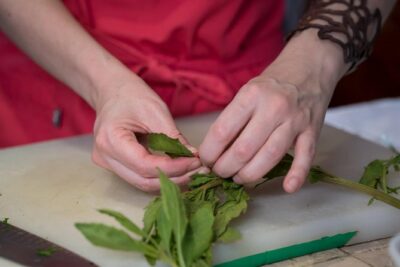
Mexican Cooking Class with Food Market Visit in Mexico City
What we made of it →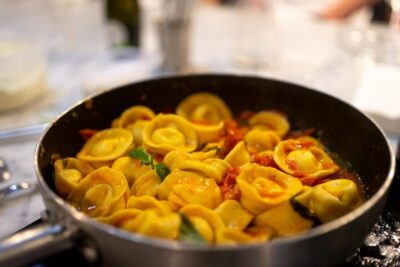
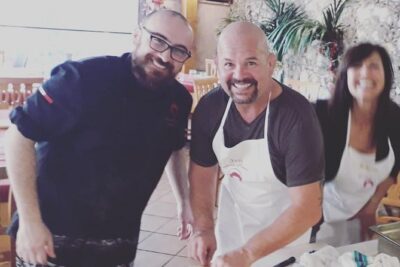
Food Market Shopping and Cooking Workshop in A Coruña
What we made of it →
Eat Osaka: Street Food Cooking in an Authentic Kitchen!
What we made of it →
Sicilian Street Food Hands-On Cooking Class
What we made of it →Where this tour turns up