
Review · SOUTH KOREA
Busan: Food Market Tour, Smash Seafoods and Street Foods
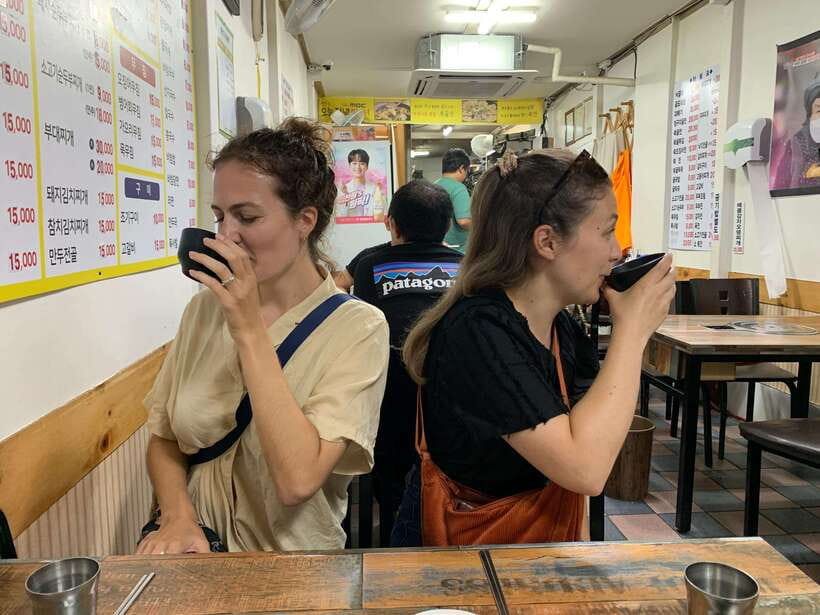
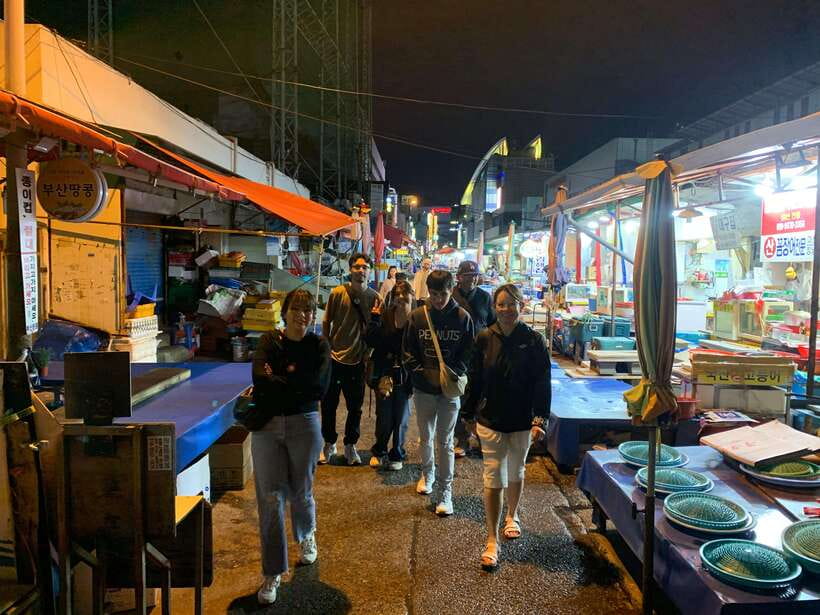
Come hungry, leave happily stuffed. This three-hour tour takes you from Jagalchi Station into Busan’s seafood and street-food districts, combining raw and cooked seafood, market snacks, Korean drinks, and useful cultural background. I like the way it gives you more than a meal: you also learn how traditional markets work and how locals order food. I also like the small-group format, limited to 10 people, which makes it easier to ask questions and try foods you might skip on your own.
The main consideration is the menu. Seafood is the star, and raw fish may be included. The tour is not a good fit for vegans or people with strict dietary limits, and the combination of soju, beer, or makgeolli may not suit everyone. Still, guides such as Hokyu, Junwoo, Doyour, and DuYeol have earned strong praise for making the evening relaxed, friendly, and easy to follow.
Key Points at a Glance
- Start at Jagalchi Station: Meet outside Exit 10, then walk into Busan’s famous market area.
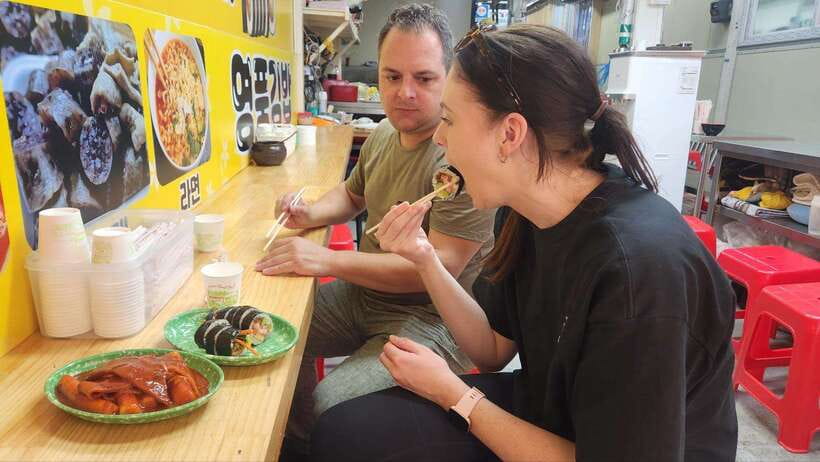
- Expect a full dinner: The food can include a seafood combo, fishcake, Korean savory pancakes, hotteok, and other local bites.
- Raw seafood may appear: Be ready for dishes you may not feel confident ordering alone.
- Drinks are part of the culture lesson: Soju, beer, and makgeolli are included, with nonalcoholic options available according to tour feedback.
- Small groups matter: With no more than 10 people, the guide can help with ordering, explain unfamiliar dishes, and adjust the meal to preferences.
- Three markets and food zones may feature: Jagalchi Market, BIFF Square, Kkangtong Market, and less obvious local spots are all mentioned in the experience details.
Meeting Your Guide at Jagalchi Station
The tour begins outside Exit 10 at Jagalchi Station. This is a practical meeting point because it puts you near the heart of Busan’s seafood district, rather than asking you to find a particular stall inside a maze of vendors.
Look for the guide outside the station, where the group gathers before setting off. The experience is offered in English and Korean, and the small size makes introductions easy. Several guides lead the tour, including Hokyu, Junwoo, Doyour, Duyer, and DuYeol. Their names may appear with slightly different spellings, but the important point is that the guide is not simply there to point at food. The guide handles conversations, explains what you are eating, and helps the group feel comfortable in places that can seem confusing at first.
I would book this tour early in your Busan stay if you want help finding your bearings around the markets. You can return later with more confidence, armed with a few Korean food words and a better idea of which dishes appeal to you.
The pace is a walking pace through market streets and food areas. Wear comfortable shoes and leave some room in your stomach. The meal is substantial enough that you may not want to plan another dinner afterward.
More Night Market Food Tours in South Korea:
- Seoul Street Food Market Tour
★ 5.0 · 1,226 reviews - Seoul: Night Market Food Tour with Local Guide
★ 4.9 · 943 reviews - Busan Food Market Tour Seafoods and Street Foods
★ 5.0 · 8 reviews
Jagalchi Market and the Seafood Feast
The seafood portion is the heart of the evening. Jagalchi is one of Busan’s best-known seafood areas, and the tour gives you a way to approach it without having to decode every sign or negotiate an unfamiliar order by yourself.
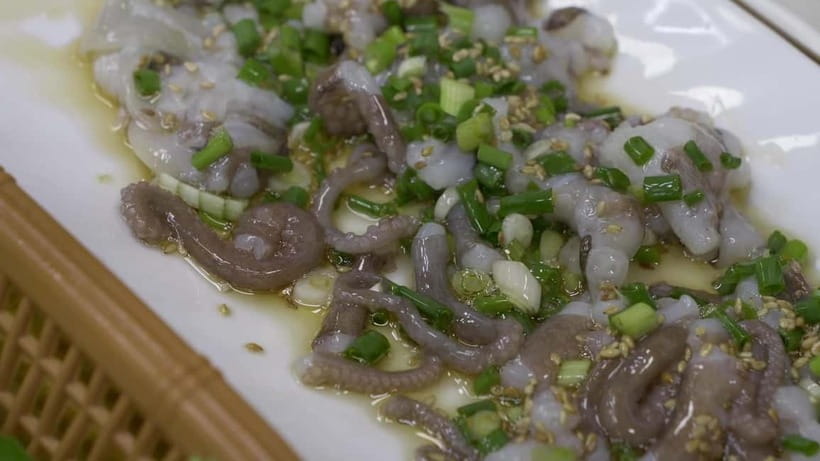
The exact seafood selection can change, but the experience includes a seafood combination and may feature raw fish. That uncertainty is part of the appeal, though it also means you should tell the guide about allergies, dislikes, or dietary restrictions before ordering. A guide can explain the choices and help shape the meal, but this is not a seafood-free tour with a few token samples.
The seafood is served as part of a shared meal rather than a quick taste at one counter. You can learn how different dishes are eaten, which side dishes go with them, and how the flavors work together. One guide was especially praised for showing how to combine dishes and side items, a small detail that can make unfamiliar food much easier to enjoy.
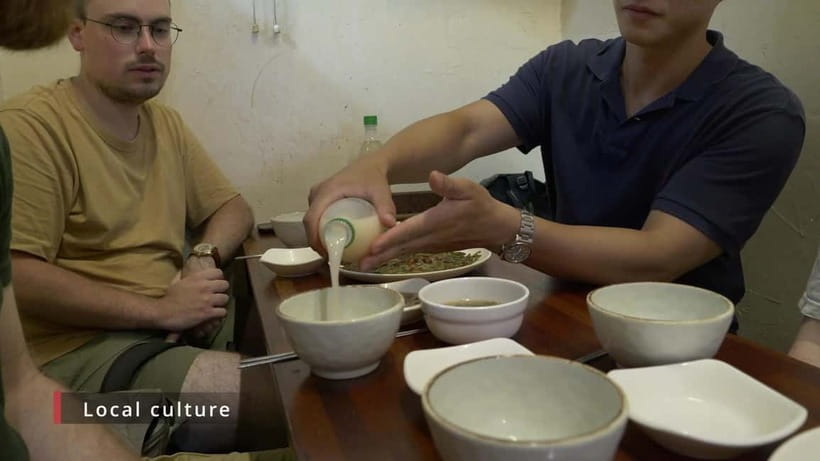
This is also where the drinking culture lesson fits naturally. Soju, beer, or makgeolli may accompany the meal. You learn that drinking in Korea is tied to social connection, shared food, and group conversation, not just the alcohol itself. If you do not drink, nonalcoholic options have been available on the tour, but you should still tell the guide clearly.
The biggest benefit here is confidence. Ordering seafood in a major Korean market can feel intimidating when you do not speak Korean. Having a local guide manage the practical side lets you focus on the food and the setting.
The limitation is that seafood preferences can vary sharply. If raw fish, unusual textures, or shellfish are a firm no, you may enjoy the street-food section more than the seafood feast.
Street Foods Around BIFF Square and Kkangtong Market
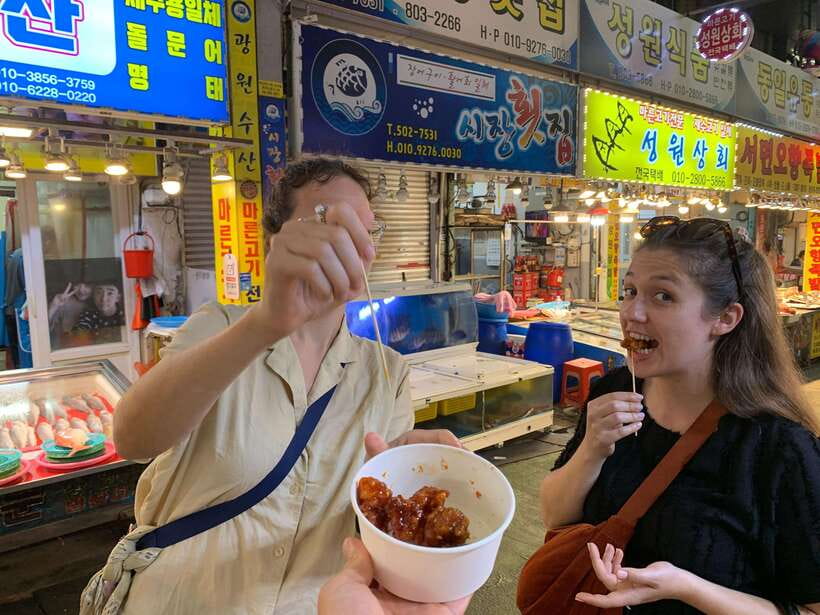
After the seafood meal, the tour moves into Busan’s street-food world. BIFF Square and Kkangtong Market are named as stops, along with other food areas where local vendors sell quick snacks and sweets.
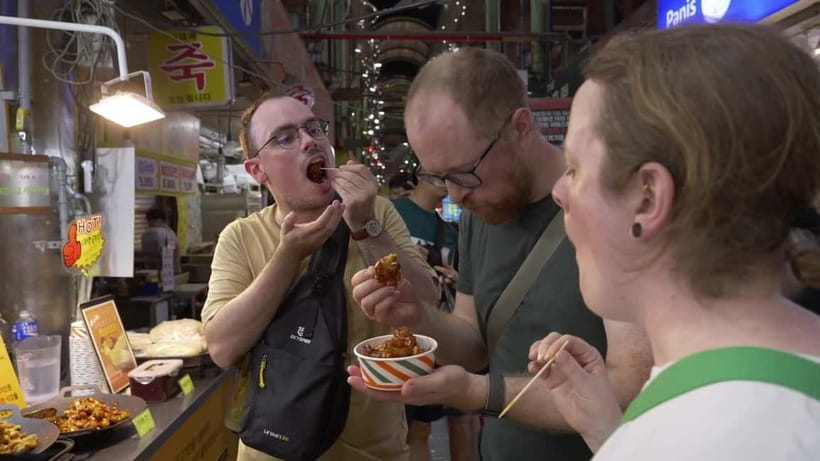
This is where the menu becomes broader. You may try Korean fishcake, savory pancakes, hotteok, and other small dishes. Hotteok, a sweet filled pancake, provides a useful change after seafood and savory foods. Fishcake gives you a classic Korean market snack, while savory pancakes show a different side of street cooking.
Do not expect every food stop to be announced far in advance. The appeal is seeing what is available and choosing a selection that works for the group. Guides have taken people to places they would not have found alone, including stalls and eateries that can be easy to pass without knowing what to order.
I like this part because it turns the market into a tasting route rather than a backdrop for photographs. You see ingredients, cooking methods, and prepared foods at close range. The guide can explain what you are looking at, answer questions about unfamiliar ingredients, and help you decide whether to try something unusual.
The markets also show two sides of Busan food culture. Seafood reflects the city’s coastal identity, while the snack stalls show how people eat casually, quickly, and socially. The contrast gives the tour more shape than a restaurant meal would.
There is a practical issue: this is a walking tour in active market areas. You may be standing while eating, moving through narrow passages, and stopping at different vendors. The experience is listed as wheelchair accessible, but anyone needing extra space or a slower route should contact the provider in advance.
Why the Market Stories Matter
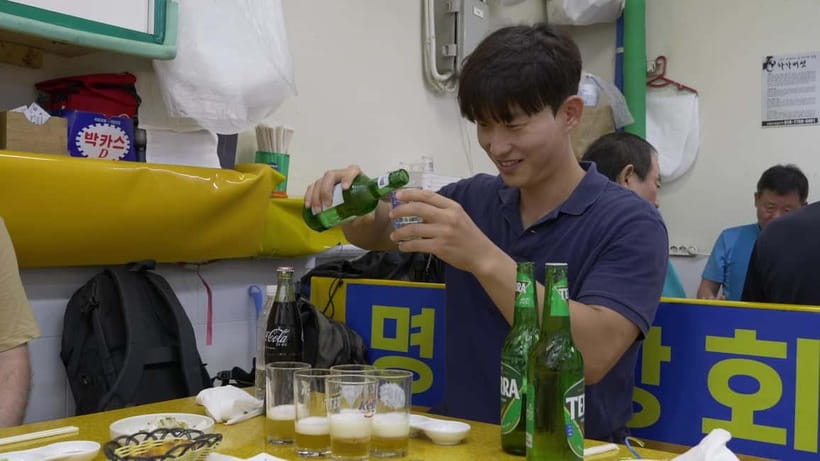
The food is the obvious draw, but the market explanation gives the tour its lasting value. You learn about the place traditional markets hold in Korean communities, including their role as food centers, meeting places, and working districts.
The guide also provides background on Busan and local life. Several guests found the historical explanations useful, particularly when walking through Jagalchi and the nearby market streets. The information does not appear to be a formal lecture. It comes while you walk, order, eat, and ask questions.
That informal style works well. You can ask about a dish as it appears in front of you, then shift to questions about Busan, Korean customs, or daily life. One couple used the meal to talk with their guide about Korean identity and adoption, while others focused on food and drink. The small group makes those conversations possible.
The market visit is also a gentle language lesson. You can practice simple Korean phrases while buying food or speaking with vendors. Do not expect a full Korean class, but you will get a chance to use a few words in a real setting, with the guide nearby if communication becomes difficult.
Haggling is included as part of the experience, though you should follow the guide’s lead. Markets differ, and respectful interaction matters more than trying to force a lower price. The point is to take part in the exchange, not turn every purchase into a contest.
Same place, a different plate:
- Seoul: Jongno 3-Ga and Ikseon-Dong Tour with Street Food
★ 3.9 · 12 reviews - Taste hidden street food in Seoul with a 2.5h food tour
★ 4.4 · 12 reviews - Seoul: Guided Street Food Tour at Namdaemun Market
★ 5.0 · 10 reviews - Street Food Fiesta in Namdaemun Market
★ 4.5 · 7 reviews
Food Quantity and Dietary Limits
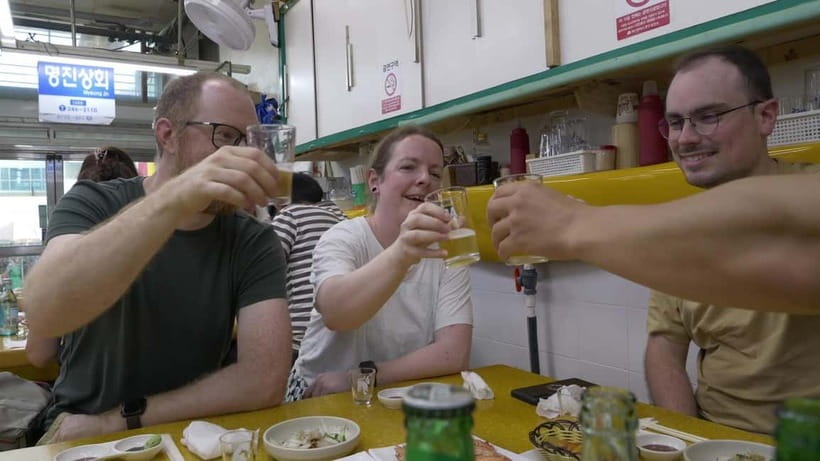
This is not a tour built around two or three tiny samples. The food is often enough for a full dinner, and several people finished the evening completely full. The meal may include three or more types of food, with the seafood combo joined by fishcake, savory pancakes, hotteok, and other market bites.
That quantity makes the price easier to assess. At $52 per person, you are paying for food, drinks, a guide, interpretation, and access to places that can be difficult to navigate alone. If you only want a few street snacks, you could spend less by exploring independently. If you want a proper meal plus help ordering and cultural context, the price is more reasonable.
The menu is not designed for every diet. The tour information specifically warns that it may not suit vegans or people on special diets. Seafood, raw fish, and shared dishes are central to the experience, so you should not book casually if you have serious allergies or strict requirements.
Nonalcoholic drinks have been available, but alcohol is part of the planned experience. If you do not drink, you can still take part in the food and culture side, but make your preference known before the meal begins.
The Guide Makes or Breaks the Evening
The strongest part of this experience is the guide’s role. A market can be fascinating, but it can also be noisy, crowded, and hard to understand. The guide connects the food to the place and keeps the group moving without making the evening feel rushed.
Hokyu, also referred to in some comments as HugYou or HoGyu, received repeated praise for warmth, humor, and flexibility. Junwoo was praised for including everyone and offering ideas for other places to visit in Busan. Doyour and DuYeol were also appreciated for clear English, local insight, and easy conversation.
You should expect a friendly host rather than a formal academic tour leader. Guides often eat and drink with the group, which helps the evening feel like a shared meal with a local friend. That style will suit you if you enjoy conversation and spontaneous questions. If you prefer a tightly scripted tour with exact dish names and fixed timings, the relaxed format may feel less structured.
The group limit of 10 is useful. A smaller party gives you more chances to ask questions, share food, and receive help with ordering. Some departures may be much smaller, even just a couple, while others include a full group.
Is $52 a Good Value?
At $52, the experience is not the cheapest way to eat in Busan. You could buy fishcake, pancakes, hotteok, and other snacks independently for less. You would also have complete control over what you eat.
The value comes from the combination. You receive a substantial food route, seafood, drinks, market access, translation help, and local explanation in three hours. You also avoid the risk of ordering a dish you cannot identify or walking past a good stall because you do not know how to approach it.
I see the price as fair for a first visit to Busan, especially if you are unsure about Korean food or cannot read the market signs. It is less compelling for experienced visitors who already know Jagalchi, BIFF Square, and Kkangtong Market and prefer to eat alone.
Free cancellation is available up to 24 hours before the tour, and you can reserve now and pay later. Starting times vary, so check the available departure before booking. If you cannot attend on the chosen day, contact the provider directly.
Who Should Book This Busan Food Tour?
I would recommend this tour to first-time visitors who want a strong introduction to Busan’s food culture without spending hours researching stalls. It is also a good choice for solo visitors and couples who want a small social group and an easy way to meet people over dinner.
Food-focused visitors will get the most from it, especially those curious about raw seafood, local drinks, and dishes that are hard to identify from a menu. The tour also suits anyone who wants more cultural context than a simple restaurant meal provides.
Families and mixed-age groups can enjoy it, but check the seafood and alcohol arrangements first. The experience is listed as wheelchair accessible, though the market setting may still require advance communication about space and pace.
I would skip it if you are vegan, have major food restrictions, dislike seafood, or do not want to eat unfamiliar textures. You may also prefer independent exploration if you want to choose every dish yourself and keep the bill lower.
Should You Book It?
Book this tour if you want Busan’s markets explained from the inside, with enough food to replace dinner and a guide to handle the tricky ordering. The best reason to go is not simply the number of dishes. It is the confidence you gain when a local guide shows you what to try, how to eat it, and why the market matters.
Skip it if raw seafood and shared drinking culture are outside your comfort zone. For everyone else, $52 buys a sociable, food-heavy introduction to a part of Busan that is much easier to appreciate when someone local leads the way.
FAQ
Where does the tour begin?
The meeting point is outside Exit 10 of Jagalchi Station.
How long does the experience last?
The tour lasts three hours and returns to Jagalchi Station.
What food is included?
The tour includes three or more types of food. Examples include a seafood combo, fishcake, Korean savory pancakes, hotteok, and other local snacks.
Are drinks included?
Yes. Soju, beer, or makgeolli are included. Nonalcoholic options have also been available.
Is the tour suitable for vegans or special diets?
The tour may not be suitable for vegans or people with special dietary needs because seafood and other animal-based foods are central to the experience.
What languages are offered, and how large is the group?
The tour is offered in English and Korean, with groups limited to 10 participants.
Just added around South Korea
- Hidden Street Food food tour in Seoul★ 5.0 · 4 reviews
- Street Food Tour in Jongno, Heart of Seoul★ 5.0 · 5 reviews
- Street Food Fiesta in Namdaemun Market★ 4.5 · 7 reviews
- Flavors of Seoul: Grandma’s Handmade Noodles to Night Market Tour★ 5.0 · 4 reviews
- 4 Hours UNESCO Palace and Street Food Tour in Seoul★ 5.0 · 7 reviews
- Jagalchi Sunset Cruise and Night Market Tour in Busan★ 3.5 · 2 reviews
- Visit Busan night market and enjoy the night view of Busan harbor★ 5.0 · 6 reviews
- Busan Food Market Tour Seafoods and Street Foods★ 5.0 · 8 reviews
Night Market Food Tours, compared.
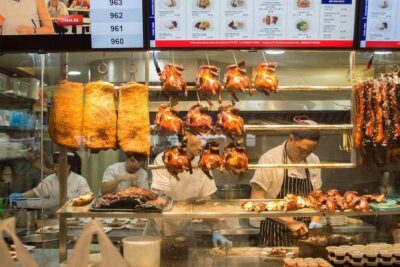
Small Group: Michelin and Local Hawker Food Tour with 9 tastings
What we made of it →
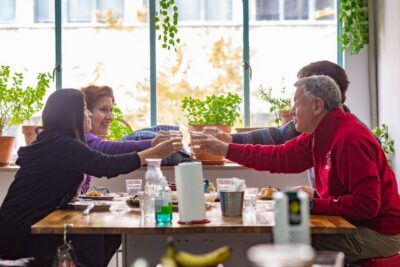
Food Market Visit and Cooking Class with Wine
What we made of it →
Venice Street Food Tour with Local Guide with Local Food Market Visit
What we made of it →
Cancun Taco Tour, Local Beer and Night Market with Transportation
What we made of it →
Tsukiji Fish Market Food and Culture Walking Tour
What we made of it →
Cancun Street Food Tour with Food Stalls, Local Market and Murals
What we made of it →Where this tour turns up