Review · DUBAI
Dubai: Old Town Walking Tour with Abra Cruise & Street Food
Old Dubai rewards slow feet. This $26 walking tour brings you through Al Fahidi’s old lanes, past wind towers and historic walls, then across Dubai Creek by abra. I especially like the mix of local history and daily culture, plus the included Arabic coffee, street food, water, and camel milk chocolate. The main consideration is the heat: you will walk outdoors, and the route is not suitable for wheelchairs, strollers, or people with mobility impairments.
I also like that you get a guide in the souks, where shopping can feel confusing without help. Guides such as Muhammad Bilal, Muhammad, and Abdullah have been praised for clear explanations, friendly care, and practical bargaining advice. The tour is small-group or private, but you should still expect some walking and a little market pressure.
Key points at a glance
- Al Fahidi in detail: See Arabian-style homes, wind towers, the Old Mosque, the remains of an old wall, museums, galleries, and a coffee museum.
- Abra across Dubai Creek: The short water-taxi ride is one of the tour’s most memorable changes of pace.
- Food is included: Expect Arabic coffee, street food, water, and camel milk chocolate at no extra charge.
- Souk guidance: Your guide can explain the Textile Souk, Gold Souk, and Spice Market, including how to approach bargaining.
- Flexible format: Choose a private outing or join a small group, with English and Spanish available.
- Useful planning detail: Meet at Wokyo Noodle Bar in Al Seef at least 10 minutes early, and bring sun protection and comfortable shoes.
Why old Dubai is worth your evening
Dubai is often presented through glass towers, giant malls, and polished attractions. This tour takes you somewhere quieter and more revealing. In Al Fahidi, the city feels tied to the creek, trade, family homes, coffee, craft, and religious life.
I like this area because the buildings are not just backdrops for photographs. Some old structures now hold museums, art galleries, and a coffee museum, giving you a reason to pause inside as well as outside. The narrow lanes and shaded passages also offer a useful contrast to modern Dubai.
The tour helps connect separate sights into one story. You see how houses were built, where an old wall once ran, how goods moved through the creek, and why gold, fabric, and spices remain central to the souks. That context is the real value of a local guide.
You can book a private experience or join other people in a small group. The smaller format should make it easier to ask questions, although the exact feel depends on the guide and the group on your date. Several guides have made a strong impression, especially Muhammad Bilal, Muhammad, and Abdullah. Their approach is described as friendly, clear, and personal rather than rushed.
More Old Quarter and Medina Food Walks in Dubai:
- Dubai: Old Town, Creek, Museums, Souks, & Street Food Tour
★ 4.8 · 10,816 reviews - Dubai: Old Town, Souks, Street Food, Guided Tour & Abra Ride
★ 4.9 · 7,170 reviews - Dubai: Old Town, Souks, Street Food, Guided Tour & Abra Ride
★ 5.0 · 1,664 reviews
Starting at Al Seef and entering Al Fahidi
The meeting point is in front of Wokyo Noodle Bar in Al Seef. Arrive at least 10 minutes before departure. Sharaf DG Metro Station on the Green Line is the closest metro stop, and the meeting point is a short walk from there. You can also enter Wokyo Noodle Bar, Al Seef, into a taxi or ride-hailing app.
Al Seef is a practical place to begin because it puts you near Dubai Creek and the historic district. You do not need hotel pickup unless you select the private option, so allow time for your own trip to the starting point. This is not a door-to-door excursion.
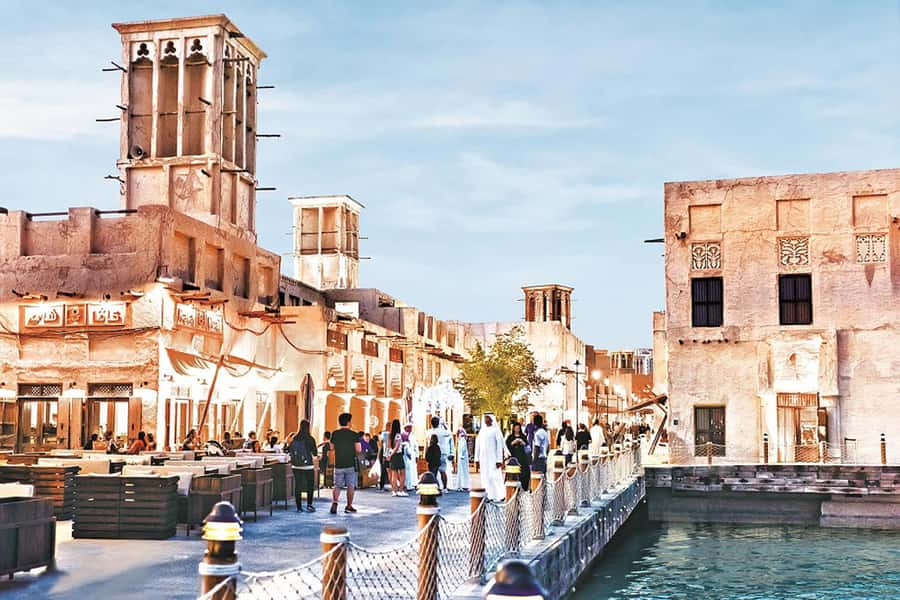
Once the walk begins, the guide leads you into the Al Fahidi District. The old buildings use Arabian design, with wind towers that once helped move air through homes before modern cooling systems. You will see textured walls, wooden details, narrow lanes, and courtyards.
The architecture is appealing, but do not expect a preserved medieval town. Dubai’s old quarter has been restored and adapted for modern use. That is part of its interest. A gallery may sit inside one building, while a museum or café occupies another. The district works best when you view it as a living heritage area rather than a frozen museum set.
The Old Mosque and wall remnants
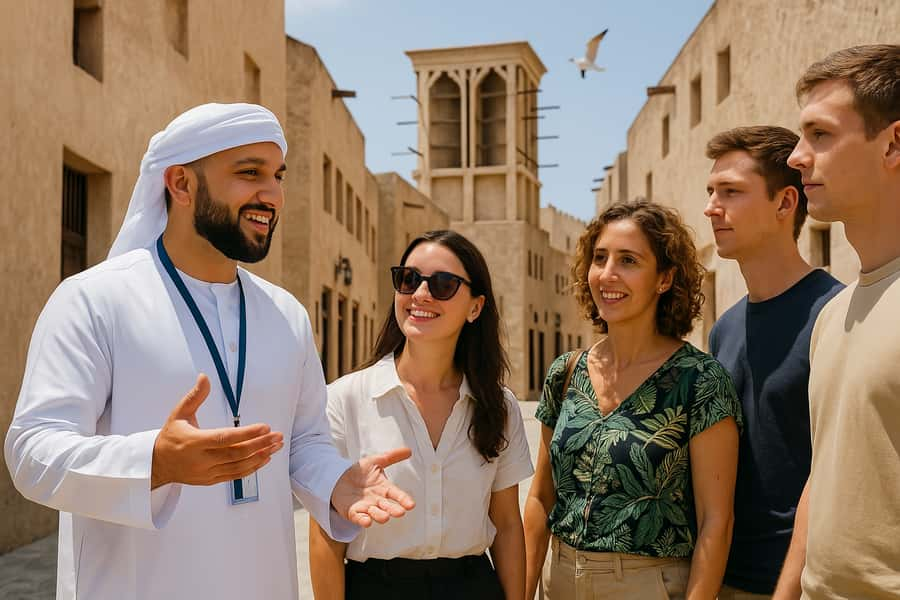
The route includes a stop near the Old Mosque. This is a chance to look at a religious building within the neighborhood rather than treating it as a quick photo stop. Your guide can explain how the mosque fits into local community life and point out architectural details you could easily miss alone.
The remains of an old wall, built around 1800 AD, add another piece to the story. The fragment is not a huge fortification, so keep your expectations in check. Its value comes from what it tells you about the scale and concerns of early Dubai, when the settlement needed defined boundaries and protection.
This is where a guide earns the fee. A wall fragment can take seconds to photograph, but a good explanation gives it meaning. Muhammad and Abdullah have been praised for explaining more than the sights themselves, including the culture and history behind the buildings.
Museums, galleries, and the coffee stop
The walk passes structures now used as museums and art galleries, including a coffee museum. The itinerary also includes the Dubai Museum, where you can see relics and artifacts connected with Emirati civilization.
The museum portion adds indoor interest to an outdoor walk. It also breaks up the heat, though the exact amount of time available at each stop can depend on the group and the guide. If museums are your main reason for booking, confirm what is open on your chosen date rather than assuming every building will have the same access.
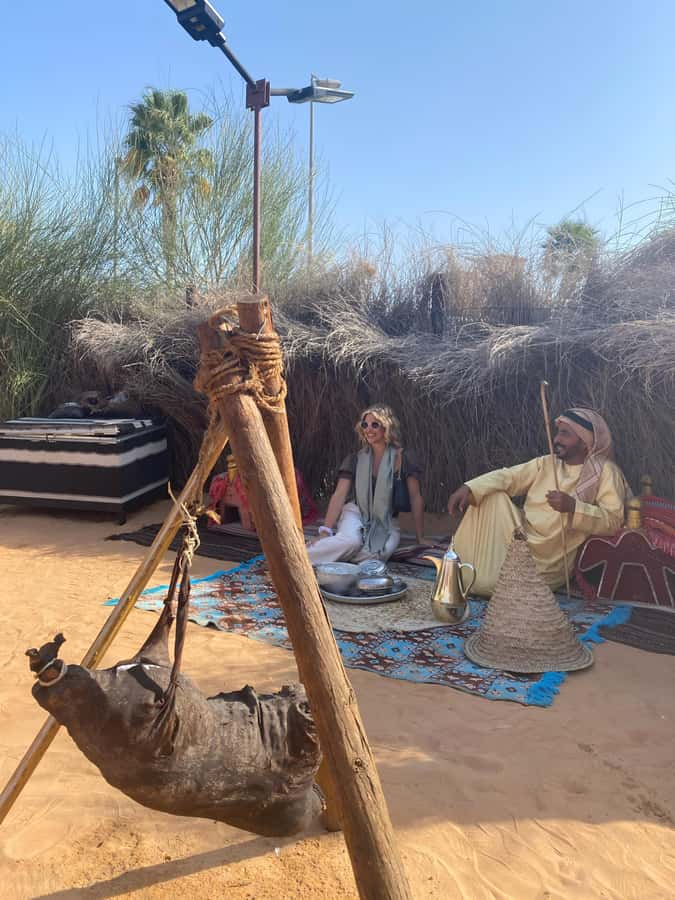
Coffee has a special place in the region’s social customs, and the included Arabic coffee gives you a small taste of that tradition. Do not think of it as a full tasting session. It is a simple but useful cultural detail, especially when your guide explains how hospitality works in the UAE.
The included water matters more than it sounds. You are walking in a sunny climate, and the advice to wear a hat, sunglasses, light comfortable clothing, and good shoes is practical rather than decorative.
More Food Cruises and Boat Rides in Dubai:
- Dubai: Premium Old Town, Street Food, Souks & Boat Ride Tour
★ 4.9 · 262 reviews - Guided Tour to Marble Mountains & Hoi An Walking Tour , Night Market, Boat Ride
★ 5.0 · 218 reviews - Hoi An Night Market with Hoi an walking Tour , Colourful Lanterns, Boat Ride
★ 5.0 · 142 reviews - Private Shanghai Evening Street Food Walking and Cruise Tour
★ 5.0 · 123 reviews
Textile Souk: color, fabric, and shopping advice
The Textile Souk brings the tour into a more commercial setting. Expect displays of traditional fabrics in many colors, with vendors selling cloth and related goods. It is a good place to see how the old trading district still functions as a market.
This stop may appeal to you even if you are not planning to buy anything. The colors, patterns, and close-set shops make it a lively part of the walk. At the same time, market visits can feel more pressured than museum stops. You are free to browse, but be ready for sales conversations.
Your guide’s role is useful here. Nicole praised the shopping advice from her guide, and other accounts describe guides helping people approach vendors and negotiate better prices. That does not guarantee a bargain, and you should still decide what you want to spend before agreeing to buy.
The best approach is simple: ask the price, compare a few shops, and walk away politely if the amount is too high. You will likely enjoy the souk more if you treat bargaining as part of the local shopping culture rather than a test you must win.
Crossing Dubai Creek by abra
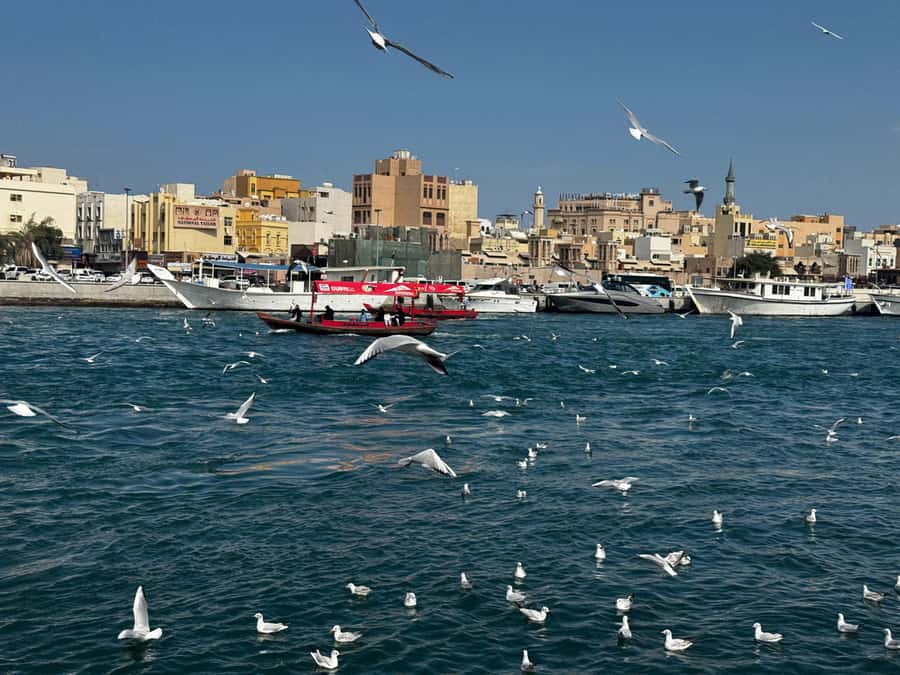
The traditional abra ride is the tour’s clearest change of scenery. Instead of continuing on foot, you board a water taxi and cross Dubai Creek to Deira. The ride is short, but it gives you a different view of the historic waterfront and the movement between the two old districts.
I like this inclusion because it is both transport and experience. You are not being driven past the creek on a bus. You are using a traditional local boat and seeing the waterway that helped shape Dubai’s trade.
The abra is open to the elements, so your hat and sunglasses are useful here too. Keep your belongings secure and avoid bringing large bags. Large luggage is not allowed on the tour, and a bulky bag would be awkward during the walking and boat portions anyway.
The water crossing also helps the itinerary feel varied. You begin with architecture, shift to markets and museums, then use the creek to reach the Gold Souk and Spice Market. It is a well-paced sequence for an evening outing.
Gold Souk: spectacle with a shopping edge
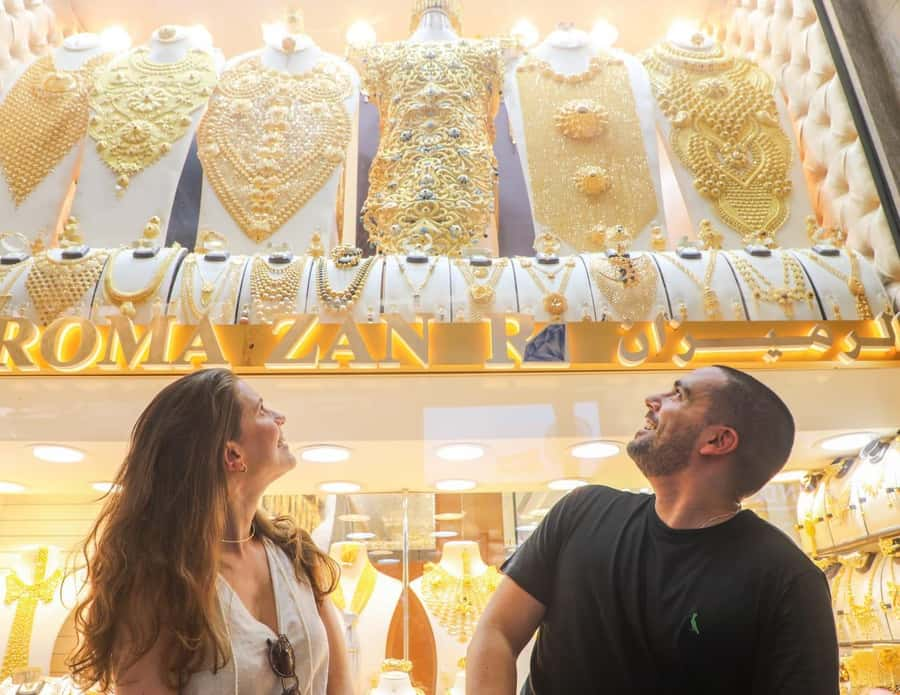
On the Deira side, the tour visits the Gold Souk, one of the world’s largest gold retail markets. The displays are designed to catch your eye, with gold jewelry arranged in shop windows and counters along the market streets.
You do not need to buy anything to enjoy this stop. The Gold Souk is worth seeing for its scale and for the way jewelry is presented as a major part of the shopping district. If you do want to purchase something, ask your guide about local customs and pricing before you start.
This is another point where a local guide can make you feel more at ease. The market can be intimidating if you do not know how shops work or how to compare prices. A guide cannot remove the need for your own judgment, but can help you understand the setting and avoid feeling lost.
Keep in mind that the Gold Souk is a retail market, not a quiet historical monument. Expect sales pitches and a commercial atmosphere. That is not a flaw, but it is different from the calm lanes of Al Fahidi.
Spice Market and included street food
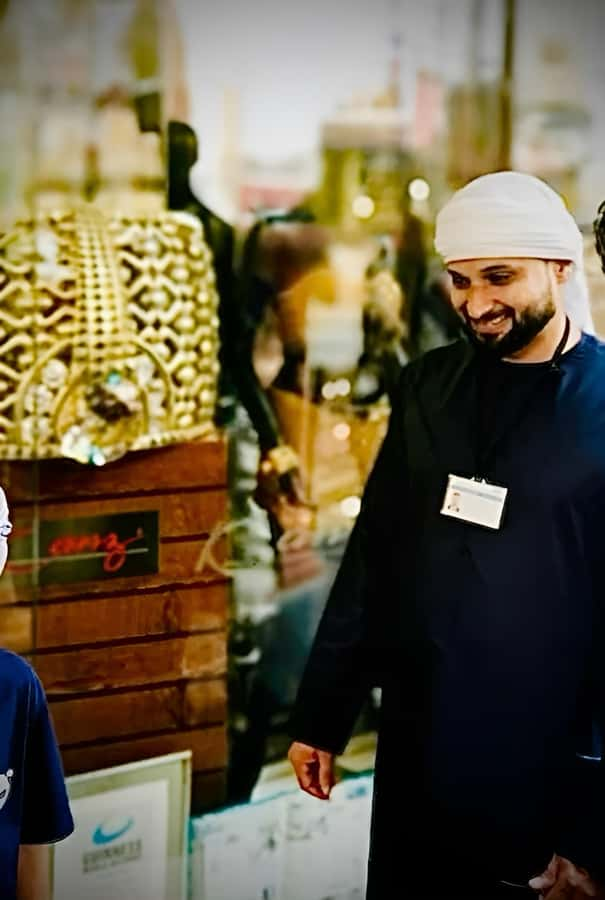
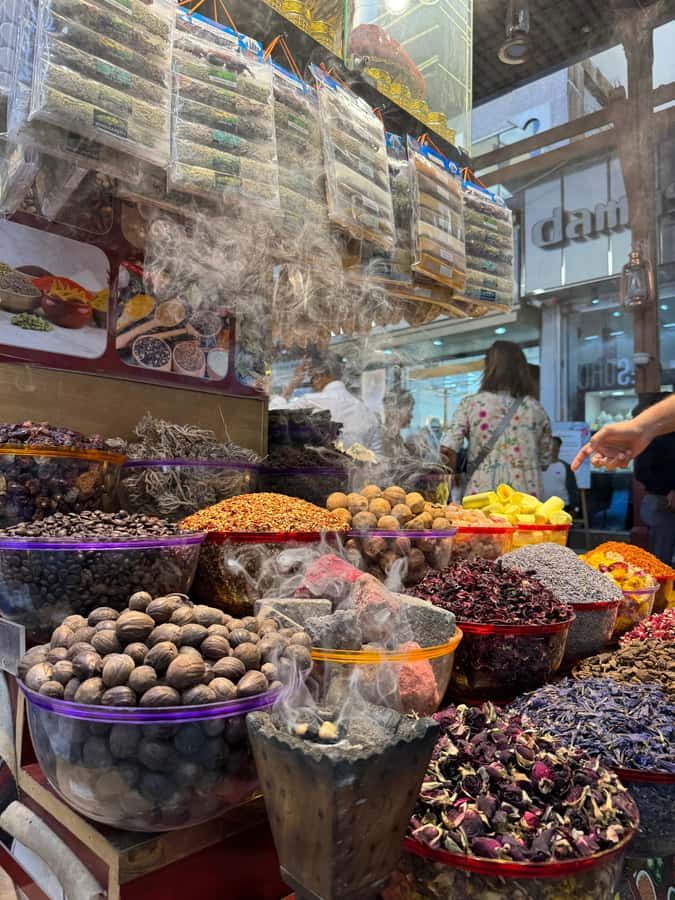
The Spice Market provides the strongest sensory finish. You will see vendors selling spices and other food products associated with Middle Eastern cooking. The smells and colors make this a more hands-on stop than the architecture earlier in the walk.
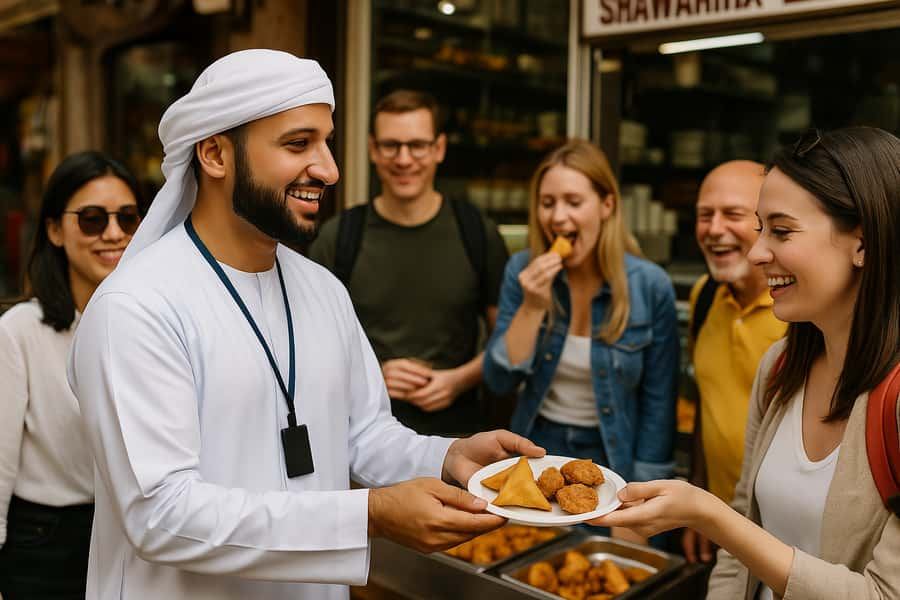
Street food is included, along with camel milk chocolate. The food helps turn the market visit into more than window shopping. You can try flavors and products while your guide explains what you are seeing.
The information provided does not specify exactly which street foods are served, so I would not book this as a full meal or a food-focused tasting tour. Think of the food as a cultural sample built into a walking tour. You may still want to eat before or after, depending on your appetite and departure time.
Arabic coffee, street food, and camel milk chocolate give the $26 price more weight. You are not paying only for a guide and a walk. You also receive the abra ride, water, and several small food experiences. For someone who wants a first look at Old Dubai, that is a fair package.
What the price really buys you
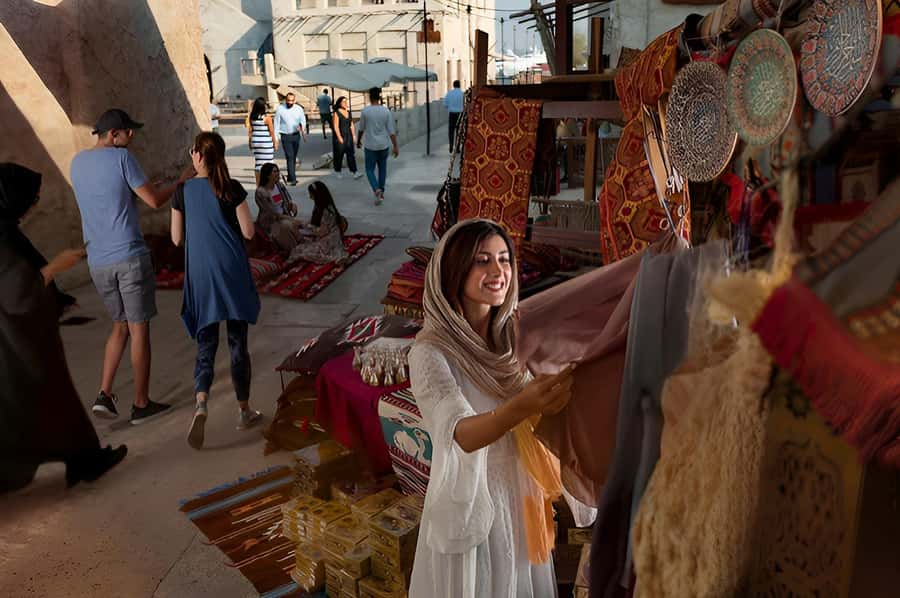
At $26 per person, the tour is priced below many private sightseeing experiences in Dubai. Its value is not in luxury transport or long museum access. It comes from combining several small pieces of Old Dubai in one guided route.
You pay for:
- A local guide
- Walking visits in Al Fahidi and the souks
- The abra water-taxi crossing
- Arabic coffee
- Street food
- Water
- Camel milk chocolate
You do not pay for hotel pickup or drop-off unless you choose the private option. That keeps the base price low, but you must arrange your way to Al Seef.
I would consider this good value if you want orientation, local context, and a taste of the old districts in one outing. It is less suitable if you prefer to spend a long time inside one museum, shop without any guidance, or move at a very slow pace.
The strongest praise has gone to the guides rather than to any single monument. Muhammad Bilal is described as educational, entertaining, and attentive to the food as well as the history. Muhammad has been praised for being friendly, clear, and careful with the group. Abdullah is also described as an excellent guide. These personal touches matter because the route itself can be followed without a tour. The explanations and market help are what you are really buying.
Timing, comfort, and who should book
One evening option runs from 5 to 8 pm, according to the experience details shared by a participant. That timing makes sense in Dubai, since you get some relief from the strongest daytime heat and see the old district after the day’s work has eased. Exact availability can vary, so check your selected departure.
The walk is described as manageable rather than exhausting. One person specifically found it not too long or tiring. Still, you should wear comfortable shoes and be ready to walk on ordinary streets and market surfaces.
Bring:
- Comfortable shoes
- Sunglasses
- A sun hat
- Comfortable clothing
Do not bring luggage or a large bag. Baby strollers are not allowed. The tour is not suitable for children under two, people with mobility impairments, or wheelchair users.
I would recommend it to first-time Dubai visitors who want more than skyscrapers, couples looking for a culture-focused evening, and people who enjoy markets but want help understanding them. It also suits anyone who likes food samples, short transport rides, and a guide who can answer questions.
I would look elsewhere if you need step-free access, dislike bargaining, want a full dinner, or have only a short amount of walking tolerance. The tour covers several districts and uses both footpaths and an abra, so its variety comes with physical demands.
Should you book the Old Dubai walk?
Book this tour if you want an affordable introduction to Al Fahidi, Dubai Creek, and the traditional markets in one outing. The combination of old architecture, Arabic coffee, street food, camel milk chocolate, and the abra ride gives you a rounded first look at the city’s older side.
The best reason to book is the guide. A strong guide can turn a wall remnant, a wind tower, or a spice stall into part of a larger story. The experience is particularly appealing when you want help with souk etiquette and bargaining, not just directions.
Skip it if your priority is luxury, a private vehicle, or a long museum visit. Otherwise, the $26 price offers a practical way to see a side of Dubai that the modern skyline cannot show you.
FAQ
Where does the Old Dubai walking tour begin?
The tour begins in front of Wokyo Noodle Bar in Al Seef. The closest metro station is Sharaf DG Metro Station on the Green Line.
How early should I arrive?
You should arrive at least 10 minutes before the scheduled start time.
Is the abra ride included?
Yes. The traditional abra water-taxi trip across Dubai Creek is included in the tour.
What food and drinks are included?
The tour includes Arabic coffee, street food, water, and camel milk chocolate.
Is hotel pickup included?
Hotel pickup and drop-off are not included unless you select the private option.
Which languages are available?
The tour is available in English and Spanish.
Is the tour suitable for wheelchair users or people with mobility impairments?
No. The experience is not suitable for wheelchair users or people with mobility impairments. Baby strollers and luggage or large bags are also not allowed.
Just added around Dubai
- Original Street Food Tour of Dubai★ 4.5 · 41 reviews
- Dubai Street Food Tour★ 5.0 · 5 reviews
- Old Dubai Walk, Souk, Street Foods, Al Fahidi and Al Seef Tales★ 4.0 · 9 reviews
- Private Dubai Street Food Tour .★ 4.5 · 7 reviews
- Dubai Souks, Museum, Street Food Walking Tour with Hotel Transfer★ 4.5 · 7 reviews
- Local Street Food and Guided Walking Tour of Dubai Old Town★ 5.0 · 37 reviews
- Private Dubai Old Town Tour,street food,Boat & Museums★ 5.0 · 6 reviews
- Old Dubai Guided Tour With Photographer: Souks & Street Food★ 4.9 · 74 reviews
Food Cruises and Boat Rides, compared.
Premium Old Town, Street Food, Souks & Boat Ride Tour
What we made of it →
Guided Tour to Marble Mountains & Hoi An Walking Tour , Night Market, Boat Ride
What we made of it →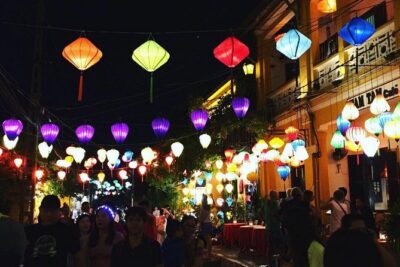
Hoi An Night Market with Hoi an walking Tour , Colourful Lanterns, Boat Ride
What we made of it →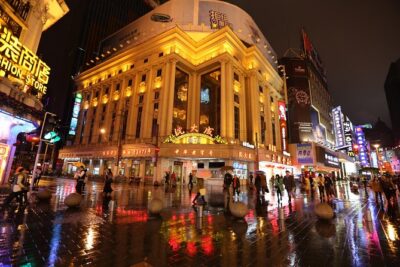
Private Shanghai Evening Street Food Walking and Cruise Tour
What we made of it →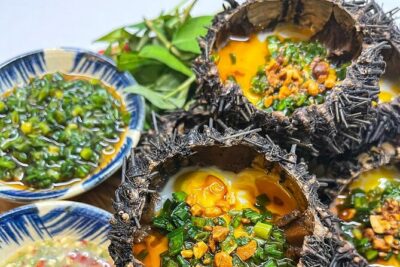
Da Nang By Night: Seafood dinner, night market and cruise trip
What we made of it →
HoiAn Walking Tours Night market, Colourful Lanterns, Boat Ride
What we made of it →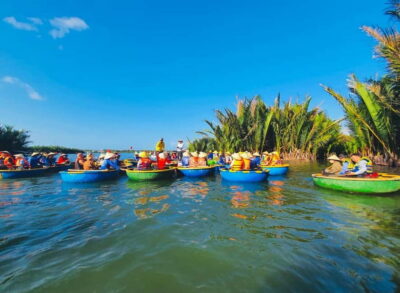
Hoi An Old Town Tour, Night Market & Boat Ride
What we made of it →