
Review · HONG KONG SAR
Hong Kong Private Food Tour with Michelin Street Food
Hong Kong tastes better on foot. This private food tour links six or more local foods with stories about migration, trade, fishing, tea, and everyday Cantonese life. I like the mix of well-known dishes and less familiar tastes, and I like that the route uses public transport and market streets rather than keeping you inside one restaurant. The main consideration is price: at $295.19 per person, it is costly for a four-hour food walk, especially for a solo guest.
Guide Kiyo brings a personal connection to the city, having grown up in Hong Kong and worked as an online media host. I also like the private format, since the food stops can be adjusted to personal preferences. Just note that the tour is described as both three and four hours, so you should allow about half a day.
Key points about this Hong Kong food tour
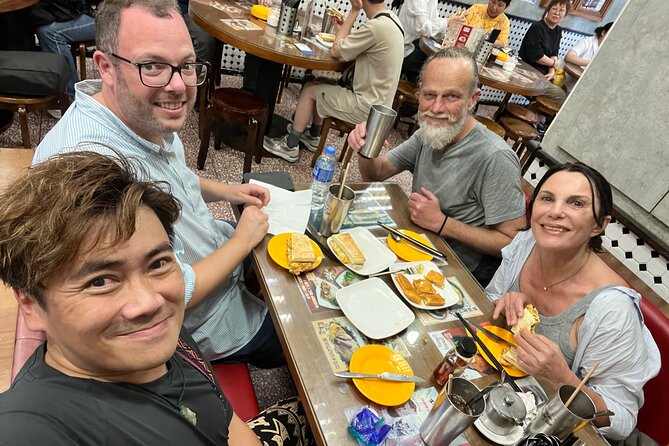
- At least six food tastings: Try dim sum, wontons, dace fish balls, rice rolls, herbal jelly, French toast, milk tea, and other local specialties.
- Three Michelin-recommended foods: The route includes famous wontons and dace fish balls at Tsim Chai Kee Noodle, along with other respected local stops.
- Nine Central and Sheung Wan stops: The walk covers Queen’s Road Central, Graham Street Market, Bonham Strand, and the Sheung Wan Market and Cooked Food Centre.
- Food comes with context: You learn how Cantonese tea, dried seafood, fishing, rice dishes, and northern Chinese immigration shaped the city’s eating habits.
- A genuinely private experience: Only your group takes part, with pickup offered and public transport costs included.
- Best for curious eaters: This suits you if you want stories and local background along with your lunch, not just a quick succession of snacks.
Why this food walk is different
Many food tours simply move from one famous shop to the next. This one tries to explain why Hong Kong eats the way it does. The city sits at the mouth of the Pearl River, and its food reflects Cantonese traditions, local seafood, Chinese migration, British influence, and the practical habits of a crowded port city.
That gives the tour a useful thread. Rice becomes congee or zha leung. Tea becomes both a daily drink and a form of traditional medicine. French toast borrows the look of Western food while using inexpensive local ingredients. The food is not treated as a collection of odd bites. It is used to explain how Hong Kong changed.
You should also expect a walking tour through busy urban streets, market lanes, and older commercial areas. The stops are short, usually 15 to 30 minutes, so the pace is active. You will probably leave with more than a full stomach, but anyone hoping to sit down for a long restaurant meal may find the format too mobile.
More Michelin Street Food Tours in China:
- Small Group: Michelin and Local Hawker Food Tour with 9 tastings
★ 5.0 · 1,890 reviews - Bangkok: Michelin Guide Street Food Tour by Tuk Tuk
★ 4.4 · 1,274 reviews - Hanoi: Michelin Guide Street Food Walking Tour
★ 4.8 · 961 reviews
Queen’s Road Central begins with shrimp dumplings
The first stop introduces one of Hong Kong’s most familiar foods: shrimp dumplings, a dim sum classic. This is a sensible opening because dim sum is not just a meal. It is part of a social tradition built around tea, shared plates, and small portions.
Here, Kiyo explains the culture behind dim sum rather than treating the dumpling as a simple appetizer. You get a short introduction to how these dishes fit into Cantonese eating habits, then move on after about 20 minutes.
The advantage is focus. You start with a food that many people already recognize, then gain a better understanding of its place in local life. The limitation is that the stop is brief, so this is a tasting and explanation, not an extended dim sum meal.
Herbal tea at Good Spring Company
Next comes Cantonese herbal tea at Good Spring Company Limited. You can choose between sweet tea, bitter tea, or tortoise jelly, an herbal jelly dessert with a long place in southern Chinese food culture.
This stop gives you a look at the line between food and traditional remedies. Cantonese herbal tea shops are part of an older habit of choosing drinks according to how you feel, what the weather is like, or what your family believes your body needs.
The taste can be challenging, especially if you choose the bitter tea. That is part of the point. If you prefer something gentler, sweet tea or tortoise jelly may be easier introductions. You get about 15 minutes here, enough to taste and ask questions without making the stop feel like a lecture.
Graham Street Market among Central towers
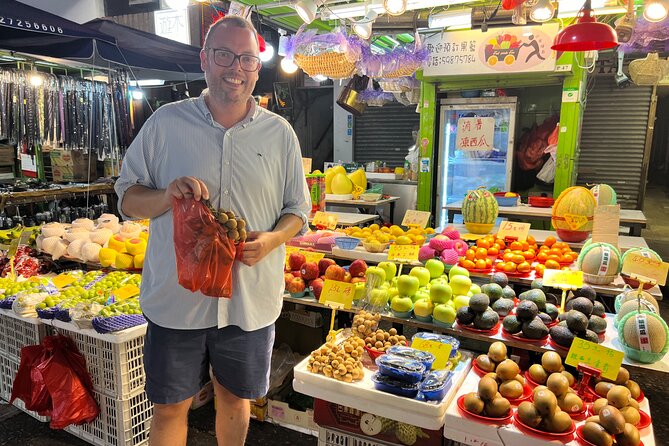
Graham Street Market is one of the more important cultural stops. This 160-year-old open-air wet market survives among Central’s high-rise buildings, creating a sharp contrast between old neighborhood trade and modern finance.
You will walk through a working market rather than a staged display. The purpose is not simply to look at ingredients. The guide explains how fresh food shopping fits into daily life and why these older market streets matter in a city where space is expensive.
Allow about 20 minutes. The market is likely to be more interesting if you pay attention to the relationship between the stalls and the surrounding towers. It also gives the food tastings a practical setting: you see the kind of produce and trade that support Hong Kong cooking.
More Street Food Tours in China:
- The 10 Tastings of Hong Kong With Locals: Private Street Food Tour
★ 4.5 · 124 reviews - Private Shanghai Evening Street Food Walking and Cruise Tour
★ 5.0 · 123 reviews - Xi’an: Gourmet & Street Food Tour
★ 4.8 · 22 reviews - Xi’an Muslim Quarter Night Market Foodie Walking Tour
★ 4.2 · 22 reviews
Zha leung and rice culture at Chung Kee Congee
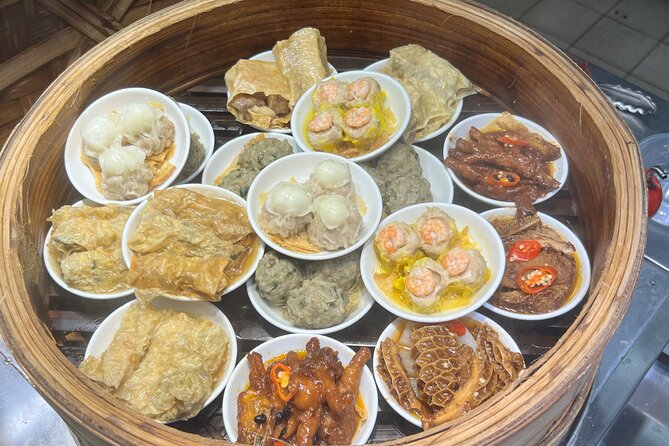
At Chung Kee Congee, the focus shifts to rice. Hong Kong cooks turn rice into many forms, from plain grains to congee and other quick, filling dishes. You taste zha leung, a popular combination involving a crisp fried dough stick wrapped in rice noodle.
This is a useful stop because rice dishes show the practical side of Cantonese food. They can be inexpensive, comforting, portable, and filling. They also show how texture matters in local cooking, with soft rice noodle surrounding crisp fried dough.
You spend about 15 minutes here. Since the tasting is short, think of it as one part of a larger meal rather than a full serving. If you are sensitive to fried food, the tour’s many small samples may add up, so pacing yourself is wise.
Tea traditions at Gilman’s Bazaar
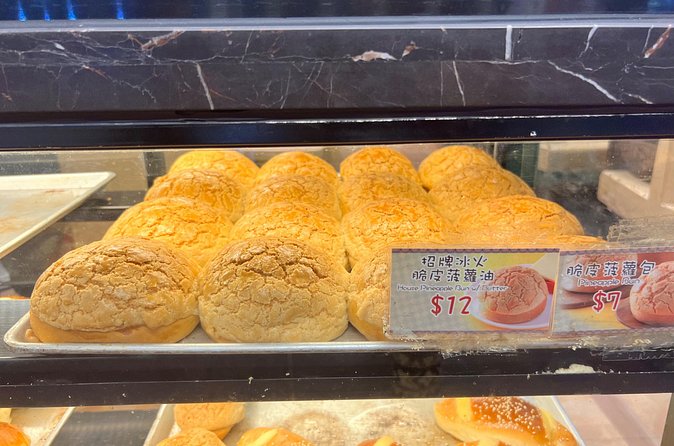
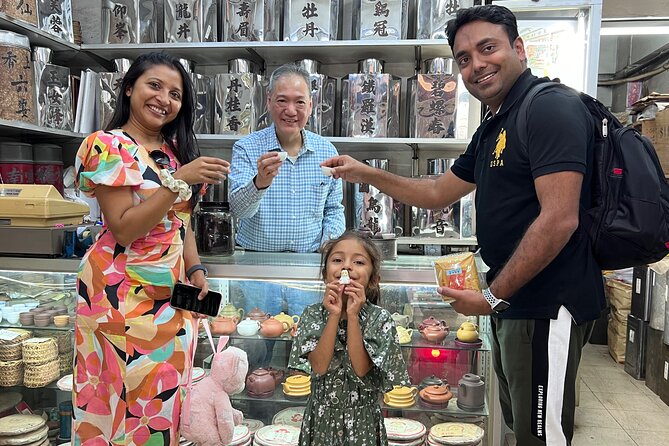
The route then reaches a traditional Chinese tea house with about 60 years of history. At Gilman’s Bazaar, you taste freshly brewed Chinese tea and learn about different varieties and tea customs.
This stop slows the food tour down in a useful way. Tea is central to dim sum and Cantonese hospitality, but it is easy to overlook when the food gets all the attention. Here you can connect the opening shrimp dumplings with the drink traditionally served alongside them.
The 20-minute visit should give you enough time to taste and learn without requiring specialist knowledge. You do not need to arrive as a tea enthusiast. The value is in seeing tea as part of Hong Kong’s daily rhythm, not simply as a souvenir or formal ceremony.
Michelin-recommended noodles at Tsim Chai Kee
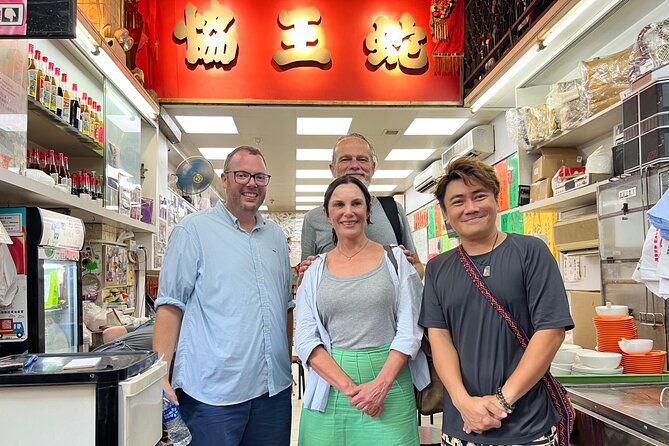
Tsim Chai Kee Noodle is one of the major food stops. Here you taste wontons and dace fish balls, two local favorites that reflect Hong Kong’s links to noodles and the fishing trade.
The wontons are Michelin-recommended, as are the dace fish balls served along the route. That recognition may attract food-focused visitors, but the better reason to stop is the chance to connect the dish with local seafood culture. The guide discusses Hong Kong’s fishing industry and how that work influenced the city’s food.
You get about 30 minutes, the longest stop on the route. That extra time matters because noodles and fish balls deserve more than a quick bite while standing in a market lane. The food is still part of a moving tour, though, so do not expect a long, leisurely restaurant sitting.
This is likely the highlight for serious eaters. One of the strongest points of the experience is that the famous food is paired with a story about labor, trade, and the sea. You are not just checking a noodle shop off a list.
Herbal jelly and migration at Chan Yee Jai
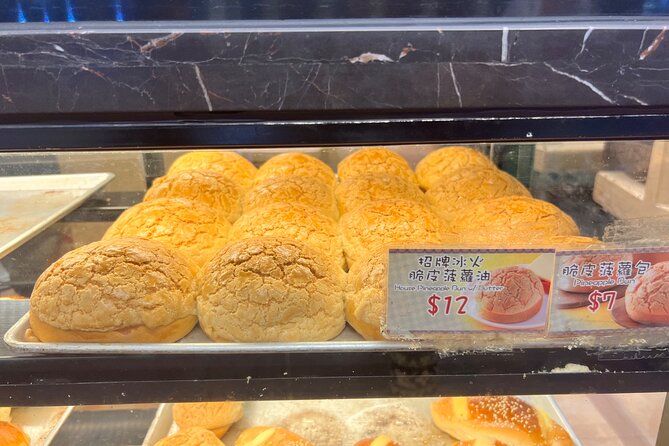
Chan Yee Jai adds another traditional taste: Chinese herbal jelly. You learn how herbal jelly fits into local food culture and how migrants from northern China brought different cooking traditions to Hong Kong.
That second theme matters. Hong Kong cuisine is often described through Cantonese food, but the city has long received people from other parts of China. Their arrival helped broaden the range of dishes, ingredients, and cooking styles available here.
The stop lasts about 20 minutes and includes a tasting. Herbal jelly may be unfamiliar, but it is a useful counterpoint to the sweeter foods later in the route. If you prefer only familiar flavors, this will be one of the more adventurous samples.
Bonham Strand and the dried seafood trade
At Bonham Strand, the tour turns from prepared food to ingredients. This area is associated with Hong Kong’s dried seafood market, where products such as dried fish and other preserved goods connect the city to coastal trade and traditional cooking.
The stop helps explain why preservation has such an important role in Cantonese cuisine. Dried ingredients can add strong flavor, keep for long periods, and travel well. They also show how food in Hong Kong has always been linked to commerce beyond the immediate neighborhood.
You spend around 20 minutes here. The appeal is more visual and cultural than snack-based, so this part will matter most if you want to understand how ingredients move through the city. If you only want to eat, it may feel like a pause between tastings.
Sheung Wan finishes with French toast and milk tea
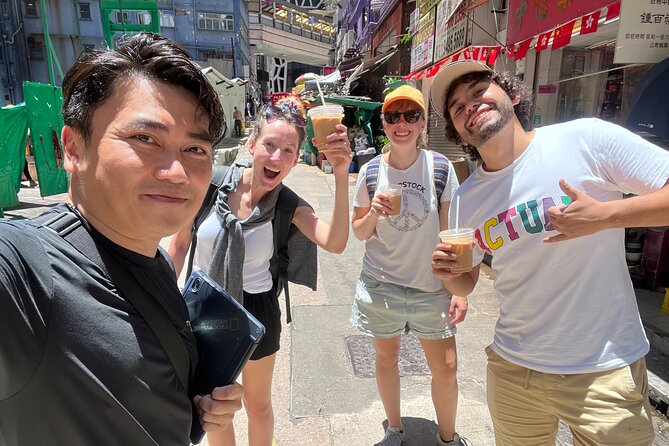
The final stop is at Sheung Wan Market and Cooked Food Centre. Here you enjoy French toast with cold milk tea, a pairing that reflects Hong Kong’s ability to adapt outside influences to local tastes and budgets.
The French toast is not presented as a direct copy of a European dish. Instead, it shows how cooks in old Hong Kong used affordable local ingredients to create food that looked and felt more luxurious than its cost. The cold milk tea adds another familiar Hong Kong touch.
This is a smart ending because it brings several themes together: local resourcefulness, Western influence, inexpensive ingredients, and the city’s casual eating culture. You finish with something sweet and recognizable after the more unusual herbal and seafood tastings.
Timing, walking, and transport
The experience is advertised as roughly four hours, while the description also refers to a three-hour tour. The listed stops add up to several hours of visits before walking time, so I would reserve half a day and avoid scheduling an important appointment immediately afterward.
Pickup is offered, but private transportation is not included. Public transportation fees are included, which suggests you will move through the city as local residents do rather than riding in a dedicated vehicle.
The route is near public transportation and includes Central, Sheung Wan, and nearby market areas. Most people can take part, but you should be comfortable walking between stops and eating several small portions over a few hours. Wear practical shoes and arrive ready for a city walk, not a formal dining experience.
What the private format adds
Only your group participates. That changes the feel of the tour in several useful ways. You can ask more questions, spend extra time on a subject that interests you, and tell Kiyo about food preferences before or during the route.
One previous booking specifically praised the way Kiyo adjusted the experience to personal preferences. His background also adds value: he grew up in Hong Kong, has watched the city change since the 1980s, and previously hosted an online media program. That combination suggests a guide who can connect food with wider stories about the city.
Private tours also have a downside. The cost is higher than a shared group walk, and you do not get the social energy of meeting other food fans. The $295.19 per-person price makes the most sense for a small group that values personal attention and wants cultural explanation with its tastings.
Is $295.19 per person good value?
The price is high for four hours of food. You are not paying only for the dishes, though. The fee includes selected food and drinks, a licensed professional guide, and public transportation. You are also paying for private access to a guide who can adjust the route and explain the city through its food.
For a couple or family that would otherwise arrange several food stops independently, the convenience may justify the cost. The guide saves you from guessing what to order and gives meaning to places you might otherwise pass without noticing.
For a solo visitor on a tight budget, the value is harder to defend. Hong Kong has many inexpensive food options, and you could eat well for far less. I would choose this tour when the guide’s local stories and private attention matter as much as the meal itself.
You can cancel for a full refund up to 24 hours before the start time. Changes made inside that window are not accepted, and poor weather can lead to a different date or a full refund. Since the route is outdoors and weather-dependent, keep your schedule flexible.
Who should book this experience?
I would recommend it to first-time visitors who want a fast but thoughtful introduction to Hong Kong food. It also suits returning visitors who have eaten dim sum and noodles before but want more context about markets, tea, fishing, migration, and local cooking habits.
Food-focused visitors will especially appreciate the Michelin-recommended wontons and dace fish balls. Curious eaters should also enjoy the less familiar herbal tea and herbal jelly.
I would hesitate to recommend it to anyone who wants a slow restaurant lunch, a large single meal, or a low-cost food crawl. The format is active, and some tastings may be small. You are paying for interpretation, access, and a private route as much as for the food itself.
Should you book this Hong Kong food tour?
Book it if you want a private guide, several distinct tastings, and real city context in one half-day. Kiyo’s Hong Kong background and storytelling experience are major strengths, and the route goes beyond the usual headline dishes.
Skip it if $295.19 per person feels too steep for a food walk or if you prefer to explore at your own pace. For everyone else, this is a strong choice for learning how Hong Kong’s markets, migration, trade, and everyday cooking meet on the plate.
FAQ
How long does the Hong Kong private food tour last?
The experience lasts approximately four hours. The description also refers to a three-hour tour, so you should allow about half a day.
How many foods will I taste?
You will taste at least six different types of food. The route includes shrimp dumplings, herbal tea or tortoise jelly, zha leung, Chinese tea, wontons, dace fish balls, herbal jelly, French toast, and cold milk tea.
Which foods are Michelin-recommended?
Three of the tastings are Michelin-recommended. Tsim Chai Kee Noodle is specifically included for its wontons and dace fish balls.
Is this a private tour?
Yes. Only your group participates in the activity.
Is hotel pickup available?
Pickup is offered. Private transportation is not included.
Are public transportation costs included?
Yes. Public transportation fees are included in the tour price.
Where does the tour visit?
The route includes Queen’s Road Central, Good Spring Company Limited, Graham Street Market, Gilman’s Bazaar, Tsim Chai Kee Noodle, Chan Yee Jai, Bonham Strand, and Sheung Wan Market and Cooked Food Centre.
Can I choose between different herbal tea options?
At Good Spring Company Limited, you can choose sweet tea, bitter tea, or tortoise jelly.
What happens if the weather is poor?
The experience requires good weather. If it is canceled because of poor weather, you will be offered another date or a full refund.
Just added around China
- Xi’an: Gourmet & Street Food Tour★ 4.8 · 22 reviews
- Xi’an Muslim Quarter Night Market Foodie Walking Tour★ 4.2 · 22 reviews
- 4-Hour Xiamen Private Local Food Market Experience★ 5.0 · 2 reviews
- Discover Local Life and Street Food Shanghai Bike Adventure★ 5.0 · 4 reviews
- Kowloon Street Food Tour Private & Personalized with a Local★ 4.5 · 20 reviews
- Hong Kong Private & Personalized Street Food Tour with a Local★ 4.5 · 6 reviews
- China’s Favourite Street Food Cooking Workshop★ 5.0 · 16 reviews
- Street Food in Beijing Hutongs by Bike★ 5.0 · 11 reviews
Michelin Street Food Tours, compared.
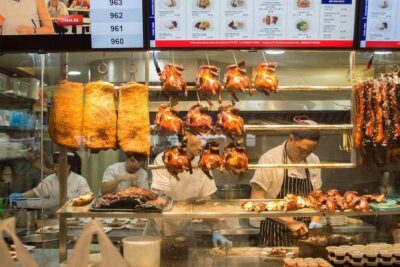
Small Group: Michelin and Local Hawker Food Tour with 9 tastings
What we made of it →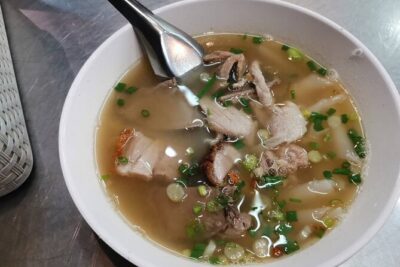
Michelin Guide Street Food Tour by Tuk Tuk
What we made of it →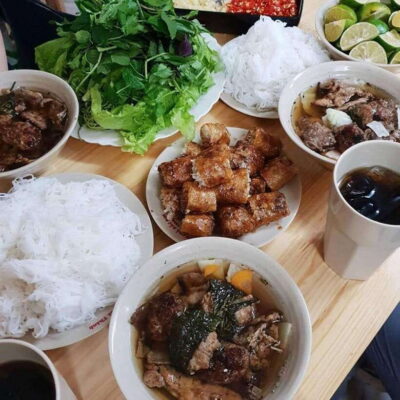
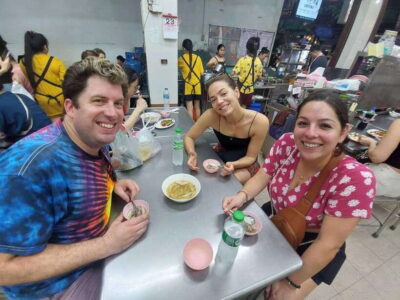
Chinatown Food Tour with Michelin Food Stalls
What we made of it →
Hanoi Michelin Star Walking Food Tour & Train Street
What we made of it →
Taste of Chiang Mai: Michelin Guide & Street Food Tour
What we made of it →
Hanoi Famous Michelin Guided Street Food Tour
What we made of it →
Michelin Premium Food Tour with Hawker Centre & Chinatown Tour
What we made of it →Where this tour turns up