
Review · HONG KONG SAR
The 10 Tastings of Hong Kong With Locals: Private Street Food Tour
Hong Kong tastes best one small bite at a time. This private three-hour walk links local markets, modest eateries, and old streets with ten food and drink tastings, giving you a useful introduction to Cantonese food without asking you to decode every menu alone. I especially like the visit to the dry seafood market, where sea cucumbers and birds’ nests turn food shopping into a cultural lesson, and the chance to eat shrimp wonton beside local diners.
The private format is another strong point. Your guide can adjust the pace, explain unfamiliar ingredients, and provide vegetarian alternatives. The main caution is the price, $195.71 per person, which is a serious outlay for three hours. Food quality may also vary by stop, and the experience depends heavily on the guide you receive.
Key points to know before booking
- A private guide keeps the food choices personal: You are accompanied only by your own group and guide, with alternatives available for dietary restrictions.
- The markets are as important as the meals: Sheung Wan and Graham Street reveal Chinese ingredients, shopping habits, and neighborhood life.
- The tastings cover classic Hong Kong bites: Expect shrimp wonton, beef noodles, pineapple bun, milk tea, sugarcane juice, fruit, and other local samples.
- You also get a street-level city tour: The route includes the Mid-Levels Escalator, Stone Slab Street, Hollywood Road, and Wan Chai.
- Plan for walking and standing: A moderate level of physical fitness is recommended, and the schedule moves through several districts.
- Guide quality matters: Angel, Cosmo, Ronnie, Ling, and Caleb have been praised for warmth and local insight, but one poor guide match produced a very different experience.
Why this tour works as a Hong Kong introduction
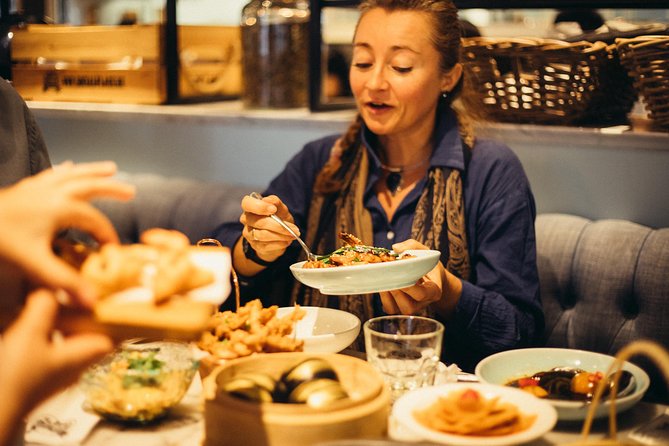
Hong Kong food can be easy to admire and hard to order. Menus may use unfamiliar names, small restaurants can feel rushed, and the best places often look plain from the street. A private local guide helps remove that first layer of uncertainty.
I like the way this tour treats food as part of daily life rather than as a parade of fancy dishes. You visit markets, eat in ordinary lunch spots, stop at a family-run teahouse, and finish with a bakery snack. That gives you a better sense of how people shop, eat, and move around Hong Kong.
The experience is also more than a meal. Between tastings, you pass through Sheung Wan, Central, Hollywood Road, Wan Chai, and the Mid-Levels. You may spend time on the old escalator system or even ride a traditional tram, depending on the guide and the day’s arrangements. The route connects food with city sights without turning into a standard sightseeing circuit.
The 91 percent recommendation rate and 4.7 rating suggest a reliably good experience overall, but the uneven feedback is worth taking seriously. Most of the praise goes to the guides, especially Angel, Cosmo, Ling, Ronnie, and Caleb. One poor experience involved confusion at the meeting point, little explanation, and an unpleasant manner. With a private tour, the guide is not a minor detail. The guide is the tour.
More Street Food Tours in China:
- Private Shanghai Evening Street Food Walking and Cruise Tour
★ 5.0 · 123 reviews - Xi’an: Gourmet & Street Food Tour
★ 4.8 · 22 reviews - Xi’an Muslim Quarter Night Market Foodie Walking Tour
★ 4.2 · 22 reviews
Meeting near Sai Ying Pun and starting in Sheung Wan
The meeting information names Eco Tree Hotel Sheung Wan at 156 to 160 Des Voeux Road West, while the first stop is listed as Sai Ying Pun MTR station, Exit B1. Since both locations appear in the supplied details, confirm the exact meeting point before setting out.
The opening meet-and-greet is scheduled for about 20 minutes. This gives you time to find your guide, settle into the walking route, and explain food preferences. If you have a vegetarian diet or other restrictions, mention them immediately. Vegetarian alternatives are offered, but the food choices are more useful when your guide knows your needs from the start.
The route begins on the western side of Hong Kong Island, an area where old commerce and newer development sit close together. You will want comfortable shoes. The tour includes market floors, sloped streets, stairs or escalator movement, and time spent standing at food stops.
Sheung Wan’s market: ingredients before recipes
The Sheung Wan stop lasts about an hour, making it the longest part of the experience. It includes a typical wet market and a dry market, where your guide explains Chinese vegetables, meat, and the cultural role of the market building.
This is one of the tour’s most useful sections. You are not simply looking at food behind glass. You are learning what ingredients look like before they reach a restaurant kitchen, and why certain products matter in Chinese cooking. Dried seafood, sea cucumbers, birds’ nests, meats, and vegetables all offer clues to regional eating habits and traditional ideas about food.
For someone new to Cantonese cooking, this context can be more valuable than another restaurant tasting. You begin to recognize ingredients that may appear later on menus or in food shops. You also get a look at how a traditional market functions as part of neighborhood life.
The market may not suit you if you dislike strong smells, crowded aisles, or seeing meat and seafood prepared in a working market setting. It is a real food market, not a polished museum exhibit. That is precisely why it can feel more revealing, but it may be intense for some people.
Shrimp wonton near The Center
The next stop brings you close to The Center, one of Hong Kong’s best-known high-rise landmarks. Here, you eat shrimp wonton in a local lunch restaurant, with about 20 minutes set aside for the stop.
The appeal is the setting as much as the dish. You are eating close to a major business district, side by side with local diners, rather than being led to a restaurant designed mainly for sightseeing groups. Shrimp wonton is also a good early introduction to Cantonese flavors because it is familiar enough for first-time tasters but still distinct in texture and preparation.
Several food stops are brief, so do not expect a long restaurant meal. The idea is to sample, learn, and move on. If you prefer slow lunches with time to study a menu, this rhythm may feel hurried. If you want to try many foods in a short period, the format works well.
The tour includes ten food and drink tastings, but the exact portions and selection can change. You should think of this as a progressive tasting walk, not ten full meals. Still, the food supplied during the experience has been enough for some people to feel full by the end.
Same place, a different plate:
- Kowloon Street Food Tour Private & Personalized with a Local
★ 4.5 · 20 reviews - Shanghai Evening Tour: Huangpu River Cruise and Street Food
★ 4.5 · 18 reviews - Off-beaten Route: Shanghai Old Town Discovery&Street Food Tasting
★ 5.0 · 17 reviews - China’s Favourite Street Food Cooking Workshop
★ 5.0 · 16 reviews
Sugarcane juice and a fourth-generation teahouse
Near the Hollywood Mural, the route stops for sugarcane juice at a traditional teahouse run by a fourth-generation family. The scheduled time is about 20 minutes.
This is a pleasant change of pace after the market and wonton stop. A family-run teahouse provides a window into an older Hong Kong food tradition, while the mural adds a small visual landmark to the walk. Sugarcane juice is refreshing and unusual for many first-time visitors, though it is also the one tasting that received the sharpest criticism.
One person found the drink thin and overly sweet, especially compared with better sugarcane juice elsewhere in Hong Kong. That warning is useful: not every tasting will be the best version of its type. The value here comes from the combination of drink, setting, and explanation, not from assuming every bite will be a culinary masterpiece.
Your guide may also explain how the teahouse fits into the surrounding neighborhood and family business. Guides such as Angel and Cosmo have been praised for adding cultural and historical details instead of simply pointing out the next snack.
Graham Street Market and handpicked fruit
At Graham Street Market, you return to an open market street for fresh produce. Your guide selects exotic fruit for you to taste, with about 20 minutes assigned to the stop.
This is a good place to ask questions. Hong Kong markets can appear chaotic at first, but a guide helps you see the order behind the activity: stalls arranged for daily shopping, produce chosen for freshness, and fruit sold for home use rather than display alone.
The handpicked fruit also gives the guide room to adapt the tasting. You might find something familiar presented in a different way, or try a fruit you would not have chosen by yourself. Since the exact selection is not specified, do not arrive expecting one particular item.
Graham Street is especially worthwhile for people who want a sense of old Hong Kong streets beyond the major towers. The stop is short, so you will not have much time for independent browsing. If you find something you want to buy, ask your guide if there is a practical way to return later.
Wan Chai’s Dai Pai Dong-style stop
The Wan Chai portion offers a Dai Pai Dong experience, meaning you eat in a street setting with local diners. The tasting includes beef noodles and lasts around 20 minutes.
This is one of the clearest examples of the tour’s goal: food in an everyday setting, served without much ceremony. Beef noodles provide a hearty contrast to fruit and juice, and eating outdoors or close to the street lets you feel the pace of the neighborhood.
The stop may feel informal and compact. You are not booking a private dining room, and the focus is on tasting rather than lingering. That can be part of the fun, but people who need a quiet, spacious meal should adjust expectations.
The route through Wan Chai also helps connect the food to Hong Kong’s changing streets. You get a look at how older eating traditions continue beside modern buildings and busy roads. The tour does not promise a full historical lecture, but guides often add local background while you walk.
Pineapple bun, milk tea, and the final bite
The final food stop is near Spring Garden Street. Here you finish with a pineapple bun and milk tea, described as a favorite local snack.
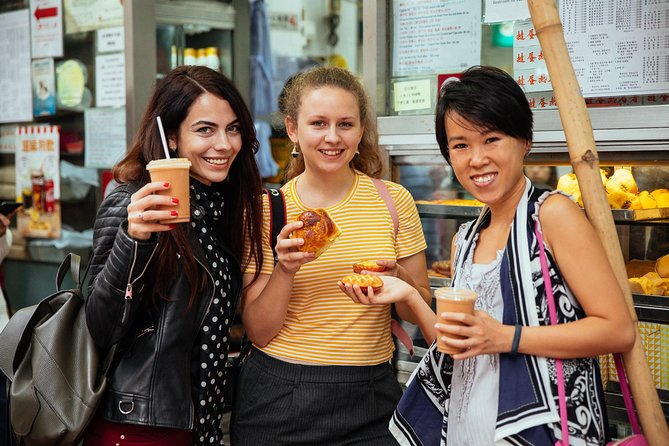
Despite its name, a pineapple bun does not contain pineapple. The name refers to the crackled, golden topping that resembles pineapple skin. Paired with milk tea, it makes a fitting end to a route that has moved from markets and noodles toward familiar bakery food.
The timing is listed as 20 minutes, but the order of stops and exact food portions can vary. Some people may be full by this point and prefer to take the remaining food back to the hotel. That is worth remembering if you have a small appetite. You are not required to treat every tasting like a full serving, and it is sensible to tell your guide when you have had enough.
This stop is also a useful practical lesson. Once you know the names of a few everyday foods, ordering breakfast or a snack during the rest of your stay becomes much less intimidating.
City sights between the tastings
The route includes the Mid-Levels Escalator, the longest outdoor covered escalator system in the world. It is a transport system used by local residents, not just a photo stop, and it gives you a quick look at how Hong Kong manages steep streets and heavy foot traffic.
Stone Slab Street adds another change of pace. This pedestrian street is paved with uneven granite slabs and lined with market stalls. The surface can be awkward, so watch your footing and wear shoes with a firm sole.
The route also includes the Hollywood Mural and passes through Central, Sheung Wan, and Wan Chai. Some guides have added a ride on an old tram, known locally as the Ding Ding, during the tour. Since this is not clearly listed as an included feature, treat it as a possible bonus rather than a guarantee.
These city sections help the tour feel like a neighborhood walk with food, not a series of disconnected snacks. They also explain why three hours can pass quickly. The listed stop times add up to more than three hours, so the schedule should be understood as approximate and flexible.
Guide quality, private pacing, and value
The most praised guides are Angel, Cosmo, Ling, Ronnie, and Caleb. Angel is repeatedly valued for explaining ingredients, religion, culture, and Hong Kong life. Cosmo is described as funny and personable, with some tours including a tram ride and extra city sights. Ling is praised for unusual food stops and an easy manner, while Ronnie helped make confusing streets and local customs easier to understand.
That variety shows what a strong guide can add. You are not only told what you are eating. You learn how to approach the city, what local etiquette means, and which foods may be worth seeking out later.
The private format also lets you ask more questions than you could in a large group. Families, couples, and small groups with mixed food confidence may find this especially useful. A guide can explain a dish to a cautious eater, give a keen eater more detail, or switch to vegetarian alternatives.
At $195.71 per person, the tour is not cheap. The price makes more sense if you value private guiding, ten tastings, market interpretation, and a city walk in one booking. It is less attractive if you mainly want inexpensive food or already feel comfortable navigating Hong Kong restaurants.
The price does not include extra food and drinks, hotel pickup, or drop-off. The tour ends back at the meeting point, so plan your next activity from there rather than assuming you will finish at your hotel.
Who should book this food walk?
I would recommend it to first-time visitors who want a quick orientation to Hong Kong food and neighborhoods. It is also a good fit for people who enjoy trying unfamiliar ingredients but want a local guide to explain what they are seeing.
Families can benefit from the private setup, especially if children or adults in the group have different comfort levels with food. Vegetarians should ask about the alternatives before the tour begins, since the route centers on Cantonese and street foods that often include meat or seafood.
I would be more cautious if you are seeking high-end dining, generous full-size portions, or a carefully fixed menu. Food quality is not guaranteed to impress at every stop, and the experience changes with the guide. The best reason to book is the combination of food and local context, not the promise of ten perfect tastings.
Free cancellation is available up to 24 hours before the start time. Changes or cancellations made later are not refunded, so keep that deadline in mind when planning.
FAQ
How long is the Hong Kong food tour?
The experience lasts approximately three hours, although the timing may be flexible because the route includes several food stops, markets, and city sights.
How many tastings are included?
The tour includes ten food and drink tastings.
Is this a private tour?
Yes. Only your group and your local guide participate.
Where does the tour start?
The meeting information lists Eco Tree Hotel Sheung Wan at 156 to 160 Des Voeux Road West, Sai Ying Pun, Hong Kong. The first stop is also described as Sai Ying Pun MTR station, Exit B1, so confirm the exact meeting point before arrival.
Where does the tour end?
The activity ends back at the meeting point.
Is hotel pickup included?
No. Hotel pickup and drop-off are not included.
Are vegetarian alternatives available?
Yes. Vegetarian alternatives are offered for the food tastings.
What food is included?
The route includes examples such as shrimp wonton, beef noodles, pineapple bun, milk tea, sugarcane juice, and handpicked fruit. The exact selection may vary.
Does the tour include public transportation?
The route includes the Mid-Levels Escalator. Some guide-led experiences have also included a traditional tram ride, but this is not clearly stated as a guaranteed inclusion.
Can I cancel for a full refund?
Yes, if you cancel at least 24 hours before the experience start time. Cancellations made less than 24 hours in advance are not refunded.
Should you book it?
Book this tour if you want a private introduction to Hong Kong food and neighborhoods, especially early in your stay. The markets, local lunch stop, teahouse, Dai Pai Dong-style meal, and bakery finish give you practical ideas for eating on your own afterward.
Skip it if $195.71 feels too high for a short tasting walk, or if you want restaurant-quality food at every stop. For the right person, the real value is the guide who explains the city while you eat. Choose it for local context, easy orientation, and a relaxed way to try foods you might otherwise pass by.
Just added around China
- Xi’an: Gourmet & Street Food Tour★ 4.8 · 22 reviews
- Xi’an Muslim Quarter Night Market Foodie Walking Tour★ 4.2 · 22 reviews
- 4-Hour Xiamen Private Local Food Market Experience★ 5.0 · 2 reviews
- Discover Local Life and Street Food Shanghai Bike Adventure★ 5.0 · 4 reviews
- Kowloon Street Food Tour Private & Personalized with a Local★ 4.5 · 20 reviews
- Hong Kong Private & Personalized Street Food Tour with a Local★ 4.5 · 6 reviews
- Hong Kong Private Food Tour with Michelin Street Food★ 5.0 · 6 reviews
- China’s Favourite Street Food Cooking Workshop★ 5.0 · 16 reviews
Street Food Tours, compared.
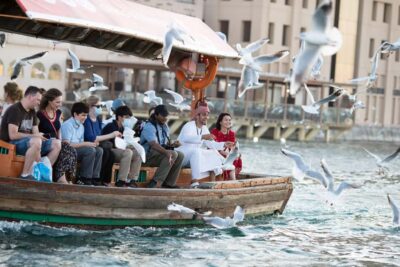
Old Town, Creek, Museums, Souks, & Street Food Tour
What we made of it →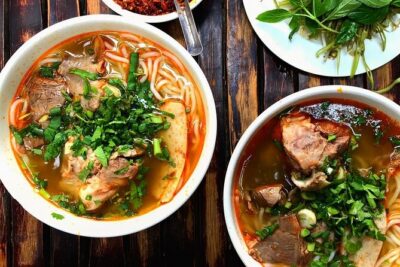
Ho Chi Minh City Street Food Tour & Sightseeing By Motorbike
What we made of it →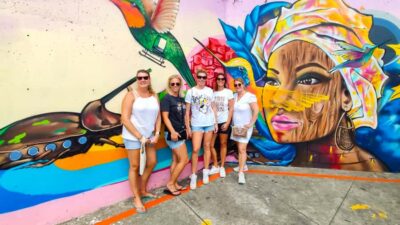
Comuna 13 Graffiti Tour, Cable Car & Street Food
What we made of it →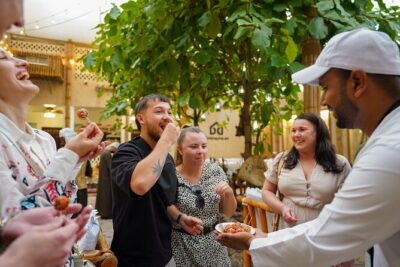
Old Town, Souks, Street Food, Guided Tour & Abra Ride
What we made of it →
Small Group Hanoi Street Food Tour with a Real Foodie
What we made of it →
Saigon By Night and Street Food By Motorbike | Opt: Ao Dai Riders
What we made of it →Where this tour turns up