
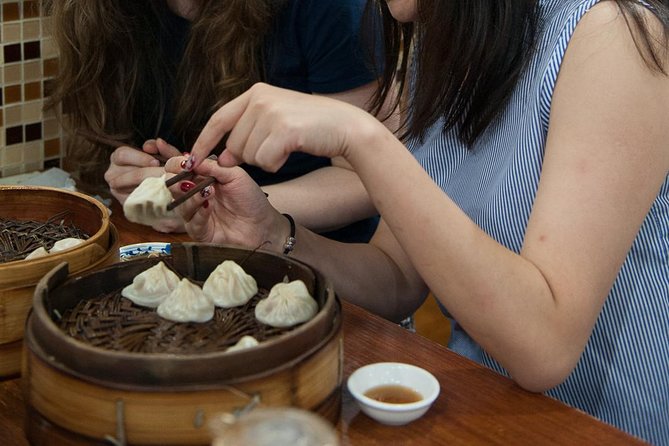
Review · SHANGHAI
Off-beaten Route: Shanghai Old Town Discovery&Street Food Tasting
Old Shanghai still survives in plain sight. This three-hour walking tour leads you through the old city around Dajing Ge Pavilion, Yu Garden, an ancient Confucius temple, local food stops, and a traditional tea ceremony. It offers a useful mix of sights and tastes, with a guide to explain what you are seeing rather than leaving you to wander past it.
I like the small-group format, listed for no more than 12 people, and I like the way the tour joins landmarks with everyday food. The chance to try egg pancakes, sticky rice rolls, wonton soup, fried dumplings, Shanghai noodles, and other snacks gives the morning or afternoon a local rhythm.
The main consideration is the walking. You need moderate physical fitness, and the old city can be busy and crowded. The food details also need checking before you book, since snacks are included but extra drinks and some other food purchases are not clearly covered.
Key details at a glance
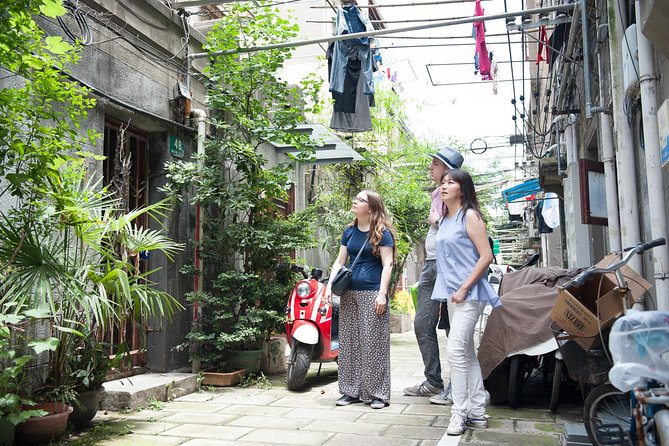
- Dajing Ge Pavilion begins the story: Start beside the remains of Shanghai’s old city wall and enter the historic Old Town on foot.
- Yu Garden adds classic architecture: Spend about an hour around the 400-year-old garden district, with rockeries, ponds, and traditional buildings.
- Street food is part of the route: Expect tastes such as fried dumplings, wonton soup, egg pancakes, sticky rice rolls, and Shanghai noodles.
- A Confucius temple adds cultural context: Temple admission is included, giving the walk more substance than a food crawl alone.
- The final tea ceremony slows things down: Finish with about 30 minutes at a local tea house.
- A small group helps: The tour has a maximum of 12 people in the additional information, although another description says no more than 15.
Why Shanghai Old Town is worth your time
Shanghai is often presented through its futuristic skyline, grand waterfront, and polished shopping streets. Those sights are worthwhile, but they can make the city feel newer and more uniform than it really is. Old Town gives you another view, one shaped by narrow streets, old religious buildings, food stalls, markets, and traces of the former city wall.
This tour is useful because it connects those pieces. You are not only looking at a temple or buying a dumpling. You are moving through an area where architecture, local cooking, neighborhood life, and Shanghai’s past overlap.
I especially like the balance between major stops and smaller details. The route includes the Old City Wall, Yu Garden, and a 700-year-old Confucius temple, but it also mentions a birds market and the last remaining shantytown in the old city area. Those contrasts help you see that Old Town is not simply a preserved historical district. It is also a lived-in part of Shanghai.
The walk is not designed as a grand palace tour. It is better suited to you if you want a ground-level introduction to the city, with food providing the thread between the sights.
More Old Quarter and Medina Food Walks in China:
- 3-Hour Shanghai Street Food Tasting & Old Town Private Tour
★ 5.0 · 4 reviews - Dubai: Old Town, Creek, Museums, Souks, & Street Food Tour
★ 4.8 · 10,816 reviews - Dubai: Old Town, Souks, Street Food, Guided Tour & Abra Ride
★ 4.9 · 7,170 reviews
Starting at Dajing Ge Pavilion and the old city wall
The tour begins at Dajing Ge Pavilion in the Huangpu area. This is an effective starting point because the remains of Shanghai’s old city wall lead you directly into Old Town.
A city wall can be easy to overlook if you do not know what you are seeing. A guide gives the site meaning and helps you understand why the old city developed as a distinct area. From here, the tour heads into the streets on foot, putting you close to the buildings, shops, and food stops.
The first hour is listed for this part of the route. That does not mean you spend every minute staring at one stretch of wall. The walk leads into the surrounding old city area, where the guide can point out landmarks and explain the changes taking place around them.
The route also includes a birds market. This is a particularly interesting detail because it adds a local market scene to the usual sightseeing list. You may find it more revealing than another formal monument, though market conditions and what is on display can vary.
The old city also includes the last remaining shantytown mentioned in the tour description. That stop gives the walk a more complicated edge. You see not only attractive historic buildings, but also the pressure of redevelopment and the uneven way old neighborhoods survive.
Yu Garden and the old city’s grander side
The tour then moves toward the Yu Garden district, one of Shanghai’s best-known historic areas. The garden itself is described as about 400 years old, with traditional architecture, elegant rockeries, and quiet ponds.
Yu Garden offers a sharp change from the street scenes. The garden’s designed spaces, stone features, and water create a calmer setting, even though the surrounding district can be busy. I like that this stop gives you time to look at Shanghai’s classical style rather than rushing from one snack shop to the next.
Admission to Yu Garden is listed as free within the tour details, while entrance tickets for a temple are included in the tour package. Since the information does not spell out every ticket arrangement in detail, you should confirm exactly which garden areas and temple access are covered when booking.
The garden district is also a practical place to understand the difference between a famous attraction and the neighborhood around it. Yu Garden itself can feel formal and carefully arranged. Just beyond it, the old city continues with food shops, street activity, and older residential areas.
You should allow for crowds and uneven walking conditions around this part of Shanghai. The tour lasts about three hours, so the stop is an introduction rather than a slow, detailed study of every garden feature.
The Confucius temple and the quieter cultural stop
An ancient Confucius temple is one of the strongest reasons to choose this experience over a basic food walk. The temple is described as 700 years old, and admission is included.
Confucius temples are linked to education, learning, and traditional civic life. This makes the stop different from a Buddhist temple or a garden. You get a chance to see another part of Chinese cultural history, and the guide can connect the building to Shanghai’s wider development.
The tour details do not provide the exact amount of time spent inside the temple, so I would not book this expecting an extended religious or architectural study. Think of it as one important stop within a larger walk.
The temple also helps break up the food tasting. After several street snacks, you have a chance to slow down and pay attention to the city’s cultural side. That balance is one of the tour’s best features.
More Street Food Tours in China:
- The 10 Tastings of Hong Kong With Locals: Private Street Food Tour
★ 4.5 · 124 reviews - Private Shanghai Evening Street Food Walking and Cruise Tour
★ 5.0 · 123 reviews - Xi’an: Gourmet & Street Food Tour
★ 4.8 · 22 reviews - Xi’an Muslim Quarter Night Market Foodie Walking Tour
★ 4.2 · 22 reviews
What you may taste along the way
Food is not a token extra here. It is one of the main reasons to book. The tasting list includes egg pancakes, sticky rice rolls, wonton soup, fried dumplings, Shanghai noodles, and other local snacks.
That range gives you several textures and styles rather than one repeated dish. Fried dumplings bring a crisp outside and warm filling. Wonton soup offers something lighter and more comforting. Sticky rice rolls and egg pancakes show how common breakfast-style foods can become part of a city introduction.
Shanghai noodles are another useful inclusion because they take you beyond the most familiar tourist foods. You are not limited to soup dumplings or one famous dish. The tour presents several foods associated with everyday eating in the city.
The final stop is described as the last dim-sum shop in Shanghai Old Town, where the tour ends. The wording is unusual, but the practical point is clear: you finish in the old city area with food still close at hand.
There is some uncertainty around what is included. Snacks are listed among the inclusions, while extra expenses such as drinks and additional snacks are not included. I would bring some Chinese yuan or confirm payment options before starting, especially if you want to buy more than the tasting portions.
You should also give the operator any dietary requirements when booking. The tour can plan around information supplied in advance, but the description does not promise a specific vegetarian, vegan, allergy-safe, or religious-diet menu.
The 30-minute tea ceremony
The tour ends with a traditional tea ceremony at a local tea house. This final 30-minute stop changes the pace again.
After the walking and food tasting, tea gives you time to sit, watch, and ask questions. It is a small but valuable cultural experience because tea preparation is not treated simply as a drink purchase. The ceremony provides a window into a more formal side of local custom.
I would keep your expectations measured. The information confirms a tea ceremony, but it does not describe the tea selection, the length of the presentation, or whether tea purchases are offered. Enjoy it as a short closing activity rather than booking the tour mainly for an elaborate tea lesson.
The ending point is on Renmin Road near the old city area. Hotel pickup and drop-off are not included, so you need to arrange your own way to the starting point and from the finish.
Group size, guide quality, and the feel of the walk
The tour is designed to be personal, with a maximum group size given as 12 people. Another part of the description says no more than 15, so I would treat it as a small-group tour but confirm the exact limit at booking.
A group of this size is a good middle ground. You are not alone with a guide, but you should have a better chance to hear explanations and ask questions than on a large coach outing. Small groups also make food stops and narrow streets easier to manage.
The guide matters a great deal on this route. One highly positive account names Lynn and describes her as informative and accommodating, with the experience feeling like walking around with a good friend. That is the kind of guiding this tour needs. The value comes not only from pointing out the wall or garden, but from explaining what you are seeing and adjusting to the group.
The tour requires at least two people to operate. If that minimum is not met, the operator may cancel after confirmation and offer another option or a full refund. This is worth remembering if you are planning around one fixed day in Shanghai.
Is $98 a fair price?
At $98 per person, this is not the cheapest way to eat in Shanghai. You could buy several local dishes for far less if you were comfortable finding the shops yourself.
The price makes more sense if you value guidance, organized access to several parts of Old Town, included temple admission, snacks, and the tea ceremony. You are paying for a three-hour route that joins food with cultural sites, not merely for the amount of food on the table.
The small group also affects the value. A guide who can answer questions and manage the route for a limited number of people is more useful than a large group leader trying to keep thirty or forty people together.
Still, I would not call this a bargain for independent-minded eaters who already know Shanghai and can navigate local restaurants without help. For a first visit, especially if you want context and a simple introduction, the price is easier to justify.
Group discounts may be available, which could improve the cost for families or friends traveling together. Children must be accompanied by an adult, and every participant should be comfortable walking for most of the three-hour experience.
Who should book this Shanghai walk?
I would recommend it to first-time visitors who want a compact introduction to the old city. It is also a good fit if you enjoy trying several small foods instead of sitting down for one long meal.
The experience suits you best if you:
- Want history, architecture, markets, and food in one outing
- Prefer walking to riding between attractions
- Like a guide who can explain local details
- Have moderate physical fitness
- Are happy with tasting portions rather than a full restaurant meal
- Want a small group instead of a large organized tour
I would be more cautious if you have limited mobility, strict dietary needs that were not arranged in advance, or little interest in walking through busy old-city streets. The tour has no hotel pickup, and you need to manage your own transport to the start and after the finish.
Free cancellation is available up to 24 hours before the start time. Changes or cancellations within 24 hours are not refunded. Poor weather or failure to meet the minimum group size can also lead to a changed date or a full refund.
Should you book it?
Book this tour if you want Shanghai to feel like more than skyscrapers and shopping streets. The combination of the old city wall, Yu Garden, the Confucius temple, neighborhood sights, local snacks, and tea gives you a clear sense of place in only three hours.
I especially like the food variety and the personal scale of the walk. Lynn’s reported style, informative and accommodating, is a strong sign of what can make this experience work well.
Skip it if you want a long, relaxed meal, a private tour, or a low-cost self-guided food crawl. For everyone else, this is a well-balanced introduction to Old Town, with enough structure to help you find your bearings and enough everyday detail to keep the city from feeling like a museum.
FAQ
How long does the Shanghai Old Town tour last?
The tour lasts about three hours. The listed schedule allows about one hour at Dajing Ge Pavilion and the old city area, one hour around Yu Garden, and 30 minutes for the tea ceremony, with time for walking and food stops.
Where does the tour start?
It starts in Huangpu at the listed address in Shanghai, near Dajing Ge Pavilion and the old city area. The exact meeting details should be checked on your booking confirmation.
Where does the tour finish?
The tour finishes on Renmin Road in Shanghai’s Old Town area, at the location described as the last dim-sum shop in the old city.
Are food and drinks included?
Snacks are included, with examples such as egg pancakes, sticky rice rolls, wonton soup, fried dumplings, and Shanghai noodles. Extra expenses, including drinks and additional snacks, are not included.
What is the maximum group size?
The additional information gives a maximum of 12 people. Another description mentions no more than 15, so confirm the final group limit when booking.
Can I cancel for a full refund?
Yes. You can cancel at least 24 hours before the start time for a full refund. Cancellations or changes made less than 24 hours before the experience are not refunded.
Just added around China
- Xi’an: Gourmet & Street Food Tour★ 4.8 · 22 reviews
- Xi’an Muslim Quarter Night Market Foodie Walking Tour★ 4.2 · 22 reviews
- 4-Hour Xiamen Private Local Food Market Experience★ 5.0 · 2 reviews
- Discover Local Life and Street Food Shanghai Bike Adventure★ 5.0 · 4 reviews
- Kowloon Street Food Tour Private & Personalized with a Local★ 4.5 · 20 reviews
- Hong Kong Private & Personalized Street Food Tour with a Local★ 4.5 · 6 reviews
- Hong Kong Private Food Tour with Michelin Street Food★ 5.0 · 6 reviews
- China’s Favourite Street Food Cooking Workshop★ 5.0 · 16 reviews
Old Quarter and Medina Food Walks, compared.
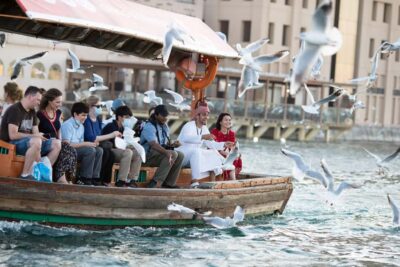
Old Town, Creek, Museums, Souks, & Street Food Tour
What we made of it →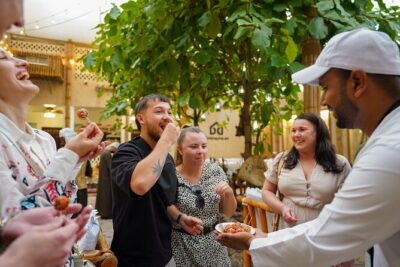
Old Town, Souks, Street Food, Guided Tour & Abra Ride
What we made of it →![[HOT] Hanoi Old Quarter Walking Street Food – Small Group Tour](https://cdn.streetfooddays.com/wp-content/uploads/hot-hanoi-old-quarter-walking-street-food-small-group-tour-400x267.jpg)
[HOT] Hanoi Old Quarter Walking Street Food – Small Group Tour
What we made of it →Old Town, Souks, Street Food, Guided Tour & Abra Ride
What we made of it →
Old Town, Street Food, Creek, Souks, & Emirati House
What we made of it →

Chania: Old Town Highlights Guided Tour with Street Food
What we made of it →Where this tour turns up