
Review · USA
Japanese Street Food Class in Beech Grove
Good food is better when you make it. This private Japanese cooking class in Beech Grove gives you about two and a half hours to prepare yakisoba, okonomiyaki, takoyaki, and a rice cooker cake while learning where the dishes came from. I like the small private format, which should make it easier to ask questions, and I like the practical recipe guide that helps you repeat the meal at home. The one thing to consider is that the class takes place at 3:00 pm, so it may replace an early dinner rather than serve as a quick afternoon activity.
The class is led by Mori sensei, whose lighthearted teaching style helps keep the kitchen relaxed. I also like that the focus goes beyond simply following instructions: you learn about ingredients, dish origins, and possible substitutions. Tell the instructor about allergies or food restrictions before class begins, since the menu involves several prepared dishes and sauces.
Five useful things to know before you book
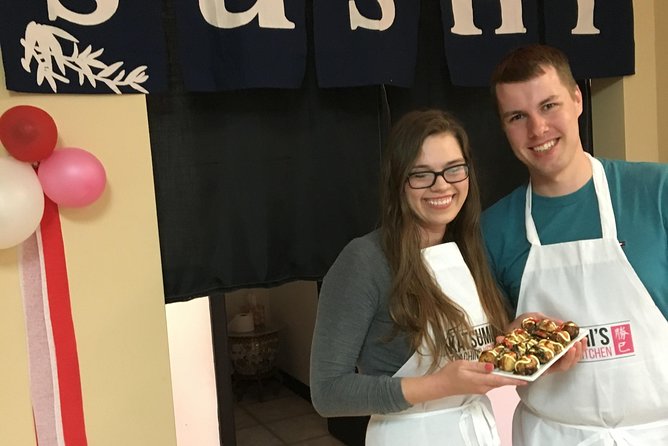
- You cook four dishes: Yakisoba, okonomiyaki, takoyaki, and a rice cooker cake with matcha green tea glaze.
- The class is private: Only your group participates, allowing for a more personal pace and more direct help.
- Mori sensei adds context: You learn about the origins of each dish and the role of its ingredients as you cook.
- You receive a recipe guide: It includes help with finding ingredients and making substitutions at home.
- The class begins and ends at one address: Meet at 222 Main St in Beech Grove at 3:00 pm, with the activity returning to the same point.
Four Japanese comfort foods in one afternoon
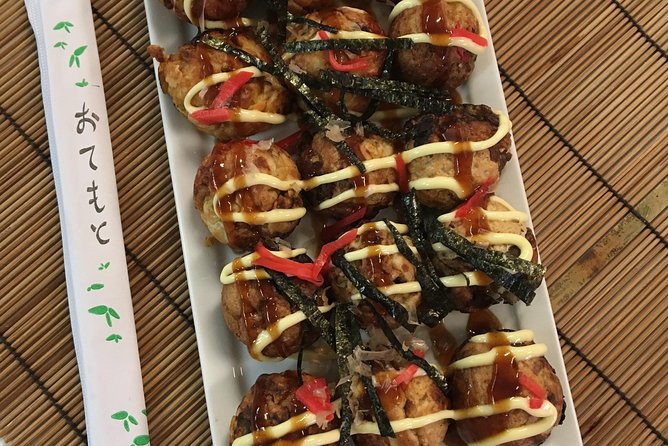
This is not a class built around one complicated centerpiece. Instead, you work through four familiar Japanese foods with different textures, cooking methods, and levels of hands-on preparation.
That variety gives the two-and-a-half-hour session a clear purpose. You are not simply watching someone prepare lunch. You move from a griddled noodle dish to savory cabbage pancakes, then to small round takoyaki, and finally to a soft cake with green tea icing.
The menu also gives you useful range at home. Yakisoba is a practical meal for a busy evening. Okonomiyaki can absorb different vegetables and toppings. Takoyaki is more of a project, but it offers the fun of cooking something that is not part of most American home kitchens. Dessert brings the class to a gentler finish.
The food is often called street food, but these dishes are also everyday comfort foods in Japan. That distinction matters. You are not being shown an elaborate restaurant tasting menu. You are learning dishes meant to be shared, adapted, and enjoyed without ceremony.
More Street Food Tours in the USA:
- Charleston Upper King Street Food Tour
★ 4.5 · 200 reviews - Mexican Street Food: Tijuana Day Trip from San Diego
★ 4.5 · 158 reviews - Street Food Tour of South Lake Union- Area of Amazon Spheres
★ 5.0 · 60 reviews
Starting at 222 Main Street in Beech Grove
The class begins at 222 Main St, Beech Grove, Indiana 46107, at 3:00 pm. Since the activity ends back at the meeting point, you do not need to arrange a separate pickup or find your way to a different ending location.
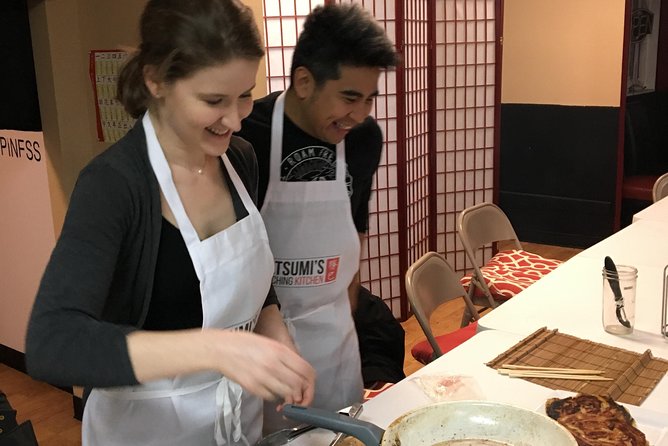
You only need to arrive ready to cook. An apron is provided, and the session starts with hand washing before the preparation begins. No special equipment or supplies are listed as necessary for you to bring, which keeps the outing simple.
The location is near public transportation, another useful point if you are staying in the Indianapolis area without a car. Still, you should allow time to reach Beech Grove and arrive before the scheduled start. A private cooking class is not the place to wander in late and expect the whole group to wait.
The timing deserves some thought. Starting at 3:00 pm makes this a good afternoon activity, especially if you want a meal later in the day. Since you will prepare several substantial dishes, you may not want to schedule a full dinner immediately afterward.
Yakisoba: a practical noodle dish
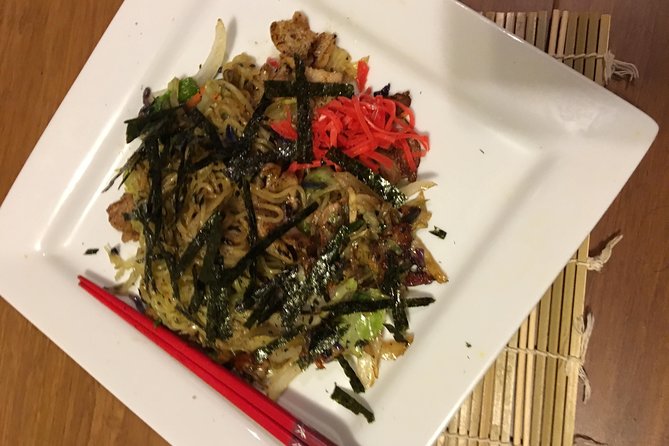
Yakisoba is usually the most familiar starting point for many home cooks. It combines noodles, vegetables, and savory seasoning in a hot pan, making it approachable without being dull.
The useful lesson here is adaptability. Once you understand the basic method and seasoning, you can think about how to use ingredients available in your own supermarket. The class specifically includes guidance on where to find ingredients and what to use when an item is hard to locate.
That advice may be more valuable than a single recipe. Japanese cooking ingredients can be easy to find in some cities and less convenient in others. A recipe that tells you how to substitute an ingredient gives you a better chance of cooking the dish again instead of leaving the instructions in a drawer.
As you cook, Mori sensei also explains the background of the dish and its ingredients. That context adds purpose to the steps. You are not just stirring noodles because the recipe says so. You begin to understand how a popular Japanese food fits into everyday eating.
Okonomiyaki: a flexible savory pancake
Okonomiyaki is often described as a Japanese savory pancake, though that simple label does not tell the whole story. It is a filling, griddled dish that can be adjusted according to what goes into it.
For you, the appeal is its flexibility. This is the kind of recipe that may become a regular home meal because it can be adapted rather than treated as a fixed formula. The class gives you a chance to learn the base preparation, cooking process, and role of the toppings.
This is also a good dish for a private class because the instructor can watch your technique closely. If you are unsure about texture or timing, you can ask for help without feeling lost in a crowded demonstration.
The possible limitation is that the final result may depend on ingredients and tools you use later at home. The class can teach you the method, but your own pan, heat source, and substitutions may produce a slightly different result. That is not a problem, but it is worth accepting from the start. Home cooking is practice, not a museum display.
Same place, a different plate:
- Portland Food Carts, Pods & Patios Tour
★ 5.0 · 166 reviews - New York City Food Cart Walking Tour
★ 5.0 · 68 reviews - Food Carts of Portland Bike Tour: local flavors and stories
★ 5.0 · 67 reviews - The Ultimate New York City Street Food Tour
★ 5.0 · 43 reviews
Takoyaki brings the hands-on challenge
Takoyaki is the most distinctive dish on the menu. These small, round snacks require attention while cooking, and shaping them is part of the fun.
The class gives you a chance to learn the process with direct instruction instead of trying to decode a short online video. In a private setting, you can ask about the turning motion, the cooking time, and the texture you should look for.
Of the three savory dishes, takoyaki may be the one that requires the most patience. You should expect a more active cooking task rather than a simple stir-and-serve recipe. That makes it rewarding, but it also means the class is a better fit for someone who wants to participate fully.
If your main goal is to collect easy weeknight recipes, yakisoba and okonomiyaki may prove more immediately useful. If you want to learn a Japanese street food that feels unusual and social, takoyaki is likely the highlight.
Rice cooker cake with matcha glaze
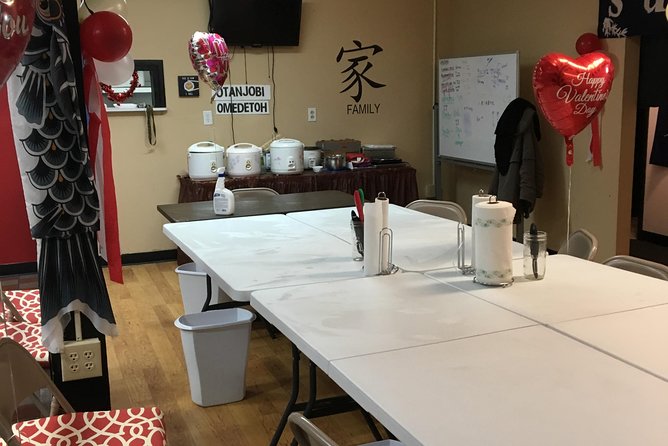
Dessert is not an afterthought here. You make a cake in a rice cooker, producing something similar to a sponge cake with a soft texture.
That method is a clever part of the class because it shows you a different use for a familiar kitchen appliance. You do not need to treat a rice cooker as a one-purpose machine. The result is paired with a matcha green tea glaze described as simple to make and not overly sweet.
The restrained sweetness may appeal to you if you prefer desserts that finish a meal without becoming heavy. Matcha adds a distinct green tea flavor, so this is not a plain cake with ordinary icing.
You will want to pay attention to the recipe guide here. The dessert is one of the easier parts of the class to remember conceptually, but home results can depend on the rice cooker you use. The instructions should help you repeat it, while the teacher’s tips can help you understand what to watch for.
More than the listed menu
The advertised food includes three savory dishes and one dessert. Mori sensei also prepares miso soup, giving you an extra taste alongside the food you cook.
That small addition matters because it turns the dishes into something closer to a full Japanese-style meal. Miso soup also gives the instructor another opening to discuss ingredients and preparation, even though it is not listed as one of the main cooking projects.
The strongest part of the teaching is the mix of cooking and explanation. You learn where the dishes came from, what goes into them, and how to find or replace ingredients. That is a better long-term benefit than leaving with a plate of food but no idea how to repeat it.
Mori sensei’s funny, relaxed manner is another plus. Cooking classes can feel awkward when the teacher is overly formal or rushed. Here, the tone is meant to help you feel comfortable asking questions and trying unfamiliar techniques.
Why the private format matters
Only your group takes part in this activity. That makes the class a good choice for couples, families, or friends who want to cook together without sharing the lesson with strangers.
A private class can also improve the pace. If you already cook often, you can ask for more detail about ingredients or methods. If you are new to Japanese food, you can slow down and ask basic questions without worrying that you are holding up a large group.
There is a tradeoff. A private experience may cost more than a large public demonstration, depending on the booking price for your group. Since no price is provided here, I would judge the value by the number of people attending and how much personal instruction you want.
For two people, the cost may feel worthwhile if you value direct help, a relaxed setting, and recipes you plan to use again. For a larger group, the per-person value may improve, but you should confirm the booking terms before paying.
Ingredients, allergies, and what to bring
You do not need to bring cooking supplies. The class provides an apron, and the opening routine includes washing your hands before preparation.
You should still contact the instructor before the class if you have food restrictions or allergies. This is especially important for a menu involving noodles, batter, sauces, soup, seafood-related preparations, and matcha dessert. The available information does not specify which substitutions can be made, so ask in advance rather than hoping to solve the issue after cooking begins.
Service animals are allowed. The class is offered in English, which makes the instructions accessible to English-speaking participants.
Who will enjoy this class most
I would recommend this experience to you if you like food classes that combine cooking with cultural background. It suits people who want to understand what they are making, not just copy a list of steps.
It is also a strong choice for:
- Couples looking for a shared afternoon activity
- Families or friends who prefer a private class
- Home cooks who want practical Japanese recipes
- People curious about yakisoba, okonomiyaki, and takoyaki
- Anyone who likes learning ingredient substitutions
- Visitors staying near Indianapolis who can reach Beech Grove
It may be less suitable if you want a quick tasting, a restaurant meal, or a passive demonstration. You will be expected to participate, and the class lasts about two and a half hours.
Cancellation and planning details
Free cancellation is available if you cancel at least 24 hours before the 3:00 pm start time. Changes or cancellations made inside that window are not refunded, and late changes are not accepted.
The activity can also be canceled if poor weather affects the experience or if the minimum number of participants is not reached. In those cases, you are offered another date or experience, or a full refund.
The booking confirmation arrives at the time of booking. Keep it available on your phone because the experience uses a mobile ticket.
Should you book the Beech Grove class?
Book it if you want a personal, food-focused afternoon with enough time to learn several recipes and ask questions. The private format, Mori sensei’s friendly teaching style, cultural background, and take-home recipe guide give the class value beyond the meal itself.
Skip it if you are looking only for a short snack stop or if a 3:00 pm cooking session does not fit your plans. Also check ingredient concerns before booking, especially if you have allergies or strict dietary needs.
For the right audience, this is a useful introduction to Japanese home-style street food. You leave with four recipes, new cooking techniques, and a better sense of how to find or replace ingredients when you try the dishes again at home.
FAQ
Where does the Japanese Street Food Class take place?
The class takes place at 222 Main St, Beech Grove, Indiana 46107, USA.
What time does the class begin?
The class starts at 3:00 pm.
How long does the experience last?
The experience lasts approximately two hours and 30 minutes.
What dishes will I make?
You will make yakisoba, okonomiyaki, takoyaki, and a rice cooker cake with matcha green tea glaze.
Does the class include a recipe guide?
Yes. You receive a recipe guide with information about finding ingredients and making substitutions.
Is the class private?
Yes. Only your group participates in the activity.
Do I need to bring anything?
No extra items are required. An apron is provided, and the class begins with hand washing.
What is the cancellation policy?
You can cancel for a full refund up to 24 hours before the experience start time. Cancellations made less than 24 hours before the start are not refunded.
Just added around the USA
- Tampa Riverwalk Street Food by the Bay 3 Hour Walking Food Tour★ 5.0 · 17 reviews
- Street Food Tour of South Lake Union- Area of Amazon Spheres★ 5.0 · 60 reviews
- Downtown Sarasota Street Food -Casual Lunchtime Walking/Food Tour★ 3.5 · 3 reviews
- Tijuana Walking Street Food Tour for Foodies★ 5.0 · 10 reviews
- The Ultimate New York City Street Food Tour★ 5.0 · 43 reviews
- Food Carts of Portland Bike Tour: local flavors and stories★ 5.0 · 67 reviews
- Taste of Little Havana: Miami Cuban Food & Culture Tour★ 5.0 · 3 reviews
- Little Havana Street Food Tour with Enthusiastic Guide★ 4.0 · 21 reviews
Street Food Tours, compared.

Old Town, Creek, Museums, Souks, & Street Food Tour
What we made of it →
Ho Chi Minh City Street Food Tour & Sightseeing By Motorbike
What we made of it →
Comuna 13 Graffiti Tour, Cable Car & Street Food
What we made of it →
Old Town, Souks, Street Food, Guided Tour & Abra Ride
What we made of it →
Small Group Hanoi Street Food Tour with a Real Foodie
What we made of it →
Saigon By Night and Street Food By Motorbike | Opt: Ao Dai Riders
What we made of it →Where this tour turns up