
Review · LECCE
Lecce: Street Food Tasting and Sightseeing Tour
Come hungry, leave oriented. This 2 to 2.5 hour walking tour combines Lecce’s Baroque churches and Roman stories with generous tastings of Salento food, making it a useful first look at the city rather than just a snack crawl. I especially like the steady mix of monuments and food, plus the chance to see a papier-mâché workshop.
The guides are the heart of the experience. Antonella is often praised for her English, local knowledge, warmth, and ability to explain both Lecce and wider Apulia. Monia and Giancarlo have also led highly enjoyable outings. My one caution is simple: drinks cost extra, and the food can be filling enough to replace lunch, so do not arrive after a large breakfast.
The walk begins at Porta San Biagio, one of Lecce’s four main historic gates, and also includes Porta Napoli. You will visit important churches, but the tour keeps moving at an easy pace, with breaks for food along the way. That makes it a good choice if you want context without spending half a day inside museums.
Key points to know before booking
- Five substantial tastings are typical: Expect a useful spread of roughly three savory and two sweet samples, though the exact foods can vary.
- The food is local, not generic: Rustico, pettole, pasticciotto, friselle, tarallini, gelato, and regional cheeses may appear.
- Antonella receives especially strong praise: Her English, humor, cultural knowledge, and practical suggestions are major strengths.
- You see Lecce’s main sights while walking: San Matteo, Piazza Duomo, Basilica of Santa Croce, Piazza Sant’Oronzo, and Porta Napoli all feature in the route.
- It is a relaxed but real walking tour: Wear comfortable shoes, bring water, and allow for sun or rain.
- Dietary limits need careful thought: Vegan and lactose-free requests may be partly accommodated if given at booking, but allergies and gluten intolerance are listed as unsuitable.
Starting at Porta San Biagio
Porta San Biagio is a sensible meeting point. It is one of the four principal gates into Lecce’s old town, so the tour starts with a clear sense of place instead of dropping you into a random café.
The route also includes Porta Napoli, another important gateway. You will not spend the whole tour studying gates, but seeing these entrances helps you understand how the old city was organized. The experience identifies Porta San Biagio as one of four main gates and later visits Porta Napoli. It does not present a full gate-by-gate survey, so think of these stops as part of the city story rather than a specialized fortification tour.
The first tasting comes early, which is useful. You get an immediate introduction to local food, then continue walking with a better feel for the flavors of Salento. The pace is not a race. Several people have appreciated the easy rhythm and the spacing between food stops.
More Street Food Tours in Italy:
- Naples: Street Food Walking Tour with Local Guide
★ 4.9 · 4,976 reviews - Rome: Street Food Tour with Local Guide
★ 4.8 · 4,077 reviews - Rome: Trastevere & Campo de Fiori Street Food Walking Tour
★ 4.9 · 2,768 reviews
San Matteo and Lecce’s unusual church fronts
The Church of St. Matthew is one of the first major architectural stops. Its exterior gives the guide a chance to explain what makes this church different from the many other religious buildings packed into Lecce’s center.
That comparison matters. Lecce is famous for its ornate Baroque style, but seeing one church after another can make the details blur together. A good guide points out the changes in shape, decoration, and mood, helping you understand why San Matteo deserves more than a quick photograph.
The scheduled visit here is brief, around 10 minutes. That is enough for an explanation and a look, but not enough for an extended art-history lesson. I see this as a strength for most visitors. You get a readable introduction without stopping the walk every few steps.
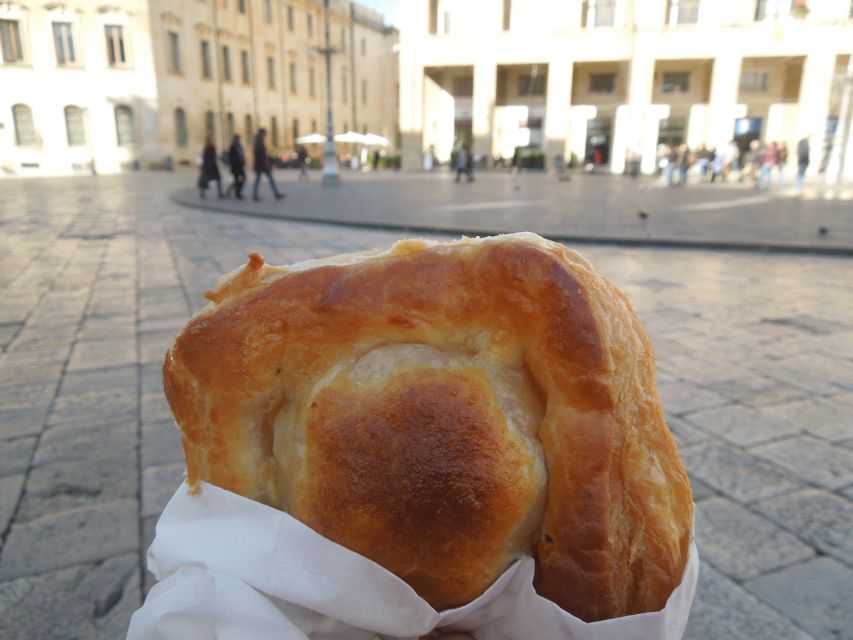
The food continues between major monuments. You may taste a savory item such as rustic, a puff pastry filled with mozzarella, tomato, and béchamel. It is a rich little pastry, and it shows how local street food can be simple, practical, and far more filling than its size suggests.
Piazza Duomo and the art of a closed square
Piazza Duomo is one of the tour’s best architectural pauses. The square has an enclosed, almost private shape, unlike the open civic squares you find in many Italian cities. The guide explains how the cathedral complex and surrounding buildings create that feeling.
The visit to Lecce Cathedral lasts about 15 minutes. You should expect an outside-focused explanation of the square and cathedral area rather than a long, formal cathedral tour. The value lies in learning how the buildings relate to one another.
This is also where a guide’s storytelling makes a real difference. Antonella has been praised for explaining not only Lecce’s buildings but also the political, social, and cultural forces that shaped the city. That wider context keeps the Baroque decoration from becoming mere visual excess.
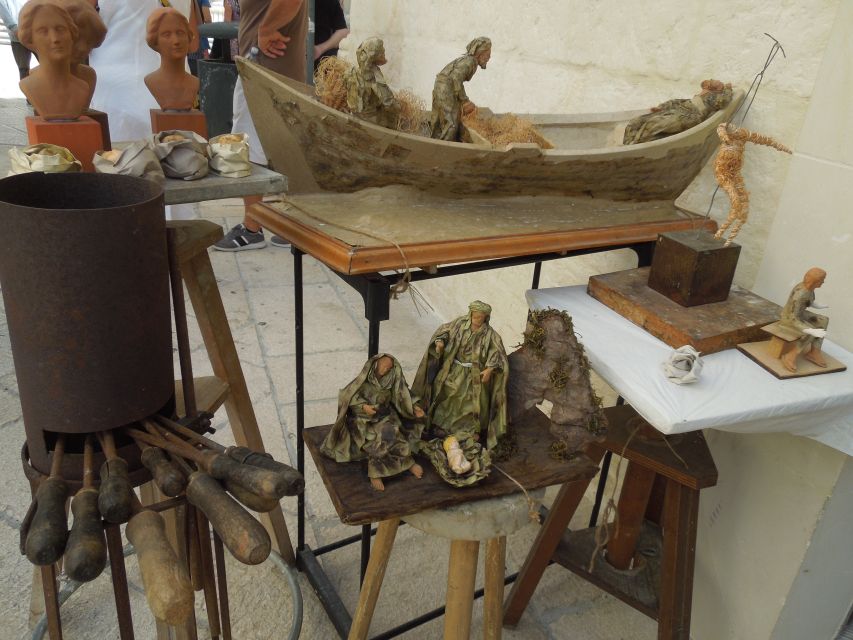
At some point, you visit a papier-mâché workshop. Lecce has a long tradition of making religious figures and decorative statues from this light, workable material. Watching the construction stages gives you something different from another church facade, and it connects the city’s art to living craft practice.
The workshop visit is particularly useful for anyone who wants more than photographs. You see how the object is made, not just the finished piece in a church or shop window. The exact workshop experience can vary, but the tour description specifically includes a look at the production process.
Salento specialties between the monuments
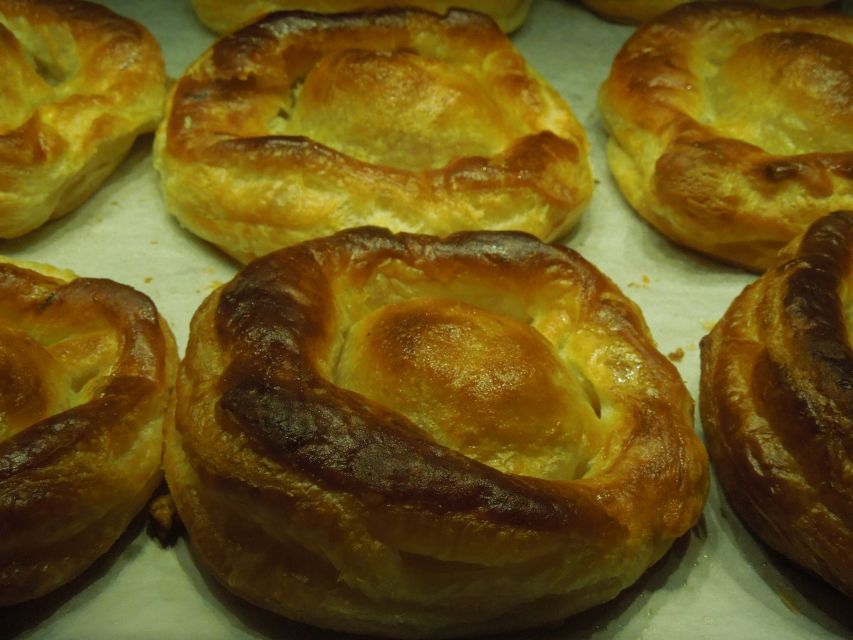
Food is spread throughout the walk rather than served in one large sitting. This is the right approach for Lecce. You taste a local specialty, walk a little, hear a story, and then get another bite before you are overly full.
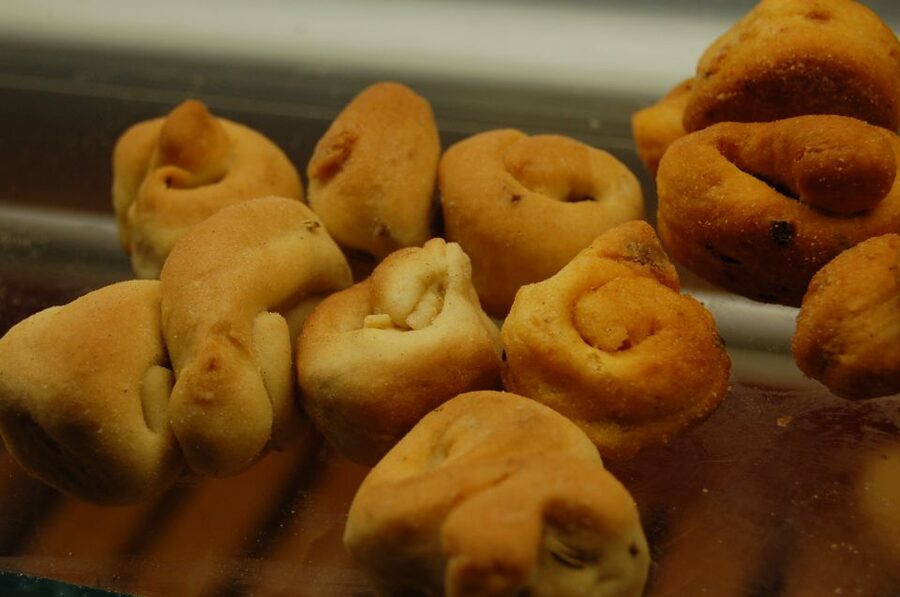
Pettole may appear among the savory samples. These are small balls of leavened dough, served plain or in a pizzaiola style. They are associated with Christmas Eve, so the guide can connect an everyday bite with local custom and seasonal tradition.
Other tastings reported during the tour include friselle, tarallini, pecorino cheese, and gelato. The precise selection is not fixed in the supplied details, so you should treat the list as an indication rather than a promise. The important point is variety: the tour typically balances several savory foods with sweet finishes.
The pasticciotto is the essential sweet. This Salento pastry has a shortcrust base filled with custard. It is compact, buttery, and rich enough that you may be glad the tour does not serve every item at once.
Gelato has also been a popular ending. One useful practical detail comes through clearly: the tastings can be plentiful. Several people found there was no need for lunch afterward, and one person advised arriving hungry. I would plan a light breakfast if your tour starts late in the morning.
Same place, a different plate:
- Venice: Street Food Tour with a Local Guide and Tastings
★ 4.8 · 2,613 reviews - Authentic Naples Street Food Tour With Local Expert Guide
★ 5.0 · 2,402 reviews - Rome Street Food Tour with Local Guide
★ 5.0 · 2,361 reviews - Palermo Original Street Food Walking Tour by Streaty
★ 5.0 · 2,105 reviews
Santa Croce and Lecce’s decorative overload
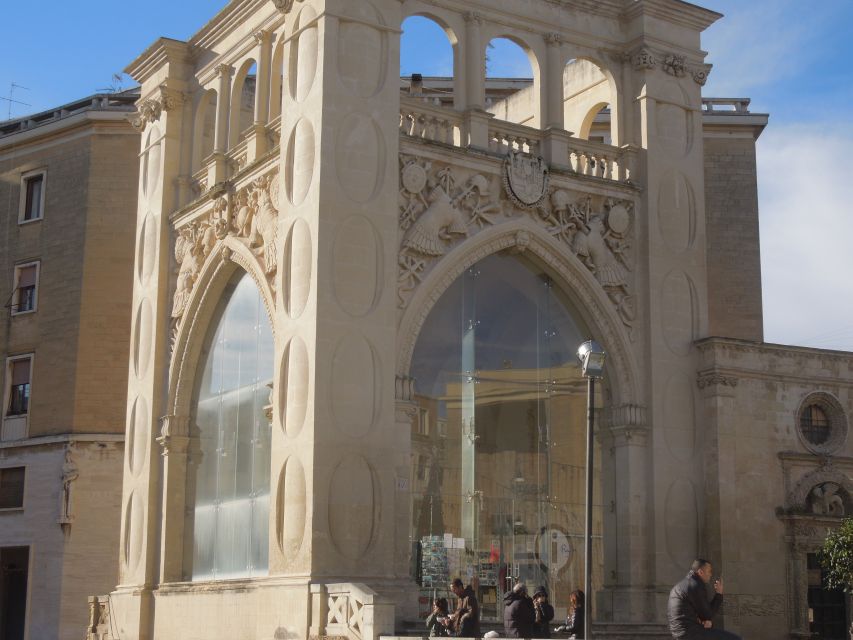
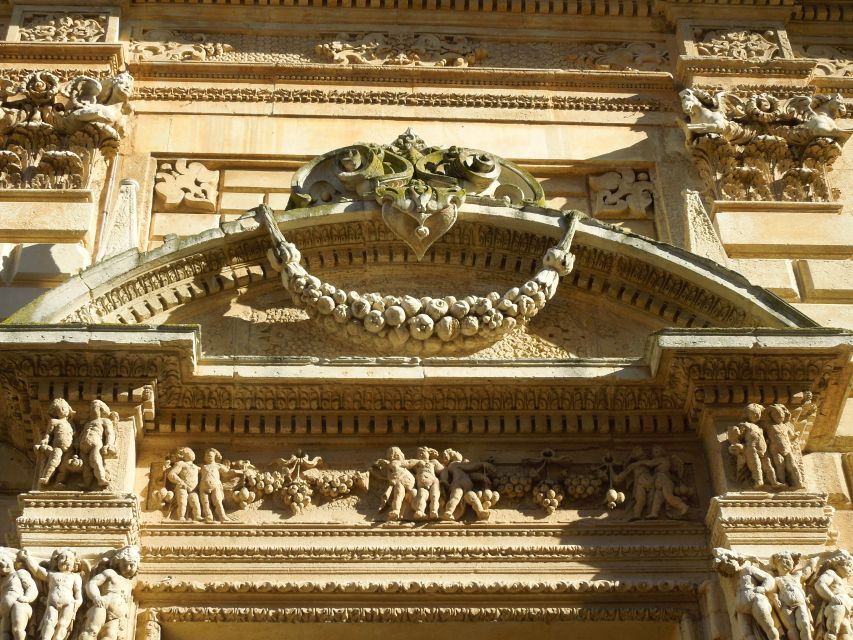
The Basilica of Santa Croce is where Lecce Baroque reaches full volume. Its facade is described as looking like embroidery, which is a helpful way to understand the dense carving. Look for the layered figures, plants, animals, columns, and ornamental details rather than trying to absorb the whole front at once.
The tour gives you about 15 minutes here. That is enough time to hear the main ideas and study the facade, but anyone who wants a detailed architectural analysis will need to return independently.
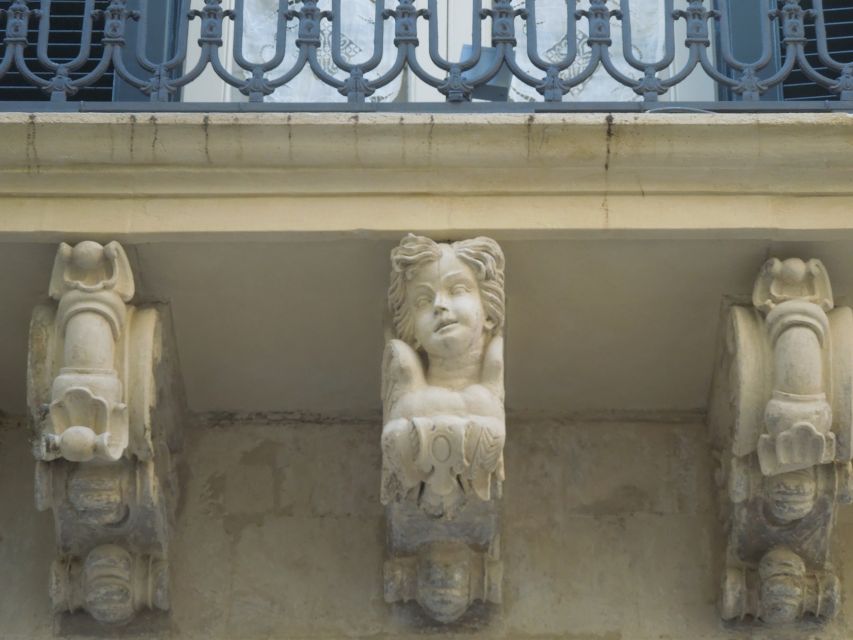
This is one of the places where the tour earns its price. Without a guide, you can admire the stonework but miss the clues about local style and patronage. The guide also points out carved balconies on noble residences, where sculpted figures support or decorate the fronts of private homes.
Those balcony details are easy to overlook. Lecce rewards slow looking, but most people do not know where to aim their eyes. A local guide helps you notice the smaller work between the famous buildings.
The route through the alleys also adds balance. You are not taken only from headline sight to headline sight. The guide uses side streets and small details to explain how the old center fits together, while anecdotes keep the information from turning into a lecture.
Piazza Sant’Oronzo and the Roman connection
Piazza Sant’Oronzo provides the tour’s strongest civic and Roman stories. Here you learn why part of a column from the Via Appia, the ancient Roman road, ended up in Lecce.
The square also introduces the city emblem, which features a she-wolf. The guide explains its meaning, along with the allegories represented by the large Clock of Wonders. These are precisely the details that make a guided visit worthwhile. You can see the column, emblem, and clock on your own, but you are unlikely to understand why they are there without help.
The square is also one of the possible meeting or finishing points, depending on the booking option. The listed drop-off points include Piazza Sant’Oronzo and Viale Francesco Lo Re. That makes the tour easy to connect with the rest of your day in the historic center.
The final tastings are placed near the end, including sweet options. This is a smart finish. You can walk off some of the earlier food, then end with dessert instead of carrying a heavy meal through every church and square.
Guide quality and group atmosphere
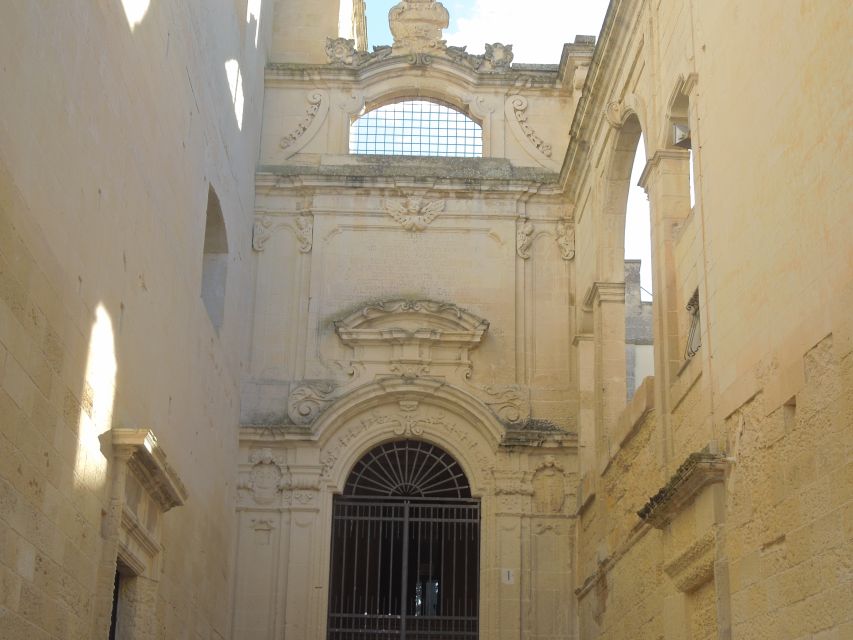
The strongest part of the experience is the guiding. Antonella is repeatedly praised for fluent English, clear explanations, warmth, and a strong grasp of Lecce, Apulia, architecture, food, and local customs.
That consistency matters because this tour covers many subjects in a short time. A guide needs to move from Roman history to Baroque sculpture, then from papier-mâché to pastry without losing the thread. Antonella appears especially good at answering unexpected questions and adjusting the conversation to the group.
Monia has also been praised for being friendly, flexible, and attentive to comfort, including finding shade on a hot day and adapting during rain. Giancarlo is described as funny, professional, and entertaining. The exact guide depends on the date and language, but the overall standard appears strong.
Group size can be small. Examples include five people and nine people, while private groups are also available. A small group makes it easier to hear explanations, ask questions, and keep the food stops relaxed. It also means the experience may feel more like a guided walk with a local than a large organized procession.
There is no formal group introduction promised at the start. One person would have liked that, so if you enjoy quickly learning who is on the tour, you may need to make your own introductions.
Is $70 a fair price?
At $70 per person, this is not the cheapest way to see Lecce. But the price includes a guided old-town walk, several food tastings, architectural explanations, local stories, and the papier-mâché workshop visit.
I think the value is good if you would otherwise book both a sightseeing walk and a food tour. The experience combines those two activities and generally provides enough food to serve as a light meal. It also gives you practical recommendations about places to eat and things to do later in the trip, especially when the guide is Antonella.
The value is weaker if you mainly want a sit-down meal or a long visit inside each church. This is a moving tour with short stops. You are paying for interpretation, variety, and a useful introduction to the old town, not a restaurant tasting menu or a specialist architecture seminar.
Drinks are not included, but you can buy them separately according to your preference. Bring water from the start, especially in summer. The tour operates in sun or rain except during extreme weather, and rain alone does not qualify for a last-minute refund.
Who should book this Lecce walk?
I would choose this tour for a first visit to Lecce, especially if you want to get your bearings fast and understand what you are seeing later. It suits couples, small groups, solo visitors, and families with children over five who enjoy walking and trying unfamiliar foods.
It is also a good match for people who like history in manageable portions. You get Roman references, church architecture, local customs, craft traditions, and food culture without committing to a full-day program.
You should think twice if you have a serious food allergy. The experience is listed as unsuitable for people with food allergies and gluten intolerance. Vegans and people with lactose intolerance may participate, but every tasting cannot be guaranteed, and restrictions must be shared when booking, not at the last minute.
The tour is wheelchair accessible, but the historic center includes walking between stops, so confirm that the exact booking option suits your needs. Comfortable shoes are essential, and water is strongly recommended.
Should you book the Lecce street food tour?
Book it if you want a friendly, food-filled introduction to Lecce that gives equal weight to buildings and local bites. The strongest reasons are the excellent guide feedback, the small-group feel, the five-part tasting pattern, and the way the route links food with the city’s art and customs.
Skip it if you want a quiet restaurant meal, extensive interior visits, or a tour built around strict dietary requirements. For most first-time visitors, though, $70 is fair value for a relaxed walk that leaves you fed, oriented, and better able to appreciate Lecce’s ornate old town.
FAQ
How long does the Lecce street food tour last?
The tour lasts about 2 to 2.5 hours. Starting times depend on availability.
Where does the tour begin?
The main meeting point is Porta San Biagio, though the meeting point can vary by the option booked. Piazza Sant’Oronzo is also listed among the possible starting locations.
What food might I taste?
Possible specialties include rustic, pettole, pasticciotto, friselle, tarallini, pecorino cheese, and gelato. The exact selection may vary. Tastings commonly include three savory and two sweet items.
Are drinks included?
No. Food tastings and snacks are included, but drinks can be purchased separately.
Is the tour suitable for dietary restrictions?
Vegans and people with lactose intolerance can participate, but not every tasting can be guaranteed. You must state your restriction when booking. The activity is listed as unsuitable for people with food allergies or gluten intolerance.
Is the tour wheelchair accessible?
Yes, the activity is listed as wheelchair accessible. The tour involves walking through Lecce’s historic center, so confirm that the selected booking option meets your specific needs.
Just added around Italy
- Verona: Street Food Tour and City Guided Sightseeing★ 4.9 · 11 reviews
- Verona: City Highlights & Street Food Walking Tour★ 5.0 · 3 reviews
- Verona: Street Food and History Tour with Local Guide★ 4.7 · 6 reviews
- Verona: street food walking tour near the historical center★ 5.0 · 2 reviews
- Venice: Rialto Area Street Food Tour and Sightseeing★ 4.6 · 8 reviews
- Venice: Cicchetti Street Food and Sightseeing Walking Tour★ 4.9 · 57 reviews
- Catania: Underground and Street Food Walking Tour★ 4.7 · 56 reviews
- Turin: Aperitivo & Street Food Tour Delights with a Local★ 4.9 · 46 reviews
Street Food Tours, compared.
Old Town, Creek, Museums, Souks, & Street Food Tour
What we made of it →
Ho Chi Minh City Street Food Tour & Sightseeing By Motorbike
What we made of it →
Comuna 13 Graffiti Tour, Cable Car & Street Food
What we made of it →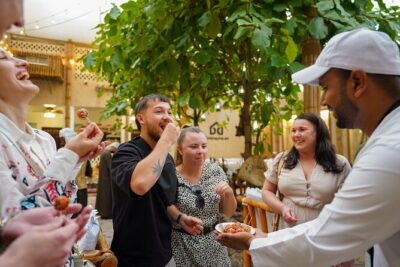
Old Town, Souks, Street Food, Guided Tour & Abra Ride
What we made of it →
Small Group Hanoi Street Food Tour with a Real Foodie
What we made of it →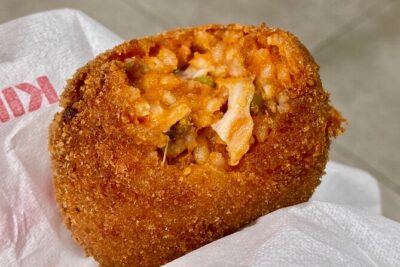
Saigon By Night and Street Food By Motorbike | Opt: Ao Dai Riders
What we made of it →Where this tour turns up