
Review · SINGAPORE
Singapore: Street Food & Ethnic Quarters Kick Scooter Tour
Singapore tastes better at street level. This 210-minute evening ride links Little India, Kampong Glam, the Jewish Quarter, and other central districts with seven vegetarian-friendly food and drink tastings. I like the smart route, which covers about 5.7 kilometers without wasting time, and I like the chance to see Singapore’s cultural mix through food rather than only through museums and monuments. The main caution is simple: you need decent balance, comfortable shoes, and enough fitness to ride a kick scooter for several hours.
The tour is led in English, and guide Ping has earned special praise for her friendly, personal style and strong grasp of Singapore’s culture. If rain arrives, the operator provides a disposable poncho, though one past outing continued on foot because of the weather. That is worth keeping in mind if the scooter is the main reason you are booking.
Key points to know before you book
- Seven food and drink tastings: Try dosai with chutneys, masala tea, popiah, chwee kway, muah chee, bubur pulut hitam, and pisang goreng.
- Six cultural quarters in one route: Little India, Kampong Glam, the Jewish Quarter, and other central neighborhoods appear within a single evening.
- About 5.7 kilometers by kick scooter: You cover more ground than on a walking tour, but you still need balance and reasonable fitness.
- Ping is a major part of the experience: Her warm, engaging guiding style helped make several outings memorable, especially for families and vegetarian diners.
- The tour ends near Dunlop Street: You finish at 73 Dunlop Street, close to the Kampong Glam and Little India area.
- Best for curious adults and older children: The tour is not suitable for children under 8, pregnant women, or anyone over 220 pounds, or 100 kilograms.
Why this route works so well at night
Singapore’s central districts sit close together, but each has its own visual style, religious buildings, food traditions, and older shopfronts. Walking between all these places would take time and energy. The kick scooter lets you move from one neighborhood to the next while keeping the evening social and relaxed.
The timing also helps. The route begins in Little India and continues toward Bugis, the civic district, Raffles Hotel, and Kampong Glam. In the evening, you can feel the cooler air as you ride, while food centers and shopping streets add a little movement around the stops.
This is not a race. The itinerary includes many short photo stops and guided explanations, with longer breaks for food. You should expect to stop often, listen, taste, and take pictures rather than ride continuously.
The scooter itself is useful, but it is not the whole point. If you are confident on two wheels, it gives the tour a playful rhythm. If you are uneasy with balance, the same route could feel tiring. The operator has shown flexibility in poor weather, but the experience may change from a scooter outing to a walking tour.
More Food Tours by Motorbike or Scooter in Singapore:
- Singapore Street Food and Ethnic Quarters Kick Scooter Tour
★ 5.0 · 8 reviews - Ho Chi Minh City Street Food Tour & Sightseeing By Motorbike
★ 5.0 · 9,413 reviews - Saigon By Night and Street Food By Motorbike | Opt: Ao Dai Riders
★ 5.0 · 4,066 reviews
Little India begins with color and spice
Meet your guide at Little India MRT Station Exit E, at street level. This is a practical starting point because the first sights are close by and the district immediately gives you a sense of Singapore’s Indian heritage.
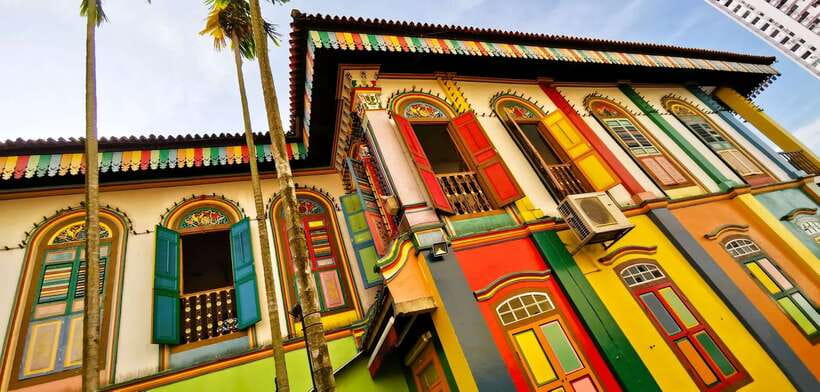
The first photo stop is Tan Teng Niah, a colorful traditional house that offers an easy introduction to the area’s older architecture. You only spend about two minutes here, so think of it as a quick orientation and camera stop, not a long architectural visit.
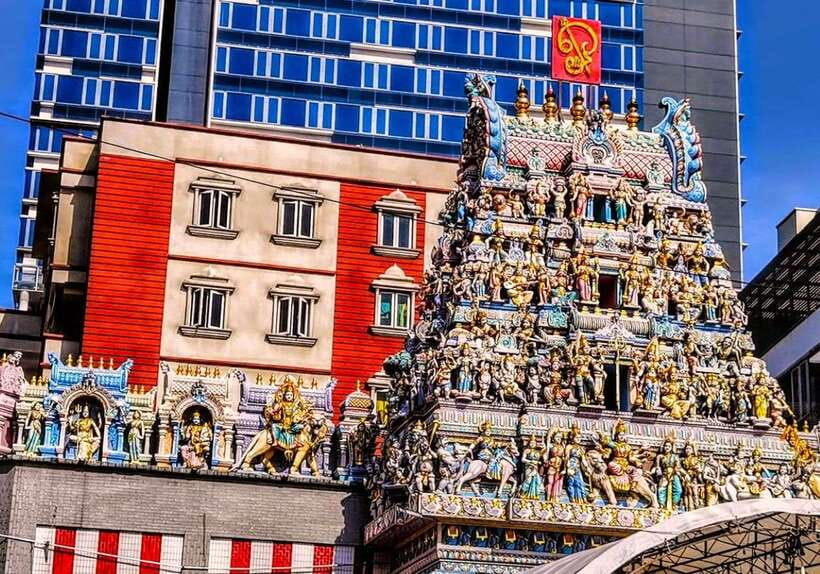
At Sri Veeramakaliamman Temple, the guide gives a longer explanation, around ten minutes. The temple is dedicated to the Hindu goddess Kali, and the stop helps place Little India’s food, shops, and religious traditions in context. You will want to dress and behave respectfully around religious sites, even during a fast-moving city tour.
The first substantial food stop is at Komala Vilas Restaurant, where you can expect dinner, tea, and local food tastings over about 40 minutes. The featured dish is an especially photogenic dosai cone served with chutneys, paired with hot masala tea. Dosai is a crisp, thin South Indian crepe, and the cone shape makes this tasting more memorable than a standard restaurant serving.
This is also a useful point for anyone eating vegetarian food. The experience is designed to be vegetarian-friendly, and a past family group with vegetarian dietary needs found Ping accommodating. Still, tell the guide about your requirements at the start so the food stops run smoothly.
Campbell Lane and the city’s layered faiths
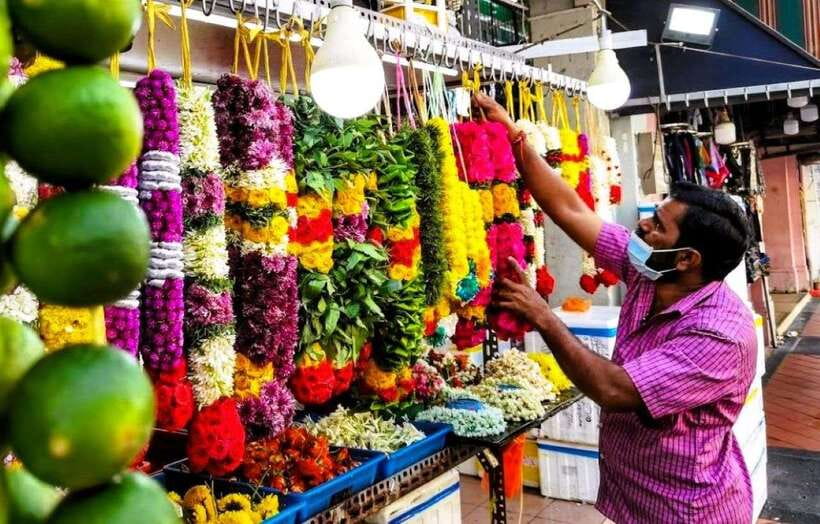
After the meal, the route passes through Campbell Lane, a lively Little India street with shops, decorations, and religious connections. You have around ten minutes for photos and a short explanation.
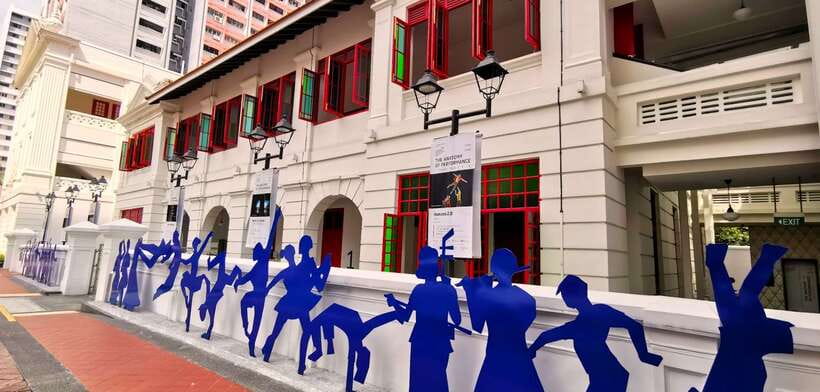
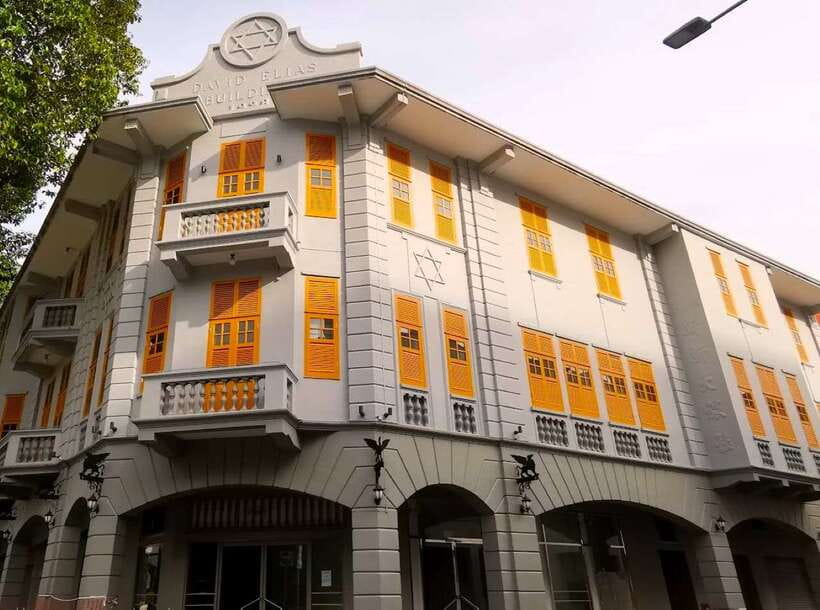
The next stops move beyond Indian Singapore. At the David Elias Building, the guide points out an older commercial structure, while Stamford Arts Centre adds a cultural and architectural pause. These visits are brief, five minutes each, so the value comes from the guide’s explanation rather than from extended time inside either site.
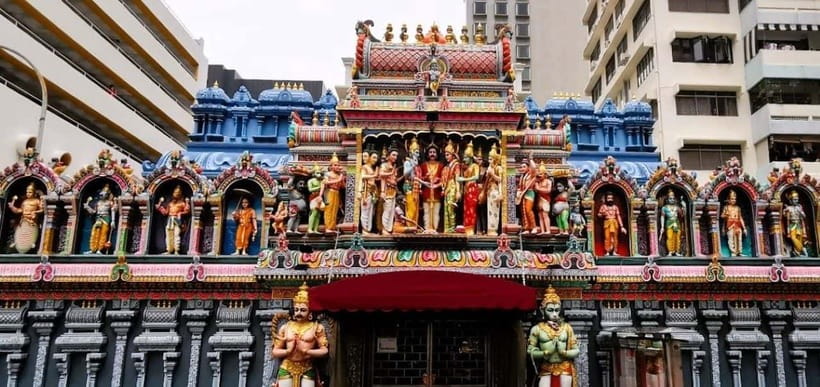
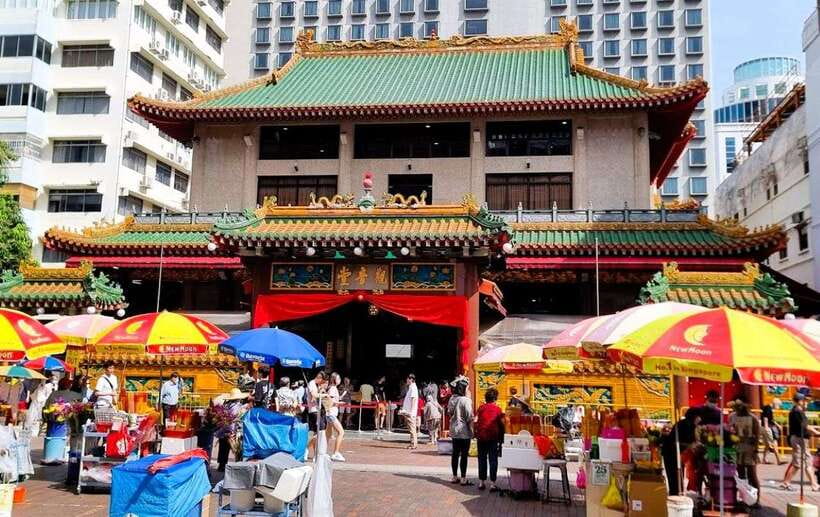
The route then reaches Sri Krishnan Temple and Kwan Im Thong Hood Cho Temple. Each receives only about two minutes, but seeing Hindu and Buddhist places of worship close together helps explain Singapore’s compact mix of traditions.
This is one of the tour’s better features. You do not simply visit one ethnic quarter, eat one national dish, and leave. You keep crossing between communities, architectural styles, and food customs. The short stops may feel quick if you want lengthy visits, but they work well for a survey of the city.
Albert Centre delivers the hawker food
The second major tasting happens at Albert Centre, with about 30 minutes for local snacks and street food. Here you sample items associated with Singapore’s Chinese and Southeast Asian food traditions.
The planned tastings include:
- Popiah, a fresh Chinese spring roll with a soft wrapper
- Chwee kway, steamed rice pudding topped with salted radish and spicy sambal
- Muah chee, chewy glutinous rice pieces coated in crushed peanuts and sugar
These are small tastes, not a full hawker-center meal, so save room for later. The point is variety. Popiah introduces a fresh, savory texture, chwee kway brings salt and spice, and muah chee finishes with a sweet, peanut-coated bite.
For many people, this will be the most useful food section of the evening because hawker centers are central to everyday Singaporean dining. You get to sample several foods without ordering large portions or guessing at unfamiliar names on your own.
More Street Food Tours in Singapore:
- Small Group: Michelin and Local Hawker Food Tour with 9 tastings
★ 5.0 · 1,890 reviews - Small Group: Singapore Street Food & Night Tour with 9 tastings
★ 5.0 · 1,240 reviews - Singapore: UNESCO Street Food & Cultural Experience
★ 5.0 · 524 reviews - Small-Group Food Tour With Hawker Center: Eat Like A Local
★ 5.0 · 420 reviews
Bugis shows the city’s changing face

From Albert Centre, the scooter route continues through Bugis Street and Bugis Junction. Bugis Street offers a short shopping and photo stop, while Bugis Junction provides another glimpse of modern retail Singapore.
These stops are brief, five minutes each, so do not expect a dedicated shopping session. Instead, they show the contrast between the food center, older streets, and newer commercial spaces. The tour works best when you treat these as connecting chapters in the city story.
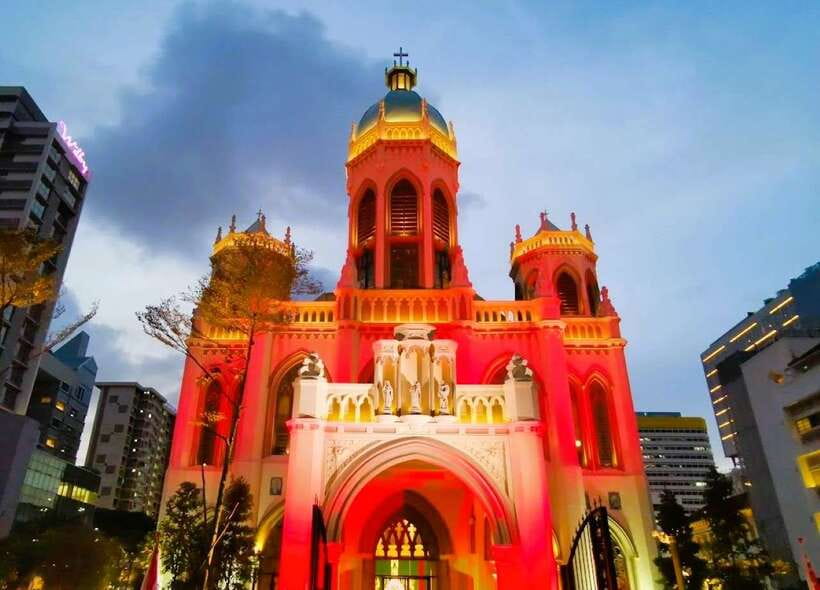
The journey then passes St Joseph’s Church and the Cathedral of the Good Shepherd. Each receives a quick photo stop and explanation. Even with limited time, these buildings add a Christian layer to the route and show how many faith traditions fit into central Singapore.
At CHIJMES, the guide allows about ten minutes. The former convent complex is one of the more atmospheric architectural stops, with historic religious buildings now linked to dining and city life. You have enough time for photographs and a short look around, though not an in-depth interior tour.
A break at Raffles Hotel
The stop at Raffles Hotel lasts about 20 minutes and includes time for a break, photographs, and possible shopping. This is a useful pause after several food and sightseeing stops.
Raffles is one of Singapore’s best-known colonial-era landmarks, and seeing it gives the route a polished contrast to Little India’s street life and Albert Centre’s hawker setting. You should not expect a long hotel tour or a formal drink included in the price. The schedule lists a break, photo stop, guided visit, and shopping, so think of it as time to rest and look around.
The break also helps keep the 3.5-hour outing comfortable. You are not on the scooter every minute, and the regular stops prevent the route from becoming a test of endurance.
Kampong Glam ends with dessert
The final neighborhood is Kampong Glam, one of the most enjoyable parts of the route for photography and evening atmosphere. At Haji Lane, you stop for dessert and street food for about ten minutes.
The tasting selection includes two Malay-style favorites: bubur pulut hitam, a black glutinous rice dessert with coconut cream, and pisang goreng, crisp fried banana. The flavors shift again, this time toward sweet, creamy, and fried. If you have a strong sweet tooth, this is a fitting finish.
The route continues to Sultan Mosque, where you receive about five minutes of guiding and photography. The mosque is a key landmark in Kampong Glam and helps explain the district’s Malay and Muslim identity.
A final stop at Bussorah Street gives you a short look at the pedestrian street near the mosque. It is a natural place to end the cultural portion of the ride, with shops, restaurants, and photo opportunities nearby. The official finish is at 73 Dunlop Street, so you should plan your onward route from there rather than from the starting station.
What the food program is really like
The tour advertises seven types of vegetarian-friendly food and drink. Taken together, the tasting list covers:
- Dosai with chutneys
- Masala tea
- Popiah
- Chwee kway
- Muah chee
- Bubur pulut hitam
- Pisang goreng
This is a tasting tour, not a three-course dinner. You receive a broad sample of Singaporean food traditions, but you should not arrive expecting large servings at every stop. The smart approach is to eat a light meal beforehand or plan a later dinner if you usually need generous portions.
The vegetarian focus is a real advantage. Singapore has excellent vegetarian choices, but food stalls can be unfamiliar to first-time visitors. Having a guide arrange the tastings removes some of the guesswork.
You should still tell Ping or the tour provider about allergies and dietary limits before the ride. The supplied details confirm vegetarian-friendly food, but they do not promise gluten-free, vegan, nut-free, or allergy-specific menus.
Is $54 good value?
At $54 per person, the price is fair if you want three things at once: guided sightseeing, scooter transport, and food sampling. The fee includes the kick scooter, an English-speaking licensed guide, seven food and drink tastings, and a disposable poncho if the weather turns wet.
You are also paying for route planning. On your own, you could visit Little India, Bugis, Raffles Hotel, and Kampong Glam, but fitting six quarters and several tastings into one evening would take more preparation. The guide adds the cultural connections that make the route more than a snack crawl.
The value is weaker if you already know Singapore well, dislike short photo stops, or want a long sit-down meal. It is also less appealing if you are not comfortable on a scooter. In that case, a walking or hawker-center tour may suit you better.
The perfect size of the experience may be personal. A past family of four found the scooter ride funny and memorable, while another outing switched to walking because of weather. That tells you the tone is flexible, but the conditions can shape the experience.
Who should book this evening ride?
I would recommend it to first-time visitors who want a quick introduction to Singapore’s central districts. It also suits repeat visitors who have seen the major attractions and want to connect food, religion, architecture, and street life in one outing.
Food-focused couples, curious families with children aged 8 and over, and active adults are good matches. Ping’s style seems especially helpful for people who want explanations rather than a silent ride between food stops.
You should think twice if you have poor balance, tire easily, or prefer slow museum visits. The route covers many places, but the stops are often short. Anyone over 220 pounds, or 100 kilograms, cannot participate, and the experience is not suitable for pregnant women or children under 8.
Bring water and wear comfortable shoes. A light outfit suited to warm evening weather makes sense, and respectful clothing is wise when entering or approaching temples, churches, and the mosque.
Should you book it?
Book this tour if you want Singapore in small, flavorful pieces: a dosai cone in Little India, rice snacks at Albert Centre, colonial landmarks near Raffles, and Malay desserts in Kampong Glam. The route covers a lot without feeling like a standard bus circuit, and the guide’s personality appears to be one of its strongest assets.
Skip it if you want a full meal, a slow architectural tour, or a guaranteed scooter ride in any weather. For the right person, though, $54 buys a lively introduction to Singapore’s food and cultural quarters, with enough structure to make the city feel easier to understand.
FAQ
Where does the tour begin?
The meeting point is at Little India MRT Station Exit E, at street level.
Where does the tour finish?
The tour finishes at 73 Dunlop Street.
How long does the experience last?
The tour lasts 210 minutes, or three and a half hours.
How far do participants ride?
Participants ride kick scooters for about 5.7 kilometers.
Is the food vegetarian-friendly?
Yes. The experience includes seven types of vegetarian-friendly local food and drink.
What foods are included?
The tastings include dosai with chutneys, masala tea, popiah, chwee kway, muah chee, bubur pulut hitam, and pisang goreng.
Is scooter rental included?
Yes. Kick scooter rental is included in the price.
What language is the tour conducted in?
The live tour guide speaks English.
Who cannot join the tour?
The experience is not suitable for children under 8, pregnant women, people over 220 pounds or 100 kilograms, or anyone unable to ride a kick scooter with reasonable balance and fitness.
Just added around Singapore
- UNESCO Hawker Culture: Chinatown Food Tasting Tour★ 4.9 · 43 reviews
- UNESCO Hawker Culture: Chinatown Food Tasting Tour★ 5.0 · 47 reviews
- Singapore Street Food Join-In Tour★ 5.0 · 2 reviews
- Singapore Street Food and Ethnic Quarters Kick Scooter Tour★ 5.0 · 8 reviews
- Signature Urban Night Tour: Sunset Street Food in Singapore★ 5.0 · 4 reviews
- Singapore: Little India Hawker Food Tasting Tour★ 5.0 · 21 reviews
- Singapore Nightlife: Street Food, Night Views and Drinks★ 5.0 · 19 reviews
- Singapore Chinatown Local Hawker Food Tour★ 5.0 · 2 reviews
Food Tours by Motorbike or Scooter, compared.
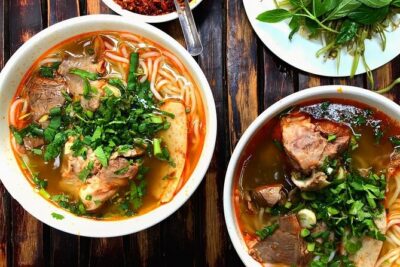
Ho Chi Minh City Street Food Tour & Sightseeing By Motorbike
What we made of it →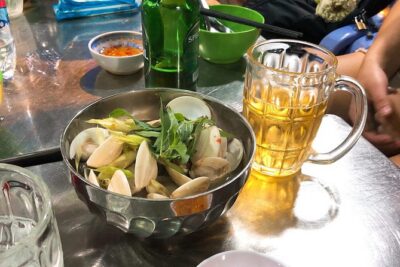
Saigon By Night and Street Food By Motorbike | Opt: Ao Dai Riders
What we made of it →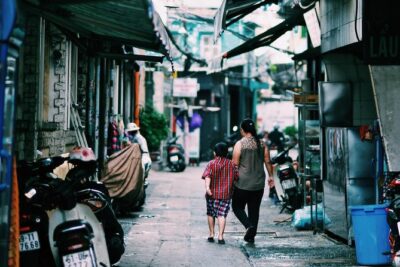
Private Street Food Tour by Motorbike/Car with Local Students
What we made of it →
Street Food Tasting & Sightseeing Tour by Motorbike
What we made of it →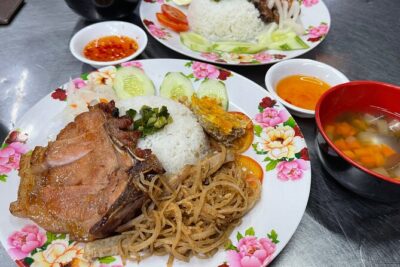
Top Notch Street Food Motorbike Tour In Ho Chi Minh City
What we made of it →
Private Street Food Motorbike Tour in Ho Chi Minh City
What we made of it →
Saigon Afternoon Unseen Street Food by Scooter |Opt: Ao Dai Rider
What we made of it →
Where this tour turns up