
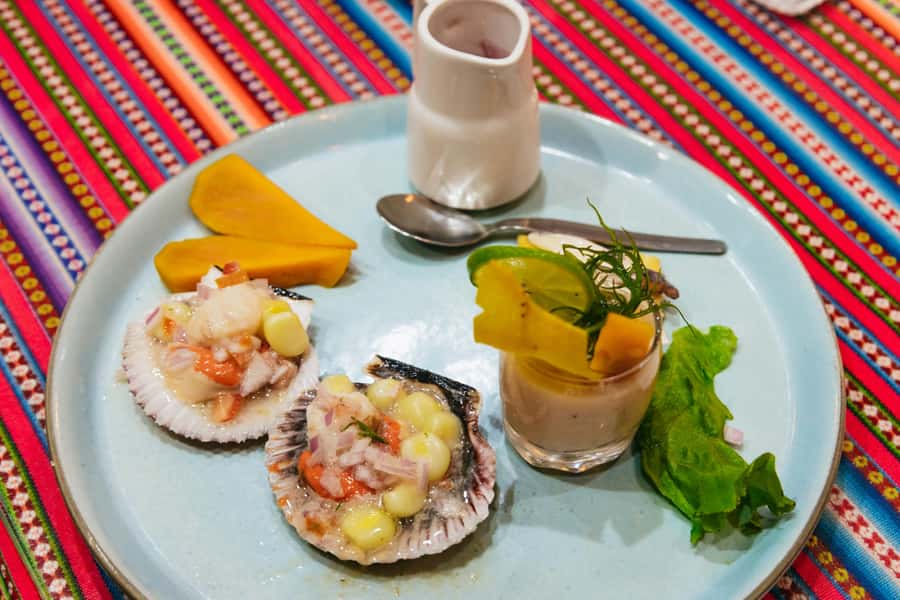
Review · PERU
Lima: Historic Center Street Food, Market, and Eateries Tour
Come hungry, leave with a better map of Lima. This four-hour walking tour combines Peruvian street food with the capital’s grandest colonial squares, market lanes, and old eateries. I like the way it moves beyond restaurant dining, taking you to food carts, local counters, Mercado Central, and Chinatown. I also like that the guides connect each bite to Lima’s daily life, culture, and past.
The tour costs $69 per person, which is fair if you value both meals and guiding. You are not simply paying for a snack crawl. You get many tastings, drinks, a market visit, and a long walking introduction to central Lima. The main drawback is the menu: it is heavy on meat, sweets, and traditional foods that may not suit everyone. Vegetarians, vegans, pescatarians, and people with severe gluten or nut allergies should not book this shared tour.
Key points to know before you book
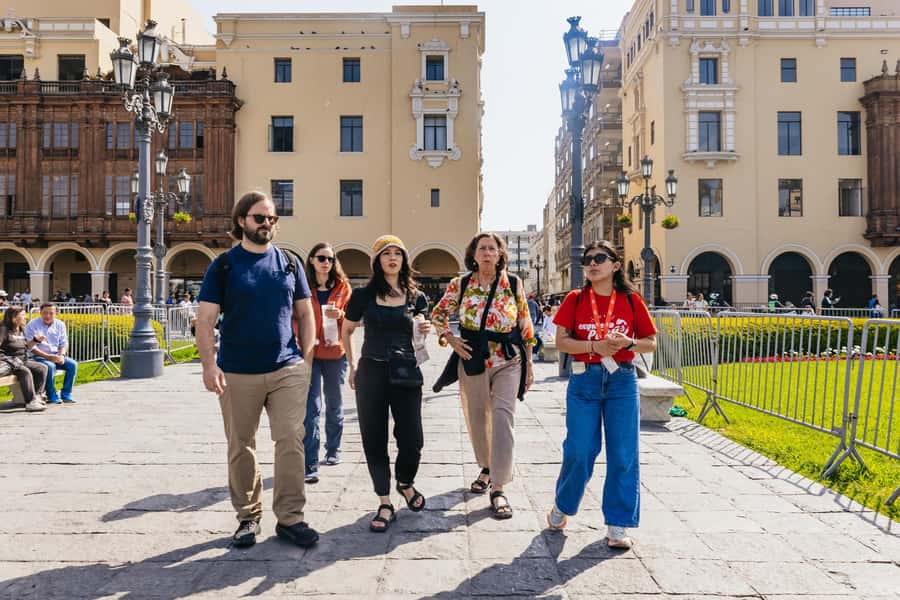
- Eight or more food moments can add up quickly: Portions vary, but several people finish full enough to skip dinner.
- Mercado Central gives the tour its local pulse: You see produce, fruit, spices, and everyday shopping rather than only polished restaurants.
- The route links food with Lima’s landmarks: Plaza San Martín, Plaza Mayor, La Merced, San Francisco, and the Cathedral all appear along the walk.
- Chinatown adds a useful Peruvian twist: You sample chifa flavors, the local Peruvian-Chinese cooking tradition.
- The dessert course is generous: Churros and picarones are highlights, but people wanting more savory food may find the balance sweet.
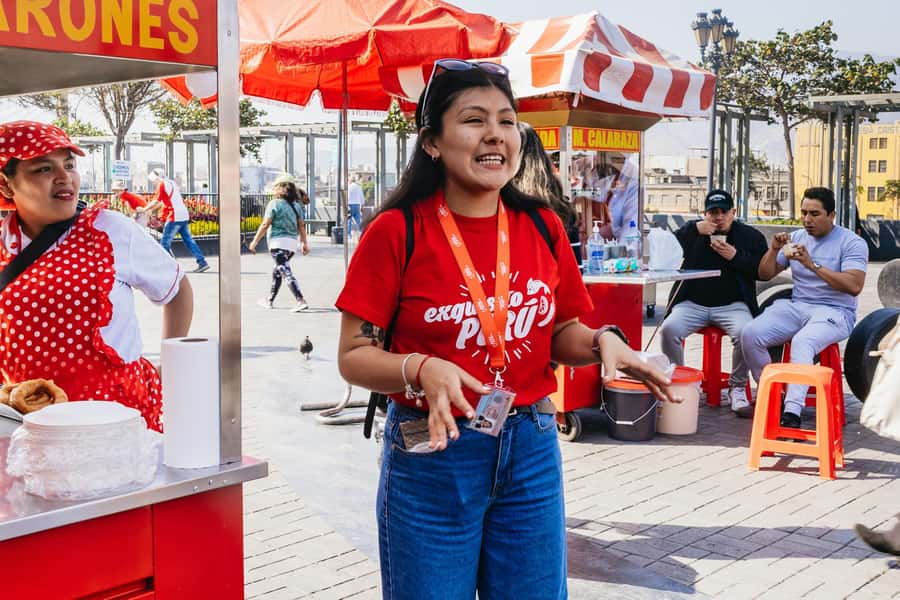
- Guides make much of the difference: Marcos, Aura, Valeria, Sheyla, David, Manuel, and others receive praise for warmth, organization, humor, and clear explanations.
Starting at Gran Hotel Bolívar in Plaza San Martín
The tour begins at the main entrance of the Gran Hotel Bolívar, at Jirón de la Unión 958 in Plaza San Martín. This is a practical meeting point because the square is one of central Lima’s major reference points, and the hotel itself is an unmistakable old landmark.
Your first stop is a brief look at Plaza San Martín. Do not expect a long guided visit here. It is more of a visual introduction before the group starts walking and eating. The square helps set the scene for Lima’s formal center, with broad civic spaces and grand buildings rather than the narrow market streets that come later.
The route is conducted in English only. That matters because the guide explains food names, local customs, and historical details throughout the walk. If you need another language, the operator asks you to arrange a private tour instead.
More Old Quarter and Medina Food Walks in the world:
- Dubai: Old Town, Creek, Museums, Souks, & Street Food Tour
★ 4.8 · 10,816 reviews - Dubai: Old Town, Souks, Street Food, Guided Tour & Abra Ride
★ 4.9 · 7,170 reviews - [HOT] Hanoi Old Quarter Walking Street Food – Small Group Tour
★ 5.0 · 2,163 reviews
Chilcanos and old Lima atmosphere
One of the early food stops is a local restaurant, where you get a regional tasting and a drink. The tour specifically features chilcanos, a Peruvian cocktail made with pisco, citrus, and a fizzy mixer. These are served in one of Lima’s old casonas, giving the drink a setting that feels connected to the city rather than added as a random bar stop.
This is one of the tour’s more appealing ideas. You are not only told that pisco matters in Peru. You get to try a classic drink in a historic building and hear how food and drink fit into local life.
The first restaurant stop lasts about 30 minutes. Later food stops are shorter, so this is a good time to ask questions and settle into the rhythm of the tour. The portions are designed as tastings, but the full route includes enough food that you should not plan a large meal immediately before meeting the guide.
La Merced, Plaza Mayor, and Lima’s grand center
The walking route continues past Iglesia de La Merced, with time for photographs and a short explanation. You then reach Plaza Mayor de Lima, also called Plaza de Armas, the symbolic heart of the historic center.
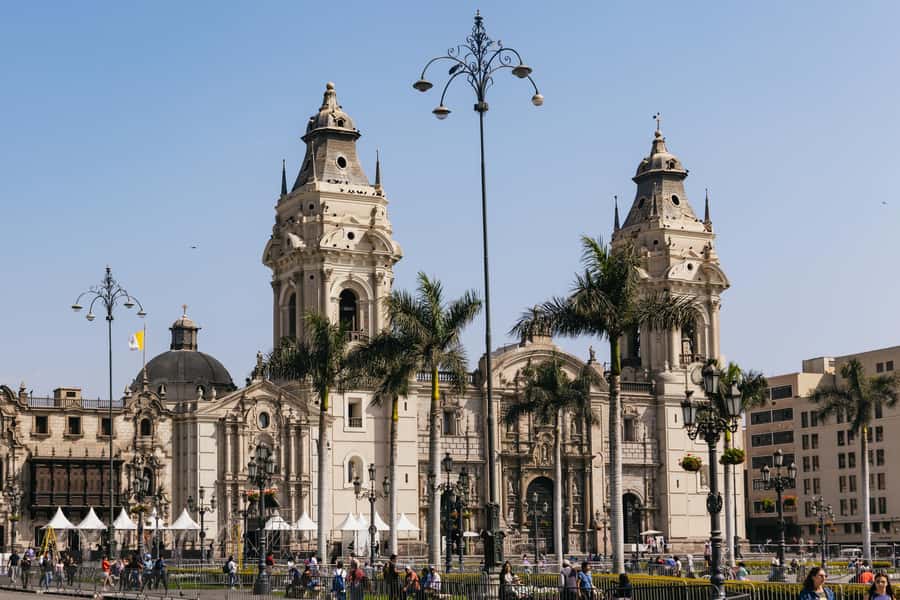
Here, the experience shifts from food tour to city walk. You see the Cathedral of Lima, the Government Palace, and other grand buildings from the outside. The focus is not on entering every monument, so this tour is best for getting a clear first look rather than replacing a dedicated architecture tour.
The guide helps you connect these buildings to the city’s past and present. Several people particularly liked the way guides such as Aura, Marcos, and Valeria explained Lima’s architecture alongside its food. That combination gives the route more purpose. You are not stopping for photographs at random points, then eating something unrelated. The sights and dishes help explain how central Lima works.
Keep your camera ready, but also watch the walking pace. The tour covers many stops in four hours, and the city center can be distracting. You will want to look up at the balconies and façades, then look down again before stepping into the next food stop.
Mercado Central: fruit, spices, and daily shopping
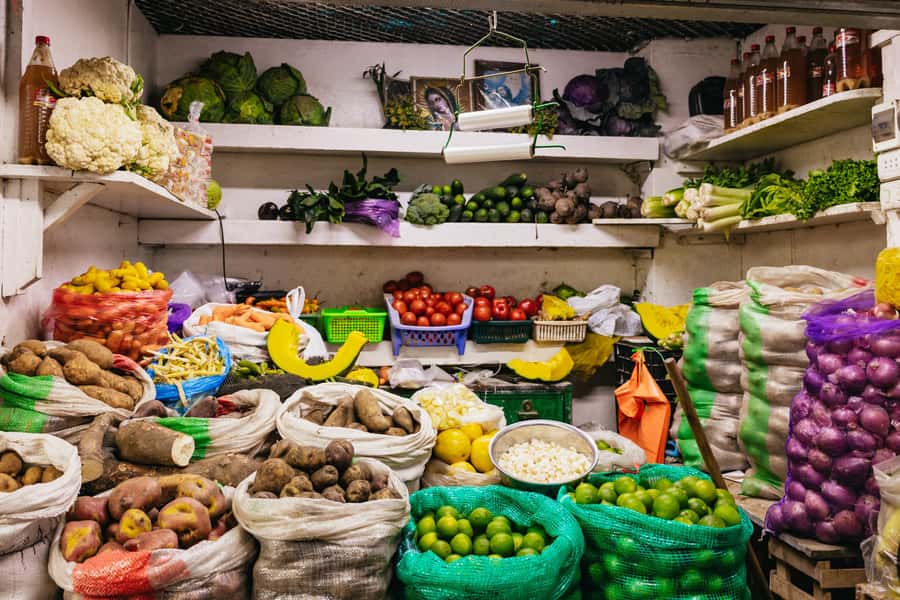
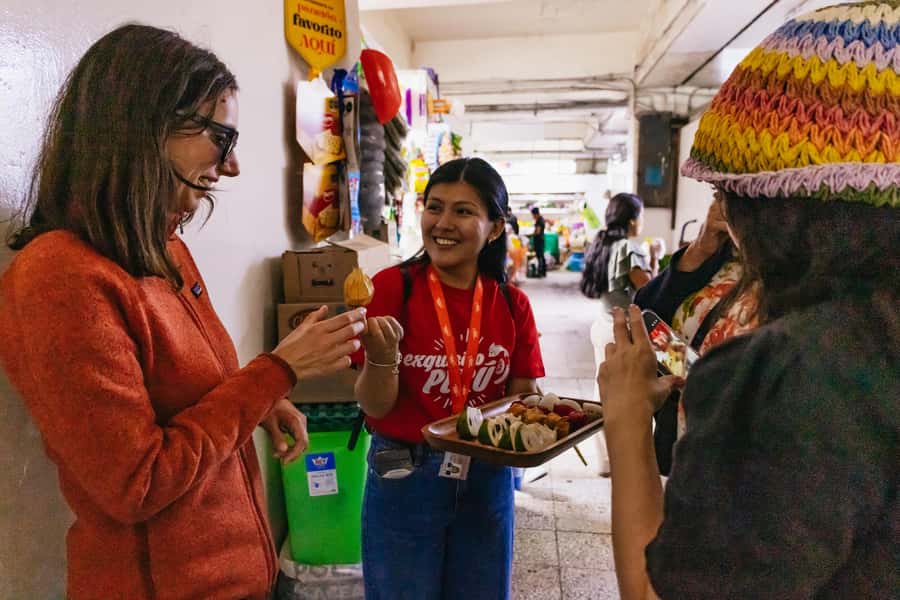
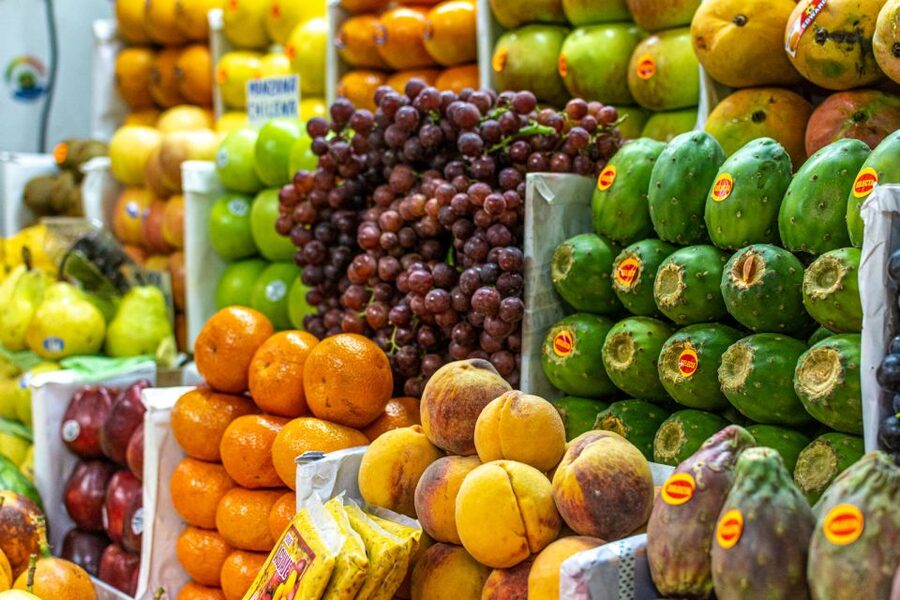
Mercado Central is one of the strongest parts of the experience. You spend roughly 25 minutes inside Lima’s largest market, looking at fresh produce, fruit, spices, and local specialties.
A market visit gives you something a restaurant cannot. You see the ingredients people buy for ordinary meals, and you get a closer look at the range of products used in Peruvian cooking. The guide can also help you understand what you are seeing and may arrange fruit tastings along the way.
This stop also gives the tour a change of pace. The historic squares show Lima’s official face. The market shows its practical, everyday side. It is more crowded and informal than the plazas, so keep your bag small and close. Large bags and luggage are not allowed on the tour, and leaving suitcases at your hotel is the sensible choice.
If you like food markets, you will probably consider this section worth a good share of the $69 price. It is also one of the places where a guide adds real value, since it can be hard to know which products matter when you are walking through a large market on your own.
More History Walks in the world:
- Palermo: Street Food and History Walking Tour
★ 4.9 · 1,486 reviews - Lecce History and Street Food Tasting Small Group Tour
★ 5.0 · 288 reviews - Dubai Old Town, Culture, History, Street food and Souks Tour
★ 5.0 · 170 reviews - Heritage Walk & Street Food Tasting in Jaipur
★ 5.0 · 158 reviews
Chinatown and the Peruvian-Chinese connection
The route then reaches Barrio Chino, Lima’s Chinatown. You get a short street-food stop and a taste of chifa, the Peruvian style of Chinese cooking.
This is a valuable inclusion because Peruvian food is not one fixed tradition. It grew through many communities and influences, and chifa is one of the clearest examples. The stop is brief, around 15 minutes, but it gives you another flavor profile and shows how Lima’s food culture changed through migration and adaptation.
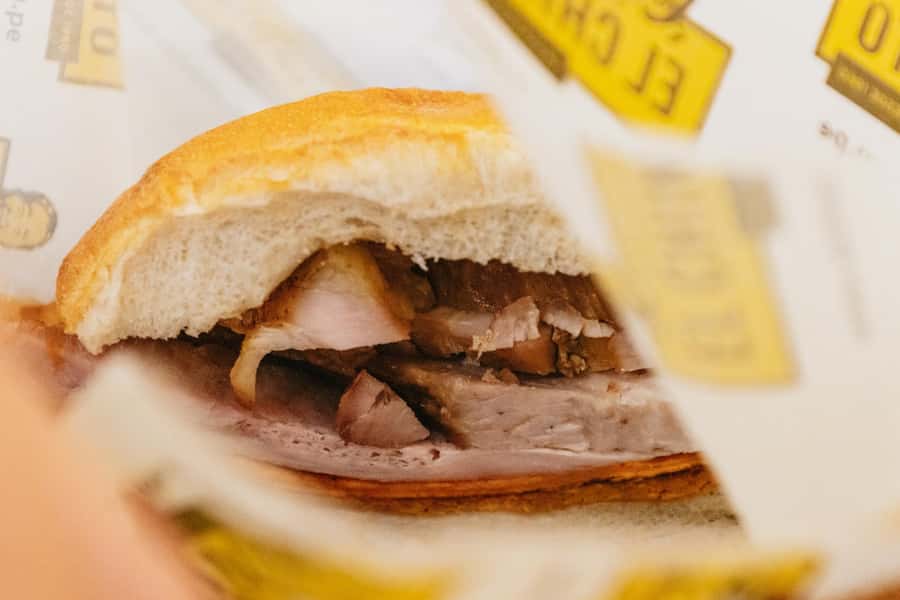
The tour also includes a sandwich stop. One particularly praised favorite was the sandwich de chicharrón from El Chinito, along with anticuchos. The exact food order can vary, but the pattern is clear: you sample familiar Peruvian street foods in places that locals actually use, instead of receiving a neat tasting menu designed only for tourists.
Anticuchos, tamales, and the savory side
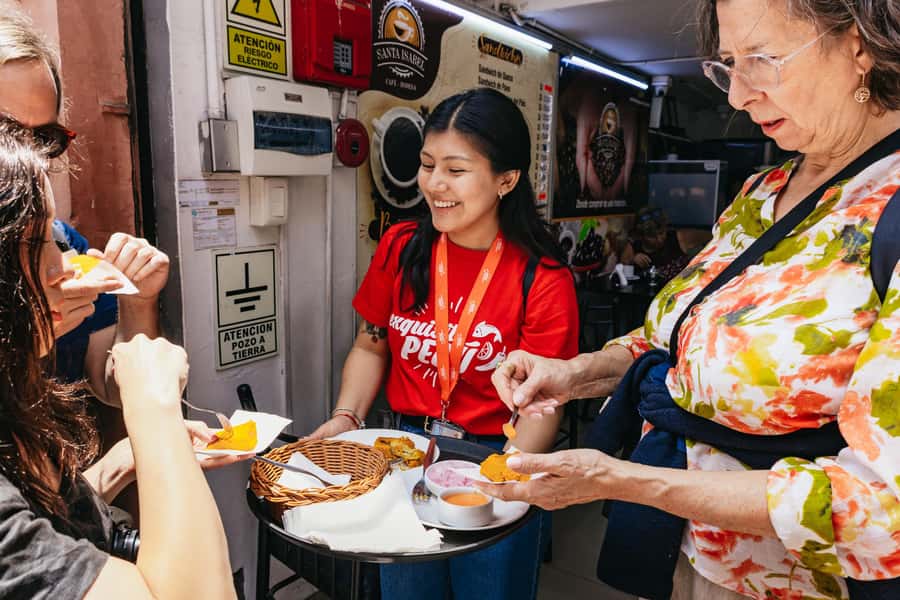
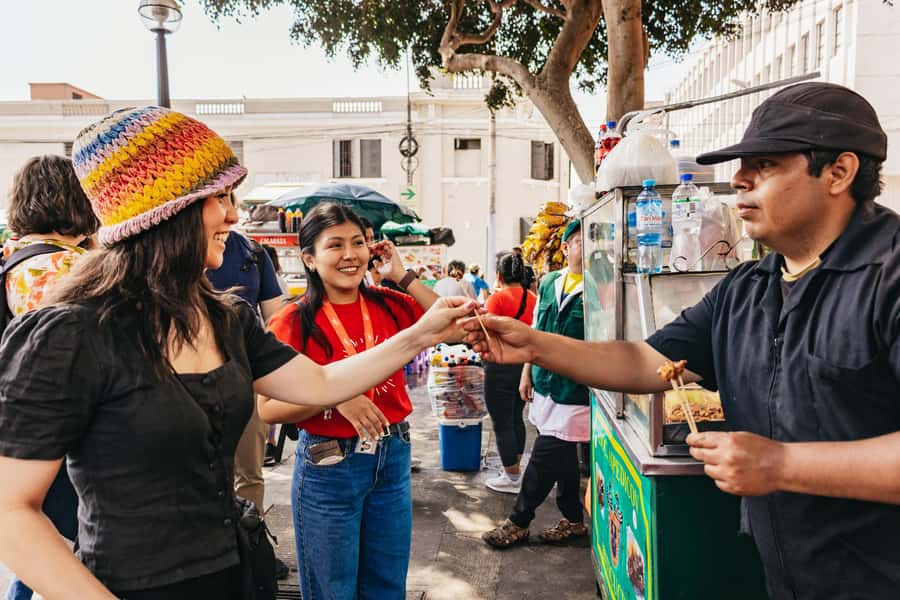
Anticuchos are among the tour’s most important tastings. These seasoned grilled skewers are strongly associated with Peruvian street food, and their smoky, savory character gives the food route a needed anchor.
You may also encounter a tamal, chicharrón, additional street snacks, and regional dishes at local eateries. Several people described the food as plentiful, with one person counting eight tastings. Portions are not always full restaurant servings, but they accumulate over the afternoon or evening.
That is where the tour works best. It lets you try foods you might hesitate to order alone, especially from a cart or small counter. A guide can explain what you are eating, how it is normally served, and what flavors to notice. You can sample rather than commit to a full plate.
The balance is not perfect for everyone. One useful criticism was that the savory portions felt small compared with the full churro and picarón. If you want a food tour centered mainly on meat, seafood, or large savory dishes, this may feel slightly dessert-heavy. If you love sweets, the same menu will probably feel generous.
Churros, picarones, and a sweet finish
Creole churros and picarones are among the most praised foods on the route. A picarón is a Peruvian-style ring doughnut, usually associated with a sweet syrup, while the churro offers a familiar idea with a local character.
The churro stop can be substantial. One person suggested sharing a churro and using the appetite for a larger tamal, while others called the churros their favorite food of the day. That tells you something practical: do not eat a heavy dessert before the tour, and do not assume every stop is a tiny sample.
The tour may also include another dessert or sweet street-food item before it ends. By this point, you may be grateful for the walking time between stops. The route includes several short walks of about 10 to 15 minutes, which helps break up the eating.
I would think of the sweets as part of the tour’s identity, not an afterthought. Peruvian street food includes plenty of savory food, but it also has a strong tradition of fried and syrupy treats sold as everyday snacks. You get a fuller picture by trying both.
San Francisco, the Cathedral, and a final drink
After the market and food stops, the route passes the Basílica y Convento de San Francisco de Lima for photographs. The building is one of the historic center’s most recognizable colonial landmarks, and the exterior gives the guide another chance to explain Lima’s architecture and religious history.
The tour also pauses outside Lima Cathedral and returns to the city’s main ceremonial spaces. These are short photo stops, usually around five minutes, so you should not book this expecting interior visits or a slow architectural study.
The final bar stop lasts about 30 minutes and includes spirits. This is where the chilcano connection returns, along with time to sit, talk, and review the flavors from the day. The stop can be especially welcome after several hours on foot.
The tour ends at Alameda Chabuca Granda, not back at the Gran Hotel Bolívar. That makes the route feel like a crossing of central Lima rather than a loop. You should plan your next transport from the ending point, and hotel pickup or drop-off is not included.
How the guiding affects the experience
The guides receive unusually consistent praise, and that is important for a route with this many moving parts. Marcos is often described as friendly, funny, and strong on Peruvian culture, recipes, architecture, and history. Aura receives praise for adjusting the pace, answering questions, and giving food and city explanations equal attention.
Valeria is praised for organization and for taking people to local venues they might not find alone. David is described as helpful with suggestions for the rest of a Lima stay. Sheyla, Manuel, and other guides also receive warm comments for keeping the group comfortable and on schedule.
You should not expect every guide to present the tour in exactly the same way. Some may spend more time on history, while others may focus more on dishes and local habits. That variation is normal on a food walk, but the recurring strengths are clear: friendly service, strong English, good pacing, and a willingness to explain.
One useful feature is the possibility of a smaller group. Some departures have had only one or two participants, which allows for more personal attention. Group size is not specified as a fixed number, so you should not book assuming a private experience. Still, a small departure can make the tour feel more relaxed.
Walking, timing, and practical comfort
The route lasts four hours and includes regular walking between restaurants, markets, squares, and street-food stops. It is not an endurance hike, but you should wear comfortable shoes and leave room in your schedule. The itinerary includes several pauses for food, drinks, photographs, and sitting.
Some people take the tour in the evening, and that can be a pleasant way to see the center after the day’s heat. The available start times vary, so check the departure time when booking. If you are taking it soon after landing, avoid scheduling a tight airport transfer or another major activity afterward.
Bring a small day bag, water if you normally need it, and a modest appetite. Large luggage is not allowed. You should also tell the operator about dietary restrictions at least 24 hours in advance, although alternatives cannot be promised on the day.
This is not a suitable booking for vegetarians, vegans, pescatarians, or anyone with a severe gluten or nut allergy. Some foods may contain small traces of gluten or nuts, and the route is built around traditional meat-based and mixed dishes.
Is $69 a good value?
At $69, the tour sits above the cost of simply buying street food on your own. But that comparison misses much of what you receive.
The fee covers a four-hour English-language guide, food tastings, drinks, market access as part of the route, and a planned walk through central Lima. You also avoid the guesswork of choosing safe or worthwhile stalls, understanding unfamiliar dishes, and fitting several neighborhoods into one outing.
I consider the price good value for a first visit, especially if you want food and sightseeing in one booking. It is less attractive if you already know Lima’s center, speak Spanish comfortably, and prefer to buy individual snacks at your own pace.
The tour can also replace an evening meal. Several people finished very full, and one person skipped dinner afterward. That makes the cost easier to justify, provided you enjoy the full range of foods and sweets.
Who should book this Lima food tour?
I would recommend it to first-time visitors who want a friendly introduction to the historic center without spending the whole day inside museums. It also suits curious eaters who want to try anticuchos, picarones, churros, chilcanos, chifa dishes, fruit, and sandwiches in one outing.
It is a good first or second activity in Lima because guides often share useful ideas for the rest of your stay. The route gives you a sense of where the center is, what people eat, and which flavors you may want to seek out again.
I would be more cautious if you dislike sweets, cannot eat meat, need strict allergy control, or want a slow architectural tour. The food comes in many forms, but dessert has a noticeable role, and the landmarks are viewed mainly from outside.
Should you book it?
Book this tour if you want Lima explained through food, markets, street corners, and grand colonial squares. The strongest reasons are the variety of tastings, the Mercado Central visit, the chifa stop, and guides such as Marcos, Aura, and Valeria who make the walk feel personal rather than mechanical.
Skip it if your diet rules out the menu or if you want to explore independently. For everyone else, $69 buys a substantial four-hour introduction to central Lima, with enough food to count as dinner and enough context to make the city’s historic center easier to understand.
FAQ
Where does the Lima food tour start?
It starts at the main door of the Gran Hotel Bolívar, located at Jirón de la Unión 958 in Plaza San Martín, Cercado de Lima.
Where does the tour end?
The tour finishes at Alameda Chabuca Granda. It does not return to the starting point.
Is the tour available in languages other than English?
No. The shared tour is conducted in English only. Non-English speakers are asked to book a private tour.
Are hotel pickup and drop-off included?
No. You must make your own way to Gran Hotel Bolívar and arrange transportation after the tour ends.
Can vegetarians, vegans, and pescatarians join?
No. The operator states that vegetarian, vegan, and pescatarian alternatives cannot be provided for this tour.
Can I bring luggage or a large bag?
No. Luggage and large bags are not allowed, so leave suitcases at your accommodation before the tour.
Just added around the world
- Zanzibar:Stone town Street food market walking tour,transfer★ 4.5 · 9 reviews
- Vienna Food Tour: Dishes, Wine, Street Food & Culture★ 4.7 · 12 reviews
- Verona: Street Food Tour and City Guided Sightseeing★ 4.9 · 11 reviews
- Xi’an: Gourmet & Street Food Tour★ 4.8 · 22 reviews
- Verona: City Highlights & Street Food Walking Tour★ 5.0 · 3 reviews
- Verona: Street Food and History Tour with Local Guide★ 4.7 · 6 reviews
- Xi’an Muslim Quarter Night Market Foodie Walking Tour★ 4.2 · 22 reviews
- Verona: street food walking tour near the historical center★ 5.0 · 2 reviews
Old Quarter and Medina Food Walks, compared.
Old Town, Creek, Museums, Souks, & Street Food Tour
What we made of it →
Old Town, Souks, Street Food, Guided Tour & Abra Ride
What we made of it →![[HOT] Hanoi Old Quarter Walking Street Food – Small Group Tour](https://cdn.streetfooddays.com/wp-content/uploads/hot-hanoi-old-quarter-walking-street-food-small-group-tour-400x267.jpg)
[HOT] Hanoi Old Quarter Walking Street Food – Small Group Tour
What we made of it →Old Town, Souks, Street Food, Guided Tour & Abra Ride
What we made of it →
Old Town, Street Food, Creek, Souks, & Emirati House
What we made of it →
Chania: Old Town Highlights Guided Tour with Street Food
What we made of it →Where this tour turns up