
Review · SEOUL
Seoul: Night Market Food Tour with Local Guide
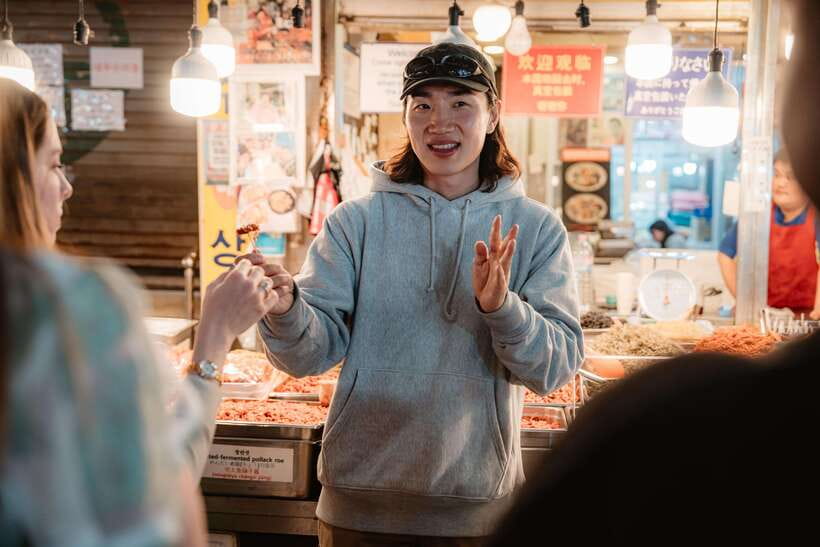
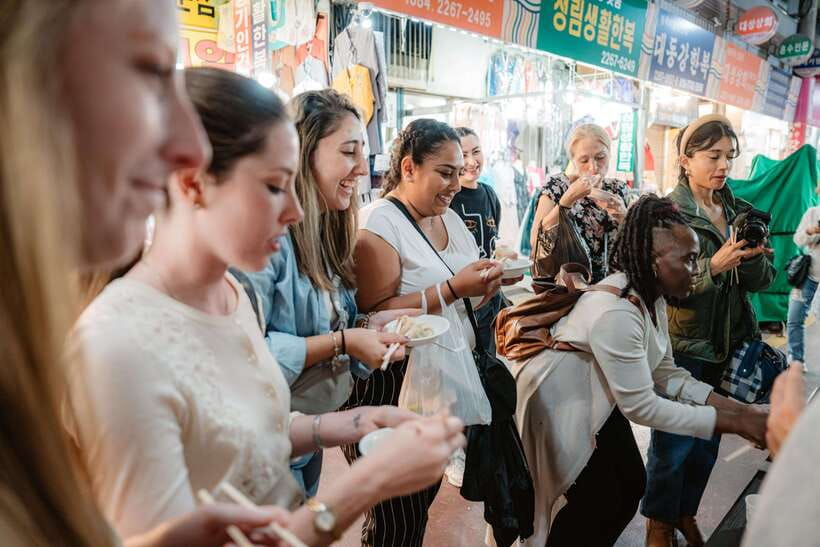
Come hungry, and leave room for surprise. This two-hour evening walk through Gwangjang Market gives you up to 10 Korean dishes, drinks, and the confidence to try foods you might otherwise pass by. I like the personal welcome from guides such as Juno, Jacob, Yoon, Tan, and Roky, plus the chance to learn Korean drinking games along the way. The main caution is dietary: vegans, pregnant women, and people with gluten intolerance should not book, and vegetarians may find some choices limited.
You meet outside Exit 7 of Jongno 5-ga Station, in front of the Jongno 5-ga Police Substation. The guide starts promptly, so arrive at least five minutes early. Expect a sociable night, generous portions, and a few bold tastes, including dishes that may involve raw seafood or live octopus.
Key points at a glance
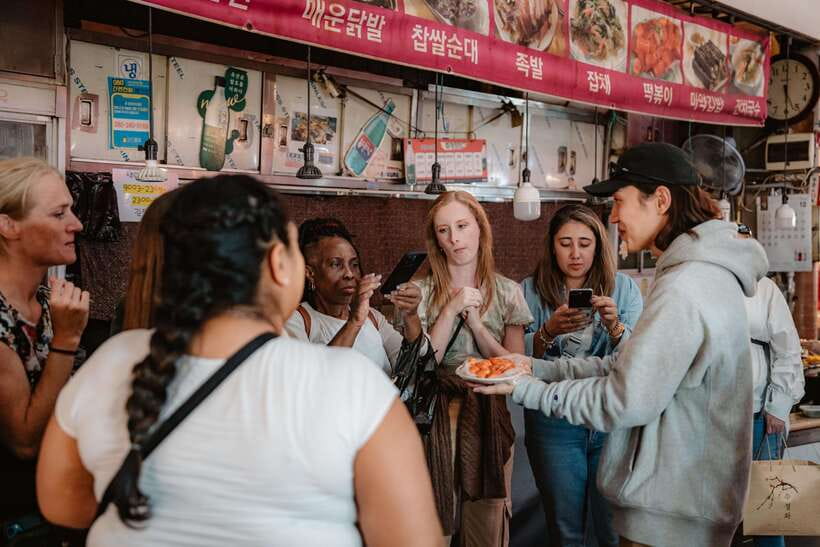
- Ten market tastings: Sample a broad mix of savory dishes, sweets, side dishes, and drinks rather than ordering one meal.
- Gwangjang Market after dark: You see one of Seoul’s best-known food markets when its stalls are at their liveliest.
- Guides who shape the evening: Juno, Jacob, Yoon, Tan, Kevin, Roky, and others are praised for humor, warmth, food explanations, and group care.
- Popular stalls with less waiting: The guide’s vendor connections can help your group move more easily through busy food stops.
- Korean food and drinking customs: Expect explanations of etiquette, local history, language, and drinking games.
- A serious food warning: The menu may include gluten, meat, seafood, raw food, and alcohol, so check suitability before booking.
Why Gwangjang Market works so well at night
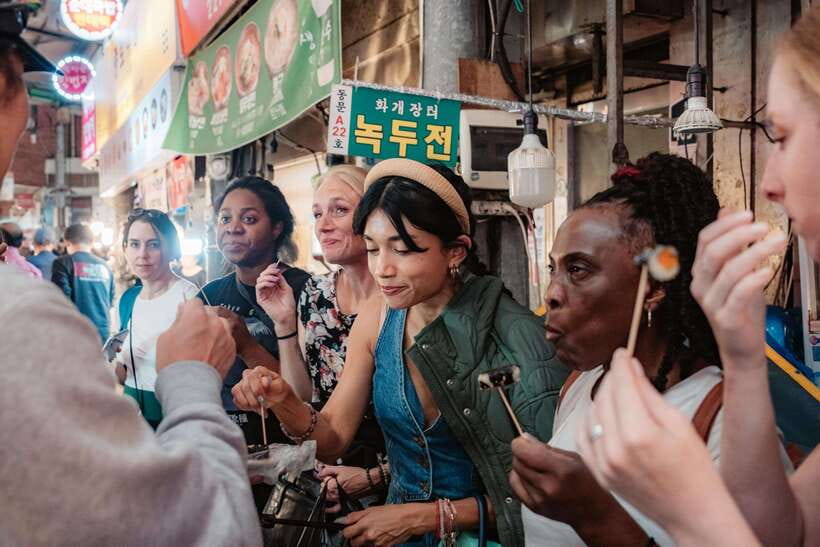
Gwangjang Market is a useful place to begin understanding Korean food because so much happens in one compact setting. Instead of spending your first evening decoding menus and guessing at unfamiliar dishes, you follow a guide who can explain what is being served and how people normally eat it.
The market is also a practical lesson in Seoul’s social life. You move through crowded aisles, stop at established food stalls, and eat in a setting where the food is part of everyday life rather than presented as a formal restaurant course. That makes the experience feel more connected to the city.
I especially like the two-hour format. It is long enough to build a proper meal and try many foods, but short enough to fit neatly into an evening. You return to Jongno 5-ga Station at the end, so you are not left trying to find your way home from an unfamiliar neighborhood.
The group atmosphere matters here. Several guides, including Juno, Jacob, Yoon, Tan, and Roky, are praised for getting people talking and making solo participants feel included. If you arrive alone, the shared plates and games give you an easy way to meet people without forced small talk.
More Night Market Food Tours in South Korea:
- Seoul Street Food Market Tour
★ 5.0 · 1,226 reviews - Busan: Food Market Tour, Smash Seafoods and Street Foods
★ 4.8 · 80 reviews - Busan Food Market Tour Seafoods and Street Foods
★ 5.0 · 8 reviews
Meeting at Jongno 5-ga Station
Your evening begins outside Exit 7 of Jongno 5-ga Station, directly in front of the Jongno 5-ga Police Substation. This is a clear meeting point, but you should allow a little extra time to find the correct exit in Seoul’s large subway system.
The start is strict. You are asked to arrive at least five minutes early, and the guide may not be able to answer the phone once the walk has begun. That is more than a minor detail: missing the group at a crowded market could be difficult and may mean losing part of the tour.
Wear comfortable shoes. The route involves walking through crowded market aisles for about two hours, with repeated stops for food and drinks. You should also avoid arriving after eating a large meal. The portions are described as generous, and the point is to sample widely.
The experience is conducted in English. The guides are praised for clear explanations, humor, and personal stories. Juno, for example, has shared stories connected to Korean life, military service, and a past as a K-pop trainee. Those personal details can make the evening feel less like a lecture and more like a conversation with a local host.
Ten tastes, from familiar to daring
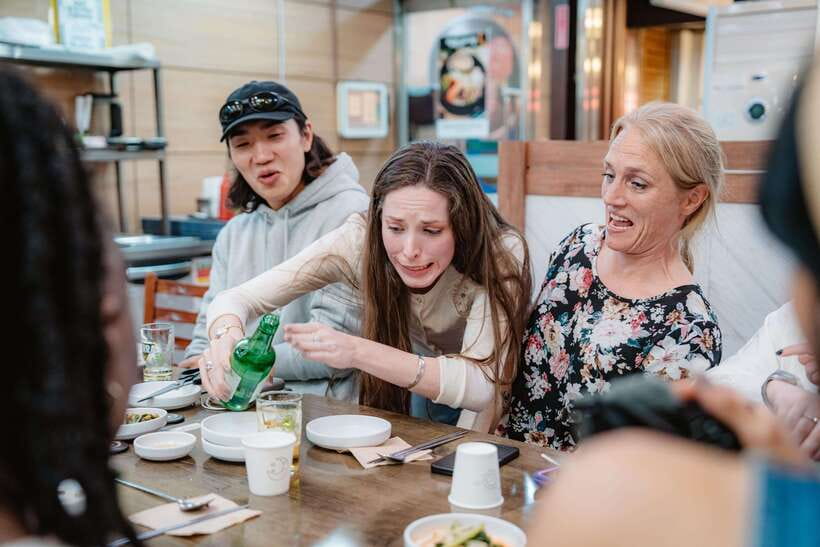
The biggest strength of this tour is variety. You are not simply taken to one stall for a plate of market food. You may sample up to 10 local specialties, with a mix of savory, sweet, traditional, and more adventurous choices.
The exact menu can vary, but the foods associated with this experience include:
- Mayak kimbap, small seaweed rice rolls with a name that jokingly suggests they are addictive
- Tteokbokki, chewy rice cakes in a spicy sauce
- Mung bean pancakes
- Pork pancakes, often called gogi wanja
- Mandu, Korean dumplings
- Kalguksu, knife-cut noodle soup
- Ttukbaegi bulgogi, bulgogi served hot in an earthenware bowl
- Yukhoe, Korean-style seasoned raw beef
- Live octopus or tentacles
- Rice twisted doughnuts and hot sweet snacks
You may also encounter banchan, the small side dishes served with Korean meals. Examples include fermented octopus, rice crab, pickled garlic, and other strong or unfamiliar flavors. These small plates are important because they show how Korean meals often work: not one central dish alone, but a table filled with contrasting tastes.
I like that the food list includes both safe introductions and challenge dishes. Kimbap, dumplings, noodles, and sweet doughnuts give you familiar entry points. Raw beef, fermented seafood, and moving octopus tentacles are a different matter. You are not required to enjoy every item, but you should be comfortable seeing unusual ingredients and deciding what you want to try.
The guide’s role is useful here. A dish can be easier to approach once you know what it is, how it is prepared, and whether it is usually eaten as a snack, side dish, or shared plate. You also learn Korean names for foods you may want to order later on your own.
What the food stops add to the evening
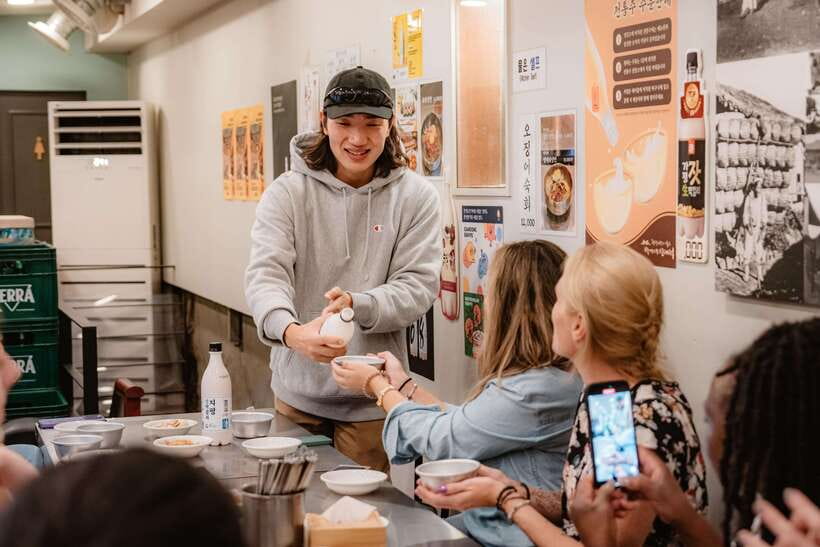
The food is not served as a single large dinner. Instead, the group moves between stops, tasting small portions along the way. This keeps the evening active and lets you compare textures and flavors as you go.
At a pancake stall, you might focus on crisp edges and savory fillings. At a dumpling stop, the guide can help explain the difference between the wrappers, fillings, and sauces. A noodle dish gives you something warm and filling, while a rice doughnut provides a sweet finish.
Some portions may be substantial enough that you feel full before the final stop. That is worth remembering when deciding how much to eat at each stage. You do not need to treat every taste as a full serving, especially if you want to reach the more adventurous dishes later.
The food is only half the value. The other half is the explanation. Guides talk about food customs, market history, Korean phrases, and dining etiquette. You learn details that help you behave comfortably at a Korean table, such as how shared dishes work and how drinks fit into social occasions.
More Street Food Tours in South Korea:
- Seoul: Jongno 3-Ga and Ikseon-Dong Tour with Street Food
★ 3.9 · 12 reviews - Taste hidden street food in Seoul with a 2.5h food tour
★ 4.4 · 12 reviews - Seoul: Guided Street Food Tour at Namdaemun Market
★ 5.0 · 10 reviews - Street Food Fiesta in Namdaemun Market
★ 4.5 · 7 reviews
Drinks and Korean drinking games
Drinks are included, with both alcoholic and non-alcoholic choices available. Makgeolli, a cloudy Korean rice wine, is one drink associated with the evening. It is lightly sweet, milky in appearance, and quite different from beer or soju.
You also take part in Korean drinking games. These are presented as cultural activities and group entertainment, not simply as a reason to drink more. The games help strangers interact, and they give the evening a playful break between food stops.
You should still be clear about your limits. Alcohol is included, but participation in drinking games does not mean you must consume alcohol. The experience offers non-alcoholic drinks, and you can tell the guide what you prefer.
This part suits people who enjoy a social night. If you want a quiet, food-focused tasting with little group interaction, the games may feel like extra noise. If you are traveling solo or want to meet people, they can be one of the easiest ways to join the group.
The guides make the biggest difference
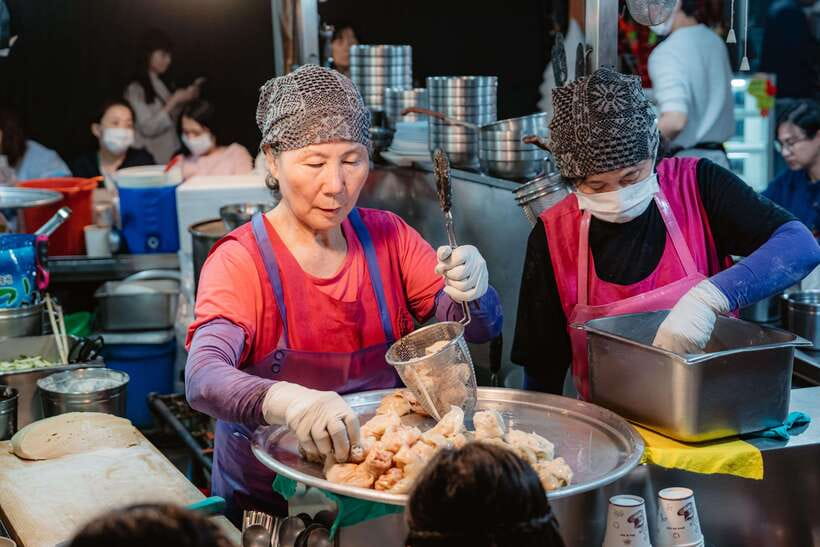
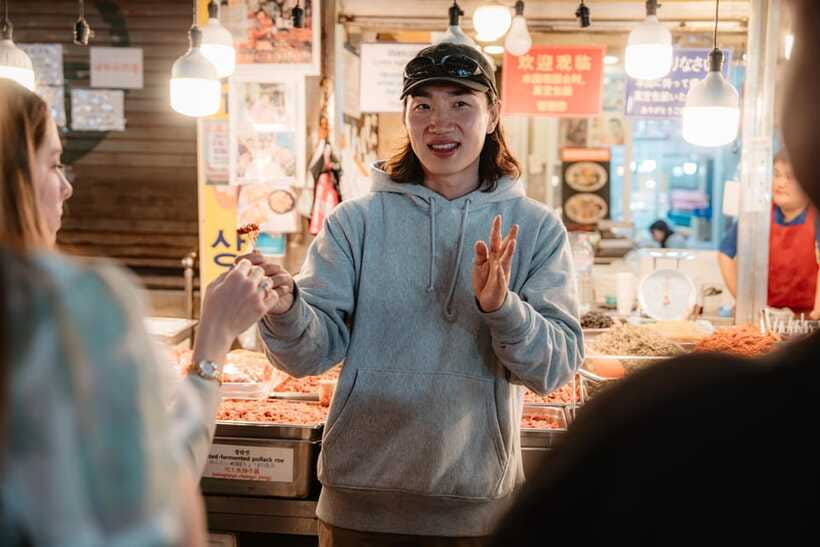
The food selection is important, but the guide sets the tone. Names that appear repeatedly in the feedback include Juno, Jacob, Yoon, Tan, Kevin, Roky, and Yuun. You may not be able to choose your guide, but the strong pattern is clear: the hosts are expected to be friendly, funny, attentive, and comfortable explaining Korean culture in English.
Juno is praised for making complex subjects easy to understand, from food history and etiquette to local drinking customs. Jacob is noted for his market connections, humor, and ability to help the group avoid long waits at popular stalls. Yoon is described as energetic and careful with different dietary needs. Tan receives praise for explaining dishes thoroughly and sharing stories about kimchi and Korean life.
That variety matters because no two guides will deliver the same evening in exactly the same way. One may focus more on jokes and group games, while another may spend more time on history or ingredients. The common thread is a personal, conversational approach rather than a scripted walk.
You should also expect the guide to help with the practical side of the market. In a crowded aisle, it is easy to lose sight of your group or miss a vendor’s instructions. The guide handles the movement between stops and helps create order around popular stalls.
The value of $73
At $73 per person, this is not the cheapest way to eat at Gwangjang Market. You could buy individual snacks yourself for less, especially if you are confident reading menus, choosing stalls, and handling a crowded market without help.
The price makes more sense when you count what is included: a two-hour English-language guide, up to 10 tastings, drinks, explanations of the food and customs, help at busy stalls, and an organized route. You are also paying to avoid the uncertainty of ordering blindly and to try several foods without committing to full portions.
The amount of food appears generous enough to replace dinner for many people. That improves the value, particularly if you arrive hungry and would otherwise pay for several separate meals. The social element adds value too, especially for solo visitors who want an easy way to meet people.
I would not book it purely to save money. I would book it for access, confidence, and variety. If you are already comfortable eating at Korean markets and know exactly what you want, the price may feel high. If this is your first Seoul food experience, it is easier to justify.
Who should book this Seoul food tour
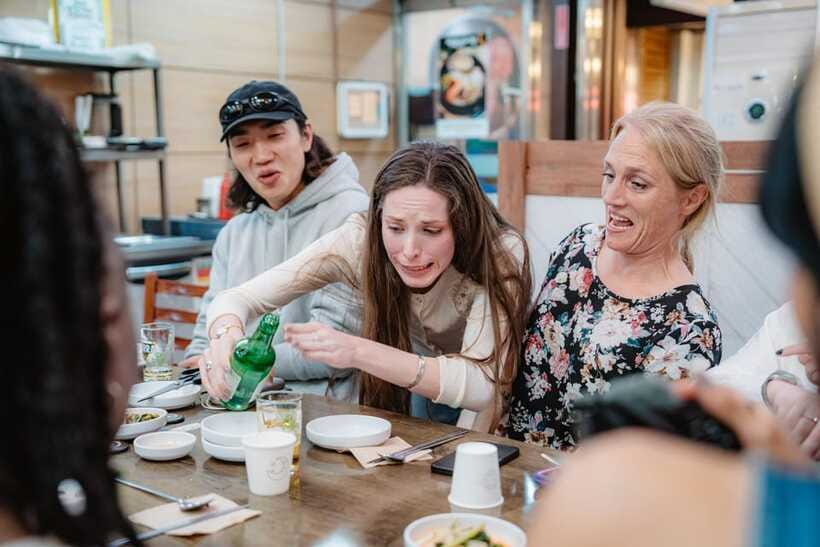
This experience suits you best if you:
- Want a fast introduction to Korean food
- Enjoy trying several small portions rather than one restaurant meal
- Are comfortable with meat, seafood, alcohol, and unfamiliar ingredients
- Like social activities with games and conversation
- Are visiting Seoul for a short time and want to make one evening count
- Prefer an English-speaking guide who can explain what you are eating
- Are traveling alone and would enjoy meeting a small group
Families and older visitors may also enjoy it, but the walking, crowds, strong flavors, and drinking games are worth considering. The activity is not described as suitable for pregnant women, vegans, or people with gluten intolerance.
Vegetarians should contact the provider before booking. One participant who identified as vegetarian found plenty of options, but the official guidance warns that the tour may not fully suit vegetarians. That difference tells you the safest approach: explain your needs in advance and do not assume the whole menu can be changed.
Practical tips for a better evening
Arrive early at Exit 7. Five minutes is the stated minimum, but giving yourself more time is sensible if you are unfamiliar with Jongno 5-ga Station.
Eat lightly beforehand, or not at all. You will likely receive enough food to feel satisfied, and arriving full would make the later tastings less enjoyable.
Tell the provider about allergies and dietary restrictions before the tour. The menu may include gluten, meat, seafood, raw beef, fermented seafood, and alcohol. Do not wait until you are standing at a market stall to explain a serious allergy.
Keep an open mind, but do not force yourself to eat something that makes you uncomfortable. The tour is designed to introduce you to Korean food, not to test your courage. The lively octopus is optional in spirit, even if it is one of the evening’s memorable moments.
Finally, leave room for conversation. The value of this experience is not just the food in front of you. It is the chance to ask why people eat certain dishes, how Korean drinking customs work, and what foods you should look for later in your trip.
Should you book it?
I would book this tour if you want an entertaining first taste of Seoul and prefer guidance over guesswork. The mix of classic foods, unusual bites, drinks, market access, and cultural explanation gives you more than a simple snack crawl.
Skip it if you have strict dietary limits, dislike crowded food markets, or want a quiet meal without games or group conversation. For everyone else, $73 is a reasonable price for a well-filled evening, particularly if you are new to Korean food and want a guide to point you toward dishes you might never order alone.
FAQ
Where does the Seoul night market food tour begin?
It begins at Jongno 5-ga Station, outside Exit 7, in front of the Jongno 5-ga Police Substation.
How long does the experience last?
The guided market visit lasts two hours. The group returns to Jongno 5-ga Station at the end.
What is included in the price?
The price includes samples of up to 10 local delicacies, drinks, and an English-speaking guide.
Is the tour offered in English?
Yes. The live tour guide language is English.
Can vegetarians join the tour?
Vegetarians should ask about suitability in advance. The experience may not fully suit vegetarians, although some vegetarian participants have found enough options. Vegans are listed as unsuitable for this activity.
What should I know about allergies and dietary restrictions?
You should inform the provider in advance. The tour is not suitable for people with gluten intolerance, and the food may include meat, seafood, raw dishes, and alcoholic drinks.
Just added around South Korea
- Hidden Street Food food tour in Seoul★ 5.0 · 4 reviews
- Street Food Tour in Jongno, Heart of Seoul★ 5.0 · 5 reviews
- Street Food Fiesta in Namdaemun Market★ 4.5 · 7 reviews
- Flavors of Seoul: Grandma’s Handmade Noodles to Night Market Tour★ 5.0 · 4 reviews
- 4 Hours UNESCO Palace and Street Food Tour in Seoul★ 5.0 · 7 reviews
- Jagalchi Sunset Cruise and Night Market Tour in Busan★ 3.5 · 2 reviews
- Visit Busan night market and enjoy the night view of Busan harbor★ 5.0 · 6 reviews
- Busan Food Market Tour Seafoods and Street Foods★ 5.0 · 8 reviews
Night Market Food Tours, compared.
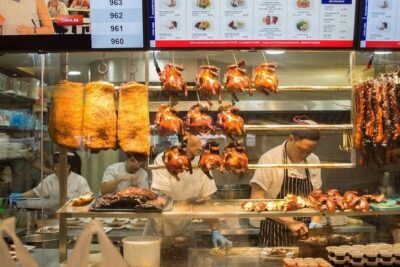
Small Group: Michelin and Local Hawker Food Tour with 9 tastings
What we made of it →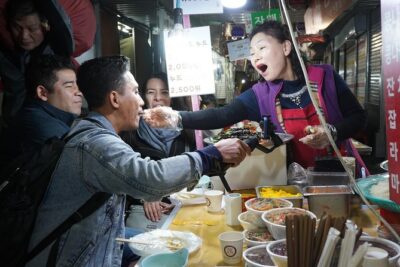
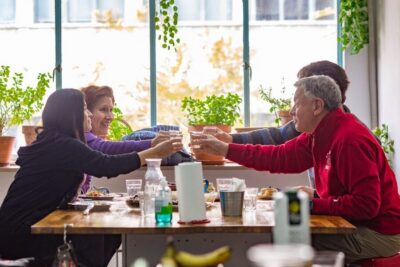
Food Market Visit and Cooking Class with Wine
What we made of it →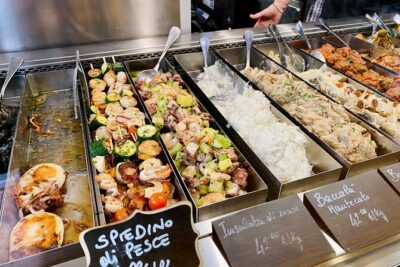
Venice Street Food Tour with Local Guide with Local Food Market Visit
What we made of it →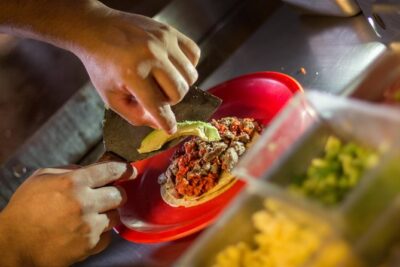
Cancun Taco Tour, Local Beer and Night Market with Transportation
What we made of it →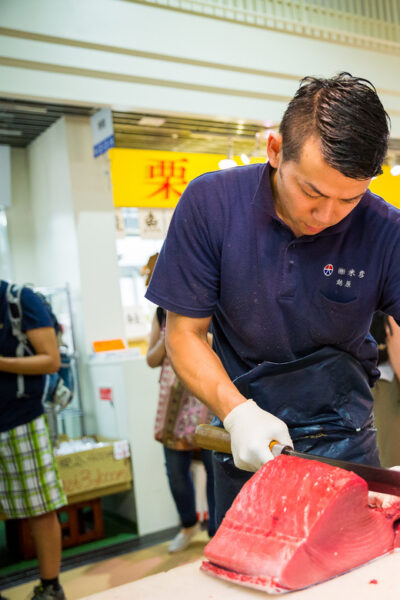
Tsukiji Fish Market Food and Culture Walking Tour
What we made of it →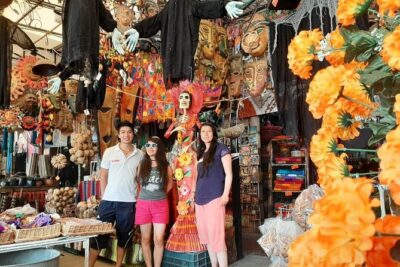
Cancun Street Food Tour with Food Stalls, Local Market and Murals
What we made of it →
Where this tour turns up