
Review · SINGAPORE
Singapore: Little India Hawker Street Food Tour
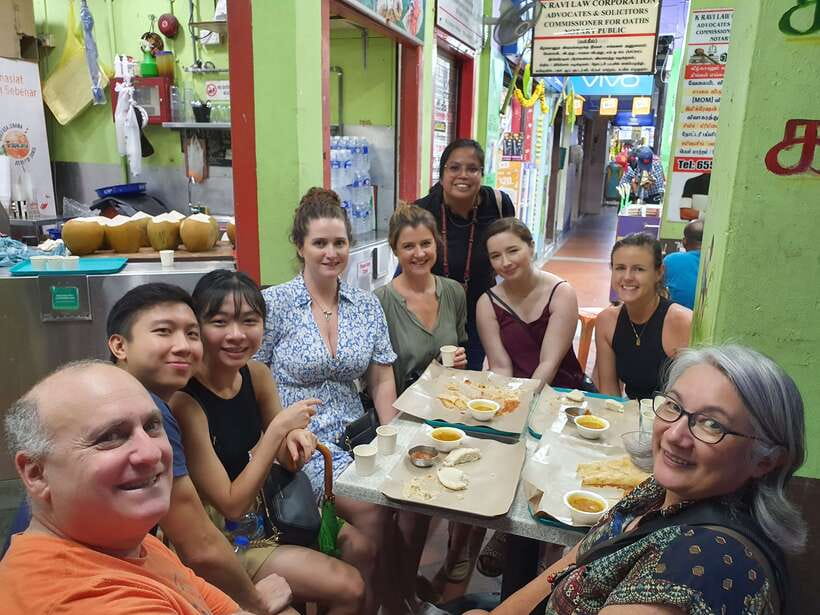
Follow the aromas through Little India. This three-hour food walk pairs eight Indian food and drink tastings with street scenes, local history, and a look at how Singapore’s hawker culture works. You move through food centres and side streets rather than simply sitting down for one meal.
I like the generous range of dishes, from Indian Rojak and Pani Puri to South Indian Thosai and North Indian specialities. I also like the guide-led context, especially the stories about local life and the stops for street art. The main consideration is that the food is strongly focused on Indian cuisine, so diners hoping for a wide tour of Singaporean food may find the selection narrower than expected.
The experience costs $86 per person, lasts three hours, and begins at Little India MRT Exit C. The tour has earned a 4.8 rating from 27 bookings. Guides including Kyanta Yap and Corliss have received especially warm praise for combining clear information with an easy, friendly manner.
Key points to know before booking
- Eight tastings in three hours: Come hungry, since the tour is built around repeated small portions rather than one large meal.
- Indian Rojak and Pani Puri: These are two of the more distinctive stops, with contrasting textures, sauces, and spice.
- Thosai brings South Indian cooking into focus: This is a useful introduction to a classic dish and the techniques behind it.
- Michelin-recognized hawker stops may be included: One account described two such venues, though the exact food stops can vary.
- Sunday offers a different street scene: Little India can be especially full on the weekly day off for many Indian and Bangladeshi workers.
- English-speaking local guide: The tour is led in English, with history and cultural explanation woven into the eating.
Starting at Little India MRT Exit C
Meeting at Little India MRT Exit C is practical. You can reach the starting point by Singapore’s efficient train network, and the location puts you right at the edge of the neighbourhood rather than in a quiet hotel lobby.
This matters because the tour begins with movement. You are not handed a printed food list and sent to a restaurant table. You meet your guide, then work through the district on foot, following the food and the local rhythm of the area.
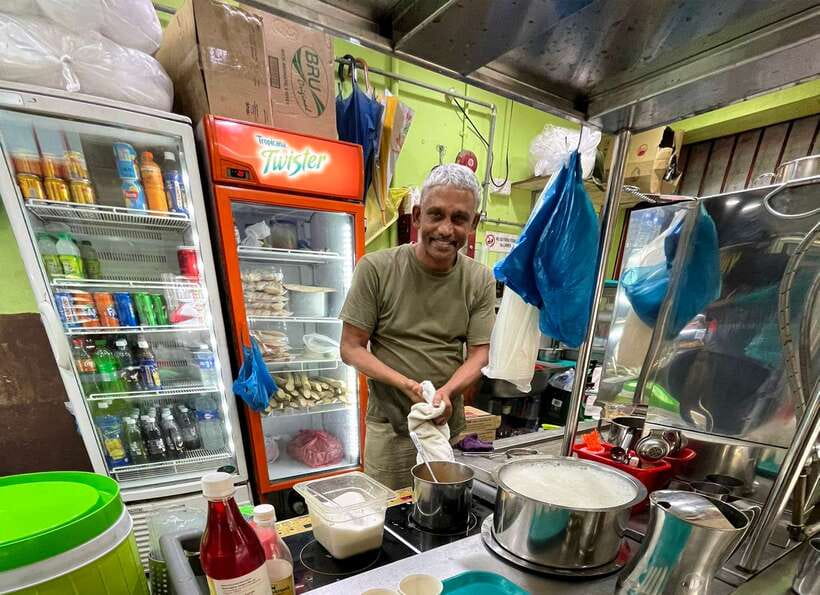
The tour is operated by Let’s Go Bike Singapore, but this particular experience is a walking food tour. You should expect to weave through hawker centres and lesser-known alleys, with food stops mixed with sights and short explanations.
The group size is not stated, and the tour can be rescheduled if fewer than two people book. That is worth keeping in mind if you are planning around a fixed cruise departure or airport transfer. On the positive side, a small group can make it easier to ask questions, and one booking became a private tour when demand was low.
More Night Market Food Tours in Singapore
- Small Group: Michelin and Local Hawker Food Tour with 9 tastings
★ 5.0 · 1,890 reviews - Small-Group Food Tour With Hawker Center: Eat Like A Local
★ 5.0 · 420 reviews - Singapore: Local Hawker Food Tour with Tastings
★ 4.7 · 181 reviews
Why the Indian focus works
Singapore’s food reputation covers many traditions, but Little India gives you a concentrated look at Indian cooking in the city. This is not a general Singapore food sampler featuring a little of everything. It is a focused tour of Indian dishes served in a Singapore hawker setting.
That focus gives the experience a clear identity. You can compare South Indian and North Indian influences, see how food is presented in quick-service settings, and learn how a hawker centre differs from a formal restaurant. The food is part of daily life here, not merely a performance arranged for sightseeing.
I would especially recommend this focus if you have never visited India but want an introduction to some of its food traditions in a well-organized city setting. One booking described the tour as a way to get a glimpse of India while remaining in Singapore. That is a fair description, as long as you understand that three hours in Little India cannot replace a trip to India itself.
For diners who want Chinese, Malay, and Peranakan dishes on the same walk, this may not be the right choice. One person expected more variety in the food. That criticism makes sense, but it also points to the tour’s purpose: this is a Little India experience, not a complete survey of Singaporean cuisine.
Indian Rojak: a first taste of contrast
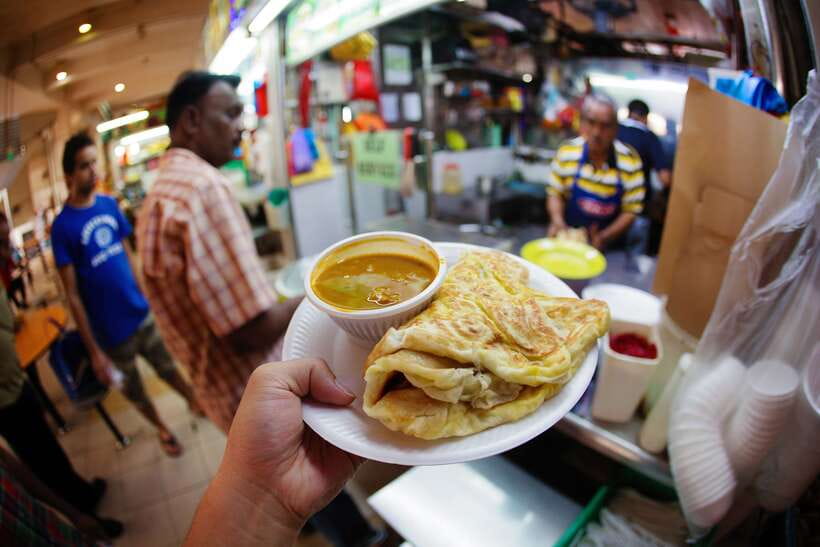
Indian Rojak is one of the promised highlights, and it makes a useful introduction to the tour because the dish is not simply one familiar flavour. It brings together contrasting ingredients and a strong sauce, giving you a sense of how texture and sweetness can work alongside savoury notes.
Your guide can help explain what you are eating and how it fits into the neighbourhood’s food culture. That guidance is valuable when a dish is unfamiliar. Without it, you might reduce the experience to deciding if you like the sauce. With context, the tasting becomes a small lesson in the range of Indian food sold in Singapore.
The exact preparation and serving details are not fixed in the information provided, so you should expect the dish to be presented as part of the day’s selected stops rather than as a formal cooking demonstration.
Thosai and the craft of South Indian cooking
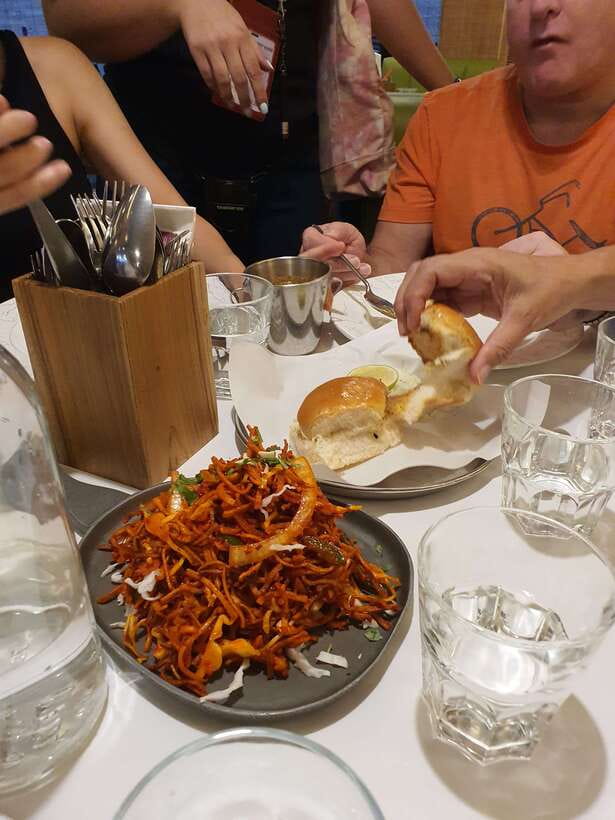
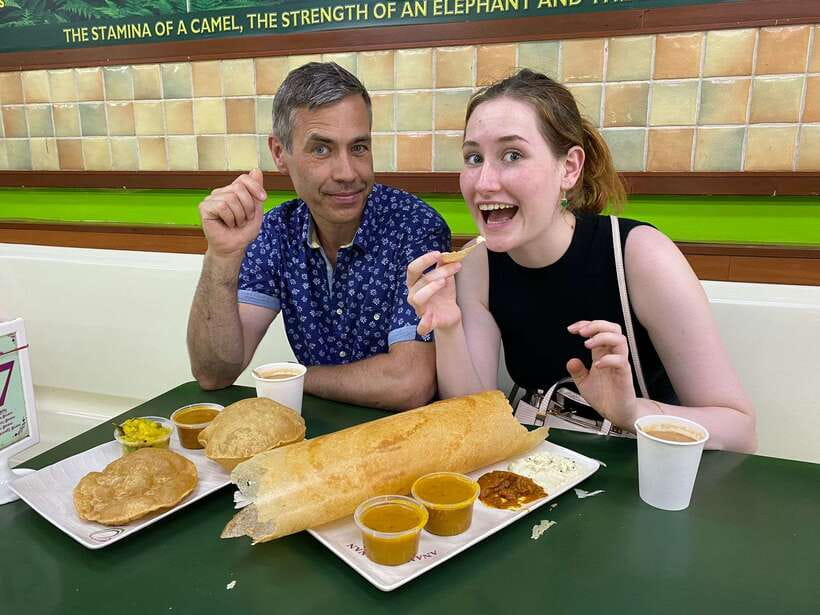
Thosai, also commonly written as dosa, is highlighted as a chance to see the skill involved in South Indian cuisine. It is the sort of dish that benefits from being eaten fresh, when its texture is most apparent.
This stop gives your guide a chance to talk about technique, ingredients, and regional food traditions. Even if you already know thosai from Indian restaurants elsewhere, eating it in Little India adds useful context. You are seeing it in the setting of a local food district, alongside other dishes that show different parts of Indian cooking.
The tour does not promise a cooking class, so do not expect to prepare the thosai yourself. The value is in tasting it at a working food stall and learning what to notice.
Same place, a different plate:
- Small Group: Singapore Street Food & Night Tour with 9 tastings
★ 5.0 · 1,240 reviews - Singapore: UNESCO Street Food & Cultural Experience
★ 5.0 · 524 reviews - Singapore: Guided Street Food Tour at Night
★ 4.5 · 393 reviews - Singapore Street Food Tour with a Local: A Feast for Foodies 100% Personalized
★ 5.0 · 169 reviews
Pani Puri brings the street-food energy
Pani Puri is another key tasting. It is a street-food staple, and it offers a very different experience from a sit-down curry or a plate of rice. The dish is built for quick eating, with crisp shells and a burst of liquid and seasoning.
This is one of the stops where a guide helps you avoid uncertainty. You can ask how to eat it, what the filling contains, and how the flavours are meant to work together. Food tours are at their best when they remove that first barrier of hesitation, especially with dishes that are unfamiliar or messy.
Pani Puri also keeps the tour from becoming a procession of similar plates. The food changes in texture and scale as you move along, which helps the three hours feel like a series of discoveries rather than eight versions of the same meal.
North Indian dishes and the Michelin hawker stops
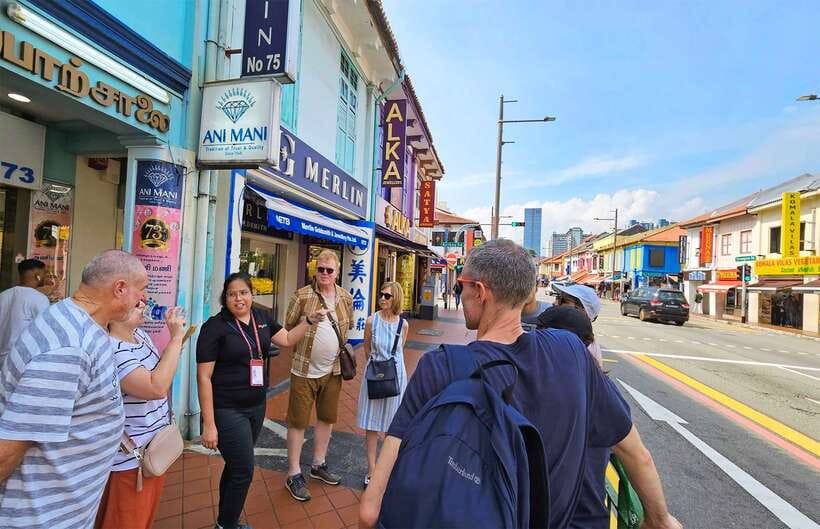
The experience also includes a Singapore version of North Indian cuisine. The supplied details do not name the exact dish, so the menu may vary with availability and the guide’s selection. That flexibility is common in food tours and can be useful, since hawker stalls do not always operate on a fixed restaurant schedule.
One account described six different dishes, including two Michelin-recognized hawker venues, while the tour description promises eight food and drink tastings. I would treat eight as the planned total, with the exact count or serving format potentially depending on the day. The phrase food and drink tastings also means you should not assume all eight will be full meals.
The Michelin connection can add value, but it should not be the only reason to book. The real advantage is that the guide leads you beyond famous names and gives you a wider view of the area’s food scene. If you only want to tick off a celebrated stall, you can often do that yourself. The tour earns its price by connecting several stops and explaining what you are tasting.
Street art, local history, and daily life
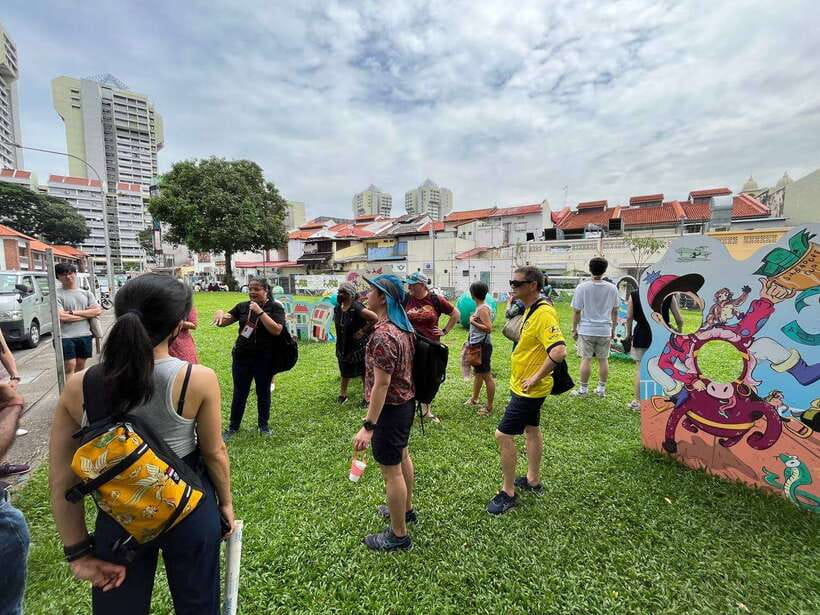
Food is the centre of the experience, but the tour also includes street art and local history stops. This is important because Little India is more than a collection of eateries. The neighbourhood’s streets, working businesses, and public spaces help explain why the food tastes and traditions remain visible here.
The guide’s role is especially valuable during these pauses. A good explanation can show how Singapore’s districts function, how different communities have shaped the city, and why a particular street or building matters. Kyanta Yap was praised for explaining Singapore’s local history and how things work, while Corliss was praised for answering questions and adjusting to personal interests.
Those comments suggest a conversational style rather than a speech delivered at every corner. That suits this kind of walk. You can ask about ingredients, local customs, or the people you see along the route.
Sunday may bring the most striking street atmosphere. Little India can fill with Indian and Bangladeshi workers enjoying their only day off, creating packed streets and a more social feel. This may be the closest thing to an authentic local snapshot that the schedule offers, but it also means tighter movement and more noise. If you prefer calm streets and easier photography, another day may be more comfortable.
What the three-hour pace feels like
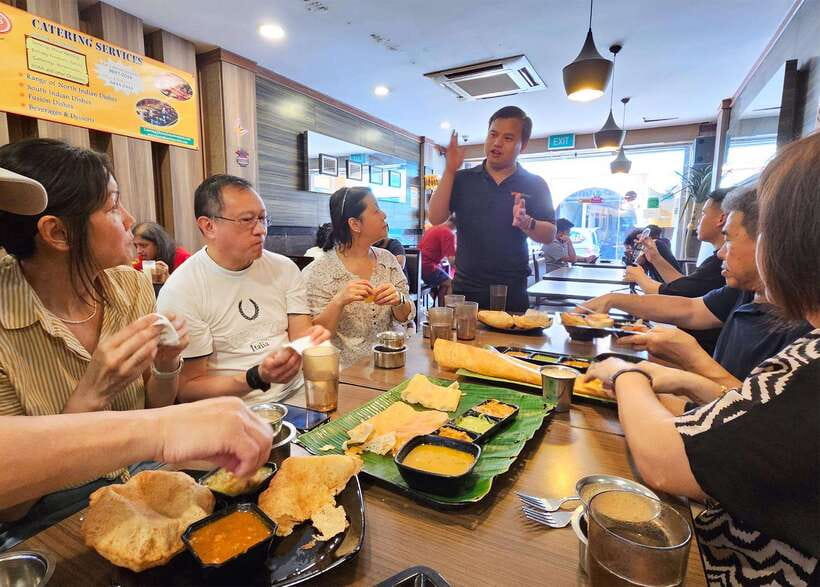
Three hours is long enough to build a story around the food without taking up an entire day. You get repeated tastings, walking time, cultural stops, and chances to ask questions. The format should suit you if you enjoy eating in small portions while staying on the move.
Come hungry, but do not arrive expecting eight restaurant-sized meals. The tour is a sequence of samples. Depending on the day’s dishes, you may feel comfortably full by the end, but the experience is designed for variety rather than one huge feast.
Wear comfortable walking shoes and leave room in your schedule after the tour. The meeting point is central, but the route includes food centres and alleys, not just a straight walk from one restaurant to another. The exact starting time is selected when you check availability.
The English-speaking format is useful for visitors who want detailed explanations. If you need another language, this is not the right choice because English is the listed tour language.
Is $86 a fair price?
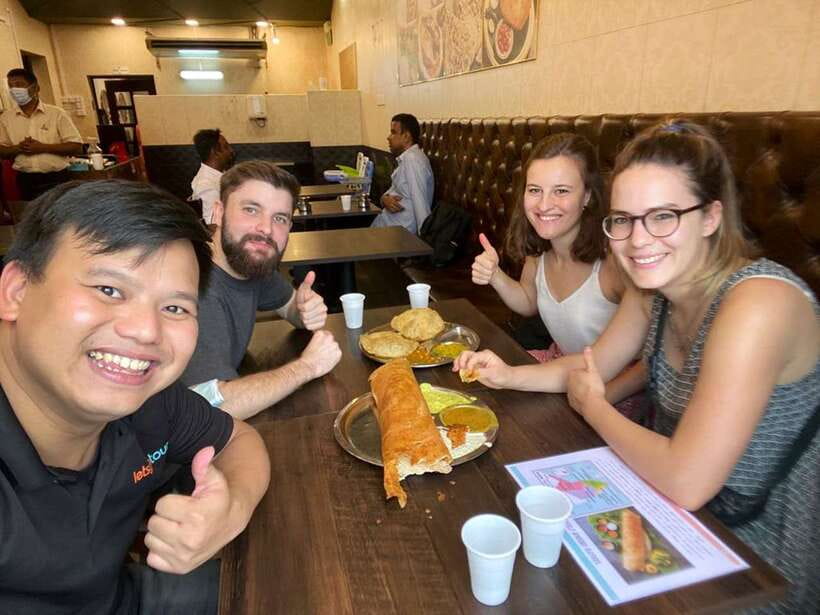
At $86 per person, this is not a cheap way to eat in Singapore. You could buy individual hawker dishes for much less if you already know where to go and what to order.
The price makes more sense if you value the guide, the route, and the confidence of having unfamiliar dishes explained. You are paying for eight planned tastings, a local introduction to Little India, food history, street art, and help finding stalls beyond the most obvious tourist stops. For a first visit, that structure can save time and prevent a cautious eater from sticking to familiar dishes.
The value also improves if you get a small group or a private outing. One booking became private, and that allowed for a more personal blend of information and conversation. You should not count on that, though, since group size and availability vary.
I would compare it with the cost of a food-focused walk plus several meals on your own. If you are confident navigating Singapore’s hawker centres, the tour may feel expensive. If you want a guided introduction and plan to explore Little India only once, the cost is easier to justify.
Free cancellation up to 24 hours before the start and the option to reserve now and pay later add useful flexibility. The minimum booking requirement of two people means a solo booking could be rescheduled, so keep that condition in mind.
Who will enjoy this Little India food walk?
I would recommend it to first-time visitors who want a focused introduction to Indian food in Singapore. It also suits curious eaters who enjoy asking questions, trying unfamiliar street food, and learning how a neighbourhood works while walking.
It is a good fit for:
- Couples who want an active food outing rather than a formal dinner
- Solo visitors who want local guidance and company
- Diners interested in Indian cuisine, especially South and North Indian traditions
- People who have never visited India and want a gentle first taste
- Visitors who enjoy history and street scenes alongside eating
- Anyone who wants to see hawker food beyond the most famous stalls
I would think twice if you need a very broad selection of Singaporean cuisine. I would also reconsider if you dislike walking, prefer large restaurant portions, or want a quiet, polished dining experience. Sunday can be crowded, and the food is not designed around dietary needs in the information supplied, so ask the operator directly before booking if you have allergies or strict restrictions.
Should you book the Little India tour?
Book this experience if you want Indian food, local context, and a guided walk in one compact outing. The strongest part is the combination of tastings and explanation. You are not just handed food; you get a clearer sense of how Little India fits into Singapore.
Skip it if your main goal is a broad Singapore food tour or the lowest possible meal cost. For everyone else, $86 is reasonable when you value the guide and the convenience of a planned route. I would choose a Sunday for the fullest street atmosphere, or another day if you prefer more breathing room. Either way, arrive hungry and expect the food to lead the way.
FAQ
Where does the tour meet?
The meeting point is Little India MRT Exit C.
How long does the tour last?
The experience lasts three hours.
How many food tastings are included?
Eight food and drink tastings are included. The exact dishes can vary, but listed highlights include Indian Rojak, Thosai, Pani Puri, and North Indian cuisine.
Is the tour conducted in English?
Yes. The live tour guide speaks English.
What is the price?
The listed price is $86 per person.
Can the tour be cancelled for a full refund?
Yes. You can cancel up to 24 hours in advance for a full refund. The tour may also be rescheduled if the minimum requirement of two people is not met.
Just added around Singapore
- UNESCO Hawker Culture: Chinatown Food Tasting Tour★ 4.9 · 43 reviews
- UNESCO Hawker Culture: Chinatown Food Tasting Tour★ 5.0 · 47 reviews
- Singapore Street Food Join-In Tour★ 5.0 · 2 reviews
- Singapore Street Food and Ethnic Quarters Kick Scooter Tour★ 5.0 · 8 reviews
- Signature Urban Night Tour: Sunset Street Food in Singapore★ 5.0 · 4 reviews
- Singapore Nightlife: Street Food, Night Views and Drinks★ 5.0 · 19 reviews
- Singapore Chinatown Local Hawker Food Tour★ 5.0 · 2 reviews
- Singapore: Little India Hawker Food Tasting Tour★ 5.0 · 21 reviews
Night Market Food Tours, compared.
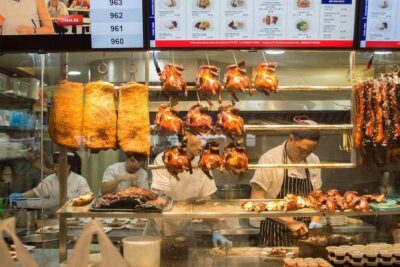
Small Group: Michelin and Local Hawker Food Tour with 9 tastings
What we made of it →
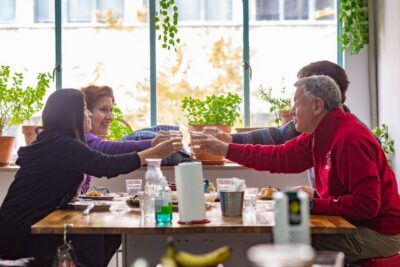
Food Market Visit and Cooking Class with Wine
What we made of it →
Venice Street Food Tour with Local Guide with Local Food Market Visit
What we made of it →
Cancun Taco Tour, Local Beer and Night Market with Transportation
What we made of it →
Tsukiji Fish Market Food and Culture Walking Tour
What we made of it →
Cancun Street Food Tour with Food Stalls, Local Market and Murals
What we made of it →Where this tour turns up